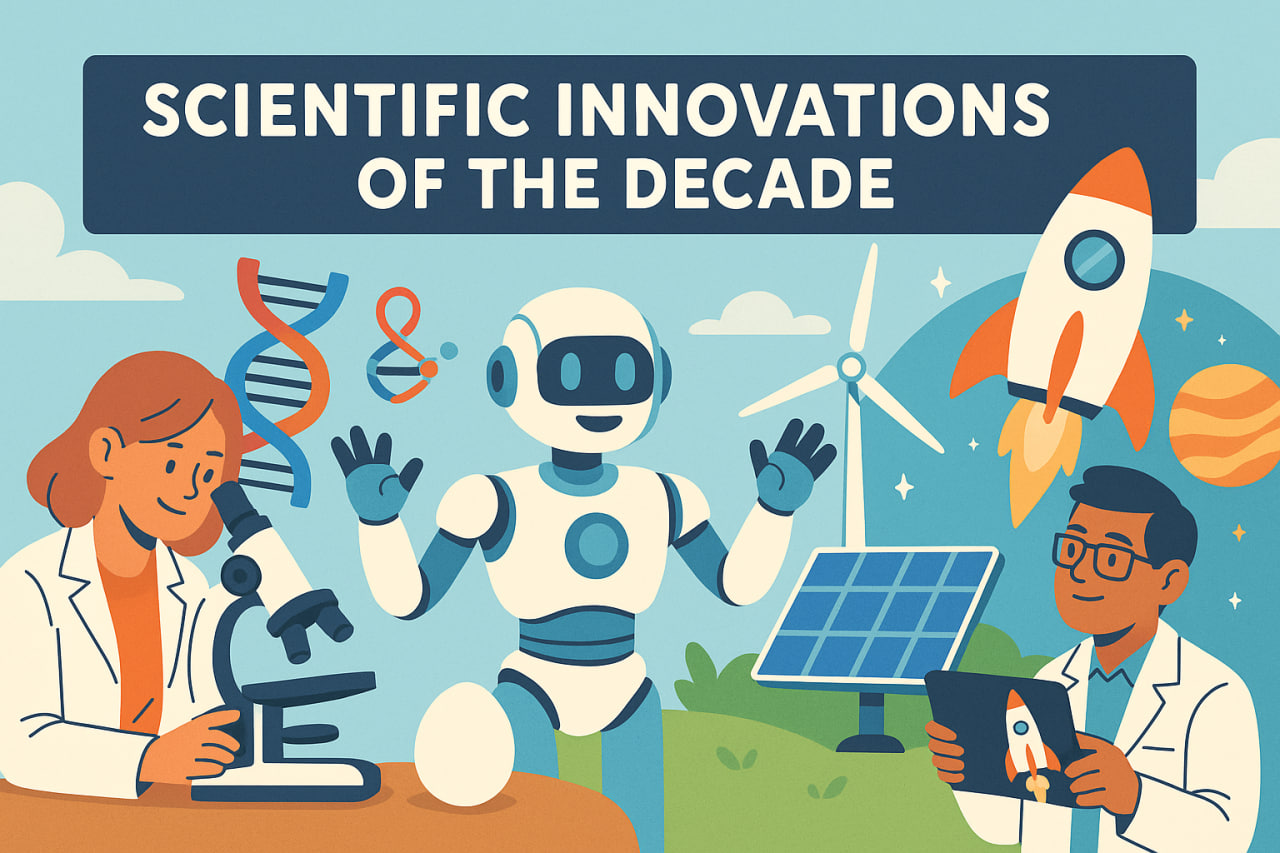
Science never stands still. Over the past decade, humanity has witnessed a wave of discoveries and technologies that are transforming medicine, energy, communication, and our understanding of the universe. These innovations are not just reshaping industries — they’re redefining what’s possible for human progress.
The James Webb Space Telescope (JWST) is one of the most ambitious scientific instruments ever built. Launched on December 25, 2021, it has revolutionized astronomy by allowing humanity to peer deeper into space — and further back in time — than ever before. Often called the “successor to Hubble,” Webb is not just a telescope; it’s a time machine revealing the universe’s earliest galaxies and the secrets of cosmic evolution.
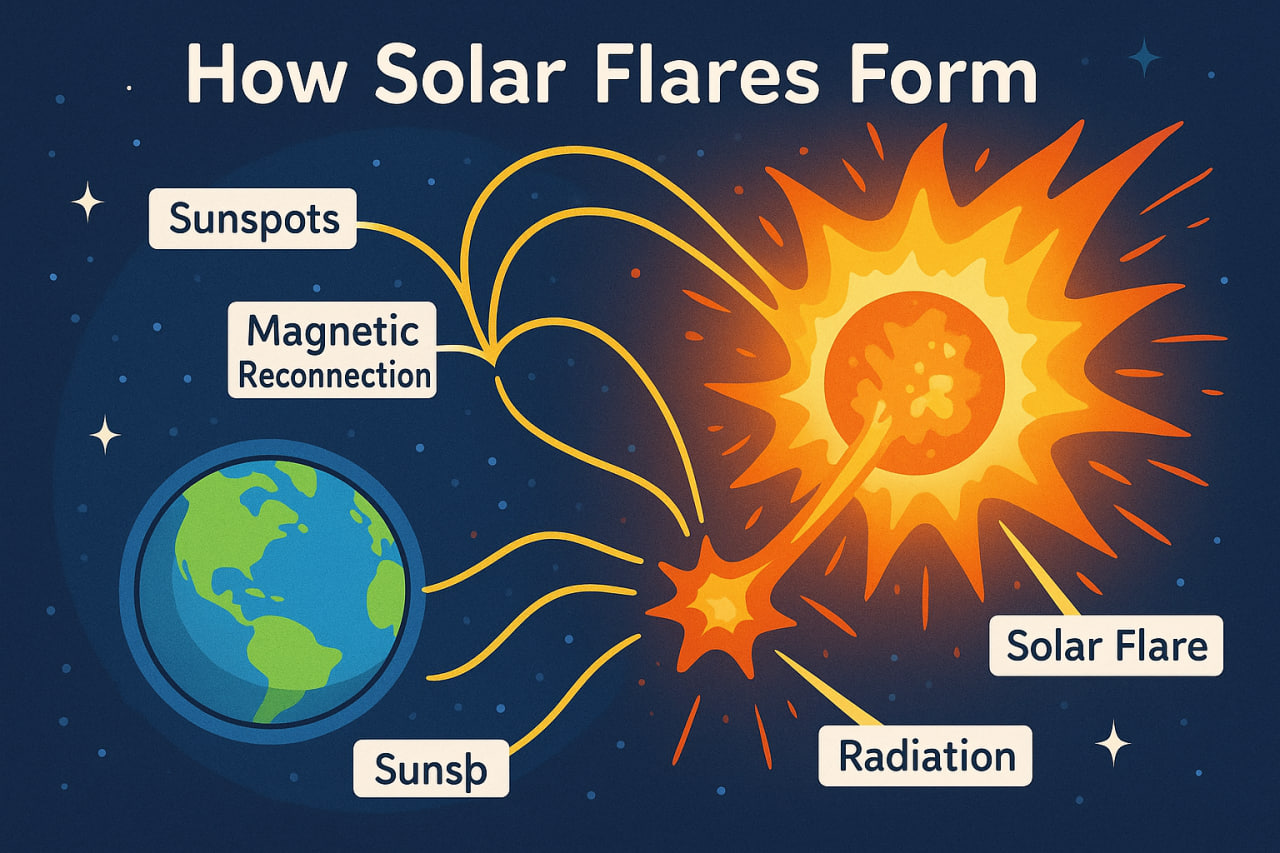
The Sun may look calm from Earth, but it is in constant motion — a fiery, magnetic storm of plasma and light. Among its most dramatic phenomena are solar flares: sudden bursts of energy that release the power of millions of nuclear bombs in seconds. These cosmic explosions can affect satellites, disrupt radio signals, and even paint the sky with colorful auroras. But what exactly causes them?
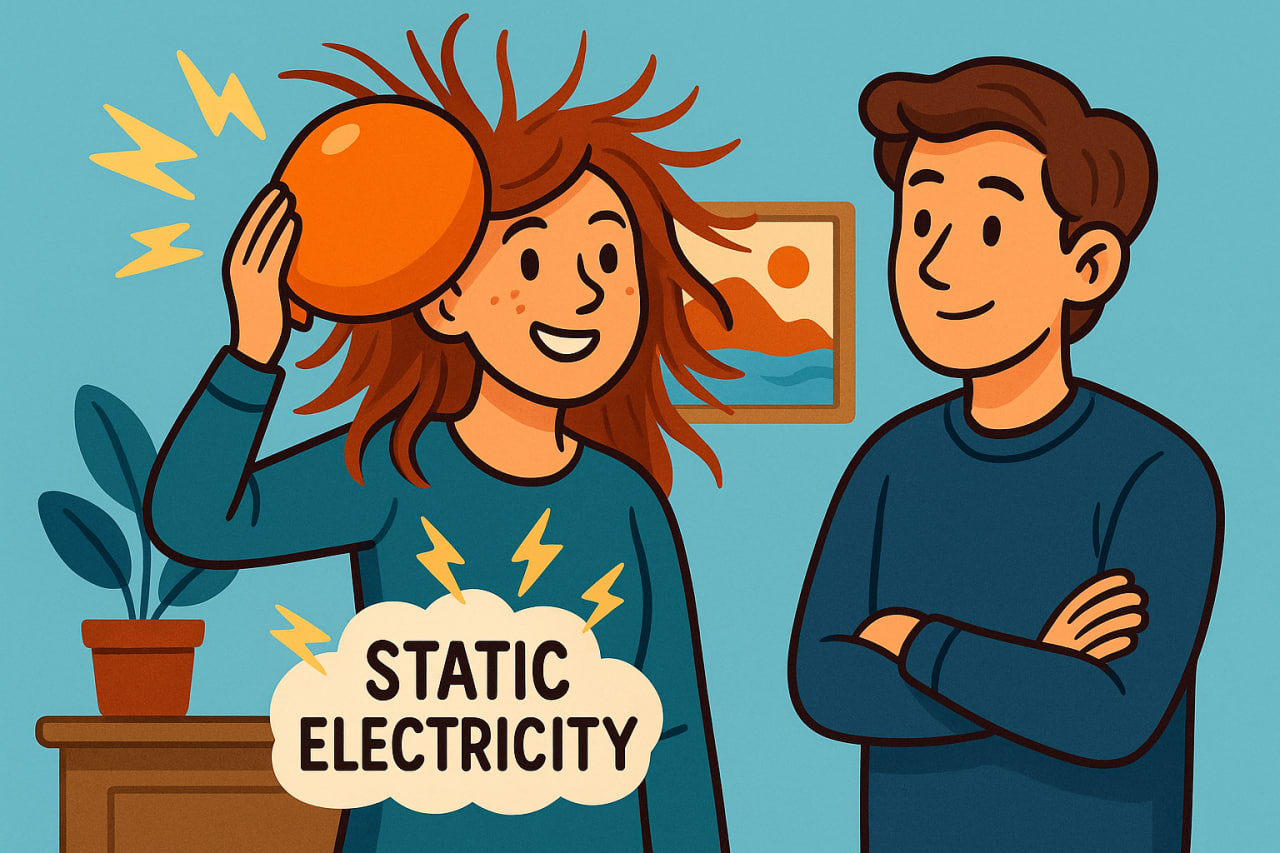
Static electricity is a form of electrical energy that builds up on the surface of objects due to an imbalance of charges. Unlike the steady flow of electricity in wires, static electricity occurs when electrons move from one material to another, creating either a positive or negative electrical charge. This effect can be observed in everyday life, such as when hair stands up after rubbing it with a balloon or when you feel a small shock after touching a metal doorknob. The buildup usually occurs in dry environments where electrons transfer more easily, making winter months a common time to notice static effects. While static electricity might seem simple, it plays an important role in physics and technology. Understanding how it works helps explain lightning, photocopiers, and even some industrial machinery.
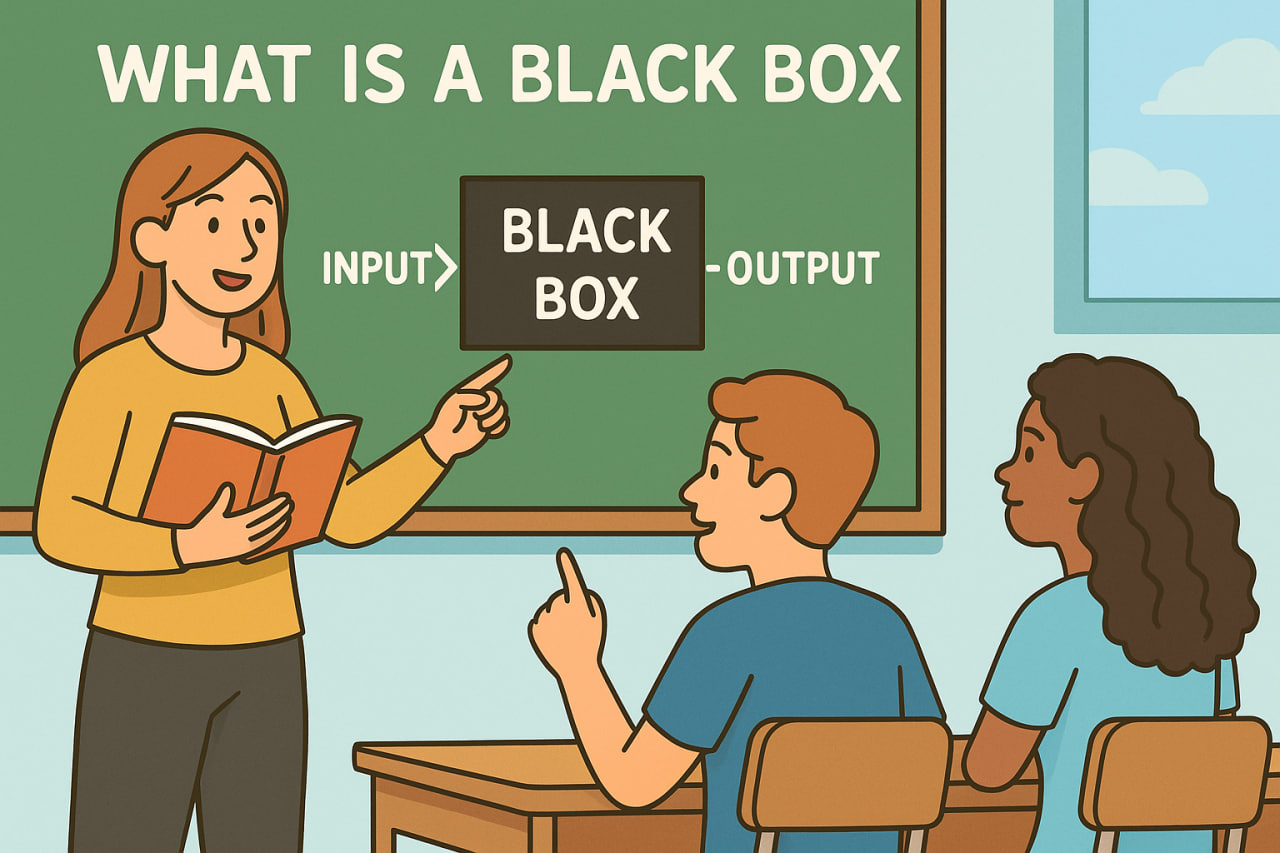
A black box is a system or process that can be observed from the outside, but its internal workings are hidden or not easily understood. You can see what goes in and what comes out, but you cannot clearly explain how the result was produced. This concept is used in many fields, including computer science, artificial intelligence, engineering, and even psychology. In modern technology, black box systems often appear when algorithms become too complex for humans to interpret step by step. Understanding the idea of a black box is important because it affects how we trust, evaluate, and control the tools we use every day.
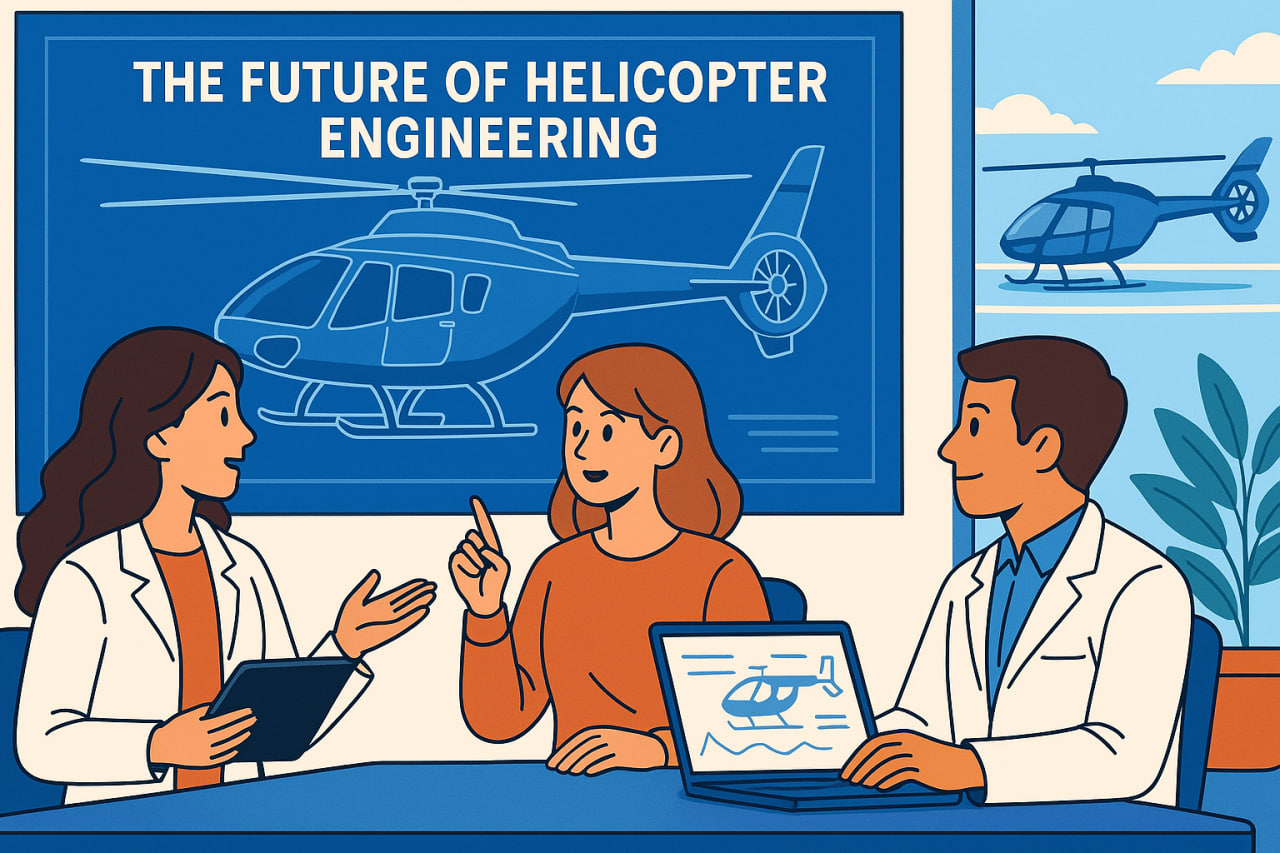
The future of helicopter engineering is shaped by new demands for efficiency, safety, and environmental responsibility. Traditional helicopters are known for their unique ability to take off and land vertically, hover, and navigate difficult terrain—capabilities unmatched by most other aircraft. However, the next generation of rotorcraft aims to enhance these strengths while reducing fuel consumption, noise levels, and maintenance complexity. Engineers and researchers are exploring new materials, propulsion systems, and aerodynamic designs that promise lighter, faster, and more sustainable helicopters. These improvements will expand the roles helicopters play in emergency services, transportation, and industrial operations.
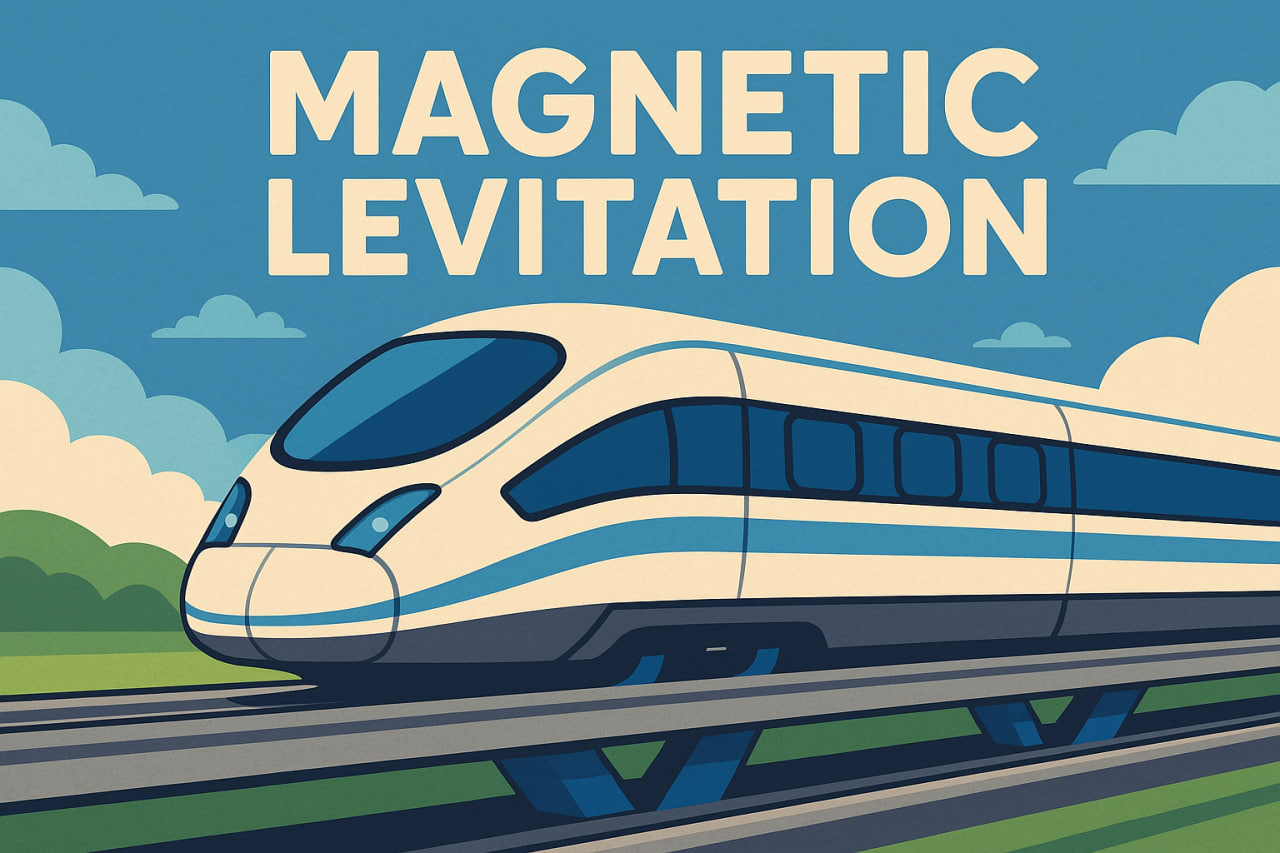
Magnetic levitation, often shortened to maglev, is a remarkable scientific principle that allows objects to float in the air without any physical support. This is made possible through the power of magnetism—specifically, the repulsion or attraction between magnetic fields. Instead of relying on wheels, ropes, or surfaces, magnetic levitation uses invisible forces to overcome gravity. This technology is already used in high-speed trains, science experiments, and precision engineering, and it has the potential to revolutionize transportation, industry, and everyday life. Understanding how magnetic levitation works helps us appreciate one of the most elegant and futuristic applications of physics.
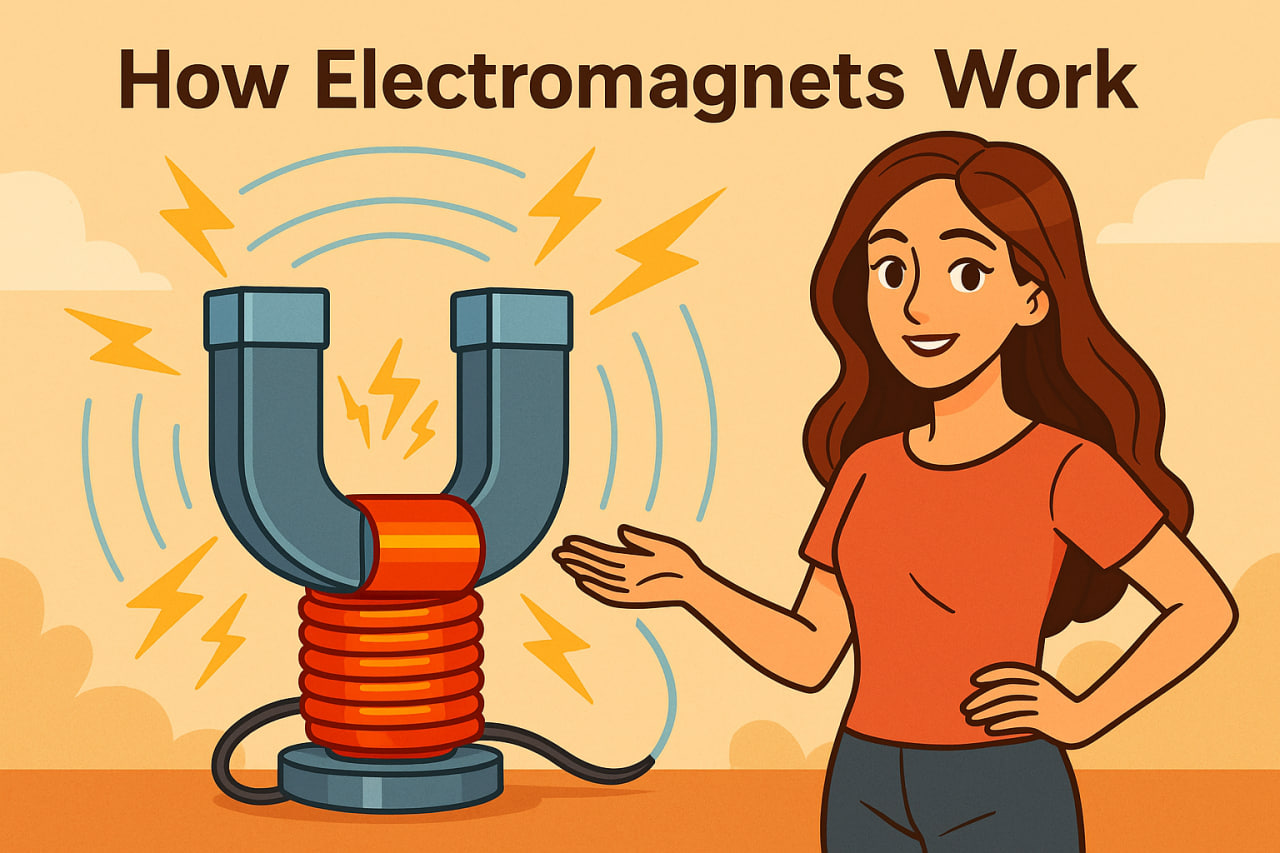
Electromagnets are special magnets that rely on electricity to create magnetic force. Unlike permanent magnets, which always have a magnetic field, electromagnets generate magnetism only when electric current flows through them. This ability to turn magnetism on and off makes electromagnets incredibly useful in technology, industry, transportation, and everyday devices. They are found in electric motors, speakers, medical equipment, cranes that lift heavy metal scrap, and even the doorbells and headphones we use daily. Electromagnets demonstrate the powerful connection between electricity and magnetism—a relationship at the heart of modern engineering.
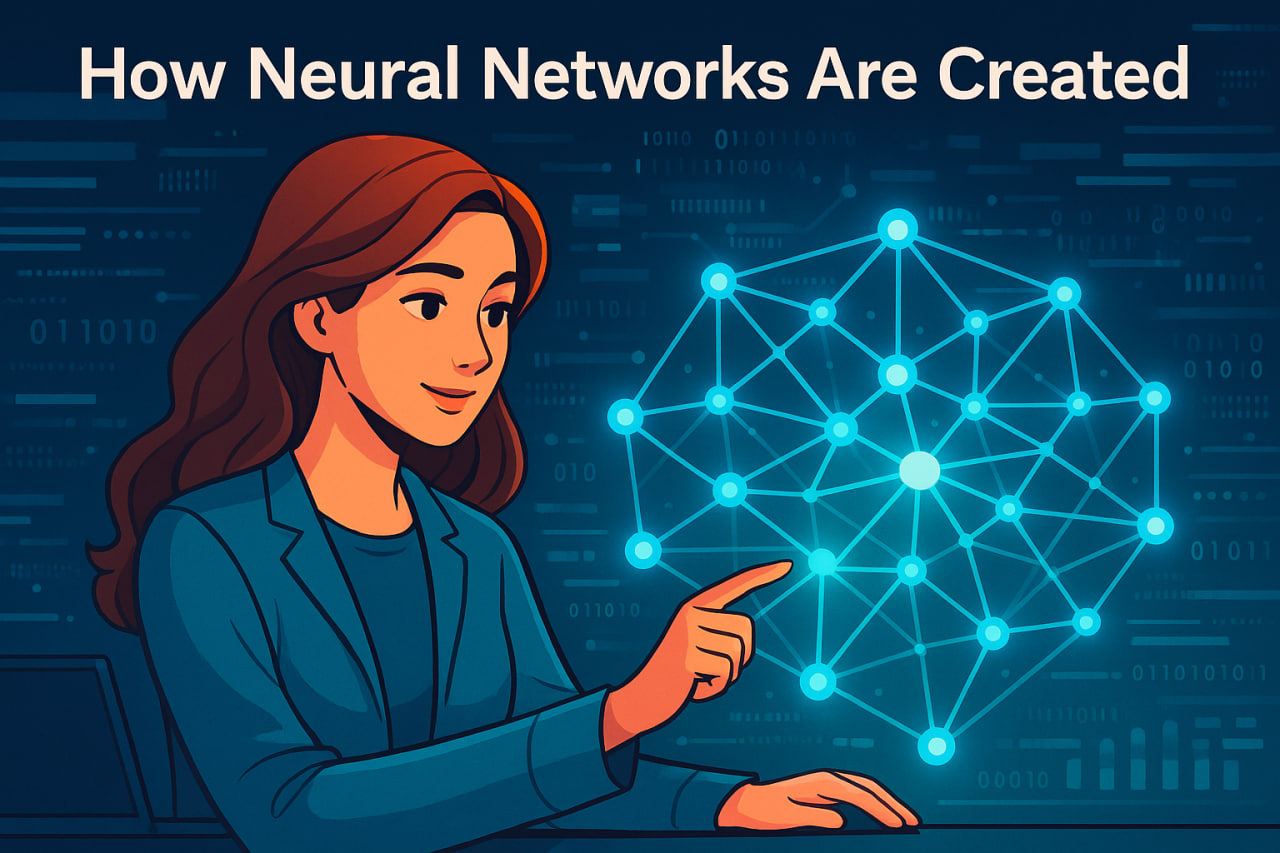
Neural networks are at the heart of modern artificial intelligence (AI), powering everything from voice assistants and facial recognition to medical diagnostics and self-driving cars. These complex systems are inspired by the human brain and designed to recognize patterns, make predictions, and learn from experience. While the concept may sound futuristic, the creation of neural networks is rooted in mathematics, data, and programming. Understanding how they are built helps us grasp how machines are learning to think, adapt, and even create—reshaping technology and human life in the process.
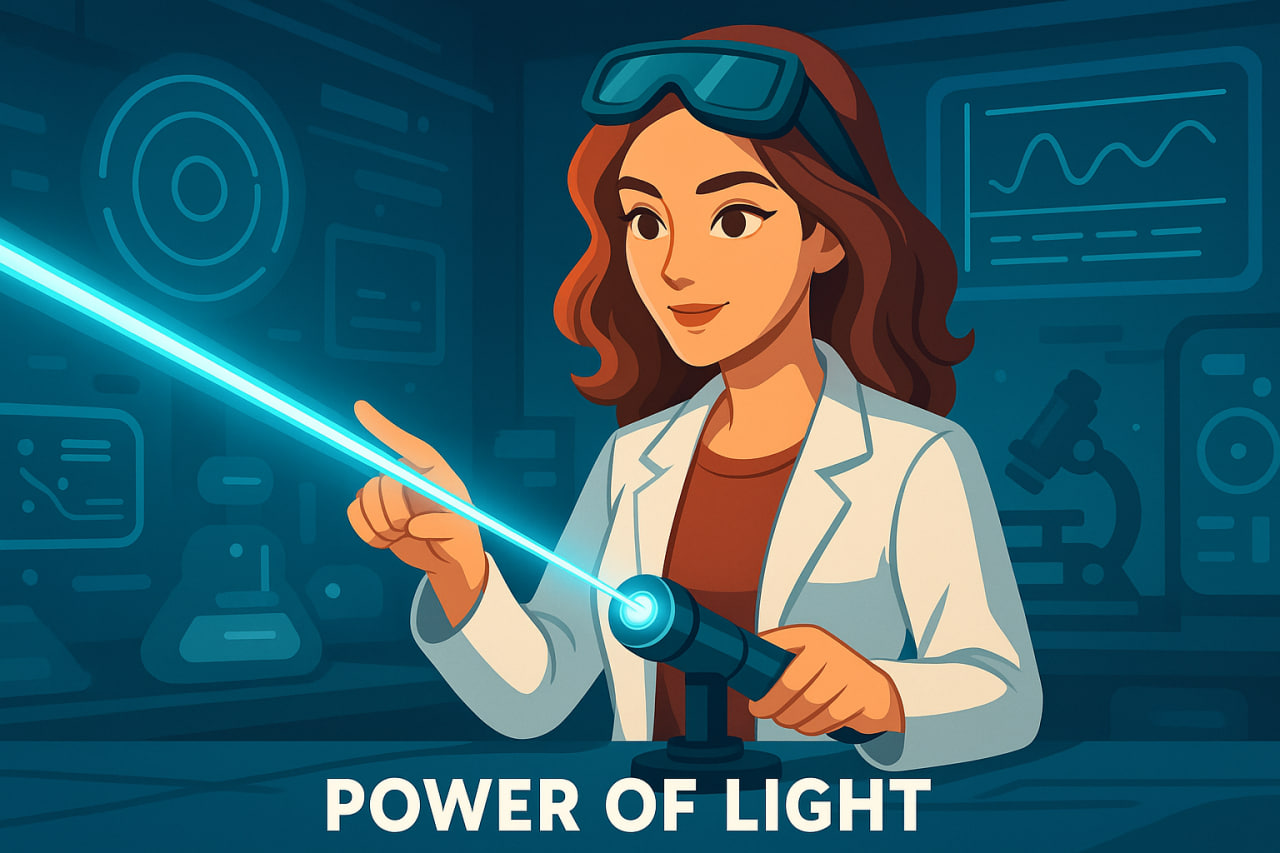
The laser, an invention that revolutionized modern technology, is one of the most remarkable tools ever created by humankind. The term “laser” stands for Light Amplification by Stimulated Emission of Radiation, and it refers to a process that produces a concentrated beam of light with extraordinary precision. Since its invention in 1960 by physicist Theodore Maiman, the laser has become indispensable across fields ranging from medicine and communication to manufacturing and entertainment. Its unique ability to focus light into a single wavelength allows it to cut, heal, measure, and even transmit data at incredible speeds. Understanding how lasers work reveals not only the beauty of physics but also the endless possibilities of controlled light.