Science

The Future of Nuclear Energy – Powering Tomorrow Responsibly
Hi-Tech Science New Discoveries

The Future of Nuclear Energy – Powering Tomorrow Responsibly

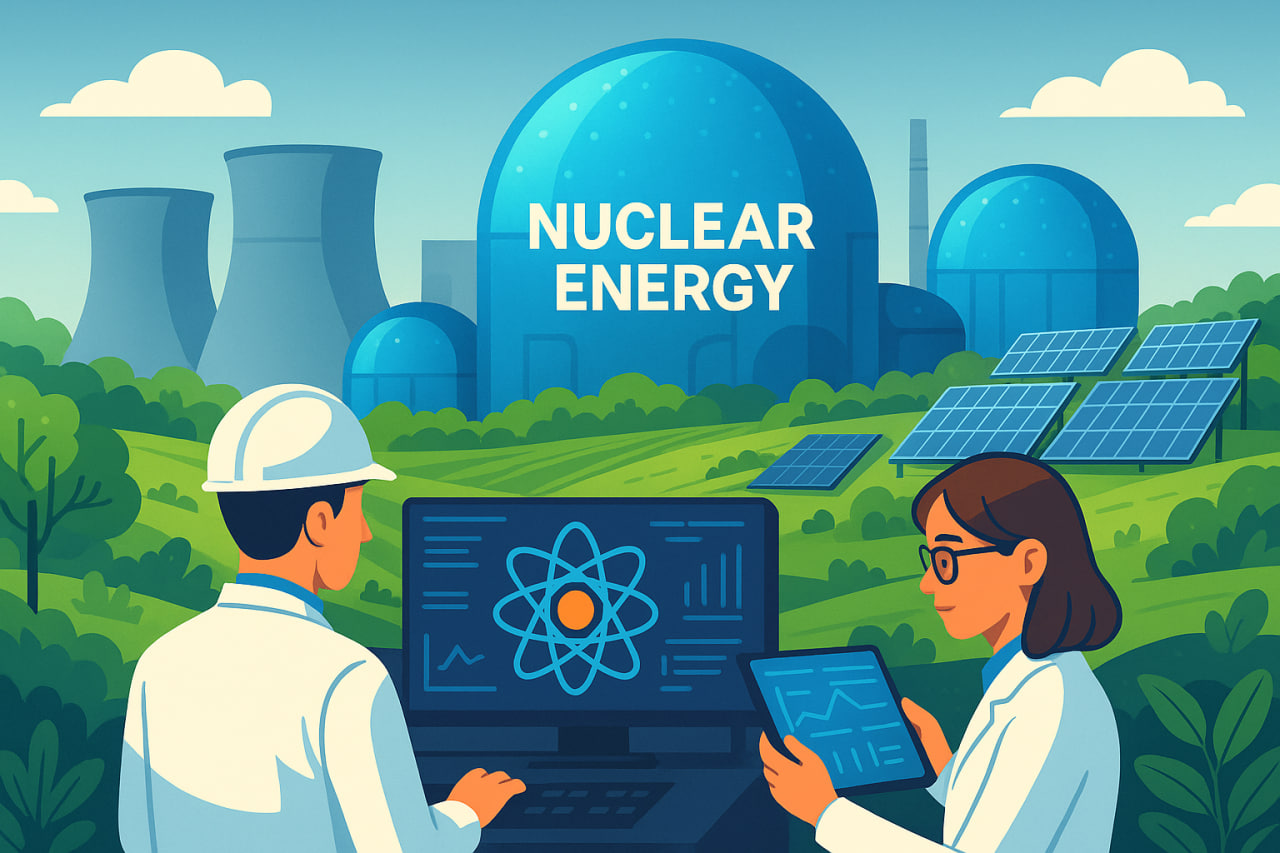
Nuclear energy stands at a crossroads between innovation and caution. Once seen as the energy source of the future, it later became a symbol of fear after disasters like Chernobyl and Fukushima. Yet, as the world faces the urgent challenge of climate change, nuclear power is reemerging as a key part of the global conversation. It offers immense potential for clean, stable energy—if humanity can harness it safely and sustainably. The future of nuclear energy may well define the balance between technological progress and environmental responsibility.
Dimensions – The Hidden Layers of Reality
Universe Science Be Smart

Dimensions – The Hidden Layers of Reality

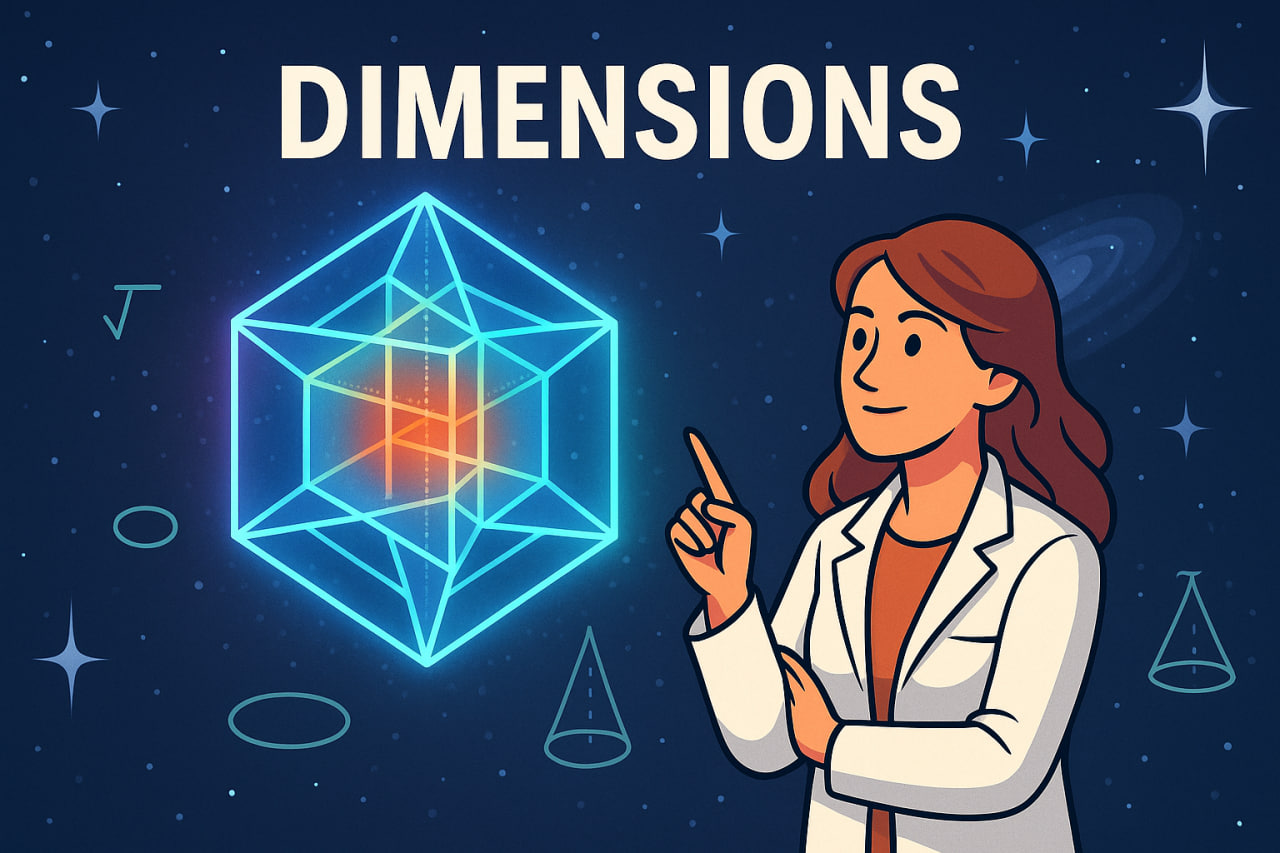
From the three-dimensional world we perceive daily to the unseen realms theorized by physics, dimensions are the framework of existence. They define how we move, interact, and experience reality. While we intuitively understand length, width, and height, scientists have discovered that the universe may be composed of far more than just these familiar three. Exploring the nature of dimensions is not only a journey through science but also a profound reflection on the limits of human perception and imagination.

What Is Fire – The Science Behind the Flame
History Science Be Smart

What Is Fire – The Science Behind the Flame

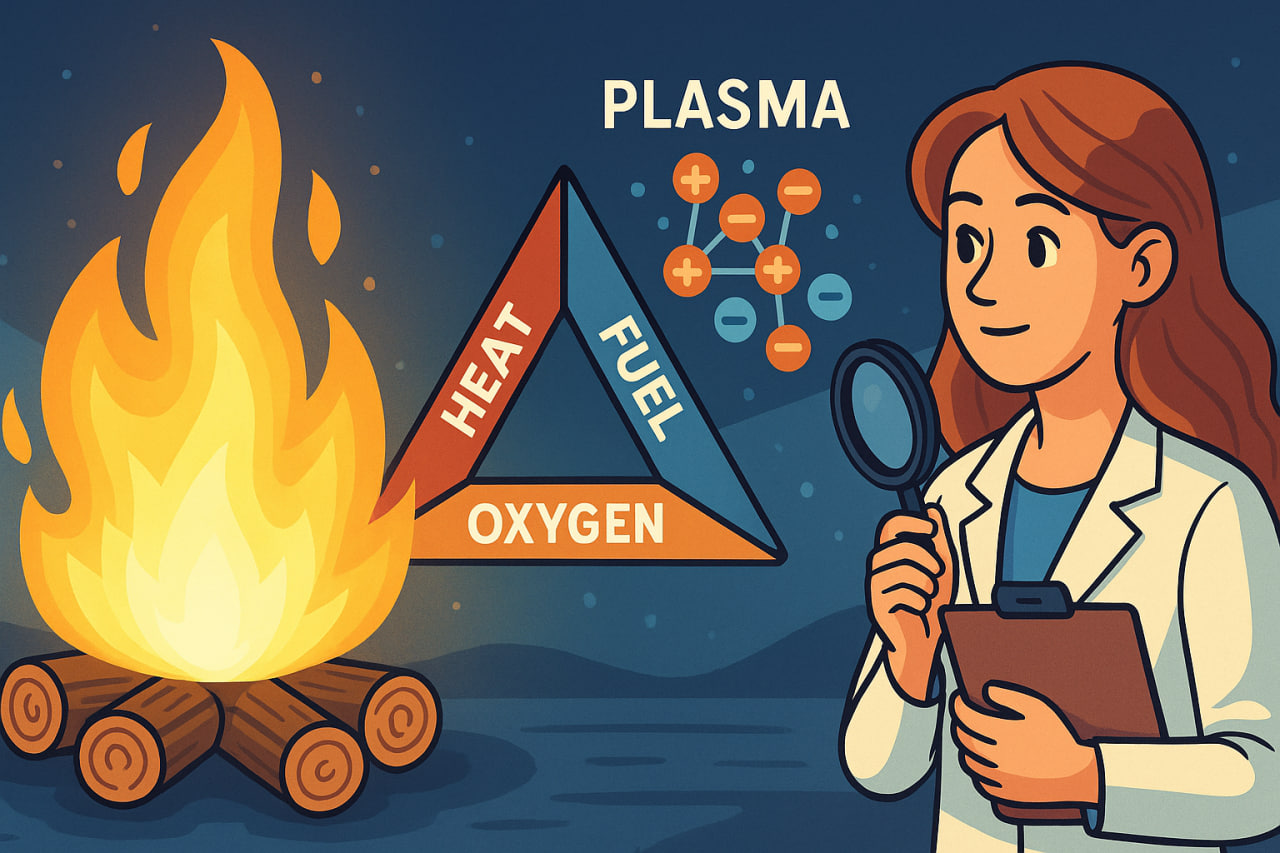
Fire has fascinated humankind since prehistoric times. It is both a symbol of creation and destruction, a force that shaped civilization while demanding respect and caution. But what exactly is fire? Scientifically, fire is not a thing—it is a chemical reaction. Specifically, it is a visible manifestation of combustion, where heat, oxygen, and fuel interact to release energy in the form of light and warmth. This process has allowed humans to cook food, forge tools, generate electricity, and explore the limits of science and survival.

Mutations – The Engine of Evolution and Genetic Diversity
Science Be Smart

Mutations – The Engine of Evolution and Genetic Diversity

Mutations are the tiny changes in DNA that drive the vast complexity of life on Earth. They are both creators and destroyers—fueling evolution, enabling adaptation, and occasionally causing genetic disorders. Every living organism carries mutations, and without them, evolution would never have occurred. From the patterns on butterfly wings to the resilience of viruses, mutations shape all biological diversity. Understanding how mutations arise and influence life reveals the delicate balance between chance, change, and survival.

Seismology
Science Be Smart

Seismology

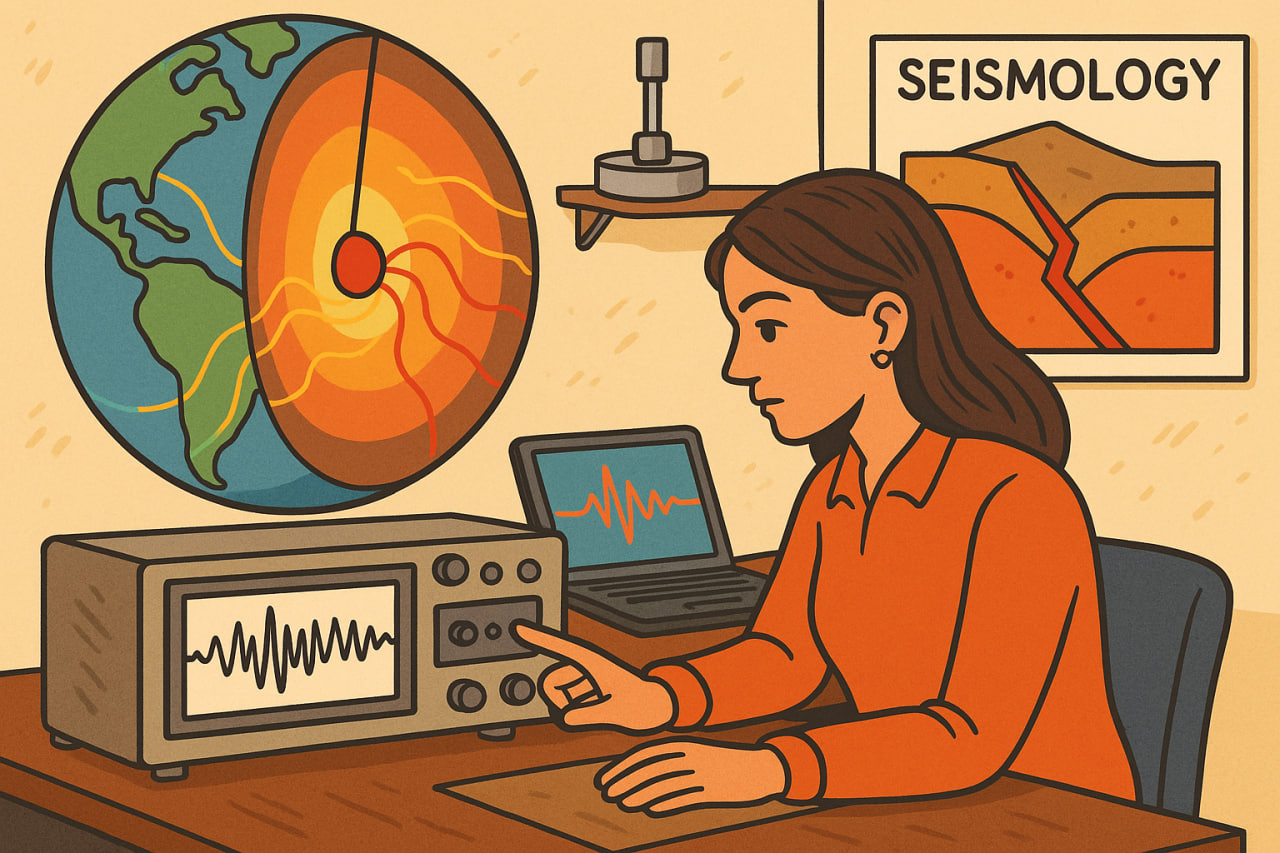
Seismology is the scientific study of earthquakes and the propagation of elastic waves through the Earth. It provides humanity with a window into the planet’s internal structure, revealing how our world moves, reshapes, and even evolves over time. The field has expanded far beyond simple ground shaking—it now integrates physics, mathematics, computer modeling, and satellite observation to understand both natural and human-induced seismic activity. From predicting aftershock probabilities to studying how tectonic forces shape continents, seismology stands as one of the most vital branches of Earth science in our modern age.

Atmospheric Electricity: The Invisible Energy of the Sky
Science New Discoveries Be Smart

Atmospheric Electricity: The Invisible Energy of the Sky

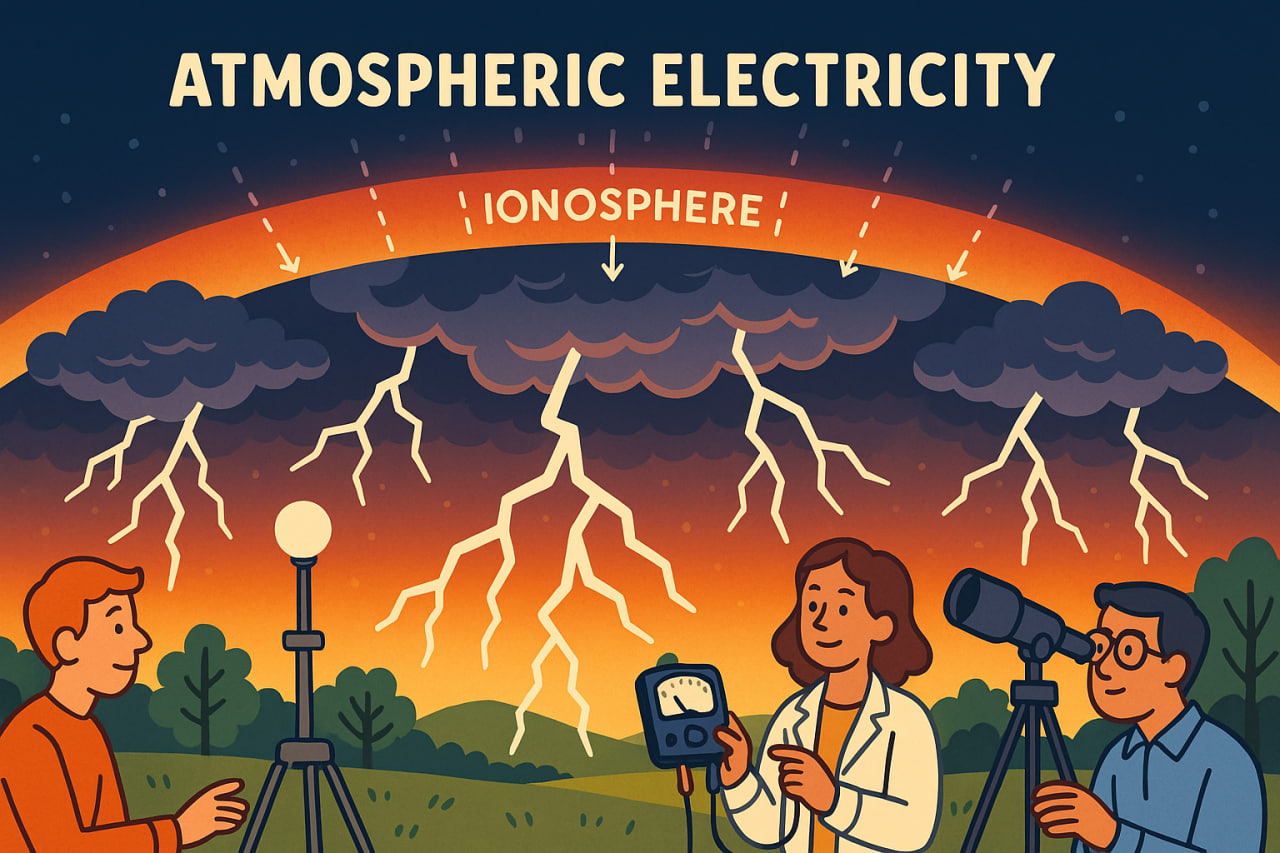
The atmosphere of our planet is not just a layer of air — it is also a vast electrical system filled with charges, currents, and fields that continuously interact between Earth and space. This phenomenon is known as atmospheric electricity. Although invisible to the human eye, it plays a key role in weather, lightning formation, and even the global climate. Understanding this energy helps scientists predict storms, study climate processes, and explore new ways to generate clean power.

Can We Harness Thunderstorms to Generate Electricity?
Hi-Tech Science Be Smart

Can We Harness Thunderstorms to Generate Electricity?

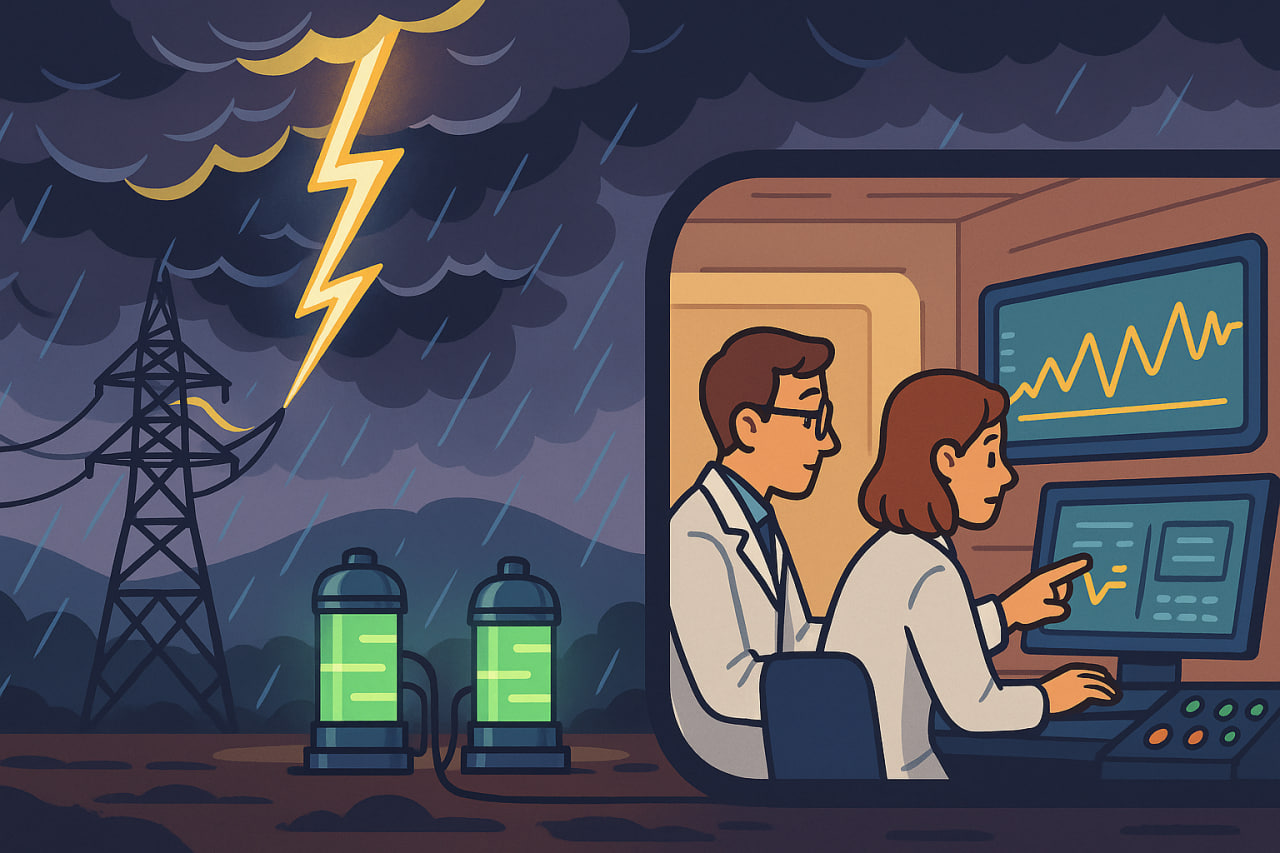
Thunderstorms are among nature’s most powerful displays of energy. A single lightning bolt can heat the air to temperatures five times hotter than the surface of the Sun and release enough energy to power a city block — if only for an instant. For decades, scientists and engineers have dreamed of capturing this energy and converting it into electricity. But is it truly possible to use thunderstorms as a reliable energy source, or does the idea remain a fascinating yet unattainable dream?

Physics: The Science That Explains the Universe
Science Be Smart

Physics: The Science That Explains the Universe

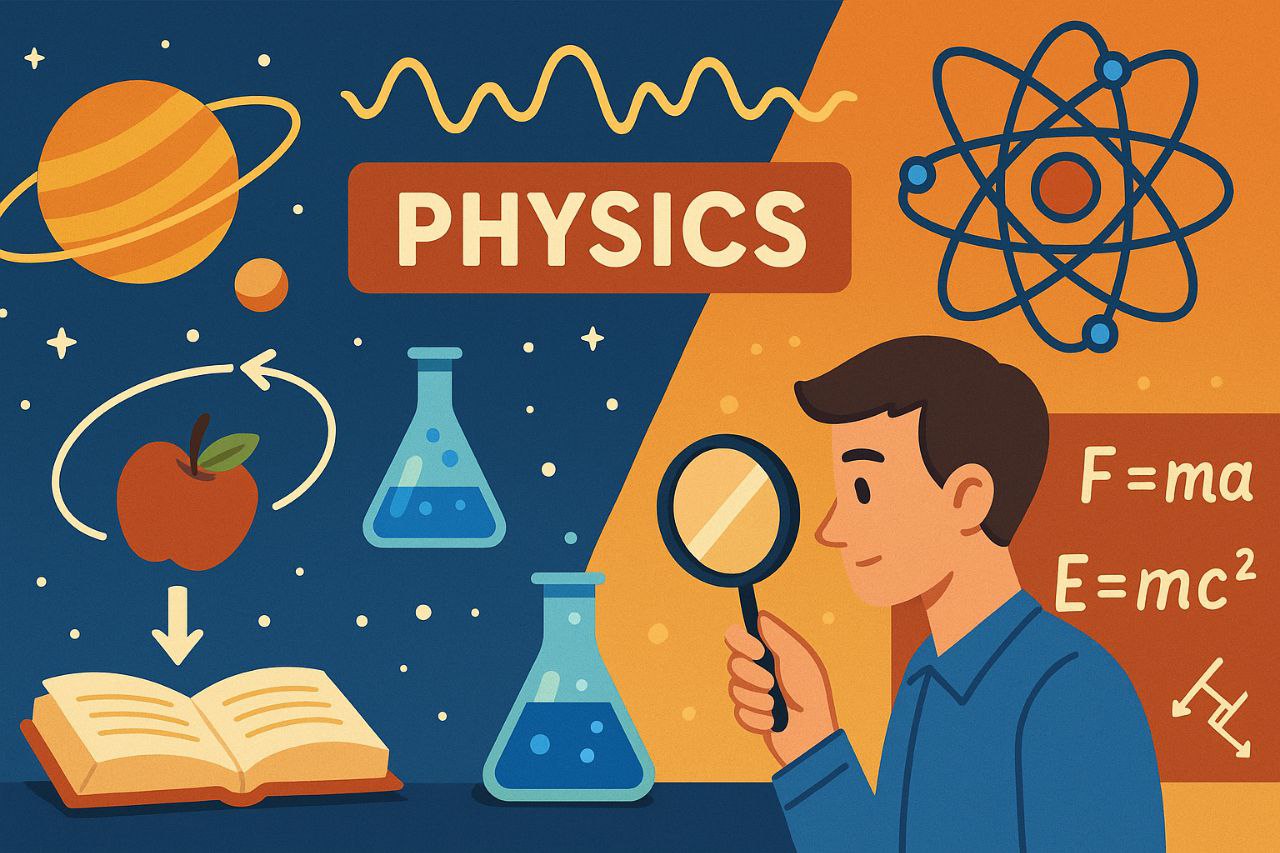
Physics is one of the most fundamental sciences — it seeks to understand how the universe works, from the motion of planets to the vibrations of atoms. Everything around us, including light, sound, heat, electricity, and gravity, follows physical laws. By studying these laws, humans have learned not only to describe nature but also to harness its power — to create electricity, computers, satellites, and even spacecraft exploring other worlds.

Chemistry: The Science of Matter and Transformation
Science Be Smart

Chemistry: The Science of Matter and Transformation

Chemistry is the central science that connects physics, biology, and Earth sciences. It explores how matter is structured, how substances interact, and how new materials are formed. Every breath we take, every meal we eat, and every technological innovation we create involves chemistry. From the formation of stars to the composition of living cells, chemistry explains the invisible processes that shape our universe and everyday life.

Acids and Bases: The Chemistry of Balance
Science Be Smart

Acids and Bases: The Chemistry of Balance

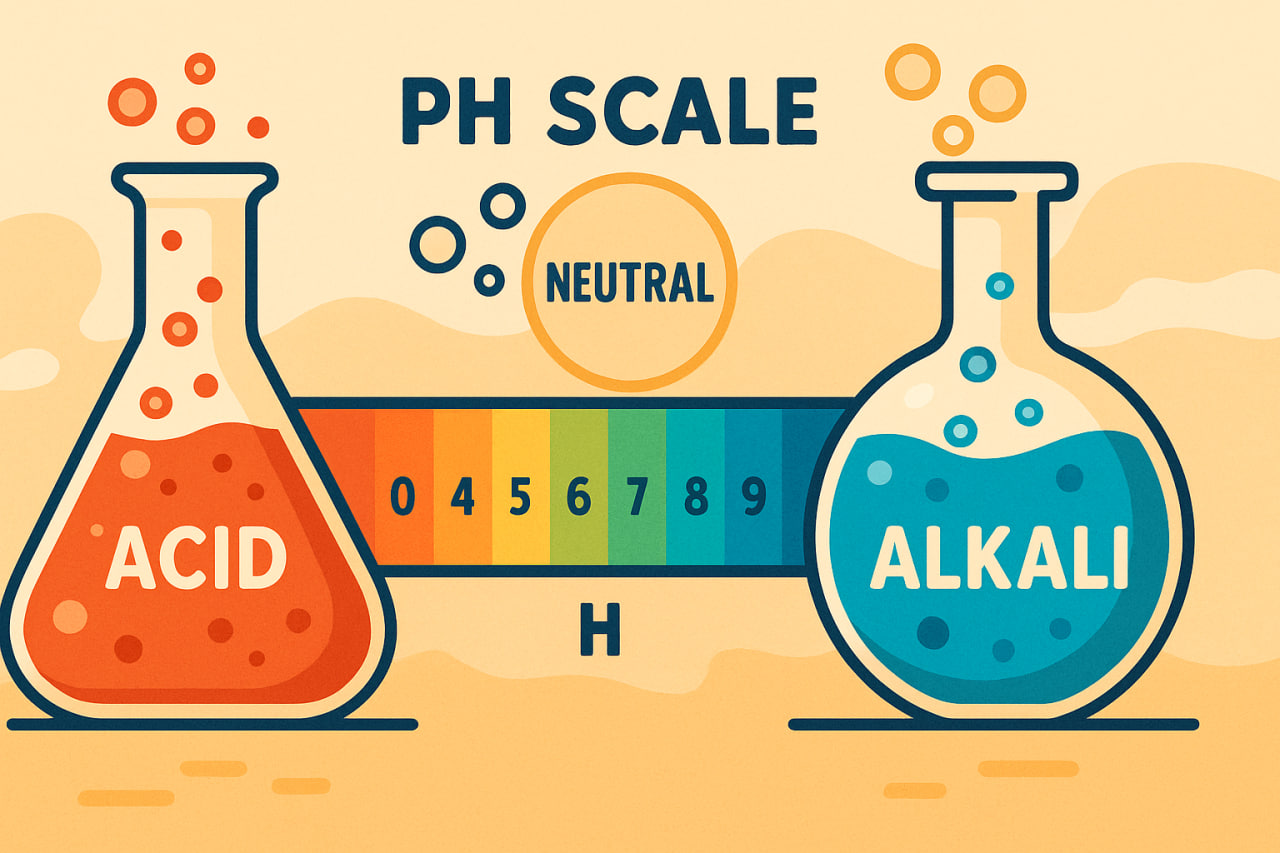
Acids and bases — or alkalis — are fundamental substances that shape the world around us and play a vital role in both nature and human life. From the sour taste of lemons to the slippery feel of soap, their presence can be found in food, cleaning agents, our own bodies, and even the oceans. Understanding how acids and bases interact helps explain a wide range of natural and industrial processes, as well as how to maintain balance in biological and environmental systems.