Science

Optical Fiber: The Invisible Threads Connecting the Modern World
Hi-Tech Science New Discoveries

Optical Fiber: The Invisible Threads Connecting the Modern World

Optical fiber, often called fiber optics, is one of the most remarkable inventions of modern communication. It has transformed the way information travels — allowing data, images, and sound to move across continents in the blink of an eye. These thin, flexible glass strands carry light signals instead of electrical currents, providing unmatched speed, reliability, and efficiency in global data transmission.


The Transistor: The Tiny Invention That Changed the World
History Smart Technology Science

The Transistor: The Tiny Invention That Changed the World

The transistor is one of the most important inventions in human history — a microscopic electronic component that made modern computers, smartphones, and the entire digital world possible. Despite its small size, the transistor revolutionized technology by replacing bulky vacuum tubes, making devices faster, smaller, more reliable, and energy-efficient. It is often called the heart of modern electronics.

The History of Electrical Engineering: From Sparks to Smart Systems
History Science

The History of Electrical Engineering: From Sparks to Smart Systems

The story of electrical engineering is one of humanity’s greatest achievements — a journey from mysterious sparks of static electricity to the intelligent systems that power our modern world. This field, born out of curiosity and experimentation, transformed nearly every aspect of life: lighting cities, transmitting voices across oceans, and enabling the digital revolution.

Do All Moving Objects in the Universe Follow a Left-Handed or Right-Handed Spiral?
Space Stories Universe Science

Do All Moving Objects in the Universe Follow a Left-Handed or Right-Handed Spiral?

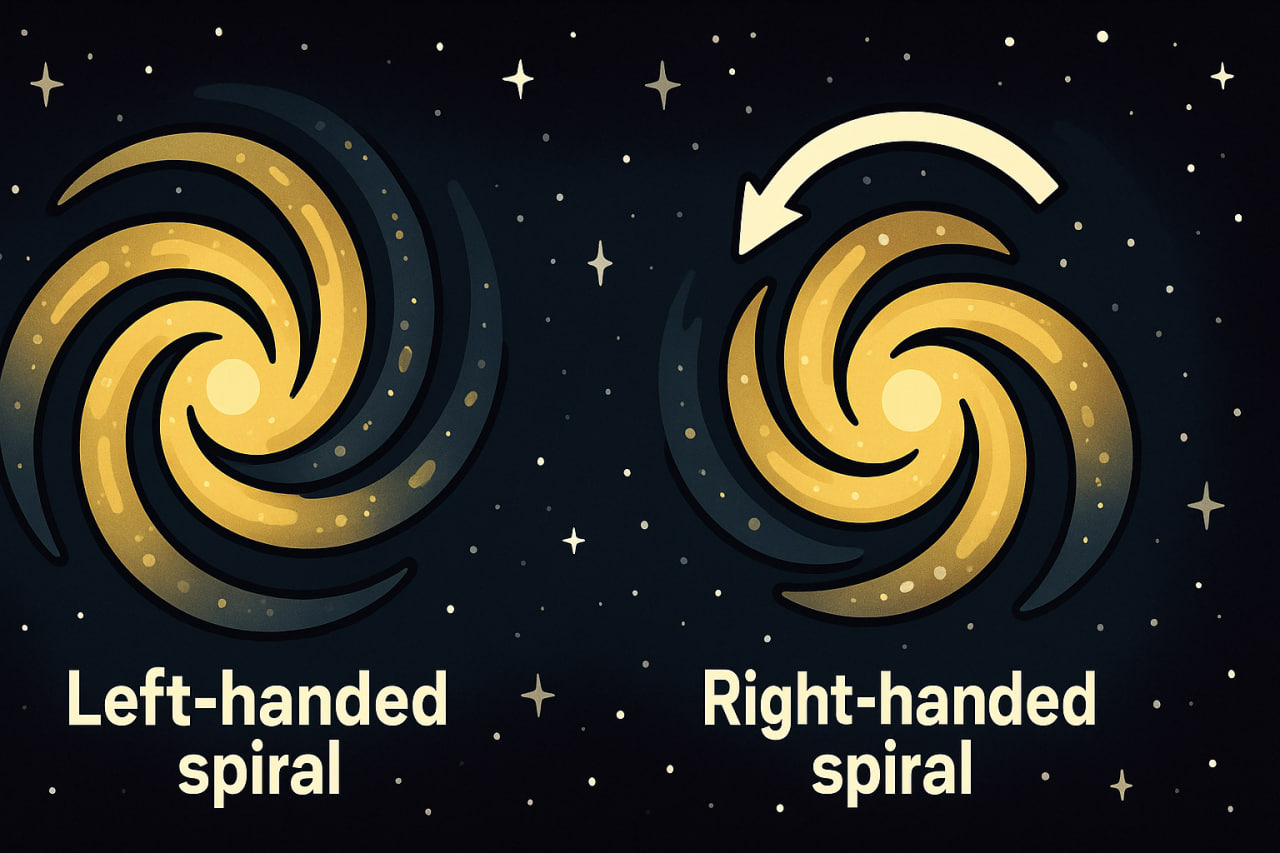
The motion of objects in the universe is a subject that fascinates astronomers and physicists. Many people notice spiral shapes in galaxies, hurricanes, or even water vortices and wonder if there is a universal “handedness” — whether objects move in a left-handed (counterclockwise) or right-handed (clockwise) spiral. While spiral patterns are indeed widespread, the truth is more complex: not all motion follows a single spiral direction, and handedness often depends on perspective and local forces.

How Photosynthesis Works
Science Be Smart

How Photosynthesis Works

Photosynthesis is a biological process by which plants, algae, and some bacteria convert light energy from the Sun into chemical energy stored in sugars. It is the foundation of nearly all life on Earth, providing both food and oxygen.

What Would Happen If Earth Experienced the Dzhanibekov Effect?
Science New Discoveries Earth & Moon

What Would Happen If Earth Experienced the Dzhanibekov Effect?

The Dzhanibekov Effect describes how a rotating body flips when spinning around its intermediate axis of inertia. While this is easily seen with small objects in space, Earth is an enormous and complex body. Its rotation occurs around its most stable axis — the axis with the greatest inertia. Therefore, under normal conditions, Earth cannot spontaneously flip like a wing nut.

Magnetic Pole Reversal: What It Is and How It Happens
Science Earth & Moon

Magnetic Pole Reversal: What It Is and How It Happens

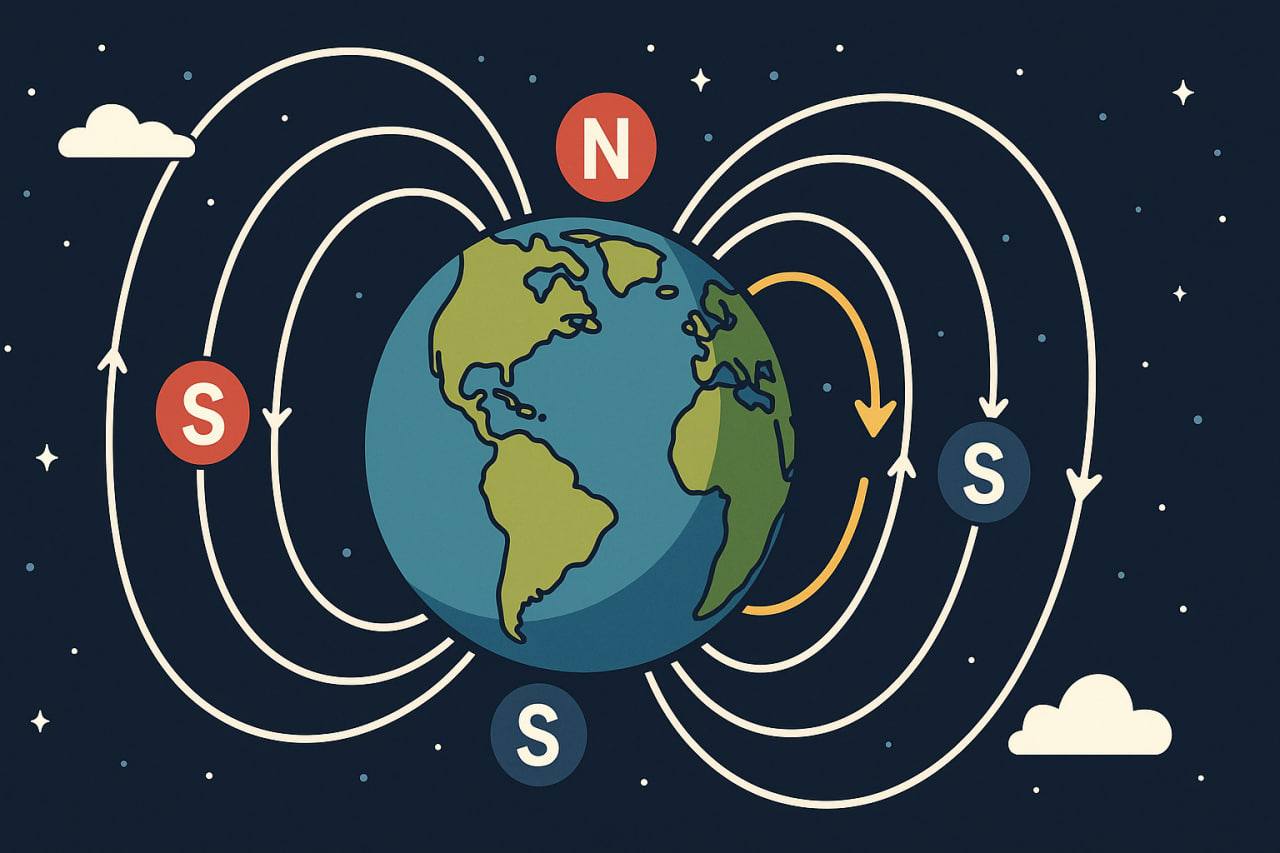
A magnetic pole reversal is a phenomenon in which Earth’s magnetic north and south poles switch places. This does not mean the planet flips physically, but rather that the direction of Earth’s magnetic field changes. The process has occurred many times throughout geological history.

Seismology: The Science of Earthquakes
Science Be Smart

Seismology: The Science of Earthquakes

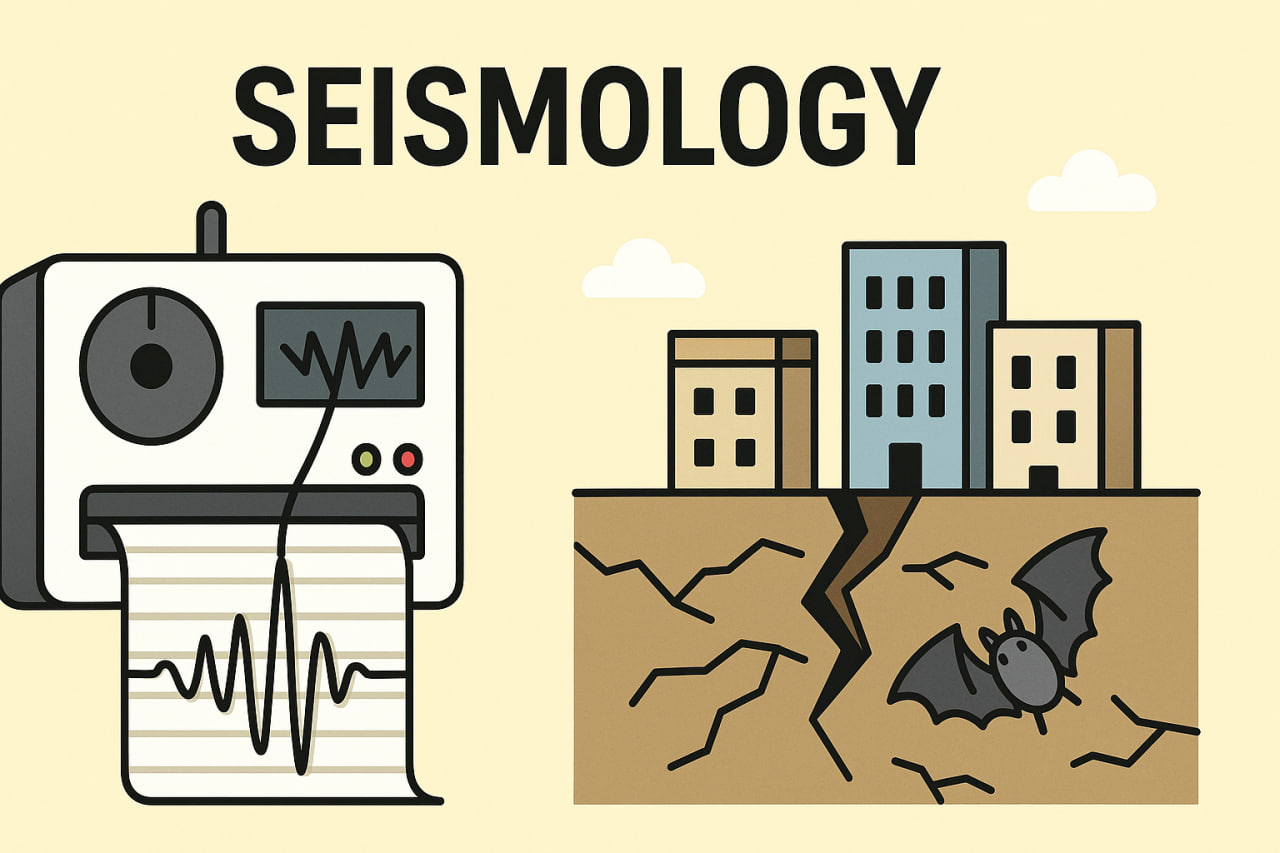
Seismology is the scientific study of earthquakes and the propagation of seismic waves through Earth. It investigates how tectonic movements, volcanic activity, and other natural processes generate vibrations that travel through rocks and soil. Seismology also helps identify hidden structures deep inside the Earth.

How Neutrinos Are Detected and What They Tell Us
Hi-Tech Science New Discoveries

How Neutrinos Are Detected and What They Tell Us

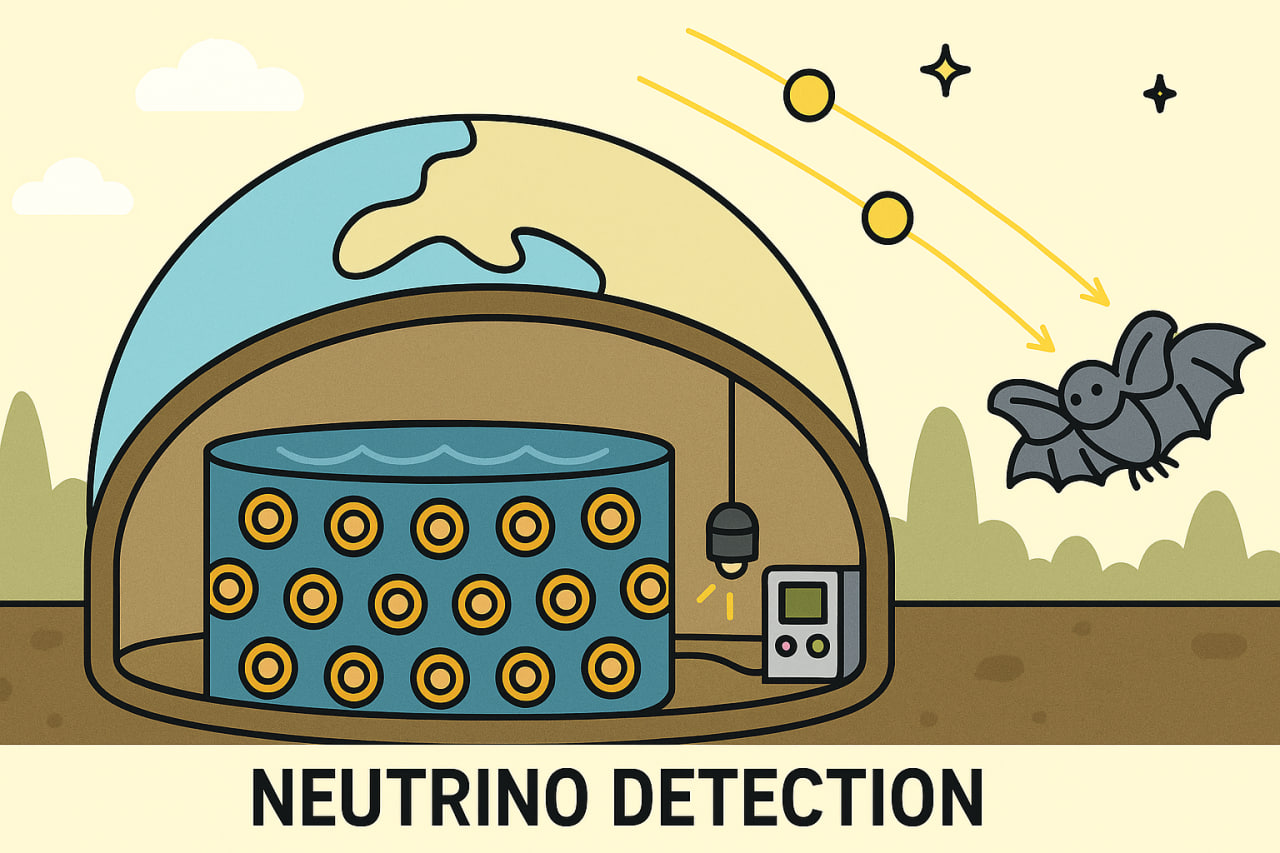
Neutrinos are extremely difficult to detect because they interact only via the weak nuclear force and gravity. Unlike charged particles, they do not interact with electromagnetic fields, meaning they pass through matter almost without a trace. This makes them nearly invisible to ordinary detectors.