Science

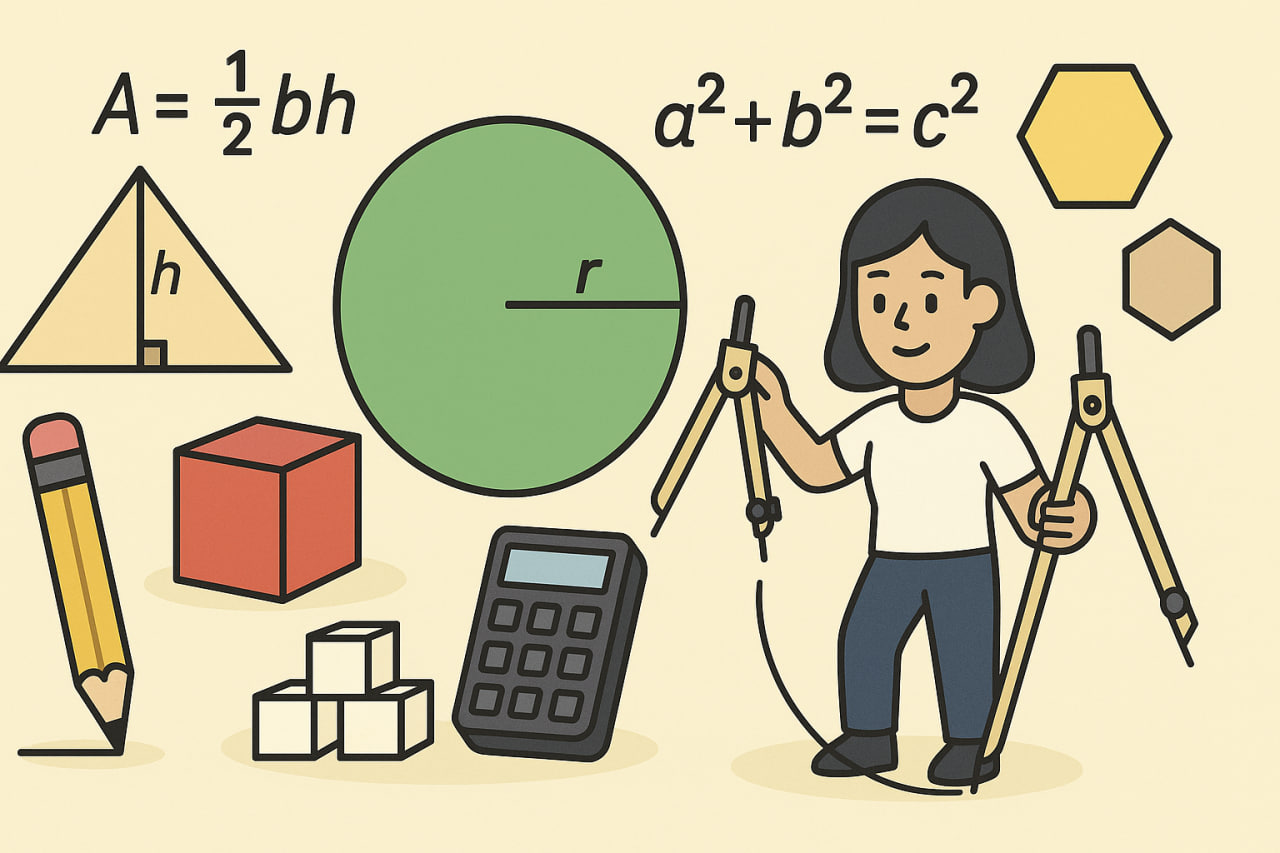
Geometry: From Ancient Shapes to Modern Applications
Science Be Smart

Geometry: From Ancient Shapes to Modern Applications

Geometry is a branch of mathematics that studies shapes, sizes, positions, and the properties of space. Its name comes from the Greek words geo (earth) and metron (measure). Unlike arithmetic, which deals with numbers, geometry focuses on the relationships between points, lines, surfaces, and solids. It is one of the oldest areas of mathematics, with applications ranging from architecture to modern physics.
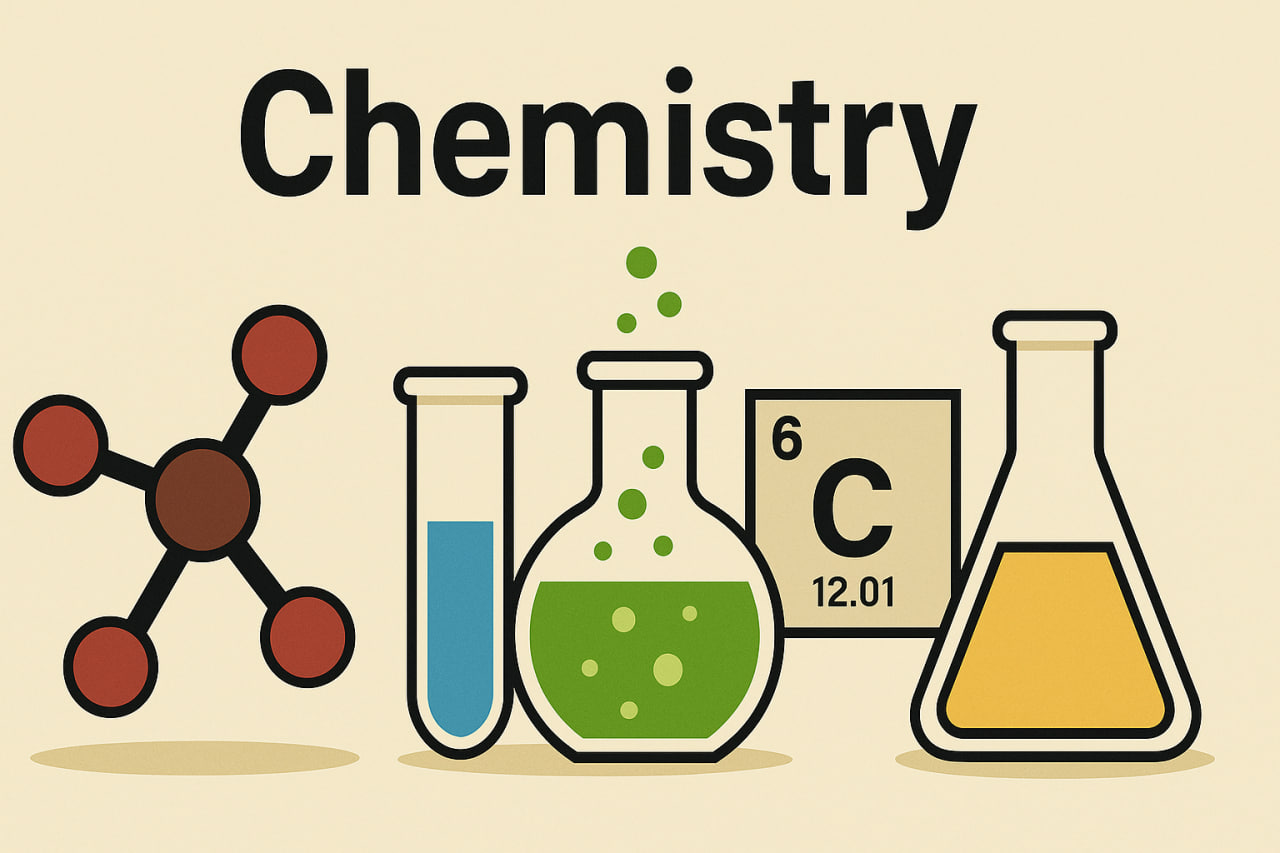
Chemistry: The Central Science of Matter
Science Be Smart

Chemistry: The Central Science of Matter

Chemistry is the branch of science that studies matter—its composition, structure, properties, and the changes it undergoes. Often called the central science, chemistry connects physics, biology, geology, and environmental science. By understanding how atoms and molecules interact, chemistry explains phenomena from the simplest reactions to the most complex biological processes.

Astronomy: Exploring the Universe
Universe Science

Astronomy: Exploring the Universe

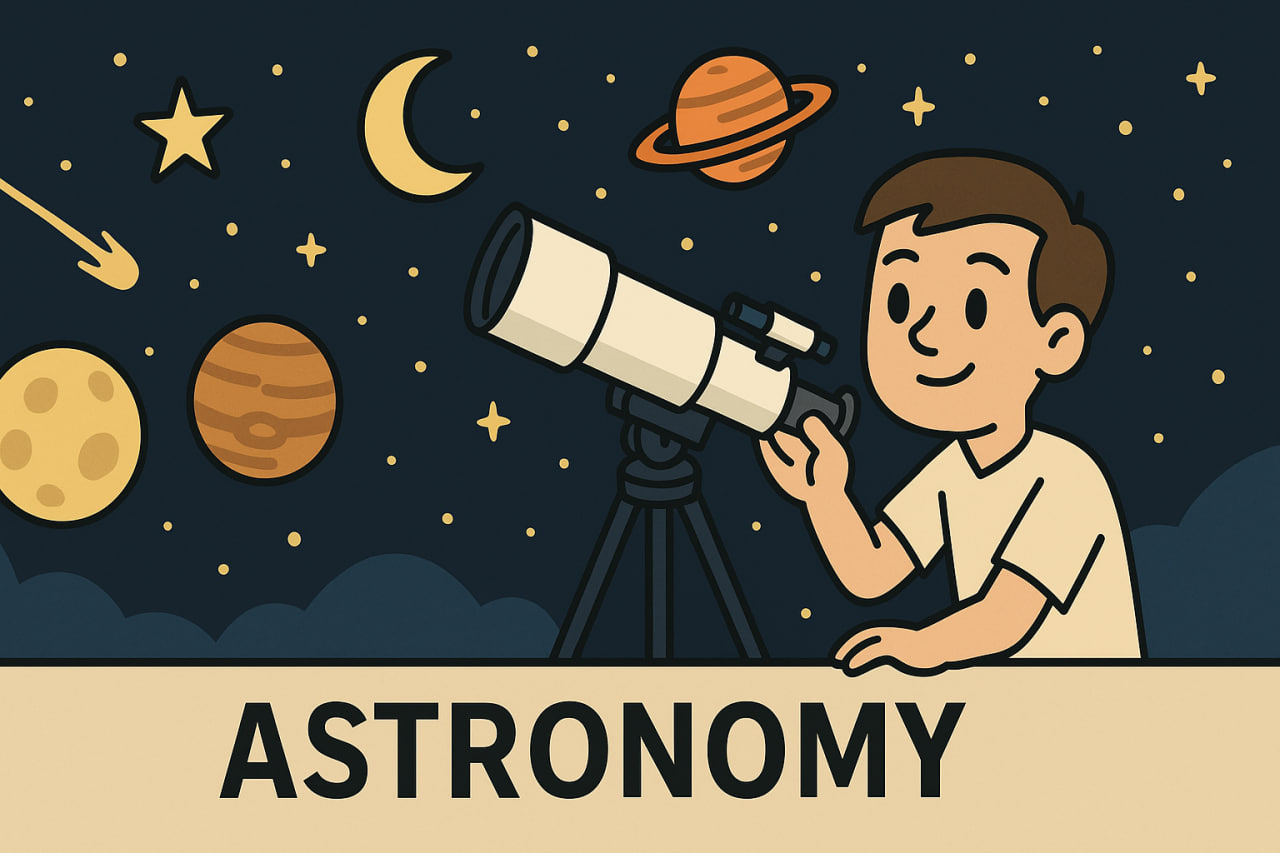
Astronomy is the science that studies celestial objects, space, and the universe as a whole. It examines stars, planets, galaxies, and cosmic phenomena, seeking to understand their origins, structures, and evolution. Unlike astrology, which is based on belief, astronomy is rooted in observation, measurement, and the scientific method. It is one of the oldest sciences, yet it remains central to modern exploration of the cosmos.

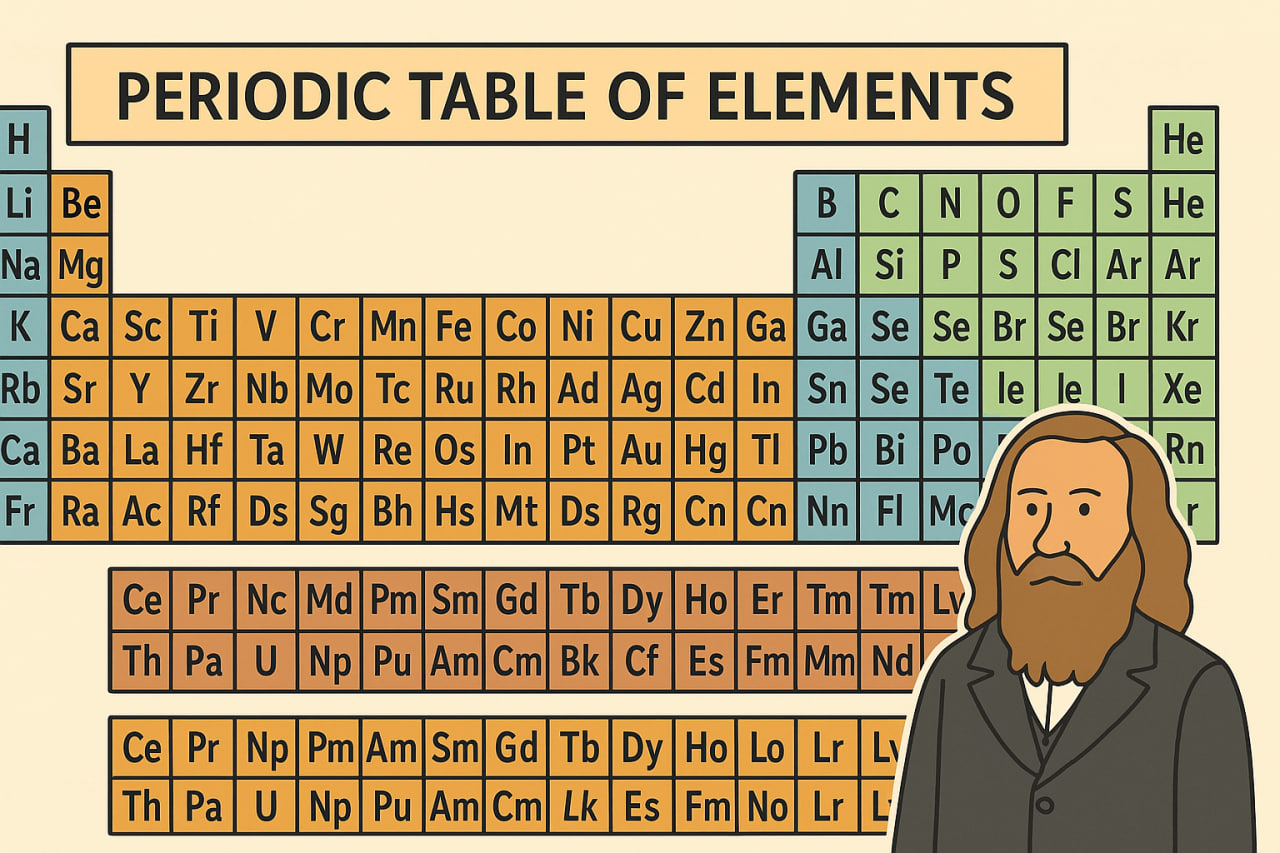
The Periodic Table of Mendeleev: Structure of the Chemical World
History Science Be Smart

The Periodic Table of Mendeleev: Structure of the Chemical World

The Periodic Table of Elements was first created by Russian chemist Dmitri Mendeleev in 1869. He organized the known chemical elements according to their properties and atomic weights. Remarkably, Mendeleev left gaps in his table, predicting the existence of elements that had not yet been discovered. His predictions were later confirmed with the discoveries of gallium, germanium, and scandium, cementing the importance of his work.

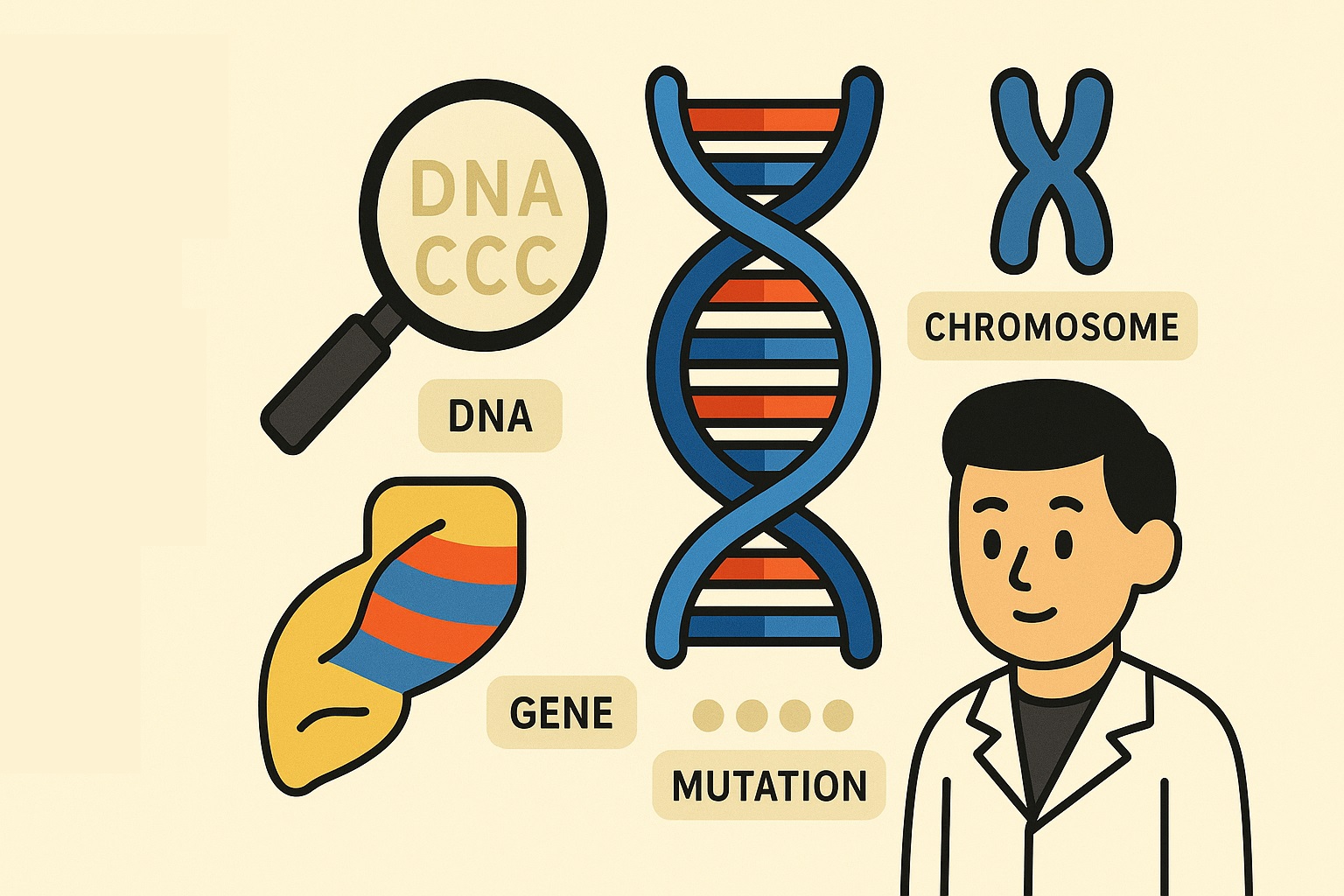
Genetics: The Science of Heredity and Variation
History Science Be Smart

Genetics: The Science of Heredity and Variation

Genetics is the branch of biology that studies genes, heredity, and variation in living organisms. It explains how traits are passed from one generation to another through DNA. From eye color to disease resistance, genetics shapes nearly every aspect of life. It is a central science in biology, connecting molecular processes with evolution and health.

Physics: From Antiquity to Modern Times
History Science Be Smart

Physics: From Antiquity to Modern Times

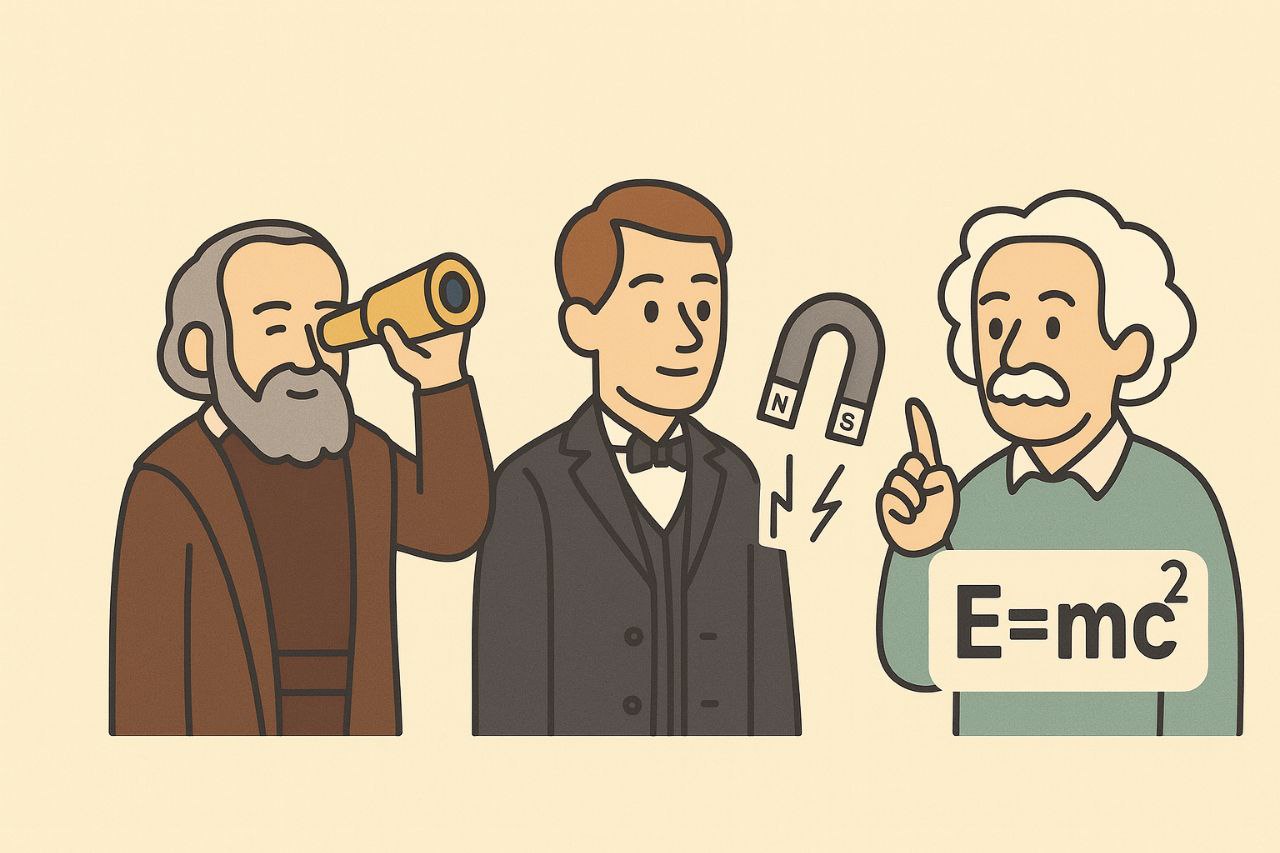
The origins of physics trace back to ancient civilizations, where people sought to explain natural phenomena through observation and reasoning. In Mesopotamia and Egypt, early records describe the motion of celestial bodies and the use of simple machines like levers and pulleys. Ancient Greek philosophers, including Aristotle, speculated about motion, elements, and the nature of the universe. Although their explanations were often more philosophical than scientific, they laid the groundwork for systematic study.

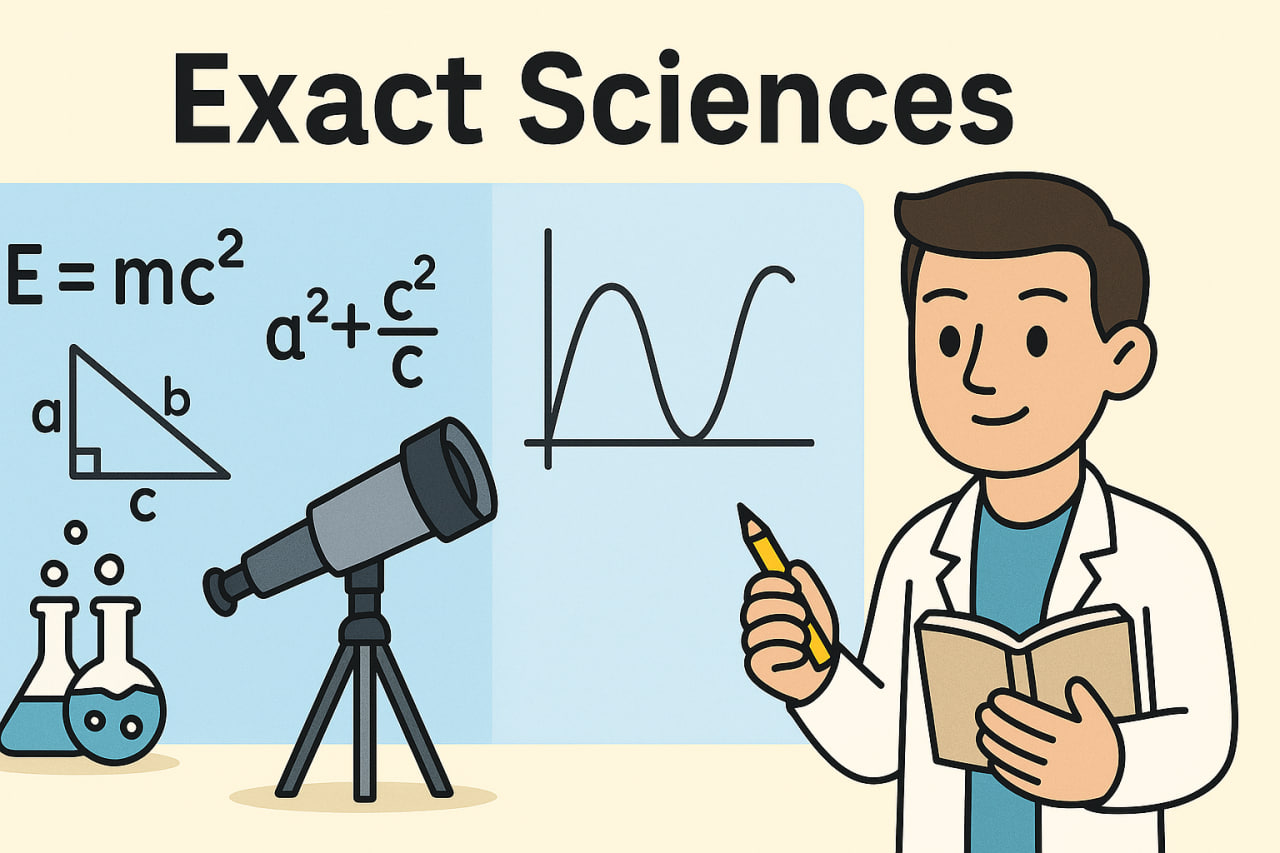
Exact Sciences: Foundations of Precision and Logic
History Science

Exact Sciences: Foundations of Precision and Logic

Exact sciences are branches of knowledge that rely on precise measurements, logical reasoning, and mathematical models to describe and predict natural phenomena. They include disciplines such as mathematics, physics, chemistry, and astronomy. Unlike social sciences, which often deal with probabilities and human behavior, exact sciences aim for universal laws and objective truths that remain consistent regardless of context.

Algebra: From Basics to Modern Applications
History Science Be Smart

Algebra: From Basics to Modern Applications

Algebra is a fundamental branch of mathematics that deals with symbols and the rules for manipulating them. Unlike arithmetic, which works with specific numbers, algebra uses variables to represent unknown or changing values. This allows mathematicians and scientists to model relationships, solve problems, and explore patterns. Algebra provides the foundation for higher mathematics, physics, engineering, computer science, and many everyday problem-solving situations.

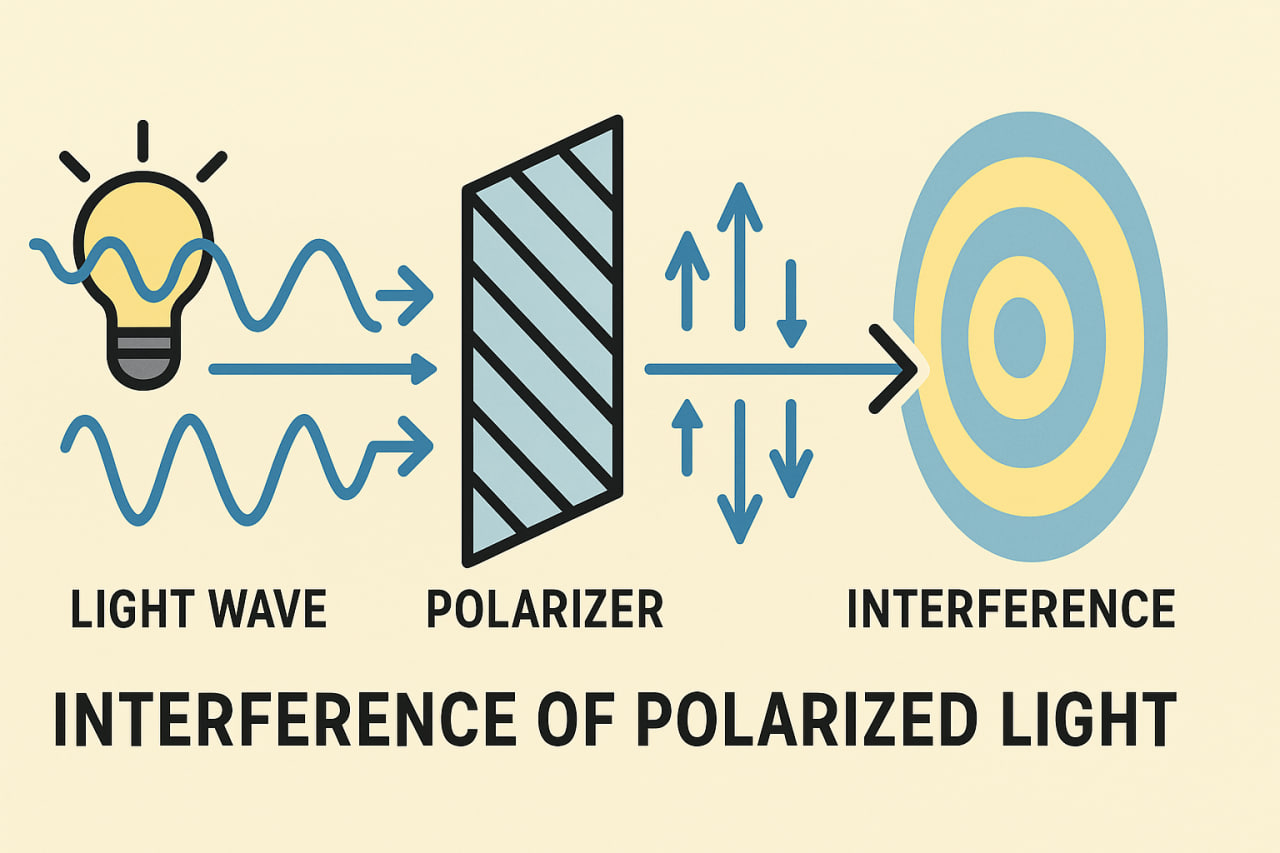
Interference of Polarized Light
Science Be Smart

Interference of Polarized Light

Interference is a physical phenomenon that occurs when two or more waves overlap, resulting in a new wave pattern. In the case of light, interference can produce bright and dark bands or colorful patterns depending on how the waves combine. This happens because light behaves both as a wave and a particle. When two waves meet in phase, their amplitudes add up (constructive interference). When they meet out of phase, they cancel each other (destructive interference).

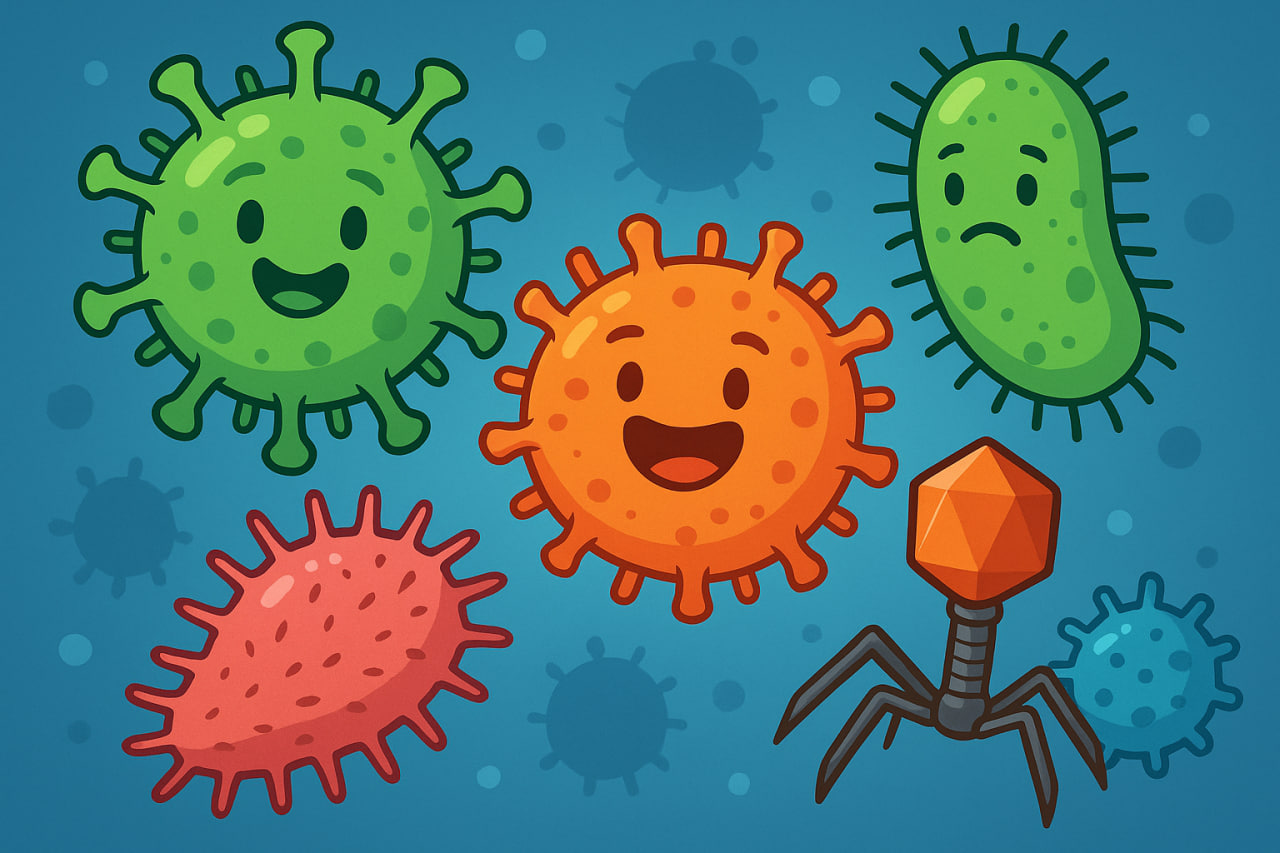
Viruses: Tiny Particles with Enormous Impact
Science Be Smart

Viruses: Tiny Particles with Enormous Impact

Viruses are microscopic agents that occupy a unique position between living and non-living things. They cannot reproduce on their own and must infect a host cell to multiply. Despite their tiny size, viruses have shaped the history of life on Earth, causing epidemics, influencing evolution, and even being used in modern medicine.