Science

Ions
Science Be Smart

Ions

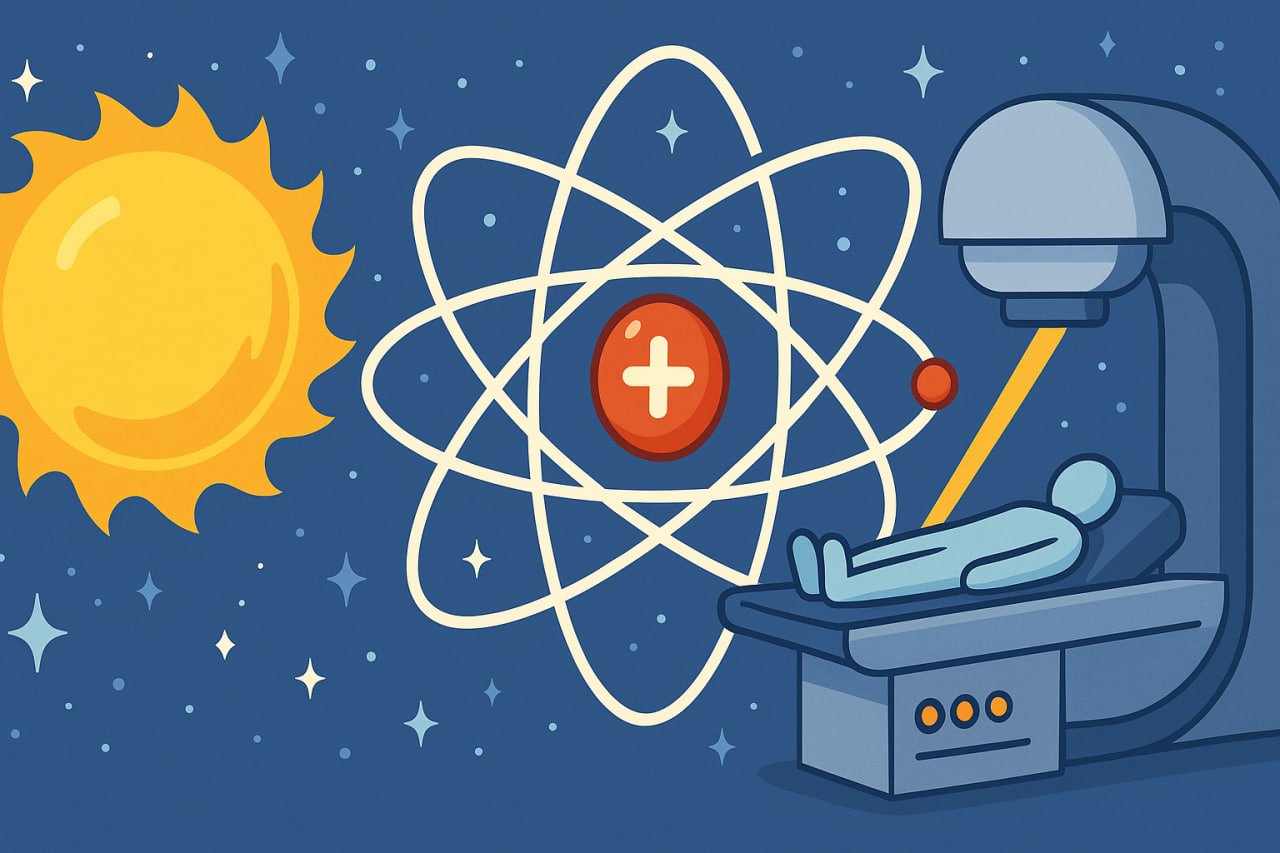
Ions are electrically charged particles formed when atoms or molecules gain or lose electrons. They play a central role in chemistry, biology, physics, and even daily life. Without ions, many of the processes that sustain life and technology — from nerve impulses to batteries — would not exist.
Electron
Science Be Smart

Electron

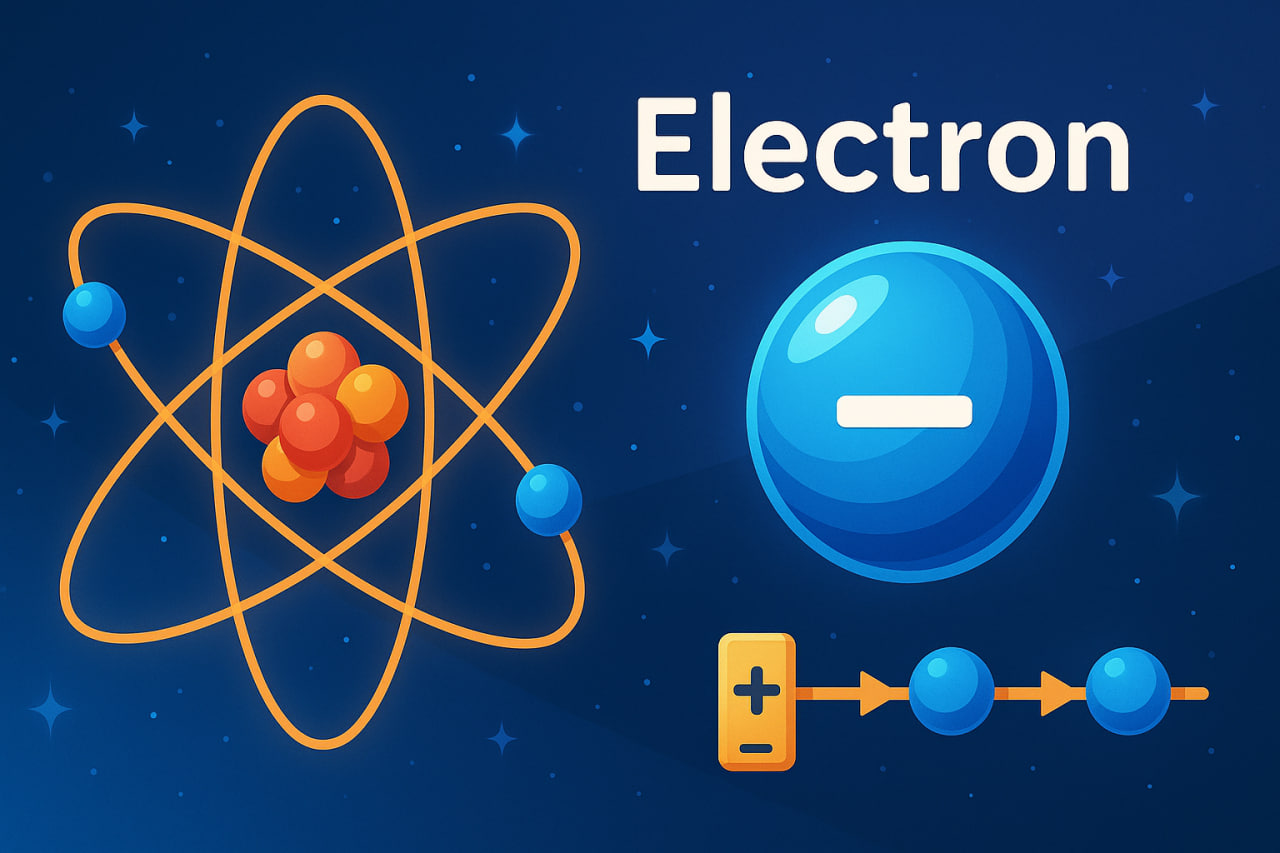
The electron is one of the most fundamental particles in physics. Discovered in 1897 by J.J. Thomson, it is a key building block of matter and a vital component of atoms. Without electrons, there would be no chemistry, no electricity, and no life as we know it.

Neutron
Science Be Smart

Neutron

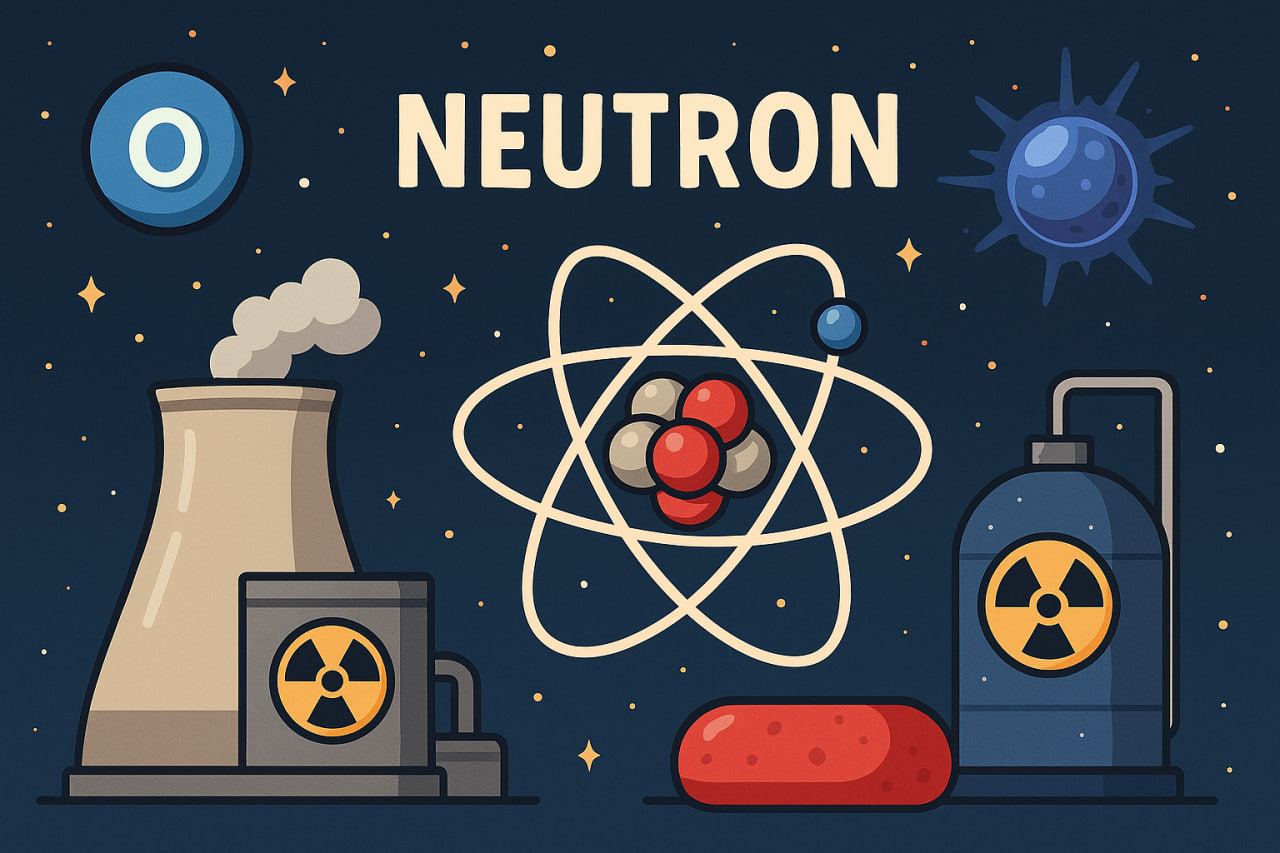
The neutron is a fundamental subatomic particle found in the nucleus of atoms. Discovered in 1932 by James Chadwick, neutrons, together with protons, form the atomic nucleus. Unlike protons and electrons, neutrons carry no electric charge, but they play an essential role in the stability of matter and in nuclear reactions.

Proton
Science Be Smart

Proton

The proton is a fundamental subatomic particle that, together with neutrons and electrons, makes up atoms — the building blocks of all matter. Discovered in 1917 by Ernest Rutherford, the proton carries a positive electric charge and plays a central role in defining the identity of chemical elements. Without protons, the universe would not have the variety of matter we see today.

How Atoms Are Structured and Why They Contain So Much Empty Space
Science Be Smart

How Atoms Are Structured and Why They Contain So Much Empty Space

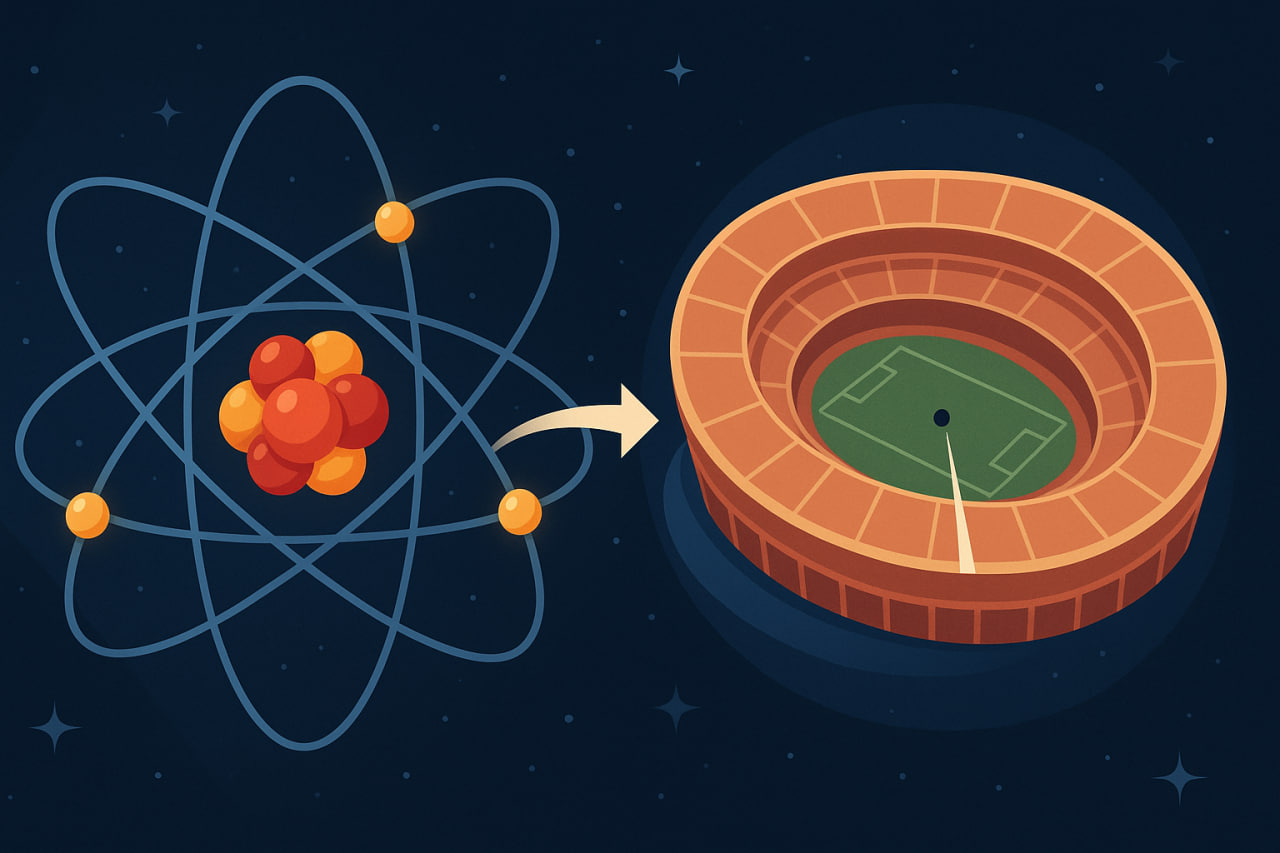
Atoms are the fundamental building blocks of matter, making up everything around us — from stars and planets to living organisms. Despite their importance, atoms are mostly empty space, which is surprising given that they form solid objects. Understanding why this is so requires looking at the internal structure of atoms and the forces at play within them.

Interstellar Vacuum: The Empty Space Between Stars
Space Stories Universe Science

Interstellar Vacuum: The Empty Space Between Stars

The interstellar vacuum is the vast region of space that lies between stars within galaxies. At first glance, it may seem completely empty, but in reality, it contains extremely low-density matter, radiation, and magnetic fields. Studying this environment helps astronomers understand the structure and evolution of galaxies, as well as the journey of light and cosmic rays across the universe.

Astrophysics: The Science of the Universe
Space Stories Science Be Smart

Astrophysics: The Science of the Universe

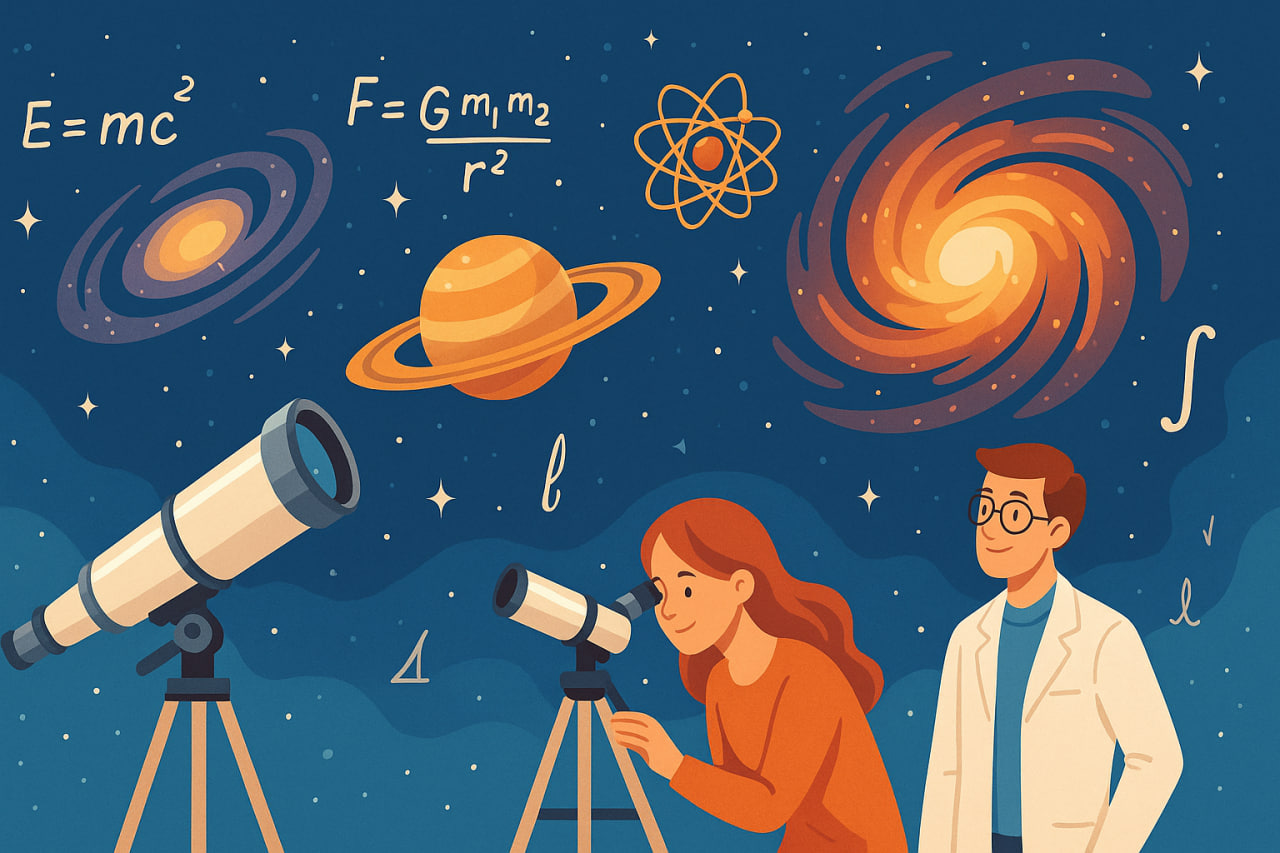
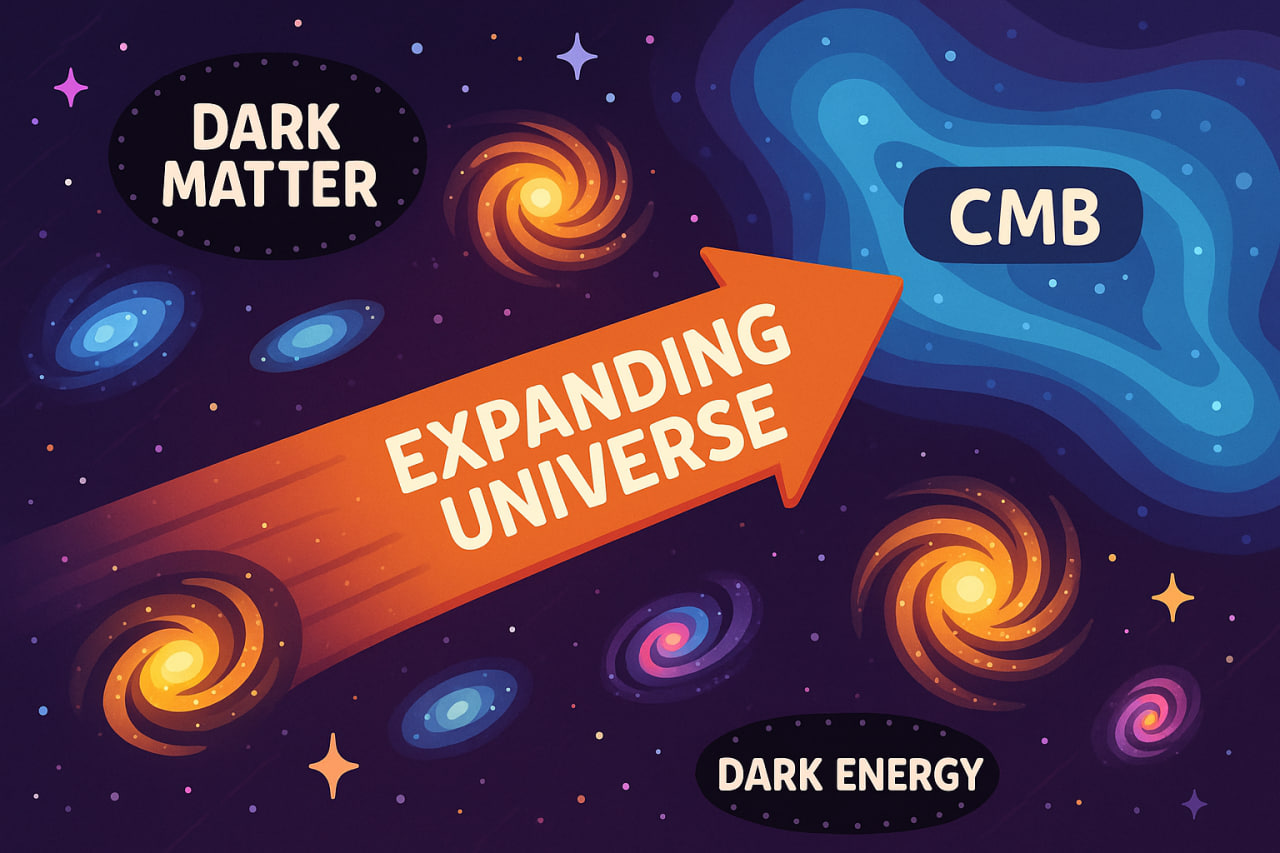
Astrophysics is the branch of astronomy that studies the physical nature of celestial objects and the processes that govern the universe. It combines principles of physics, mathematics, and astronomy to explain how stars shine, how galaxies form, what black holes are, and how the universe itself evolves. By looking deep into space, astrophysics helps us understand not only the cosmos but also the fundamental laws of nature.

Can We Hear Sound in Space?
Space Stories Universe Science

Can We Hear Sound in Space?

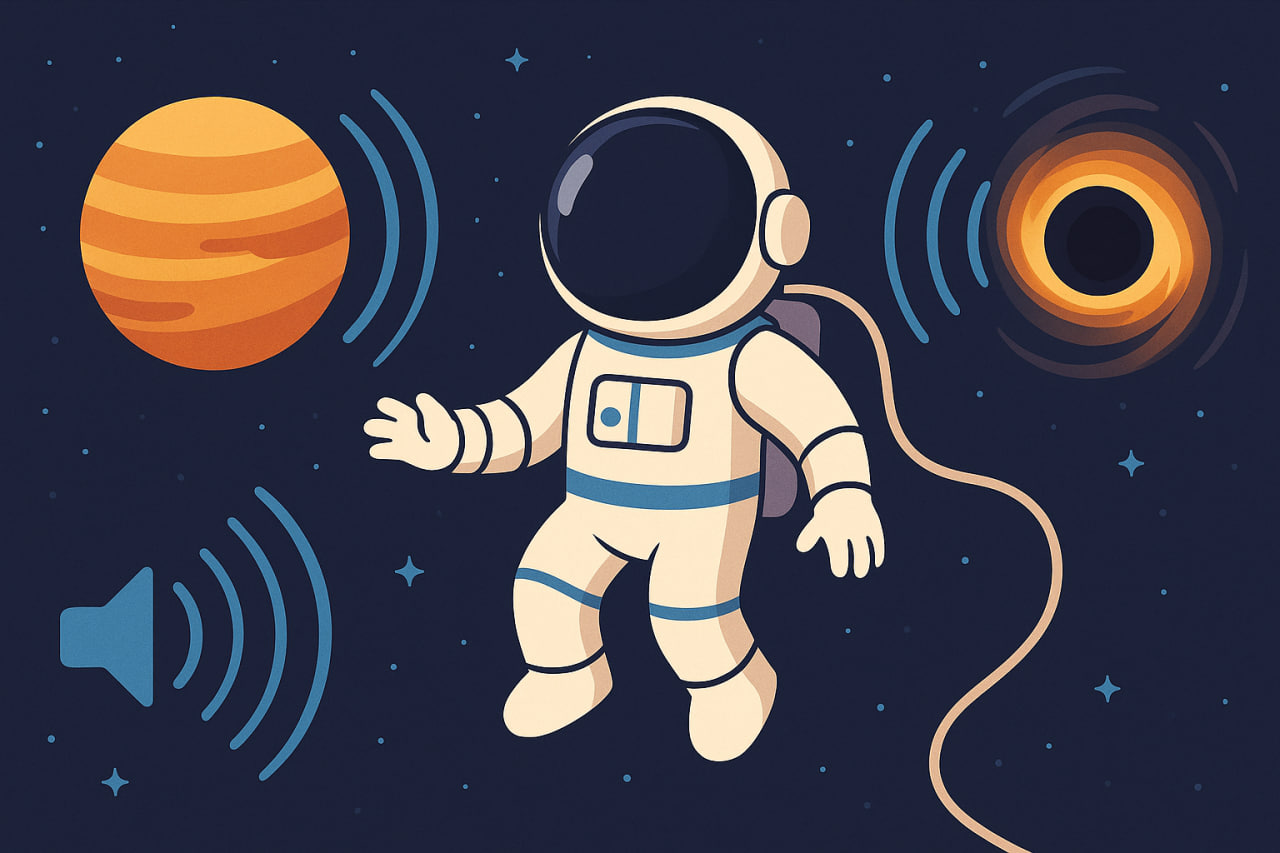
When people imagine space, they often think of rockets roaring or battleships exchanging fire in movies. In reality, however, space is silent — at least in the way humans normally understand sound. The reason lies in the physics of how sound travels and the unique conditions of outer space.

How Temperature Is Measured in Space
Cosmic Innovations Hi-Tech Universe

How Temperature Is Measured in Space

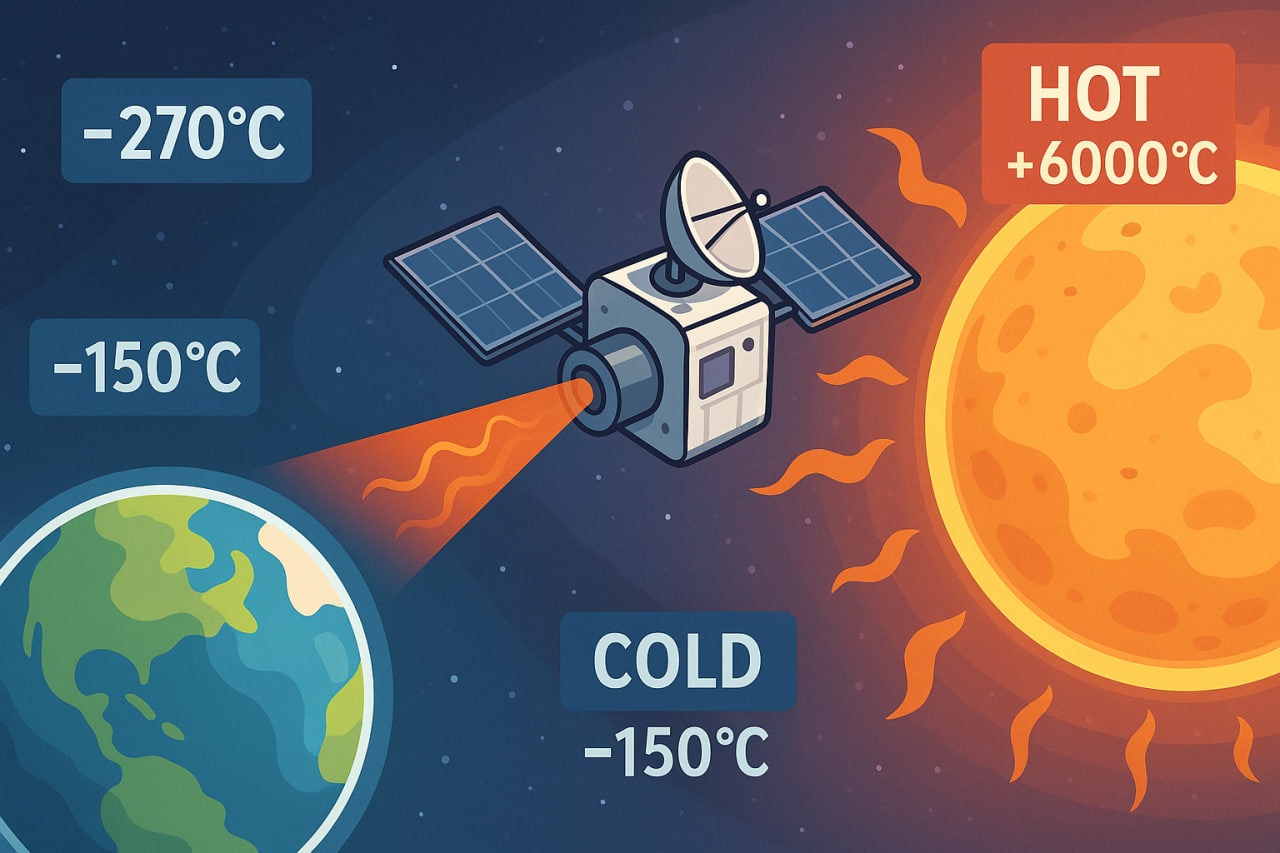
Measuring temperature in space is far more complex than taking a thermometer reading on Earth. In the vacuum of space, there is no air to conduct heat, and objects are heated or cooled only by radiation. Spacecraft, satellites, and astronomical instruments must use advanced methods to determine the temperatures of planets, stars, and even the cold void of space itself.