Science

What Is the Ionosphere?
Science Be Smart Earth & Moon

What Is the Ionosphere?

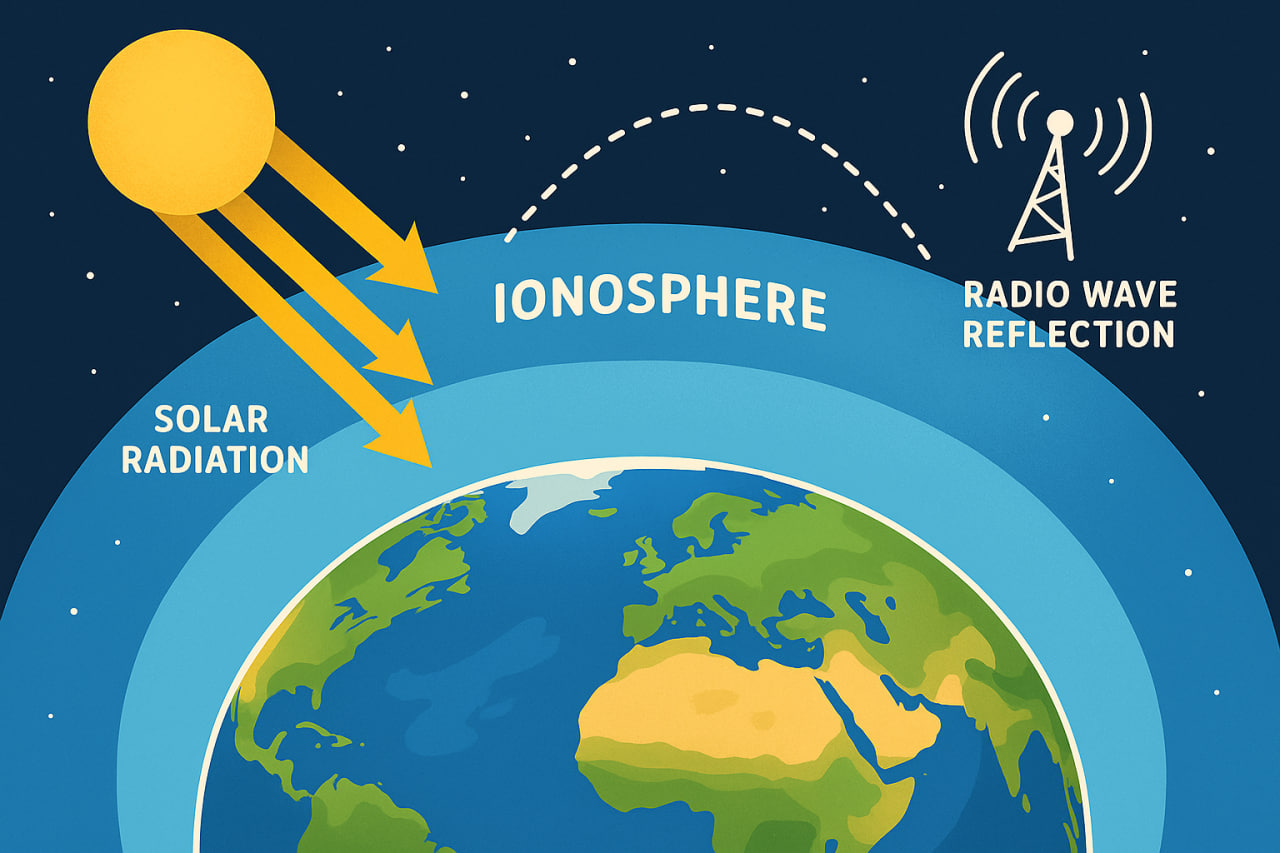
The ionosphere is a special region of Earth’s upper atmosphere, located roughly between 60 and 1,000 kilometers above the surface. It is filled with charged particles (ions and electrons), created when solar radiation strips electrons from atoms and molecules in the air. This layer plays a crucial role in radio communication, satellite systems, and space weather, making it one of the most important parts of the atmosphere for both science and technology.
How Craters Form on Planets and Why They Exist
Space Stories Universe Science

How Craters Form on Planets and Why They Exist

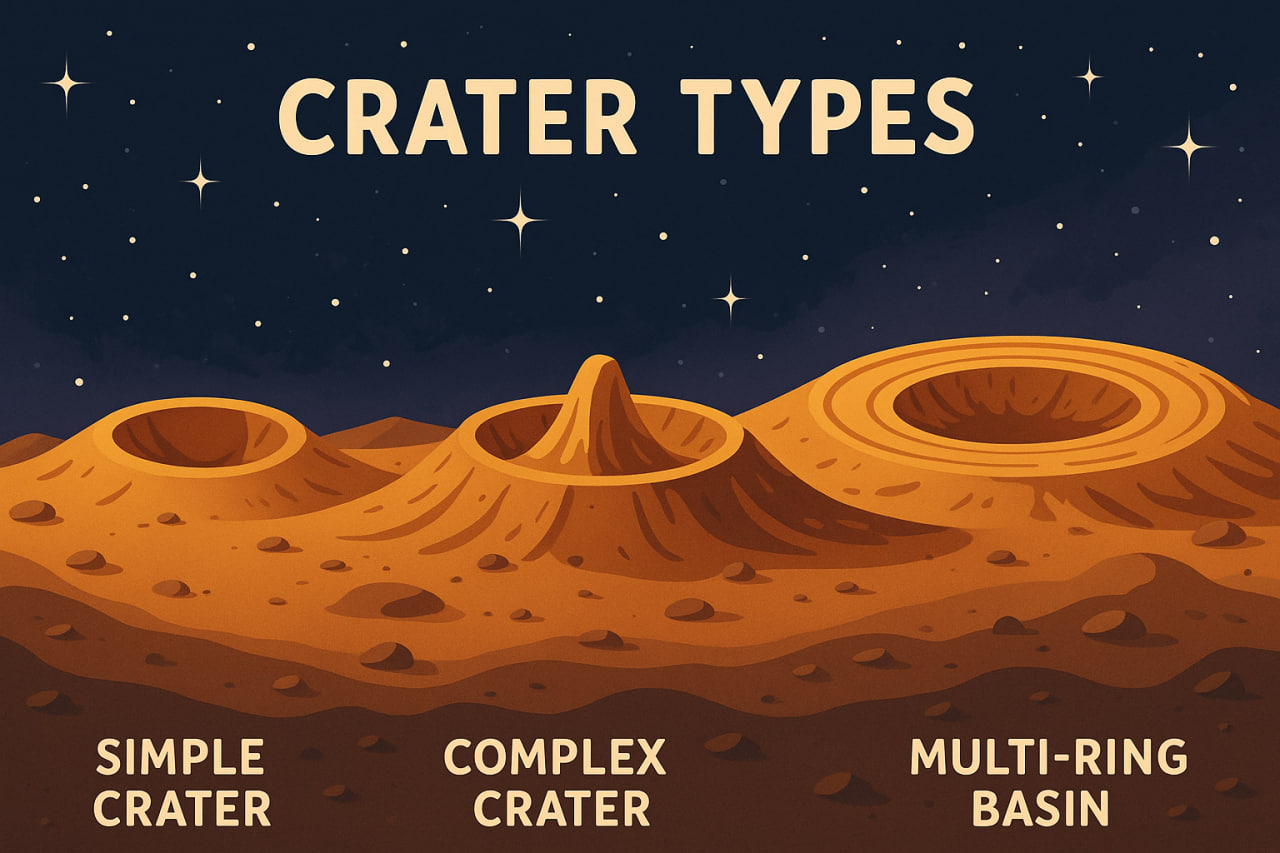
Craters are one of the most common surface features in the Solar System. From the Moon’s pockmarked surface to Mercury, Mars, and even Earth, impact craters tell the story of a planet’s violent past. These round depressions form when asteroids, meteoroids, or comets collide with a planet or moon at high speed, releasing enormous amounts of energy.

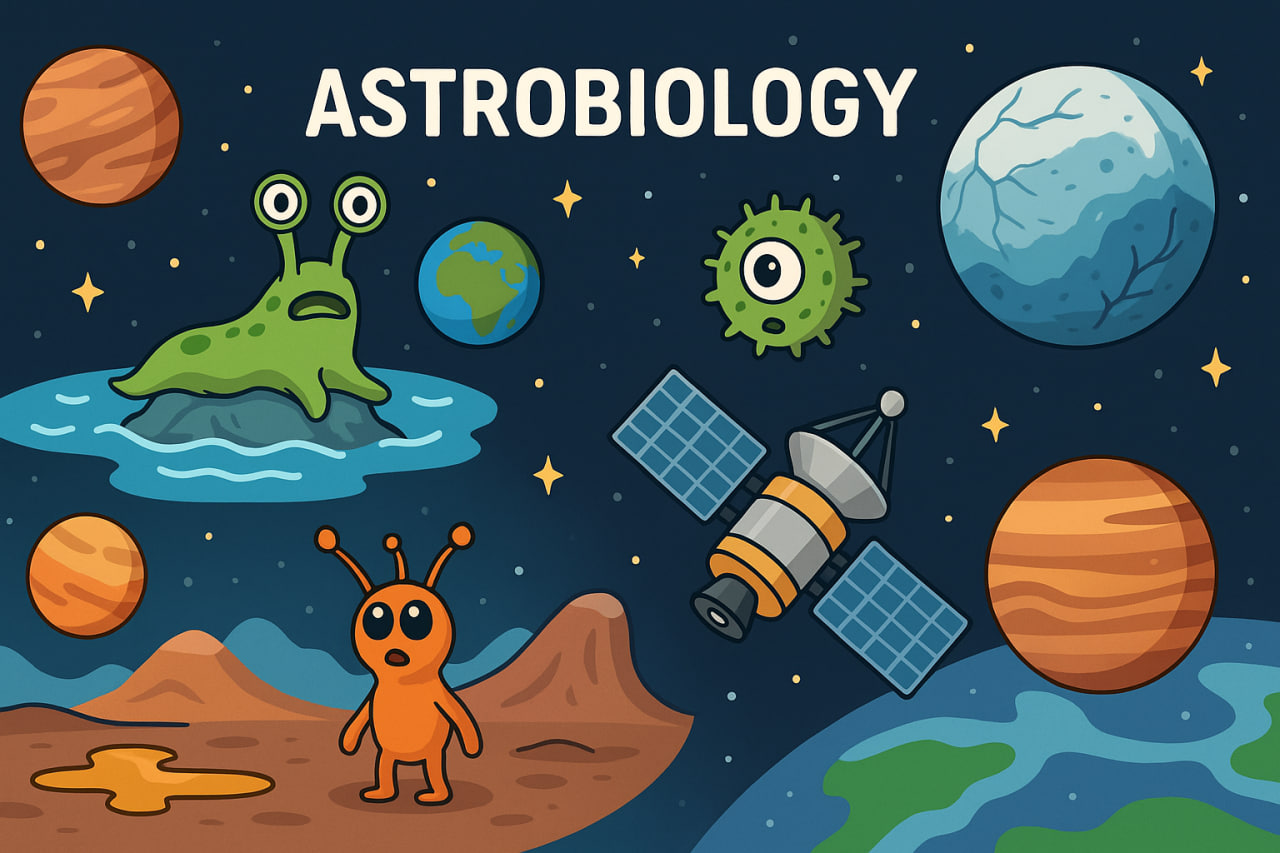
Astrobiology
Science New Discoveries Be Smart

Astrobiology

Astrobiology is the scientific field that studies the origin, evolution, distribution, and future of life in the universe. It combines knowledge from astronomy, biology, chemistry, geology, and physics to answer one of humanity’s oldest questions: Are we alone in the universe? This science not only looks for extraterrestrial life but also helps us better understand the conditions that allow life to thrive on Earth.

Albedo
Science Be Smart

Albedo

Albedo is a scientific term that describes how much sunlight a surface reflects compared to how much it absorbs. It plays a key role in Earth’s climate system, as different surfaces—ice, forests, oceans, or cities—reflect sunlight differently, affecting global temperatures.

Blood Moon
Science Be Smart Earth & Moon

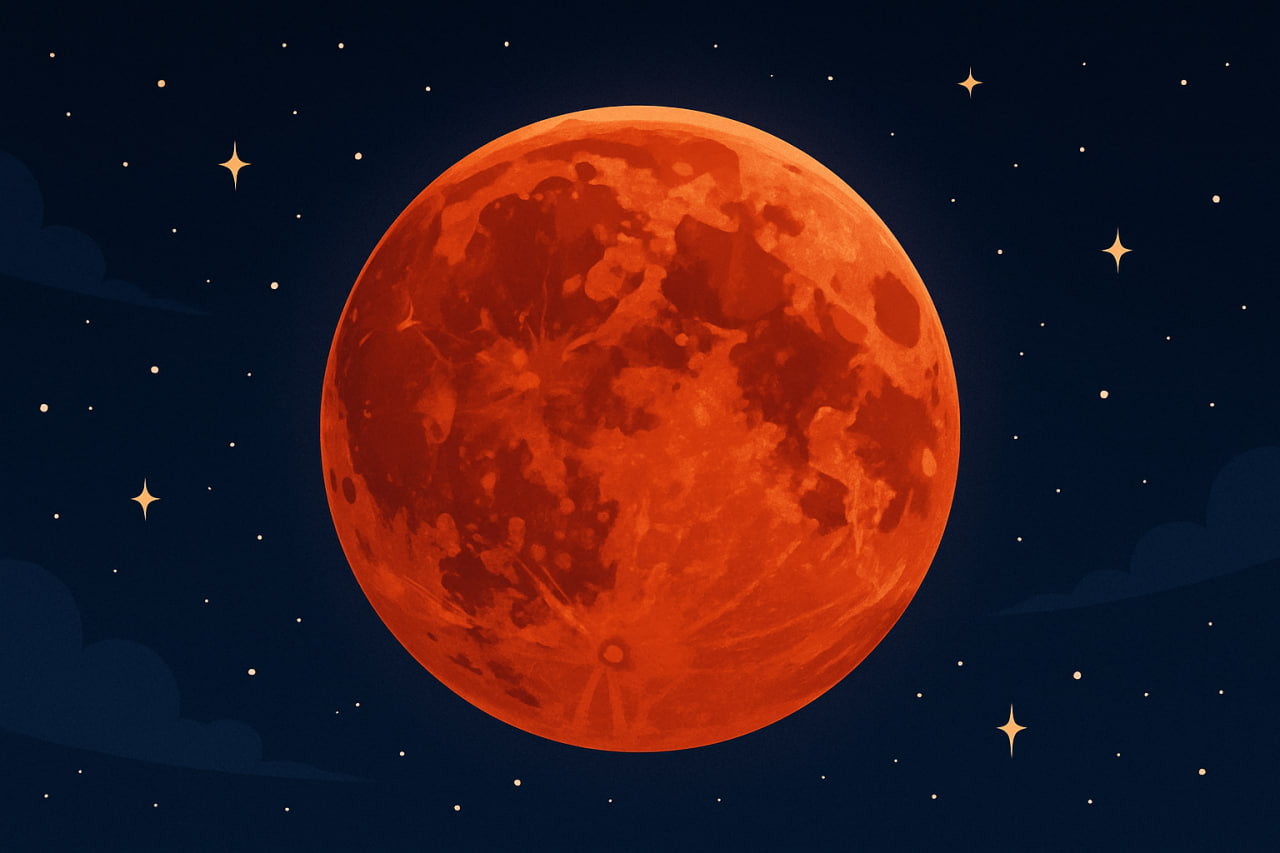
Blood Moon

A blood moon is a striking astronomical event that occurs during a total lunar eclipse, when Earth comes directly between the Sun and the Moon. Instead of disappearing completely, the Moon takes on a reddish or coppery color, creating a dramatic sight in the night sky. This natural phenomenon has fascinated people for centuries and is often surrounded by myths and cultural symbolism.

Plastic – Where Did It Come From?
History Science Be Smart

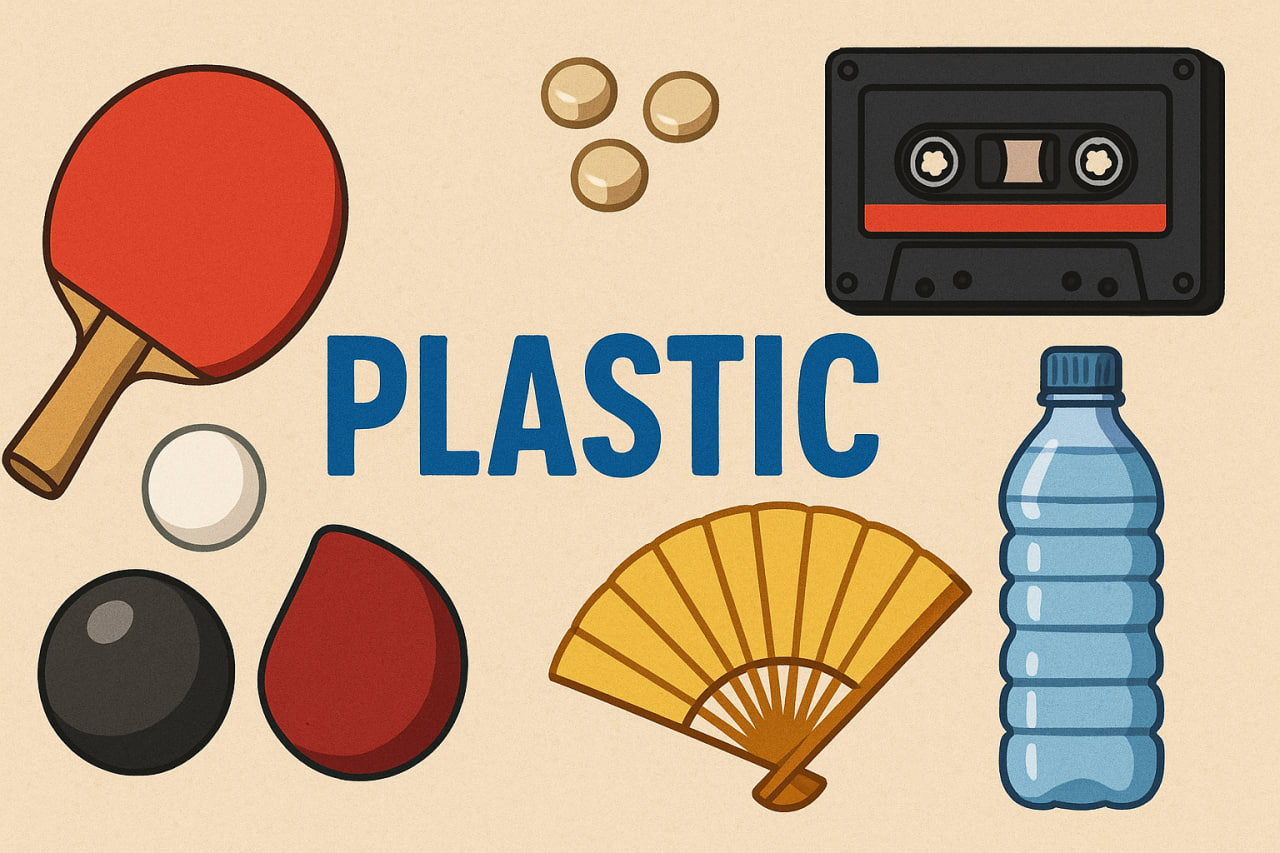
Plastic – Where Did It Come From?

Plastic is one of the most widely used materials in the modern world, present in everything from packaging to medicine, electronics, and construction. Its convenience and versatility have transformed human life—but also created one of the biggest environmental challenges of our time. To understand plastic’s role, we need to look at its origins and history.

How Scientists Study Distant Pulsars
Space Stories Universe Science

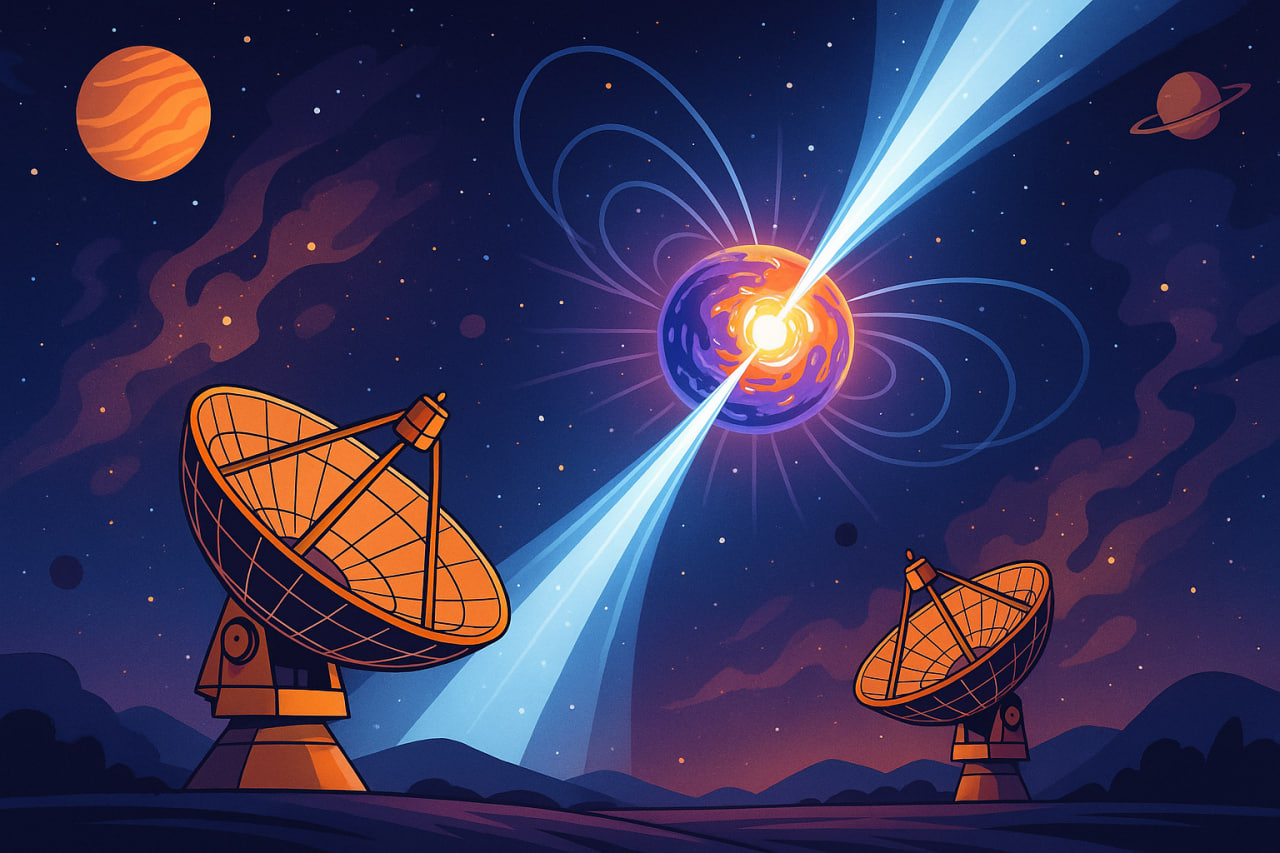
How Scientists Study Distant Pulsars

Pulsars are highly magnetized, rapidly rotating neutron stars that emit beams of electromagnetic radiation from their poles. As they spin, these beams sweep across space like the light of a cosmic lighthouse. When the beams cross Earth, astronomers detect regular pulses of radio waves, X-rays, or gamma rays. Pulsars are among the most precise natural clocks in the universe and provide valuable insights into astrophysics, gravity, and the structure of space-time.

How Tidal Forces Affect the Earth and Beyond
Space Stories Universe Science

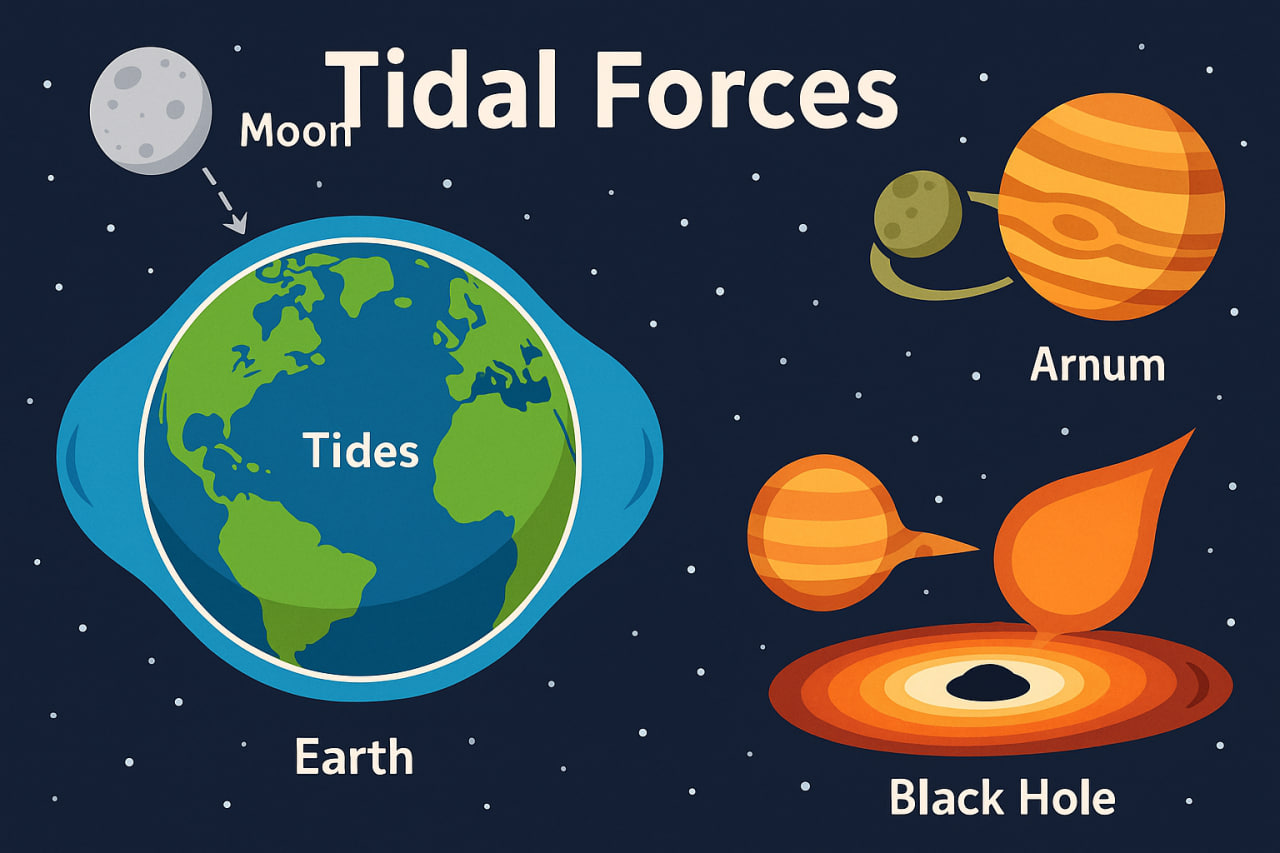
How Tidal Forces Affect the Earth and Beyond

Tidal forces are the result of gravitational interactions between celestial bodies. On Earth, the most familiar example is the effect of the Moon and the Sun on our oceans, causing regular rises and falls in sea level known as tides. However, tidal forces extend far beyond the oceans—they shape planetary systems, influence geology, and even determine the fate of stars and galaxies.

What Is Orbital Synchronization?
Space Stories Universe Science

What Is Orbital Synchronization?

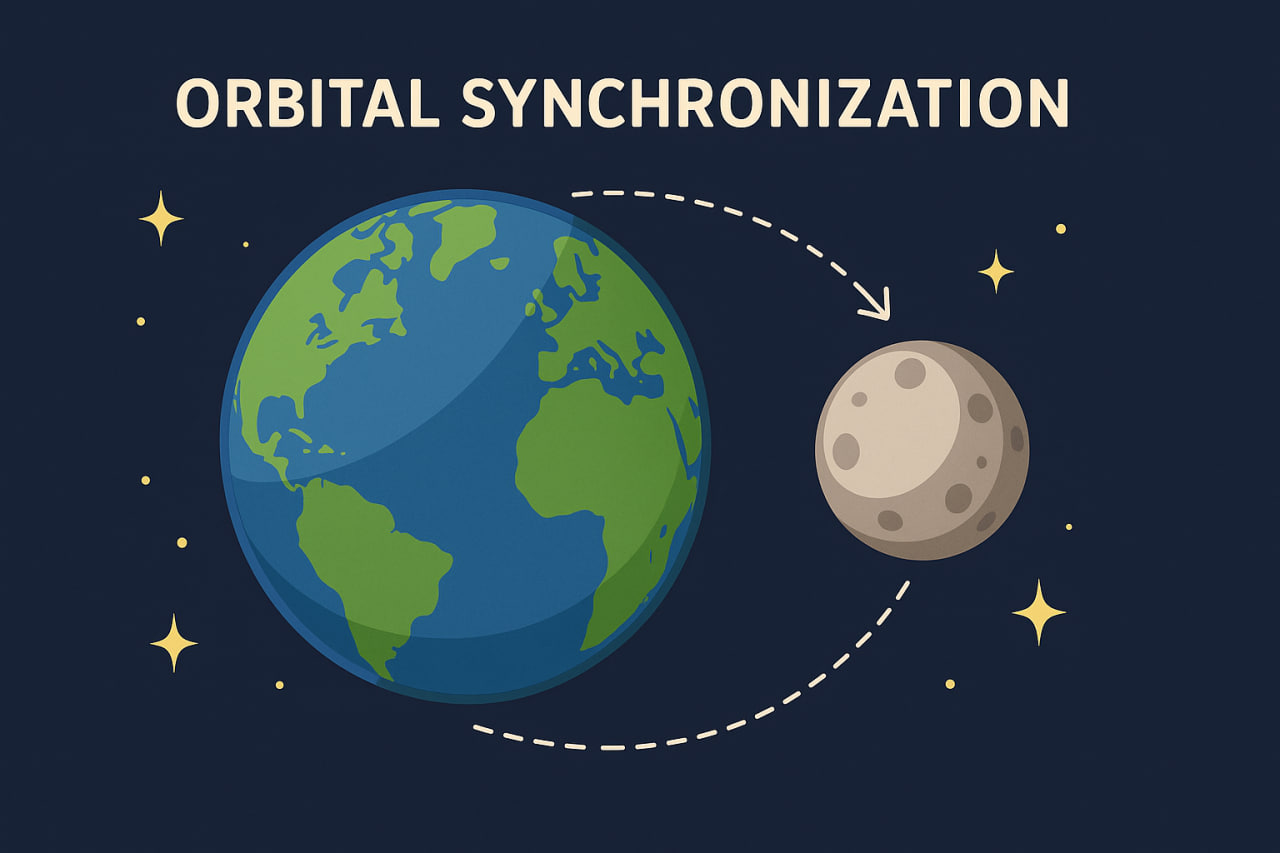
Orbital synchronization is a phenomenon in which one celestial body always shows the same face to another as it orbits. This happens when the rotation period (how long it takes the body to spin on its axis) becomes equal to the orbital period (how long it takes to complete one orbit). The most familiar example is the Moon, which is tidally locked to Earth, meaning we always see the same side of it.

Why Telescopes Need to Be Cooled
Hi-Tech Smart Technology Science

Why Telescopes Need to Be Cooled

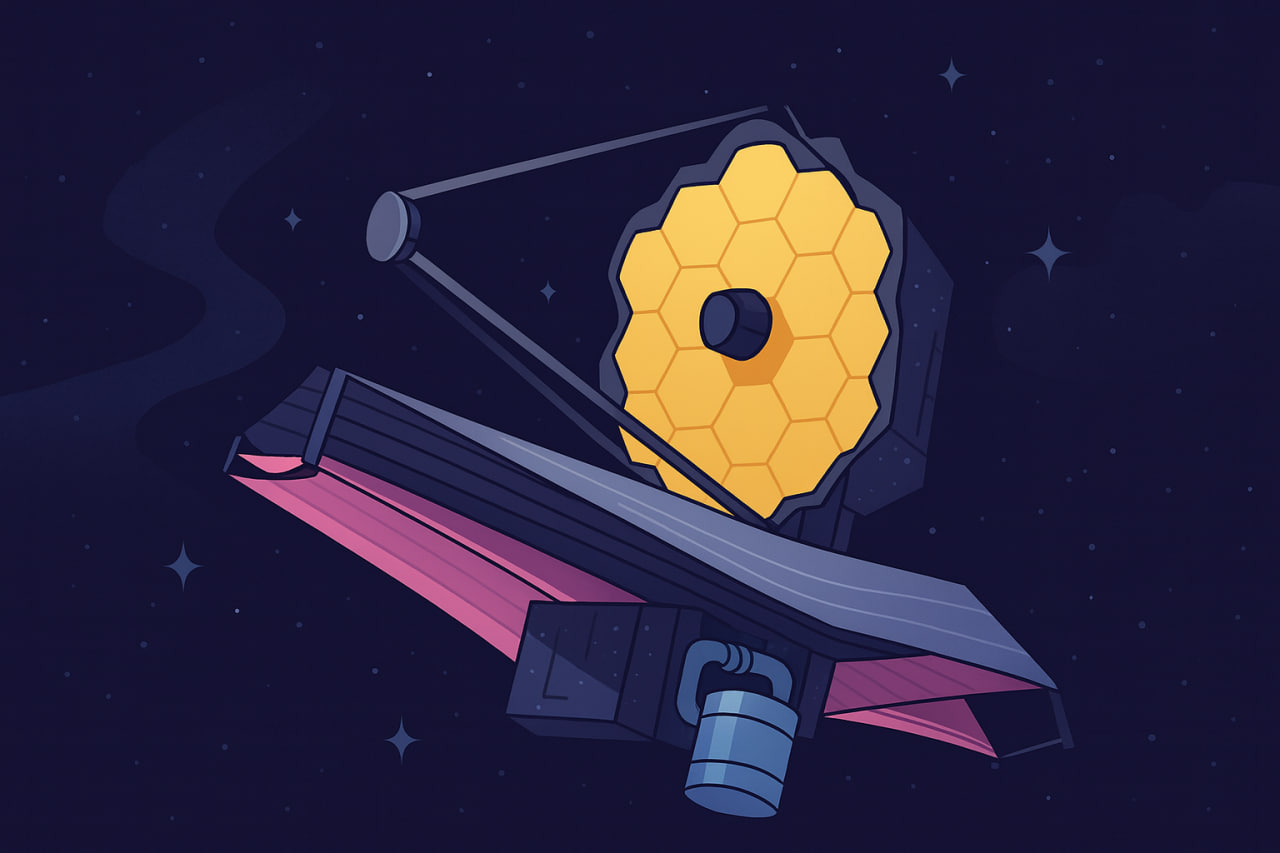
Modern telescopes are powerful instruments designed to capture faint signals from distant stars, galaxies, and other cosmic objects. To achieve high precision, many telescopes—especially those working in the infrared spectrum—must be cooled. Cooling is necessary because heat from the telescope itself can interfere with the weak signals it is trying to detect. Without cooling, sensitive instruments would be overwhelmed by their own thermal radiation.