Science

What Is Glass?
Science Be Smart

What Is Glass?

Glass is one of the most versatile and widely used materials in human history. From windows and bottles to fiber optics and laboratory equipment, glass plays an essential role in everyday life and modern technology. Its unique properties, such as transparency and durability, make it indispensable across many industries.

Silver: The Versatile Precious Metal
Science Be Smart

Silver: The Versatile Precious Metal

Silver is one of the most important precious metals in human history, valued for its beauty, rarity, and wide range of uses. Unlike some other metals, silver combines cultural significance with extraordinary practical applications in science, technology, and medicine.

What Is Plasma?
Science New Discoveries Be Smart

What Is Plasma?

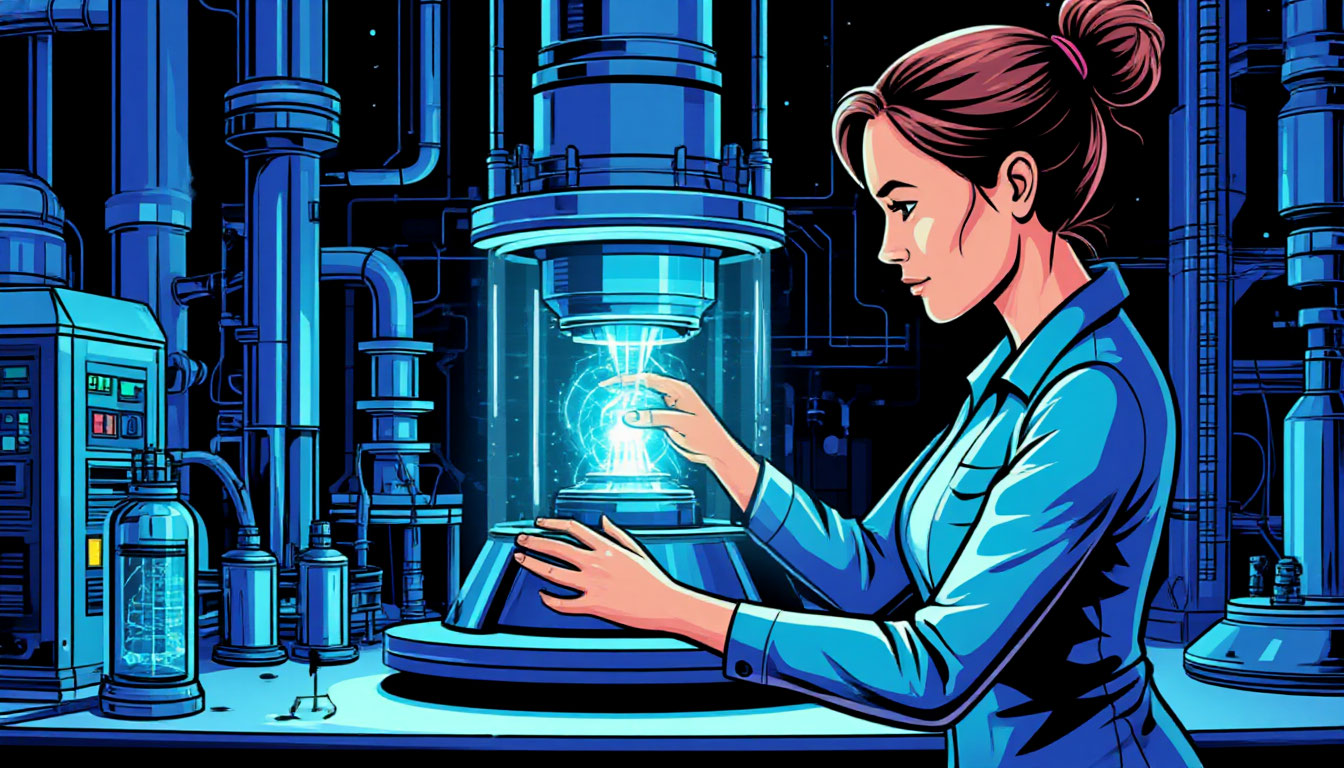
Plasma is often called the fourth state of matter, alongside solid, liquid, and gas. It is a highly energetic state in which atoms are stripped of some or all of their electrons, creating a mixture of positively charged ions and free electrons. Because of this, plasma behaves differently from ordinary gases, conducting electricity and responding strongly to magnetic and electric fields.

What Is Radiation?
Science Be Smart

What Is Radiation?

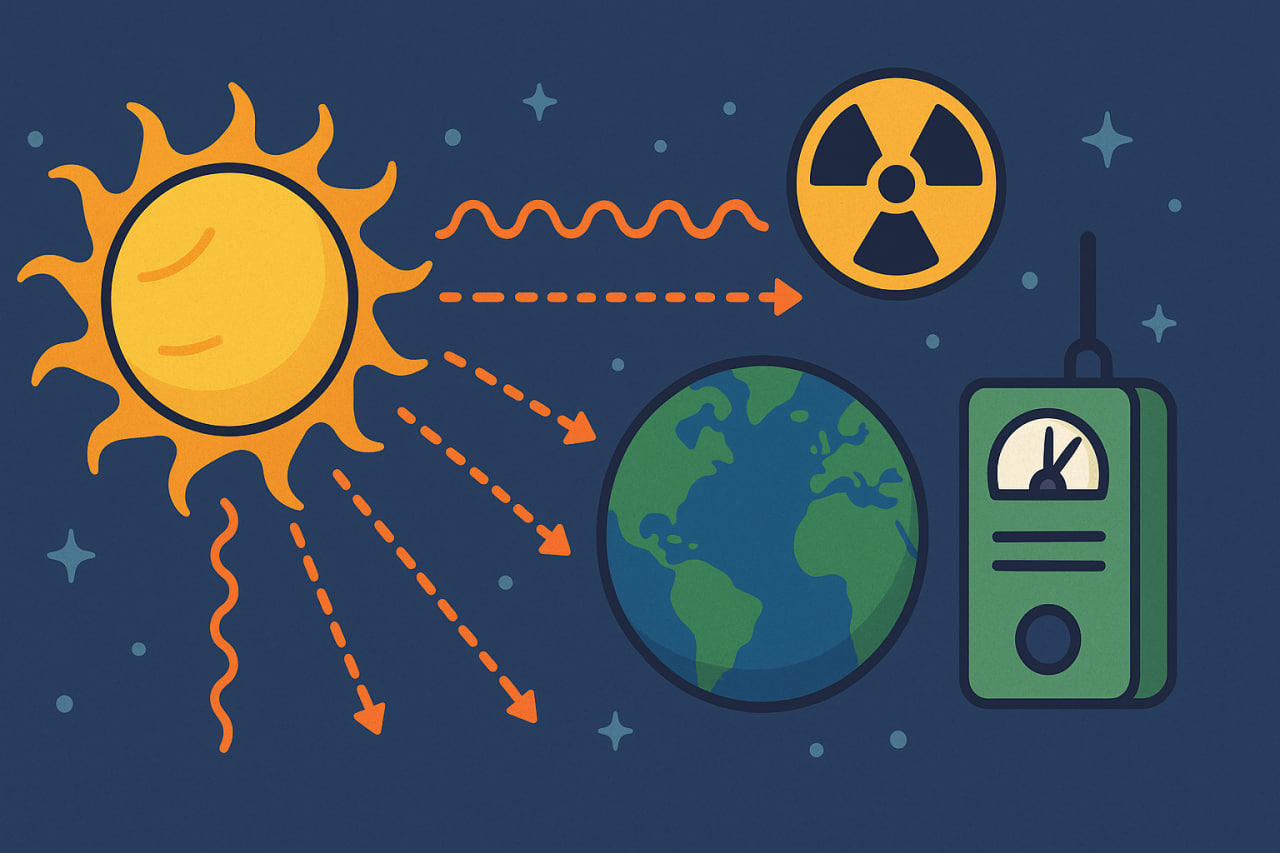
Radiation is the process by which energy travels through space or a medium in the form of waves or particles. It is a fundamental part of nature, present everywhere—from sunlight warming the Earth to the medical tools used in hospitals. Radiation can be both beneficial and harmful, depending on its type, strength, and exposure levels.

What Is String Theory?
Science New Discoveries

What Is String Theory?

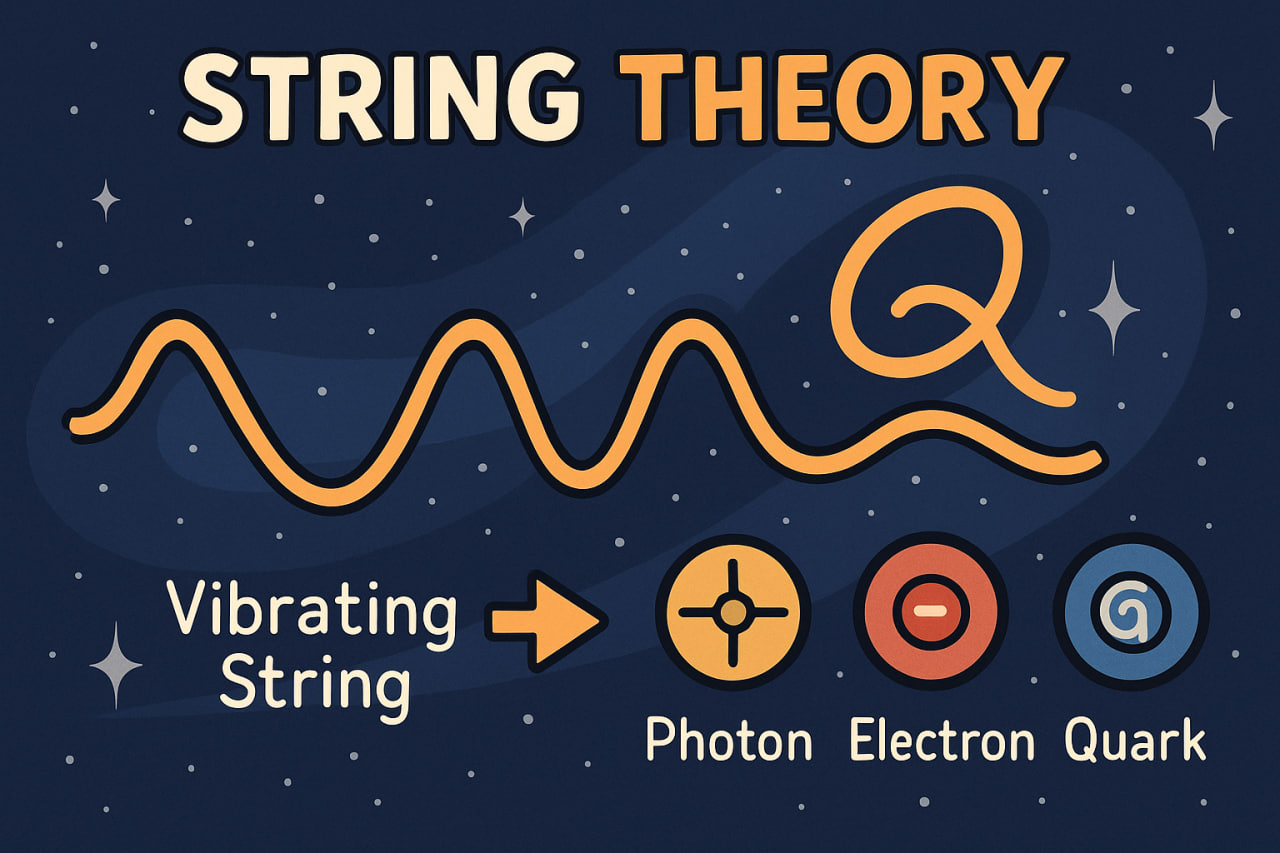
String theory is a theoretical framework in physics that attempts to explain all fundamental forces and particles as vibrations of tiny, one-dimensional objects called strings. Instead of viewing particles like electrons or quarks as point-like, string theory suggests that they are minuscule loops or segments of energy. The vibration patterns of these strings determine the type of particle they represent, whether it be matter or force-carrying particles. This approach provides a possible path toward unifying quantum mechanics and general relativity, which has long been one of science’s greatest challenges.

Can Time Be Stopped?
Science Be Smart

Can Time Be Stopped?

The idea of stopping time has fascinated humanity for centuries. From myths and literature to science fiction, many stories explore what it would mean if time could come to a halt. But in physics, time is not simply a ticking clock—it is a fundamental dimension of the universe, woven together with space into what scientists call space-time. Asking whether time can be stopped means questioning the very nature of reality itself.

What Is Dark Energy?
Space Stories Universe Science

What Is Dark Energy?

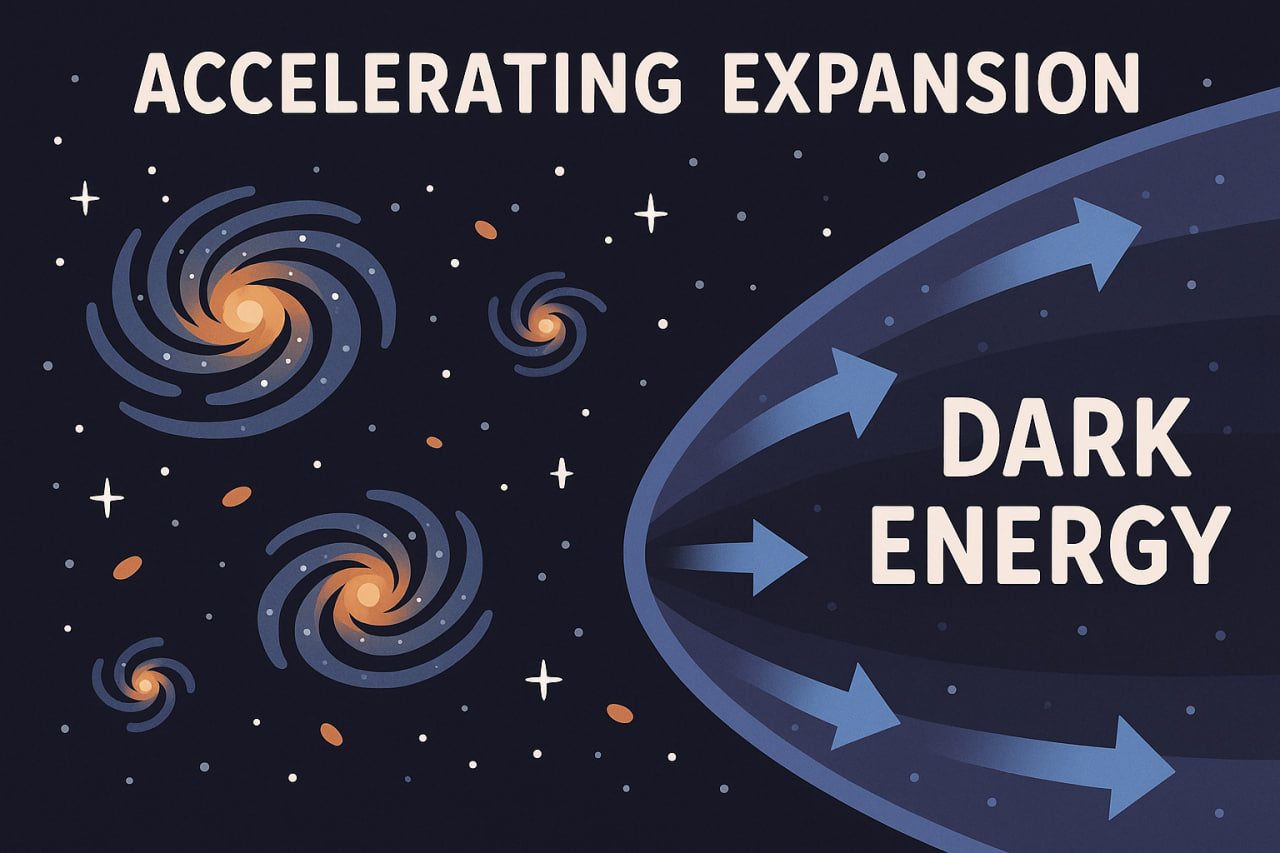
Dark energy is one of the most mysterious concepts in modern cosmology. It refers to an unknown form of energy that is thought to make up about 70% of the universe. Unlike matter or radiation, dark energy does not emit, absorb, or interact with light, making it invisible and extremely difficult to detect directly. Scientists first proposed its existence to explain why the universe’s expansion is accelerating instead of slowing down under the pull of gravity. Understanding dark energy is one of the greatest challenges in physics today.

The Role of Open-Source in Science and Technology
Neuro-Tech Science AI

The Role of Open-Source in Science and Technology

Open-source refers to software, data, and technologies that are freely available for anyone to use, modify, and distribute. In science and technology, the open-source model accelerates innovation, reduces costs, and encourages global collaboration.

Digital Twins: What They Are and How They Are Used
Hi-Tech Science

Digital Twins: What They Are and How They Are Used

Digital twins are virtual replicas of physical objects, systems, or processes that allow real-time monitoring, simulation, and optimization. They combine sensor data, 3D modeling, and artificial intelligence to create a digital counterpart that behaves like the real thing.

The Role of Science in Sustainable Development
Smart Technology Science New Discoveries

The Role of Science in Sustainable Development

Sustainable development is the pursuit of progress that meets present needs without compromising the ability of future generations to meet theirs. Science plays a crucial role in this process by providing the knowledge, tools, and innovations needed to balance economic growth, environmental protection, and social well-being.