Science

What Is a Photon?
Universe Science Be Smart

What Is a Photon?

When we think of light, we usually imagine beams or waves. But in modern physics, light also behaves like a particle — and that particle is called a photon. A photon is the fundamental unit, or quantum, of electromagnetic radiation, including visible light, X-rays, microwaves, and radio waves. Unlike many particles in nature, photons have no mass and always travel at the speed of light. Understanding photons is essential to grasping the nature of light, energy, and the very foundations of quantum mechanics.
What Is Nuclear Fusion?
Hi-Tech Science New Discoveries

What Is Nuclear Fusion?

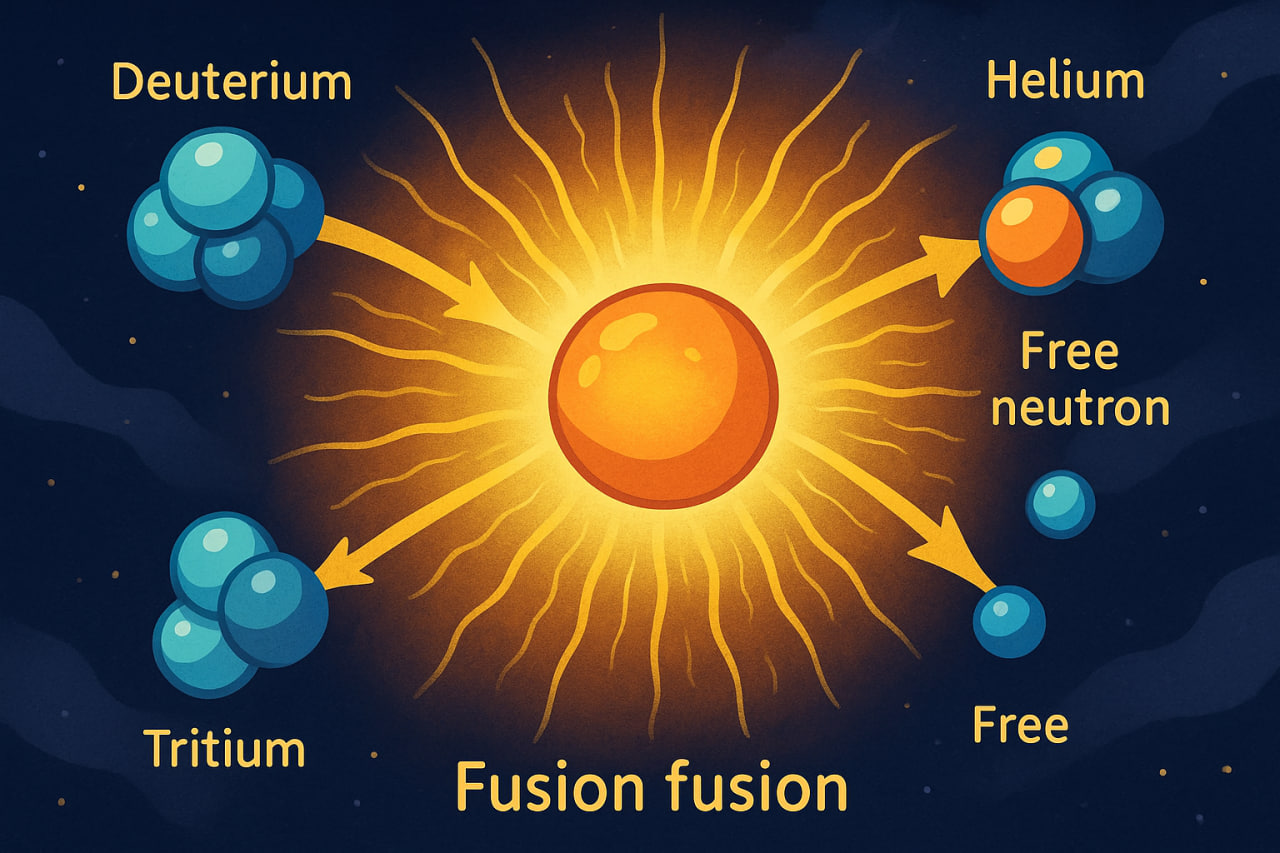
Nuclear fusion is the process by which two light atomic nuclei combine to form a heavier nucleus, releasing an enormous amount of energy in the process. It is the same reaction that powers the Sun and other stars. Unlike nuclear fission, which splits atoms and is used in current nuclear power plants, fusion combines atoms — and produces less radioactive waste, no greenhouse gases, and offers a virtually limitless source of clean energy. For decades, scientists have pursued controlled nuclear fusion on Earth as a potential energy revolution.

How Planets Form
Space Stories Universe Science

How Planets Form

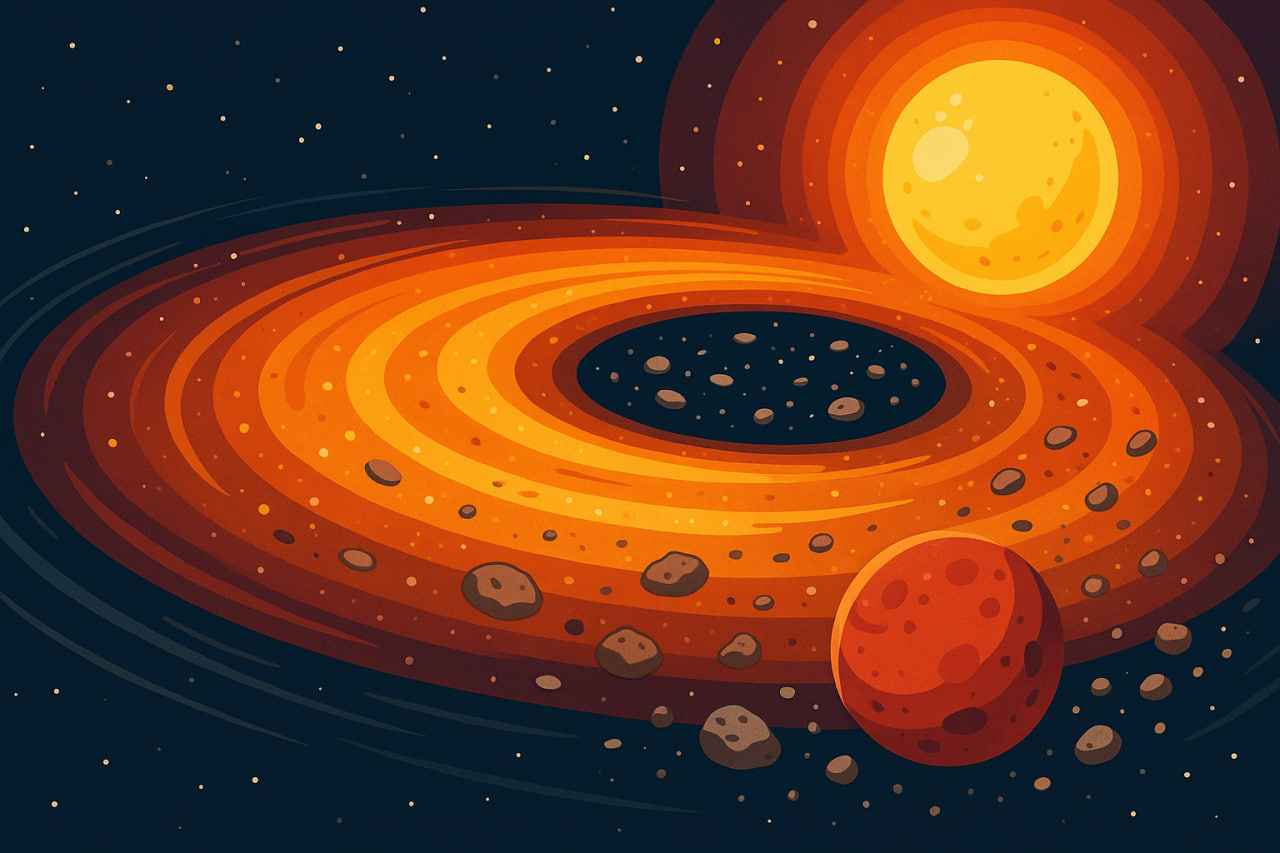
Planets don’t simply appear — they are the result of complex processes unfolding over millions of years. From dust particles in a swirling cloud of gas to massive, orbiting worlds, planetary formation is a fundamental chapter in the evolution of solar systems. Understanding how planets form not only explains Earth’s origin but also helps scientists search for exoplanets and assess their potential to support life.

Why Does the Earth Rotate?
Science Earth & Moon

Why Does the Earth Rotate?

If you could watch Earth from space, you'd see it constantly spinning on its axis — a full rotation every 24 hours. This rotation causes day and night, drives weather systems, and influences many natural processes. But have you ever wondered why Earth rotates at all? The answer lies in the physics of how our solar system formed and the principles of angular momentum.

How Lasers Work and the Latest Advances
Hi-Tech Smart Technology Science

How Lasers Work and the Latest Advances

A laser (Light Amplification by Stimulated Emission of Radiation) is a device that emits a beam of coherent, monochromatic light — meaning all light waves have the same wavelength and move in unison. Unlike ordinary light from a bulb, laser light is extremely focused and powerful. Lasers are used in everything from barcode scanners and fiber-optic communication to medical surgeries and space exploration. The basic principle of a laser relies on quantum physics, specifically the controlled behavior of photons in a medium that can be excited to emit light in a synchronized way.

Why the Moon Affects Tides
Science Earth & Moon

Why the Moon Affects Tides

The Moon has a powerful influence on our planet, even though it's about 384,400 kilometers away. One of the most noticeable effects is the creation of tides — the regular rise and fall of ocean levels. These tidal movements happen globally and have been observed by humans for thousands of years. But why exactly does the Moon affect the oceans? The answer lies in the invisible force of gravity and the dynamic interaction between the Earth, Moon, and Sun.

What Is the Magnetosphere
Science Earth & Moon

What Is the Magnetosphere

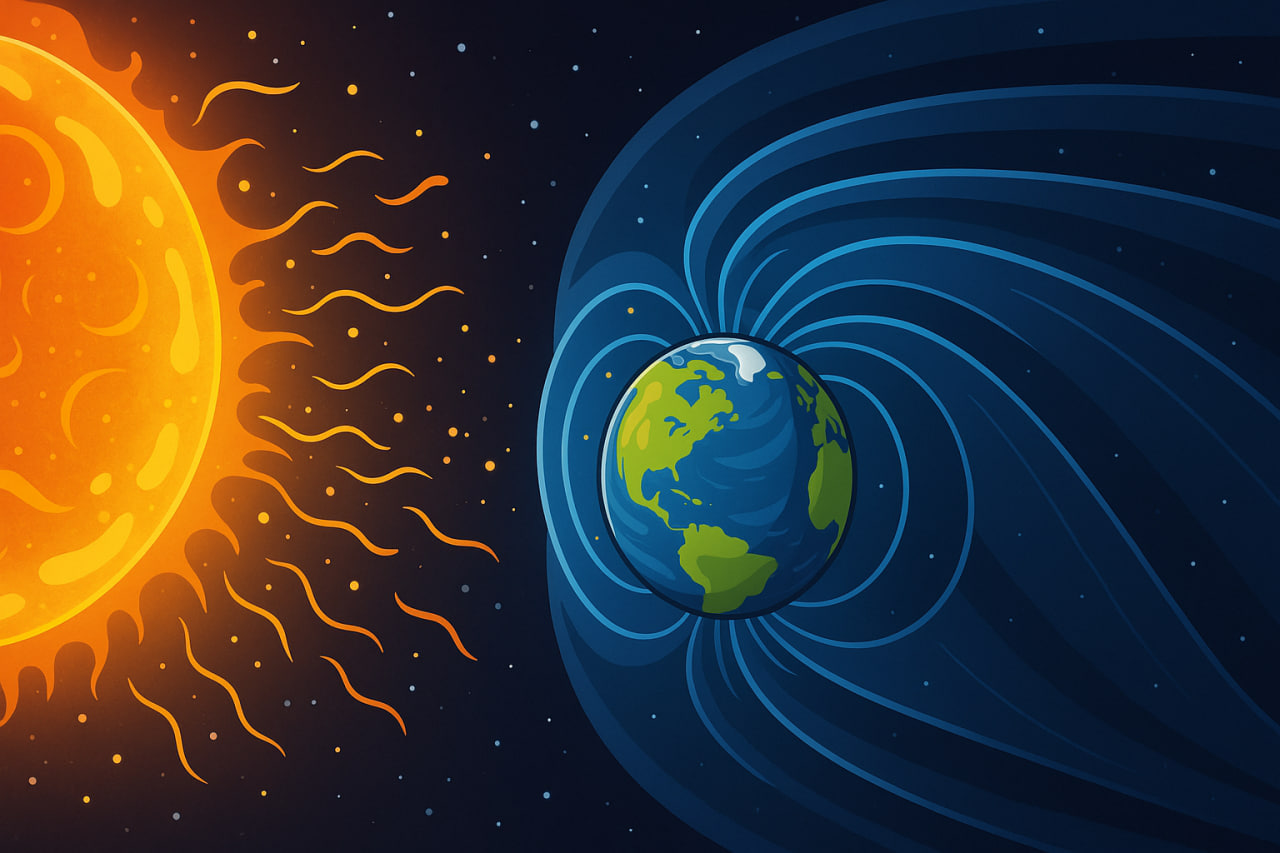
The magnetosphere is a vast, invisible region around Earth that is dominated by the planet’s magnetic field. It plays a crucial role in protecting life on Earth by deflecting charged particles emitted by the Sun in the form of solar wind. Without this magnetic shield, harmful radiation would reach the surface, damaging the atmosphere and endangering life. Although the magnetosphere cannot be seen with the naked eye, it is one of the most essential natural systems safeguarding our planet.

The ISS as a Scientific Platform: Research from Inside
Space Stories Cosmic Innovations Science

The ISS as a Scientific Platform: Research from Inside

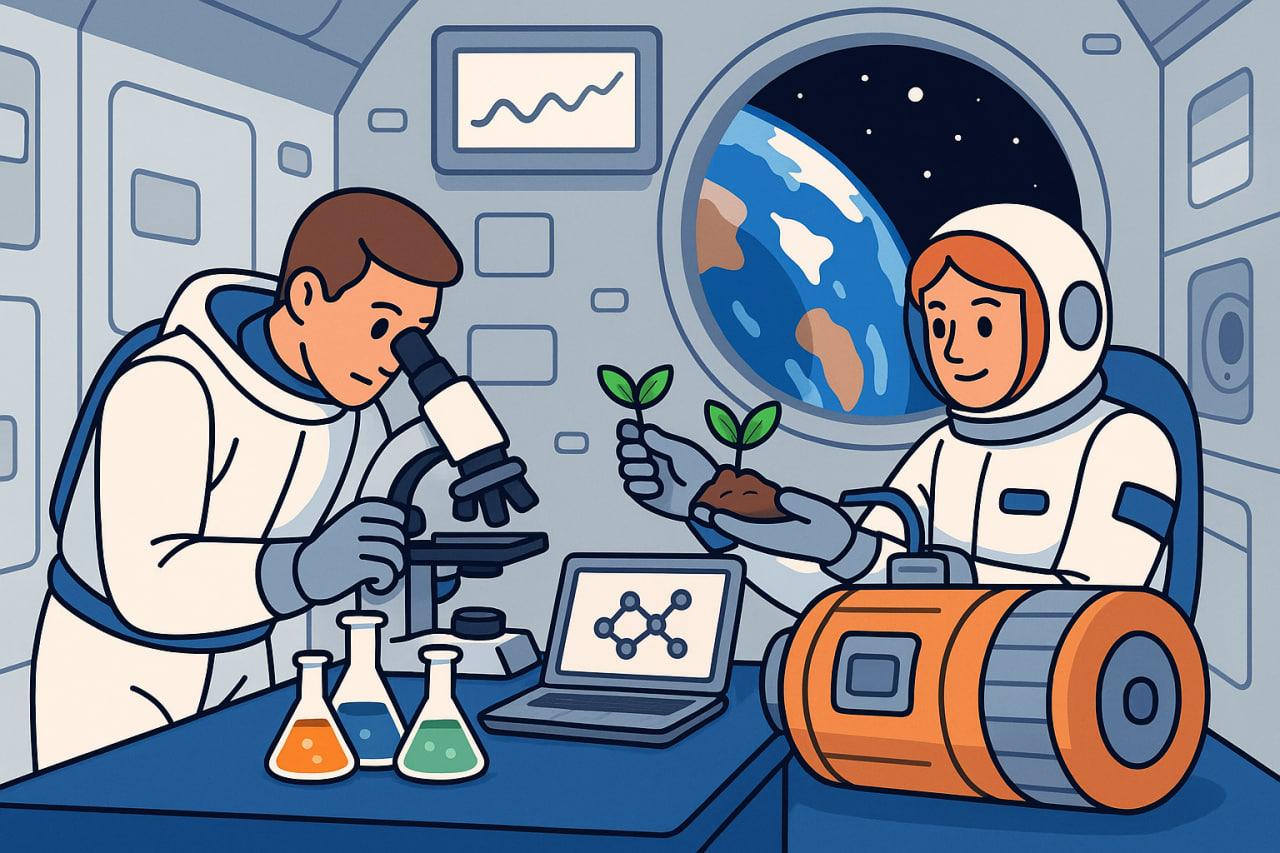
The International Space Station (ISS) is not just a symbol of global cooperation, but a fully operational scientific laboratory in orbit. Orbiting Earth at about 400 kilometers in altitude, the ISS travels at a speed of approximately 28,000 km/h, completing one orbit every 90 minutes. Inside this massive structure, astronauts from multiple nations conduct daily scientific experiments in a unique environment that cannot be replicated on Earth. The ISS provides long-term access to microgravity, enabling researchers to study biological, chemical, and physical processes without the interference of gravity. These conditions reveal new insights into cell behavior, fluid dynamics, material science, and more. The station's modular structure includes dedicated lab modules such as Destiny (USA), Columbus (Europe), and Kibo (Japan), each outfitted with specialized equipment. These modules make the ISS an extraordinary research hub floating above Earth.

The History of Nuclear Energy: From Discovery to Power Plants
History Science

The History of Nuclear Energy: From Discovery to Power Plants

Nuclear energy has profoundly influenced the course of science, technology, and geopolitics. From the discovery of radioactivity to the development of nuclear reactors and modern power plants, this form of energy has evolved through decades of scientific breakthroughs and policy debates. Today, nuclear power remains a critical component of global energy strategies, especially in the context of climate change and the search for low-carbon energy sources. Understanding the history of nuclear energy helps contextualize its benefits, challenges, and future potential.

What Is a Gyrotron and How It Works
Hi-Tech Science New Discoveries

What Is a Gyrotron and How It Works

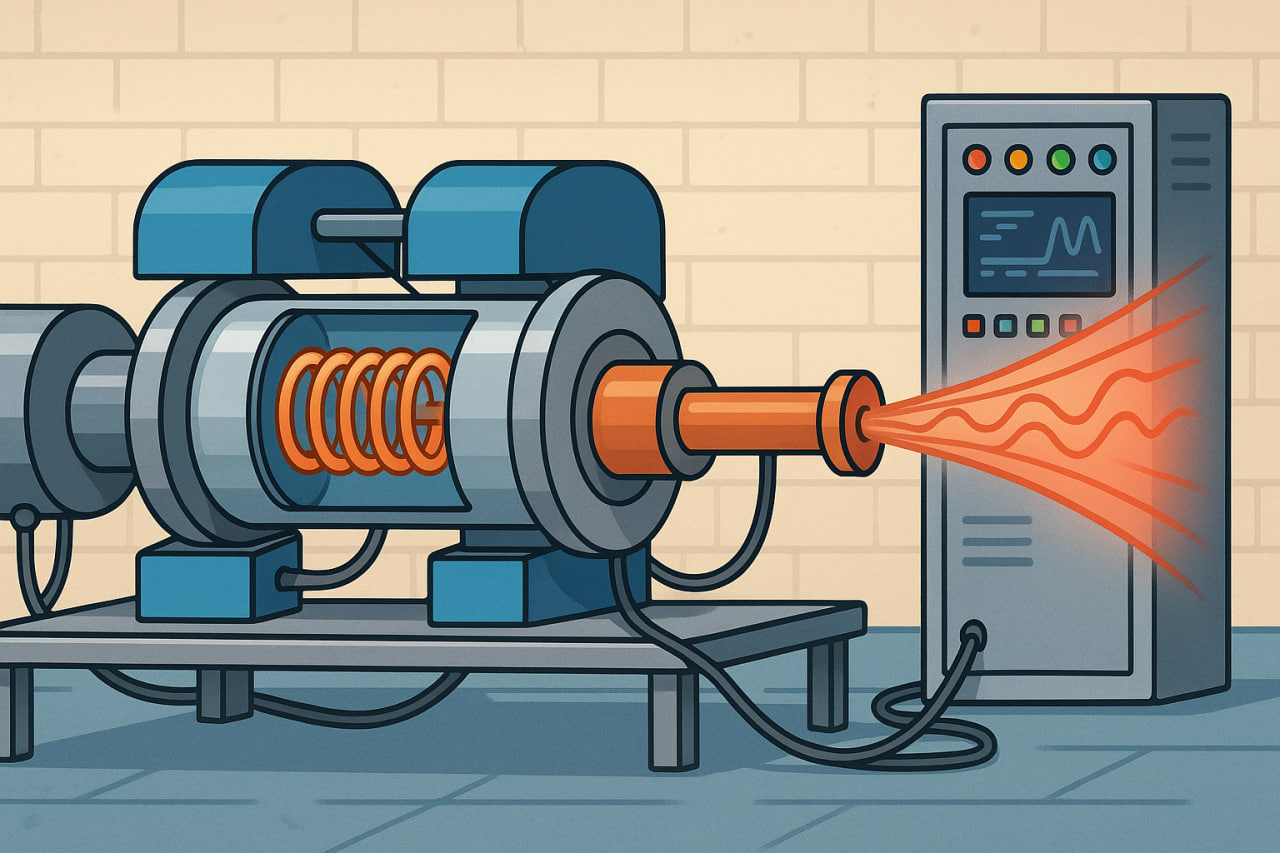
A gyrotron is a high-power vacuum tube that generates electromagnetic radiation in the millimeter-wave and sub-terahertz frequency ranges. It belongs to the class of cyclotron resonance masers, meaning it amplifies radiation by interacting with fast-moving electrons spiraling in a magnetic field. Gyrotrons are primarily used in advanced scientific and industrial applications that require intense, focused beams of energy, especially in the field of nuclear fusion research.