Science

Laboratories of the Future: Automation of Experiments
Hi-Tech Smart Technology Science

Laboratories of the Future: Automation of Experiments

Automated laboratories are transforming scientific research by integrating robotics, artificial intelligence, and advanced data systems to conduct experiments with minimal human intervention. These next-generation labs promise faster results, higher precision, and the ability to handle vast amounts of data — paving the way for groundbreaking discoveries.
Energy of the Future: Thermonuclear Reactors
Hi-Tech Science New Discoveries

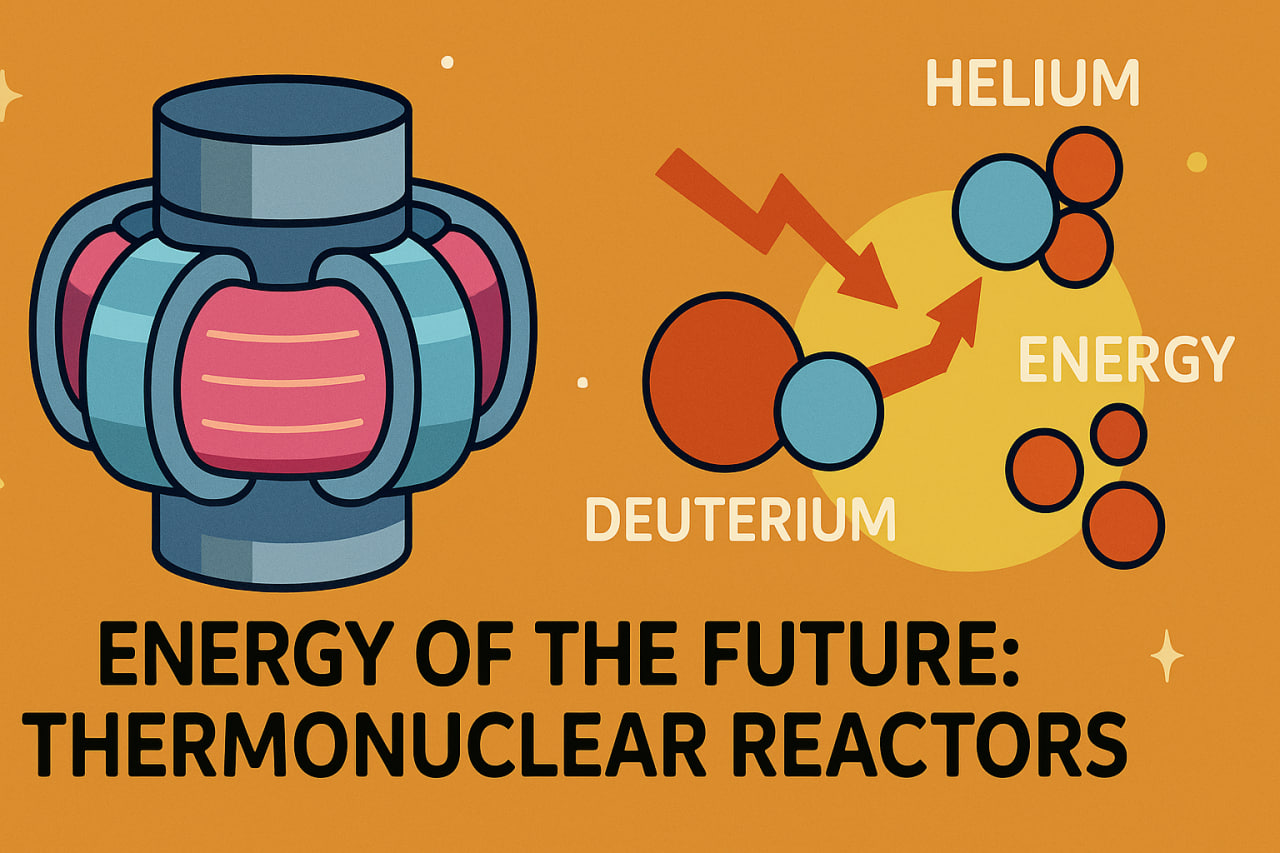
Energy of the Future: Thermonuclear Reactors

Thermonuclear reactors represent one of humanity’s most ambitious technological pursuits — recreating the process that powers the Sun to produce clean, virtually limitless energy on Earth. Instead of burning fossil fuels or splitting heavy atomic nuclei, these reactors fuse light atomic nuclei, releasing enormous amounts of energy without producing greenhouse gases or long-lived radioactive waste.

VR and AR in Science: The Learning of the Future
Hi-Tech Smart Technology Science

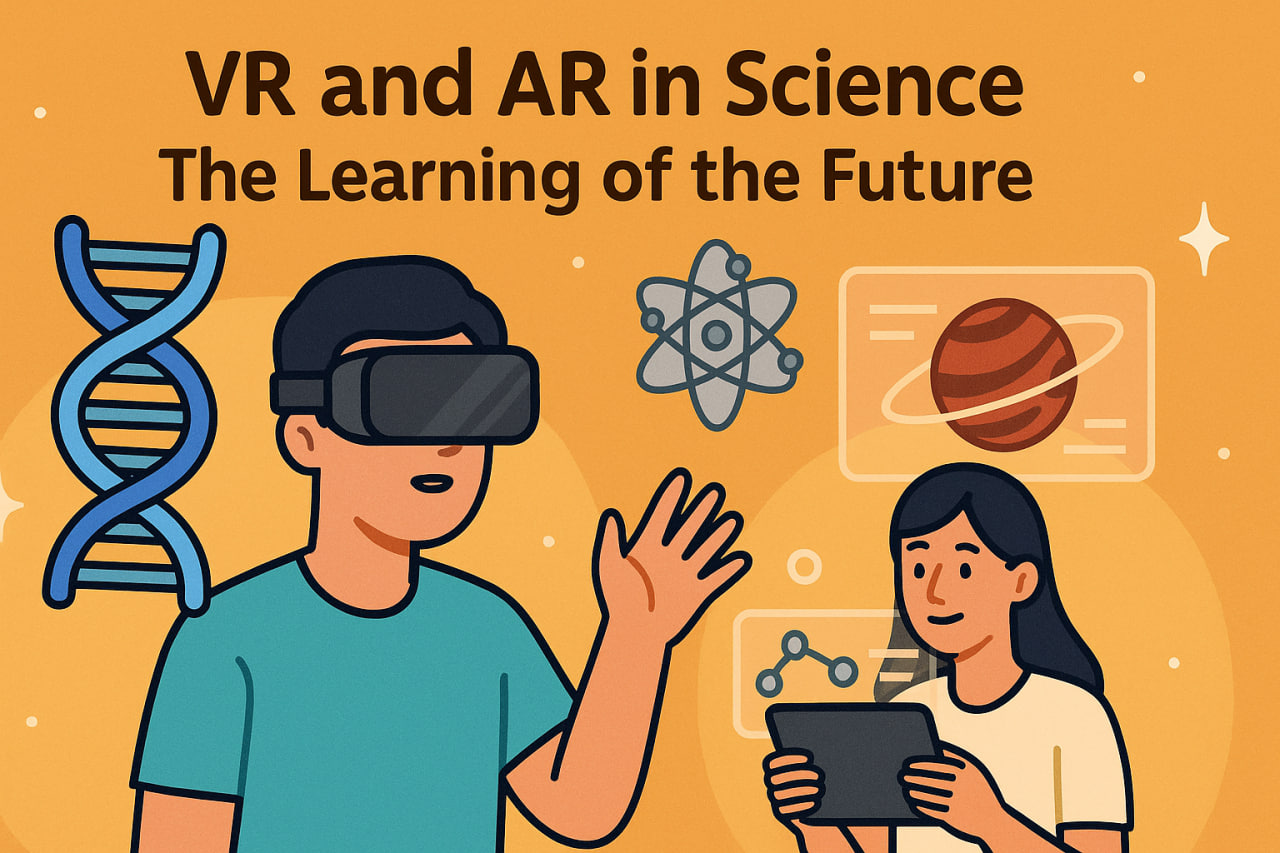
VR and AR in Science: The Learning of the Future

Virtual Reality (VR) and Augmented Reality (AR) are transforming the way science is taught, researched, and applied. These immersive technologies allow students, scientists, and professionals to interact with complex concepts in ways that were previously impossible. By blending digital simulations with real-world contexts, VR and AR open new dimensions for education, experimentation, and collaboration.

New Materials: Graphene, Aerogel, and Other Wonders
Science New Discoveries

New Materials: Graphene, Aerogel, and Other Wonders

In the last two decades, scientists have created and perfected materials with extraordinary properties, opening the door to new technologies and applications. Among the most fascinating are graphene, aerogel, and other advanced substances that seem almost futuristic. These materials combine remarkable strength, lightness, conductivity, and adaptability, and they are already influencing industries from electronics to aerospace.

The Strangest Scientific Discoveries of the Last Decade
Cosmic Innovations Science New Discoveries

The Strangest Scientific Discoveries of the Last Decade

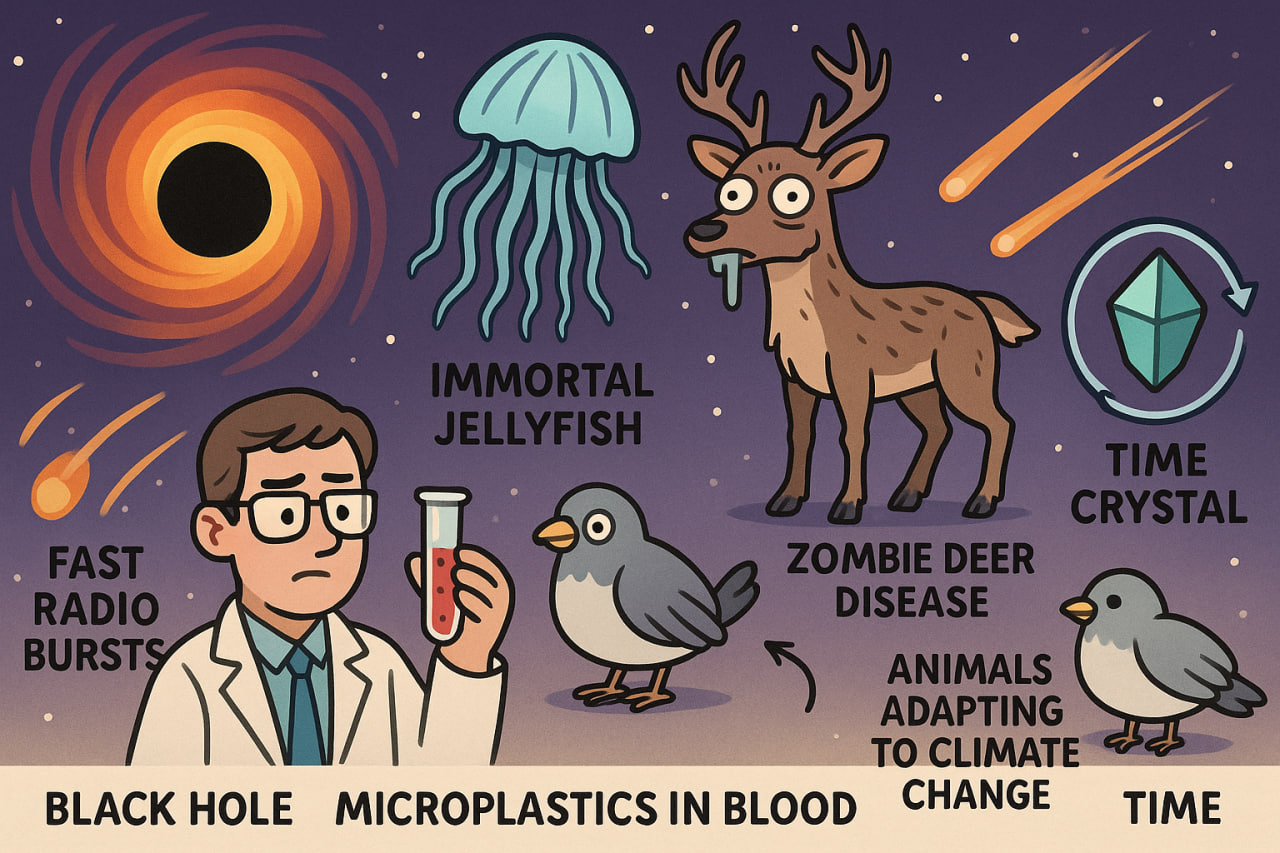
Over the past ten years, science has delivered breakthroughs that are not only groundbreaking but also deeply unusual. These discoveries challenge our understanding of the world and often seem more like science fiction than reality. From mysterious cosmic phenomena to bizarre biological behaviors, here are some of the strangest findings of recent years.

Neutrinos and Ghost Particles: Why Scientists Study Them
Space Stories Science New Discoveries

Neutrinos and Ghost Particles: Why Scientists Study Them

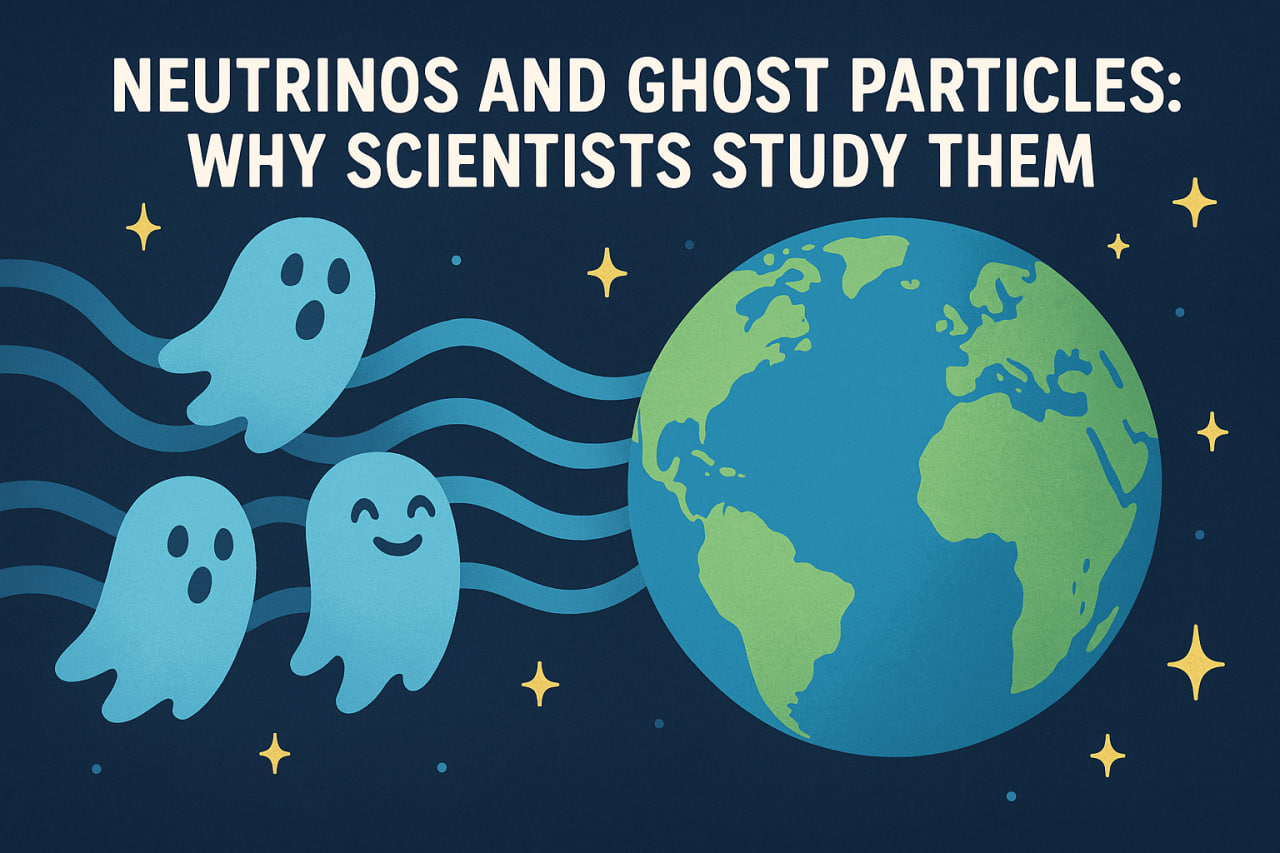
Neutrinos are subatomic particles with no electric charge and an extremely small mass. They interact so weakly with matter that trillions pass through your body every second without leaving a trace. Because of this elusive nature, they are often called "ghost particles". Studying them helps scientists understand the most fundamental processes in the universe.

How Satellites Transmit Signals
Hi-Tech Science

How Satellites Transmit Signals

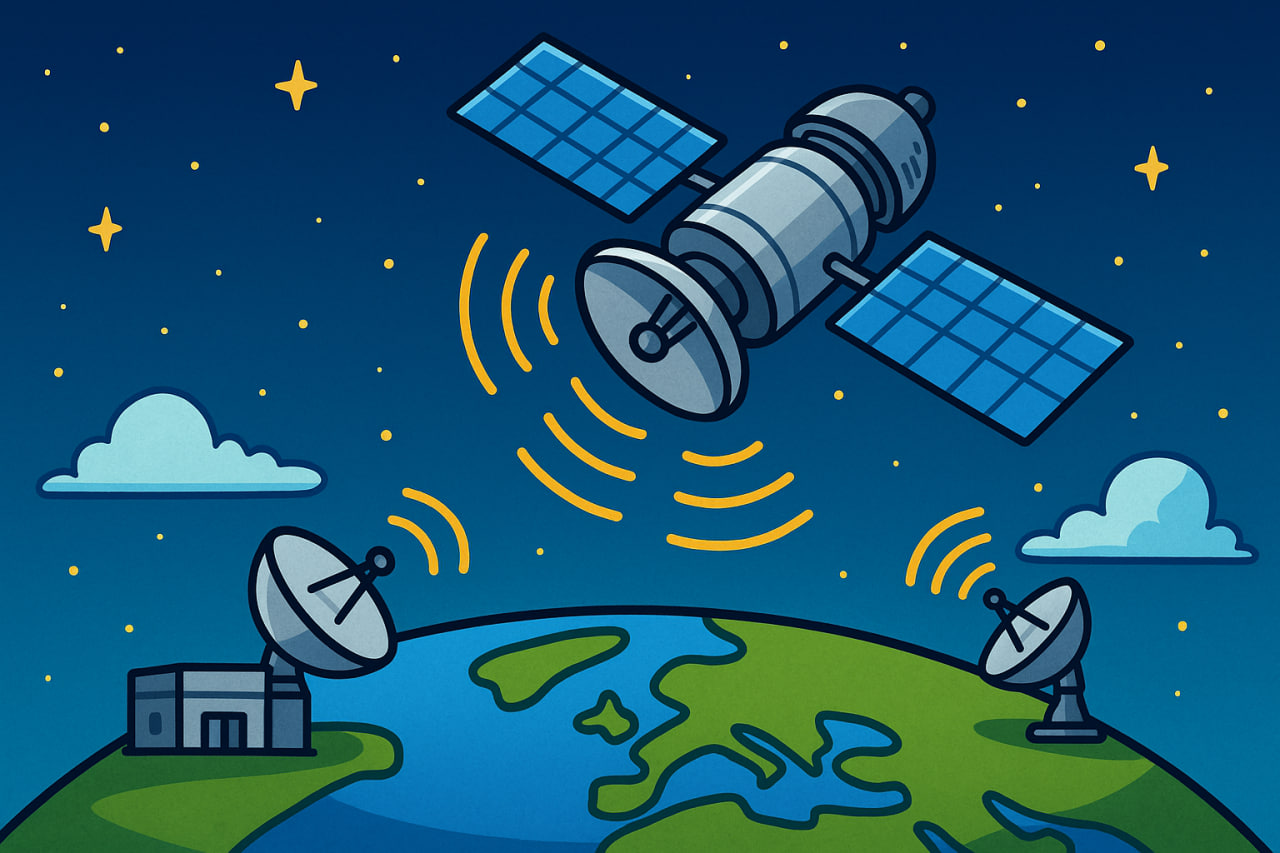
Every time you watch satellite TV, check the weather forecast, or use GPS, you're interacting with signals sent from space. Artificial satellites orbiting Earth play a key role in global communication by receiving, amplifying, and re-transmitting signals. Whether for internet, television, navigation, or defense, satellite communication is an essential part of our modern world. But how exactly do satellites send signals across such great distances?

Rockets: The Engines of Space Exploration
Space Stories Cosmic Innovations Science

Rockets: The Engines of Space Exploration

A rocket is a vehicle or device that moves by expelling gas out of a nozzle at high speed, based on Newton’s Third Law of Motion: “For every action, there is an equal and opposite reaction.” Rockets are the only machines that can operate in the vacuum of space, making them essential for launching satellites, space probes, crew missions, and even interplanetary travel.

Puzzle Encoding: The Art of Information Obfuscation
Neuro-Tech Science AI

Puzzle Encoding: The Art of Information Obfuscation

Puzzle encoding is a method of transforming information into a form that resembles a disassembled puzzle, making it difficult to interpret unless properly reconstructed. While not a formal cryptographic standard, this technique is used in fields like cybersecurity, data protection, genetic research, and digital forensics. It draws inspiration from how puzzles are solved — by reordering, matching, or decoding fragments to reveal a hidden whole. This form of encoding emphasizes structure over secrecy: the message is broken apart, shuffled, or obscured in ways that require logical assembly rather than brute-force decryption.

How Do Scientists Measure the Distance to Stars?
Space Stories Universe Science

How Do Scientists Measure the Distance to Stars?

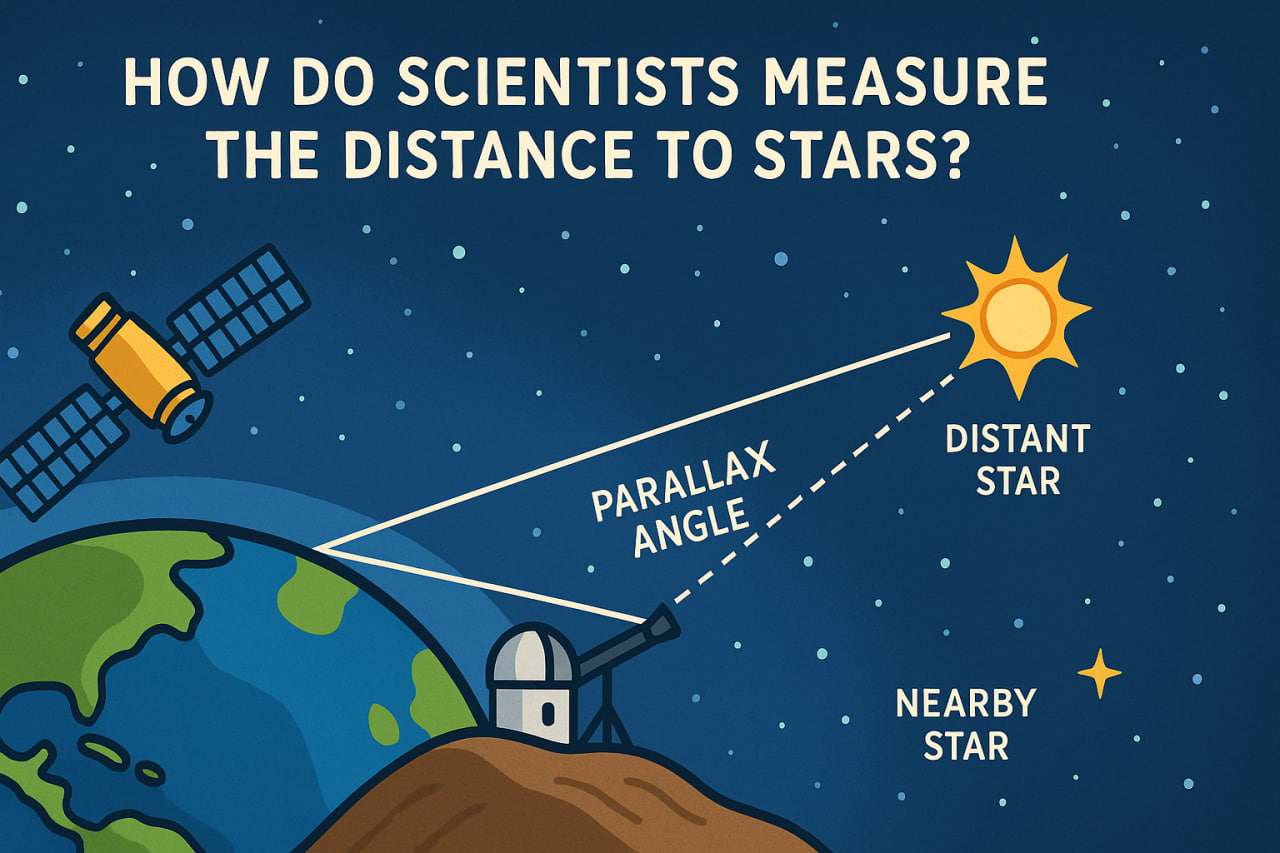
Stars may appear close as dots in the night sky, but in reality, they are incredibly far away — often light years from Earth. Since we can't stretch a measuring tape across space, astronomers rely on clever, physics-based methods to determine these vast distances. Measuring how far stars are helps us understand their size, brightness, evolution, and even the shape of our galaxy.