Science

How Space Stations Are Built
Space Stories Cosmic Innovations Hi-Tech

How Space Stations Are Built

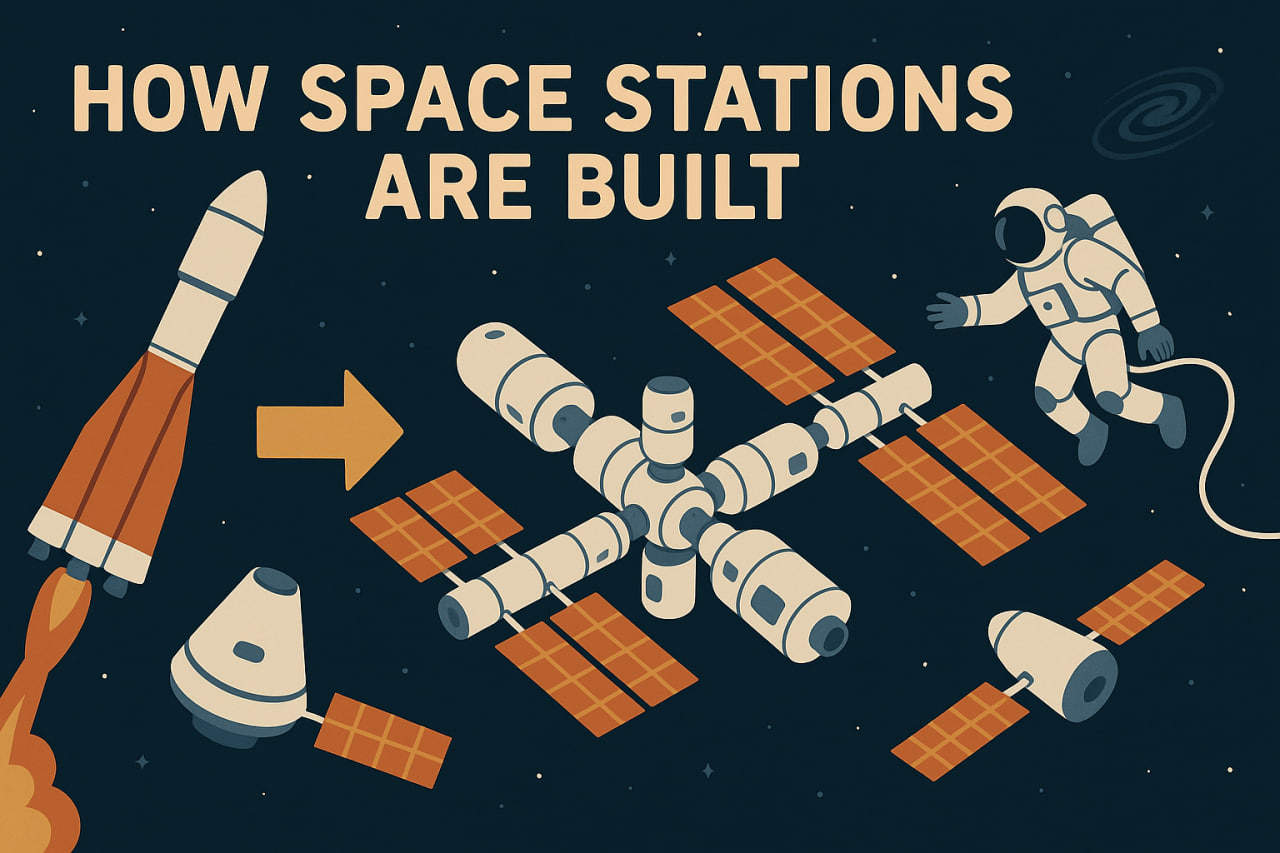
A space station is a large, habitable artificial satellite that orbits Earth, serving as a platform for scientific research, space exploration, and international cooperation. Building a space station is one of the most complex engineering tasks ever undertaken by humanity. Unlike ground-based structures, space stations must be assembled in orbit, piece by piece, using specially designed modules, spacecraft, and astronaut labor.


What Happens to the Human Body in Microgravity?
Science Be Smart

What Happens to the Human Body in Microgravity?

Life on Earth has evolved under the constant pull of gravity. But when astronauts travel into space, they experience microgravity, a condition in which gravity is so weak that objects appear to float. Though exciting for exploration, microgravity causes profound changes in the human body—some temporary, others with potential long-term health consequences.

How Astronomers Discover New Planets
Cosmic Innovations Universe Science

How Astronomers Discover New Planets

The discovery of new planets, especially those outside our solar system—called exoplanets—has transformed our understanding of the universe. For centuries, planets were only known within our own solar system. But thanks to advances in astronomical instruments and space telescopes, scientists have now confirmed the existence of thousands of exoplanets orbiting distant stars.

Where Does Earth's Atmosphere End?
Space Stories Science Solar System

Where Does Earth's Atmosphere End?

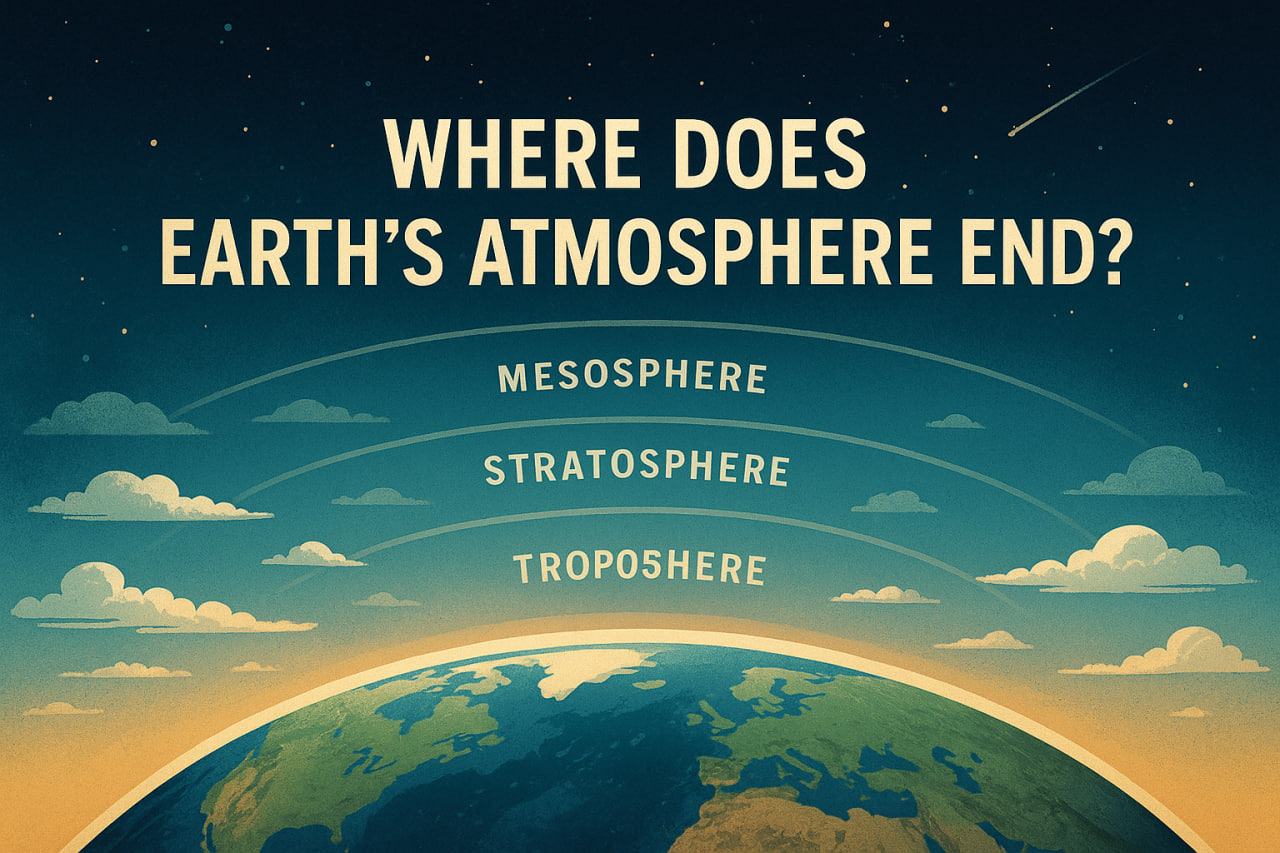
The atmosphere of Earth is a vast and complex layer of gases that surrounds the planet, gradually thinning with altitude. But where does it actually end? Unlike a solid surface, the boundary of Earth's atmosphere isn’t sharply defined. Instead, it fades into the vacuum of space over hundreds of kilometers. Scientists have proposed several definitions for the "edge" of the atmosphere, depending on whether they’re discussing physics, satellite motion, or legal boundaries.

What Are Antiparticles?
Hi-Tech Science New Discoveries

What Are Antiparticles?

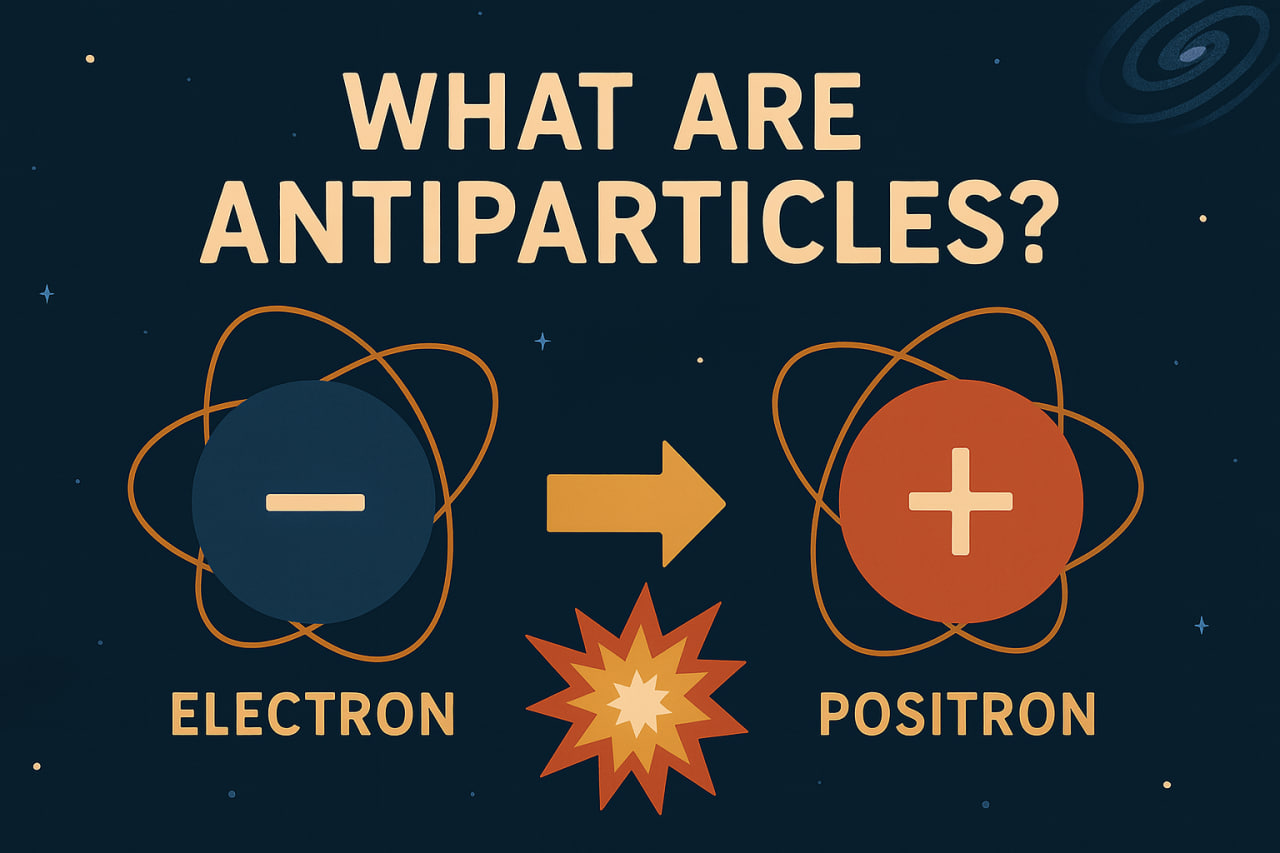
Antiparticles are a fundamental concept in modern physics, especially in the field of quantum mechanics and particle physics. Every known particle of matter—like the electron, proton, or neutron—has a corresponding antiparticle with the same mass but opposite electric charge and quantum properties. These mysterious particles are not science fiction—they are real, detectable, and play a key role in the structure of the universe.

How Orbital Mechanics Works
Space Stories Universe Science

How Orbital Mechanics Works

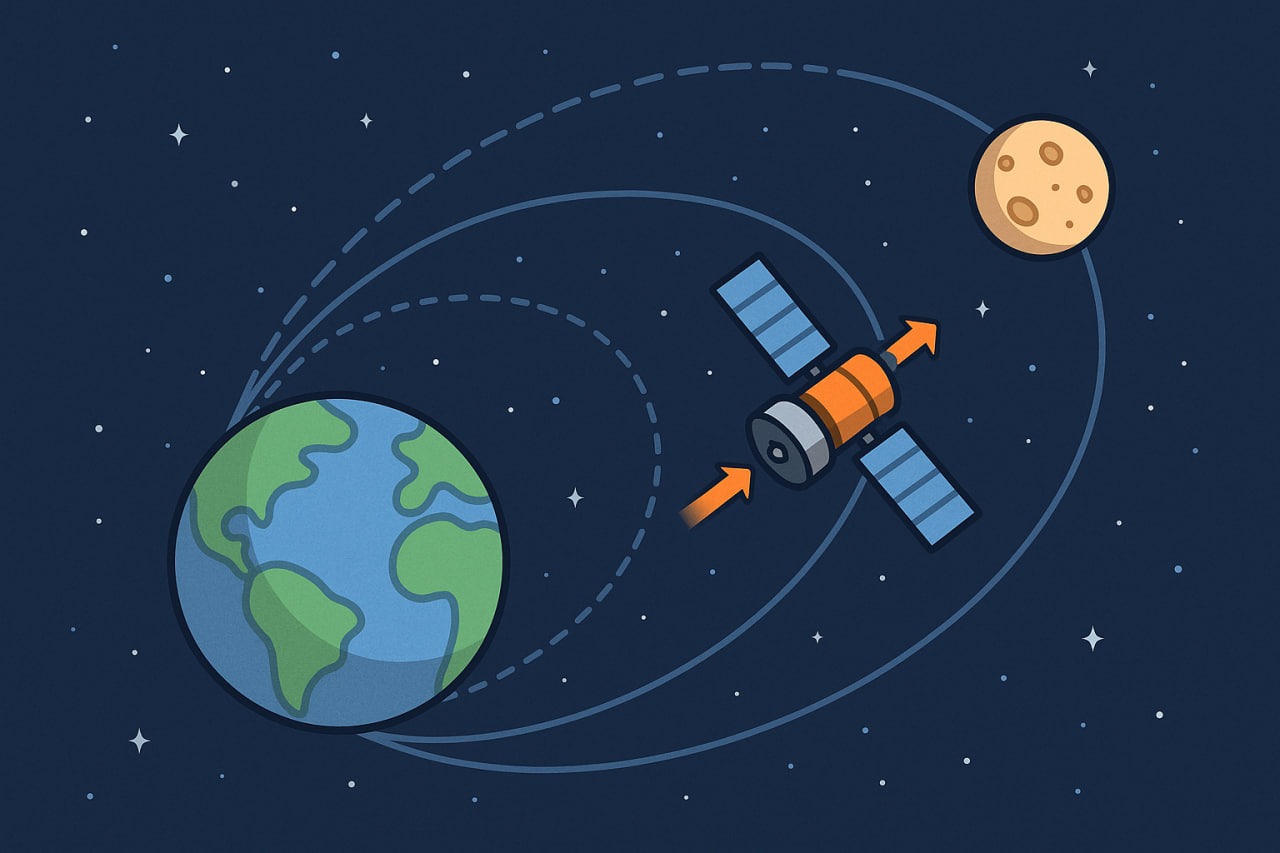
Orbital mechanics, also known as celestial mechanics, is the branch of physics that describes how objects move in space under the influence of gravity. It is essential for planning and operating satellites, space probes, and missions to other planets. The principles of orbital mechanics are based primarily on Newton’s laws of motion and universal gravitation, refined later by Einstein’s theory of general relativity for extremely massive objects or very precise calculations.

Why Do Stars Shine in Different Colors?
Space Stories Universe Science

Why Do Stars Shine in Different Colors?

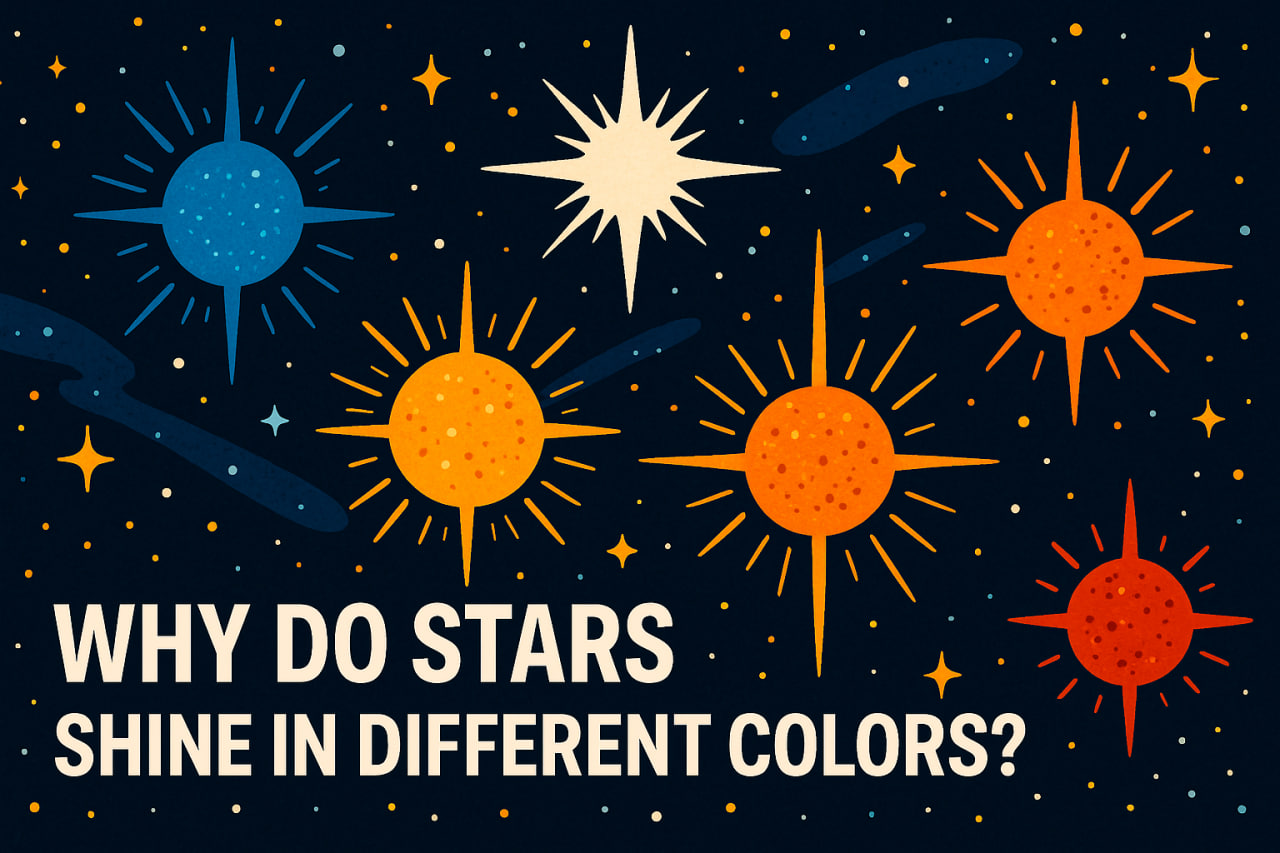
When you look at the night sky, you may notice that not all stars appear white. Some shine with a bluish tint, others with a reddish or yellow glow. These colors are not illusions—they reveal important information about a star’s temperature, composition, and life stage. The color of a star is determined primarily by the physics of blackbody radiation, where hotter objects emit shorter wavelengths of light and cooler ones emit longer wavelengths.

How Distant Galaxies Are Studied
Space Stories Universe Science

How Distant Galaxies Are Studied

Distant galaxies are among the most mysterious and fascinating objects in the universe. Studying them allows astronomers to understand the history, structure, and evolution of the cosmos. Since these galaxies are located billions of light-years away, scientists must rely on advanced telescopes, spectroscopy, and space missions to gather information about them.

Nuclear Power Plants
Hi-Tech Science Be Smart

Nuclear Power Plants

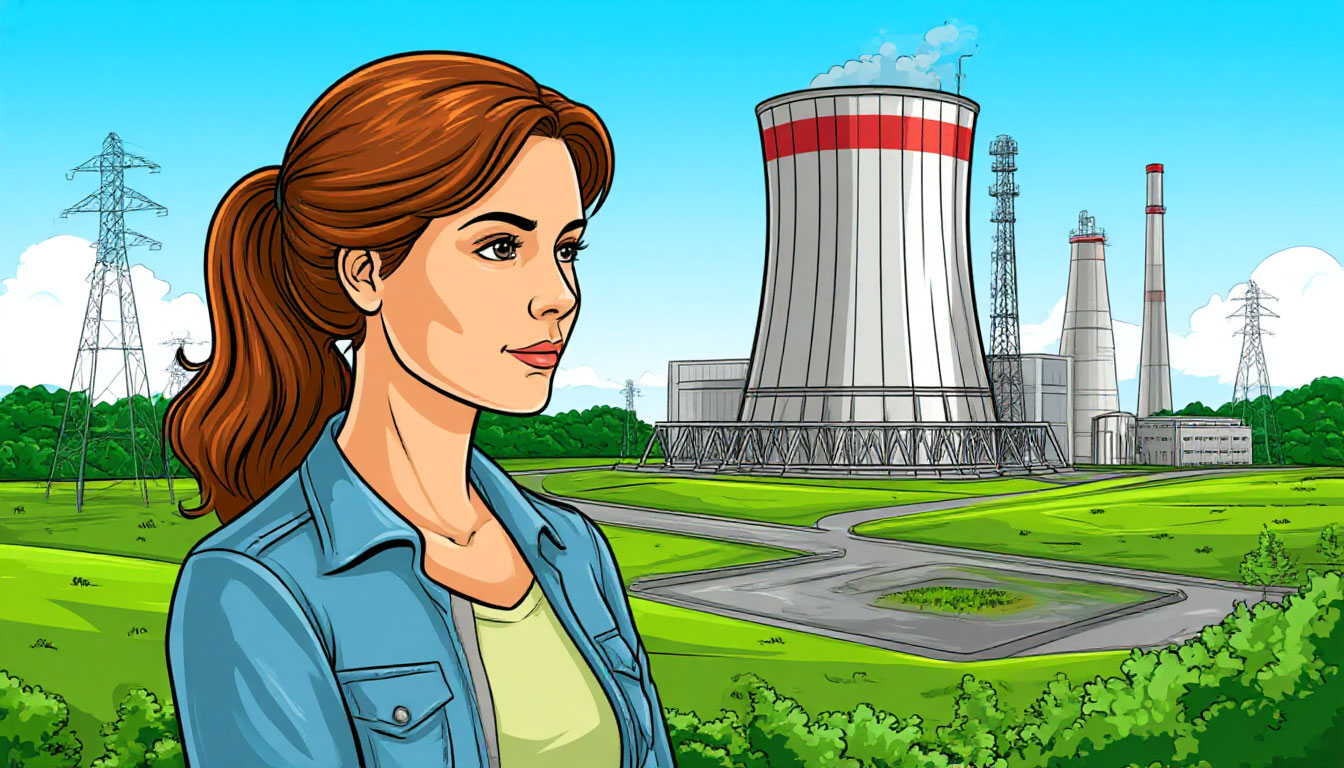
Nuclear power plants generate electricity by harnessing the energy released from splitting atoms in a process called nuclear fission. Unlike fossil fuel plants, they do not burn anything, which means they produce electricity with low carbon emissions. Today, nuclear energy supplies about 10% of the world’s electricity and plays an important role in the transition to cleaner energy sources.

Hydroelectric Power Plants
Hi-Tech Science

Hydroelectric Power Plants

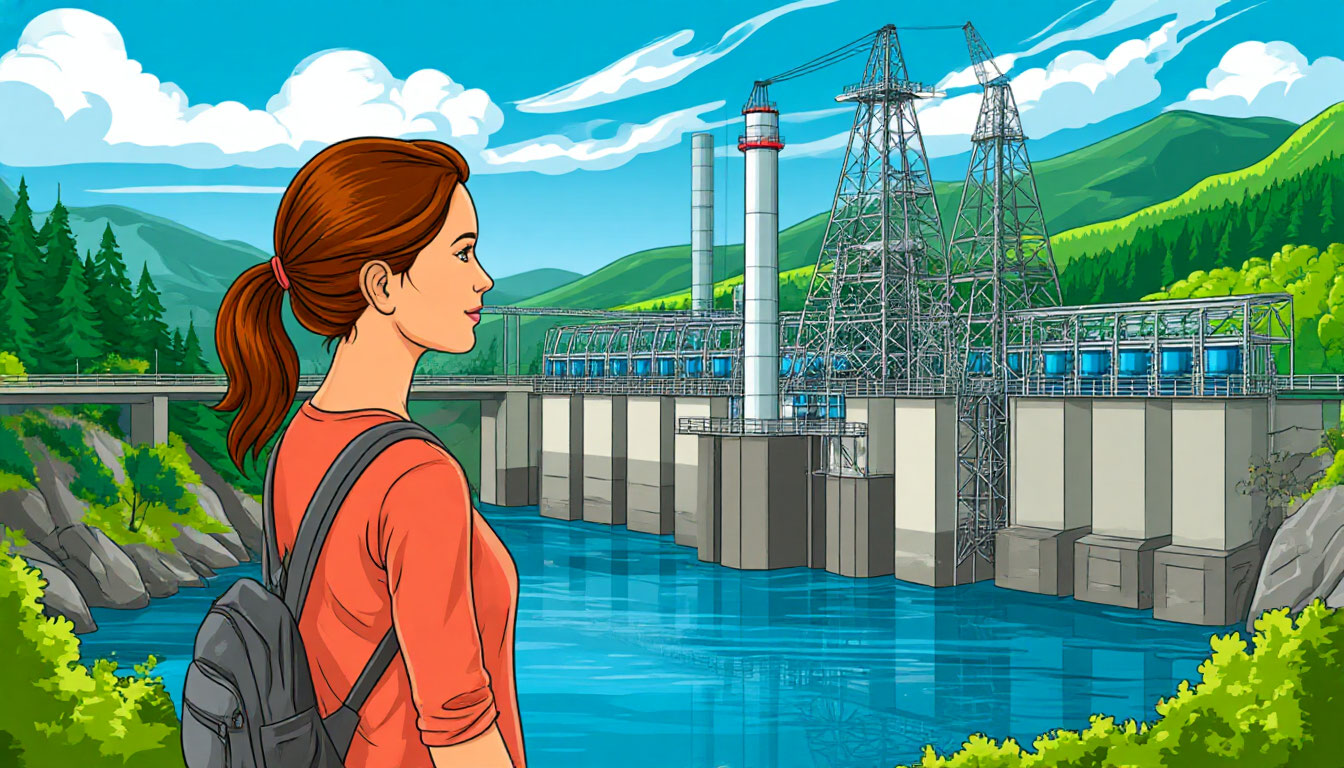
Hydroelectric power plants, or hydropower stations, are facilities that generate electricity by using the force of moving water. They are one of the most widely used forms of renewable energy, providing clean, reliable power to millions of people around the world. These plants use rivers, dams, and turbines to convert water flow into electrical energy.