Science

Neptune: The Mysterious Blue Giant of the Solar System
Universe Science Solar System

Neptune: The Mysterious Blue Giant of the Solar System

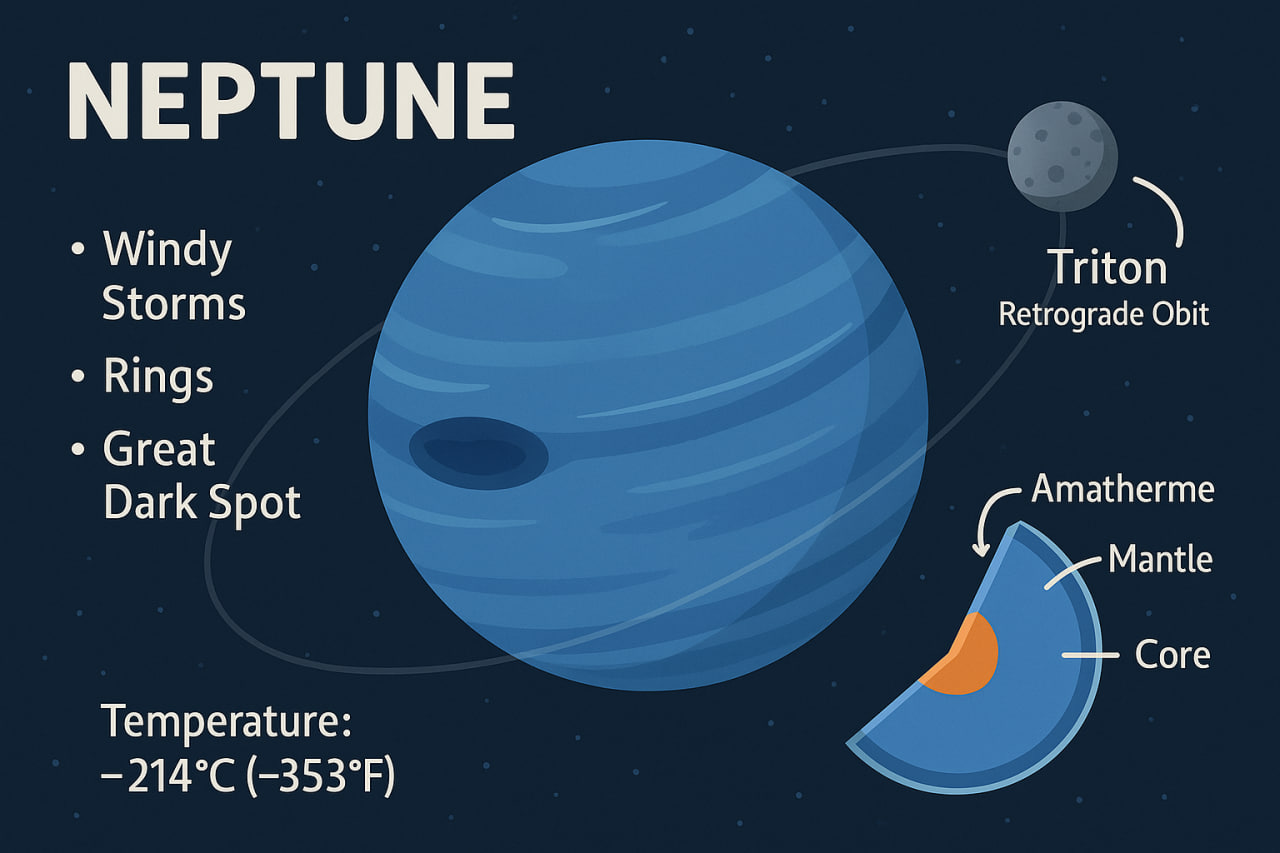
Neptune is the eighth and farthest planet from the Sun in our Solar System. Known for its deep blue color and dynamic weather systems, Neptune is a gas giant and a fascinating world of high-speed winds, storms, and icy conditions. Though distant and cold, this remote planet continues to captivate scientists and astronomers.

Genetics: The Blueprint of Life
Science Be Smart

Genetics: The Blueprint of Life

Genetics is the science that studies genes, DNA, and heredity—how traits are passed from one generation to the next. It is one of the most important fields in modern biology, helping us understand everything from eye color and inherited diseases to the origins of species and even potential cures for genetic disorders.

What Is Metal-Plastic and Where Is It Used?
Science Be Smart

What Is Metal-Plastic and Where Is It Used?

Metal-plastic is a composite material that combines the strength of metal with the flexibility and corrosion resistance of plastic. This hybrid material has revolutionized many industries, from construction and plumbing to automotive manufacturing and consumer goods.

Gold: The Metal of Wealth, Power, and Timeless Value
Science Be Smart

Gold: The Metal of Wealth, Power, and Timeless Value

Gold is a soft, yellow metal known for its shine, rarity, and resistance to corrosion. Chemically, it’s an element with the symbol Au (from the Latin word aurum) and atomic number 79. Gold is one of the few metals that occurs naturally in a pure, metallic state—often found in nuggets, grains, or veins in rocks. Due to its beauty and durability, gold has been prized by civilizations for thousands of years—for jewelry, money, and art.

Lasers: What They Are and How They Work
Hi-Tech Science

Lasers: What They Are and How They Work

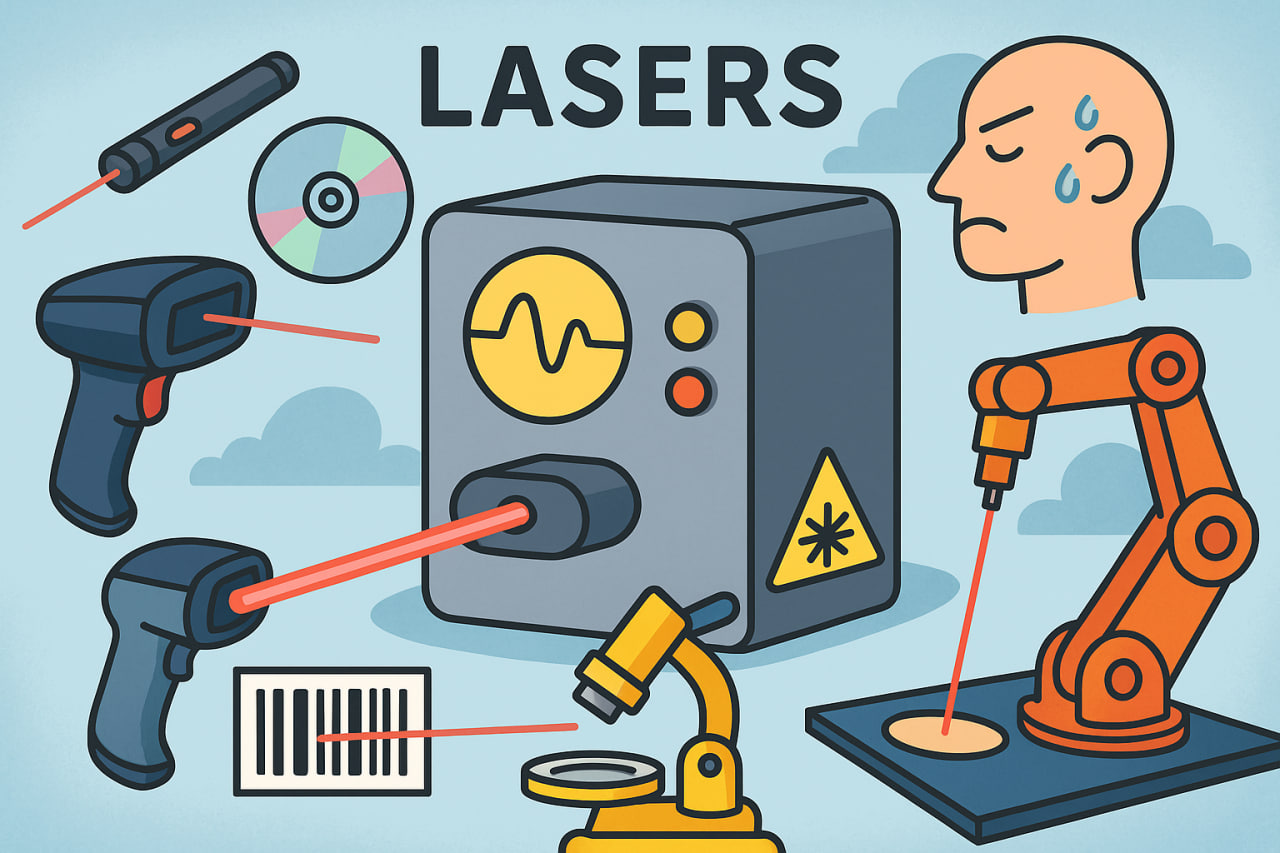
A laser (short for Light Amplification by Stimulated Emission of Radiation) is a device that produces a narrow, powerful beam of light. Unlike regular light, which scatters in all directions, a laser emits coherent light—waves that travel in the same direction and phase. This makes lasers extremely precise and focused. Lasers are used in a wide range of applications, from medicine and manufacturing to communications, entertainment, and science.

What Is a Mirror and How Does It Work?
Science Be Smart

What Is a Mirror and How Does It Work?

A mirror is a smooth surface—typically made of glass with a metallic coating—that reflects light in a way that preserves the shape and detail of objects in front of it. Mirrors are a part of our daily lives: we use them when grooming, driving, decorating homes, and in high-tech applications like telescopes, lasers, and scientific instruments. The most common mirrors are plane mirrors, which produce images that appear to be behind the surface at the same distance as the object in front of them.

The History of Flying Machines: From Myth to Modern Aviation
History Science New Discoveries

The History of Flying Machines: From Myth to Modern Aviation

The idea of human flight has fascinated people for thousands of years. Ancient myths featured winged gods and flying chariots — from Daedalus and Icarus in Greek mythology to Vimanas in Indian texts. Though purely symbolic or imaginative, these stories reflect a deep human desire to overcome gravity and explore the skies. Some inventors tried to imitate birds, creating ornithopters — devices with flapping wings. However, without an understanding of aerodynamics, these attempts remained failures until much later.

What Are Torsion Fields in Modern Theoretical Physics?
Science New Discoveries Be Smart

What Are Torsion Fields in Modern Theoretical Physics?

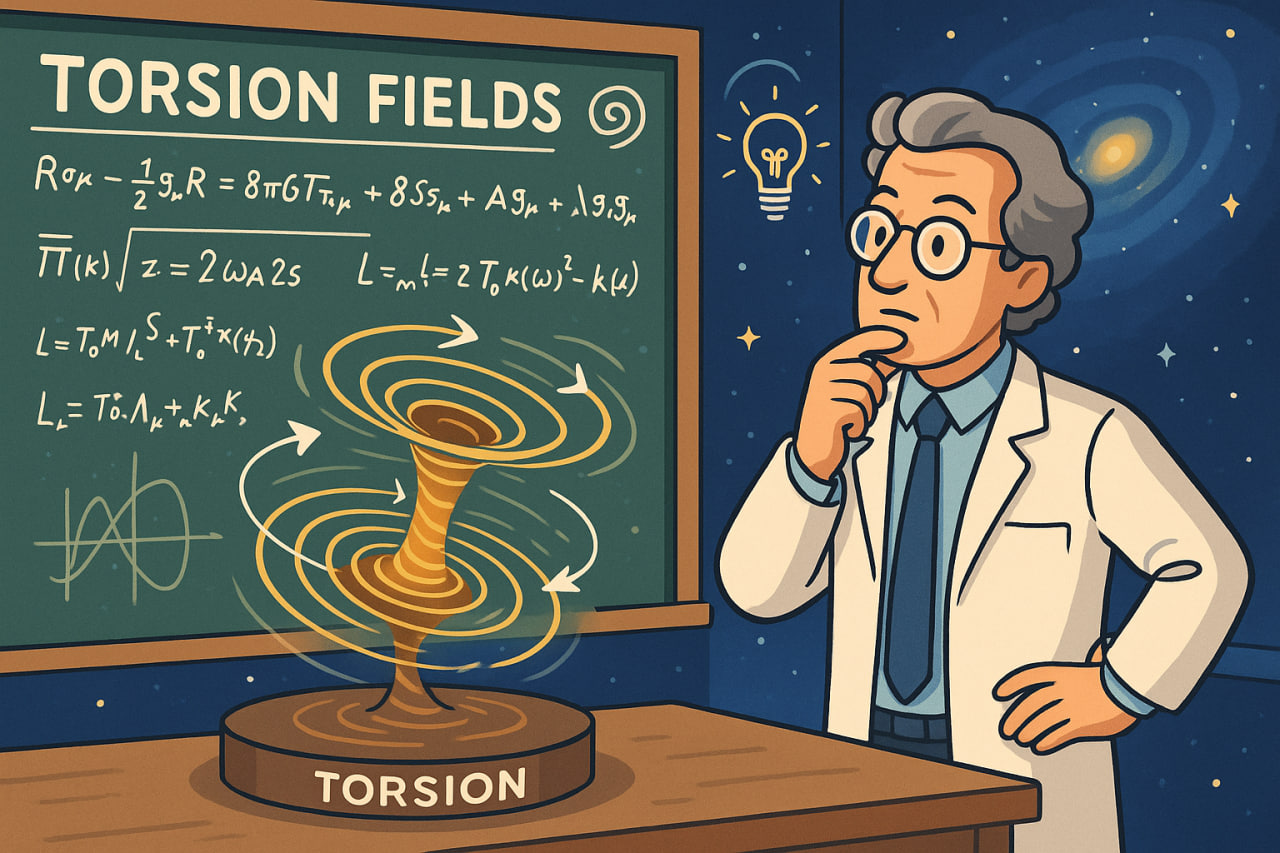
In advanced physics, torsion fields are explored as a possible extension to general relativity — Albert Einstein's theory of gravity. Unlike traditional models where gravity is described as curvature of spacetime by mass, theories involving torsion suggest spacetime may also twist, especially in the presence of spinning matter. This idea is formalized in models such as the Einstein–Cartan theory, which adds torsion (geometric twisting) to the fabric of spacetime. In this context, torsion interacts not with mass, but with intrinsic spin of particles — a fundamental property of elementary matter.

The Concept of Torsion Fields
Science Be Smart

The Concept of Torsion Fields

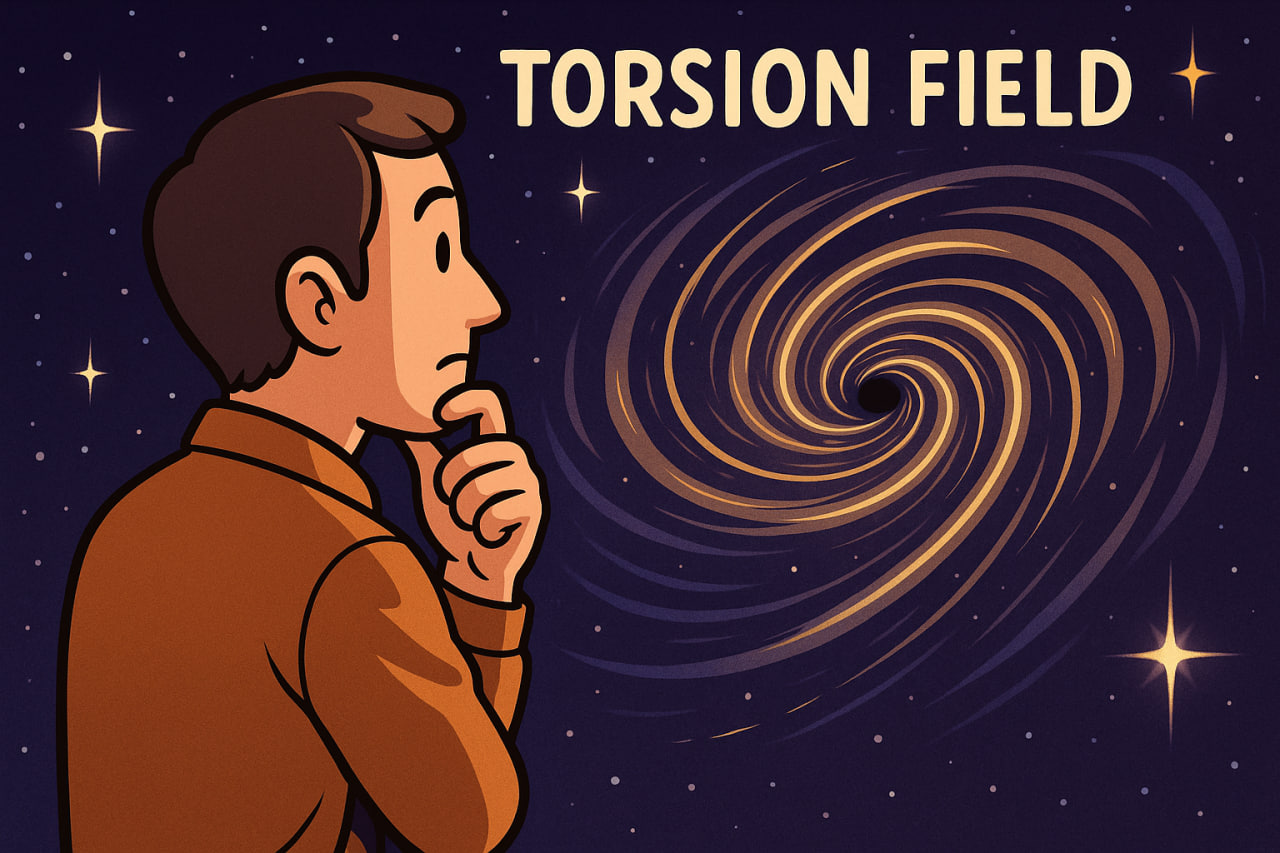
Torsion fields are a controversial and largely theoretical concept in physics, referring to hypothetical fields that arise from the twisting or spinning of spacetime. Unlike electric or magnetic fields, which are well-studied and experimentally confirmed, torsion fields are not currently recognized as part of mainstream physics. They are typically discussed in the context of extensions of general relativity and quantum gravity theories. In theory, torsion fields are thought to be generated by spin angular momentum — that is, the intrinsic "twisting" of particles — and might interact with matter in ways not yet fully understood.