Science

The Higgs Boson: Unlocking the Mystery of Mass in the Universe
Science New Discoveries

The Higgs Boson: Unlocking the Mystery of Mass in the Universe

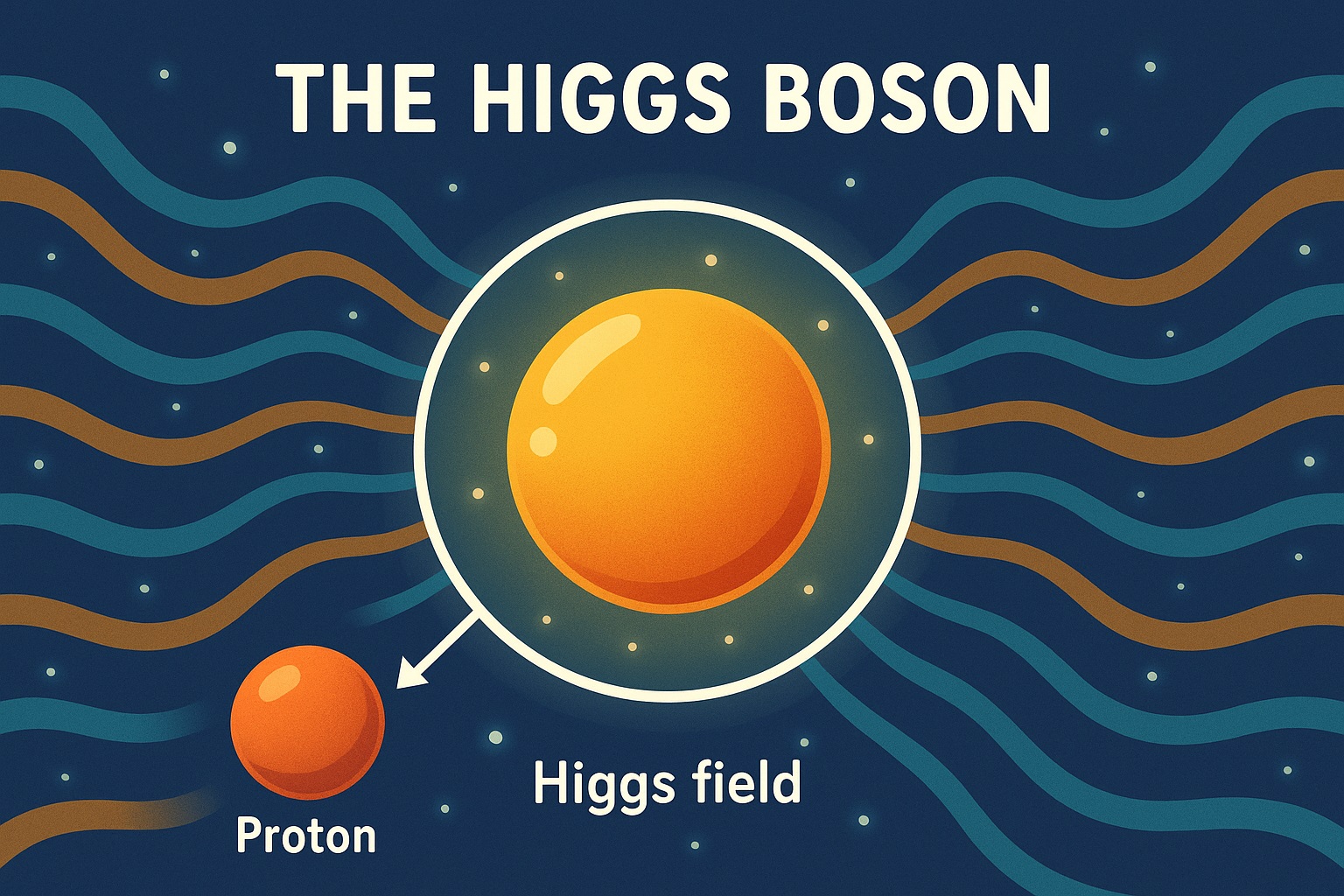
The Higgs boson is a fundamental particle that plays a crucial role in explaining why other elementary particles have mass. Predicted in 1964 by physicist Peter Higgs and others, the particle remained purely theoretical until its groundbreaking discovery in 2012 at the Large Hadron Collider (LHC) at CERN. The confirmation of the Higgs boson completed the Standard Model of particle physics — our most accurate theory describing the fundamental building blocks of matter.
The Large Hadron Collider: Humanity’s Greatest Particle Physics Experiment
Hi-Tech Science

The Large Hadron Collider: Humanity’s Greatest Particle Physics Experiment

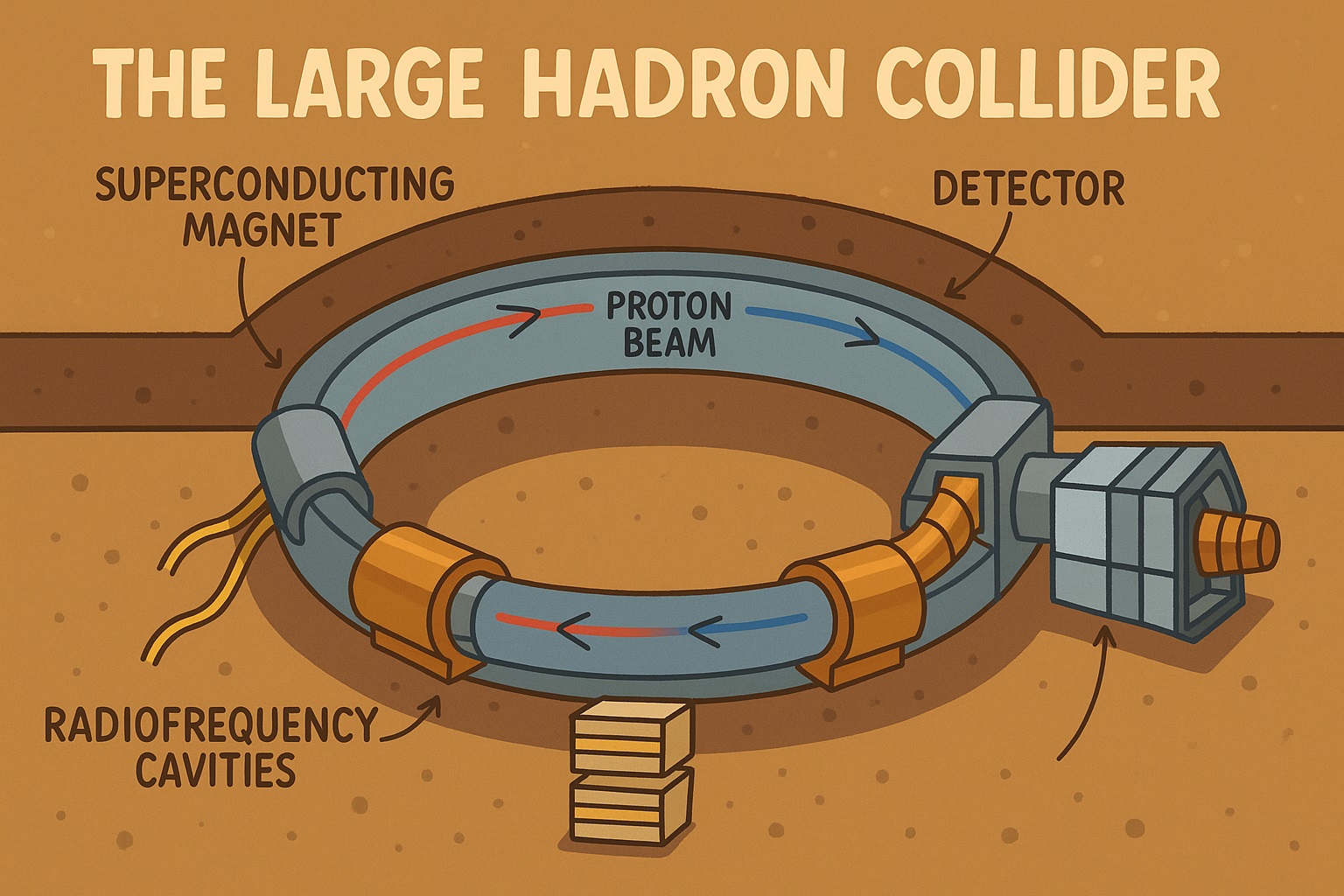
The Large Hadron Collider (LHC) is the world’s most powerful and complex particle accelerator, located at CERN (the European Organization for Nuclear Research) near Geneva, Switzerland. Built to probe the deepest structures of matter, the LHC allows scientists to recreate conditions similar to those just after the Big Bang by smashing protons and other particles together at nearly the speed of light. It has led to major discoveries in physics, most notably the Higgs boson, and continues to push the boundaries of our understanding of the universe.

Charged Particle Accelerators: Powering the Frontier of Modern Physics
Hi-Tech Smart Technology Science

Charged Particle Accelerators: Powering the Frontier of Modern Physics

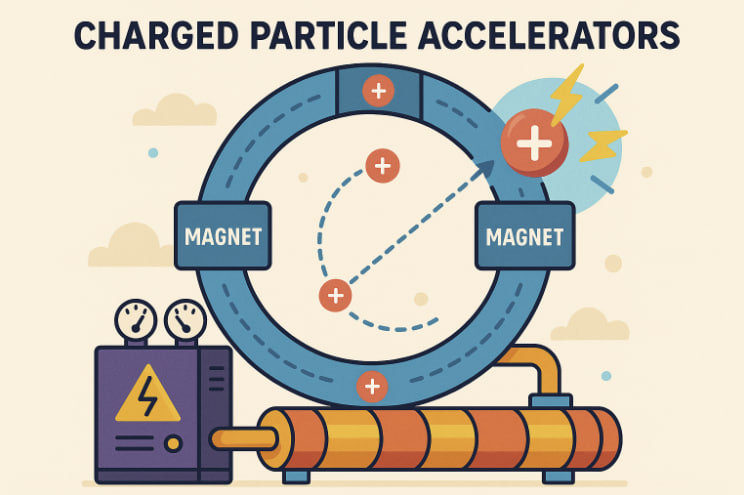
Charged particle accelerators are advanced scientific machines that propel charged particles — such as electrons, protons, or ions — to extremely high speeds using electromagnetic fields. These devices are vital in exploring the structure of matter, testing the foundations of physics, advancing medical treatments, and developing cutting-edge technologies. From massive underground colliders to compact cancer treatment units, accelerators are among the most powerful tools in modern science.

The Periodic Table of Elements: A Scientific Framework of All Matter
Science

The Periodic Table of Elements: A Scientific Framework of All Matter

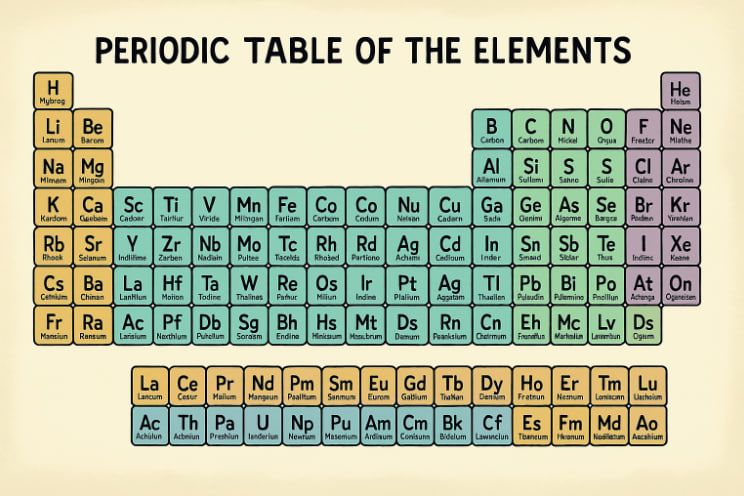
The Periodic Table of Elements, often simply called the periodic table, is a fundamental tool in chemistry and science that organizes all known chemical elements based on their atomic structure and recurring chemical properties. Created in its modern form by Russian scientist Dmitri Mendeleev in 1869, the table has become one of the most important references in all of science, helping scientists understand relationships between elements and predict the behavior of unknown substances.

What Is Hydrolysis: Understanding the Breakdown of Molecules Through Water
Science

What Is Hydrolysis: Understanding the Breakdown of Molecules Through Water

Hydrolysis is a fundamental chemical reaction in which a molecule is split into two parts by the addition of water. This process is crucial in both nature and industry, playing a key role in digestion, cellular metabolism, and the breakdown of complex compounds. The term comes from Greek: hydro (water) and lysis (to break apart), emphasizing water’s role in breaking chemical bonds.

The Big Bang Theory: How the Universe Began
Universe Science

The Big Bang Theory: How the Universe Began

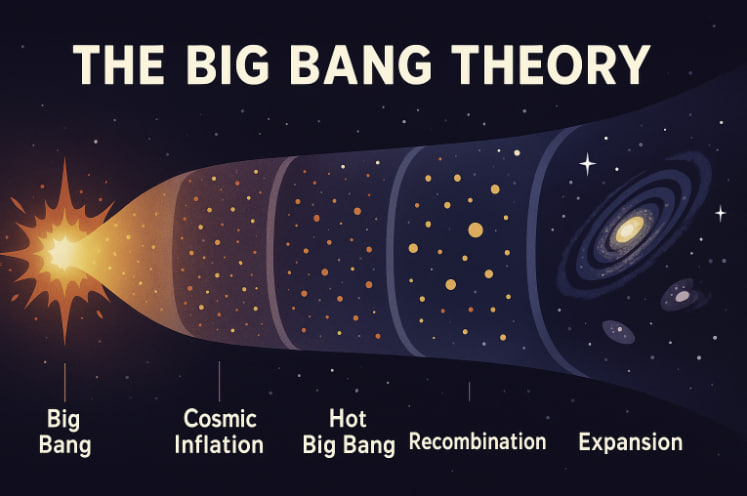
The Big Bang Theory is the leading scientific explanation for the origin and evolution of the universe. It proposes that the universe began from an extremely hot, dense point about 13.8 billion years ago, and has been expanding ever since. Contrary to what the name may suggest, the Big Bang wasn’t an explosion in space—it was an expansion of space itself.

How Black Holes Form: The Birth of the Universe’s Darkest Objects
Universe Science

How Black Holes Form: The Birth of the Universe’s Darkest Objects

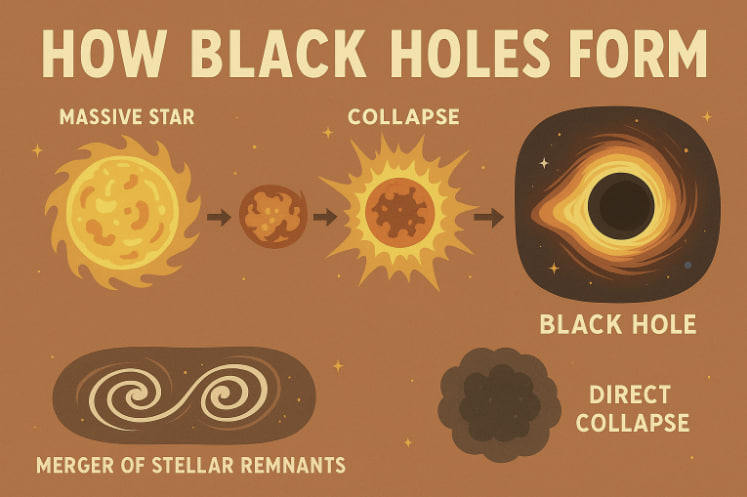
Black holes are not cosmic voids—they are the ultra-dense, incredibly powerful remnants of matter compressed to extreme limits. Despite their fearsome reputation, black holes form naturally from processes we can observe and understand through physics. Their formation marks the violent end of some stars, and in some cases, the mysterious collapse of early-universe structures. Let’s explore how black holes come into existence and the conditions that lead to their creation.

What Is Dark Energy? The Force Behind the Expanding Universe
Universe Science

What Is Dark Energy? The Force Behind the Expanding Universe

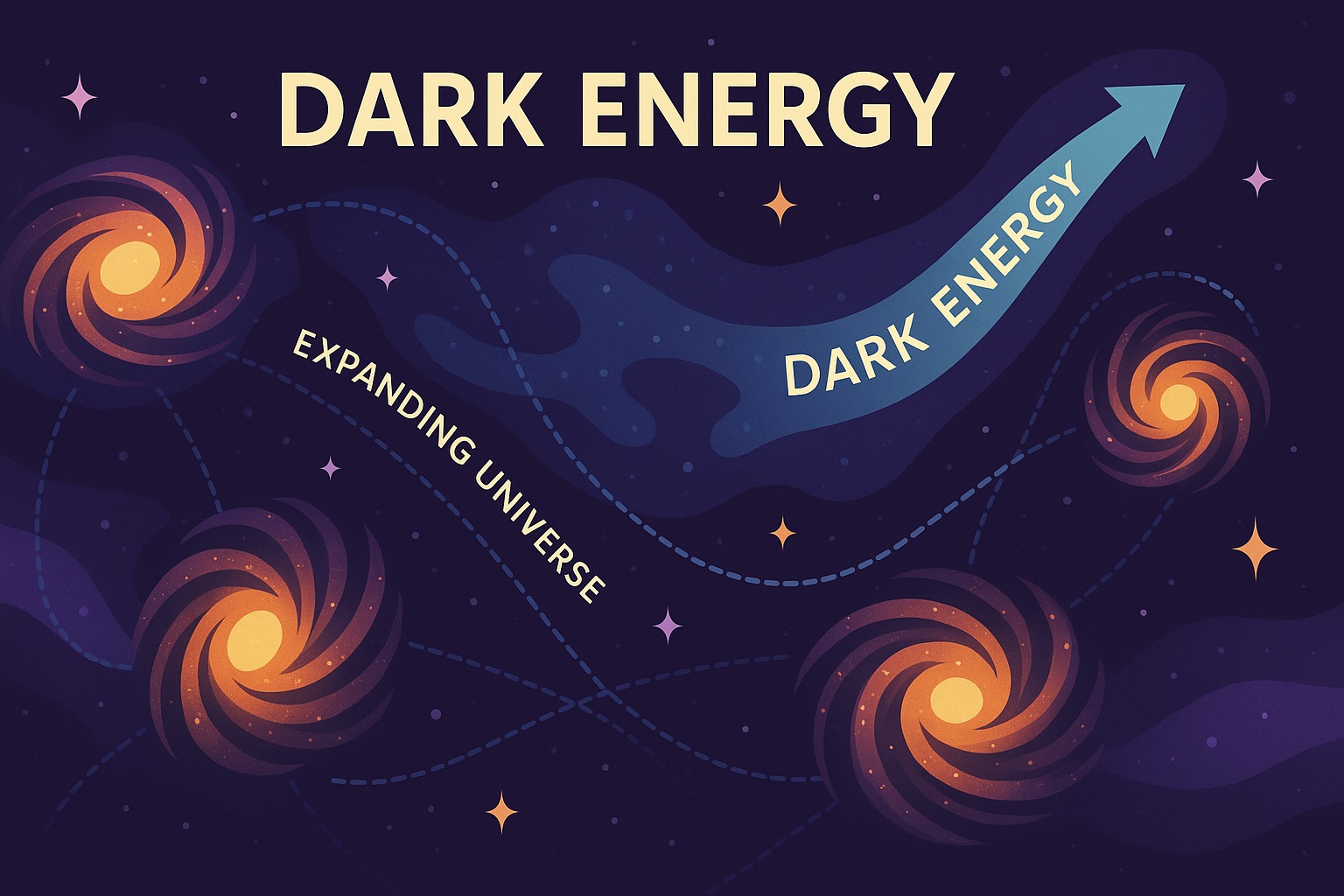
Dark energy is one of the greatest unsolved mysteries in modern cosmology. It’s an invisible force thought to make up about 68% of the universe, yet we don’t know exactly what it is. What we do know is that dark energy appears to be responsible for a shocking discovery: the accelerating expansion of the universe. While dark matter pulls galaxies together through gravity, dark energy pushes them apart.

What Is Dark Matter? Exploring the Invisible Mass of the Universe
Universe Science

What Is Dark Matter? Exploring the Invisible Mass of the Universe

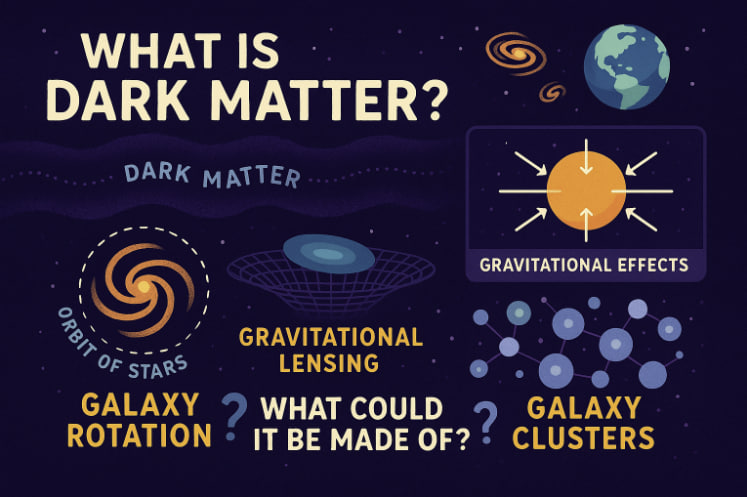
Dark matter is one of the greatest mysteries in modern astrophysics. It cannot be seen, touched, or directly detected by current instruments—yet scientists are nearly certain it exists. Why? Because dark matter makes up about 85% of the matter in the universe, influencing how galaxies rotate, how galaxy clusters move, and how the cosmos evolves. Despite its invisibility, dark matter shapes the structure of the universe and plays a crucial role in cosmic physics.

Archimedean Solids: The Beauty of Symmetry and Geometry
Science

Archimedean Solids: The Beauty of Symmetry and Geometry

Archimedean solids are a set of 13 unique three-dimensional polyhedra named after the ancient Greek mathematician Archimedes. These shapes represent a fascinating middle ground between the perfectly regular Platonic solids and the more complex irregular polyhedra. What makes Archimedean solids special is their mathematical harmony and aesthetic beauty, which continue to captivate mathematicians, artists, and architects alike.