Science

Understanding Microwave Radiation
Science Be Smart

Understanding Microwave Radiation

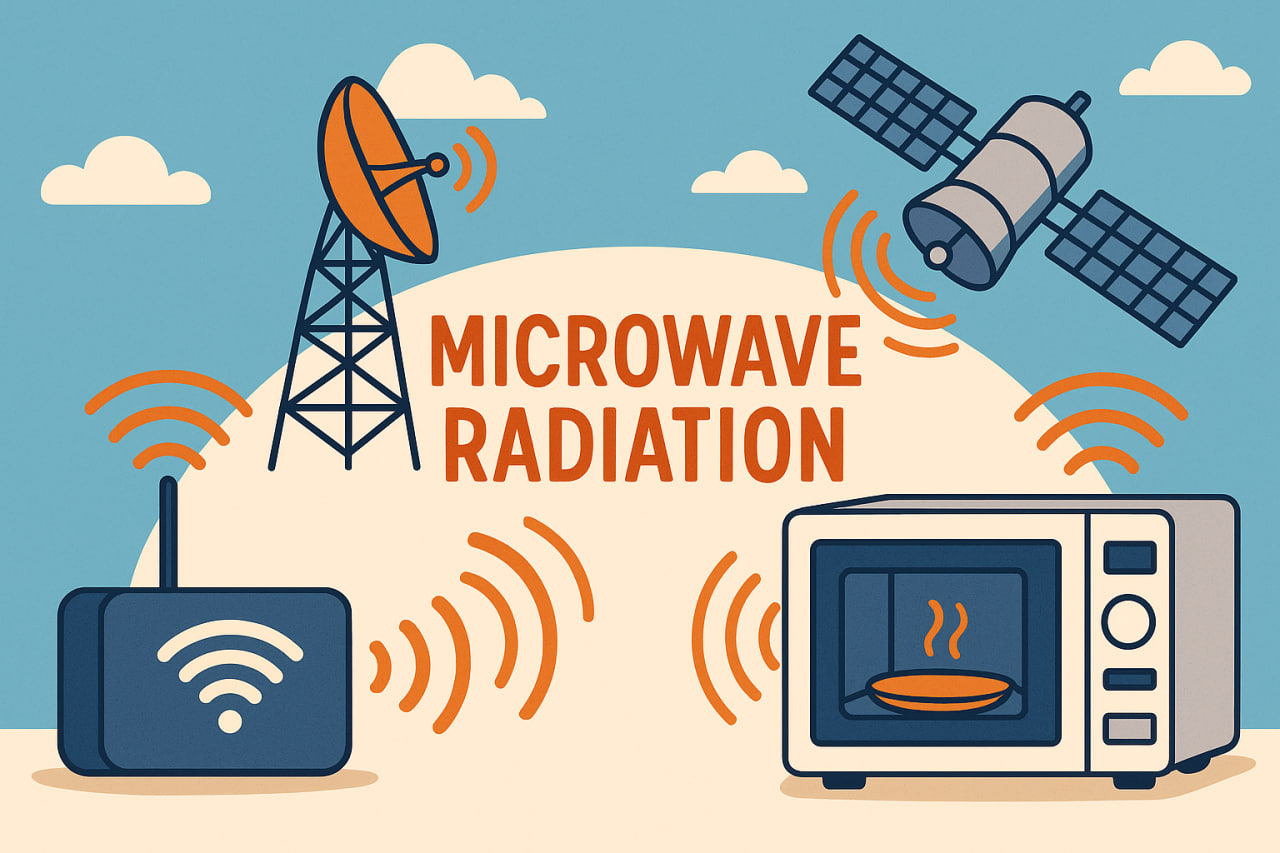
Microwave radiation is a type of electromagnetic wave, located on the spectrum between radio waves and infrared radiation. With wavelengths ranging from about 1 millimeter to 30 centimeters, microwaves are used in many everyday technologies — from mobile communication to satellite transmission and, of course, microwave ovens. Despite the word “radiation,” microwaves are non-ionizing, meaning they don’t have enough energy to damage DNA or cause ionization in atoms. They work primarily by exciting water molecules and other polar substances.

The Basics of Microwave Cooking
Hi-Tech Science

The Basics of Microwave Cooking

A microwave oven is a common kitchen appliance that heats and cooks food using a form of electromagnetic radiation called microwaves. These are waves of energy that lie between radio waves and infrared light in the electromagnetic spectrum. Unlike conventional ovens, which heat food from the outside in, microwave ovens heat food from the inside out — quickly and efficiently.

What Is the Big Bang Theory?
Space Stories Science

What Is the Big Bang Theory?

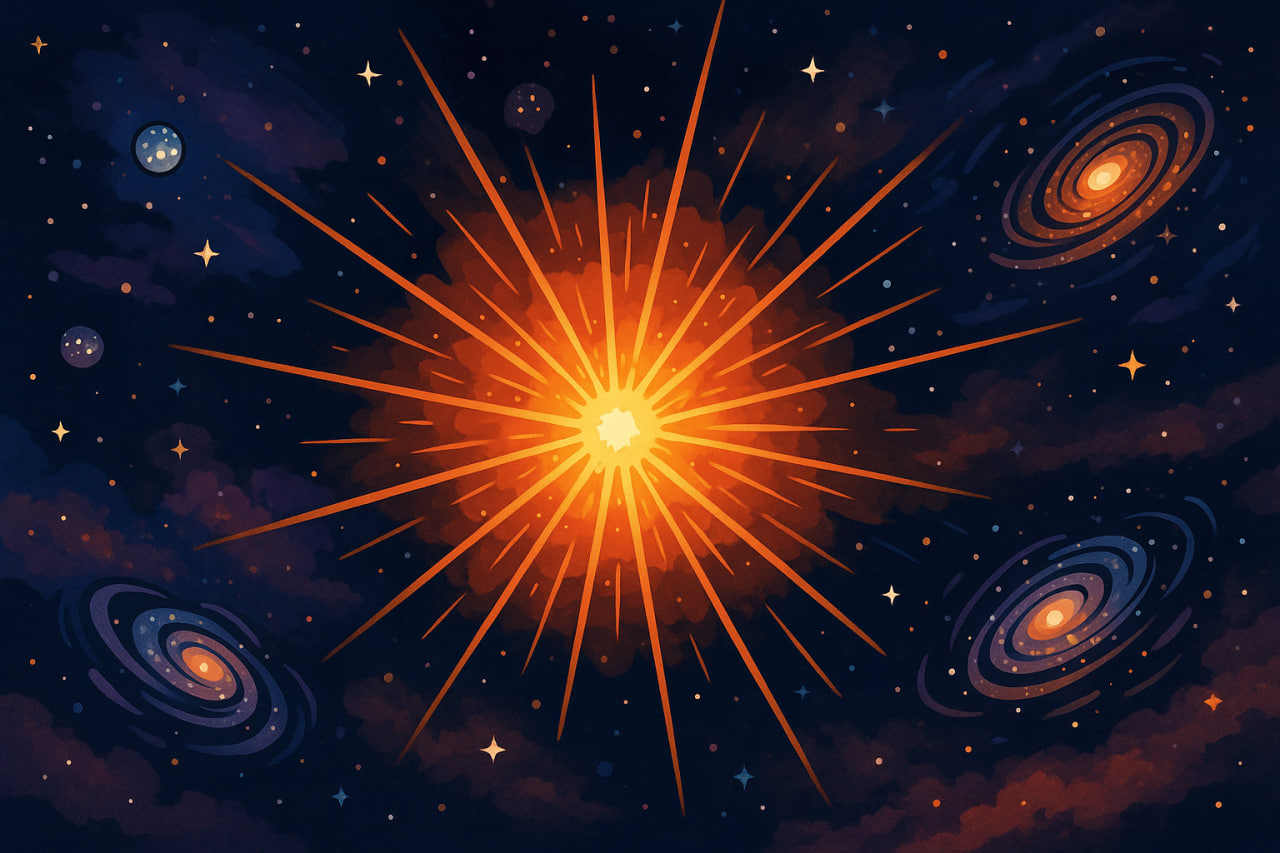
The Big Bang Theory is the leading scientific explanation for the origin and evolution of the universe. According to this theory, the universe began approximately 13.8 billion years ago from a state of extremely high density and temperature. Rather than an explosion in space, the Big Bang was the sudden expansion of space itself, marking the beginning of time, space, matter, and energy.

3D Printing: The Technology That Builds the Future
Hi-Tech Smart Technology Science

3D Printing: The Technology That Builds the Future

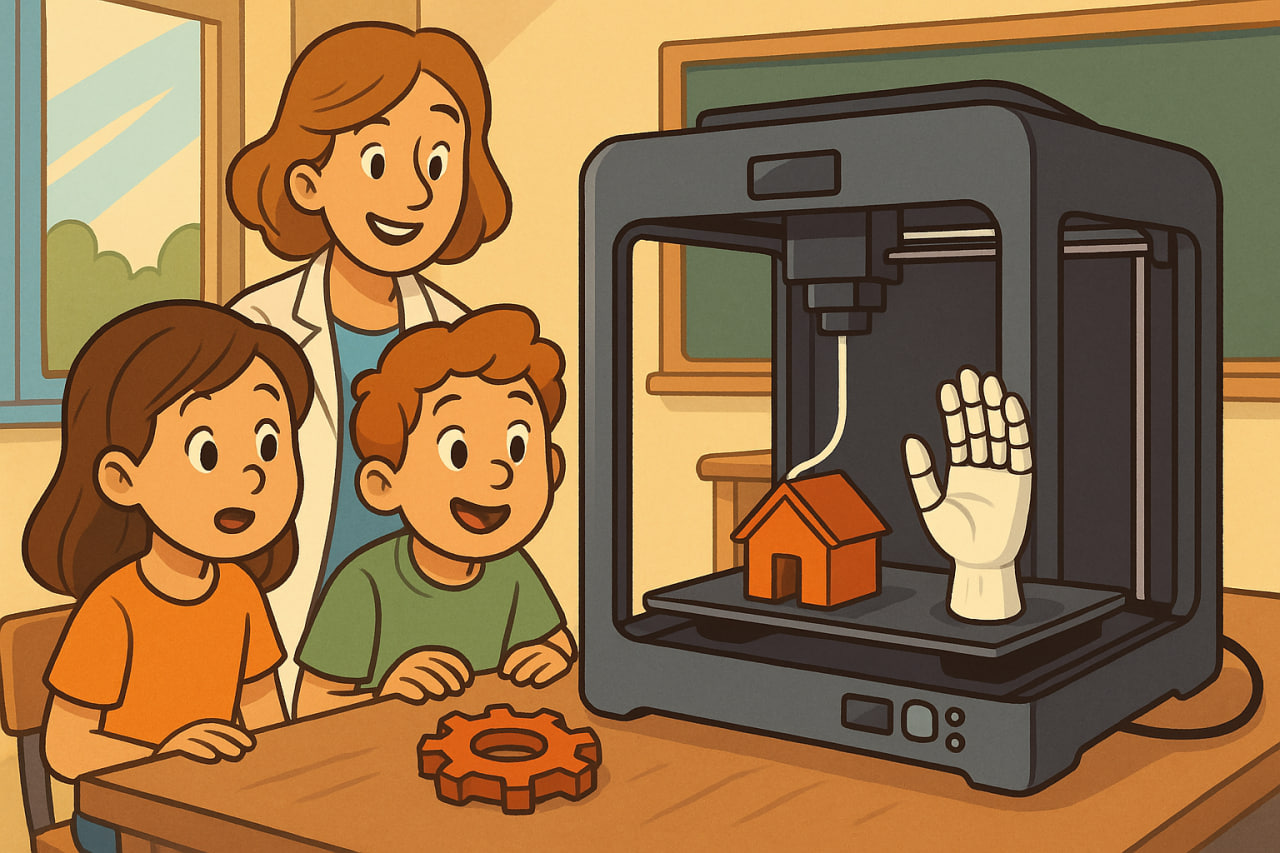
3D printing, also known as additive manufacturing, is a revolutionary process that creates three-dimensional objects by adding material layer by layer based on a digital model. Unlike traditional subtractive methods, where material is cut away, 3D printing builds objects from the ground up — increasing efficiency and reducing waste.

What Is Ultraviolet Radiation and How It Affects Life on Earth
Space Stories Universe Science

What Is Ultraviolet Radiation and How It Affects Life on Earth

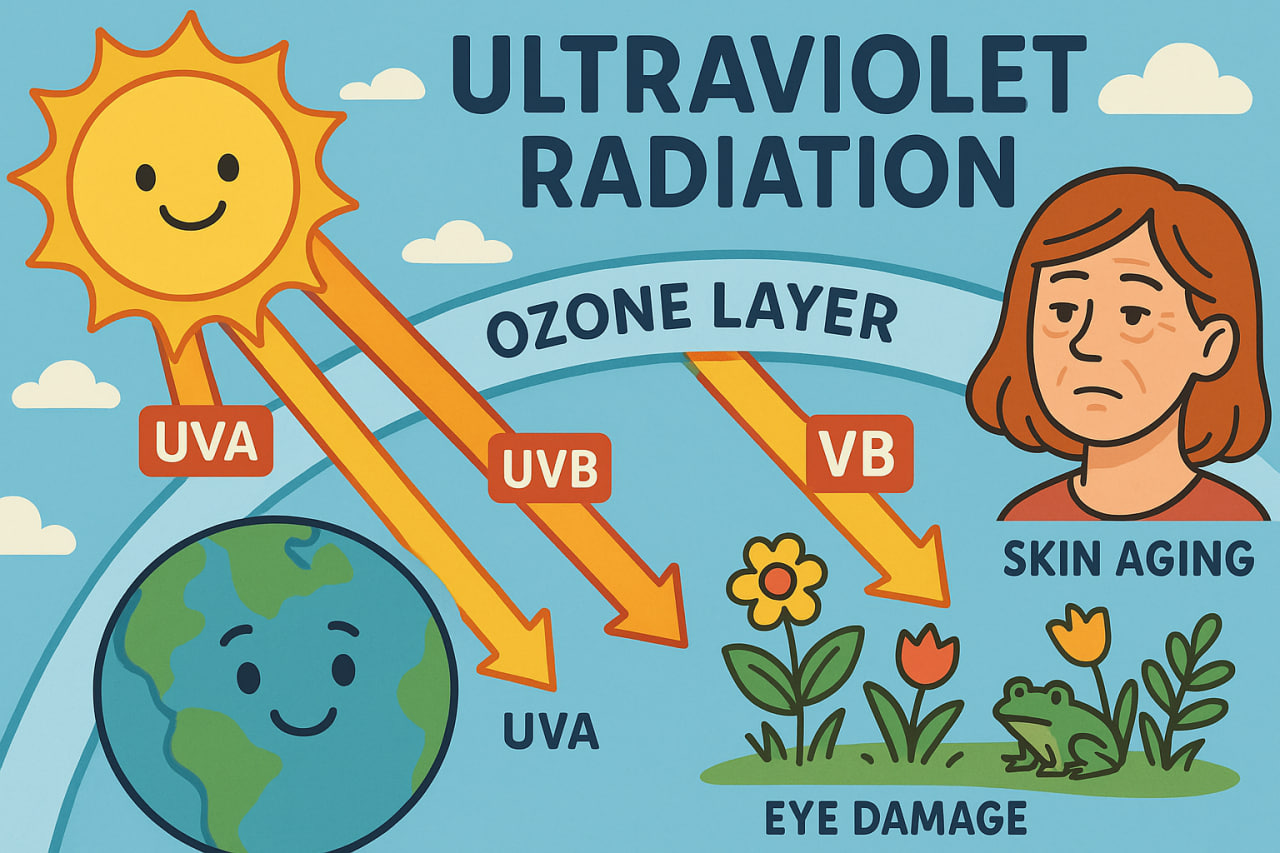
Ultraviolet (UV) radiation is a form of electromagnetic radiation that comes primarily from the Sun. While it plays important roles in nature and human health, overexposure to UV radiation can have harmful effects. Understanding what UV radiation is and how it interacts with our environment helps us take precautions while benefiting from its positive aspects.

What Is Sound and How Do We Hear It?
Science

What Is Sound and How Do We Hear It?

Sound is a type of mechanical wave that travels through a medium—such as air, water, or solids—by causing particles to vibrate. It is a fundamental part of our sensory experience, allowing us to communicate, sense our environment, and enjoy music. But how exactly is sound produced, transmitted, and heard?

Ultrasound: How It Works and Why It Matters
Hi-Tech Science

Ultrasound: How It Works and Why It Matters

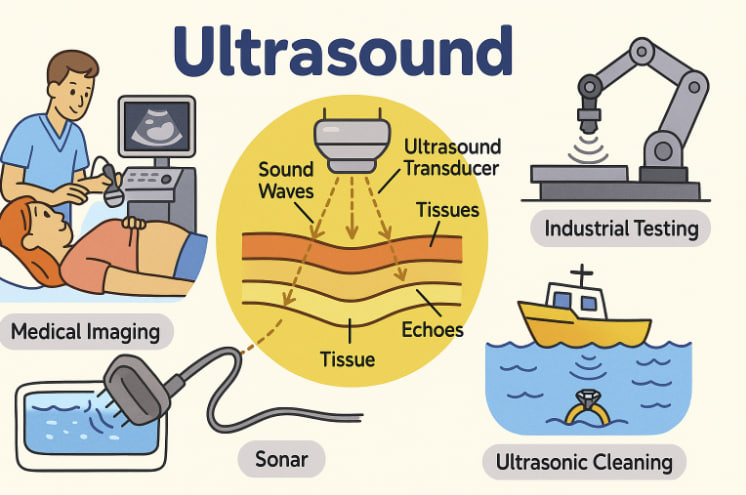
Ultrasound is a type of sound wave with a frequency higher than the upper limit of human hearing — typically above 20,000 hertz (Hz). Unlike ordinary sound, ultrasound waves are used in many scientific, industrial, and medical applications due to their ability to travel through different materials and reflect back detailed information about internal structures.

What Ice Core Research Reveals About Earth's Climate History
Science

What Ice Core Research Reveals About Earth's Climate History

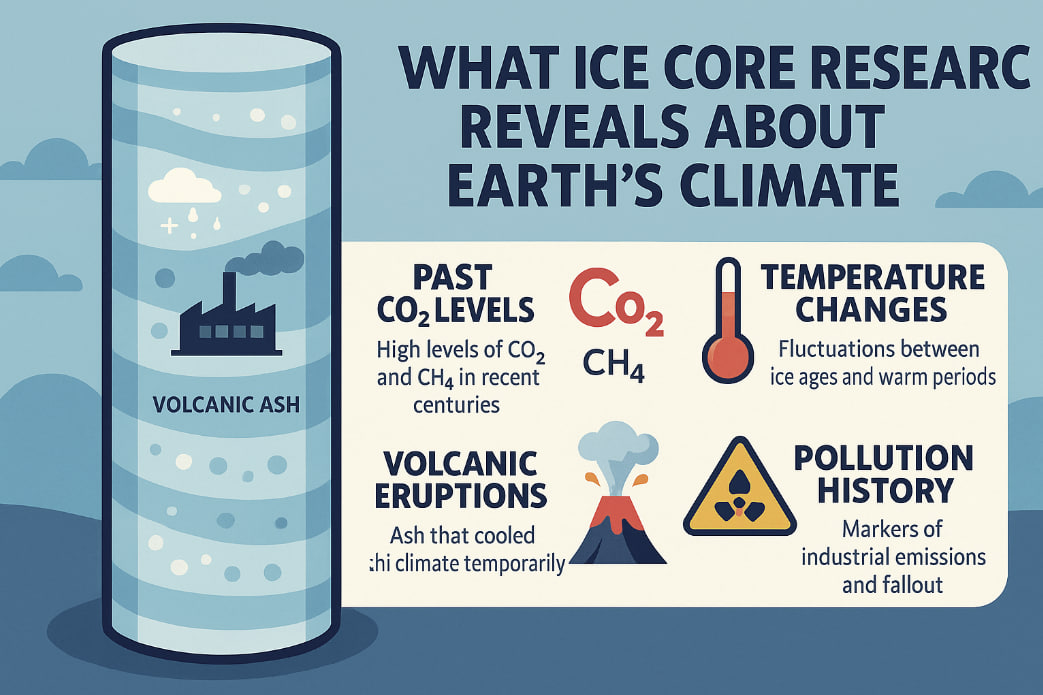
Ice cores are frozen time capsules that preserve the story of Earth's climate across hundreds of thousands of years. Drilled from glaciers and ice sheets in Antarctica, Greenland, and alpine regions, these long cylinders of compacted snow allow scientists to examine the past in incredible detail. Recent research using ice cores has deepened our understanding of climate change, carbon cycles, and the influence of human activity on the planet’s atmosphere.

Glaciology: The Science of Ice and Earth's Frozen Regions
Science

Glaciology: The Science of Ice and Earth's Frozen Regions

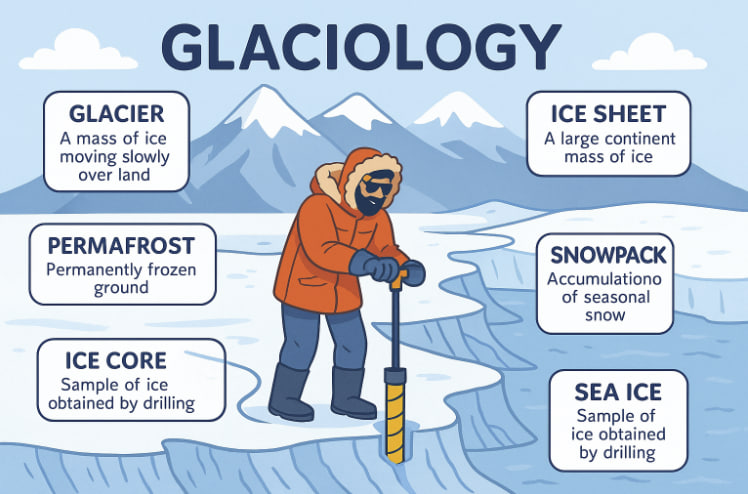
Glaciology is the scientific study of glaciers, ice sheets, snow, and other forms of frozen water on Earth. This branch of geophysics explores how ice forms, moves, interacts with the environment, and influences global systems like climate, sea levels, and ecosystems. With polar and mountain ice rapidly changing due to global warming, glaciology has become a key discipline in understanding the future of our planet.

What Are Quarks: The Smallest Building Blocks of Matter
Science

What Are Quarks: The Smallest Building Blocks of Matter

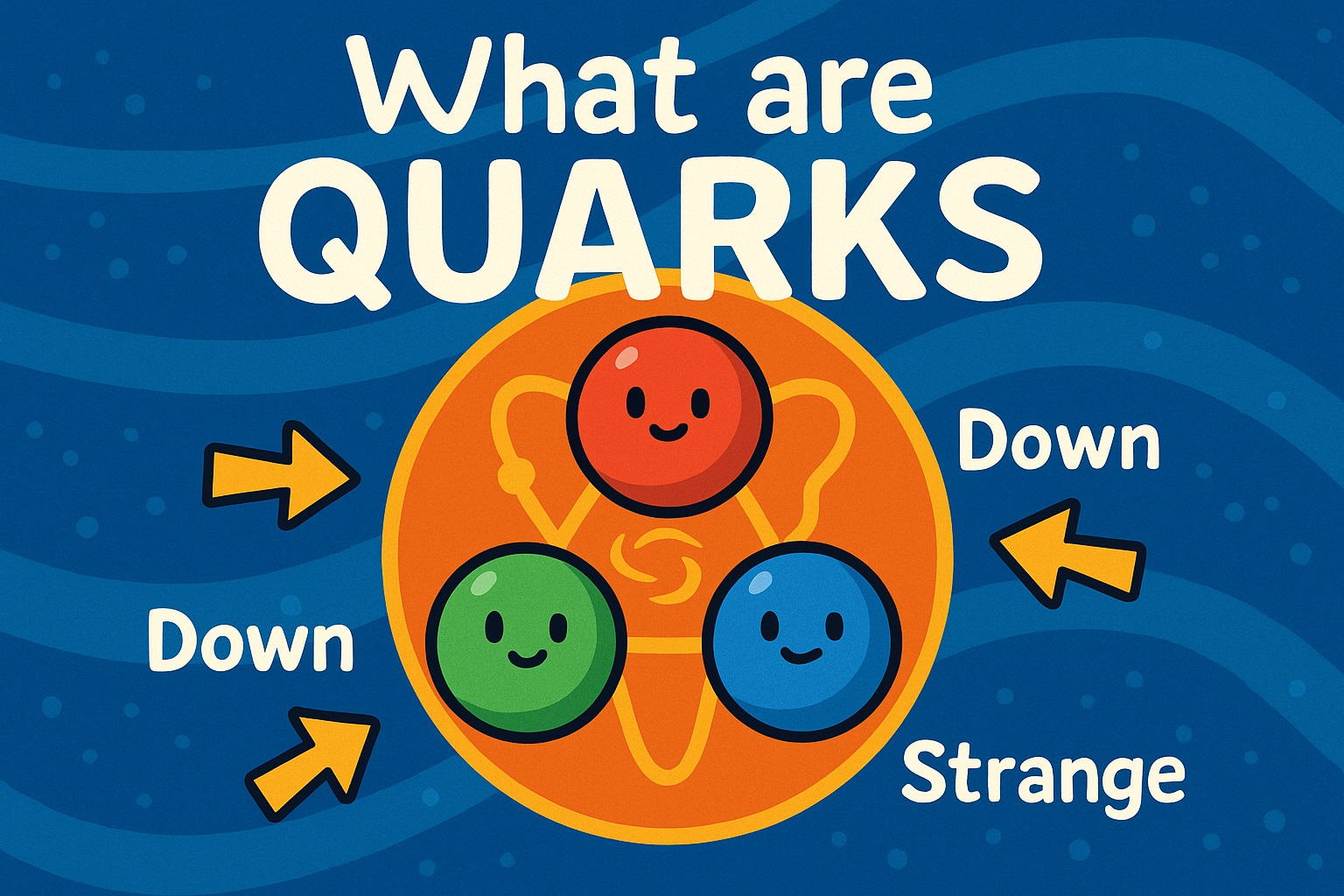
Quarks are elementary particles and one of the fundamental building blocks of matter. Alongside leptons (such as electrons), quarks form the foundation of the Standard Model of particle physics. They combine in groups to create protons, neutrons, and many other particles collectively known as hadrons. Without quarks, atoms — and the universe as we know it — would not exist.