Science

Albert Einstein and His Discoveries
Science Be Smart

Albert Einstein and His Discoveries

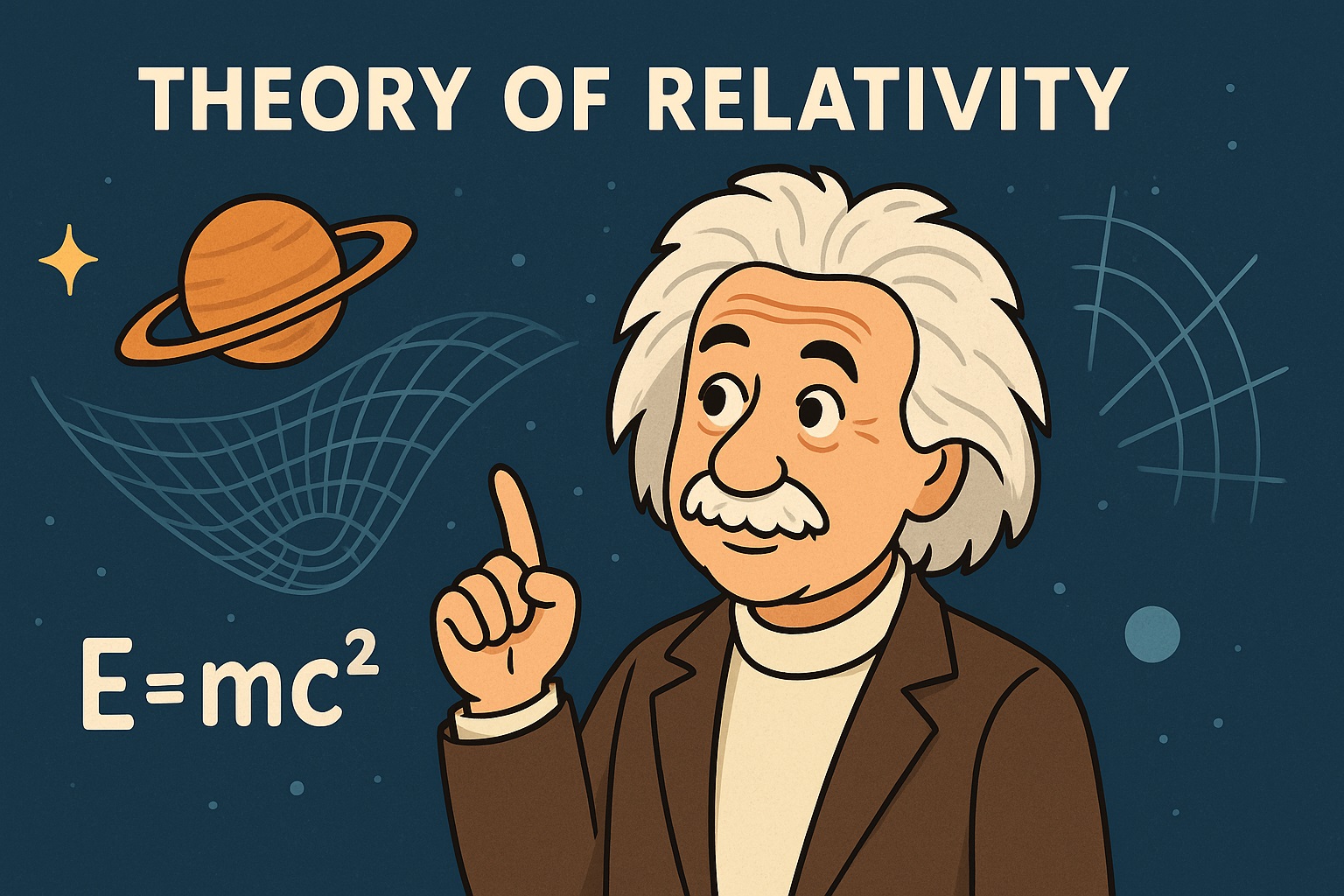
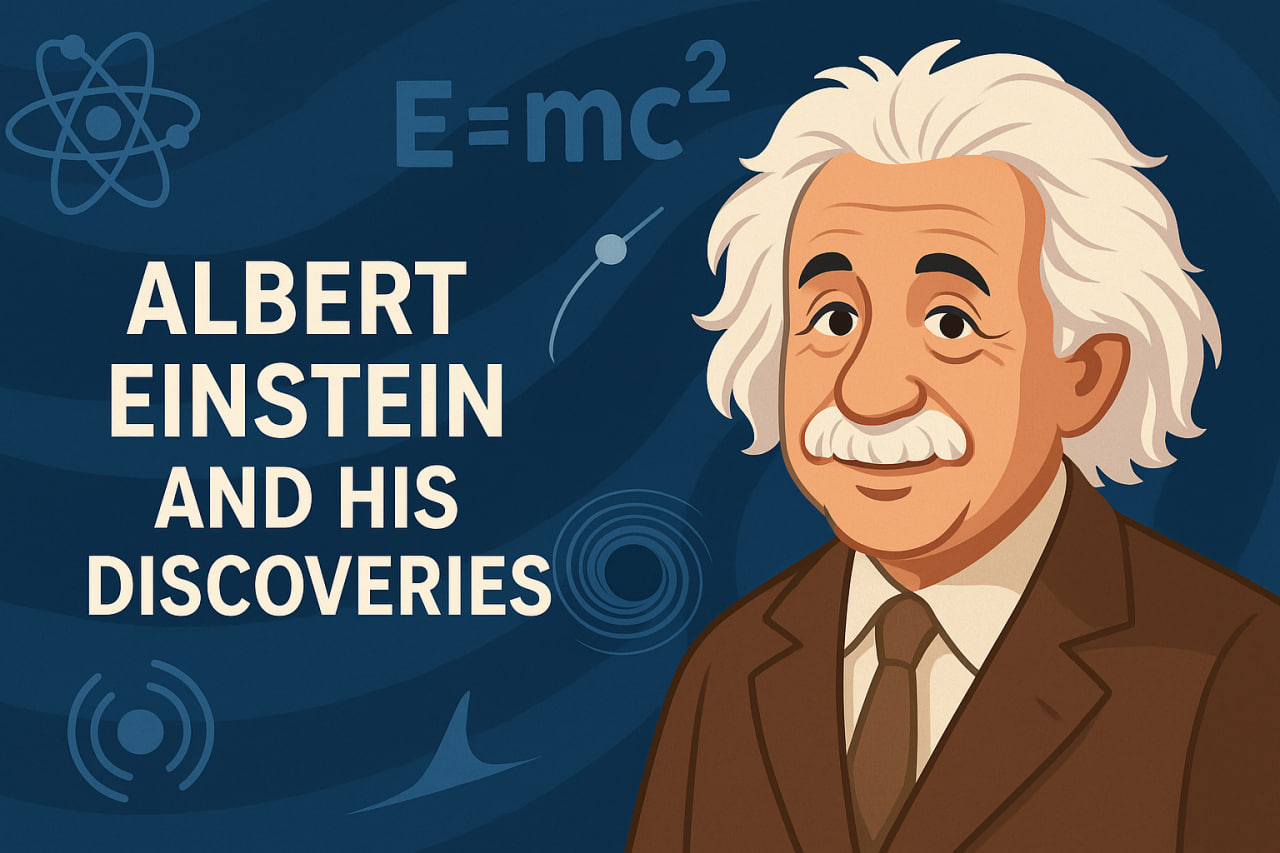
Albert Einstein was one of the most influential physicists in history. His theories transformed our understanding of space, time, and energy. Beyond his iconic status, Einstein made profound contributions to theoretical physics, many of which continue to shape science today. His work laid the foundation for much of modern physics, including the study of the universe, quantum mechanics, and cosmology.

How a Telescope Works
Hi-Tech Science

How a Telescope Works

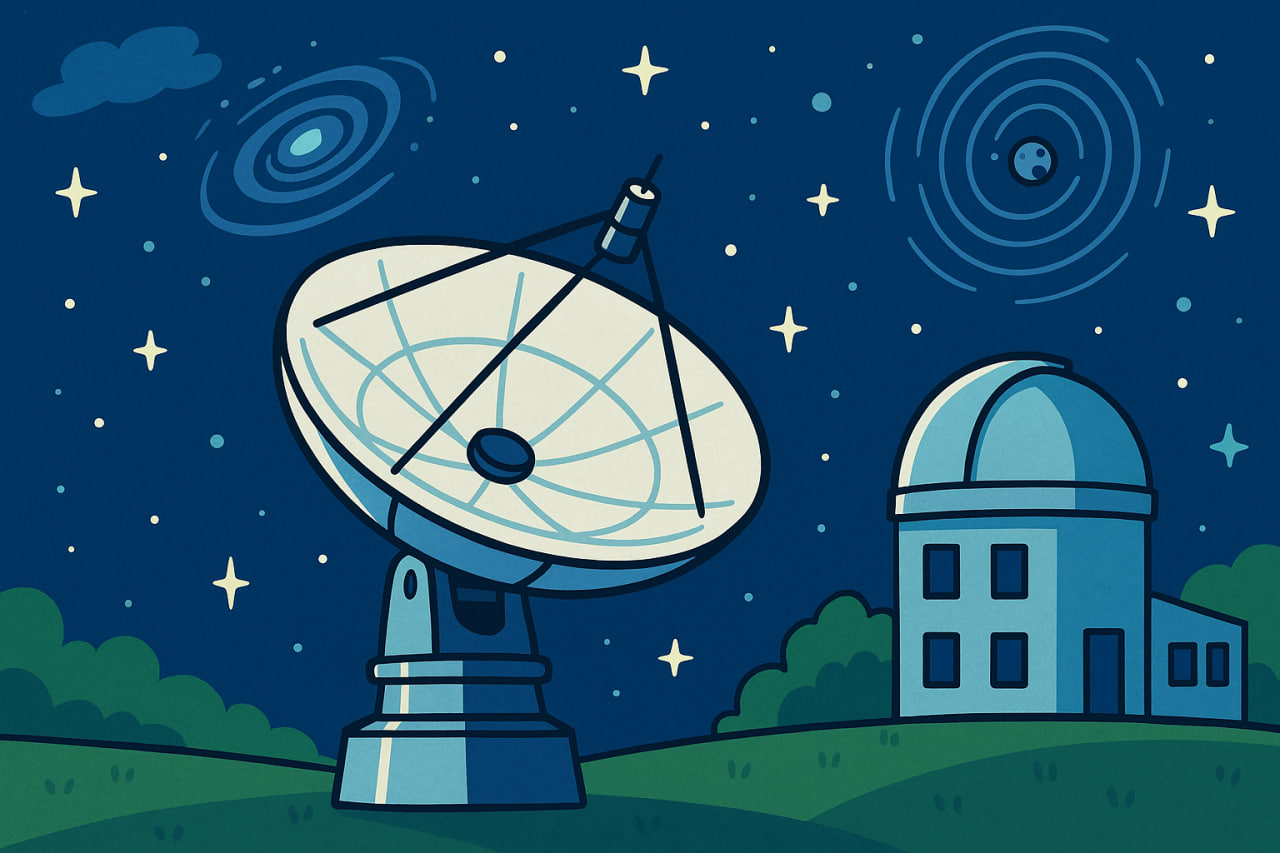
A telescope is a scientific instrument used to observe distant objects by collecting and magnifying light or other forms of electromagnetic radiation. From stars and planets to galaxies millions of light-years away, telescopes help us explore the universe far beyond what the naked eye can see.

What Does Quantum Physics Study? Unlocking the Secrets of the Microscopic World
Science New Discoveries

What Does Quantum Physics Study? Unlocking the Secrets of the Microscopic World

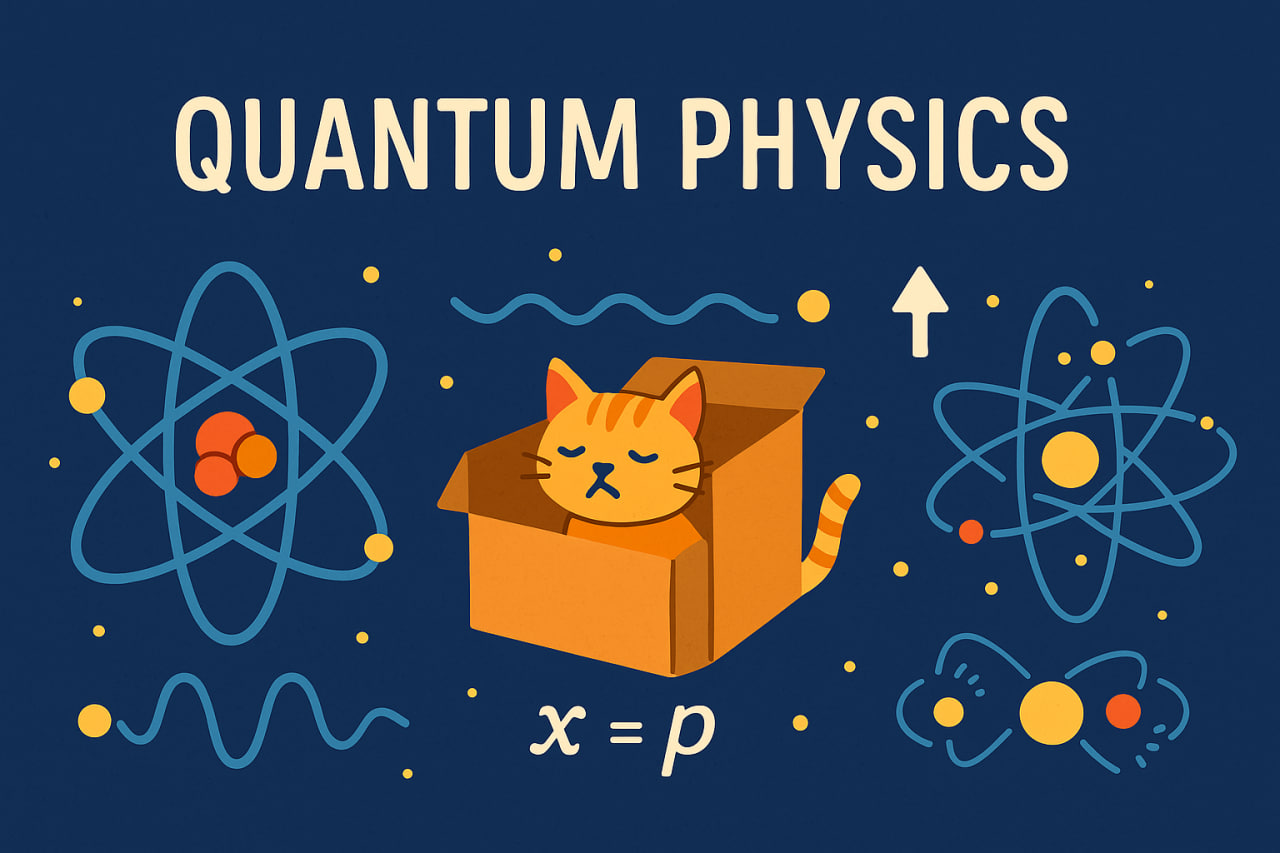
Quantum physics, also known as quantum mechanics, is a branch of physics that explores the strange and fascinating behavior of particles at the atomic and subatomic level. Unlike classical physics, which deals with predictable events on a large scale, quantum physics deals with uncertainty, probabilities, and duality—revealing a reality that behaves very differently from our everyday experience.

Ringwoodite: The Water-Holding Mineral Hidden Deep Within the Earth
Science New Discoveries

Ringwoodite: The Water-Holding Mineral Hidden Deep Within the Earth

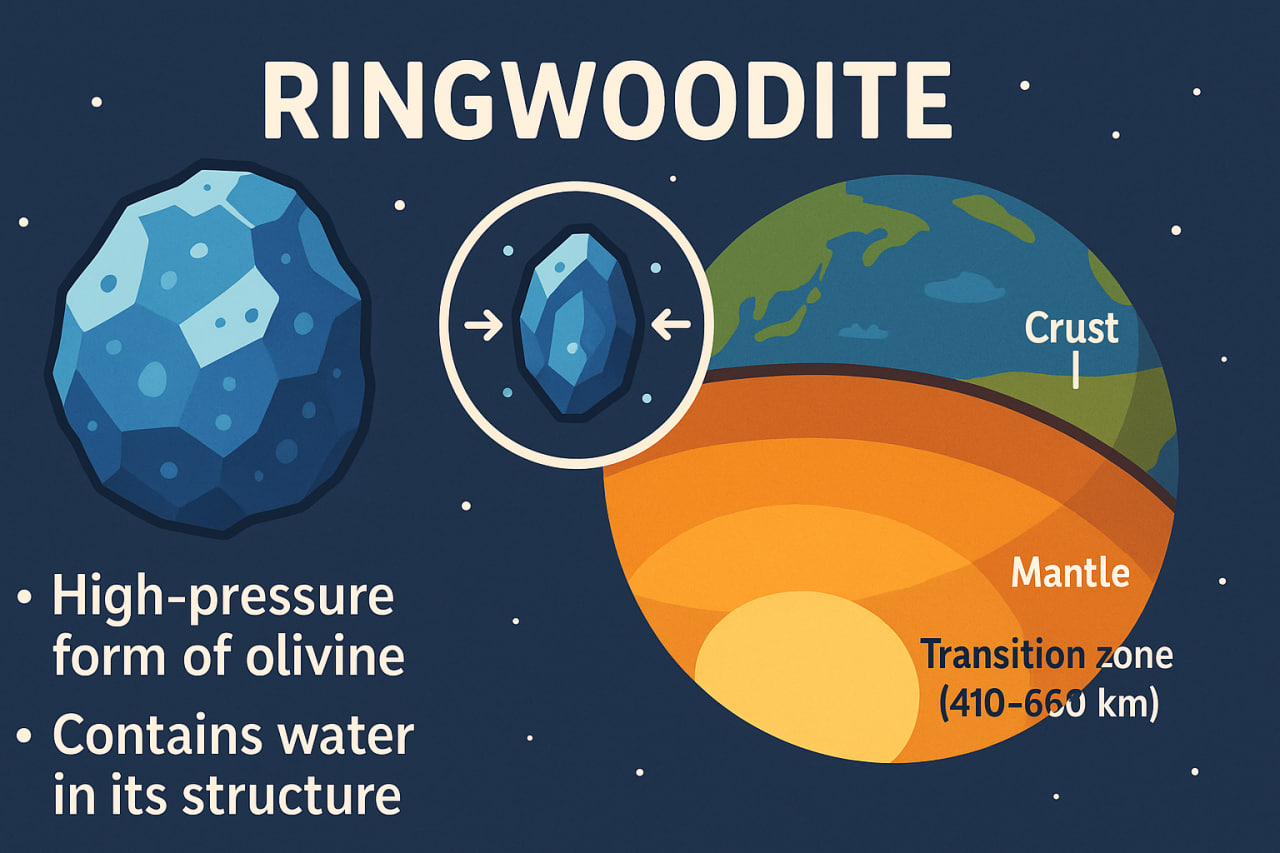
Far beneath the Earth's surface, at depths unreachable by any drill, exists a mysterious mineral called ringwoodite. Though invisible to the human eye and buried within the Earth's mantle, this mineral could help answer one of the most profound questions in geology: Where is Earth’s missing water? Ringwoodite has stunned scientists because of its unique ability to trap water molecules inside its crystal structure. The presence of ringwoodite deep within the planet suggests there may be vast underground water reservoirs, possibly larger than all of Earth’s surface oceans combined.

Microgravity: What Happens to the Human Body in Space
Space Stories Universe Science

Microgravity: What Happens to the Human Body in Space

Microgravity, often described as “weightlessness,” is the condition in which people or objects appear to be weightless while in orbit. Although gravity is still present, everything falls around Earth at the same rate, creating the illusion of floating. This unique environment has profound effects on the human body, many of which begin within hours of arriving in space.

What Determines a Planet’s Orbit?
Space Stories Universe Science

What Determines a Planet’s Orbit?

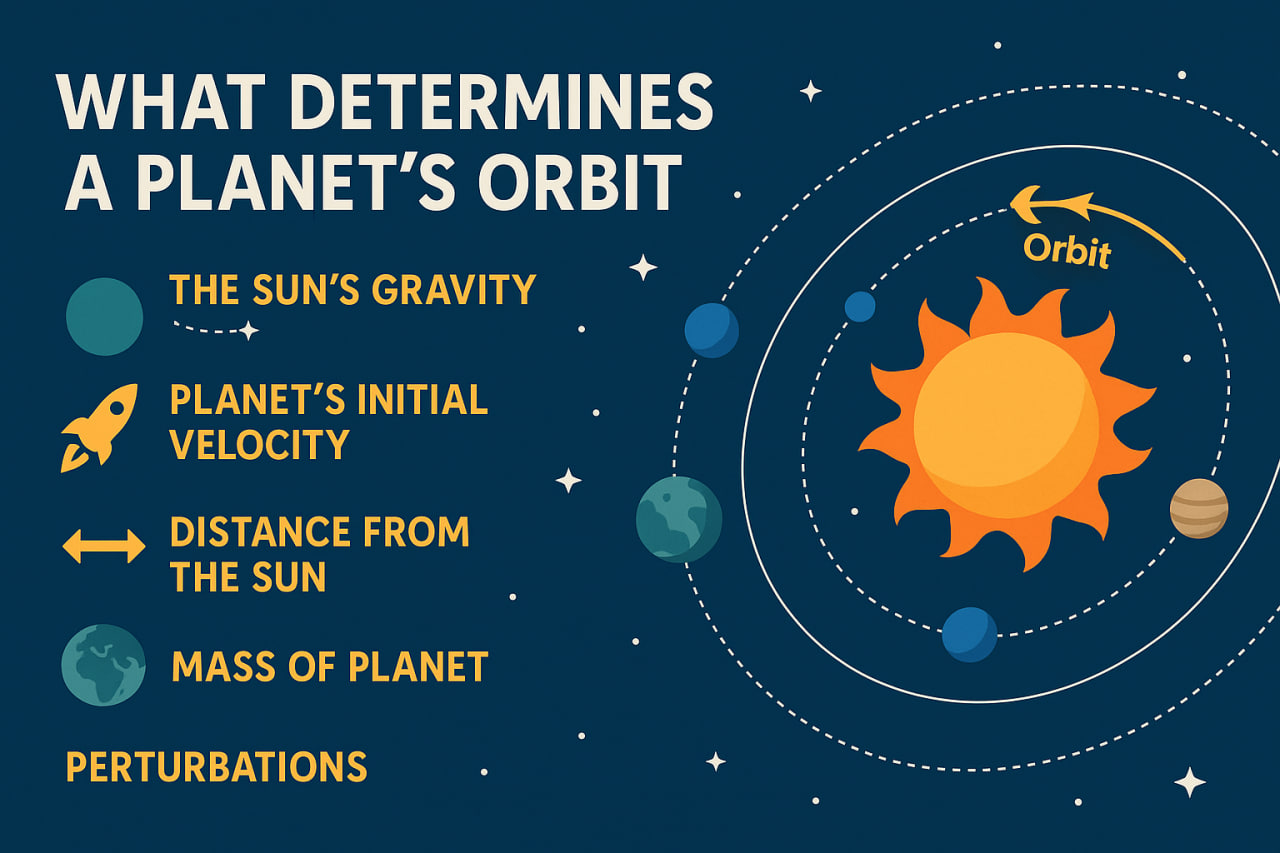
An orbit is the curved path a planet follows around a star — in our case, the Sun — due to the force of gravity. All planets in the Solar System orbit the Sun in elliptical paths, though they may appear almost circular. The shape, size, and speed of these orbits depend on several physical forces and conditions that were set during the early formation of the Solar System.

Jupiter: The Giant of the Solar System
Universe Science Solar System

Jupiter: The Giant of the Solar System

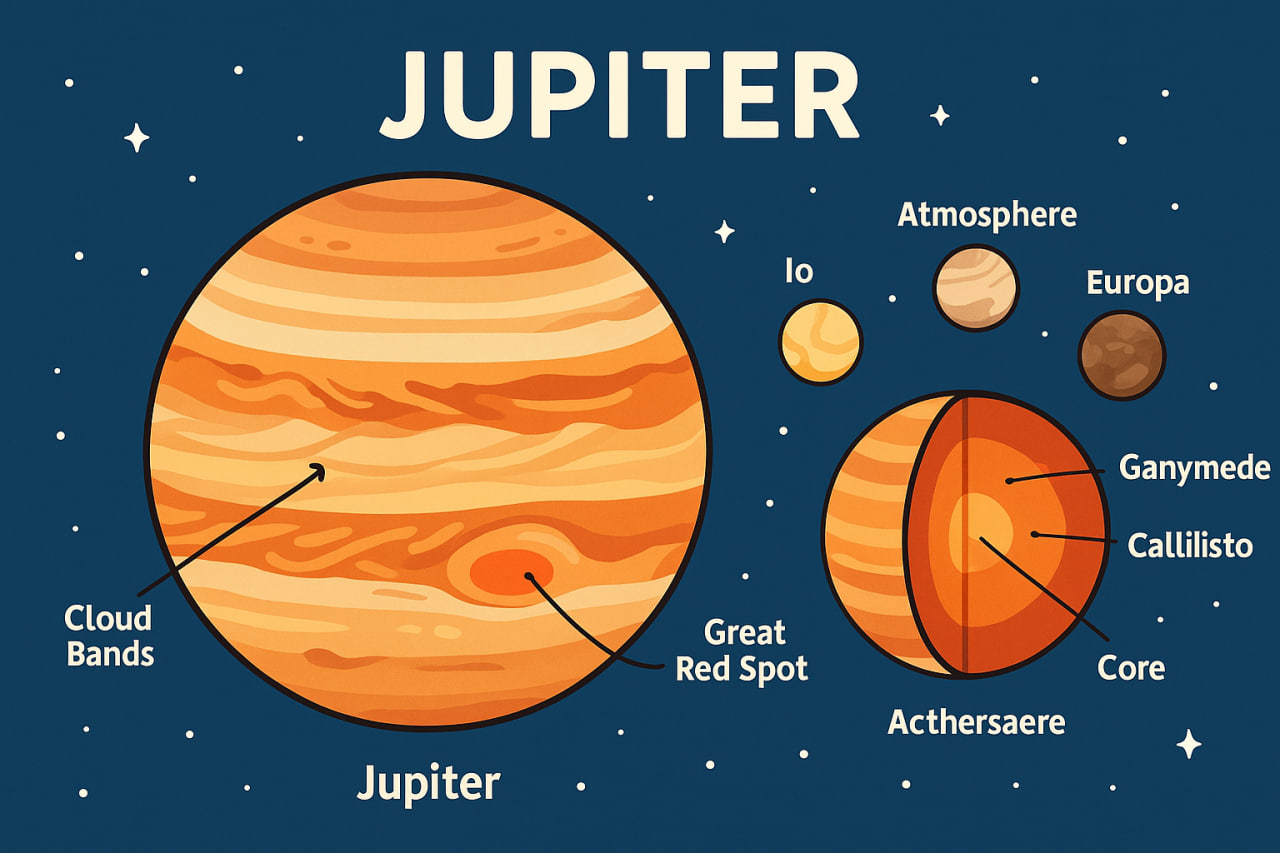
Jupiter is the largest planet in our Solar System, more massive than all the other planets combined. Known for its swirling storms, colorful bands, and immense size, Jupiter is a gas giant that has fascinated astronomers for centuries. Its powerful gravity, numerous moons, and mysterious interior make it a crucial piece in understanding our cosmic neighborhood.