Science

Chladni Figures: Visualizing Sound Through Vibration
Science

Chladni Figures: Visualizing Sound Through Vibration

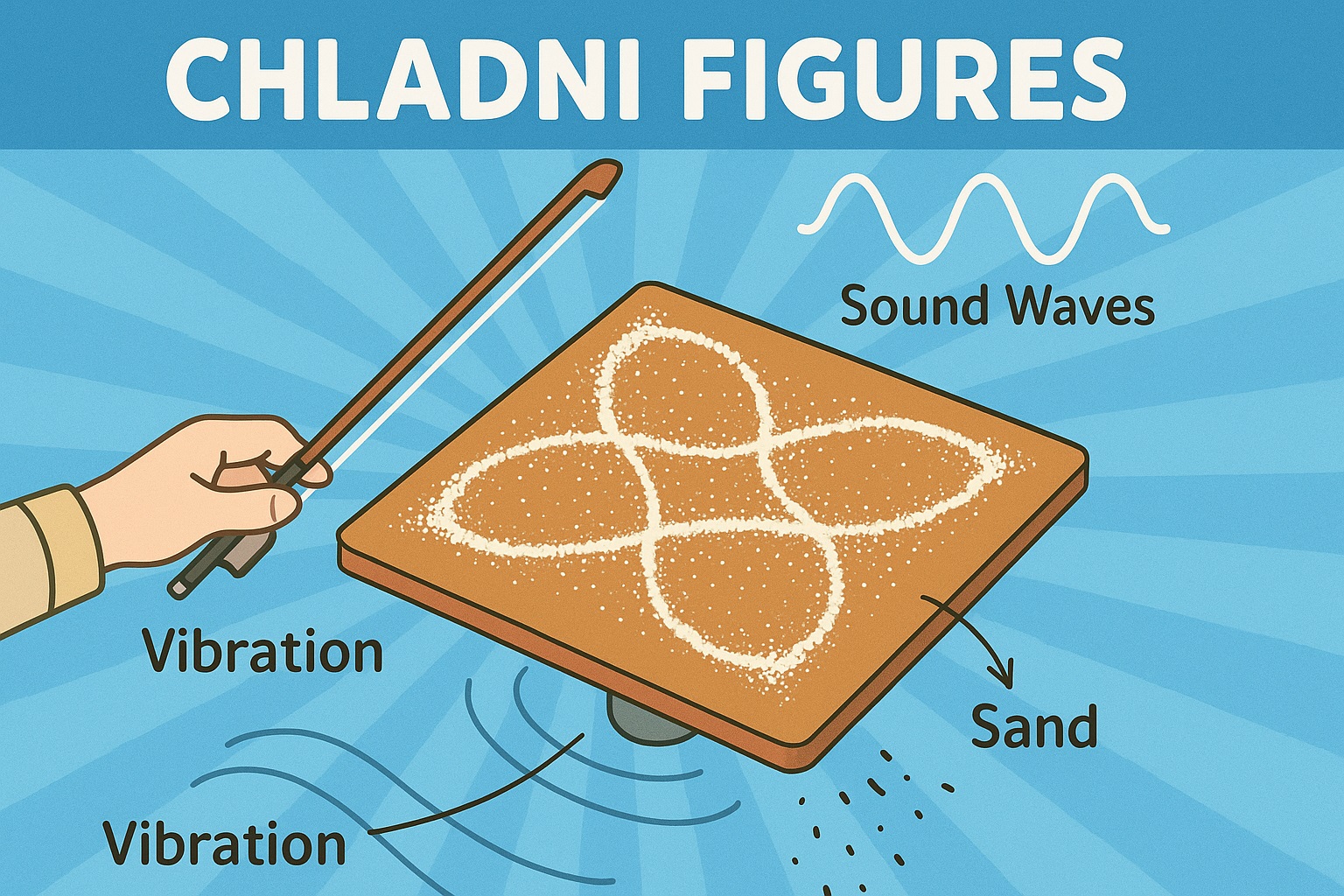
In the beginning was the word… Chladni figures are fascinating patterns formed when sound waves create visible vibrations on a surface. Named after the German physicist Ernst Chladni, these figures offer a stunning glimpse into the physics of sound and the behavior of resonating materials. Today, Chladni figures remain a powerful educational and artistic tool, used in acoustics, materials science, and even music design.

Recent Discoveries in Physics That Challenge Established Theories
Science

Recent Discoveries in Physics That Challenge Established Theories

Physics is built on precise laws that have stood the test of time—from Newton's gravity to Einstein's relativity and the quantum rules of the microscopic world. However, science never stops questioning itself. In the last decade, several groundbreaking discoveries and puzzling anomalies have emerged that could hint at physics beyond what we currently understand. These findings don’t overthrow past theories outright—but they challenge their completeness and suggest that our picture of reality may still be incomplete.

What Is Gravity According to Modern Science?
Science

What Is Gravity According to Modern Science?

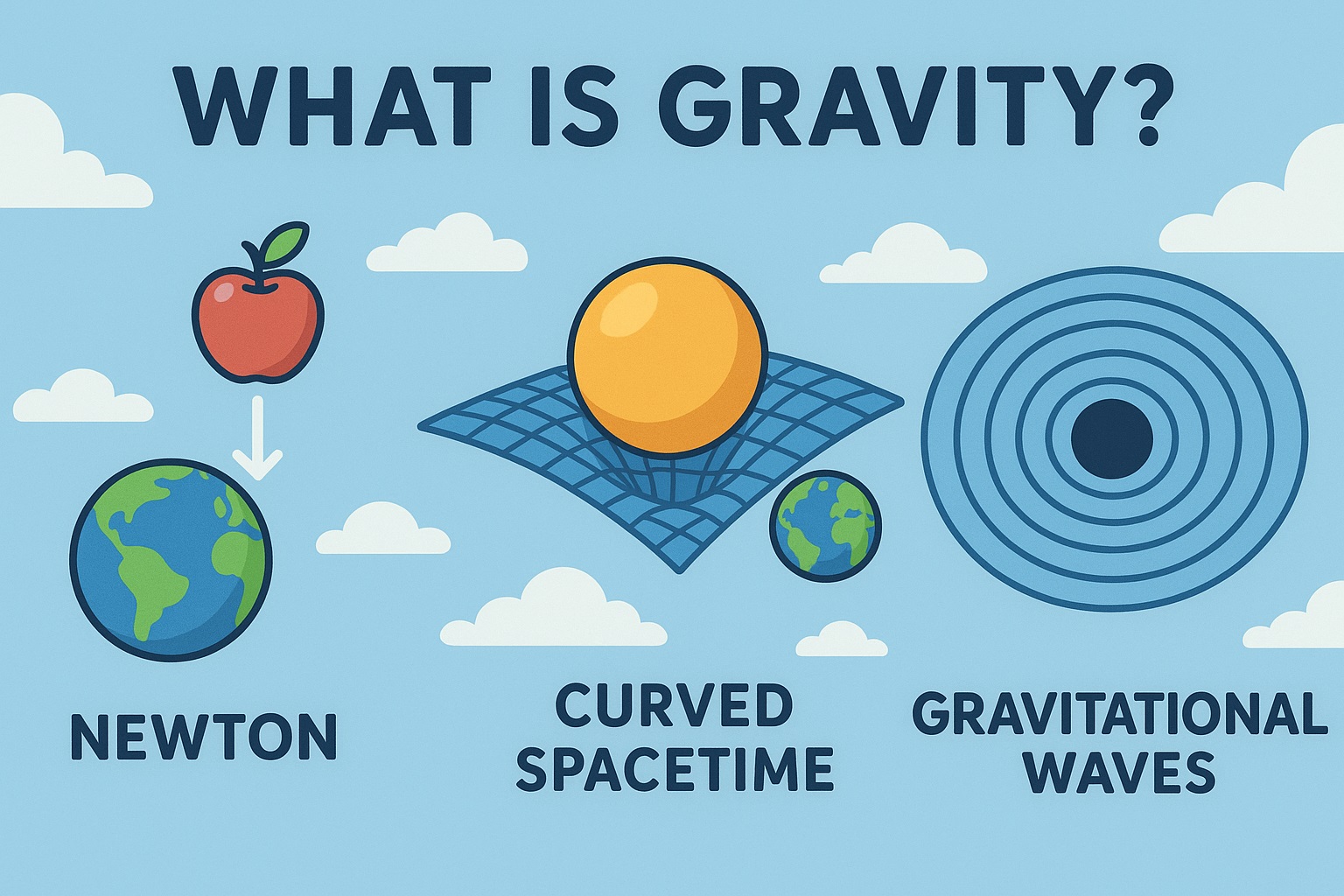
Gravity is one of the most familiar forces in our daily lives—it keeps our feet on the ground, guides the planets in their orbits, and shapes the large-scale structure of the universe. Yet, despite its simplicity in experience, gravity remains one of the most complex and fascinating topics in modern physics. From Newton’s apple to Einstein’s curved spacetime, and into the mysteries of black holes and quantum gravity, our understanding of gravity has evolved dramatically.

Quantum Field Theory: The Modern Language of the Universe
Hi-Tech Science

Quantum Field Theory: The Modern Language of the Universe

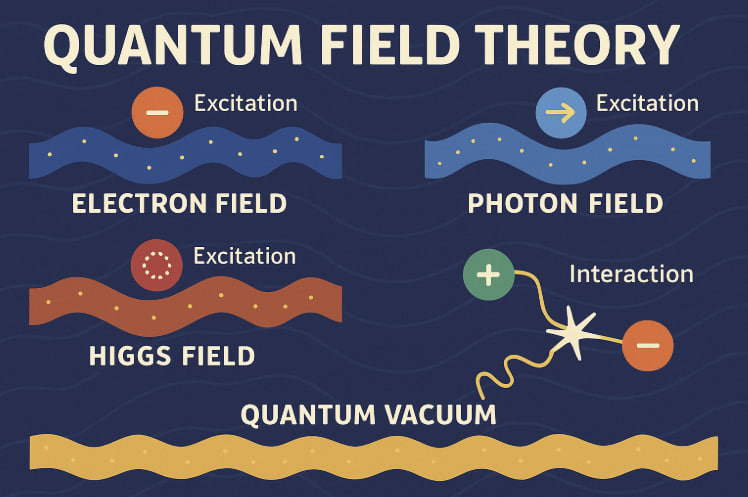
Quantum Field Theory (QFT) is the foundational framework of modern physics, uniting quantum mechanics, special relativity, and field theory. It is the most successful and experimentally verified scientific theory to date, underlying our understanding of particles, forces, and the structure of spacetime itself. While its mathematical depth can be daunting, the basic concepts of QFT offer profound insight into the nature of reality.

Ether Theory vs. Theory of Relativity: A Clash of Scientific Paradigms
History Science

Ether Theory vs. Theory of Relativity: A Clash of Scientific Paradigms

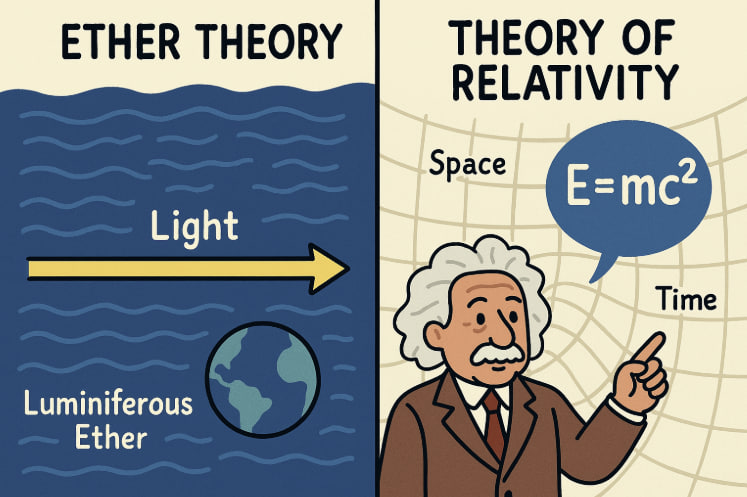
At the turn of the 20th century, physics underwent a profound transformation. Two competing ideas sought to explain how light and motion behave in the universe: the Ether Theory and Einstein's Theory of Relativity. While ether once dominated scientific thought, it was eventually discarded in favor of relativity. However, understanding both is essential to appreciate the evolution of modern physics.

The Evolution of Robotics: From Mechanical Arms to Intelligent Machines
Hi-Tech Smart Technology Science

The Evolution of Robotics: From Mechanical Arms to Intelligent Machines

The journey of robotics began long before the digital age, rooted in humanity’s fascination with automating labor. Early concepts date back to ancient Greece and China, where inventors imagined mechanical servants. However, practical development began in the 20th century, transforming from simple automation to highly intelligent machines. Understanding this evolution offers insight into how far we’ve come—and where robotics is headed.

Wireless Power Transmission: How Energy Travels Without Wires
Hi-Tech Science

Wireless Power Transmission: How Energy Travels Without Wires

Wireless power transmission (WPT) is the process of transferring electrical energy from a power source to a device without using physical connectors or wires. Although it may sound futuristic, the idea dates back to the early 1900s, when Nikola Tesla first experimented with this concept. Today, it is a growing field with real-world applications—from charging smartphones to powering electric vehicles and satellites.

Wardenclyffe Tower: Tesla’s Dream of Wireless Energy
History Smart Technology Science

Wardenclyffe Tower: Tesla’s Dream of Wireless Energy

The Wardenclyffe Tower, also known as the Tesla Tower, was one of the most ambitious and visionary projects in scientific history. Designed by Nikola Tesla in the early 20th century, this massive structure was intended to demonstrate the possibility of wireless transmission of energy across great distances. Although the tower was never fully operational, it remains a powerful symbol of Tesla’s genius and his futuristic vision.

Nikola Tesla: The Inventor Who Shaped the Modern World
History Science Tesla&Co

Nikola Tesla: The Inventor Who Shaped the Modern World

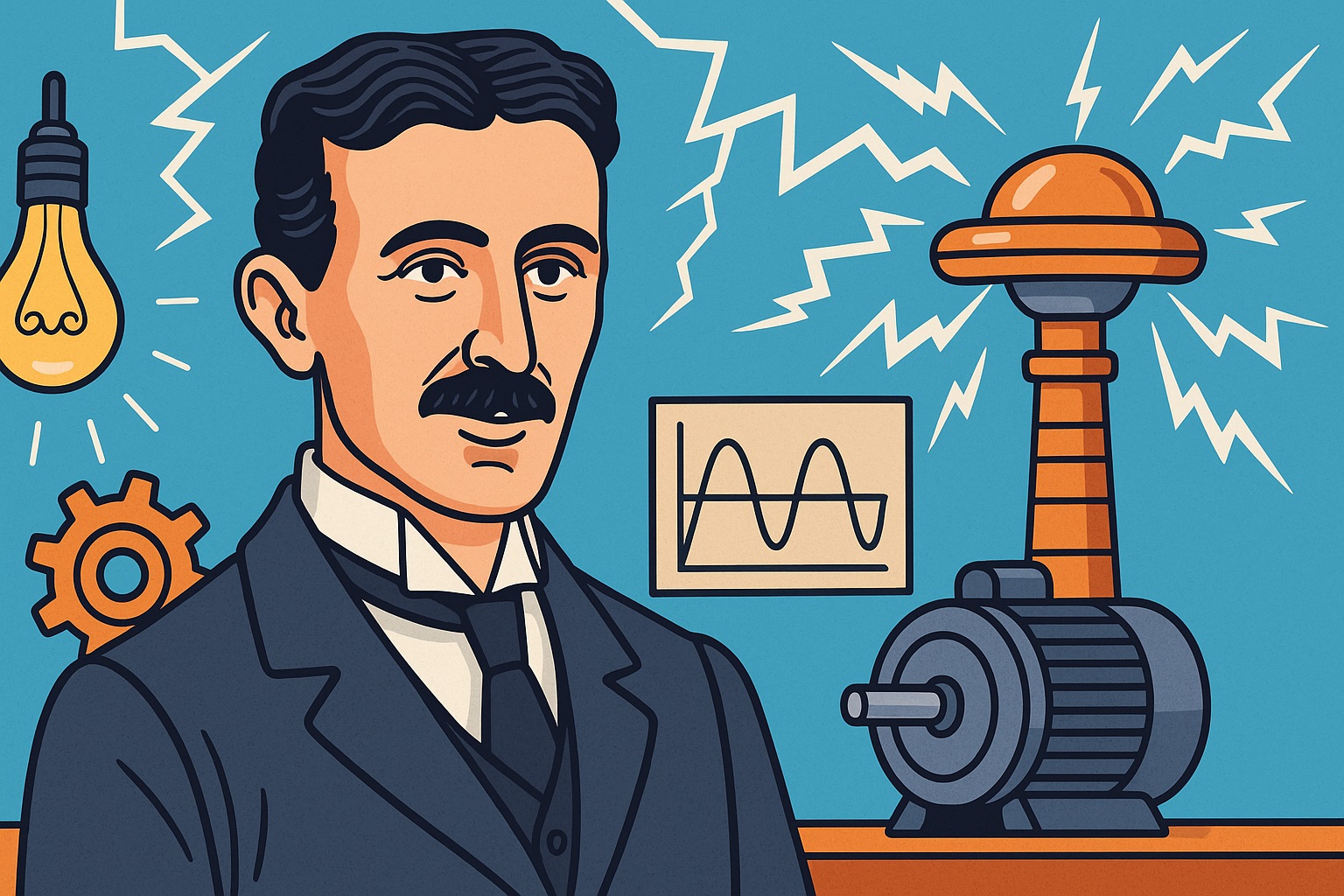
Nikola Tesla was a brilliant inventor, physicist, and visionary whose innovations in electricity and engineering transformed the way we live today. Though often overshadowed in his time, Tesla's contributions to science laid the foundation for many modern technologies, including wireless communication, alternating current, and even robotics.

How ChatGPT Works: A Look Inside the AI Language Model
Science AI

How ChatGPT Works: A Look Inside the AI Language Model

ChatGPT is a type of artificial intelligence (AI) designed to understand and generate human-like language. It powers chatbots, virtual assistants, and creative writing tools, offering answers, explanations, or even stories in a natural and conversational way. But what exactly happens behind the scenes when you ask ChatGPT a question? This article breaks down the key concepts that make ChatGPT work.