Science

How Space Navigation Works
Space Stories Universe Science

How Space Navigation Works

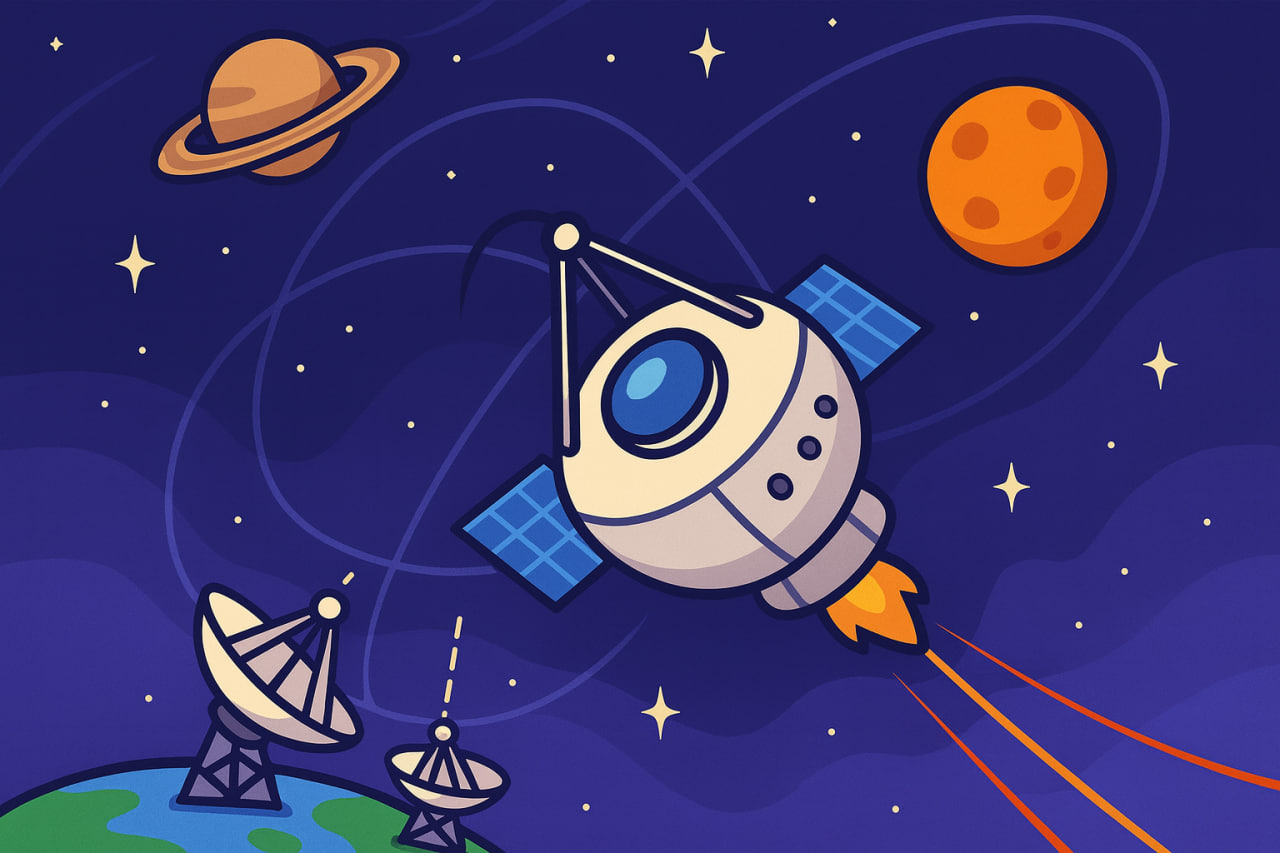
Navigating in space is much more complex than traveling on Earth because there are no roads, signposts, or fixed reference points. Spacecraft must rely on physics, precise calculations, and advanced technology to determine their position, orientation, and trajectory. Space navigation combines astronomy, physics, and engineering to ensure that missions reach their destinations, whether orbiting Earth, landing on the Moon, or traveling to distant planets.
How a Satellite’s Onboard Computer Works
Space Stories Hi-Tech Universe

How a Satellite’s Onboard Computer Works

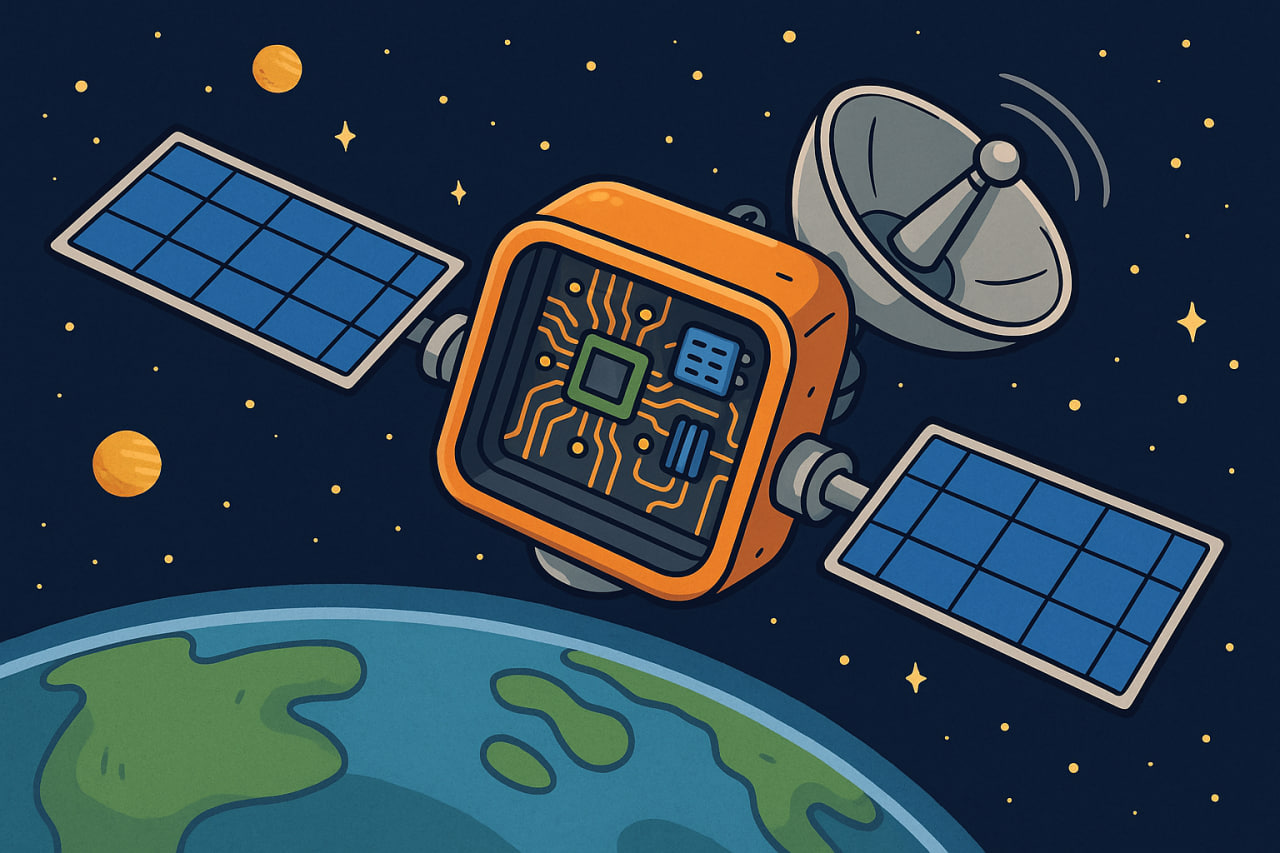
Every modern satellite relies on its onboard computer—also called the OBC (Onboard Computer) or satellite control system—to carry out missions in space. It acts as the “brain” of the satellite, managing communication, navigation, power, and scientific instruments. Without it, satellites could not operate autonomously in the harsh environment of space.

What Are Earth’s Radiation Belts?
Universe Science Earth & Moon

What Are Earth’s Radiation Belts?

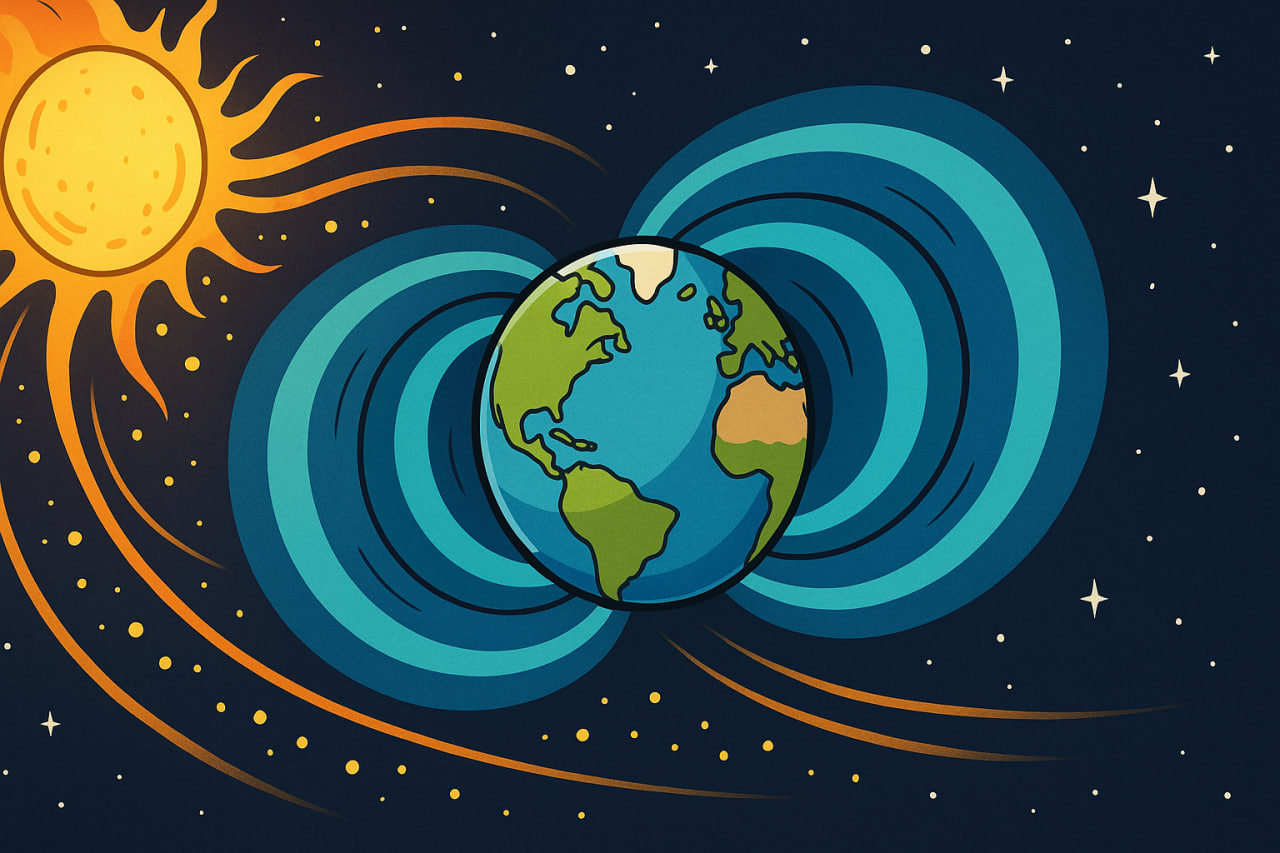
The radiation belts of Earth, also known as the Van Allen belts, are regions around our planet where charged particles from the Sun and cosmic rays are trapped by Earth’s magnetic field. These belts act like invisible shields, protecting life on Earth from harmful radiation while also posing challenges for satellites and astronauts.

How Gravitational Lensing Works
Universe Science New Discoveries

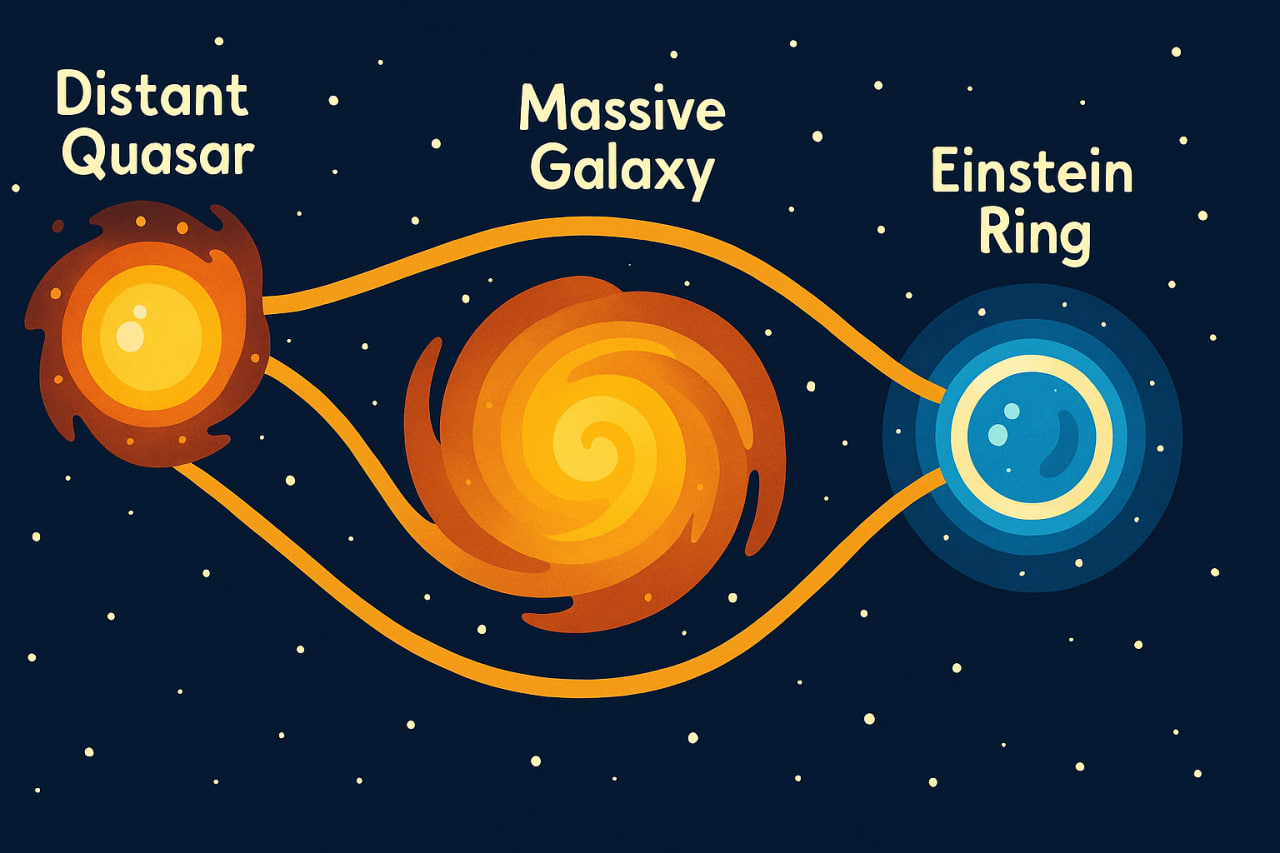
How Gravitational Lensing Works

Gravitational lensing is a fascinating effect predicted by Einstein’s theory of general relativity. It occurs when a massive object, such as a galaxy or black hole, bends the path of light coming from a more distant object behind it. This bending of light makes the distant object appear distorted, magnified, or multiplied when observed from Earth.

What Is an Astronomical Unit?
Space Stories Universe Science

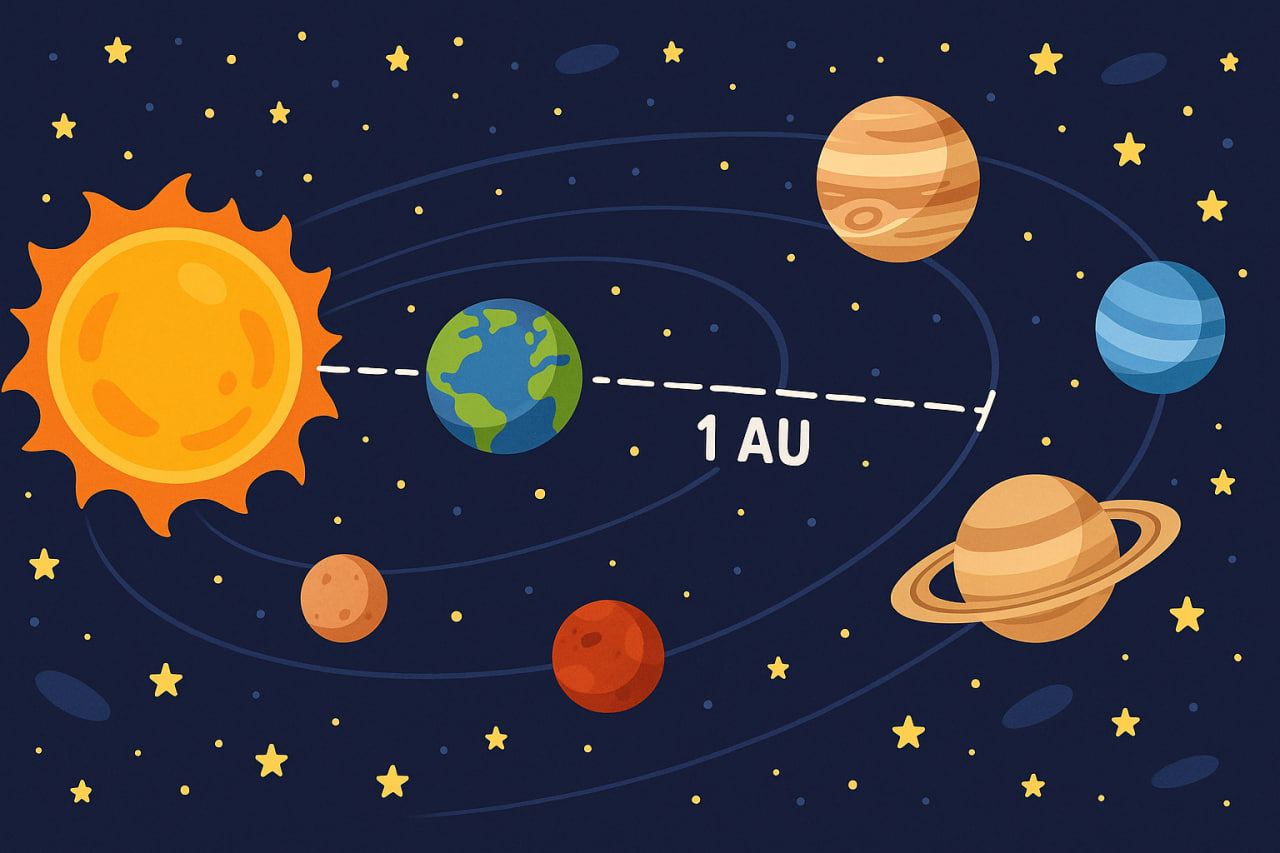
What Is an Astronomical Unit?

An astronomical unit (AU) is a unit of measurement used in astronomy to describe distances within our solar system. Instead of using kilometers or miles, which would result in extremely large numbers, astronomers use the AU as a more practical scale.

What Is Spectroscopy?
Cosmic Innovations Science

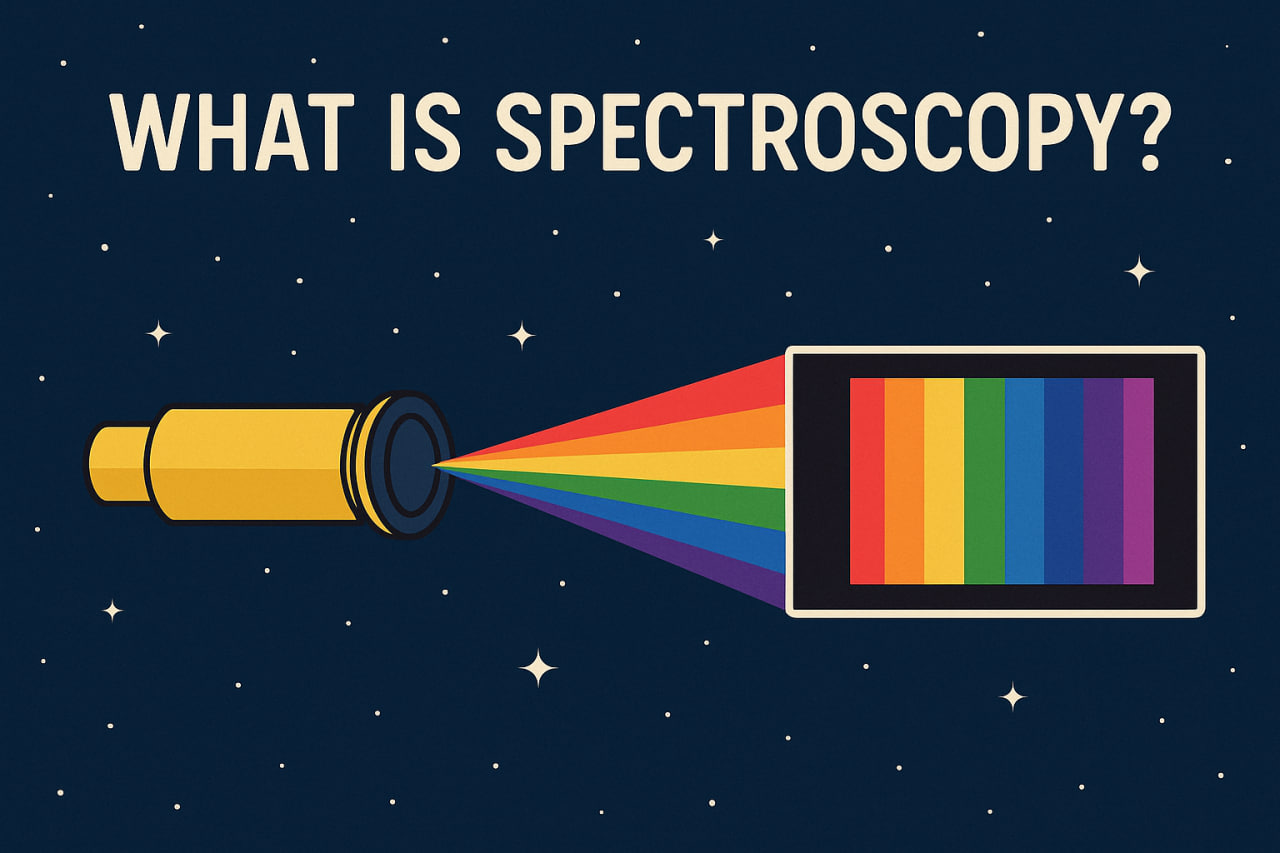
What Is Spectroscopy?

Spectroscopy is a scientific method used to study how matter interacts with light. By observing how light is absorbed, emitted, or scattered by a substance, scientists can determine its composition, structure, and properties. This technique is widely used in physics, chemistry, astronomy, and even medicine, making it one of the most powerful tools in modern science.

How Solar Panels Work in Space
Cosmic Innovations Hi-Tech Science

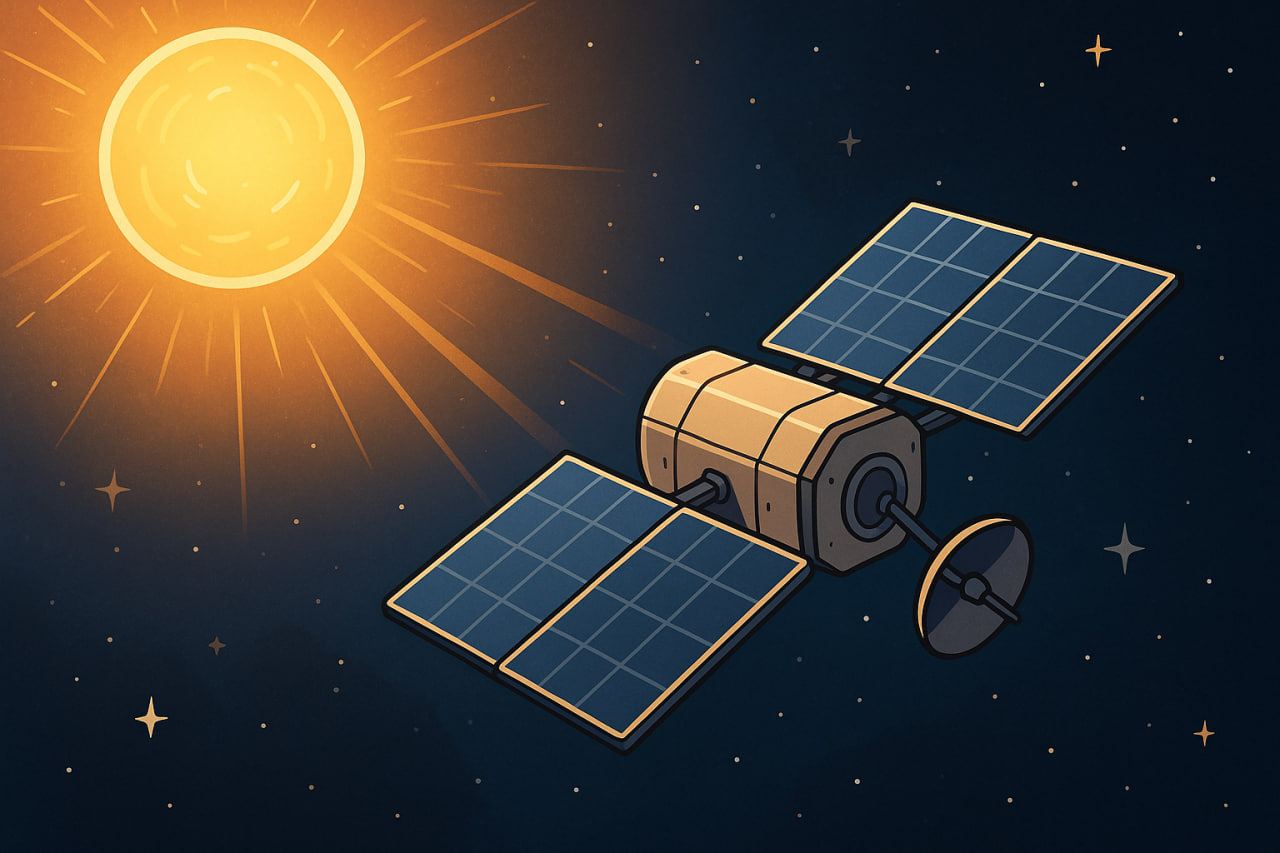
How Solar Panels Work in Space

Solar panels are the primary source of energy for most spacecraft, satellites, and space stations. They capture sunlight and convert it into electricity, powering everything from onboard computers to communication systems. In the vacuum of space, where fuel is limited and sunlight is abundant, solar panels are an efficient and sustainable energy solution.

Why Is the Sky Black in Space?
Space Stories Universe Science

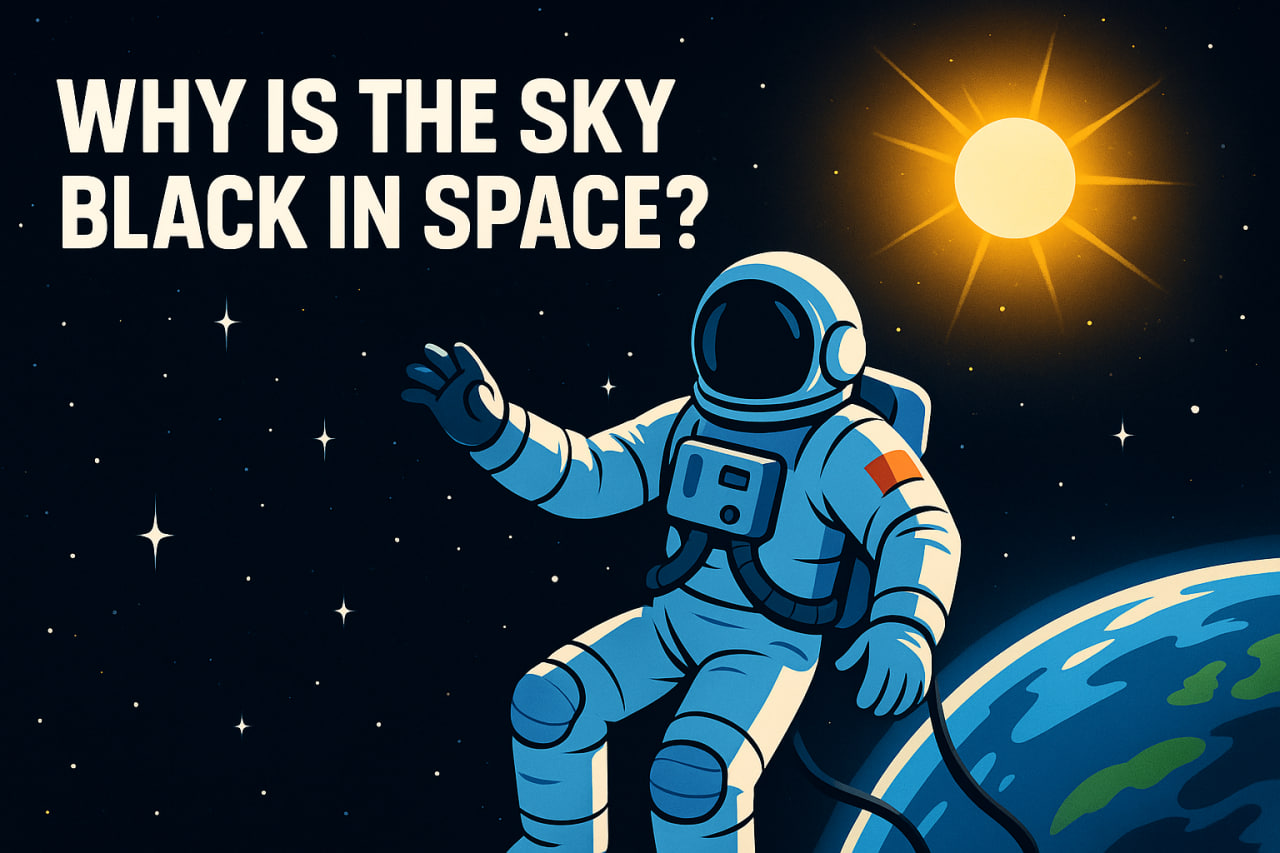
Why Is the Sky Black in Space?

When astronauts look out into space, they see a black sky, even though the Sun is shining brightly. This might seem strange because on Earth, the daytime sky is blue. The difference is explained by the way light interacts with the atmosphere. In space, where there is no atmosphere to scatter sunlight, the sky remains black.

How Scientists Search for Extraterrestrial Life
Space Stories Universe Science

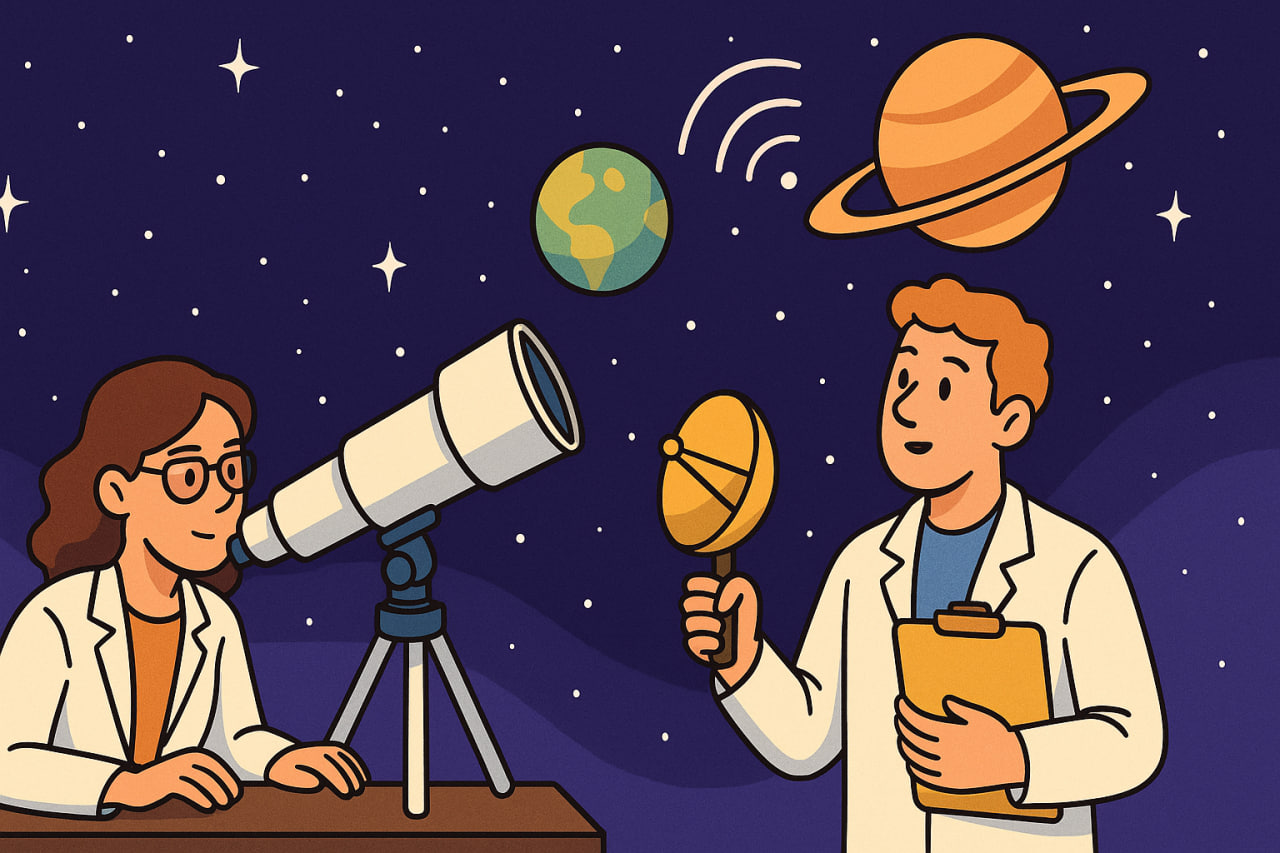
How Scientists Search for Extraterrestrial Life

The question of whether life exists beyond Earth is one of humanity’s greatest mysteries. Scientists approach this search using a combination of astronomy, biology, and advanced technology. While no evidence of extraterrestrial life has been confirmed yet, ongoing research brings us closer to answering this profound question.

Why Celestial Bodies Are Round
Space Stories Universe Science

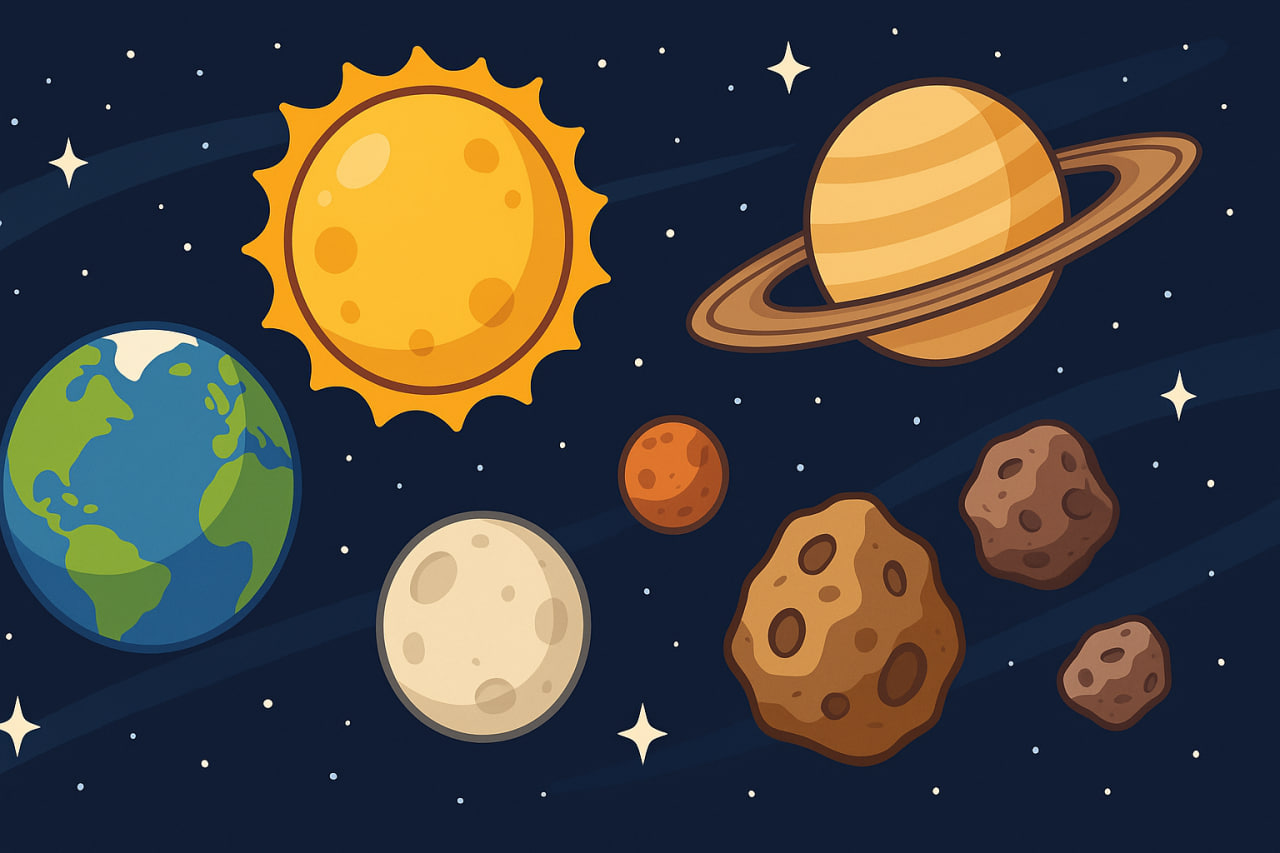
Why Celestial Bodies Are Round

When we observe planets, stars, and many moons, one thing stands out—they are mostly round. Unlike small asteroids or comets that often have irregular shapes, larger celestial bodies take on spherical forms. This happens because of the powerful influence of gravity, which pulls matter toward the center equally from all directions, creating a round shape.