Science

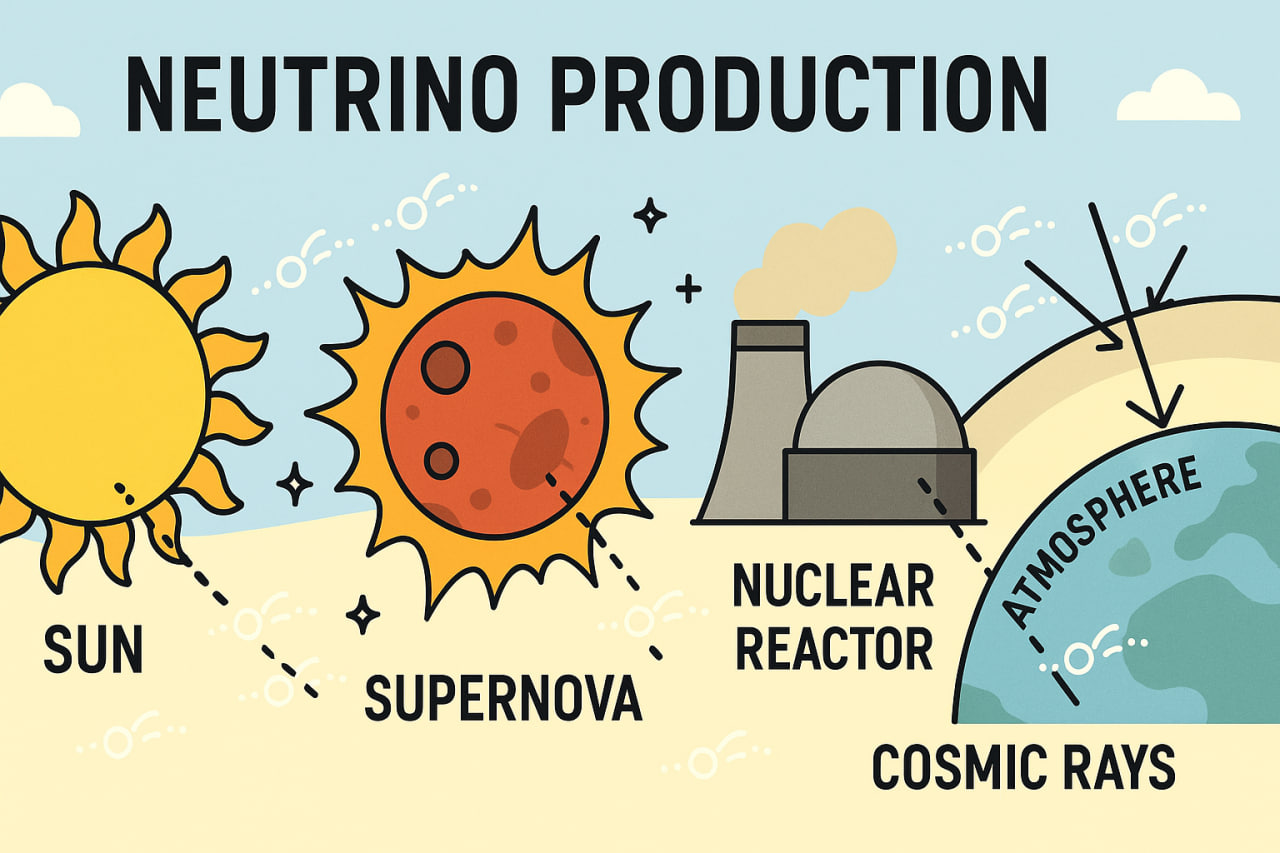
How Neutrinos Are Formed
Science New Discoveries Be Smart

How Neutrinos Are Formed

Neutrinos are elementary particles with no electric charge and an extremely small mass. They are among the most abundant particles in the universe, yet they interact so weakly with matter that trillions of them pass through your body every second without leaving a trace.

Silver: Properties, Uses, and Importance
Science Be Smart

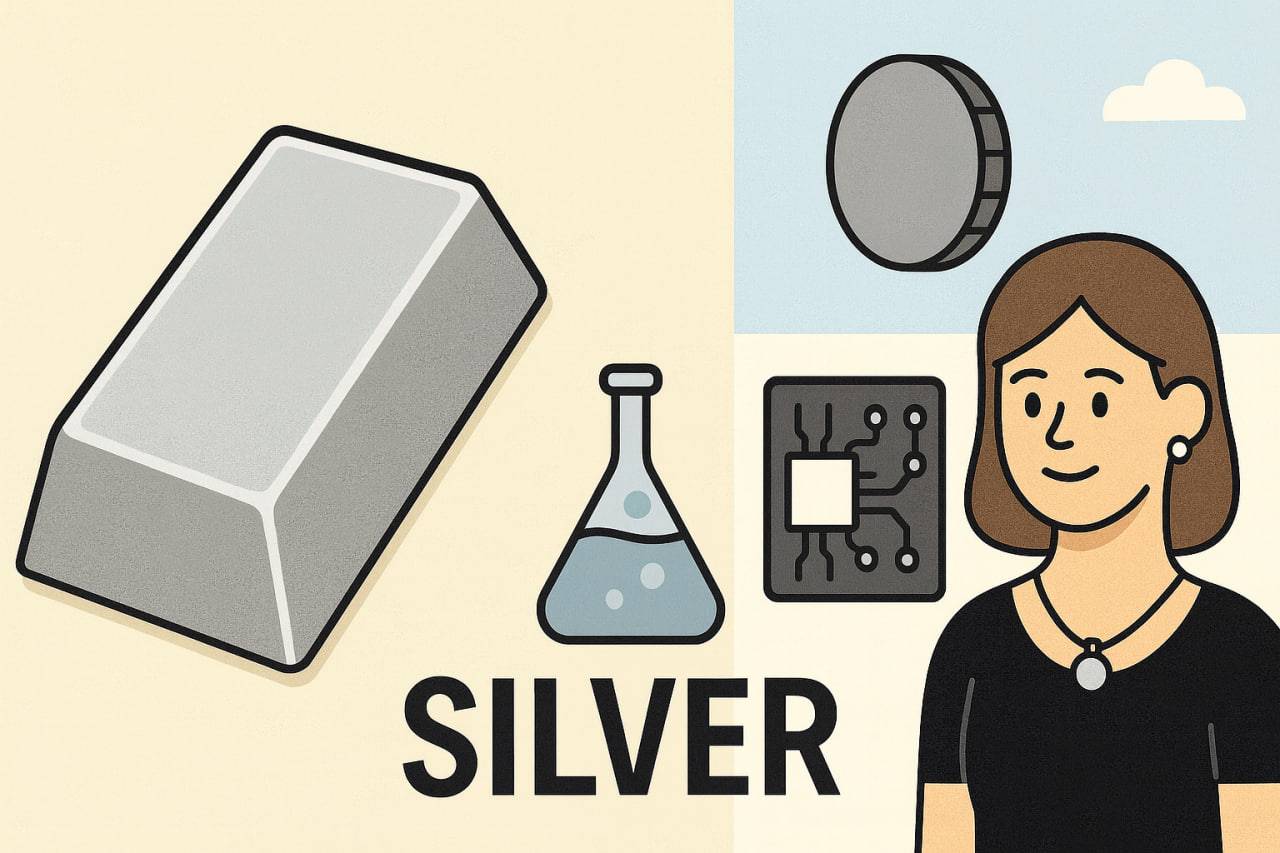
Silver: Properties, Uses, and Importance

Silver is a chemical element with the symbol Ag and atomic number 47. It is a precious metal known for its bright luster, high conductivity, and antimicrobial properties. Silver has been valued throughout history for its beauty and practical uses, from ancient coins to modern electronics.

Sounds: Vibrations That Shape Our World
Science Be Smart

Sounds: Vibrations That Shape Our World

Sound is a type of energy created by vibrations that travel through a medium, usually air, water, or solid materials. These vibrations create waves that our ears and brain interpret as sound. Without a medium, such as in the vacuum of space, sound cannot travel. Sound is essential for communication, music, and awareness of our environment.

Chladni Figures: Visualizing Sound Waves
Science Be Smart

Chladni Figures: Visualizing Sound Waves

Chladni figures are patterns formed by particles, such as sand or salt, on a vibrating surface like a metal plate. As the plate vibrates at specific frequencies, the particles move and settle along areas of no vibration, called nodes, creating beautiful symmetrical shapes. These patterns provide a visual representation of sound waves and resonance.

Echolocation: Navigating with Sound
Science Be Smart

Echolocation: Navigating with Sound

Echolocation is a biological sonar system used by some animals to navigate and hunt. By producing sounds and listening to the returning echoes, animals can detect objects, measure distances, and identify shapes in their environment. This adaptation is especially useful in darkness or murky waters where vision is limited.

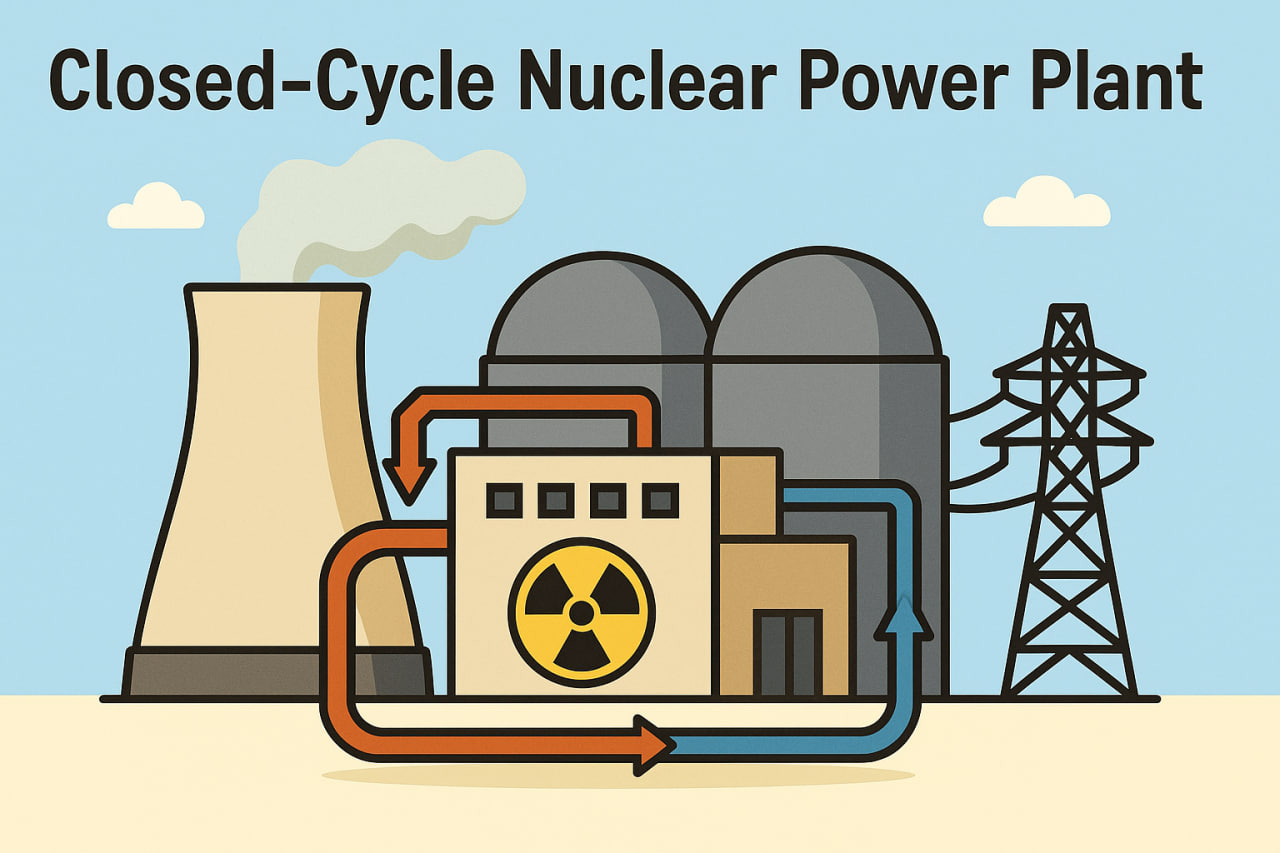
Nuclear Power Plant with a Closed Cycle
Hi-Tech Science

Nuclear Power Plant with a Closed Cycle

A closed-cycle nuclear power plant is a type of nuclear facility where the nuclear fuel cycle is designed to reuse materials and minimize waste. Unlike the traditional open cycle, in which spent fuel is treated as waste, the closed cycle allows for the recycling of valuable components such as uranium and plutonium, reducing the need for fresh resources and lowering radioactive waste volumes.

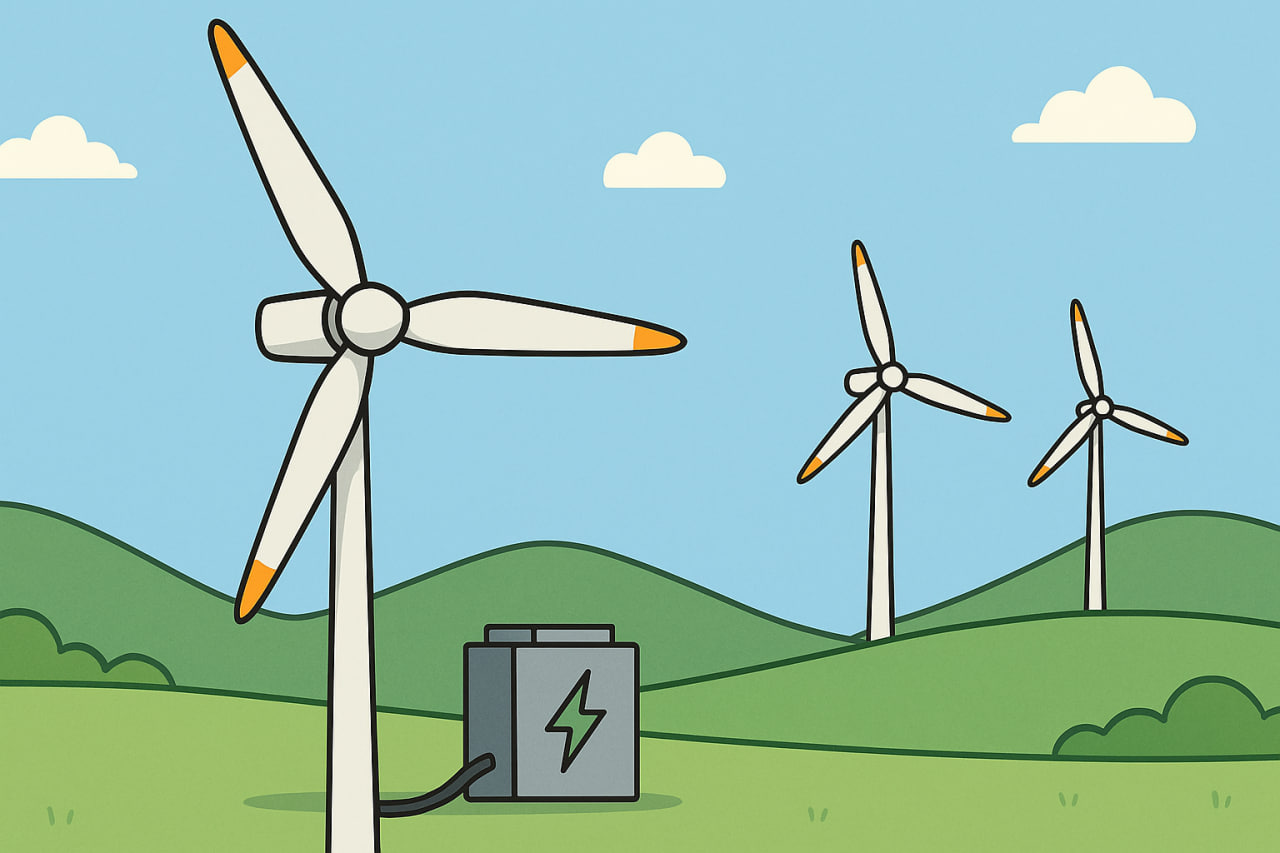
How to Turn Wind into Electricity
Hi-Tech Science Be Smart

How to Turn Wind into Electricity

Wind energy is a form of renewable energy that converts the kinetic energy of moving air into usable electricity. It is one of the fastest-growing energy sources in the world, helping reduce reliance on fossil fuels and lowering greenhouse gas emissions. Wind power is clean, sustainable, and available in many regions across the globe.

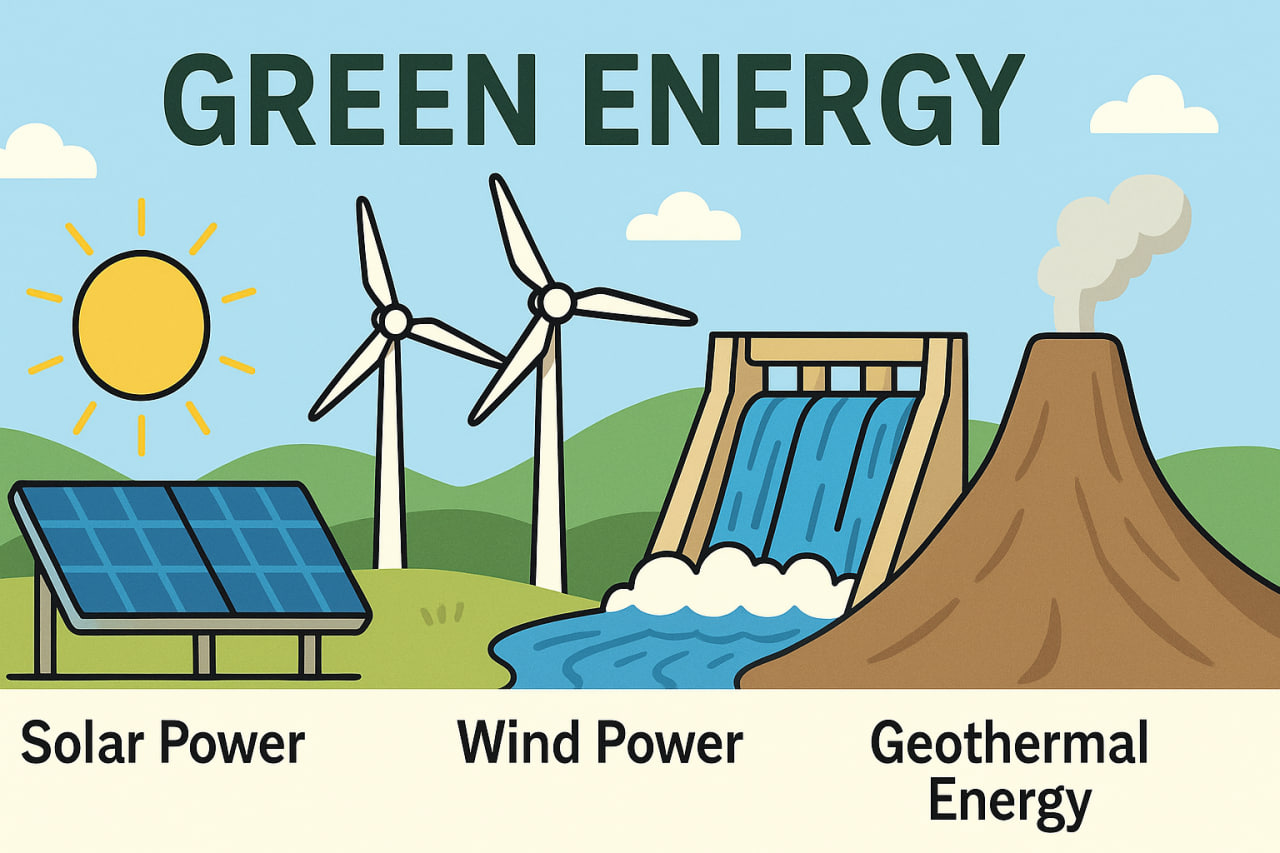
Green Energy: Powering a Sustainable Future
Hi-Tech Science New Discoveries

Green Energy: Powering a Sustainable Future

Green energy refers to power produced from renewable, environmentally friendly sources that generate little or no greenhouse gas emissions. Unlike fossil fuels, green energy relies on natural processes such as sunlight, wind, and water flow. Its goal is to provide clean, sustainable electricity while reducing the negative impact of energy production on the climate and ecosystems.

Electrical Engineering: History and Modern Developments
History Science

Electrical Engineering: History and Modern Developments

Electrical engineering emerged in the 19th century with the discovery of fundamental laws of electricity and magnetism. The work of Michael Faraday, James Clerk Maxwell, and Georg Ohm laid the scientific foundations. The invention of the telegraph, electric light bulb, and electric motors marked the beginning of practical applications. By the late 1800s, pioneers like Thomas Edison and Nikola Tesla transformed electricity into a powerful tool for industry and society.

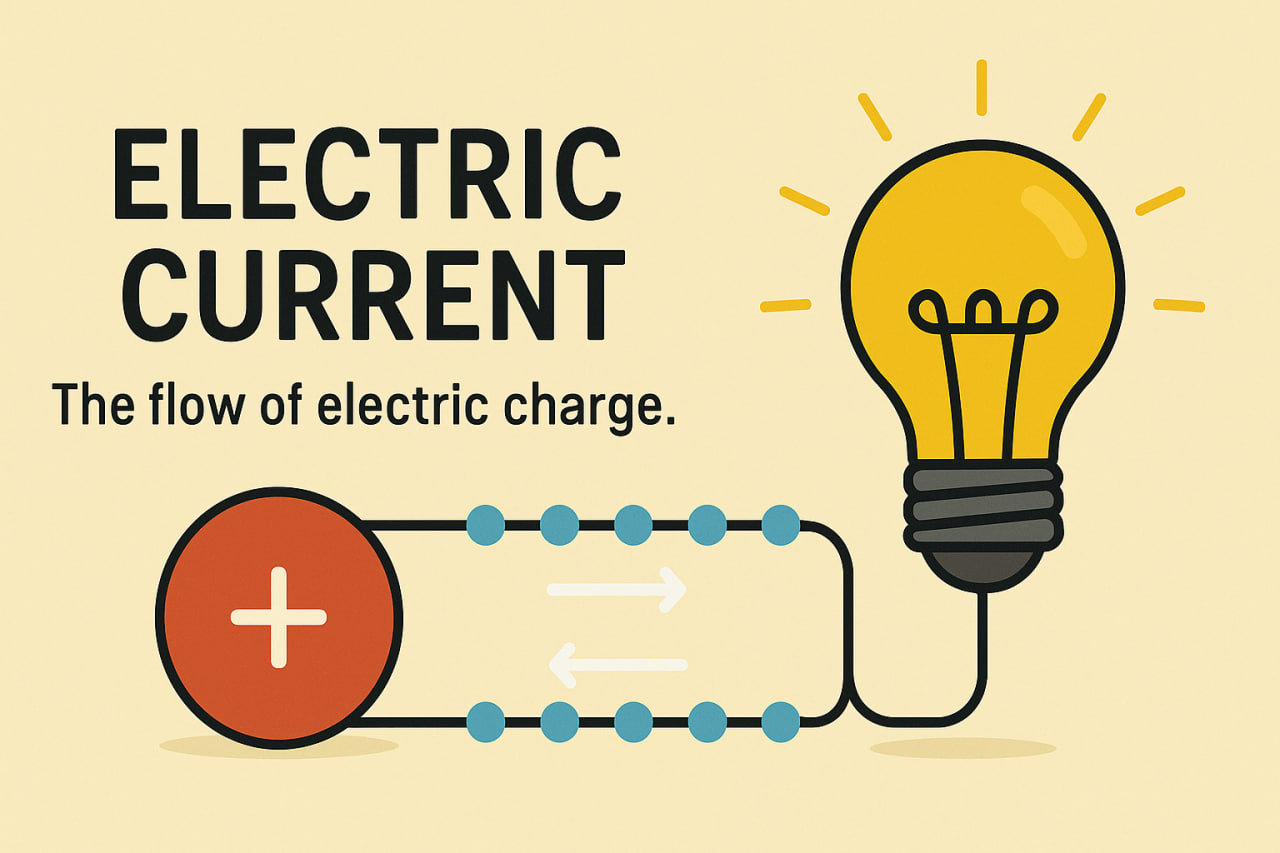
Electric Current: The Flow of Charge
Science Be Smart

Electric Current: The Flow of Charge

Electric current is the flow of electric charge, usually carried by electrons in a conductor such as a metal wire. It is one of the most fundamental concepts in physics and the basis for nearly all modern technology. Current is measured in amperes (A), representing the amount of charge passing through a point in a circuit per second.