Science

The States of Matter: How the Universe’s Building Blocks Transform
Science Be Smart

The States of Matter: How the Universe’s Building Blocks Transform

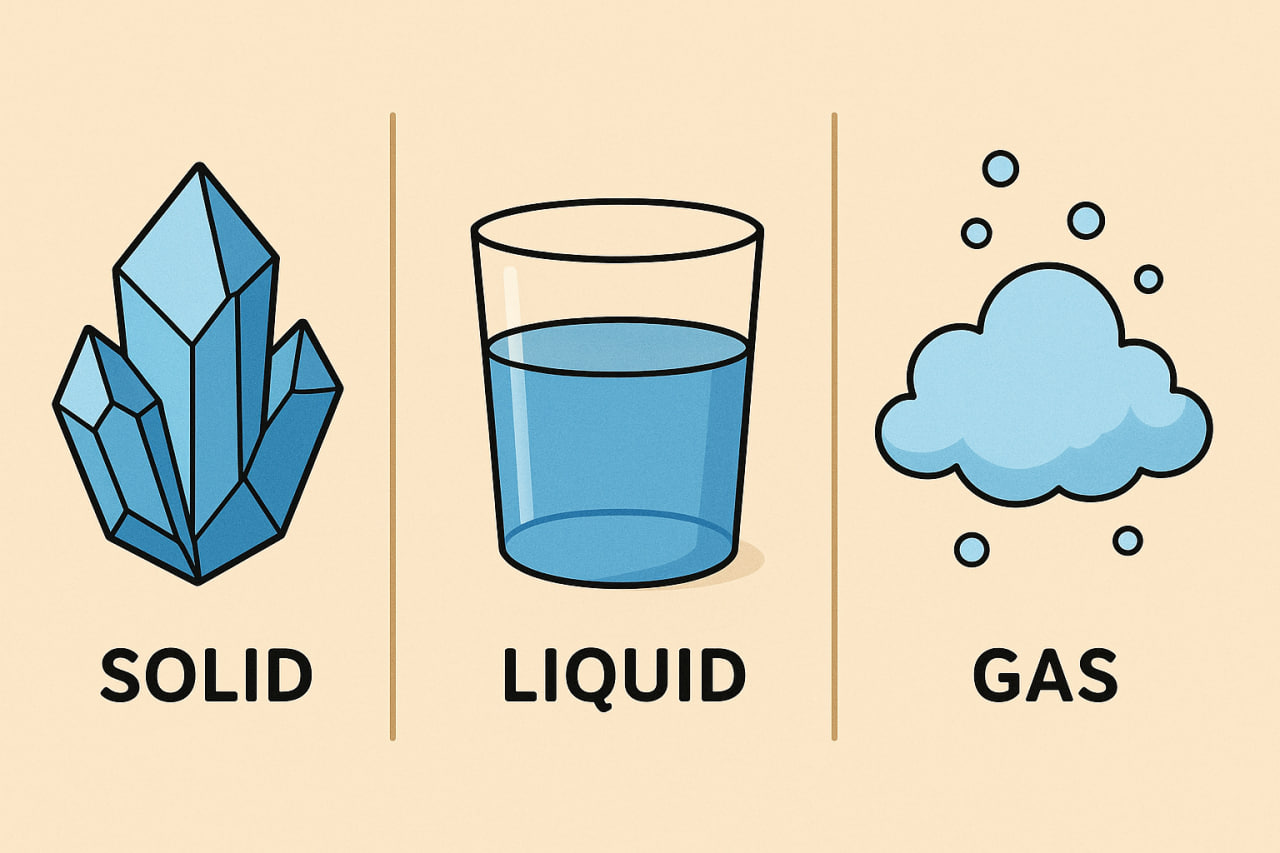
Everything around us — the air we breathe, the water we drink, the ground we walk on — is made of matter. Matter is anything that has mass and takes up space. But this matter does not always look or behave the same way. Depending on temperature, pressure, and energy, it can exist in different states — solid, liquid, gas, plasma, and even more exotic forms discovered in modern physics. Understanding these states helps explain how nature and technology work at every level, from ice cubes to stars.

Geoengineering: The Science of Controlling Earth’s Climate
Science Be Smart

Geoengineering: The Science of Controlling Earth’s Climate

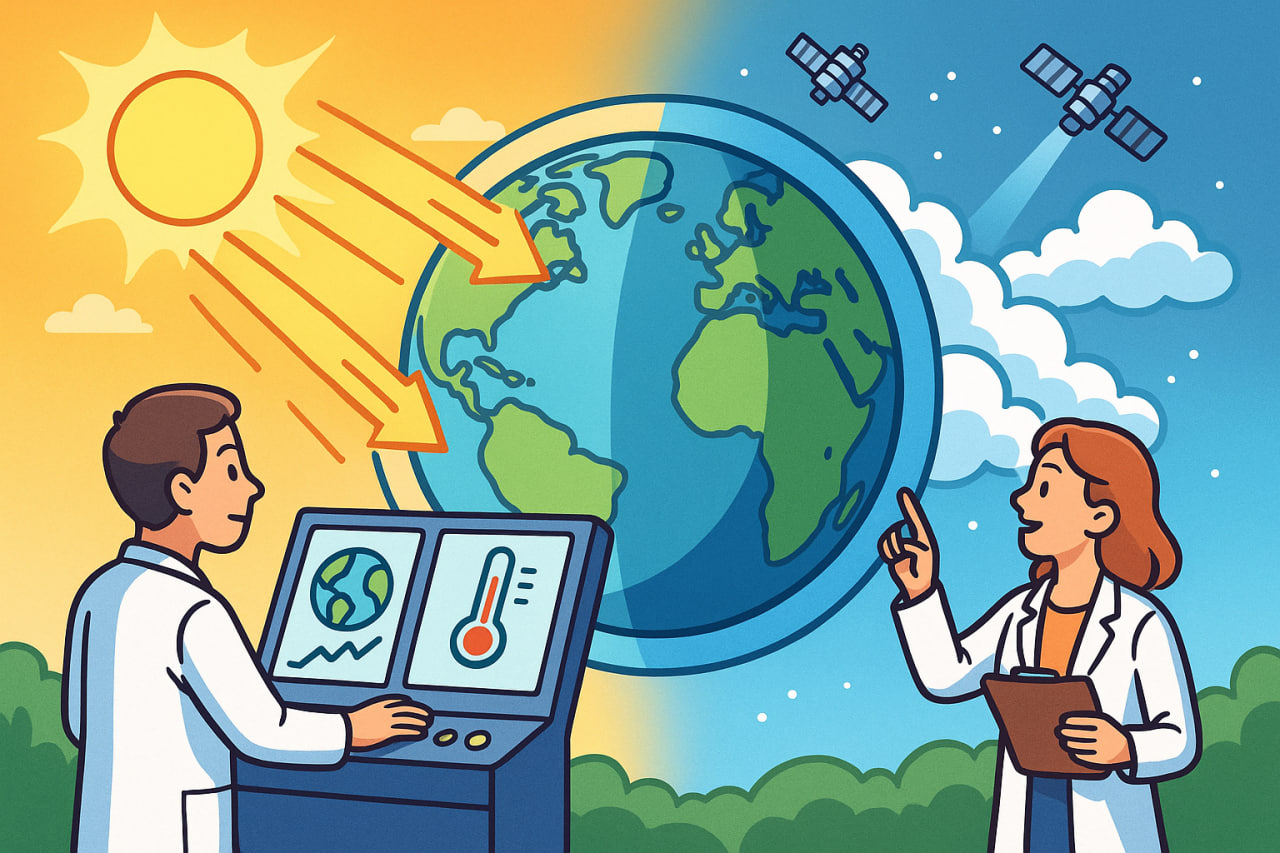
As the world faces accelerating climate change, scientists are exploring extraordinary technologies that might one day allow humanity to actively regulate the planet’s climate. This emerging field, known as geoengineering, seeks to counter global warming through deliberate, large-scale interventions in Earth’s natural systems. While the idea sounds futuristic, geoengineering raises both great hope and serious ethical questions about humanity’s power — and responsibility — to alter nature.

Sandbox: From Childhood Playgrounds to Digital Innovation
Smart Technology Science Be Smart

Sandbox: From Childhood Playgrounds to Digital Innovation

The term “sandbox” carries a simple yet profound meaning — a space for creativity, exploration, and experimentation. Originally referring to a box filled with sand where children build castles and dig tunnels, it has evolved into a concept used in technology, cybersecurity, gaming, and even artificial intelligence. Today, a sandbox represents any safe environment designed for testing new ideas without causing harm to the real world.

Freons: Invisible Gases with a Powerful Impact on the Planet
Science New Discoveries Be Smart

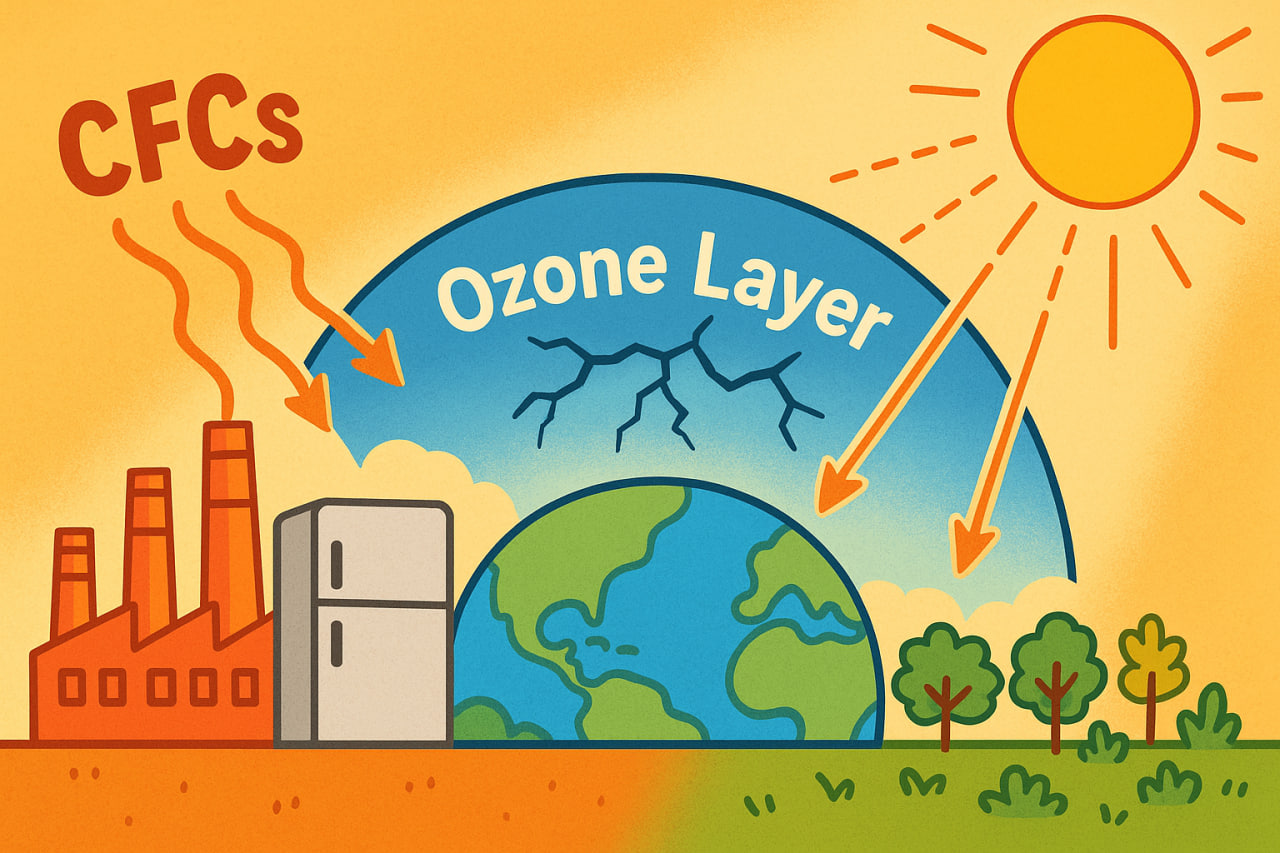
Freons: Invisible Gases with a Powerful Impact on the Planet

Freons, once considered revolutionary in cooling and industrial technology, later became one of the most serious threats to Earth’s atmosphere. These colorless, odorless gases — also known as chlorofluorocarbons (CFCs) — were used for decades in refrigerators, air conditioners, and aerosol sprays. However, scientific discoveries revealed that freons destroy the ozone layer, our planet’s natural shield against ultraviolet radiation. Understanding what freons are, how they work, and why they are being phased out is vital for environmental protection and climate stability.

Semiconductors: The Tiny Materials Powering the Modern World
Science Be Smart

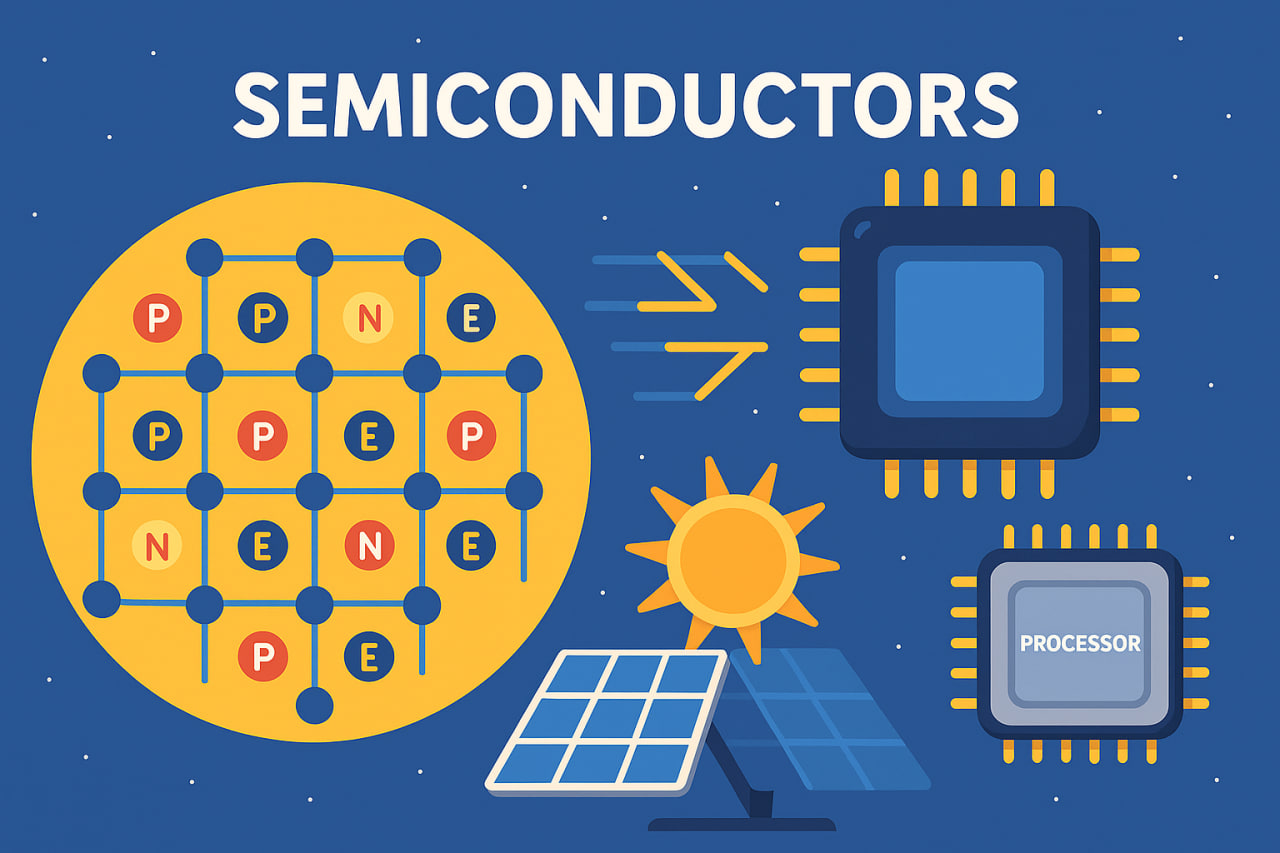
Semiconductors: The Tiny Materials Powering the Modern World

Semiconductors are the foundation of all modern electronics — from smartphones and computers to solar panels and electric cars. They are materials that can act both as conductors and insulators depending on conditions such as temperature, light, or voltage. This unique property allows semiconductors to control the flow of electric current, making them the “brains” of technological devices. Understanding how semiconductors work helps us appreciate the hidden power that drives our digital civilization.

Absolute Zero: The Coldest Temperature in the Universe
Science Be Smart

Absolute Zero: The Coldest Temperature in the Universe

Temperature measures how fast atoms and molecules move — the higher the temperature, the faster they vibrate. But what if motion could stop entirely? The point at which all atomic motion theoretically ceases is called absolute zero, the coldest possible temperature in the universe. It represents a physical limit that cannot be reached, only approached, and it defines the foundation of modern thermodynamics, quantum physics, and cryogenic technology.

Graphene Generators: The Future of Ultra-Efficient Energy Production
Hi-Tech Smart Technology Science

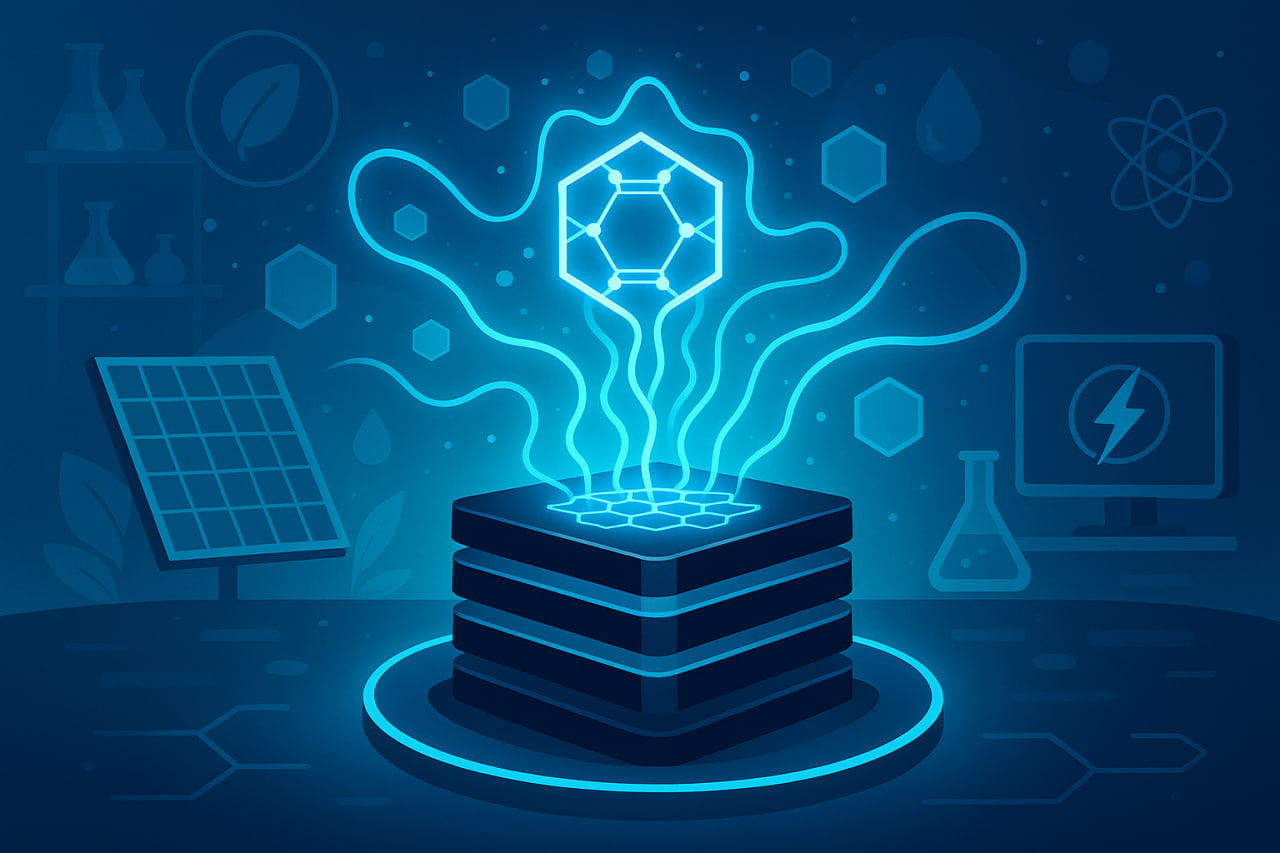
Graphene Generators: The Future of Ultra-Efficient Energy Production

In the constant search for clean and limitless energy, graphene generators have emerged as one of the most exciting breakthroughs in modern physics and nanotechnology. This revolutionary material — only one atom thick — possesses extraordinary electrical, mechanical, and thermal properties that are reshaping how we think about power generation. From harvesting electricity out of thin air to building ultra-thin batteries, graphene could become the cornerstone of next-generation, fuel-free energy systems.

What Is the Nobel Prize and Why Is It Awarded?
History Science Be Smart

What Is the Nobel Prize and Why Is It Awarded?

The Nobel Prize is one of the most prestigious and globally recognized awards, granted annually to individuals or organizations that have made exceptional contributions to humanity in the fields of science, literature, and peace. Its history, rooted in the will of a 19th-century inventor, reflects humanity’s highest ideals — the pursuit of knowledge, creativity, and the betterment of the world.

Quantum Dots: The Tiny Particles Powering the Future of Technology
Hi-Tech Science New Discoveries

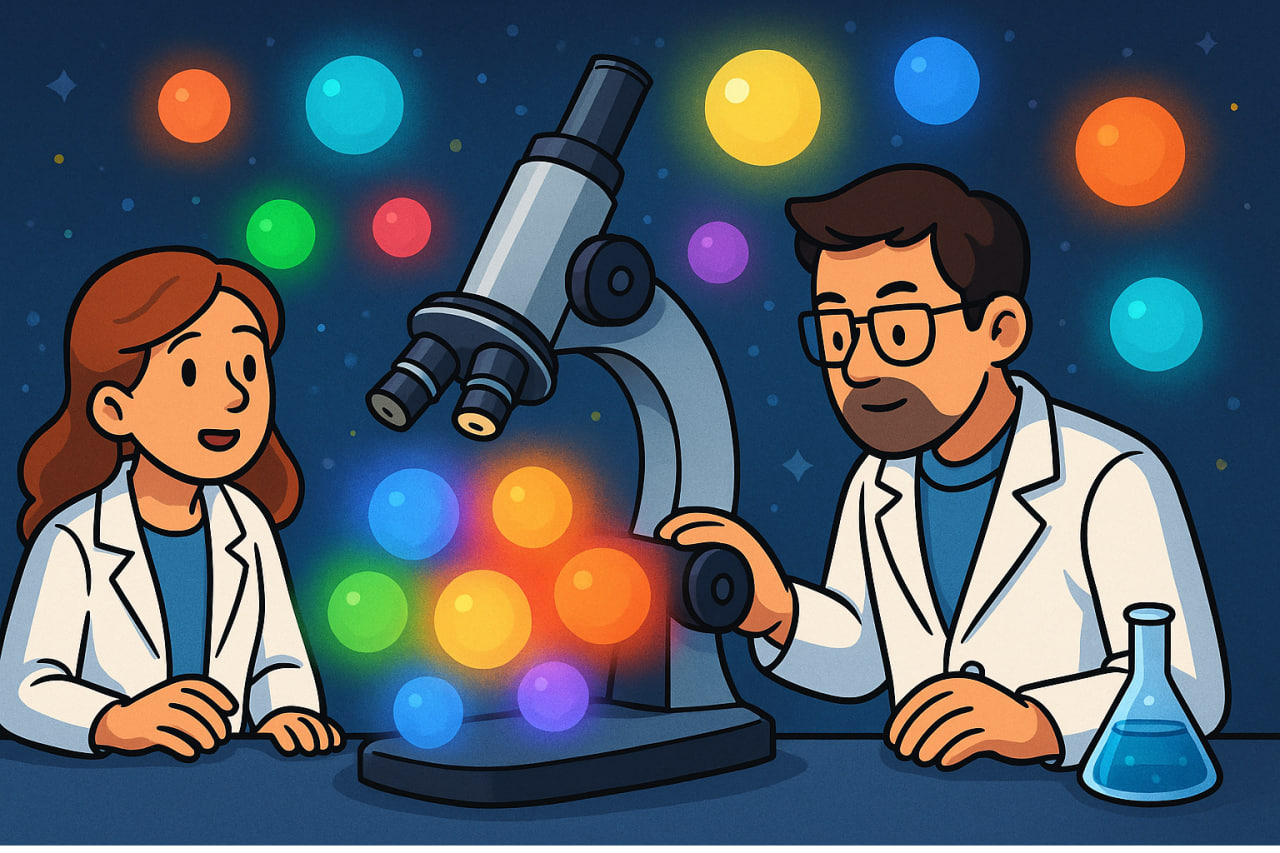
Quantum Dots: The Tiny Particles Powering the Future of Technology

In the world of nanotechnology, few discoveries have generated as much excitement as quantum dots. These minuscule particles, invisible to the naked eye, are transforming science, electronics, and medicine. Measuring just a few nanometers in diameter — smaller than a virus — quantum dots have unique optical and electronic properties that make them revolutionary for fields ranging from display technology to cancer diagnostics.

Computers of the Future: What Awaits Us in the Next Technological Era
Hi-Tech Smart Technology Science

Computers of the Future: What Awaits Us in the Next Technological Era

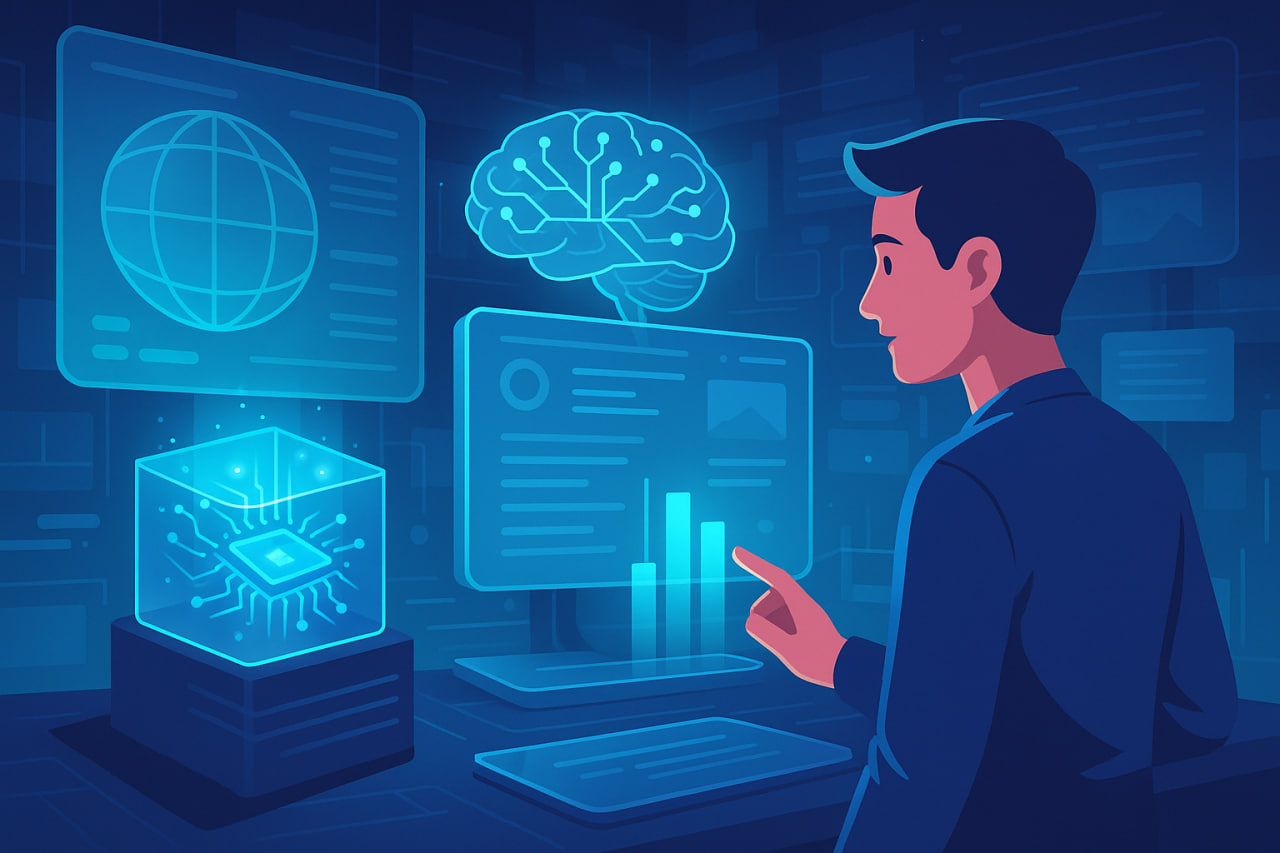
Computers have revolutionized every aspect of human life — from scientific discoveries to daily communication. Over the past century, they’ve evolved from massive room-sized machines into sleek devices that fit in the palm of your hand. But what lies ahead? The future of computing promises unimaginable power, intelligence, and integration between humans and machines, redefining how we live, think, and create.