Science

Nikola Tesla and Atmospheric Electricity Collectors
History Smart Technology Science

Nikola Tesla and Atmospheric Electricity Collectors

Nikola Tesla’s experiments with atmospheric electricity collectors remain one of the most intriguing chapters in the history of electrical engineering. Tesla believed that Earth’s atmosphere contained vast stores of electrical energy that could be captured and transmitted without traditional fuel sources. Throughout the late 19th and early 20th centuries, he conducted numerous experiments involving high-frequency currents, elevated conductive plates, and resonant transformers designed to tap into natural electrical potentials. Although many of Tesla’s patents and laboratory notes describe his concepts in detail, the full technical feasibility of his atmospheric collectors remains a subject of debate among historians and engineers. Even so, his pioneering research laid foundational ideas for modern wireless energy transfer and environmental energy harvesting. Tesla’s atmospheric electricity concepts continue to inspire scientists, inventors, and enthusiasts exploring alternative methods of clean power generation today.


Fuel-Free Energy: Modern Developments and Emerging Technologies
Hi-Tech Smart Technology Science

Fuel-Free Energy: Modern Developments and Emerging Technologies

Fuel-free energy represents one of the most ambitious areas of modern scientific research, focusing on ways to generate power without traditional fossil fuels or consumable energy sources. This field includes technologies that harness natural physical phenomena, such as magnetic fields, ambient heat, atmospheric electricity, and zero-point energy. While many concepts remain theoretical or experimental, researchers worldwide continue exploring solutions that could drastically reduce humanity’s dependence on conventional energy systems. Some scientists argue that fuel-free approaches may complement renewable energy rather than replace it, helping stabilize grids and reduce environmental impact. However, experts also emphasize that rigorous testing, peer-reviewed studies, and transparent methodology are essential to distinguish real scientific progress from unverified claims. Understanding current developments allows us to identify which technologies show genuine potential and which remain purely speculative.

Mirrors: From Ancient Times to the Modern World
History Science Be Smart

Mirrors: From Ancient Times to the Modern World

Mirrors have played a fascinating role in human civilization, evolving from polished stones and metals into the precision-crafted glass surfaces we use today. In ancient cultures, mirrors were not only practical tools but also symbolic objects associated with beauty, truth, and even the supernatural. Over centuries, as technologies advanced, societies learned to create clearer and more durable reflective surfaces, transforming mirrors into essential items found in homes, architecture, science, and art. Today, mirrors are manufactured using highly refined techniques that ensure perfect reflection and optical accuracy. Experts note that mirrors reflect not only technological progress but also cultural changes in how humanity perceives identity, appearance, and self-awareness. Understanding their history reveals how a simple reflective surface can influence entire eras of human thought and design.

Optical Tensor Computing: The Future of High-Speed Information Processing
Hi-Tech Science New Discoveries

Optical Tensor Computing: The Future of High-Speed Information Processing

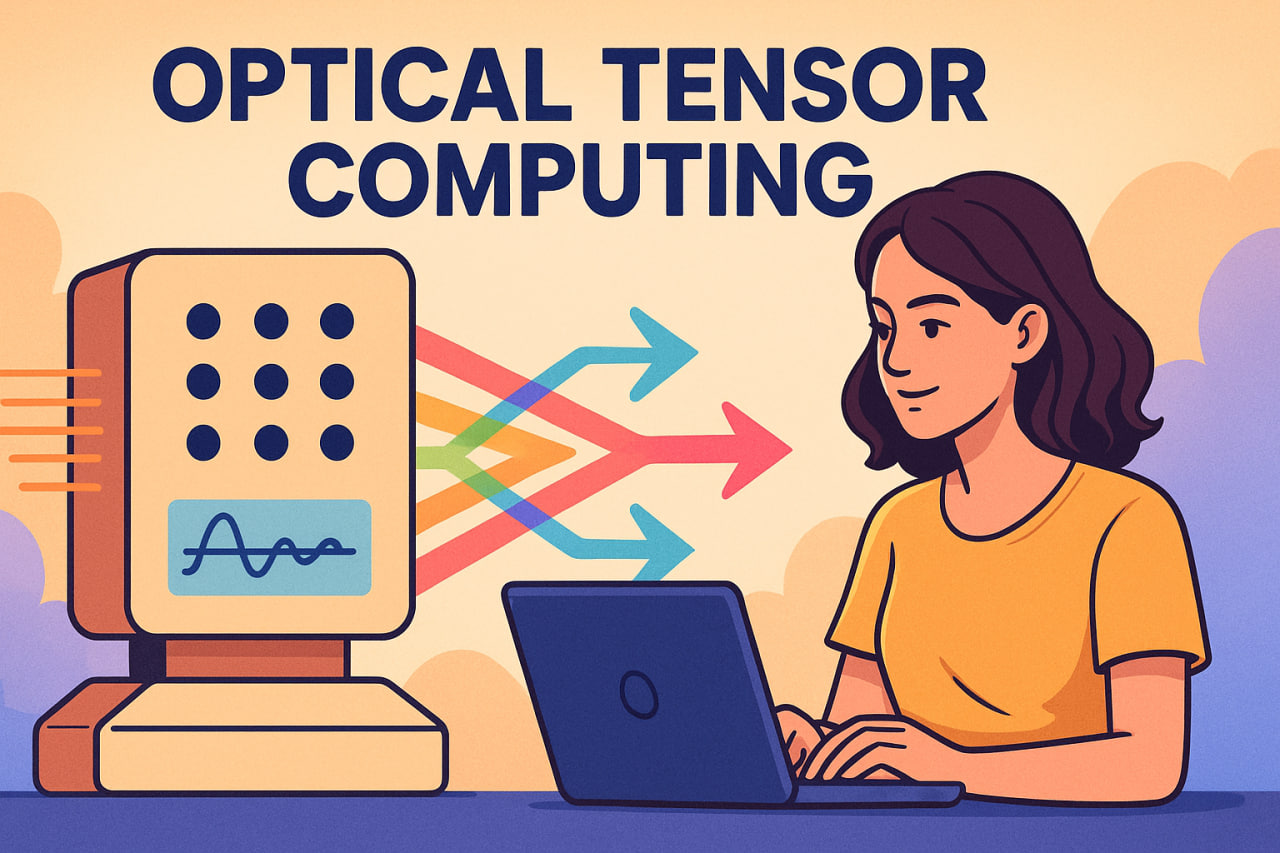
Optical tensor computing represents a breakthrough approach to performing complex mathematical operations using light instead of traditional electronic circuits. This technology relies on photonic components to process multidimensional data structures—known as tensors—at unprecedented speeds and with significantly lower energy consumption. Because photons travel faster and generate far less heat than electrons, optical systems can execute massive parallel computations more efficiently, making them especially valuable for fields such as artificial intelligence, scientific simulations, and large-scale data analytics. Many researchers believe that optical tensor processors will eventually complement or even surpass conventional semiconductor-based accelerators in certain applications. At the same time, experts caution that while optical systems offer impressive speed advantages, they must be carefully engineered to integrate reliably with existing computing infrastructure. As development continues, optical tensor computing stands out as one of the most promising directions in next-generation computational technology.

AI in Construction
Hi-Tech Science AI

AI in Construction

Artificial intelligence is rapidly transforming the construction industry, offering new possibilities for improving efficiency, safety, and project management. Modern construction projects generate massive amounts of data, from material estimates to structural measurements, and AI provides the tools needed to analyze this information quickly and accurately. The implementation of AI also helps reduce human error by automating repetitive tasks and providing predictive insights that guide decision-making. As a result, construction companies are increasingly adopting AI-driven systems to streamline operations and optimize resources. At the same time, experts emphasize that AI is not a replacement for skilled professionals but rather a tool that enhances their abilities. The careful integration of AI ensures that construction remains innovative, reliable, and aligned with global technological standards.

How Internal Combustion Engines Work
Hi-Tech Science Be Smart

How Internal Combustion Engines Work

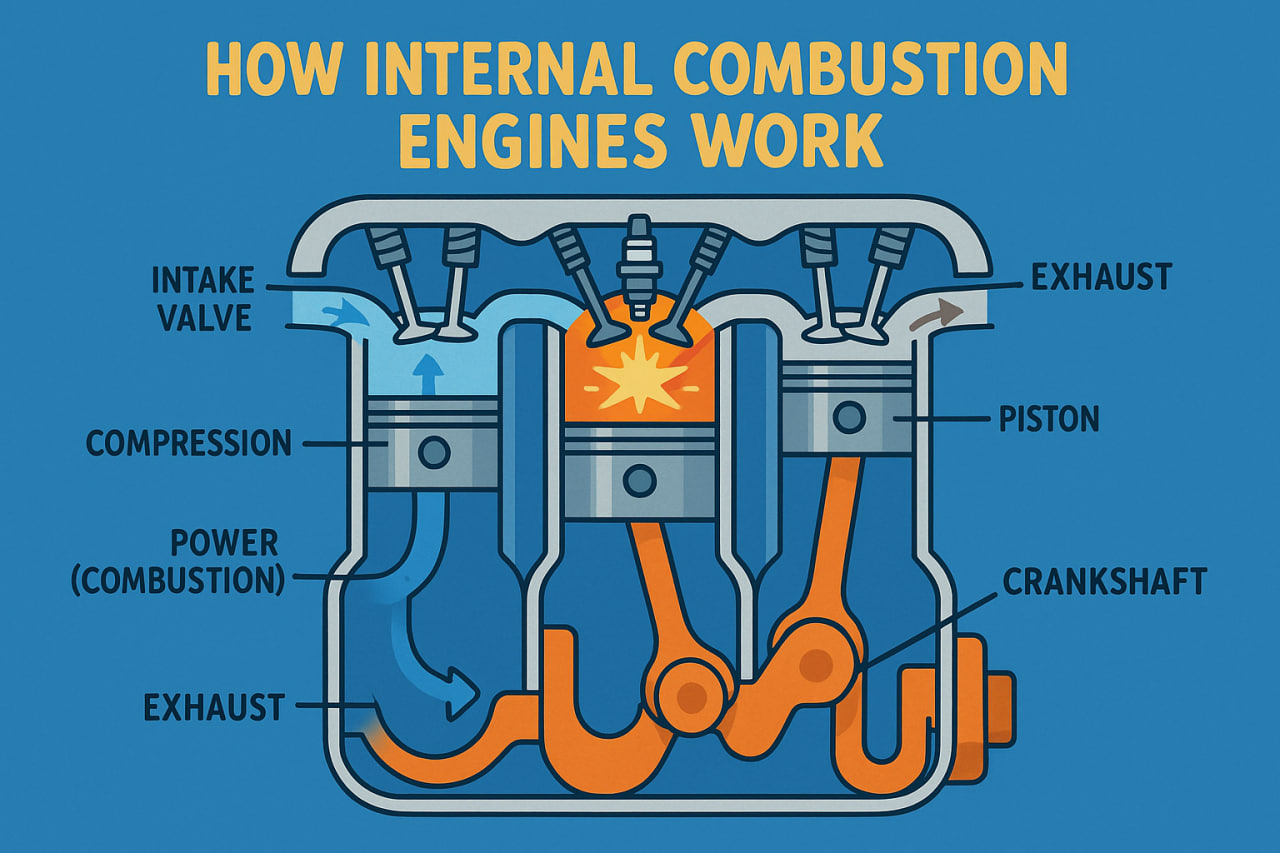
Every time you start your car or ride a motorcycle, a complex series of explosions happens beneath the hood — safely and efficiently. This is the work of the internal combustion engine (ICE), one of the most important inventions in human history. Despite growing electric alternatives, internal combustion engines still power most vehicles around the world today.

LiDAR: How Light Reveals the Hidden Shape of the World
Hi-Tech Smart Technology Science

LiDAR: How Light Reveals the Hidden Shape of the World

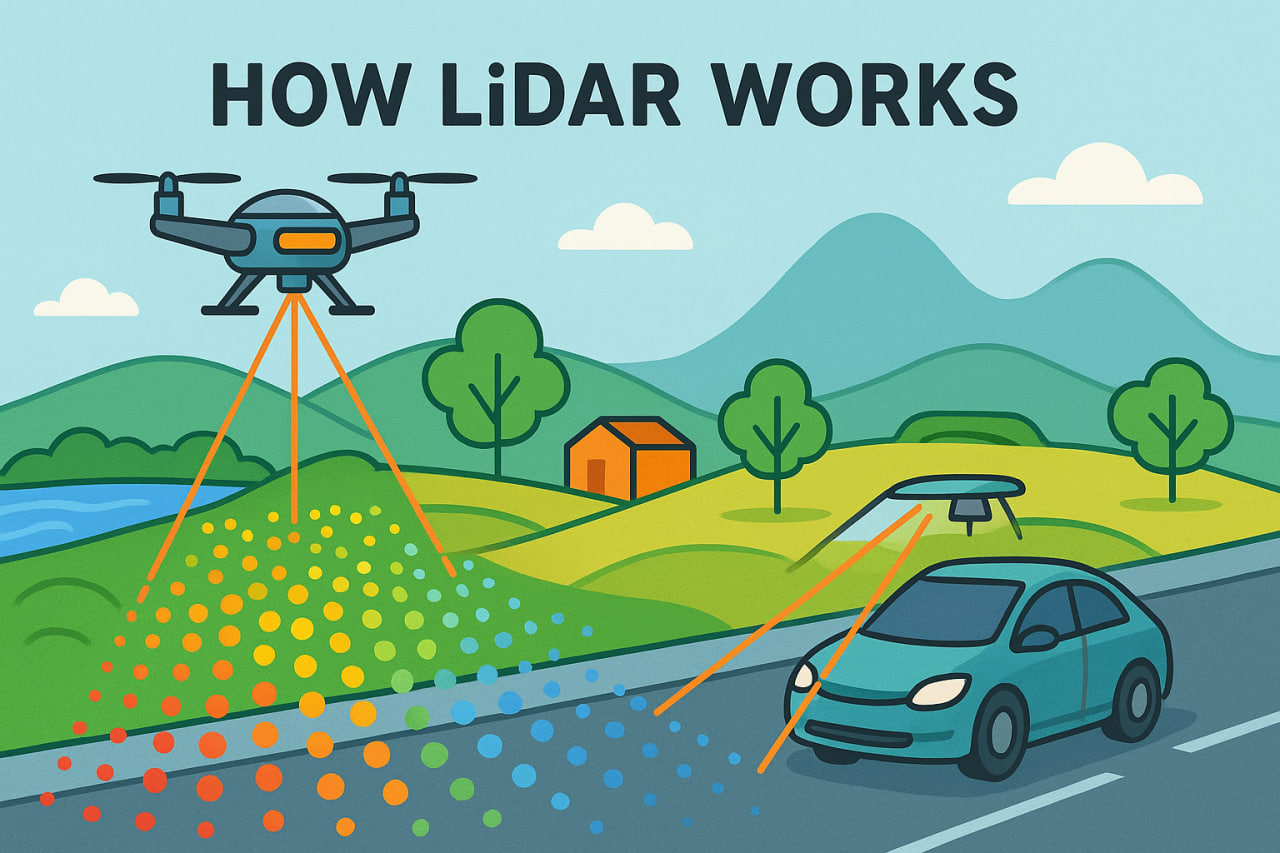
From mapping distant planets to guiding self-driving cars, LiDAR technology has revolutionized how humans see and understand their surroundings. Using beams of light instead of traditional photography, LiDAR (Light Detection and Ranging) allows scientists, engineers, and explorers to capture the world in breathtaking three-dimensional detail.

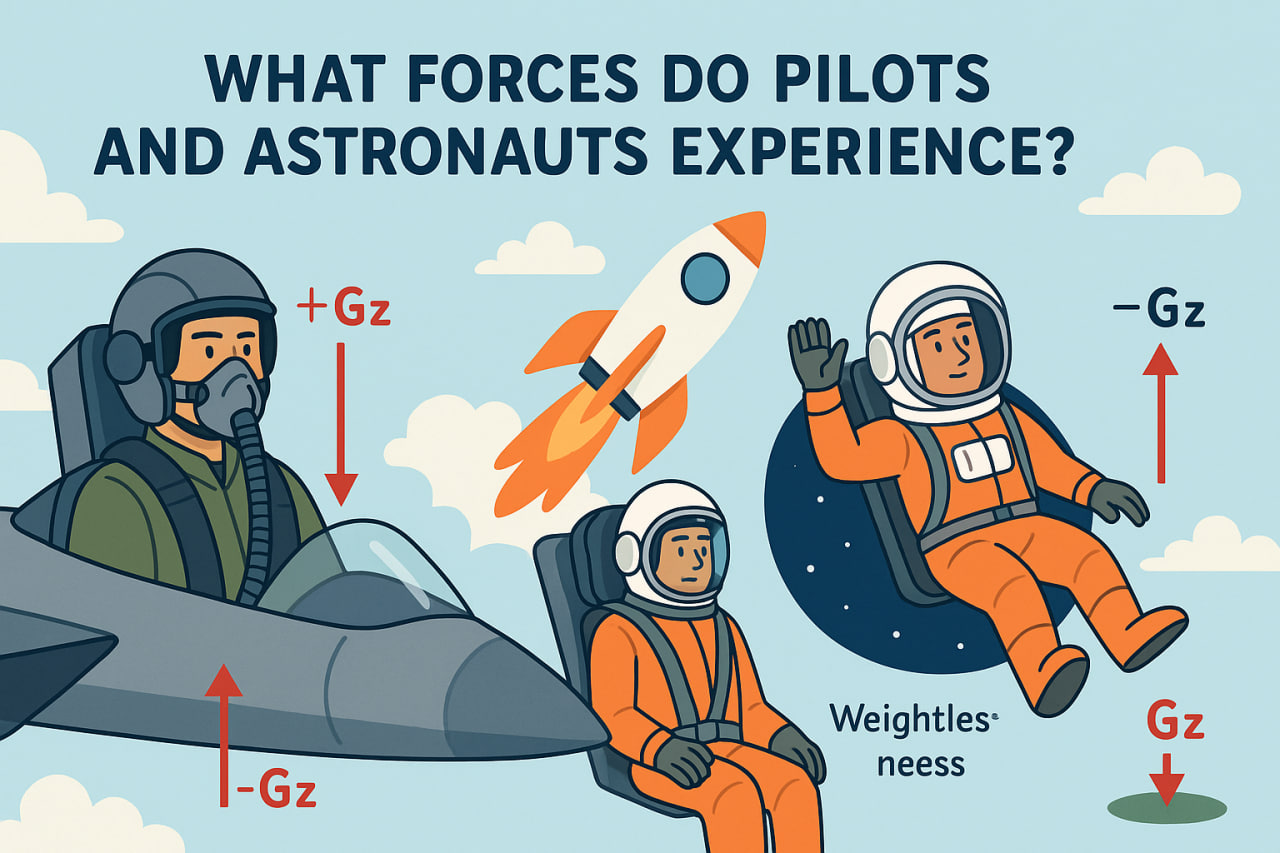
What Forces Do Pilots and Astronauts Experience?
Space Stories Science Be Smart

What Forces Do Pilots and Astronauts Experience?

When airplanes soar through the sky or rockets launch into space, the people inside are subjected to incredible forces known as G-forces (gravitational loads). These forces push, pull, and compress the body in ways most of us can only imagine. For pilots and astronauts, managing these extreme conditions is not just about comfort — it’s about survival.

Plastic: A Modern Convenience with Lasting Consequences
Science New Discoveries Be Smart

Plastic: A Modern Convenience with Lasting Consequences

Plastic is one of humanity’s most revolutionary inventions — a lightweight, versatile, and inexpensive material that has changed nearly every aspect of modern life. From packaging and electronics to medicine and construction, it’s hard to imagine the world without it. Yet, the same properties that make plastic so useful also make it one of the most persistent pollutants on Earth.