Smart Technology

The Internet: How It Appeared and What Awaits Us in the Near Future
History Hi-Tech Smart Technology

The Internet: How It Appeared and What Awaits Us in the Near Future

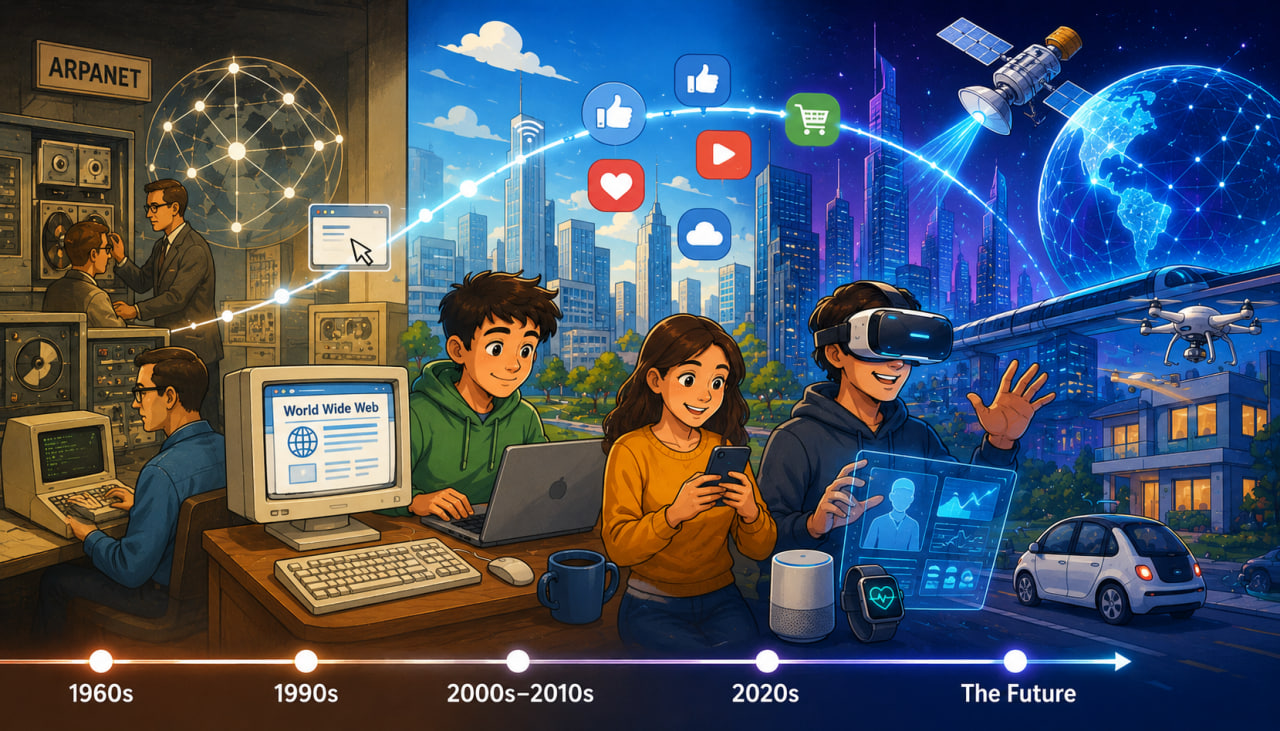
The internet is one of the most important inventions in human history. In just a few decades, it transformed communication, business, science, entertainment, education, and everyday life. Billions of people now rely on the internet daily for work, social interaction, shopping, banking, and access to information. Yet the internet did not begin as a global social network or entertainment platform. It started as a scientific and military research project designed to solve communication problems during the Cold War era. Over time, it evolved into a massive interconnected digital system linking nearly every part of modern civilization. Today, the internet continues changing rapidly due to: Artificial intelligence Cloud computing Smart devices Virtual reality Satellite networks Quantum technologies Many experts believe the next decades may transform the internet even more dramatically than its first years did.

What Is a VPN and Why Do People Use It?
Hi-Tech Smart Technology Be Smart

What Is a VPN and Why Do People Use It?

The modern internet connects billions of people every day, but most users rarely think about how their data travels across networks. Every website visit, online purchase, message, or search request moves through multiple systems before reaching its destination. During this process, internet traffic may potentially be monitored, analyzed, or intercepted by various parties. This is where VPN technology becomes important. A VPN (Virtual Private Network) is a technology designed to create a more private and secure connection between a user and the internet. VPNs are now widely used by: Businesses Remote workers Travelers Gamers Journalists Ordinary internet users VPN services became increasingly popular as concerns about: Privacy Cybersecurity Tracking Public Wi-Fi safety Data collection continue growing worldwide. Although VPNs do not make users completely anonymous or invulnerable, they play an important role in modern internet security and digital privacy.

Dating Algorithms: How Tinder and Modern Apps Choose Potential Partners for Us
Smart Technology AI Be Smart

Dating Algorithms: How Tinder and Modern Apps Choose Potential Partners for Us

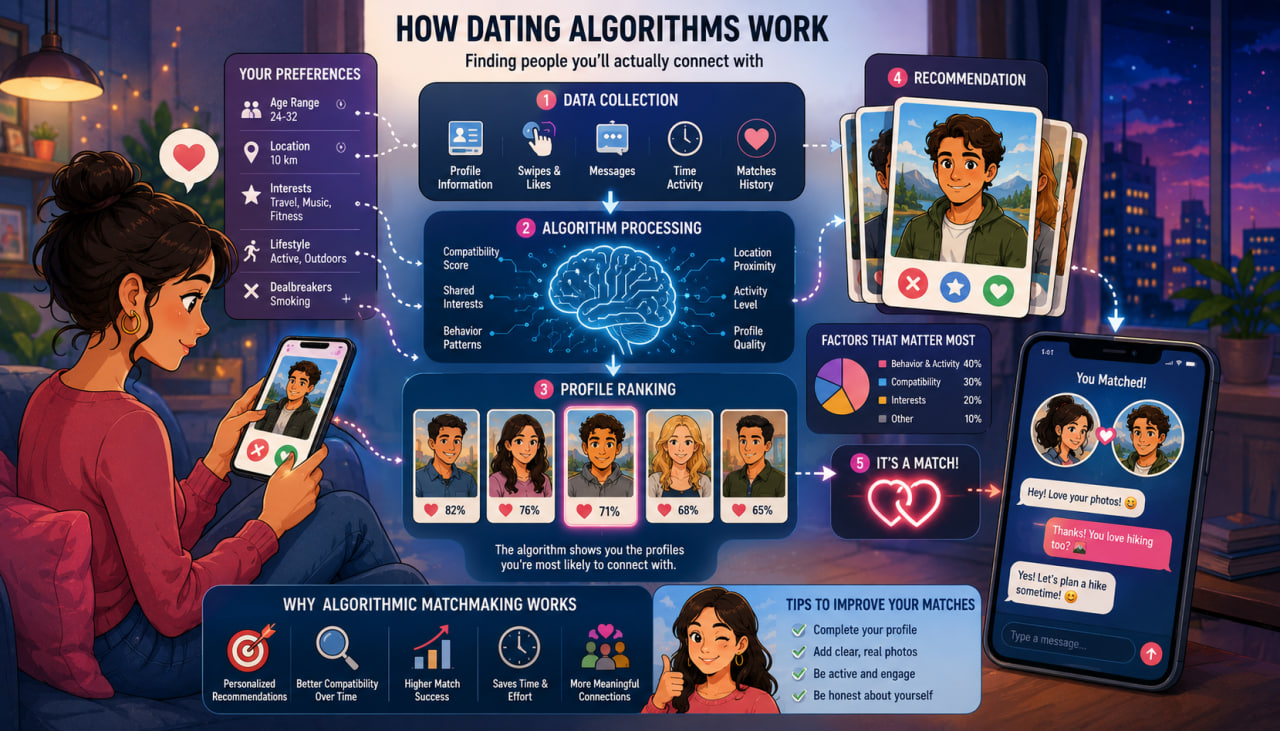
Modern dating has changed dramatically over the last decade. Instead of meeting through friends, workplaces, or random encounters, millions of people now rely on dating apps powered by complex algorithms. Platforms like Tinder, Bumble, Hinge, and others do much more than simply display random profiles — they actively analyze behavior, preferences, and interaction patterns to determine which people users are most likely to engage with. Behind every swipe lies a sophisticated digital system designed to maximize compatibility, attention, and user activity. These algorithms influence modern relationships in ways many people do not fully realize. So how do dating algorithms actually work, and how do apps decide who appears on your screen?

Digital Money: How It Appeared and Why It Is Changing the Global Economy
History Smart Technology New Discoveries

Digital Money: How It Appeared and Why It Is Changing the Global Economy

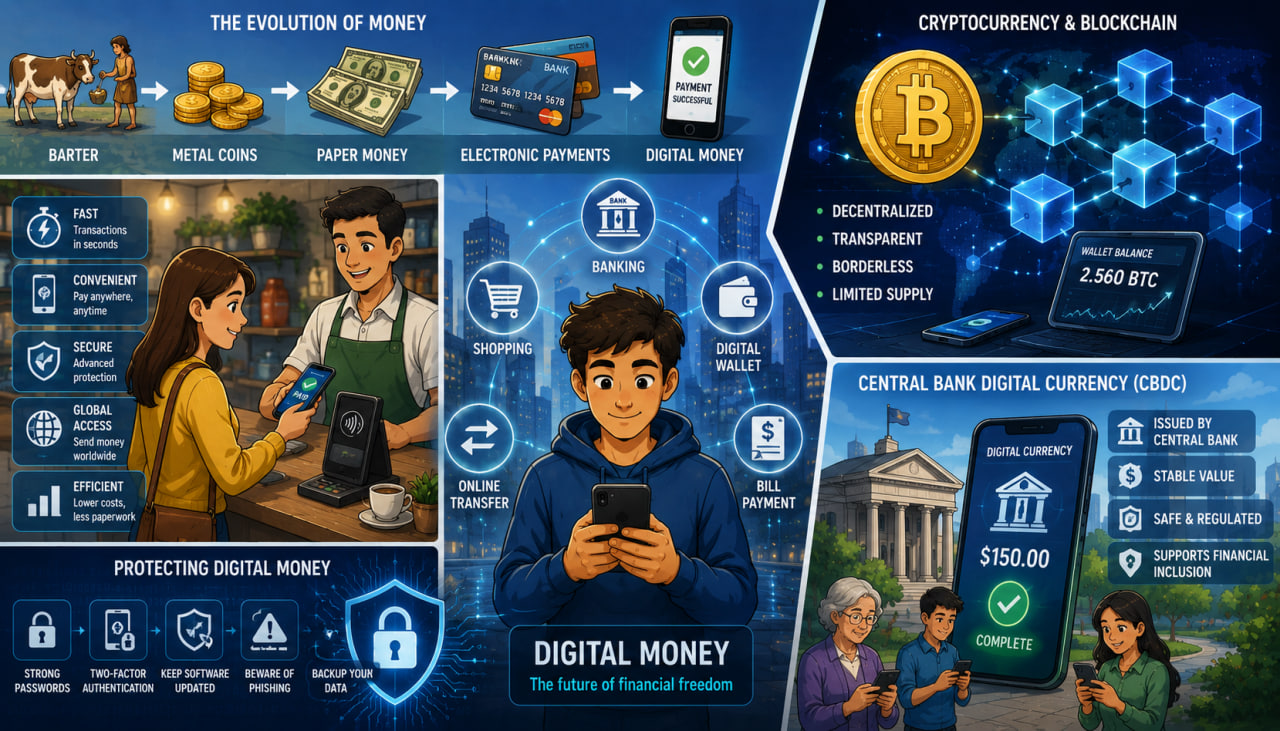
Money has evolved dramatically throughout human history. Ancient civilizations once relied on barter systems, then moved to metal coins, paper banknotes, and eventually electronic banking. Today, humanity is entering another major financial transformation — the era of digital money. Digital money is rapidly becoming a central part of modern economies. People increasingly pay using smartphones, bank apps, online transfers, cryptocurrencies, and contactless systems rather than physical cash. Governments, banks, and technology companies are investing billions into digital financial infrastructure, while economists debate how these technologies may reshape society. But what exactly is digital money, how did it emerge, and why do many experts believe it may become dominant in the future?

Blockchain: How a Decentralized Technology Could Transform the Digital World
Smart Technology AI & Ethics AI

Blockchain: How a Decentralized Technology Could Transform the Digital World

Blockchain is one of the most discussed technologies of the 21st century. Originally created as the foundation for cryptocurrencies like Bitcoin, blockchain has evolved far beyond digital money. Today, researchers, governments, banks, and technology companies are exploring how blockchain could reshape finance, security, digital ownership, supply chains, healthcare, and even voting systems. Supporters see blockchain as a revolutionary step toward a more transparent and decentralized internet. Critics argue that the technology still faces serious technical and regulatory challenges. Regardless of opinion, blockchain has already become one of the most influential technological concepts of the modern digital era.

Smart Dust: Could Tiny Flying Robots Fill the Air in the Future?
Hi-Tech Smart Technology Inventions

Smart Dust: Could Tiny Flying Robots Fill the Air in the Future?

Imagine billions of microscopic machines floating invisibly through the air, collecting information, monitoring the environment, communicating with each other, and possibly interacting with the world around them. This futuristic concept is known as smart dust — a network of extremely small sensors or micro-robots capable of sensing, processing, and transmitting data. Once considered science fiction, smart dust is now an active area of scientific research involving nanotechnology, robotics, wireless communication, and artificial intelligence. Researchers believe these microscopic systems could transform medicine, industry, environmental science, and even military technology. But could such tiny machines really one day fly through the air around us?

Bathyscaphes: How Humans Explore the Deepest Parts of the Ocean
Hi-Tech Smart Technology New Discoveries

Bathyscaphes: How Humans Explore the Deepest Parts of the Ocean

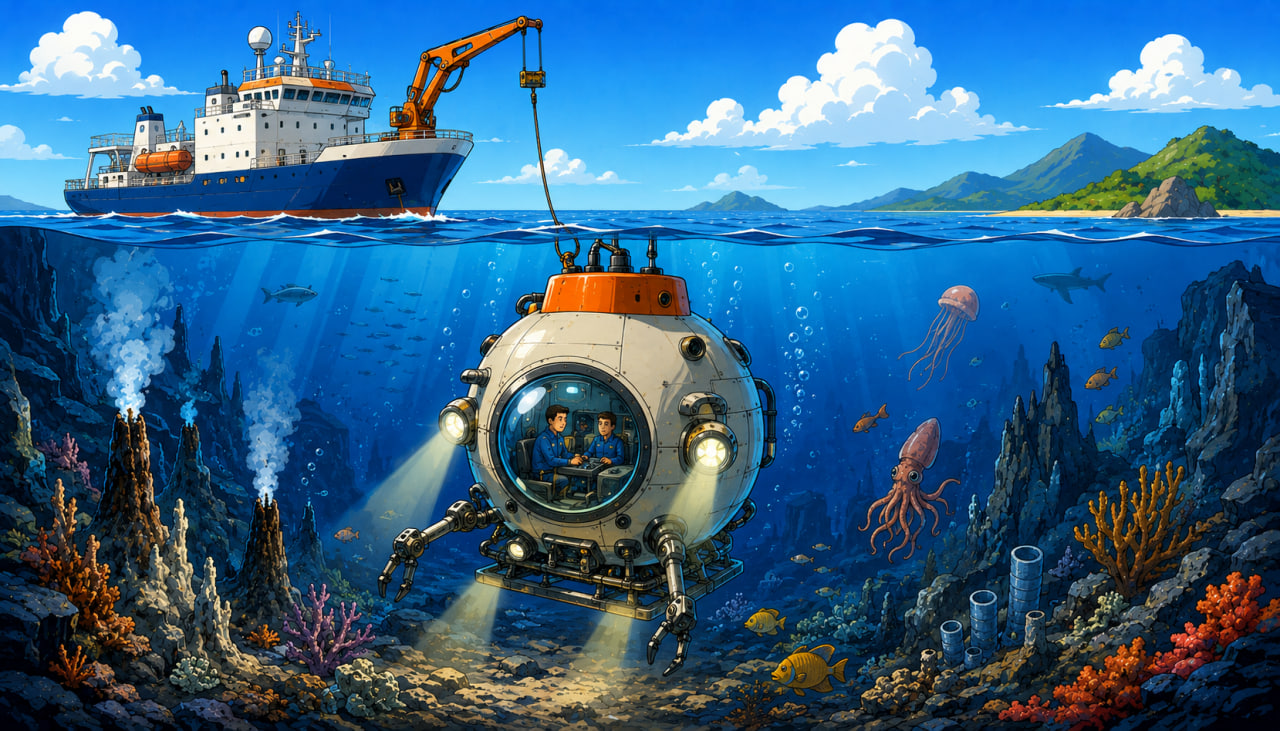
The deep ocean is one of the most mysterious and extreme environments on Earth. Sunlight disappears within a few hundred meters below the surface, while pressure increases to crushing levels. To explore these dangerous depths, scientists and engineers developed special underwater vehicles called bathyscaphes. These remarkable machines allow humans to descend thousands of meters into the ocean and study places that were once completely inaccessible. Bathyscaphes demonstrate how advanced engineering can help humanity explore one of the least understood regions of our planet.

How a Submarine Works: The Technology Behind Underwater Giants
Hi-Tech Smart Technology Inventions

How a Submarine Works: The Technology Behind Underwater Giants

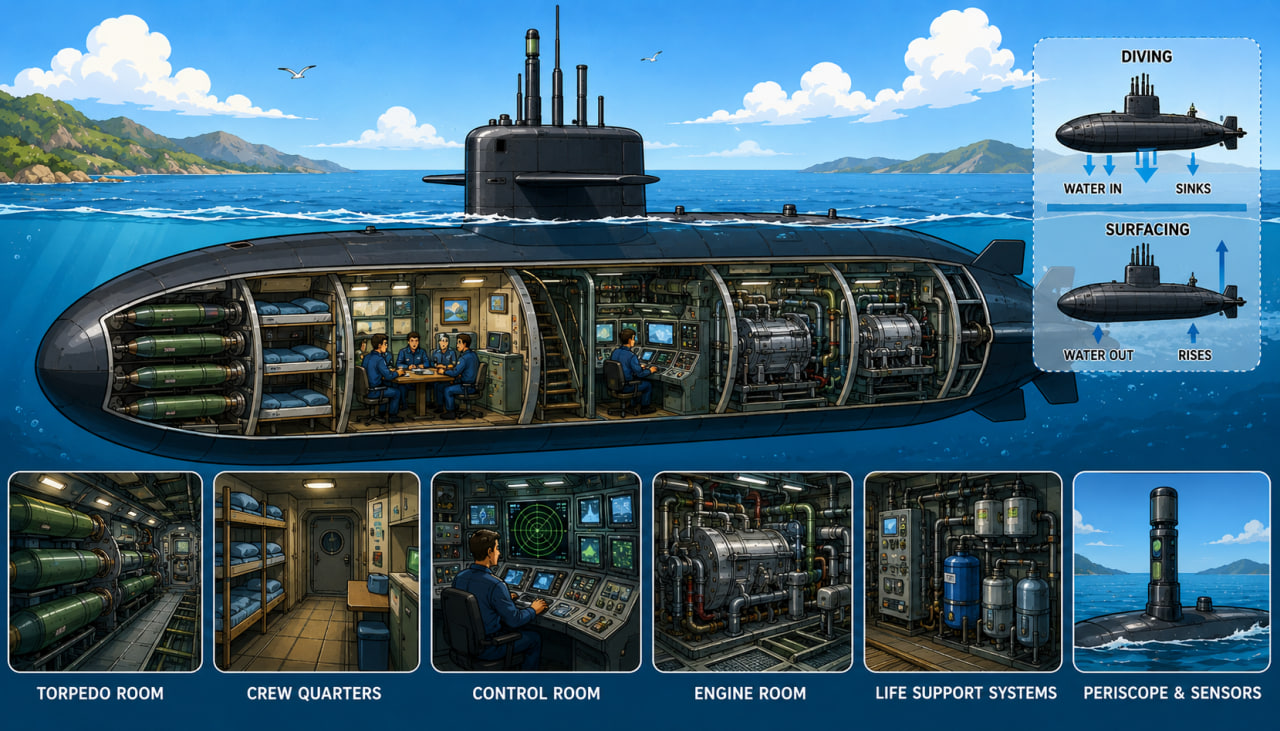
Submarines are among the most advanced engineering machines ever created. Designed to operate deep underwater for long periods, submarines combine physics, navigation systems, life-support technology, and powerful propulsion systems into a highly specialized vessel. From military defense to scientific exploration, submarines play an important role in the modern world. Understanding how they work reveals how humans mastered one of the most hostile environments on Earth — the deep ocean.

Modern Ships: What Has Changed Over the Last 100 Years?
History Hi-Tech Smart Technology

Modern Ships: What Has Changed Over the Last 100 Years?

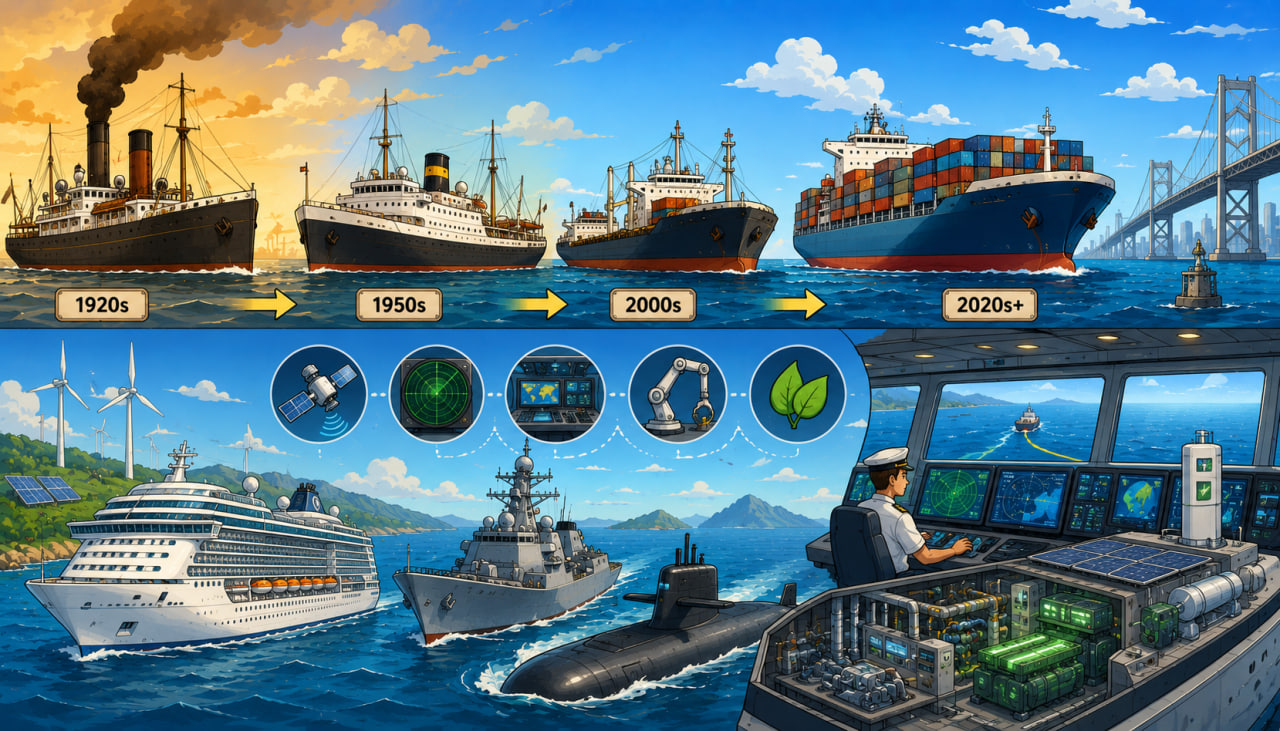
Ships have played a crucial role in human civilization for thousands of years, connecting continents, transporting goods, enabling exploration, and supporting global trade. Over the past century, ship technology has evolved dramatically. Modern vessels are faster, safer, larger, more efficient, and far more technologically advanced than ships from the early 20th century. Understanding these changes reveals how engineering, automation, and globalization transformed maritime transportation.

Water Desalination: How Humans Turn Seawater Into Drinking Water
Hi-Tech Smart Technology Inventions

Water Desalination: How Humans Turn Seawater Into Drinking Water

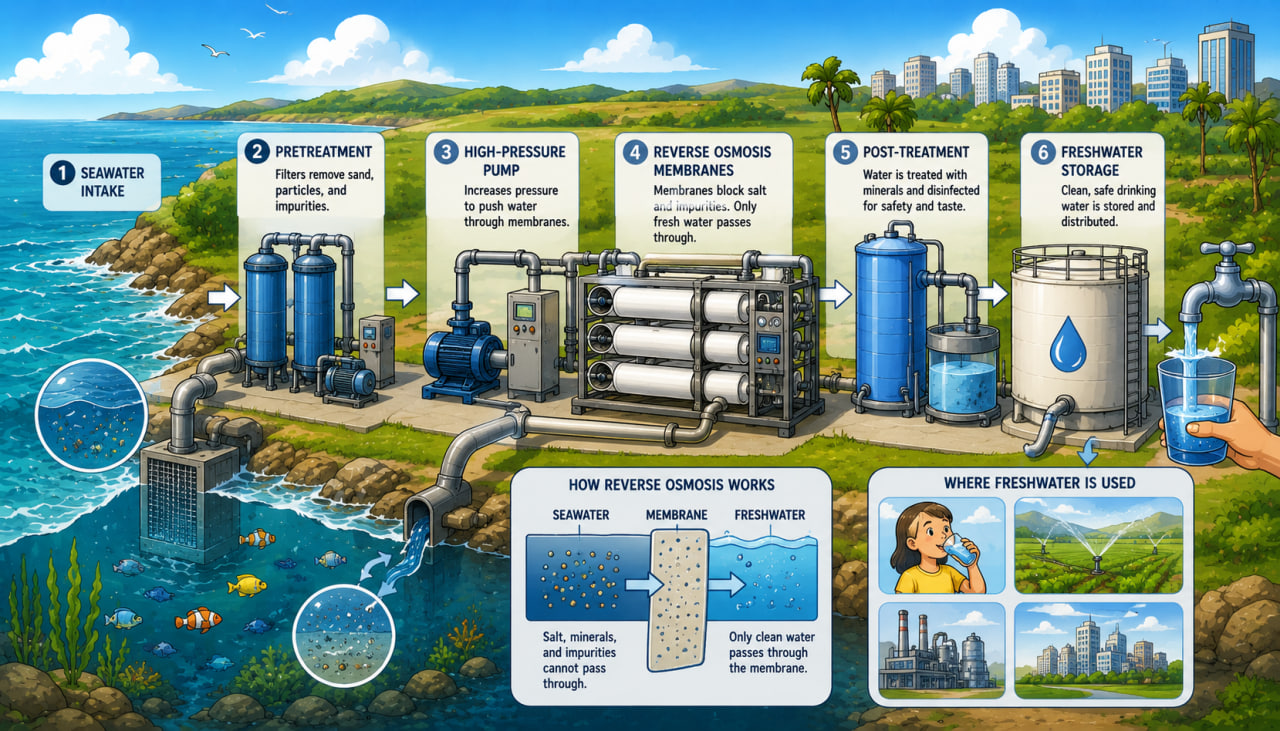
Freshwater shortages are becoming one of the biggest global challenges of the modern era. As populations grow and climate change affects natural water supplies, many countries are turning to desalination technology to produce clean drinking water from the ocean. Desalination plants already provide water for millions of people worldwide. Understanding how desalination works reveals how science and engineering can help solve critical environmental problems.