How Air Ionization Influences the Electrostatic Charge of Microplastics and Nanoplastics
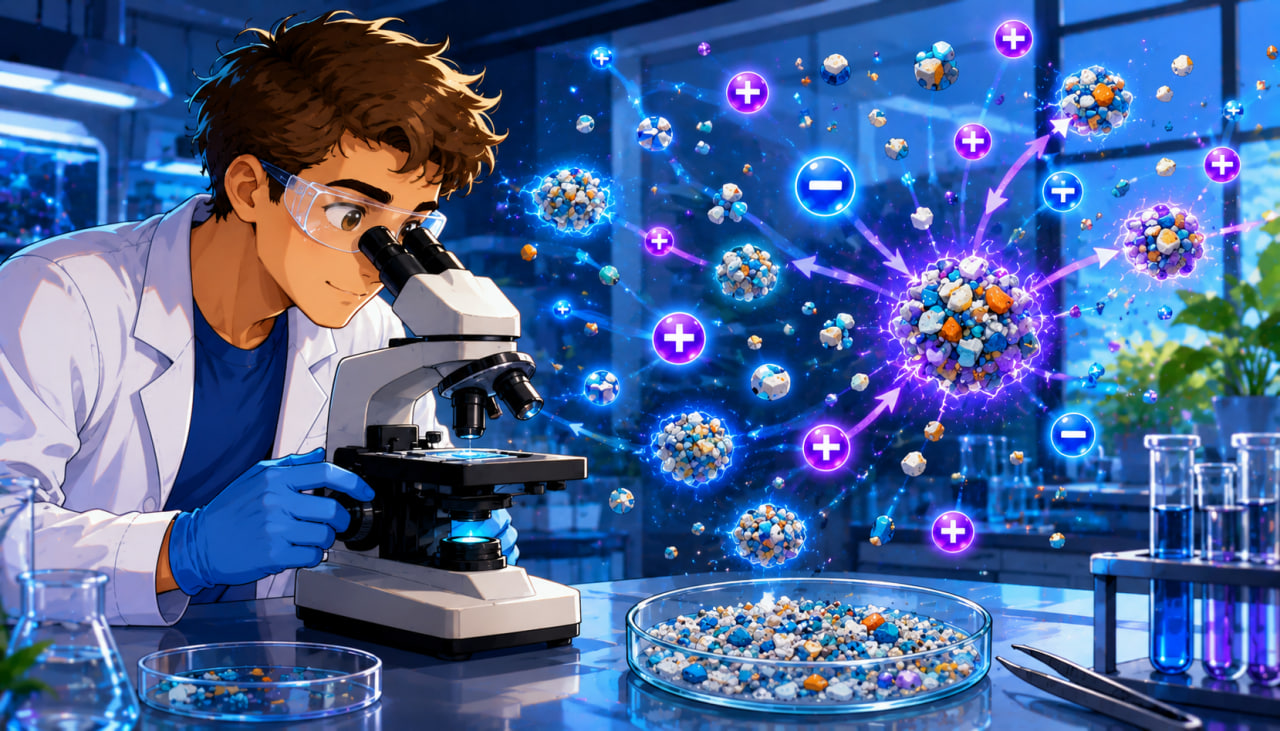
Microplastics and nanoplastics have become some of the most intensively studied environmental pollutants of the 21st century. These tiny plastic particles are found in oceans, rivers, soil, food, drinking water, and even the air we breathe. While much attention has focused on their chemical composition and biological effects, scientists are increasingly interested in another important property: electrostatic charge. Many airborne plastic particles naturally acquire electrical charges through friction, sunlight exposure, atmospheric interactions, and industrial processes. Air ionization can significantly alter these charges, influencing how microplastics and nanoplastics move, aggregate, settle, and interact with living organisms. Understanding this relationship is important for environmental science, pollution control, indoor air quality, and future technologies designed to remove plastic particles from the atmosphere.