Smart Technology

Human-Cell Processors: Building Computers From Living Tissue
Neuro-Tech Hi-Tech Bioengineering

Human-Cell Processors: Building Computers From Living Tissue

Human-cell processors, sometimes called bio-computers or organoid-based processors, are an emerging technology that uses living human cells as the core of a computing system instead of traditional silicon transistors. In most experimental designs, tiny clusters of brain-like cells are grown in the lab and connected to electronic interfaces that can send signals in and read activity out. These living networks are capable of learning, adapting, and processing information in ways that resemble biological brains rather than conventional computers. The goal is not to replace digital chips completely, but to explore new kinds of computation that are more energy-efficient and better at tasks such as pattern recognition, decision-making, and learning from experience. At the same time, these systems raise important ethical, technical, and safety questions that scientists must address carefully as the field develops.
Nanotechnology: Transforming the World One Atom at a Time
Hi-Tech Smart Technology Science

Nanotechnology: Transforming the World One Atom at a Time

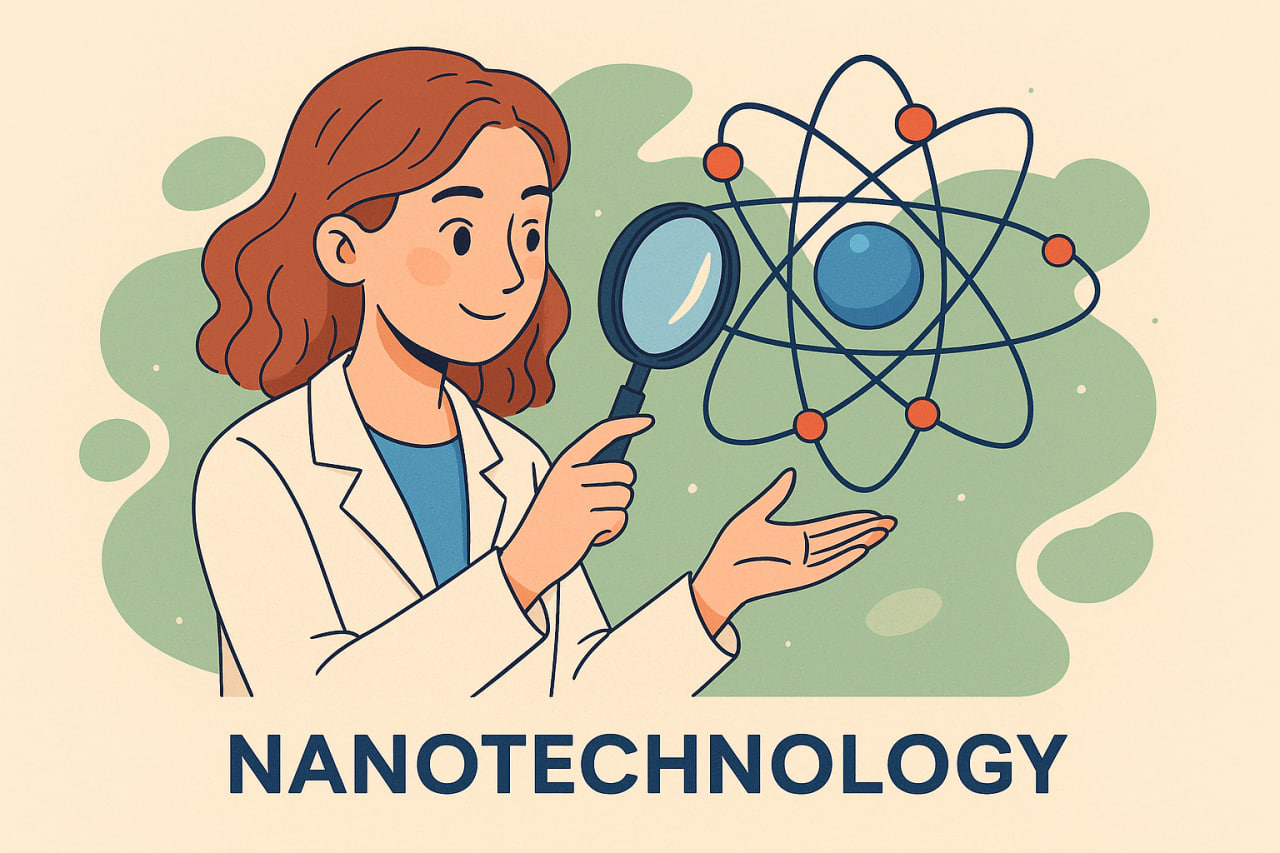
Nanotechnology is the science and engineering of manipulating matter at the scale of atoms and molecules, typically between 1 and 100 nanometers. At this incredibly small scale, materials behave in ways that differ dramatically from their larger counterparts, displaying unique optical, electrical, mechanical, and chemical properties. These unusual behaviors allow scientists to design new materials and devices that revolutionize medicine, electronics, energy production, environmental protection, and manufacturing. Nanotechnology is not a single field but an interdisciplinary fusion of physics, chemistry, biology, and engineering — giving it the power to reshape entire industries. As research accelerates, nanotechnology continues to push the boundaries of what is physically possible, offering groundbreaking opportunities and raising important questions about safety, ethics, and responsible innovation.

Nanorobots: The Microscopic Machines Transforming Technology
Hi-Tech Bioengineering Smart Technology

Nanorobots: The Microscopic Machines Transforming Technology

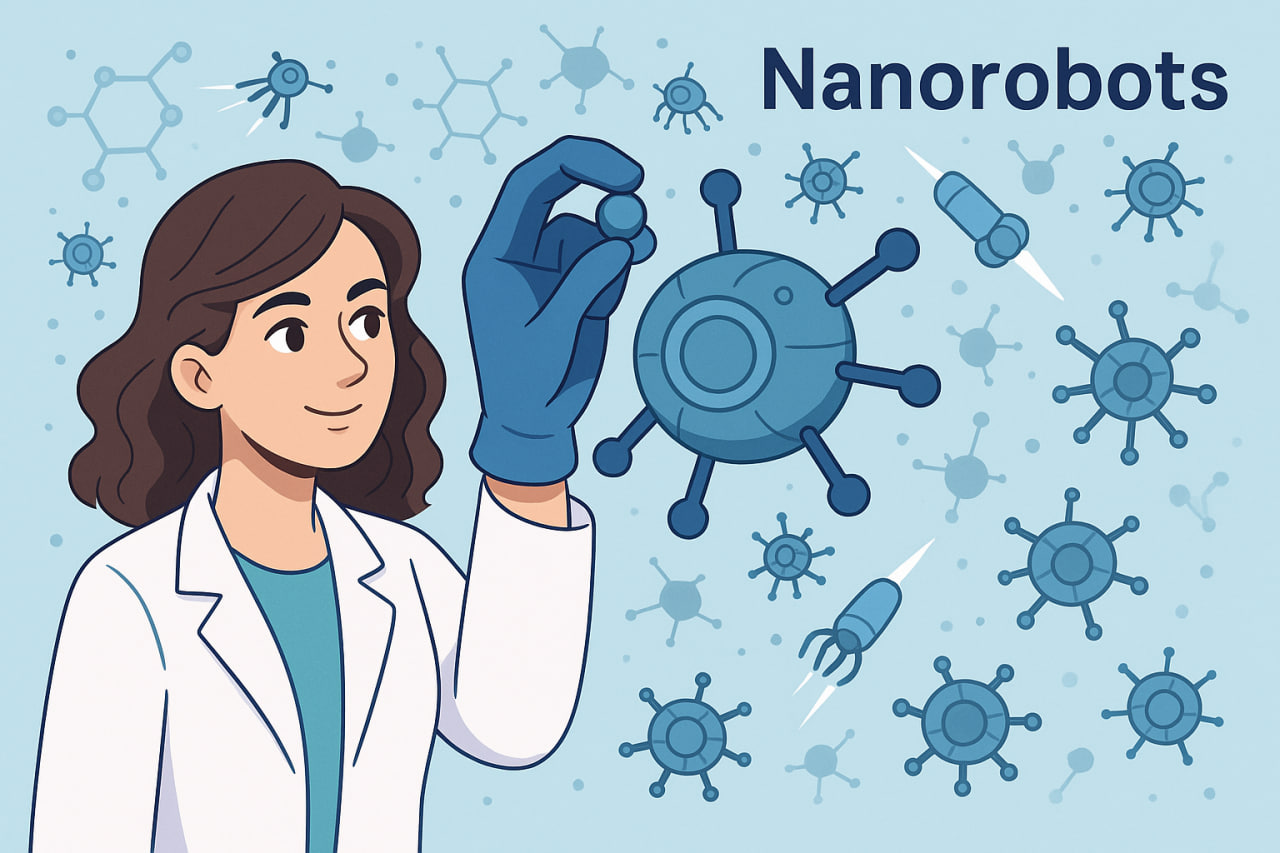
Nanorobots — tiny machines measured in billionths of a meter — represent one of the most revolutionary frontiers in modern science. Operating at scales comparable to molecules and viruses, these microscopic devices have the potential to transform medicine, manufacturing, environmental protection, and even computing. Although many concepts are still experimental, rapid advances in materials science, artificial intelligence, and molecular engineering are bringing the era of practical nanorobotics closer than ever. Nanorobots are designed to perform tasks that are impossible for larger machines, such as navigating inside the human body, assembling structures atom by atom, or detecting pollutants with extreme precision. Their development highlights how innovation can reshape our understanding of technology at the most fundamental level.

Living Electronics: The Future of Bio-Integrated Technology
Hi-Tech Bioengineering Smart Technology

Living Electronics: The Future of Bio-Integrated Technology

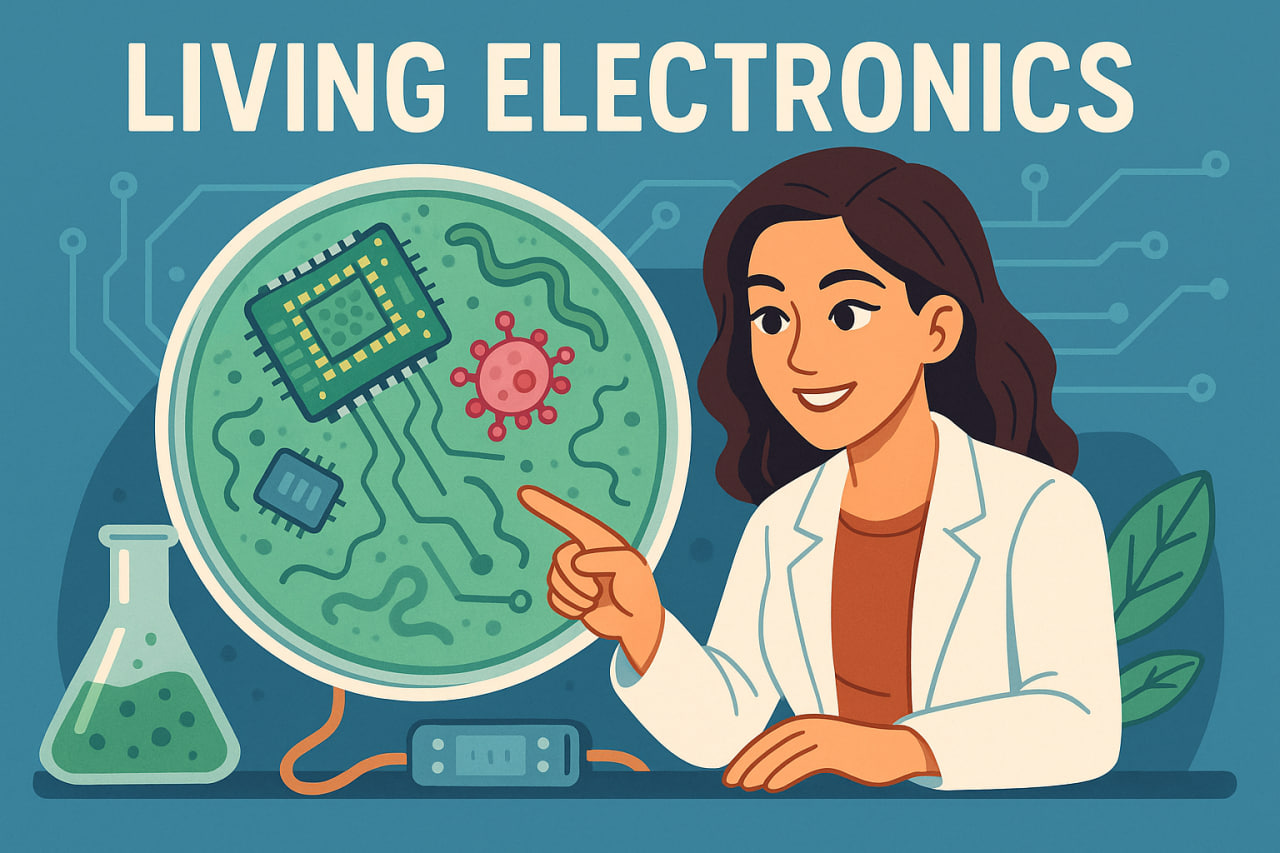
Living electronics, also known as bio-electronics or biological electronic systems, represent a rapidly evolving field that integrates living cells, biological materials, and electronic components into hybrid devices. This emerging technology explores how biological processes can be combined with electronic circuits to create systems that are more adaptive, energy-efficient, and capable of complex sensory functions. Unlike conventional electronics, which rely on synthetic materials and rigid structures, living electronics take advantage of the self-healing, flexible, and environmentally responsive properties of biological tissues or cells. Researchers believe that these innovations will play a major role in future medical diagnostics, environmental monitoring, soft robotics, and implantable devices. Understanding the principles behind living electronics provides insight into how biology and engineering are merging to form a new generation of technological solutions.

Atomic Clocks: The Most Precise Timekeepers in Human History
Hi-Tech Smart Technology New Discoveries

Atomic Clocks: The Most Precise Timekeepers in Human History

Atomic clocks are the most accurate timekeeping devices ever invented, capable of measuring time with extraordinary precision by tracking the natural vibrations of atoms. Unlike mechanical or quartz clocks, which rely on physical movement or crystal oscillation, atomic clocks use electromagnetic transitions within atoms, most commonly cesium or rubidium. These atomic oscillations are incredibly stable, allowing scientists to define the second based on the frequency of these transitions. Because of their unmatched accuracy, atomic clocks serve as the foundation of global navigation systems, telecommunications networks, scientific research, and international time standards. Their development represents a major milestone in physics and engineering, enabling technological advances that depend on nanosecond-level precision. Understanding how atomic clocks work reveals the extraordinary science behind modern timekeeping and the role they play in shaping today’s technological world.

Nikola Tesla’s Most Famous Inventions and Innovations
History Smart Technology Science

Nikola Tesla’s Most Famous Inventions and Innovations

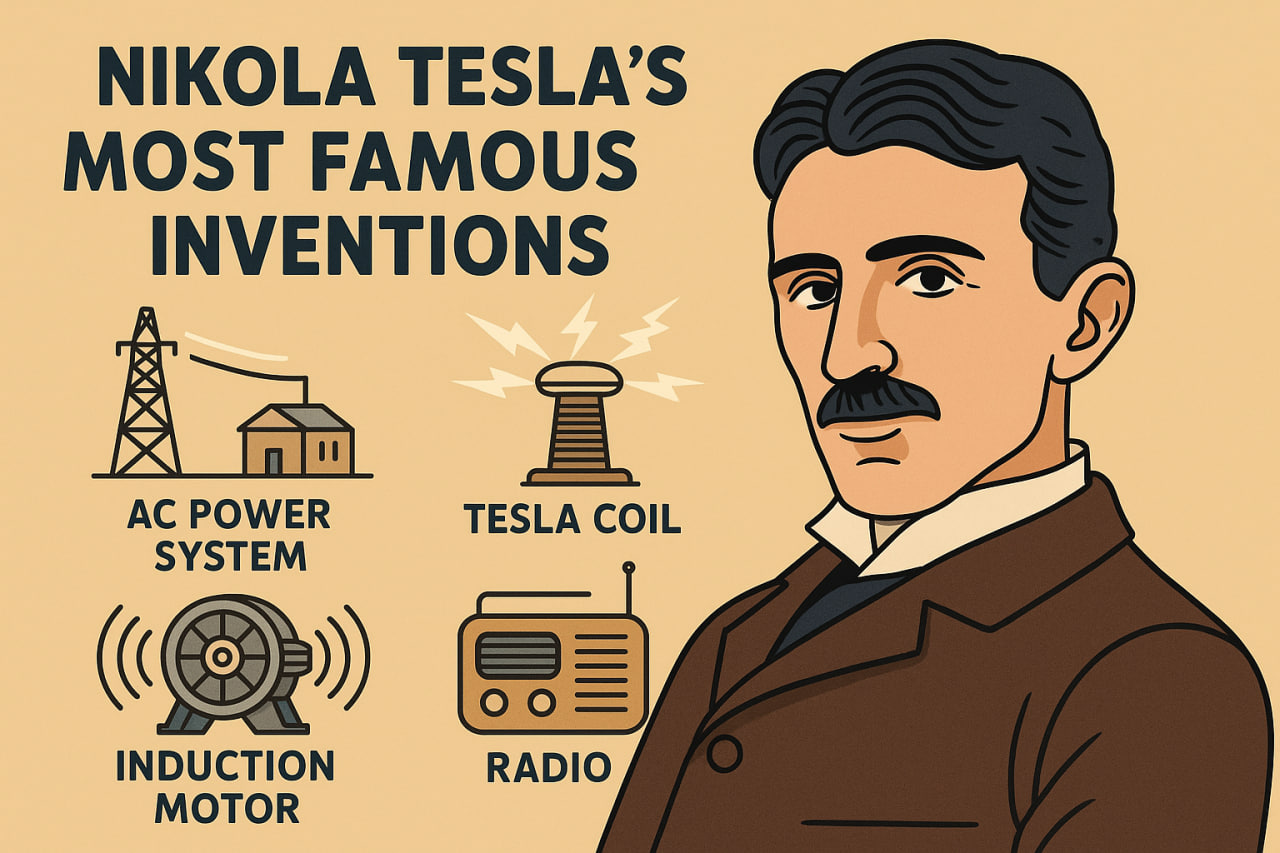
Nikola Tesla is regarded as one of the most influential inventors in history, whose ideas continue to shape modern technology more than a century later. His work laid the foundations for alternating current power distribution, wireless communication, radio systems, high-frequency electronics, and numerous visionary concepts far ahead of their time. Tesla approached science with exceptional imagination, combining deep theoretical knowledge with bold experimentation. Many of his innovations solved fundamental engineering problems that were limiting progress in the late 19th and early 20th centuries. Today, Tesla’s technologies are integrated into global power grids, communication networks, and scientific research facilities. Historians emphasize that Tesla’s legacy represents the bridge between early electrical engineering and the technological world we now inhabit.

Nikola Tesla and Atmospheric Electricity Collectors
History Smart Technology Science

Nikola Tesla and Atmospheric Electricity Collectors

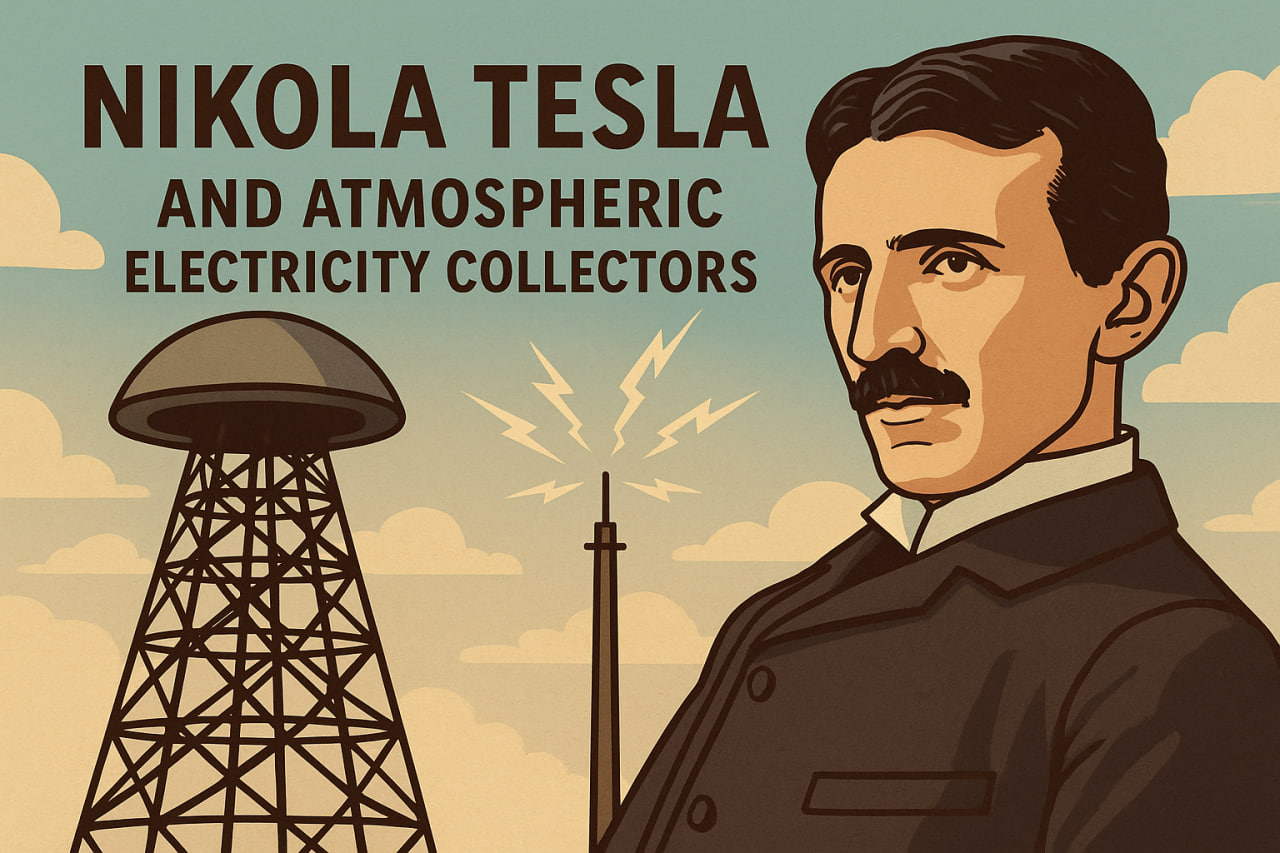
Nikola Tesla’s experiments with atmospheric electricity collectors remain one of the most intriguing chapters in the history of electrical engineering. Tesla believed that Earth’s atmosphere contained vast stores of electrical energy that could be captured and transmitted without traditional fuel sources. Throughout the late 19th and early 20th centuries, he conducted numerous experiments involving high-frequency currents, elevated conductive plates, and resonant transformers designed to tap into natural electrical potentials. Although many of Tesla’s patents and laboratory notes describe his concepts in detail, the full technical feasibility of his atmospheric collectors remains a subject of debate among historians and engineers. Even so, his pioneering research laid foundational ideas for modern wireless energy transfer and environmental energy harvesting. Tesla’s atmospheric electricity concepts continue to inspire scientists, inventors, and enthusiasts exploring alternative methods of clean power generation today.

Fuel-Free Energy: Modern Developments and Emerging Technologies
Hi-Tech Smart Technology Science

Fuel-Free Energy: Modern Developments and Emerging Technologies

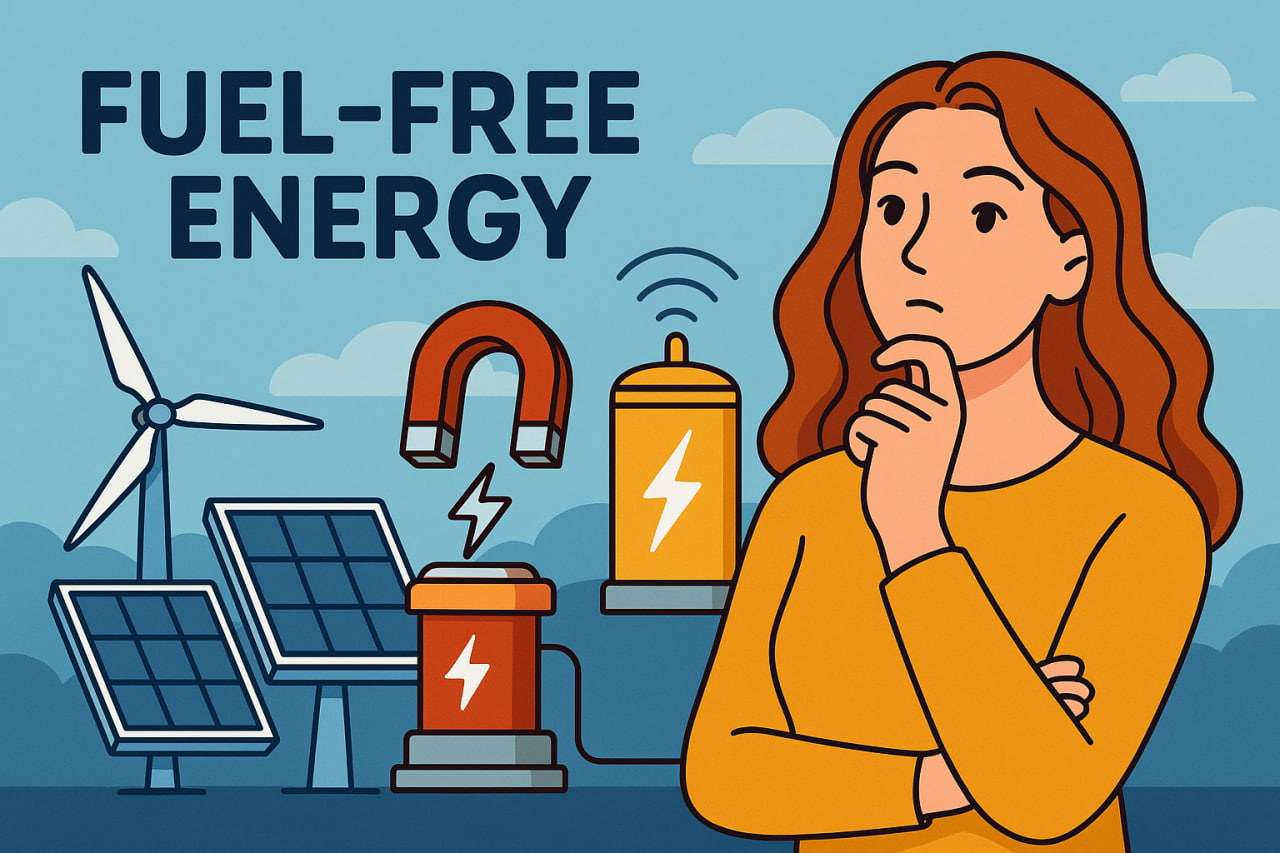
Fuel-free energy represents one of the most ambitious areas of modern scientific research, focusing on ways to generate power without traditional fossil fuels or consumable energy sources. This field includes technologies that harness natural physical phenomena, such as magnetic fields, ambient heat, atmospheric electricity, and zero-point energy. While many concepts remain theoretical or experimental, researchers worldwide continue exploring solutions that could drastically reduce humanity’s dependence on conventional energy systems. Some scientists argue that fuel-free approaches may complement renewable energy rather than replace it, helping stabilize grids and reduce environmental impact. However, experts also emphasize that rigorous testing, peer-reviewed studies, and transparent methodology are essential to distinguish real scientific progress from unverified claims. Understanding current developments allows us to identify which technologies show genuine potential and which remain purely speculative.

LiDAR: How Light Reveals the Hidden Shape of the World
Hi-Tech Smart Technology Science

LiDAR: How Light Reveals the Hidden Shape of the World

From mapping distant planets to guiding self-driving cars, LiDAR technology has revolutionized how humans see and understand their surroundings. Using beams of light instead of traditional photography, LiDAR (Light Detection and Ranging) allows scientists, engineers, and explorers to capture the world in breathtaking three-dimensional detail.

Humanoid Robots: The Future of Human-Like Machines
Hi-Tech Smart Technology AI & Ethics

Humanoid Robots: The Future of Human-Like Machines

From science fiction dreams to real-world innovation, humanoid robots have evolved into some of the most advanced technologies of the modern era. Designed to look and move like humans, these robots are not only reshaping industries but also redefining how we think about work, companionship, and the boundaries between humans and machines.