Smart Technology

QKD: Quantum Key Distribution and the Future of Secure Communication
Hi-Tech Smart Technology New Discoveries

QKD: Quantum Key Distribution and the Future of Secure Communication

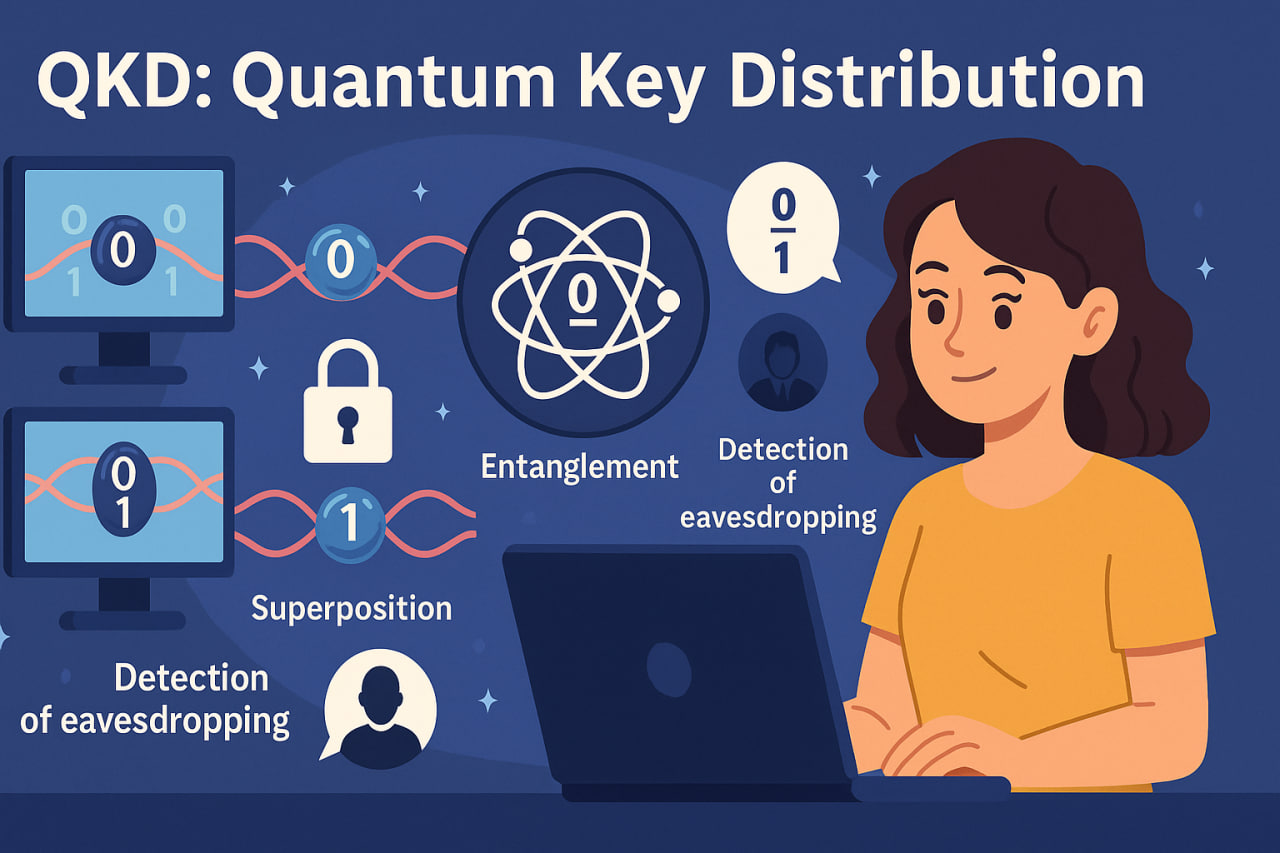
Quantum Key Distribution (QKD) is one of the most groundbreaking technologies in quantum communication, offering an entirely new level of security based on the principles of quantum physics. Unlike traditional cryptographic systems—which rely on mathematical complexity—QKD uses the behavior of quantum particles to create encryption keys that cannot be intercepted or copied without detection. This makes QKD an essential tool for protecting sensitive information in finance, government, medicine, and global communications. As cyber threats grow and classical systems face the future challenge of quantum computers, QKD stands out as a powerful and future-proof solution for secure digital exchange.
Molecular Memory: How Molecules Store Information and What This Means for the Future of Technology
Hi-Tech Smart Technology New Discoveries

Molecular Memory: How Molecules Store Information and What This Means for the Future of Technology

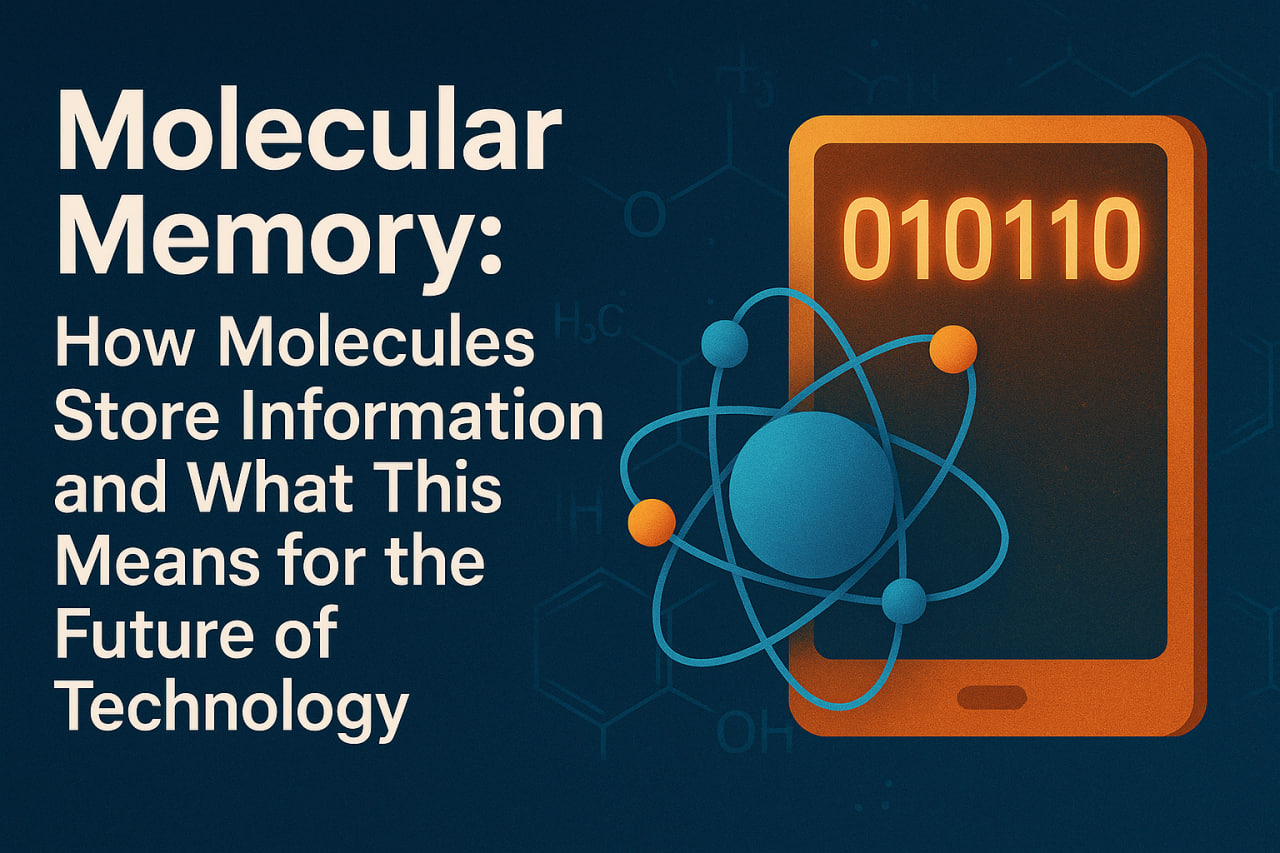
Molecular memory is an emerging scientific field that explores how information can be encoded, stored, and retrieved at the molecular level. Instead of relying on traditional electronic circuits, molecular memory systems use the physical or chemical states of molecules — such as shape, charge, or bonding arrangement — to hold data. This radically different approach offers the potential for ultra-dense, energy-efficient, and long-lasting data storage technologies. As digital information grows exponentially, scientists are searching for ways to surpass the physical limits of conventional semiconductor memory. Molecular memory could become a key solution.

The Newest Developments in Fuel-Free Energy Technologies: What Science Is Actually Exploring
Hi-Tech Smart Technology Science

The Newest Developments in Fuel-Free Energy Technologies: What Science Is Actually Exploring

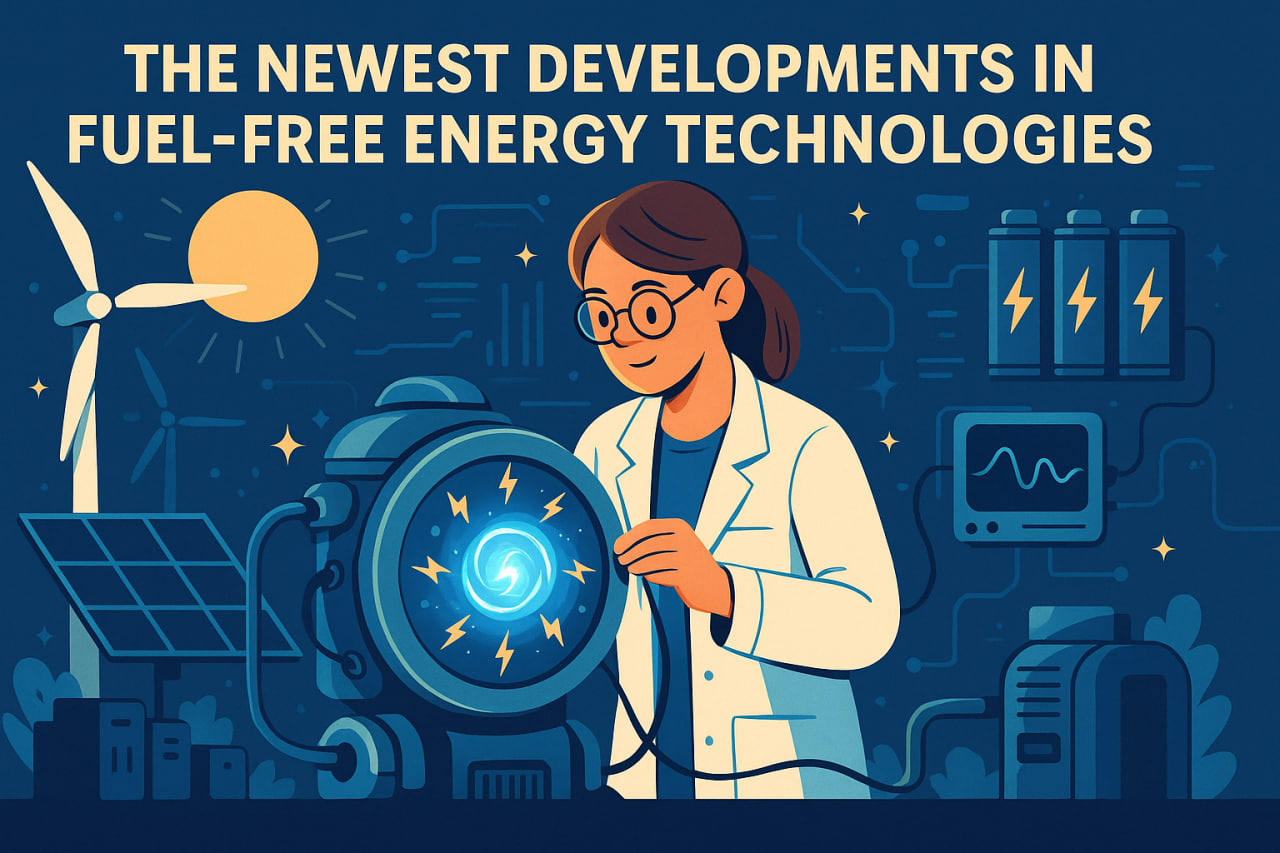
Fuel-free energy, in a strict scientific sense, does not mean creating energy from nothing. According to the laws of physics — especially the conservation of energy — no device can operate without an energy source. However, scientists and engineers are actively working on systems that do not rely on traditional fuels, such as coal, oil, or gas. Instead, these technologies draw power from natural physical processes: sunlight, heat differences, electromagnetic fields, mechanical motion, or ambient environmental energy. These innovations are often referred to as renewable, self-powered, or ultra-low-energy systems, rather than “fuel-free” generators.

Electric Cars: How They Work, Why They Matter, and the Future of Sustainable Transportation
Hi-Tech Smart Technology New Discoveries

Electric Cars: How They Work, Why They Matter, and the Future of Sustainable Transportation

Electric cars have rapidly transformed from a niche technology into one of the most important developments in modern transportation. Powered entirely or partly by electricity instead of gasoline, these vehicles offer cleaner mobility, lower emissions, and a quieter driving experience. As climate concerns and technological innovations accelerate, electric cars are becoming central to global strategies aimed at reducing pollution, improving energy efficiency, and creating sustainable cities. Understanding how electric cars work, their benefits, and their limitations helps drivers make informed choices in a world shifting toward renewable energy.

Will Robots Replace Humans in Industry? Understanding the Future of Work and Automation
Hi-Tech Smart Technology AI & Ethics

Will Robots Replace Humans in Industry? Understanding the Future of Work and Automation

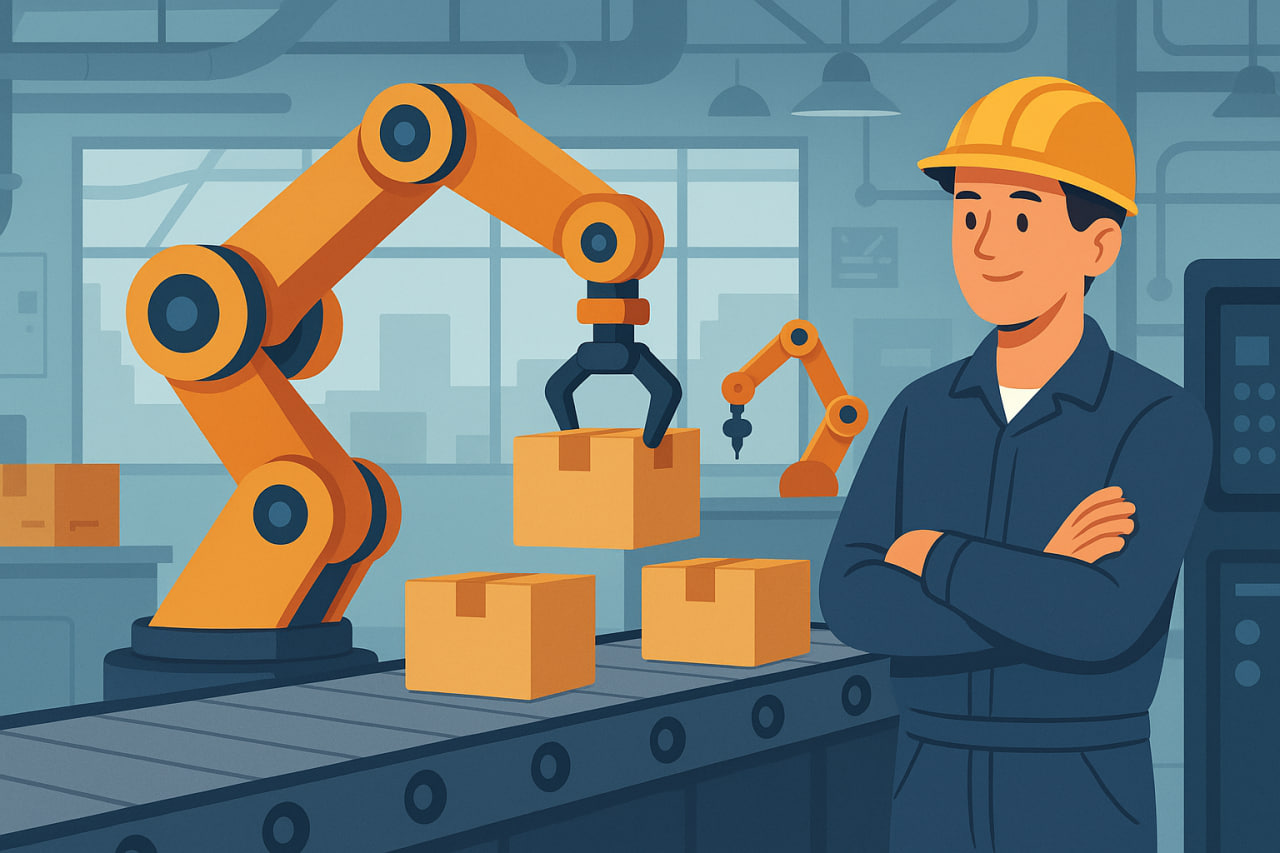
Robots are becoming an increasingly important part of modern industry, transforming everything from manufacturing and logistics to medicine and agriculture. Their speed, precision, and ability to work without fatigue make them valuable tools for improving efficiency and reducing human error. But as automation advances, an important question emerges: Will robots eventually replace humans in industrial work? The answer is complex. While robots are excellent at performing repetitive, dangerous, and highly technical tasks, they cannot replace the creativity, judgment, and adaptability that humans bring to the workplace. Understanding the balance between automation and human labor helps predict how industries will evolve and what skills will be most essential for the future.

Self-Healing Tires: The Future of Safer and Smarter Transportation
Hi-Tech Smart Technology New Discoveries

Self-Healing Tires: The Future of Safer and Smarter Transportation

Self-healing tires are one of the most exciting technological innovations in modern transportation. Designed to automatically repair punctures and maintain their structural integrity, these advanced tires offer a safer, more reliable, and longer-lasting alternative to traditional rubber designs. Their development combines material science, polymer chemistry, nanotechnology, and smart engineering. As cities move toward sustainable mobility and autonomous vehicles, self-healing tires could dramatically reduce maintenance costs, improve road safety, and help decrease waste created by tire replacement. Understanding how these tires work, what materials they use, and how close we are to widespread adoption offers a fascinating look into the future of mobility.

The Nancy Grace Roman Telescope: A New Era of Wide-Field Astronomy
Hi-Tech Smart Technology Science

The Nancy Grace Roman Telescope: A New Era of Wide-Field Astronomy

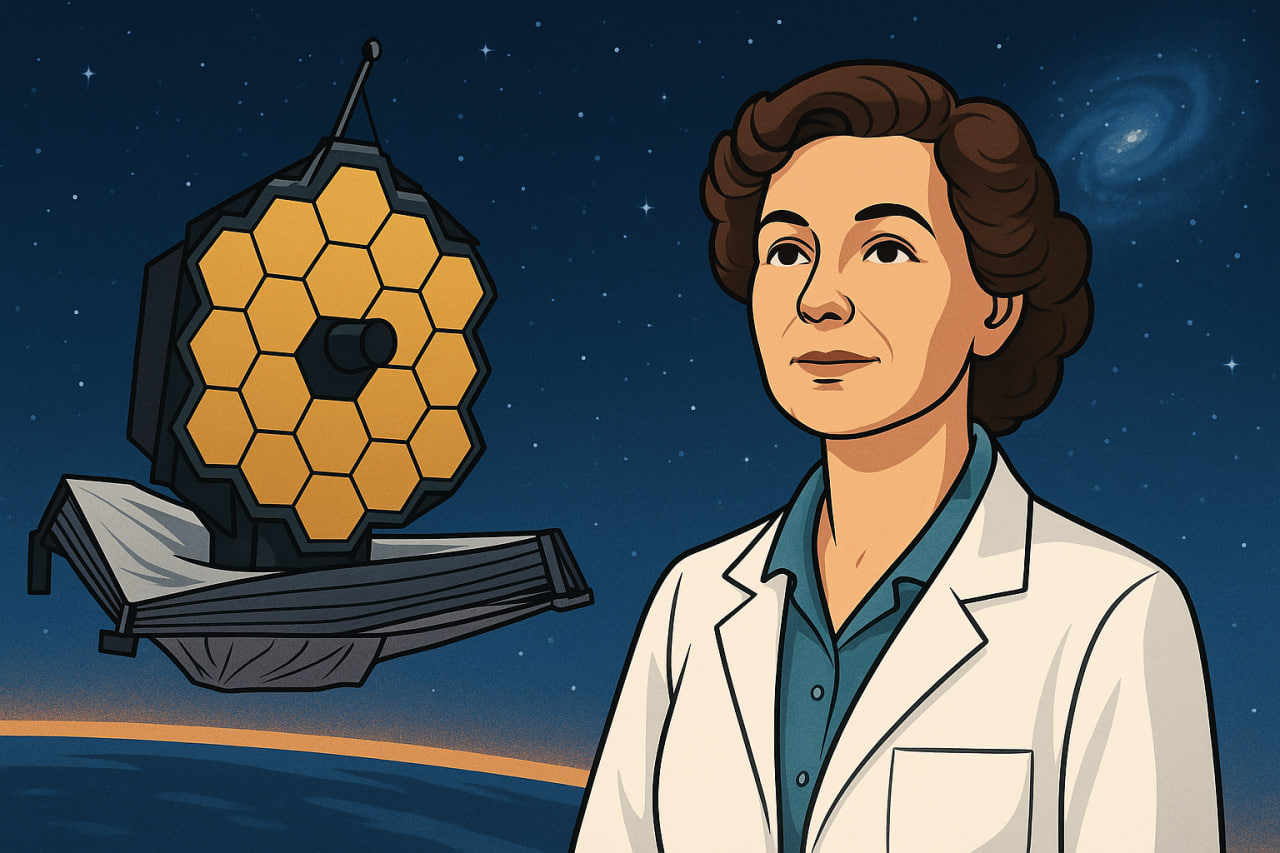
The Nancy Grace Roman Space Telescope, named after NASA’s pioneering visionary Nancy Grace Roman, represents one of the most ambitious astronomical missions of the 21st century. Often called “Hubble’s wide-eyed cousin,” the Roman Telescope is designed to explore the universe with a field of view 100 times larger than that of the Hubble Space Telescope while maintaining equal image quality. Scheduled for launch in the mid-2020s, Roman aims to investigate some of the biggest mysteries in modern astrophysics, including dark energy, exoplanets, and the large-scale structure of the cosmos. Its unprecedented combination of precision, coverage, and sensitivity will allow scientists to map the universe in ways never before possible.

Quantum Processors: The Future of Ultra-Fast Computational Power
Hi-Tech Smart Technology New Discoveries

Quantum Processors: The Future of Ultra-Fast Computational Power

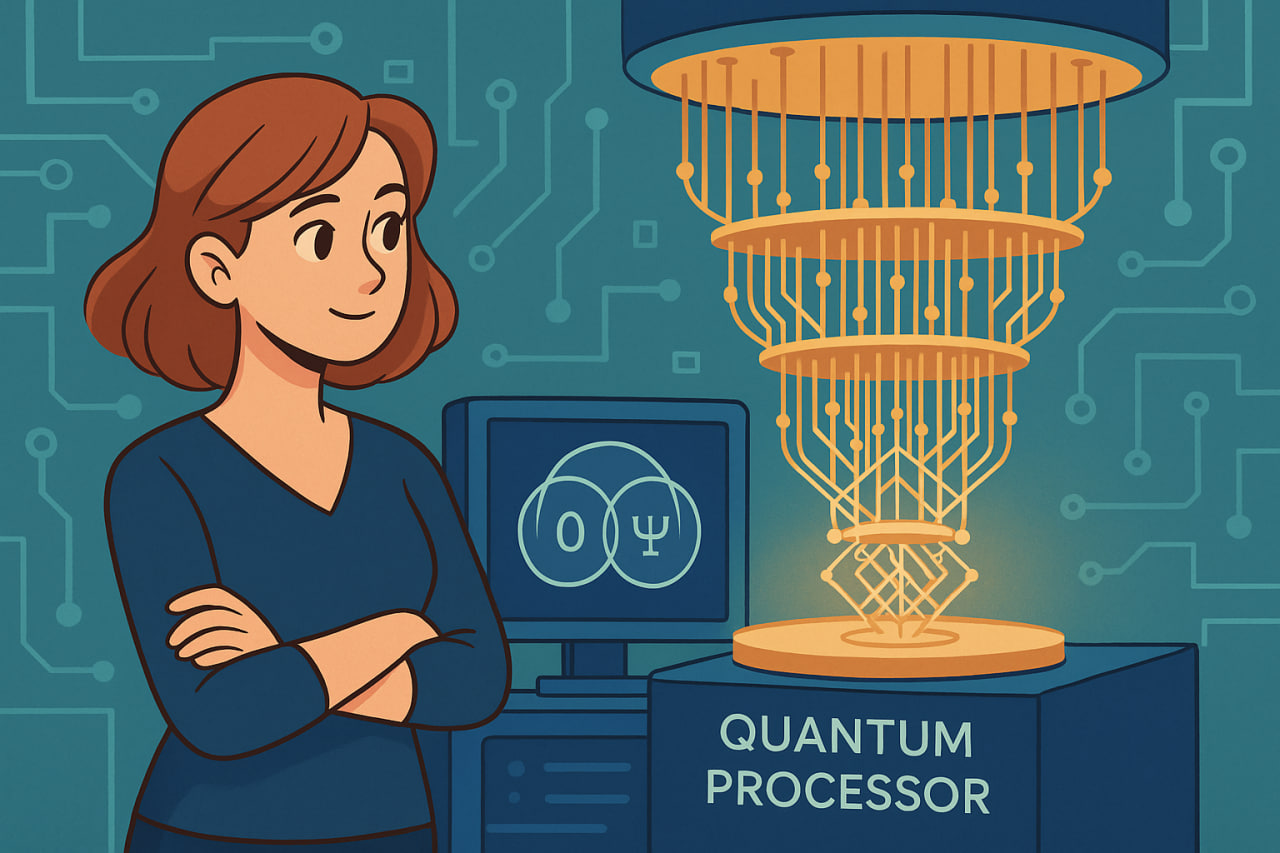
Quantum processors represent one of the most revolutionary advancements in modern computing, offering capabilities far beyond those of classical processors. Instead of using traditional bits that store information as 0 or 1, quantum processors use qubits, which can exist in multiple states simultaneously through a phenomenon known as superposition. This allows quantum computers to process massive amounts of data in parallel, solve complex problems more efficiently, and tackle challenges that classical systems cannot handle within a realistic timeframe. Quantum processors hold the potential to transform cryptography, materials science, artificial intelligence, climate modeling, and pharmaceutical development. Their power comes from the fundamental laws of quantum mechanics, where particles behave in unpredictable yet mathematically precise ways.

Innovations in Robotics: How Modern Machines Are Transforming the Future
Cosmic Innovations Hi-Tech Smart Technology

Innovations in Robotics: How Modern Machines Are Transforming the Future

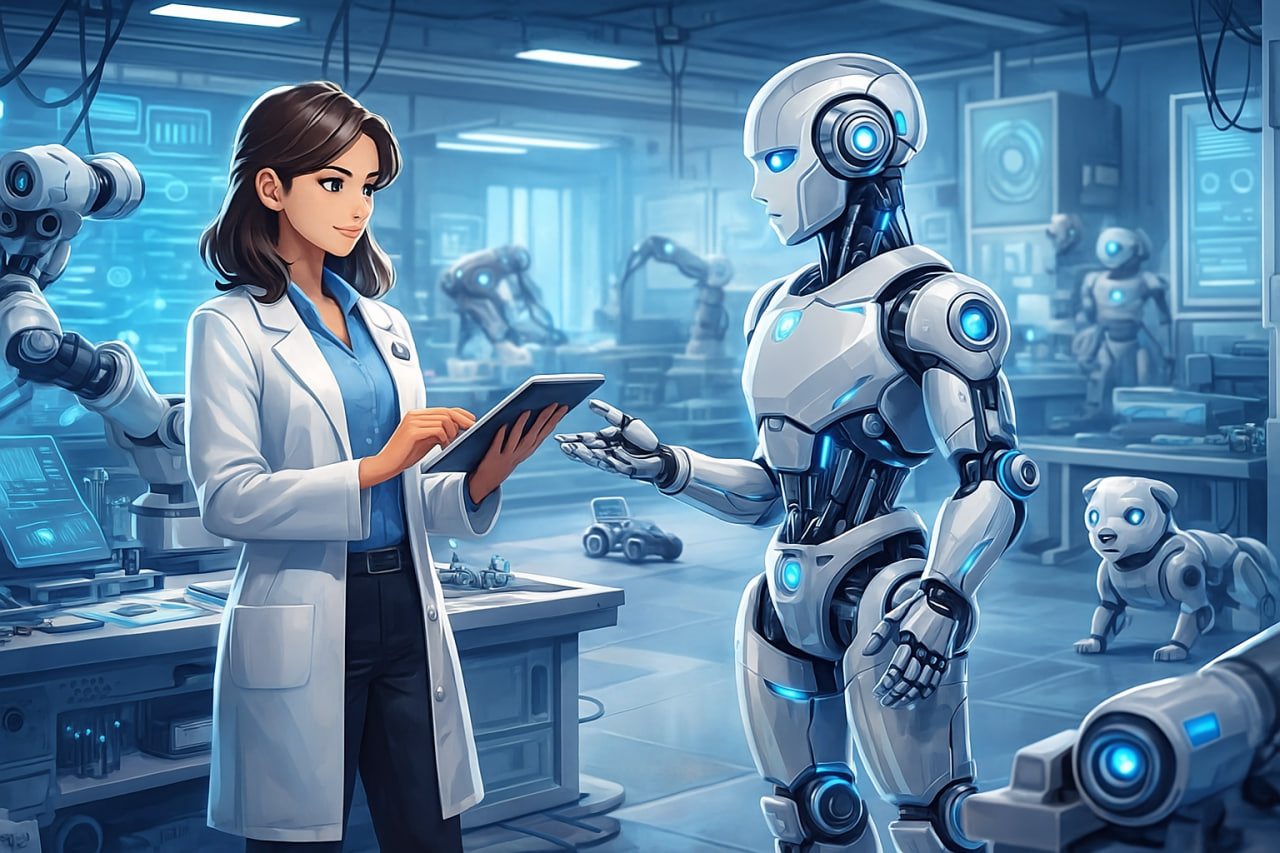
Robotics has entered a new era marked by rapid technological breakthroughs, smarter machines, and unprecedented levels of automation. What began as simple mechanical tools has evolved into a multidisciplinary field combining artificial intelligence, advanced sensors, bio-inspired engineering, and human–machine collaboration. Today’s robots can navigate complex environments, perform delicate tasks with surgical precision, and even learn from experience. Innovations in robotics are reshaping industries such as healthcare, manufacturing, transportation, space exploration, and environmental protection. Understanding these advancements reveals how robots are becoming essential partners to humans, boosting efficiency, safety, and scientific progress.

The Newest Advancements in Space Technology: Innovations Shaping the Future of Exploration
Cosmic Innovations Hi-Tech Smart Technology

The Newest Advancements in Space Technology: Innovations Shaping the Future of Exploration

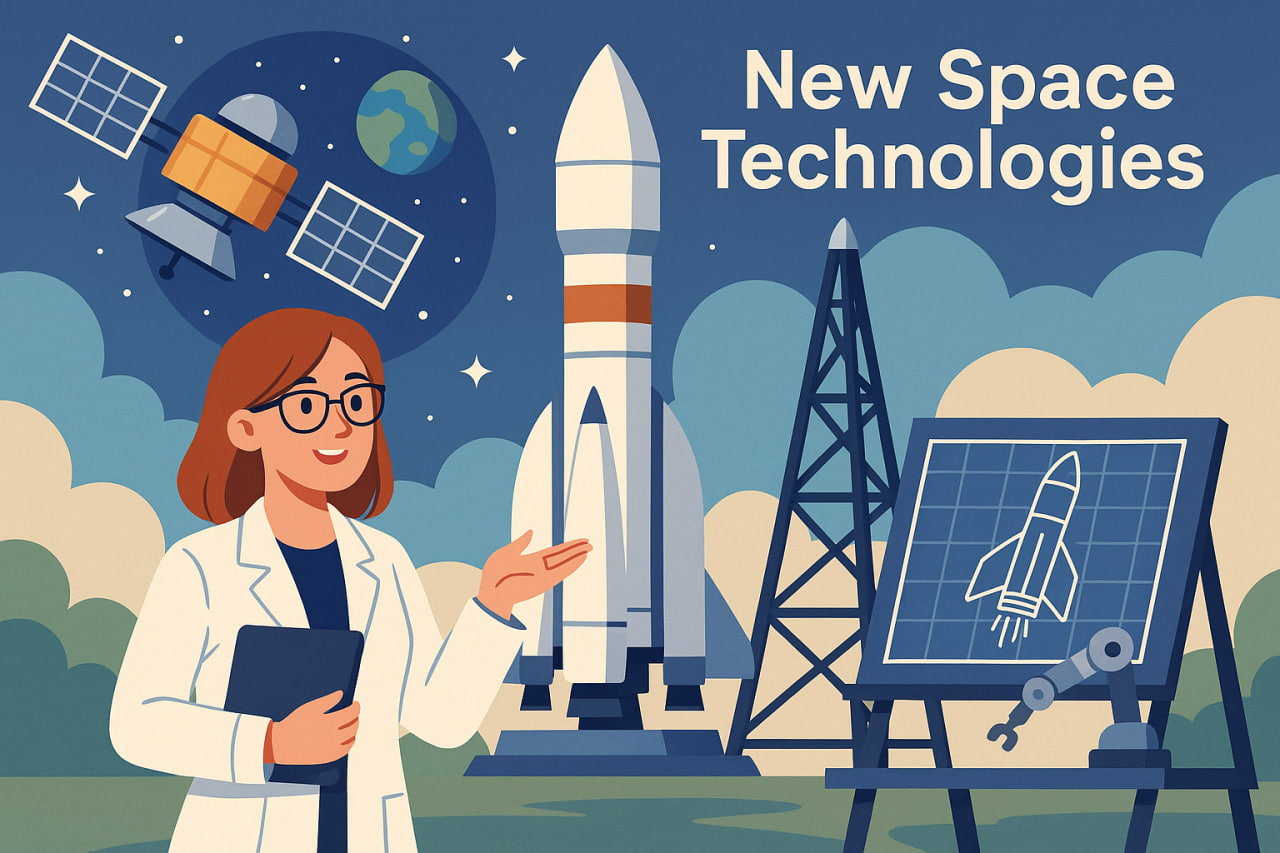
Modern space technology is evolving faster than ever before, driven by international missions, private industry, and groundbreaking scientific research. Today’s innovations go far beyond traditional rockets or satellites — they include reusable launch systems, advanced propulsion engines, deep-space habitats, autonomous robots, and next-generation telescopes capable of seeing further into the universe than any previous instrument. These technologies aim to make space travel more affordable, safer, and more capable of supporting long-term human presence beyond Earth. As global interest in the Moon, Mars, and near-Earth asteroids grows, the newest developments in space engineering are shaping the roadmap for the next century of exploration. Understanding these advances reveals how humanity is preparing to push deeper into space than ever before.