Solar System

How Much Does the Earth Weigh?
Space Stories Universe Solar System

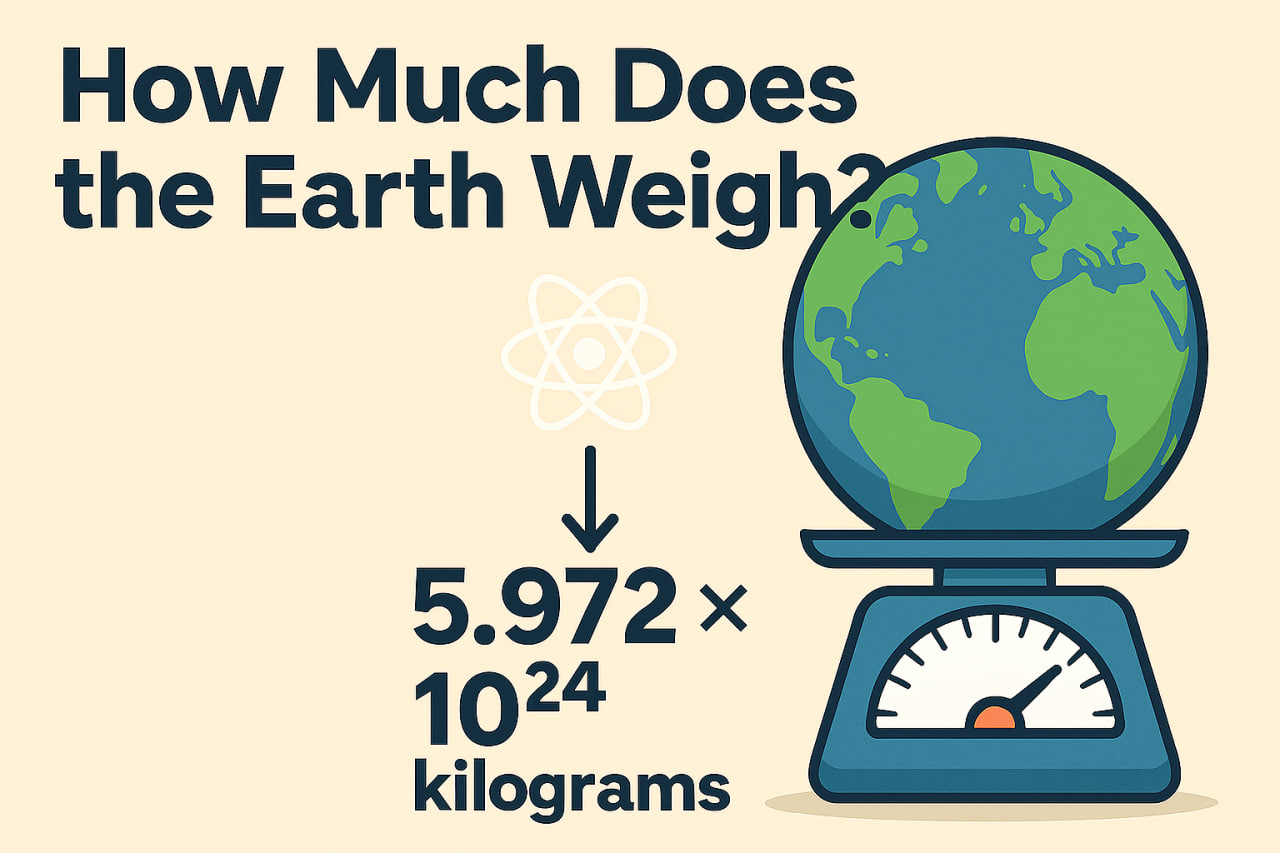
How Much Does the Earth Weigh?

When we ask how much the Earth “weighs,” we’re really asking about its mass. Weight, in physics, depends on gravity and varies depending on where an object is located. Since Earth is in space and not sitting on a scale, scientists measure its mass instead — a fixed quantity that doesn’t depend on location.
The Chemical Composition of the Sun
Universe Solar System

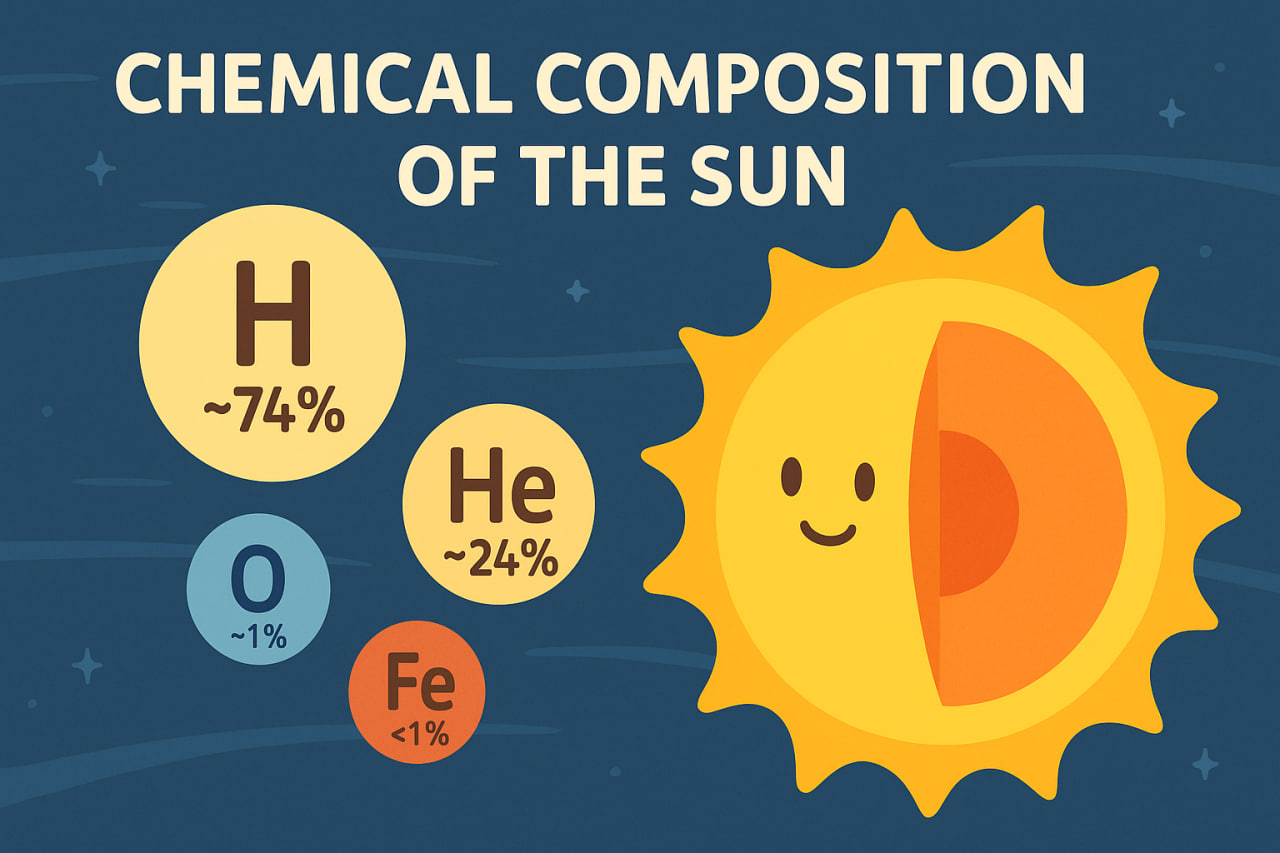
The Chemical Composition of the Sun

The Sun, a glowing sphere of hot plasma at the center of our solar system, may appear uniform to the naked eye, but it has a rich and complex chemical makeup. Unlike a solid body like Earth, the Sun is composed almost entirely of gas and plasma. Understanding its composition helps astronomers learn how stars form, evolve, and influence surrounding space.

Possibilities for Asteroid Belt Exploration and Utilization
Cosmic Innovations Universe Solar System

Possibilities for Asteroid Belt Exploration and Utilization

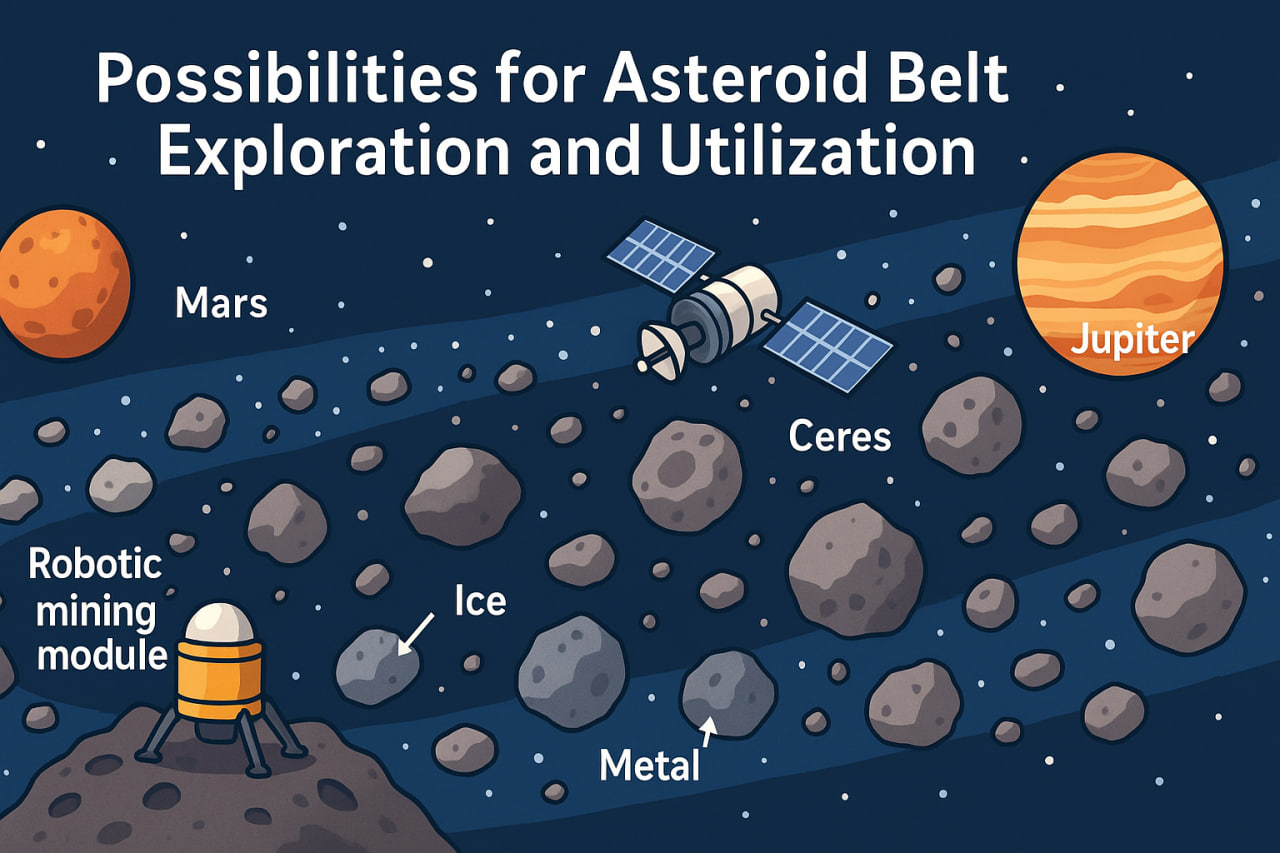
The asteroid belt is a vast region between Mars and Jupiter filled with rocky remnants from the early Solar System. Far from being just a chaotic zone of floating debris, it presents immense potential for scientific exploration, resource extraction, and possibly even future space colonization. As technology advances, so does our ability to access and benefit from this unique region.

What Is a Cryovolcano?
Universe Solar System

What Is a Cryovolcano?

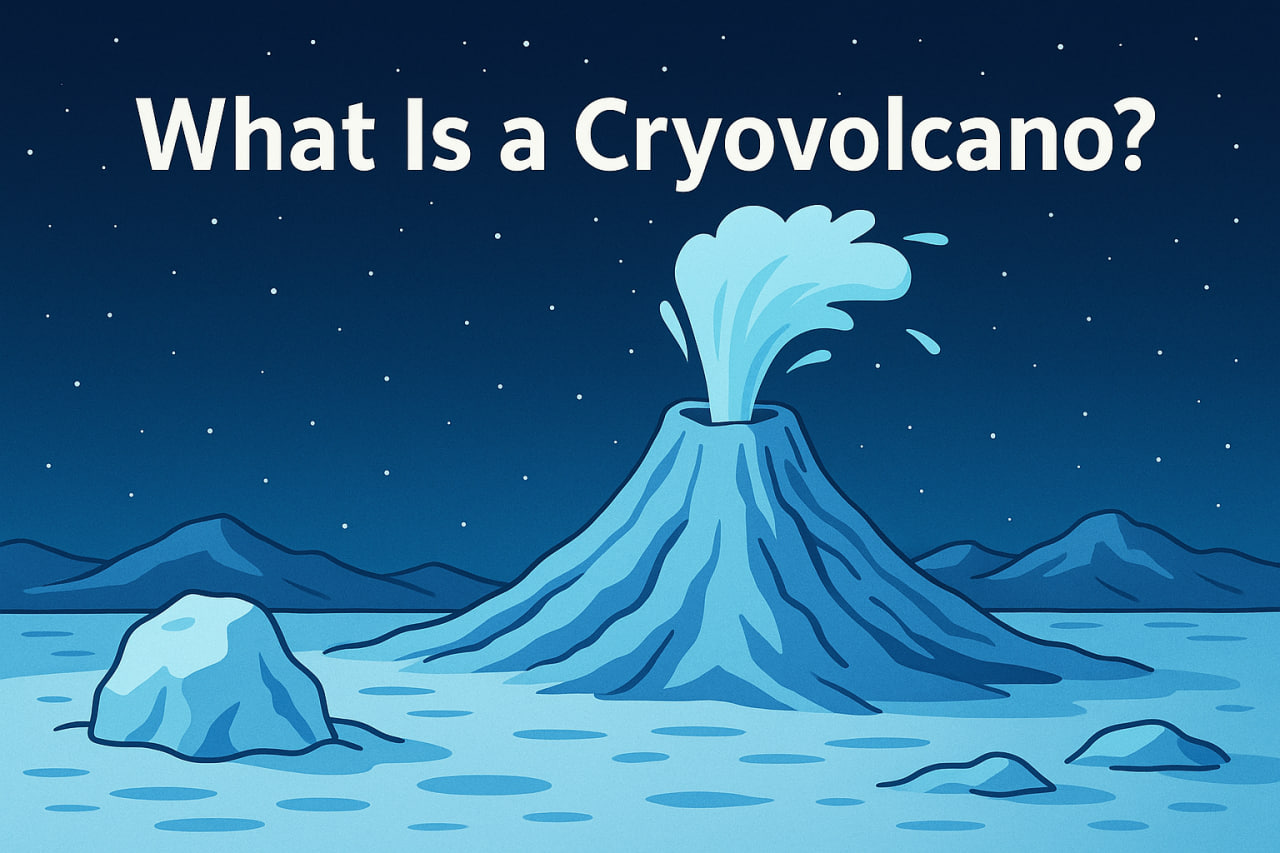
A cryovolcano, also known as an ice volcano, is a type of volcanic feature found on some icy celestial bodies in our Solar System. Unlike typical volcanoes on Earth that erupt molten rock (lava), cryovolcanoes eject volatiles—such as water, ammonia, or methane—in a frozen or vaporized state. These exotic eruptions often occur on moons and dwarf planets in the outer Solar System, where temperatures are far below freezing.

Pluto: The Dwarf Planet on the Edge of the Solar System
Universe Solar System

Pluto: The Dwarf Planet on the Edge of the Solar System

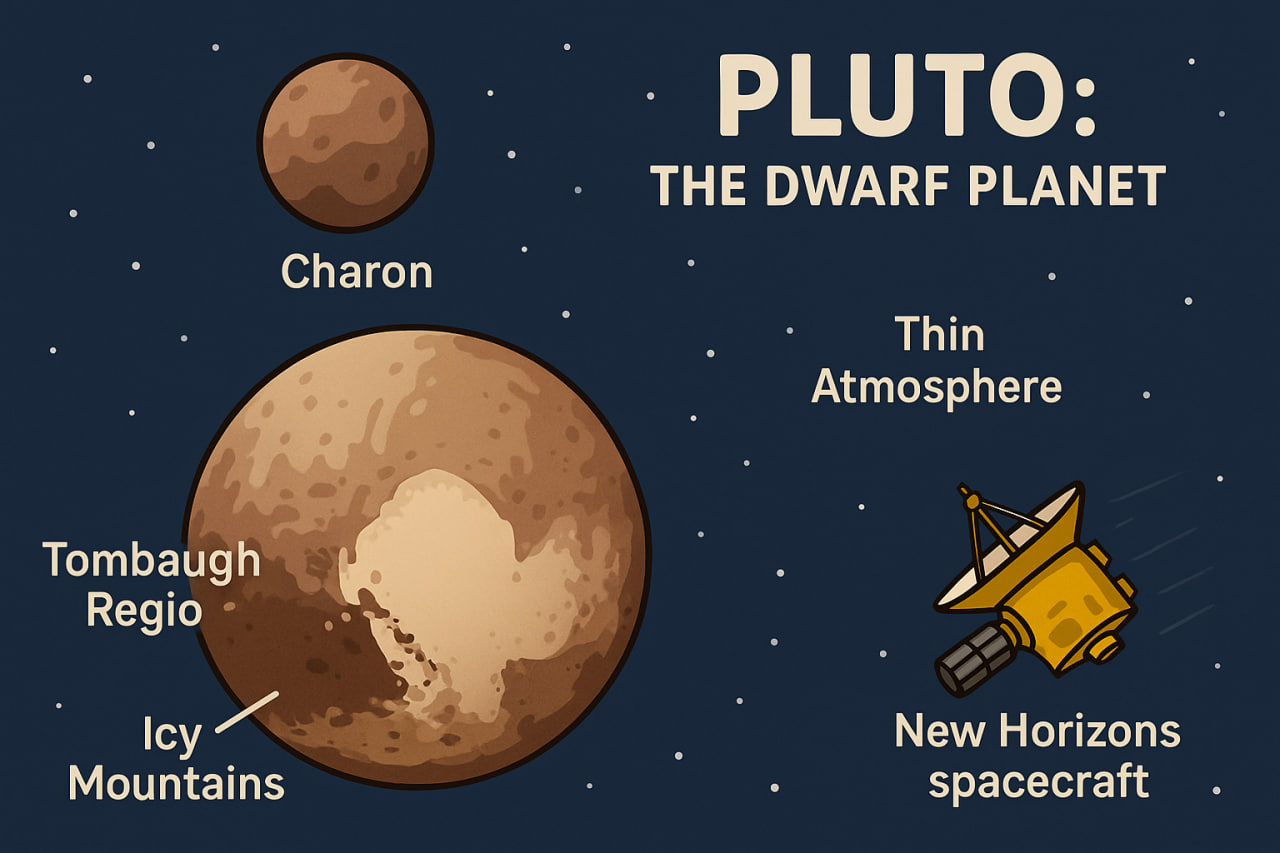
Pluto, once considered the ninth planet, is now classified as a dwarf planet in the Kuiper Belt—a region of icy bodies beyond Neptune. Despite its small size, Pluto has captured the fascination of scientists and the public alike with its dynamic surface, possible subsurface ocean, and complex interaction with its moon Charon.

Uranus: The Tilted Ice Giant of the Solar System
Universe Solar System

Uranus: The Tilted Ice Giant of the Solar System

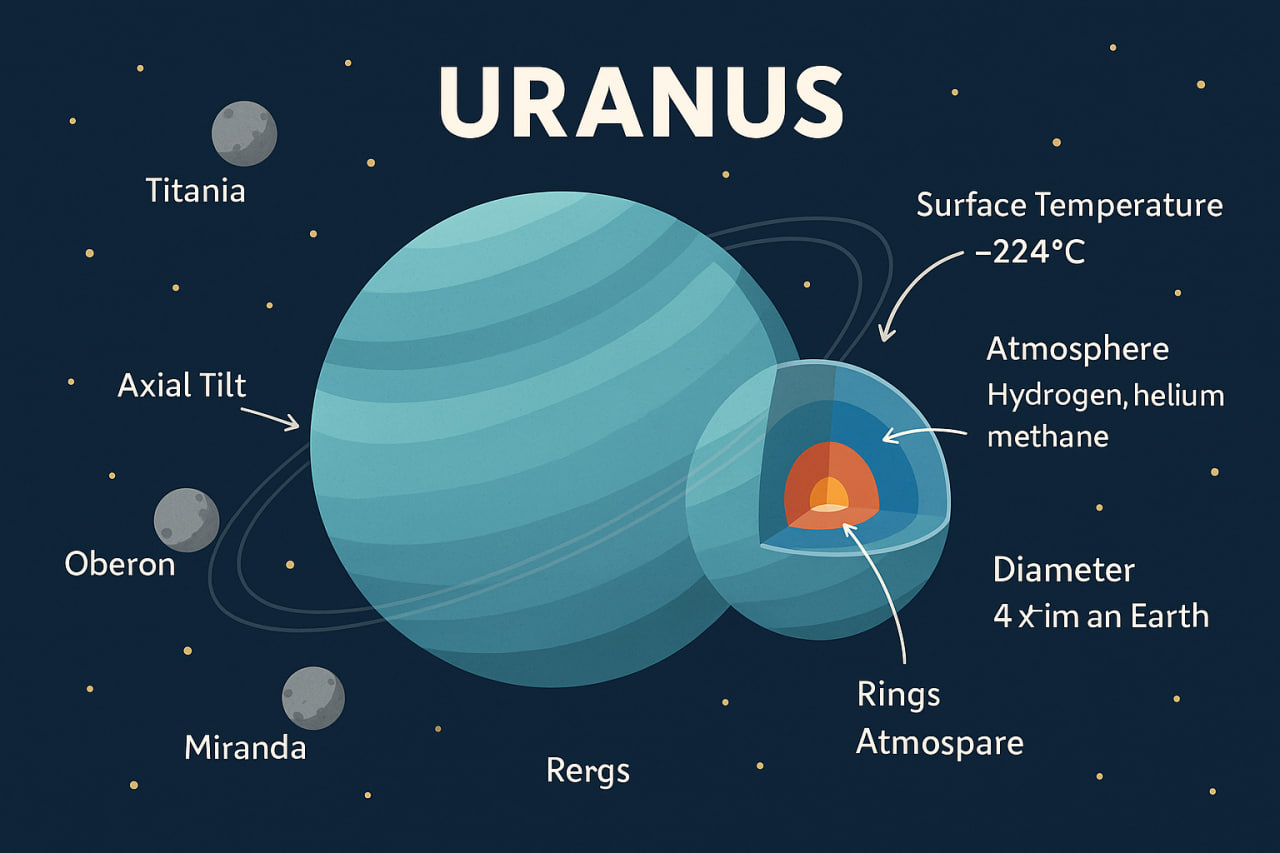
Uranus is the seventh planet from the Sun and one of the most mysterious and unusual planets in our Solar System. It is classified as an ice giant, along with Neptune, and is known for its pale blue color, extreme axial tilt, and cold temperatures. Unlike other planets, Uranus spins on its side, making its seasons incredibly long and bizarre.

Saturn: The Ringed Giant of the Solar System
Universe Solar System

Saturn: The Ringed Giant of the Solar System

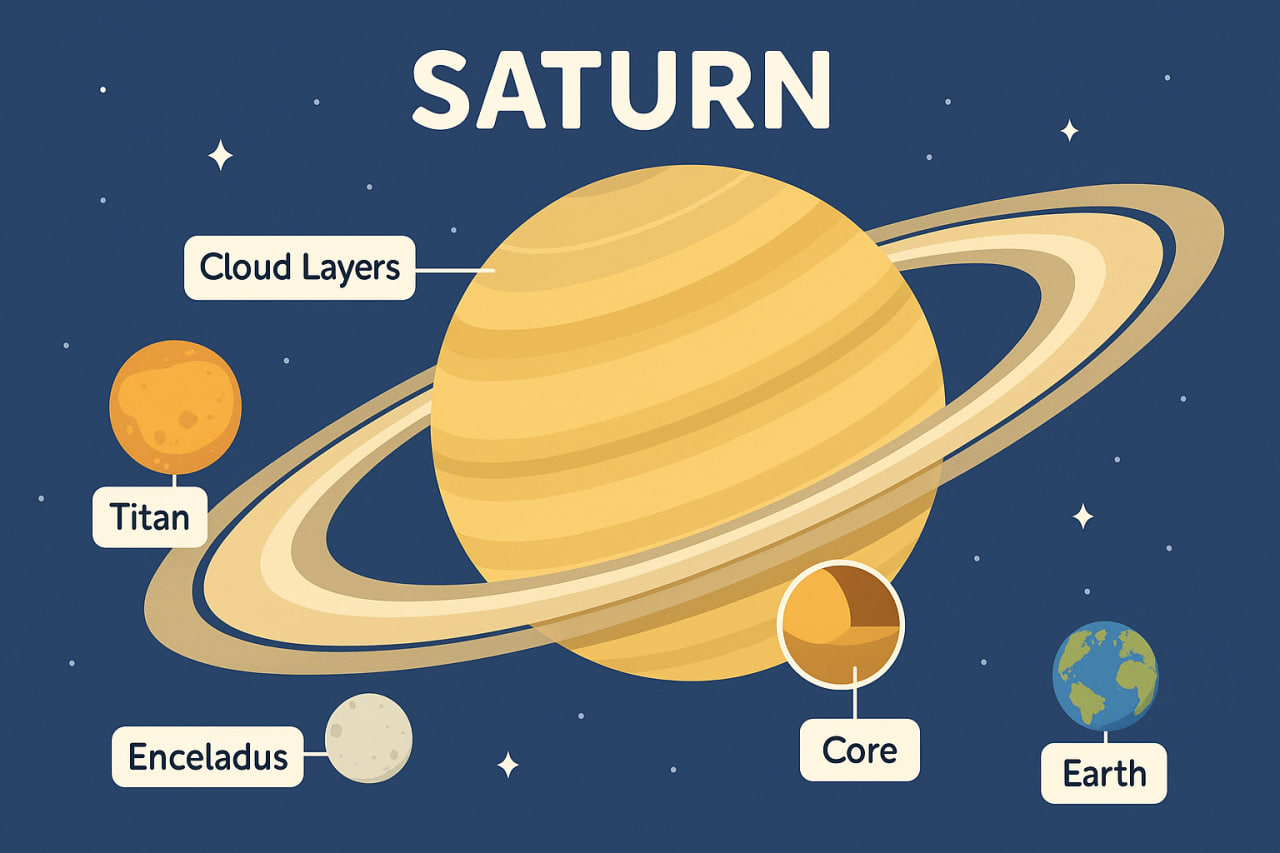
Saturn is the sixth planet from the Sun and the second-largest in our Solar System. It is best known for its spectacular ring system, which sets it apart from all other planets. A gas giant composed mostly of hydrogen and helium, Saturn is a planet of extremes—featuring fast winds, a low average density, and over 100 fascinating moons.

Jupiter: The Giant of the Solar System
Universe Science Solar System

Jupiter: The Giant of the Solar System

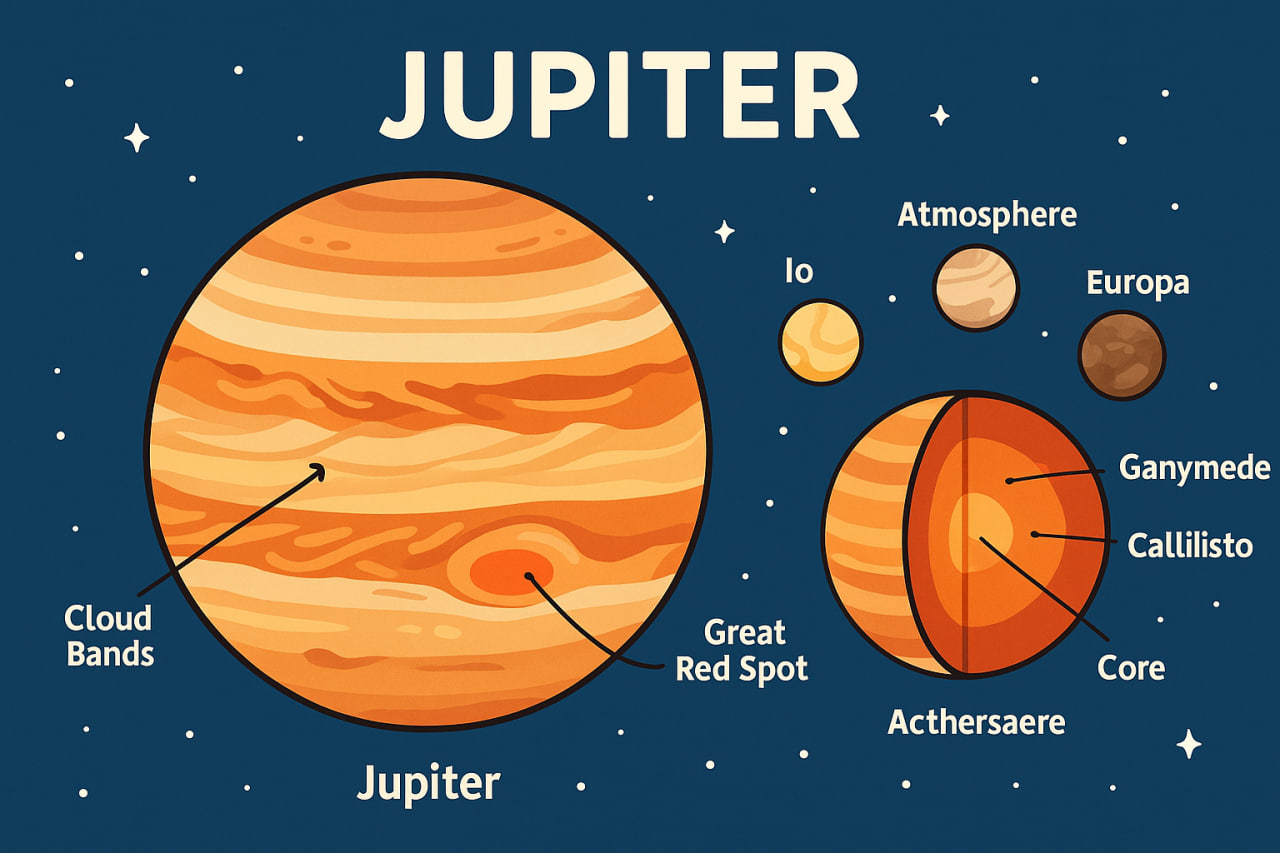
Jupiter is the largest planet in our Solar System, more massive than all the other planets combined. Known for its swirling storms, colorful bands, and immense size, Jupiter is a gas giant that has fascinated astronomers for centuries. Its powerful gravity, numerous moons, and mysterious interior make it a crucial piece in understanding our cosmic neighborhood.

Neptune: The Mysterious Blue Giant of the Solar System
Universe Science Solar System

Neptune: The Mysterious Blue Giant of the Solar System

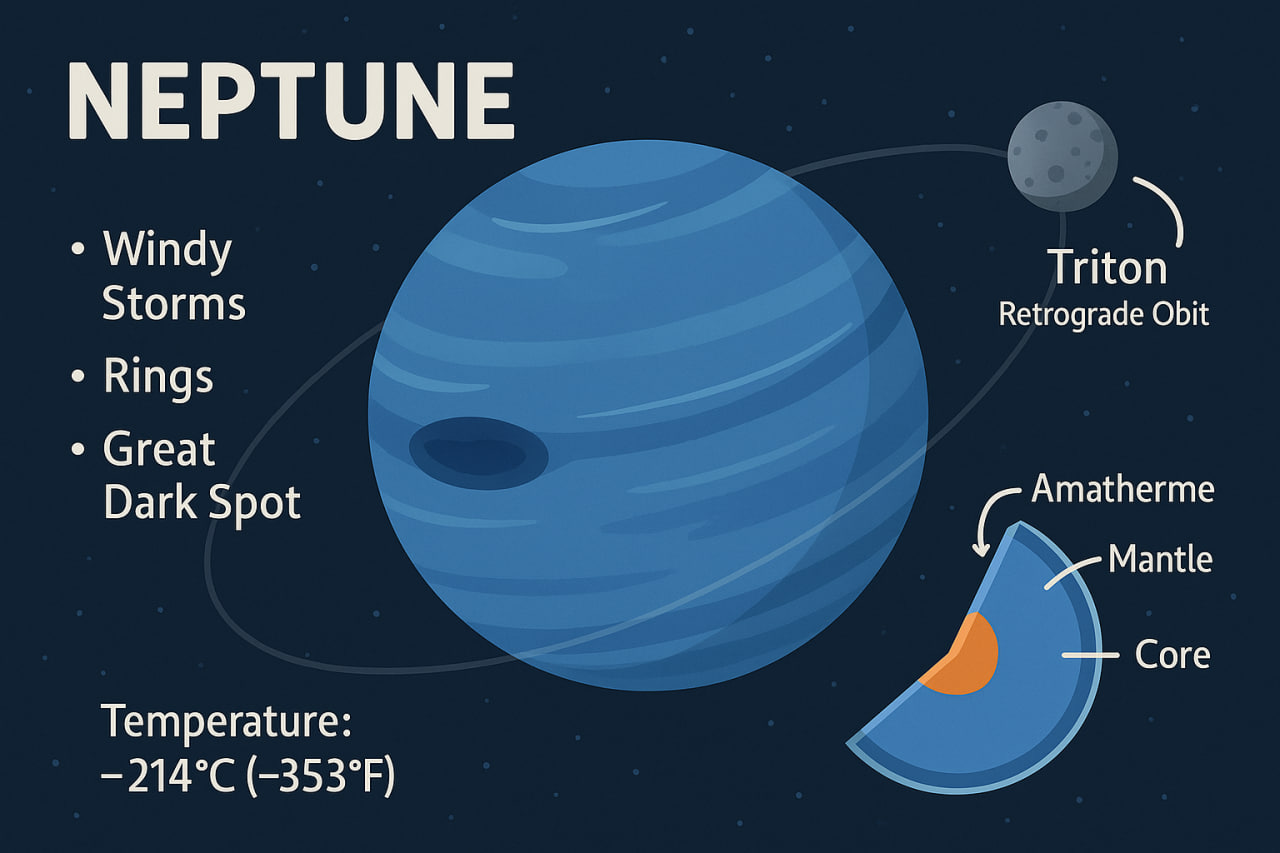
Neptune is the eighth and farthest planet from the Sun in our Solar System. Known for its deep blue color and dynamic weather systems, Neptune is a gas giant and a fascinating world of high-speed winds, storms, and icy conditions. Though distant and cold, this remote planet continues to captivate scientists and astronomers.