Solar System

The Heliosphere
Space Stories Universe Solar System

The Heliosphere

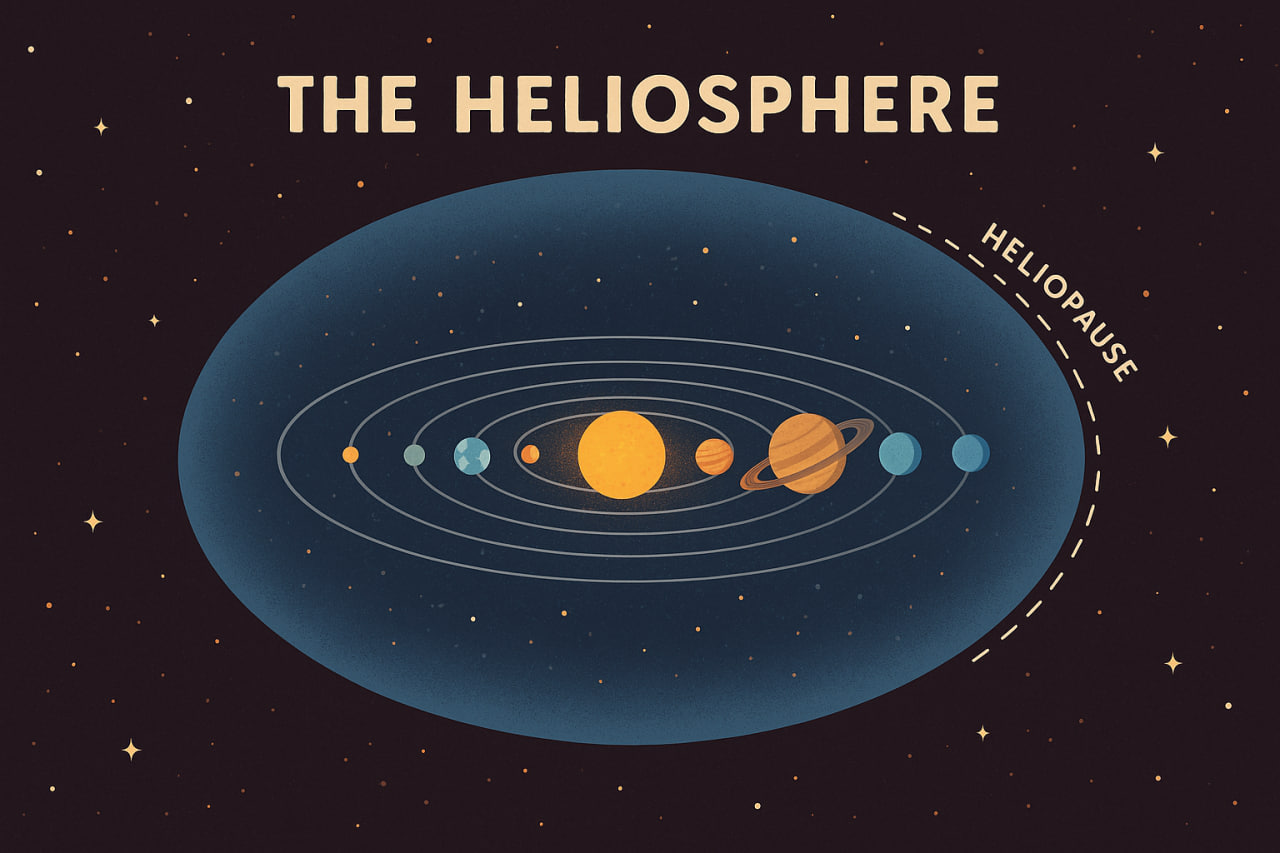
The heliosphere is a vast bubble-like region surrounding our solar system, created by the continuous flow of charged particles from the Sun known as the solar wind. It acts as a protective shield, separating the solar system from the harsh environment of interstellar space. The heliosphere extends far beyond the orbit of Pluto and is one of the largest structures in the solar system, playing a vital role in protecting planets—including Earth—from harmful cosmic radiation.
Interesting Facts About Mercury
Space Stories Universe Solar System

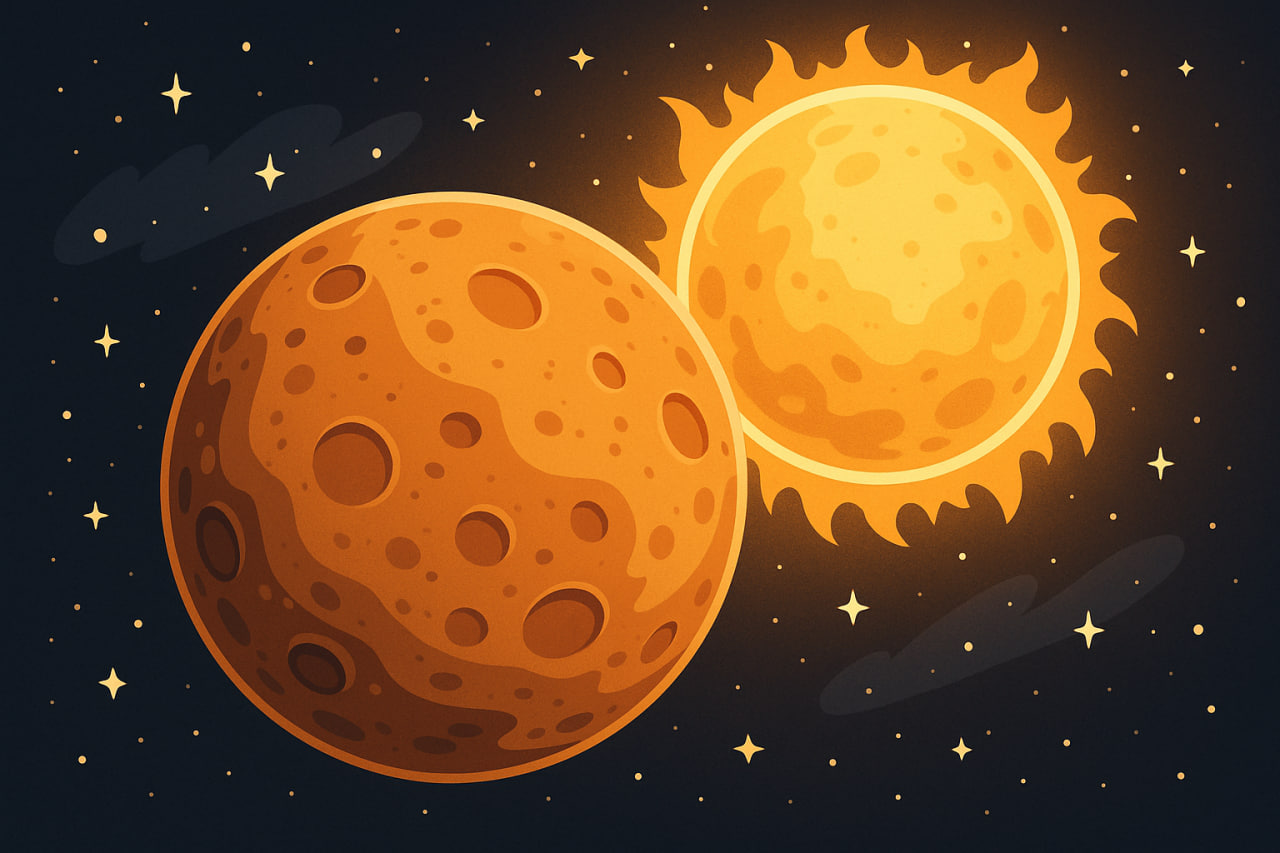
Interesting Facts About Mercury

Mercury, the smallest planet in our solar system, is full of fascinating mysteries. Despite being closest to the Sun, it remains one of the least explored planets. Its extreme conditions, unique orbit, and unusual surface make it an exciting subject for astronomers.

Why the Hubble Telescope Is Important
Space Stories Cosmic Innovations Hi-Tech

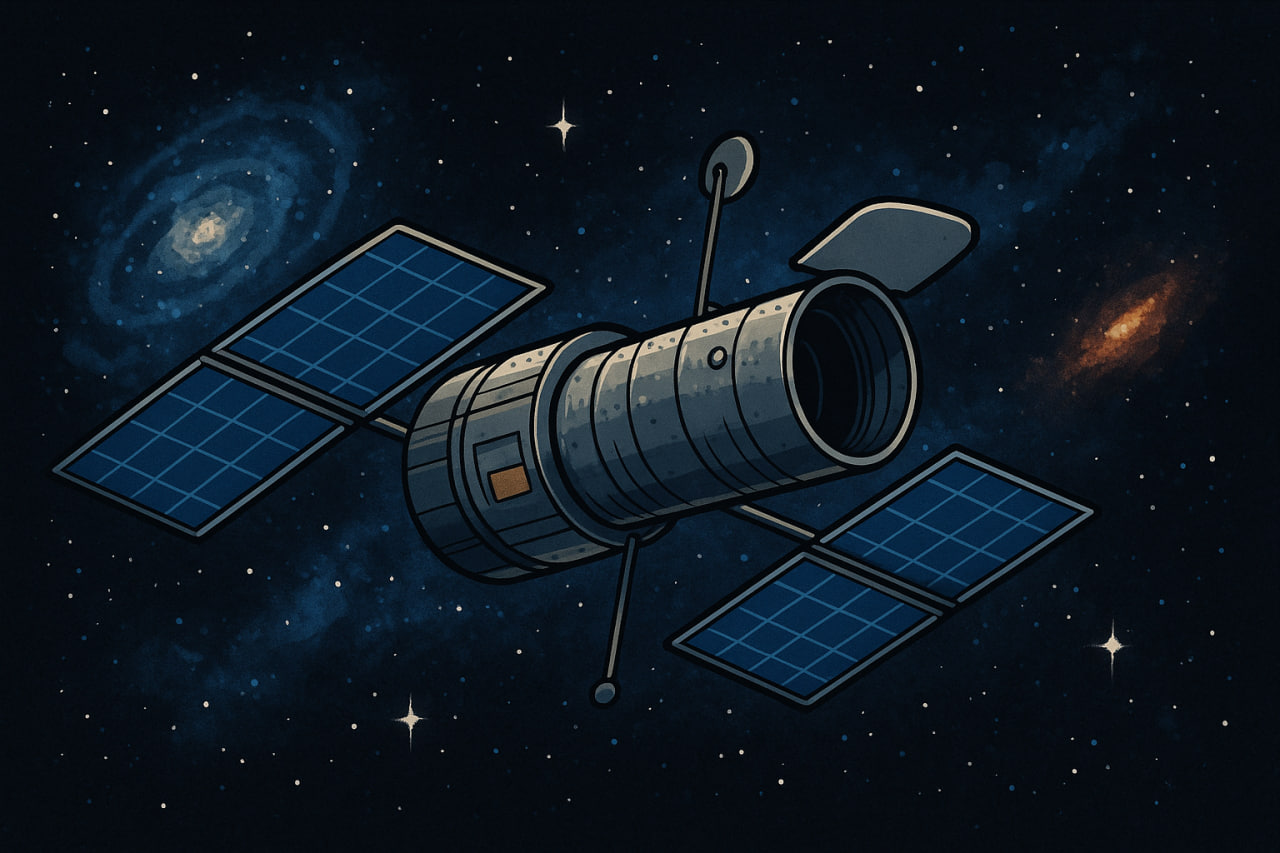
Why the Hubble Telescope Is Important

The Hubble Space Telescope is one of the most significant scientific instruments ever built, transforming our understanding of the universe. Launched in 1990 and orbiting outside Earth’s atmosphere, it avoids the distortion caused by air and light pollution. This allows it to capture images of space with unmatched clarity and detail. Hubble has become a key tool for astronomy, providing data that shaped modern cosmology and astrophysics.

Can We Colonize Moons?
Space Stories Cosmic Innovations Solar System

Can We Colonize Moons?

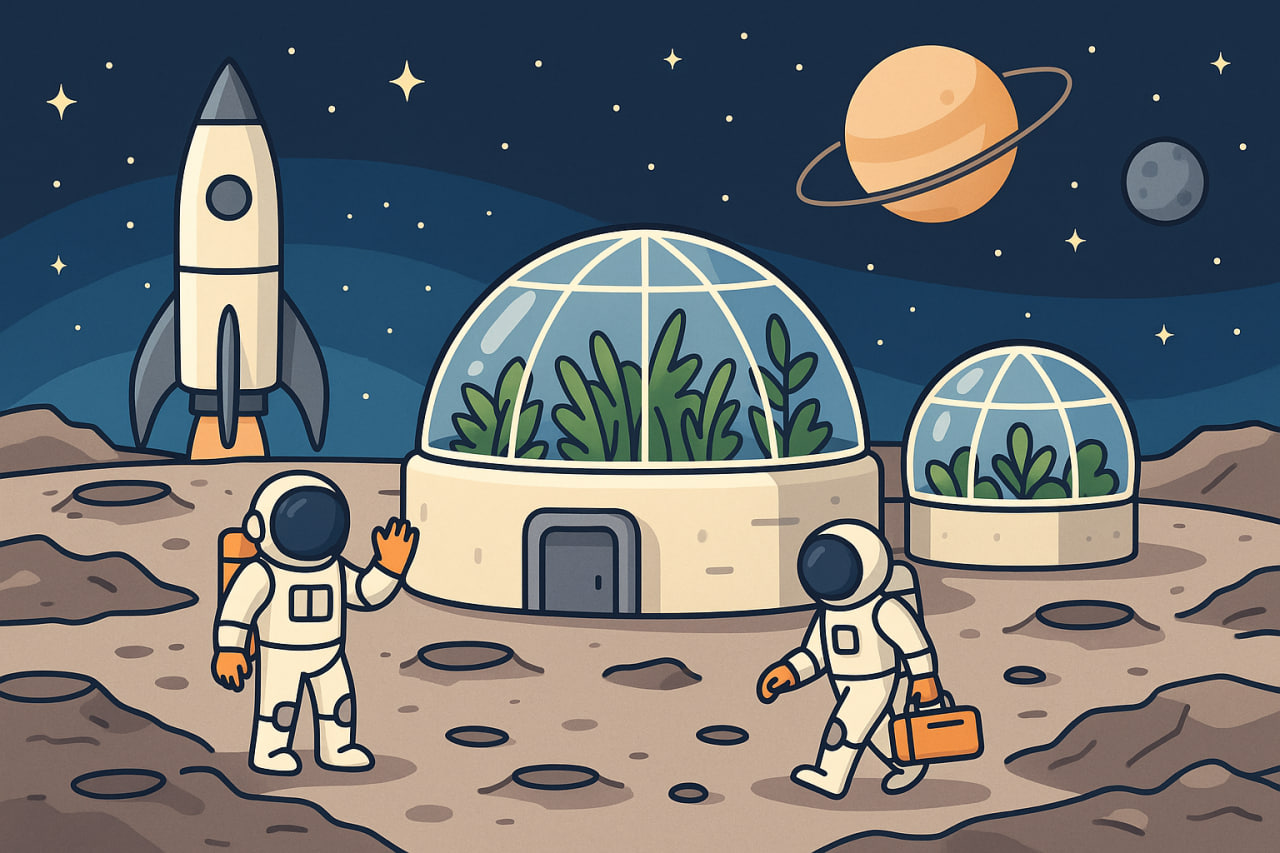
Colonizing moons has long fascinated scientists, engineers, and visionaries. Unlike planets, moons often present unique advantages and challenges for human settlement. Some moons in our solar system—such as Earth’s Moon, Jupiter’s Europa, and Saturn’s Titan—are seen as possible candidates for colonization. However, the idea remains speculative, as enormous technological and biological obstacles must be overcome.

Why Saturn Is the Lightest Gas Giant
Space Stories Universe Solar System

Why Saturn Is the Lightest Gas Giant

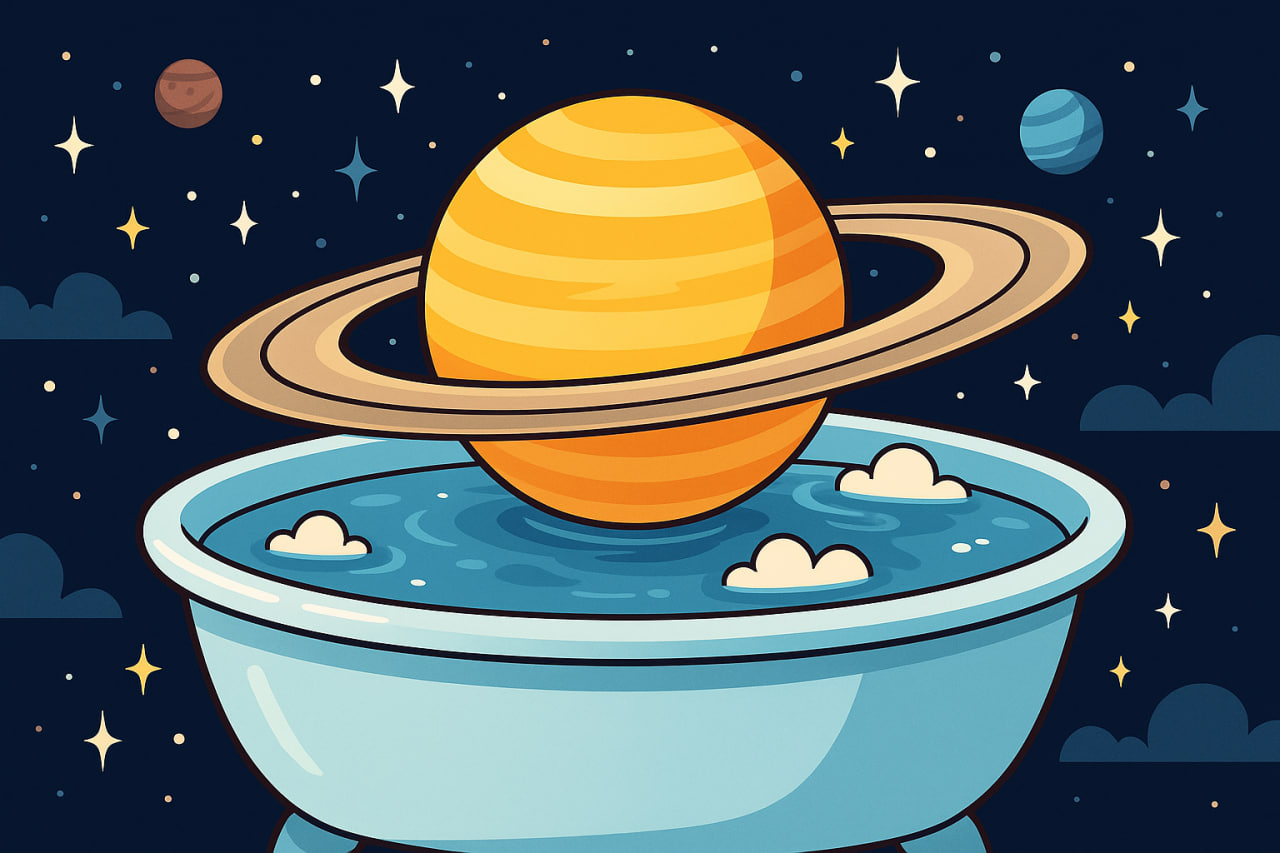
Saturn, the sixth planet from the Sun, is unique among the gas giants because it is the least dense of them all. In fact, Saturn’s average density is so low that if there were a bathtub big enough, the planet could float in water. This extraordinary characteristic makes Saturn the lightest gas giant in our solar system. The reasons for this lie in its composition, size, and structure.

What Space Debris Is Dangerous?
Space Stories Cosmic Innovations Universe

What Space Debris Is Dangerous?

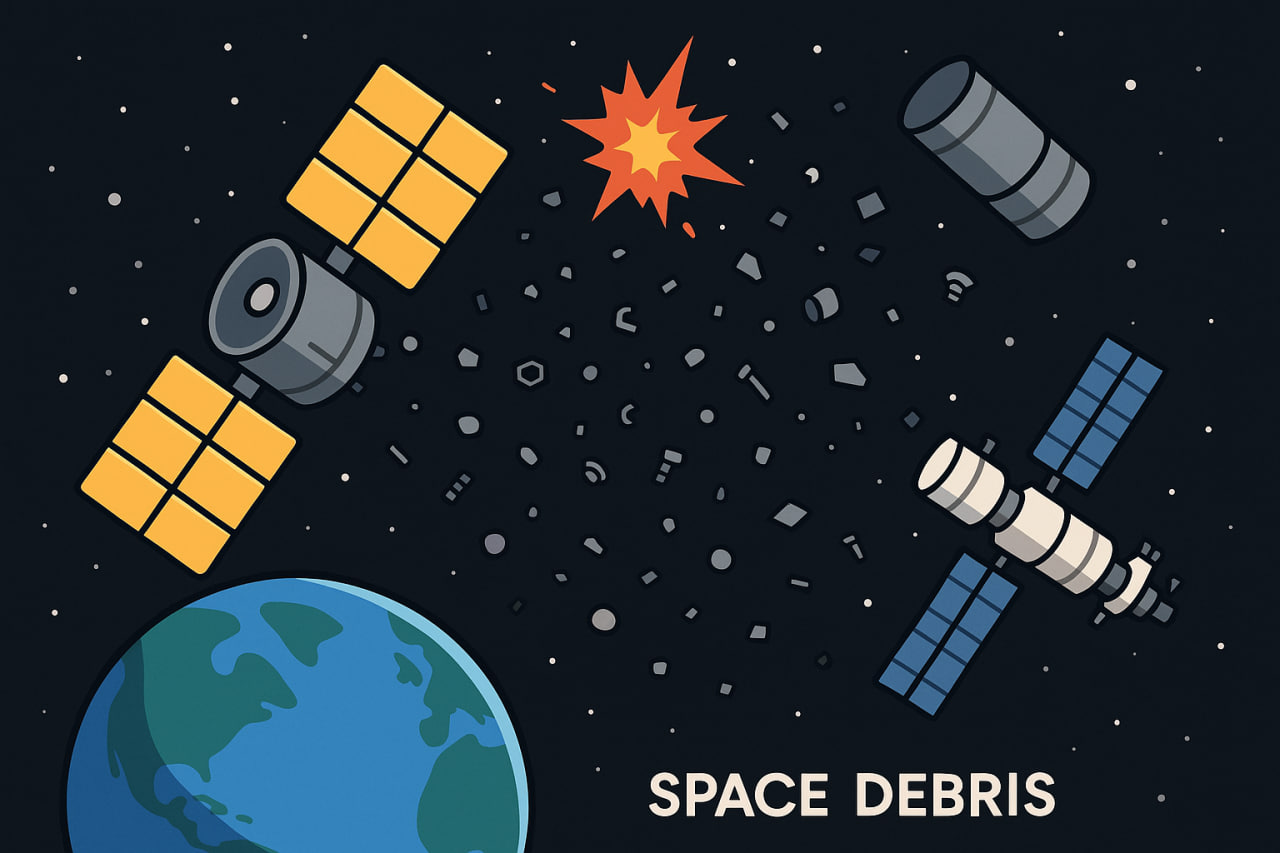
Space debris, also called space junk, refers to non-functional satellites, rocket parts, and fragments left behind from past missions orbiting Earth. As humanity launches more satellites and spacecraft, the number of debris pieces has grown significantly. While some of this material is small, it poses real risks to spacecraft, satellites, and even the International Space Station (ISS). The danger depends on the size, speed, and orbit of the debris.

Where Does Space Begin?
Space Stories Universe Solar System

Where Does Space Begin?

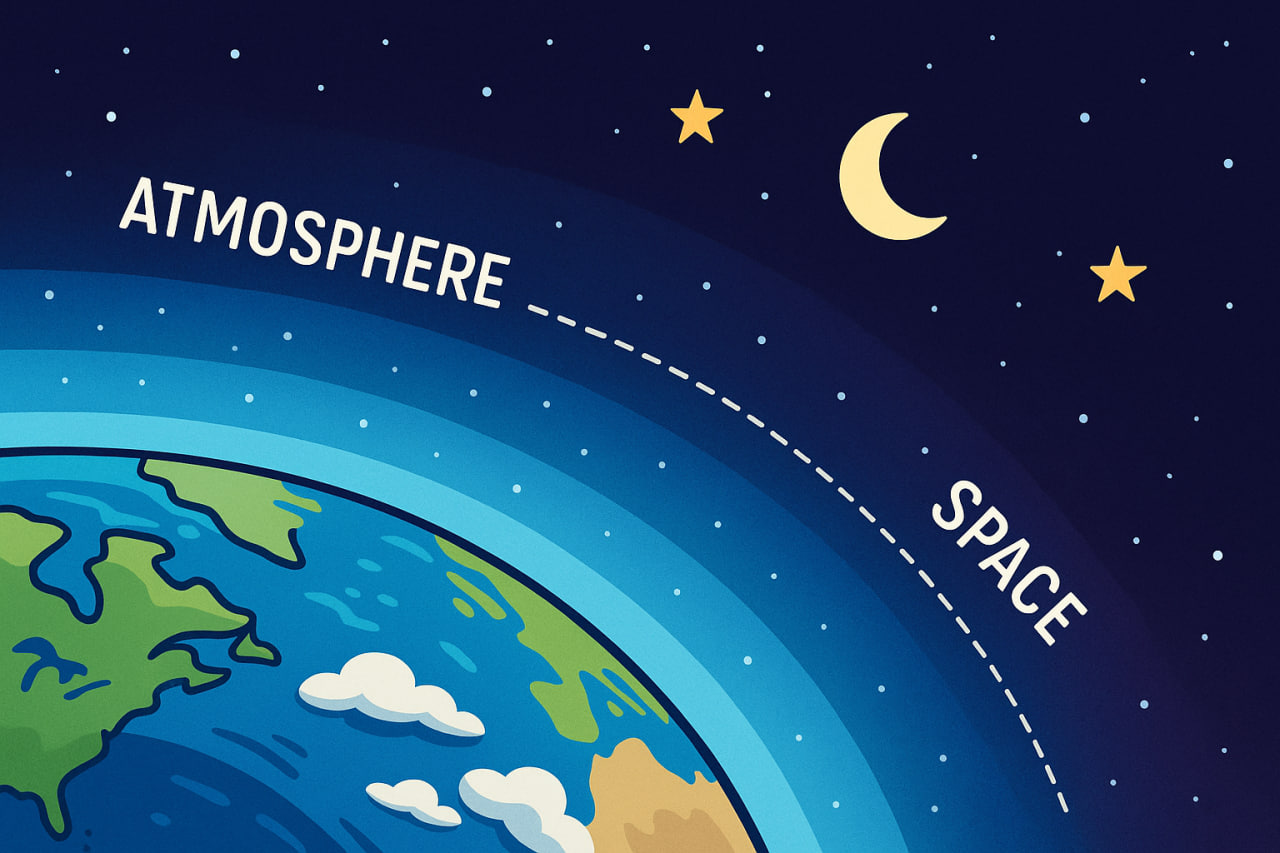
When we look up at the sky, it may seem like space begins just beyond the clouds. But scientifically defining where Earth ends and space begins is far more complex. The boundary between the atmosphere and outer space doesn’t have a visible line — instead, it’s defined by altitude, atmospheric density, and practical use (such as satellite orbit). The most widely accepted boundary is known as the Kármán line, but it’s not the only interpretation. Let’s explore how scientists define the edge of space — and why it matters.

Why Scientists Study Jupiter's Icy Moons
Space Stories Universe Solar System

Why Scientists Study Jupiter's Icy Moons

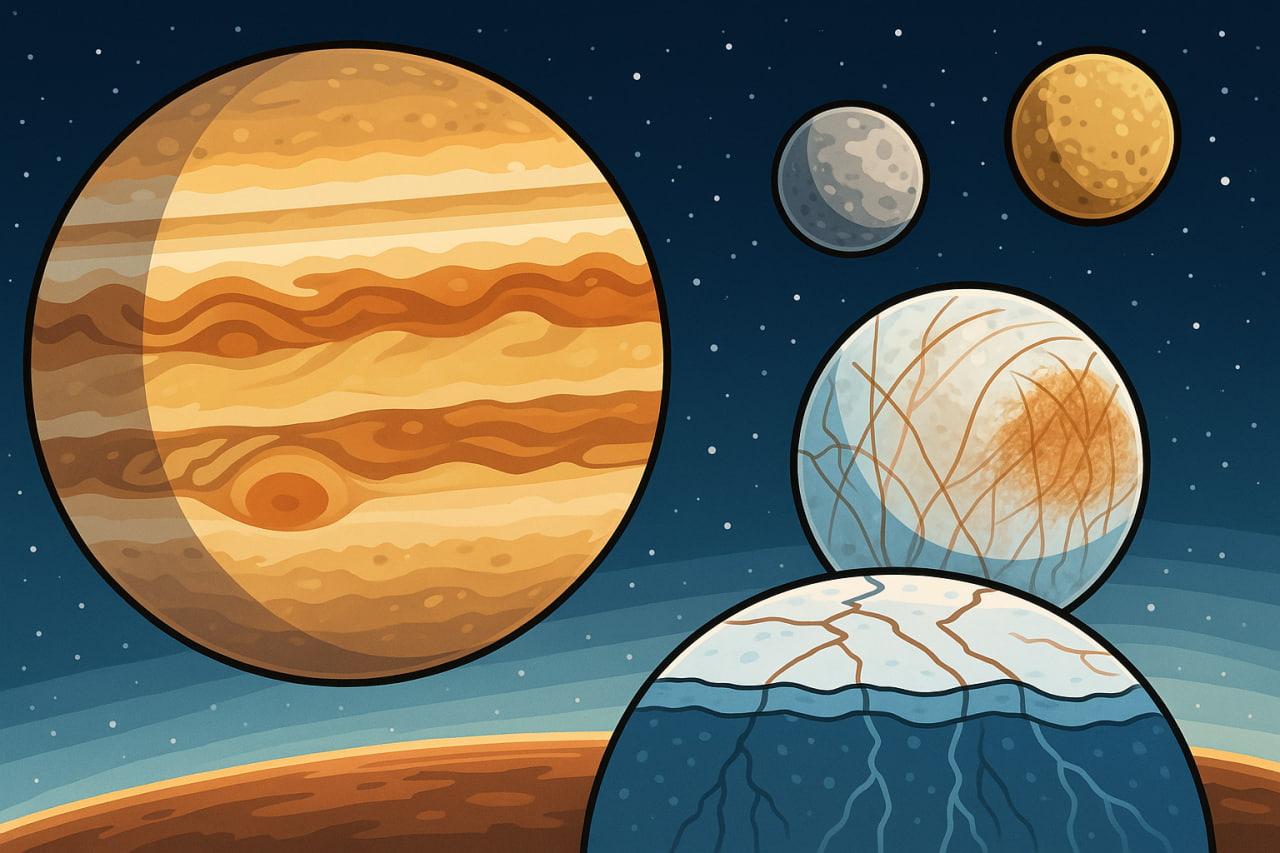
Jupiter is not just the largest planet in our solar system — it's also a host to dozens of fascinating moons, including several that are covered in ice. These icy satellites, such as Europa, Ganymede, and Callisto, have become prime targets in the search for extraterrestrial life and in understanding the history of the solar system. Hidden beneath their frozen surfaces, scientists believe there may be vast subsurface oceans, making them some of the most exciting worlds for exploration.

What Are Asteroid Belts?
Space Stories Universe Solar System

What Are Asteroid Belts?

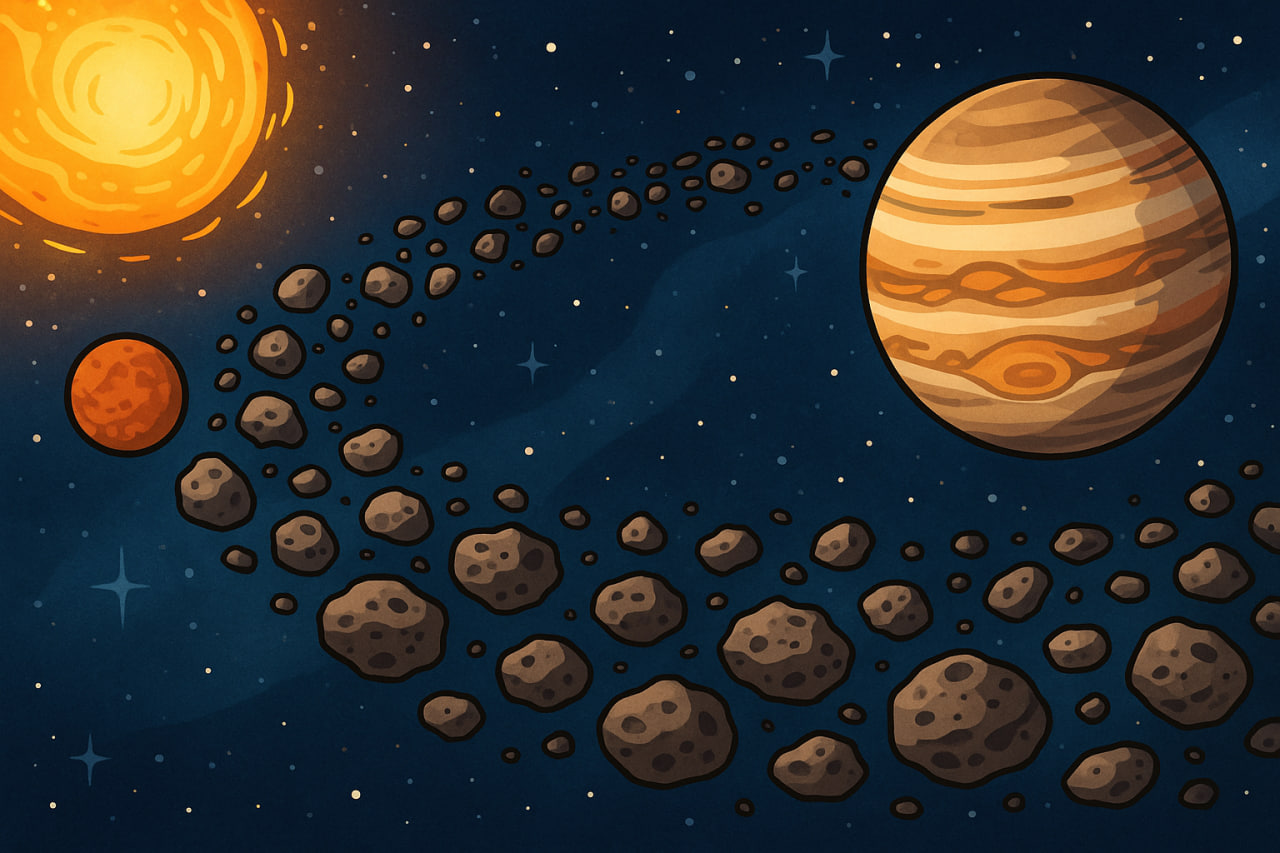
The asteroid belt is a vast region in space filled with rocky objects of various sizes orbiting the Sun. These objects, called asteroids, are remnants from the early formation of the solar system. While often portrayed in science fiction as chaotic, the real asteroid belts are mostly empty space dotted with millions of small celestial bodies. The most well-known of these belts lies between Mars and Jupiter, and plays a significant role in understanding the evolution of planets and the structure of our cosmic neighborhood.

Why Venus Is a Evil Planet
Space Stories Universe Solar System

Why Venus Is a Evil Planet

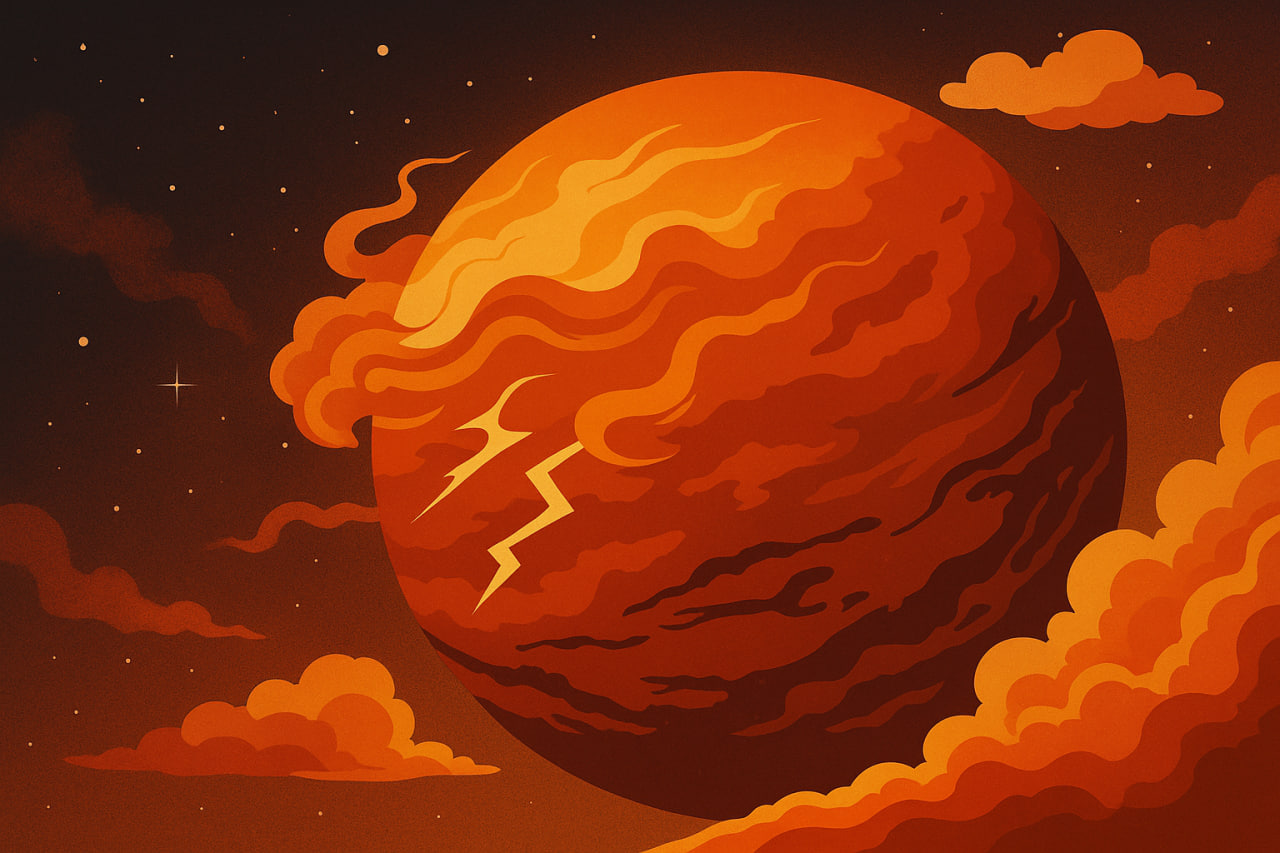
Although similar in size and composition to Earth, Venus is often described as our planet’s evil twin. With scorching temperatures, crushing atmospheric pressure, and acidic clouds, Venus is one of the most inhospitable places in the solar system. Understanding why Venus became so hostile provides critical insights into planetary evolution—and even Earth's future.