Solar System

Venus: What We Have Learned After Decades of Observation
Space Stories Universe Solar System

Venus: What We Have Learned After Decades of Observation

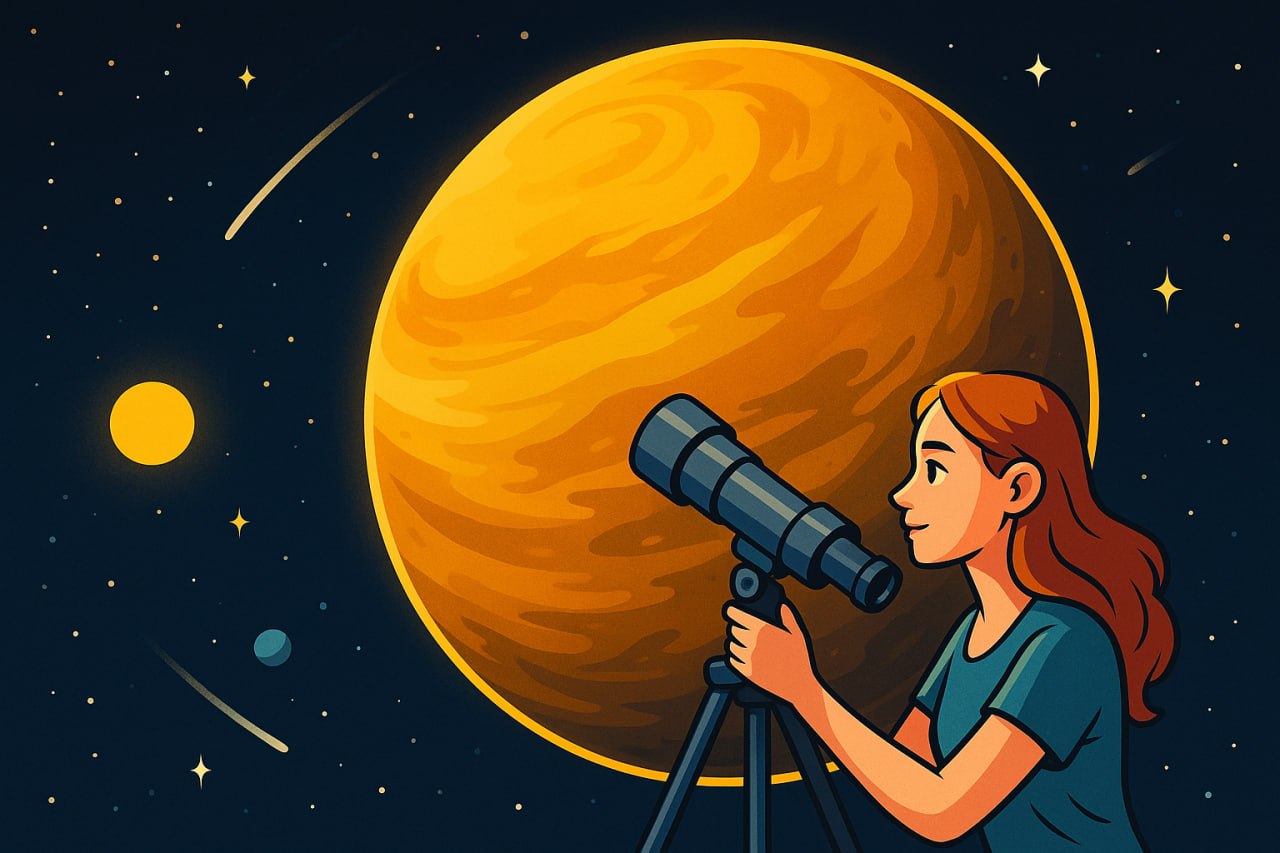
Venus, often called Earth’s “twin,” is one of the most fascinating and mysterious planets in the Solar System. Despite being similar to Earth in size, mass, and composition, Venus evolved into an extreme world dominated by scorching temperatures, crushing atmospheric pressure, and clouds of toxic acid. Over the past several decades, scientists have observed Venus through telescopes, orbiters, landers, and radar-mapping missions, gradually revealing the planet’s surface, atmosphere, geology, and climate. These observations have transformed our understanding of planetary evolution, climate change, volcanic activity, and atmospheric chemistry. Venus may be harsh and inhospitable today, but its history and behavior offer crucial insights into the past — and perhaps the future — of Earth itself.
JUNO: NASA’s Mission to Uncover the Secrets of Jupiter
Space Stories Universe Solar System

JUNO: NASA’s Mission to Uncover the Secrets of Jupiter

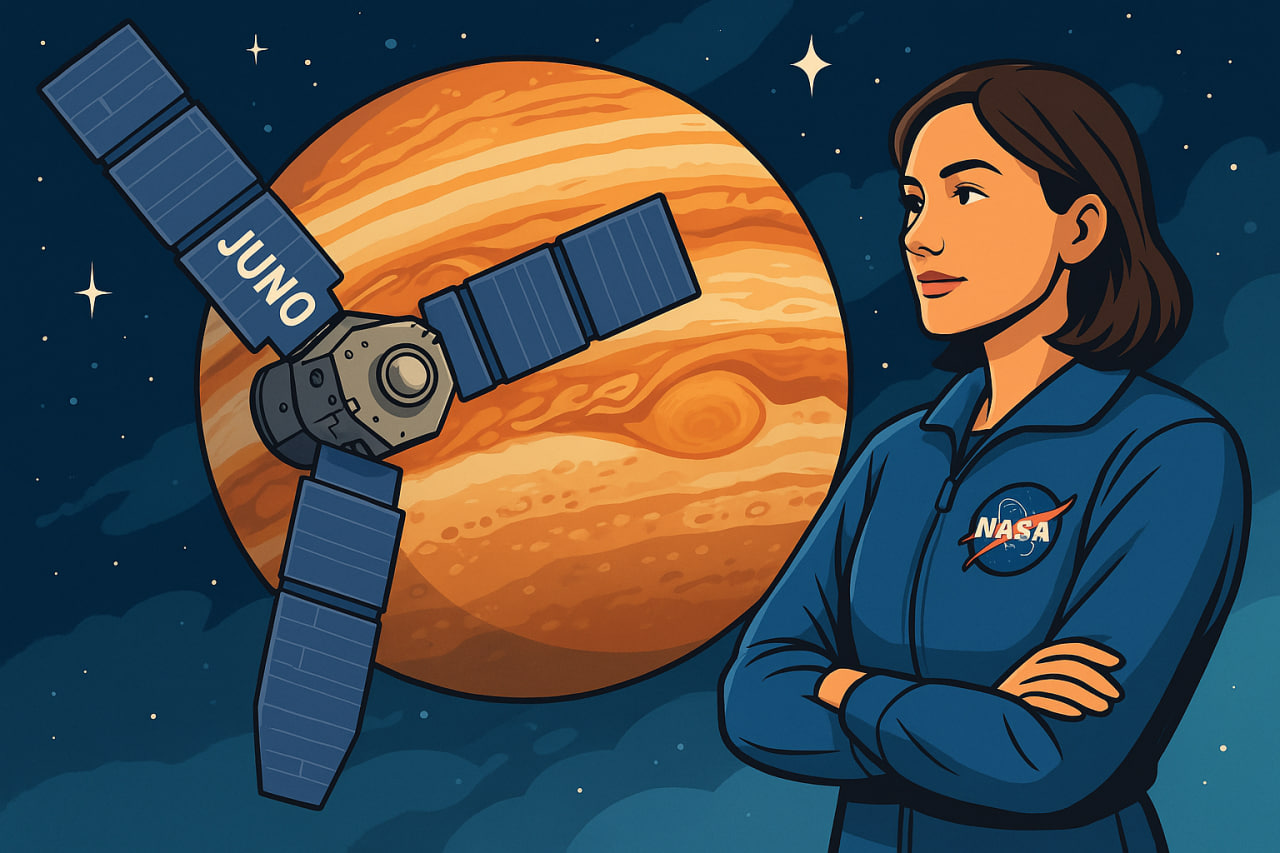
Launched in 2011, NASA’s Juno spacecraft is one of the most ambitious and scientifically groundbreaking missions ever sent to the outer Solar System. Designed to study Jupiter — the largest and most ancient planet — Juno seeks to uncover clues about the formation of our planetary system, the composition of gas giants, and the deep internal processes that drive their powerful magnetic fields and extreme weather systems. By orbiting Jupiter in a highly elongated polar orbit, Juno collects data from regions never before observed, offering unprecedented insight into the mysteries hidden beneath Jupiter’s dense and stormy atmosphere. As the spacecraft continues to send back discoveries, scientists gain a clearer picture of how giant planets shape the evolution of planetary environments and the potential conditions for life elsewhere.

What Is a Gas Giant? Understanding the Giants of Our Solar System
Space Stories Universe Solar System

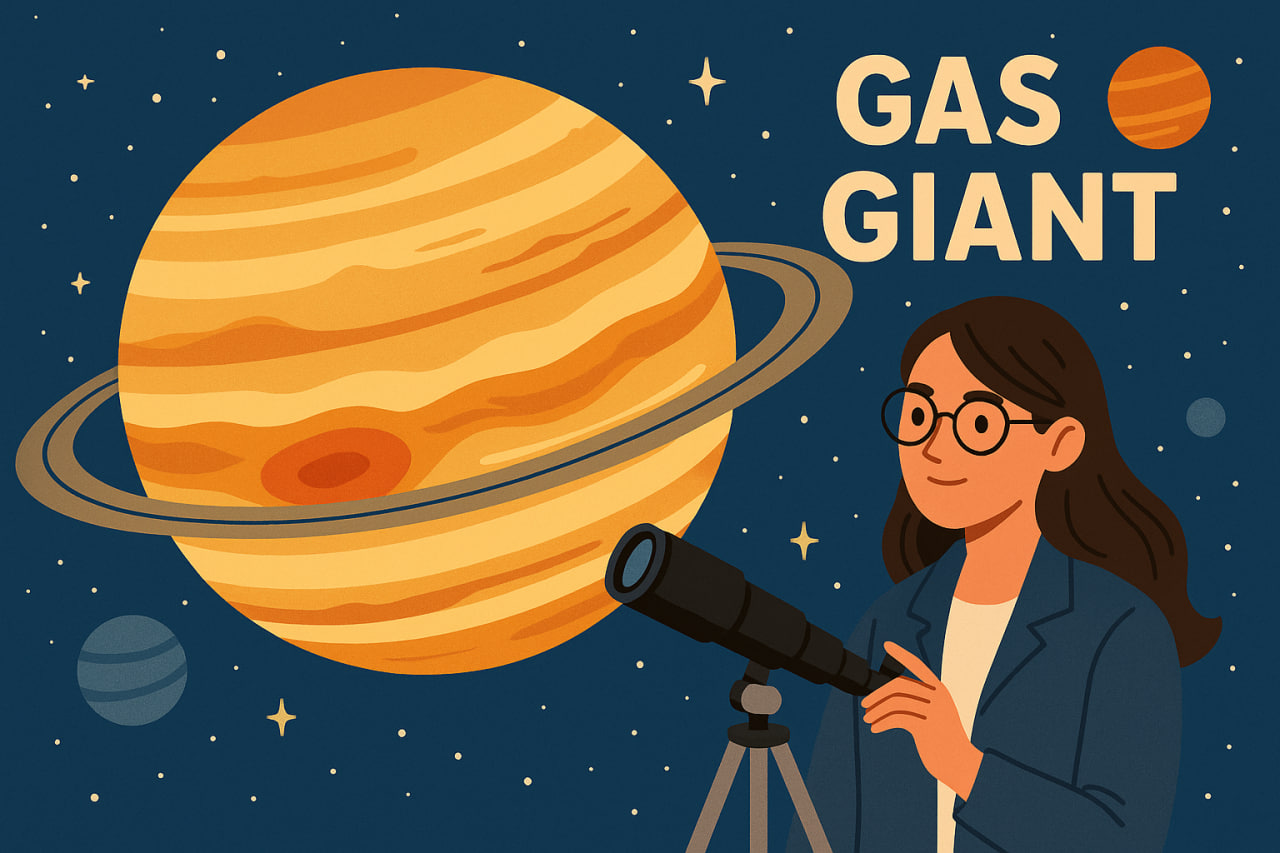
What Is a Gas Giant? Understanding the Giants of Our Solar System

Gas giants are enormous planets composed mostly of hydrogen, helium, and other light gases rather than solid rock. These colossal worlds — such as Jupiter and Saturn in our Solar System — are known for their thick atmospheres, extreme weather systems, powerful magnetic fields, and massive gravitational influence. Unlike terrestrial planets like Earth or Mars, gas giants do not have a solid surface; instead, their atmospheres gradually transition into deeper layers of compressed gas and liquid under immense pressure. Studying gas giants helps scientists understand how planets form and evolve, how atmospheres behave under extreme conditions, and how giant planets influence the structure of planetary systems. Gas giants also offer clues about distant exoplanets, since many planets discovered around other stars belong to this category.

Lunar Eclipse: A Spectacular Alignment of Earth, Moon, and Sun
Space Stories Universe Solar System

Lunar Eclipse: A Spectacular Alignment of Earth, Moon, and Sun

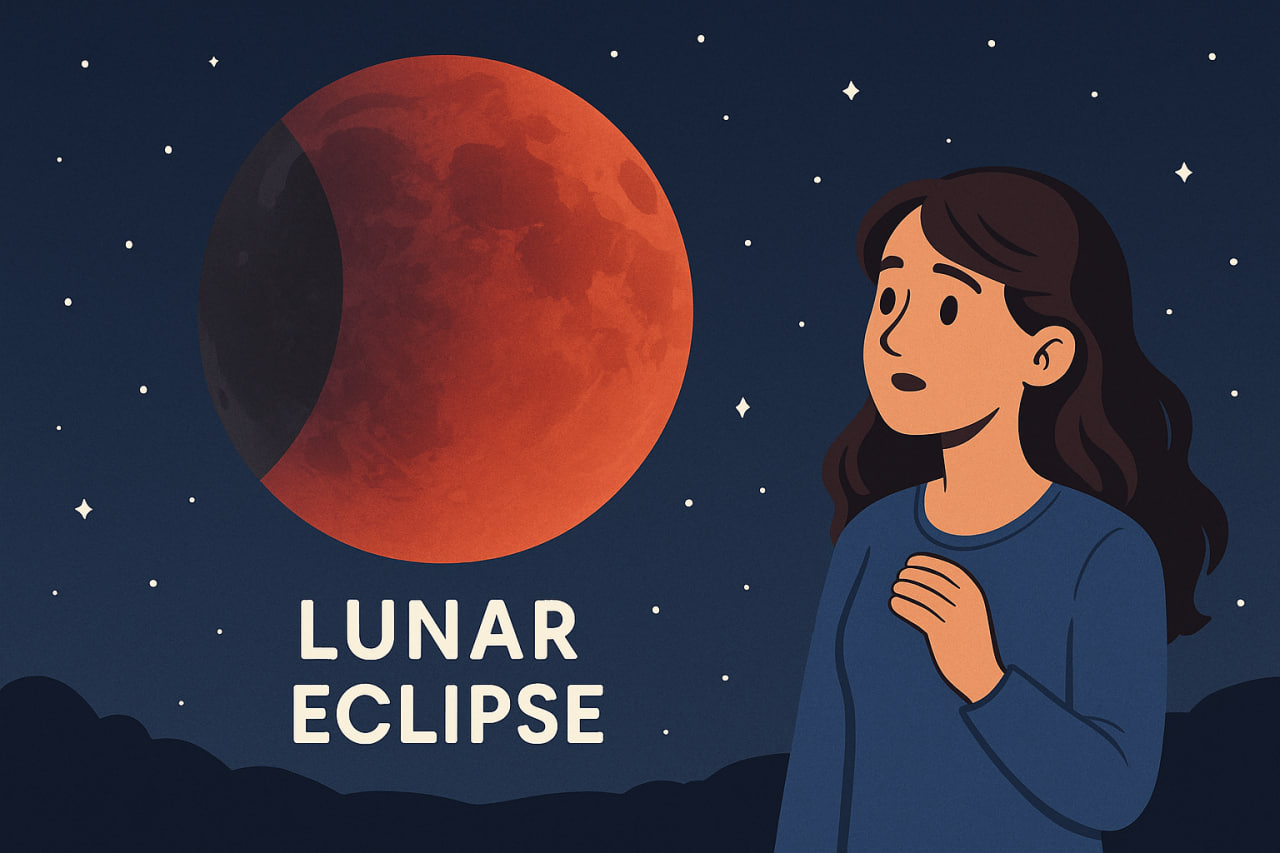
A lunar eclipse is one of the most captivating celestial events visible from Earth, occurring when the Earth passes directly between the Sun and the Moon, casting its shadow across the lunar surface. Unlike solar eclipses, which require special eye protection and are visible only from narrow paths, lunar eclipses can be observed safely with the naked eye and are visible from entire continents. Throughout history, lunar eclipses have inspired myths, scientific discoveries, and cultural traditions. Today, they offer astronomers a valuable opportunity to study Earth’s atmosphere and the Moon’s surface under unique lighting conditions. Understanding how lunar eclipses form reveals both the elegance of celestial mechanics and the interconnected motions of our planet and its natural satellite.

The James Webb Space Telescope: Humanity’s Window to the Beginning of Time
Space Stories Cosmic Innovations Hi-Tech

The James Webb Space Telescope: Humanity’s Window to the Beginning of Time

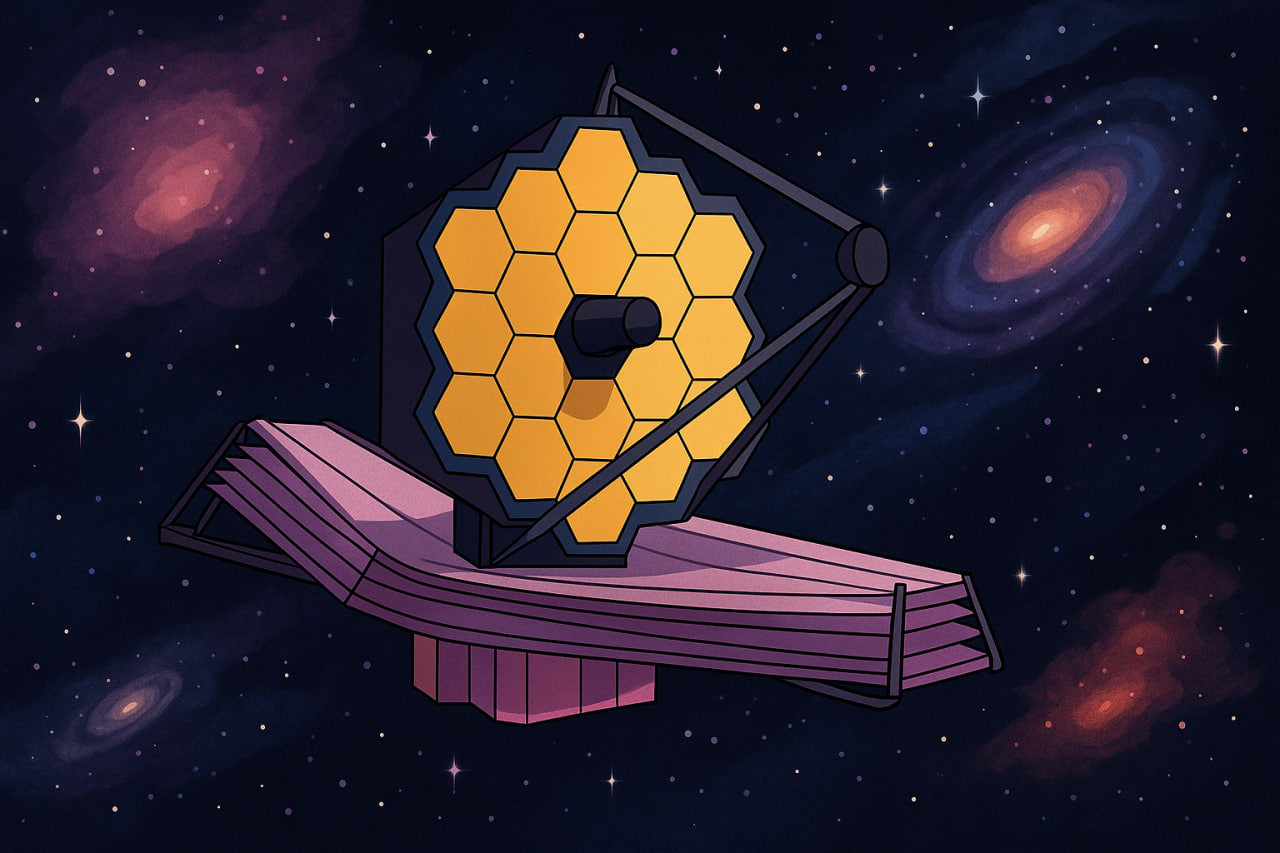
The James Webb Space Telescope (JWST) is one of the most ambitious scientific instruments ever built. Launched on December 25, 2021, it has revolutionized astronomy by allowing humanity to peer deeper into space — and further back in time — than ever before. Often called the “successor to Hubble,” Webb is not just a telescope; it’s a time machine revealing the universe’s earliest galaxies and the secrets of cosmic evolution.

How Solar Flares Form: The Explosions on the Sun
Space Stories Universe Science

How Solar Flares Form: The Explosions on the Sun

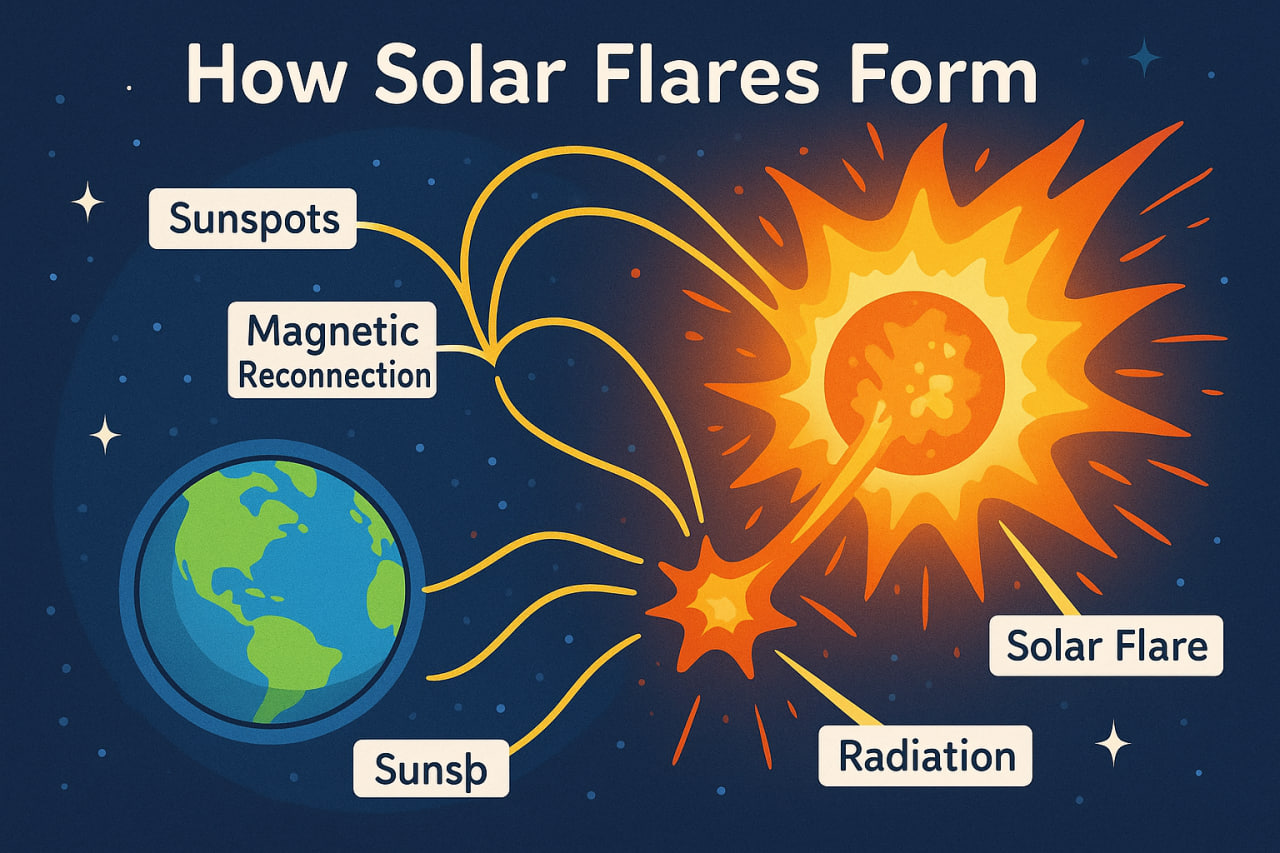
The Sun may look calm from Earth, but it is in constant motion — a fiery, magnetic storm of plasma and light. Among its most dramatic phenomena are solar flares: sudden bursts of energy that release the power of millions of nuclear bombs in seconds. These cosmic explosions can affect satellites, disrupt radio signals, and even paint the sky with colorful auroras. But what exactly causes them?

Ultraviolet Light: The Invisible Force of the Sun
Space Stories Universe Solar System

Ultraviolet Light: The Invisible Force of the Sun

Ultraviolet (UV) light is an invisible type of electromagnetic radiation emitted by the Sun and certain artificial sources. While it plays an essential role in nature — such as helping the human body produce vitamin D — excessive exposure can be dangerous to living organisms. Understanding how UV radiation works, its types, benefits, and risks allows us to protect ourselves and use it safely in science, medicine, and technology.

Where Did All the Water on Earth Come From?
Space Stories Solar System Earth & Moon

Where Did All the Water on Earth Come From?

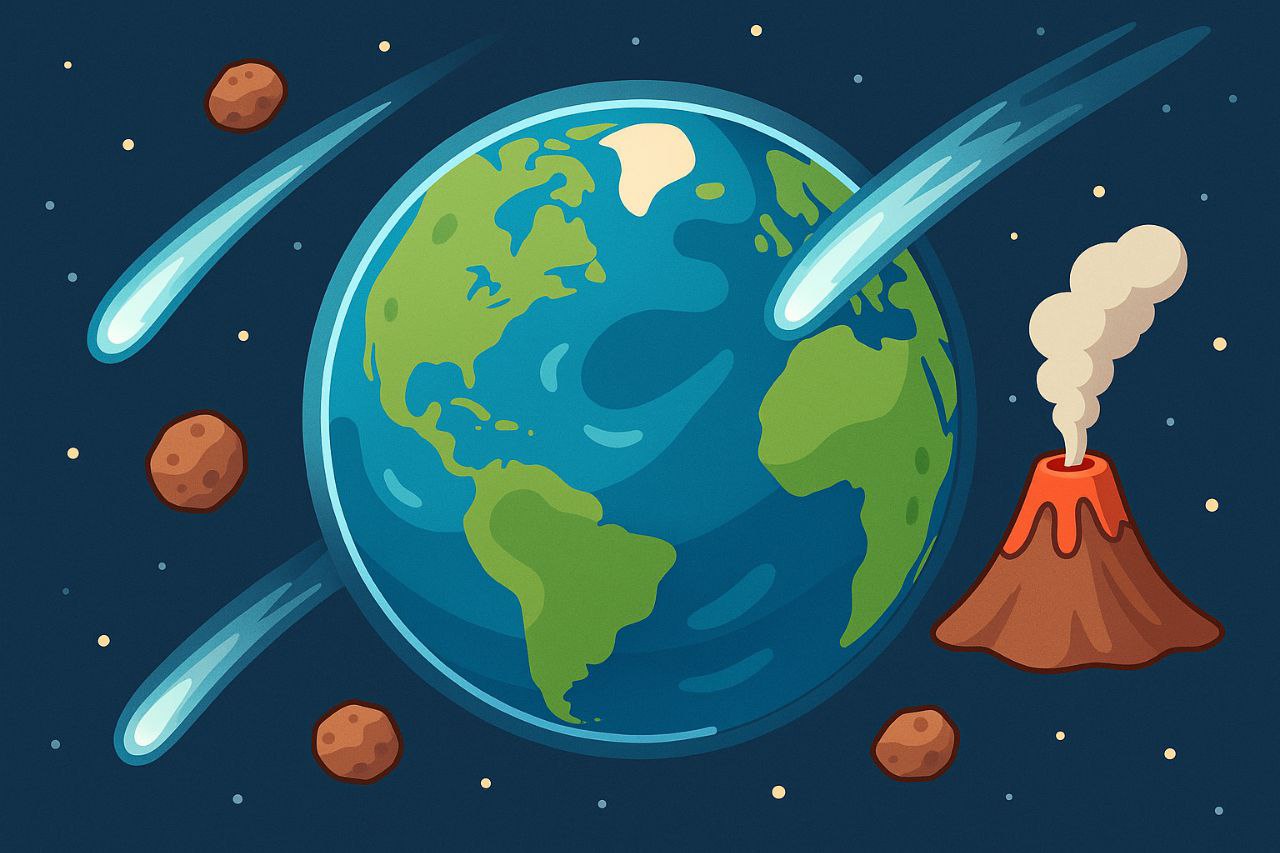
Water covers about 71% of Earth’s surface, making it one of the most defining features of our planet. Yet the question of how Earth acquired so much water remains one of science’s most fascinating mysteries. Researchers believe Earth’s water is the result of both internal geological processes and delivery from space.

The Solar Corona
Space Stories Universe Solar System

The Solar Corona

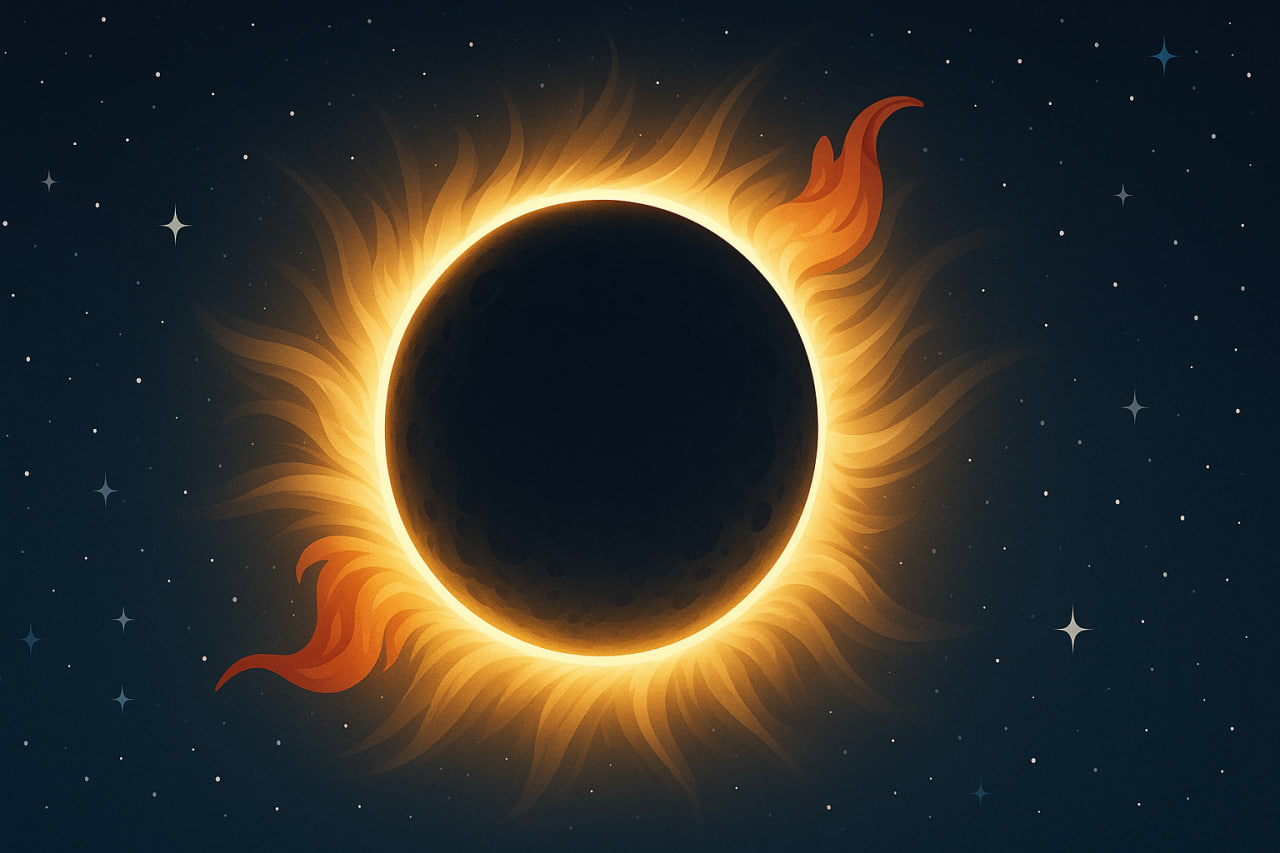
The solar corona is the outermost layer of the Sun’s atmosphere, extending millions of kilometers into space. Although it is extremely thin and faint compared to the bright solar disk, it plays a crucial role in solar activity and space weather. The corona is most visible during a total solar eclipse, when the Moon blocks the Sun’s surface, revealing a glowing halo of light.

How Planets Hold On to Their Atmosphere
Space Stories Universe Solar System

How Planets Hold On to Their Atmosphere

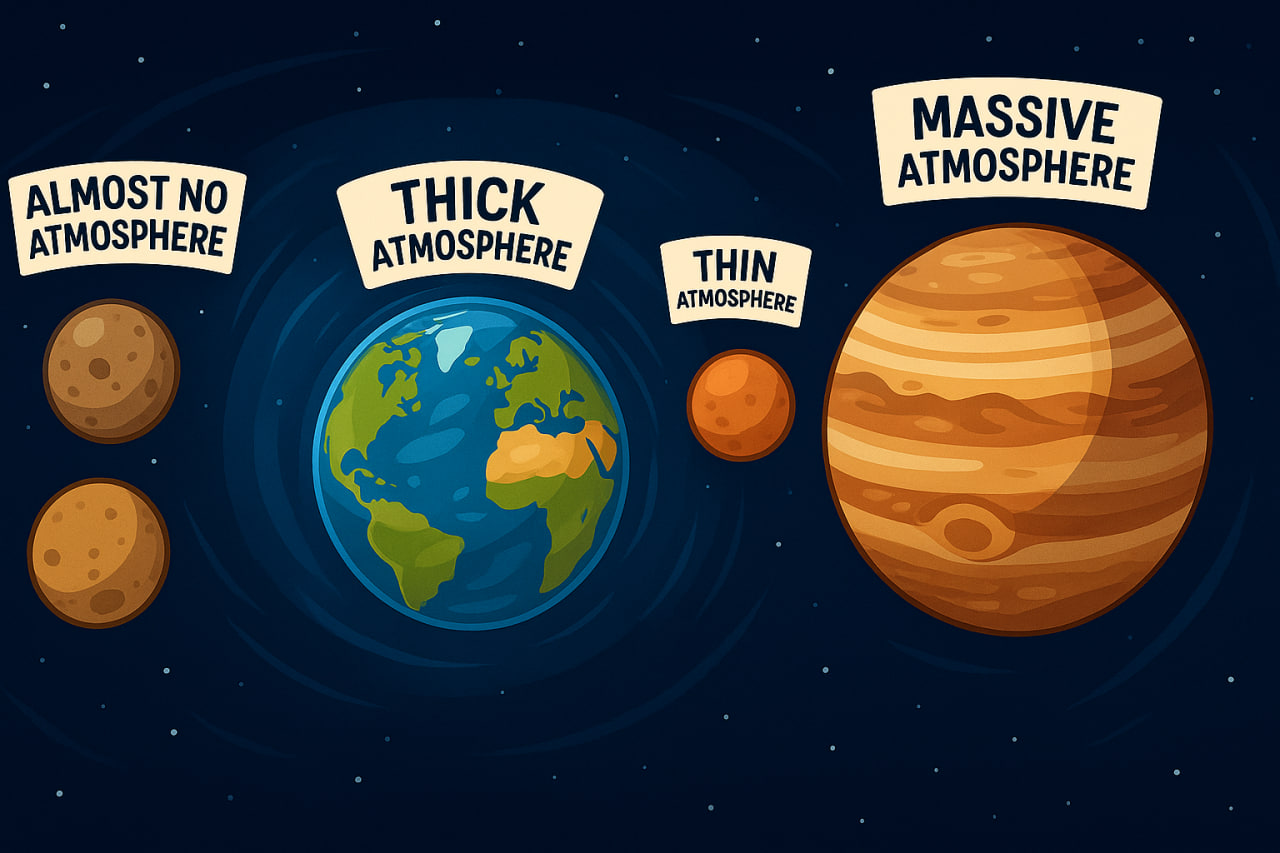
One of the key differences between planets, moons, and other celestial bodies is whether they have an atmosphere—a layer of gases surrounding them. Earth has a rich, life-supporting atmosphere, while Mercury has almost none, and Mars has only a thin one. The ability of a planet to hold an atmosphere depends on several physical and chemical factors, which together determine whether gases escape into space or remain bound to the planet.