Solar System

Europa Clipper: NASA’s Mission to Search for Life Beneath Europa’s Ice
Space Stories Cosmic Innovations Solar System

Europa Clipper: NASA’s Mission to Search for Life Beneath Europa’s Ice

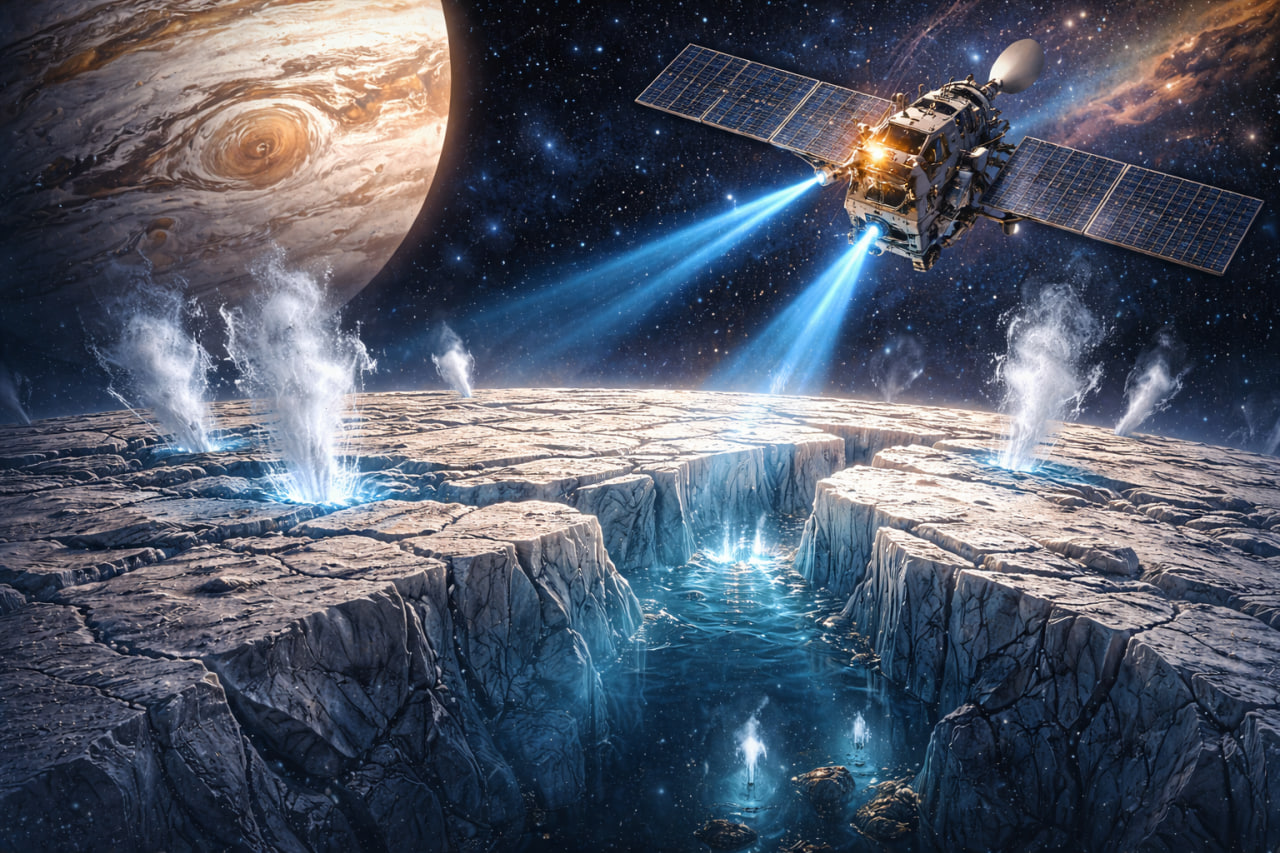
The Europa Clipper mission is one of NASA’s most ambitious projects aimed at exploring the possibility of life beyond Earth. Its target is Europa, one of Jupiter’s moons, which is believed to hide a vast ocean beneath its thick icy crust. Scientists consider Europa one of the most promising places in the solar system to search for extraterrestrial life, thanks to the presence of water, energy sources, and potentially suitable chemical conditions. Rather than landing on the surface, the spacecraft will perform multiple flybys, collecting detailed data about the moon’s structure and environment. This mission represents a major step forward in the search for life in our cosmic neighborhood.
Radiation Belts Around Planets: Invisible Shields and Threats
Space Stories Universe New Discoveries

Radiation Belts Around Planets: Invisible Shields and Threats

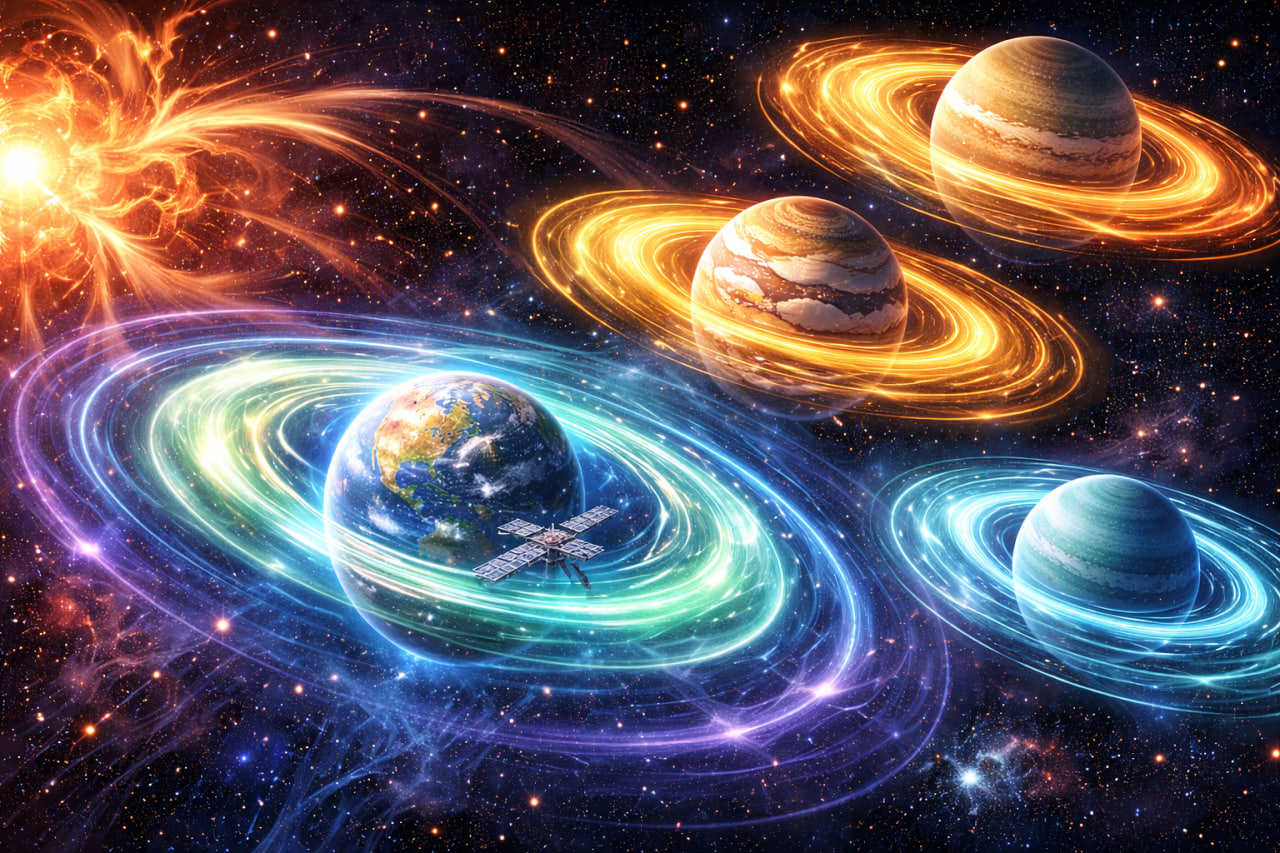
Radiation belts are regions surrounding planets where charged particles are trapped by magnetic fields, forming invisible yet powerful zones of energy. The most well-known example is Earth’s Van Allen radiation belts, but similar structures exist around other planets such as Jupiter and Saturn. These belts are created when particles from the solar wind become captured and accelerated by a planet’s magnetosphere. While they can act as a form of protection by deflecting harmful radiation, they also pose serious risks to spacecraft and astronauts. Understanding radiation belts is essential for space exploration and for studying how planetary magnetic fields interact with their environment.

Kessler Syndrome: When Space Becomes Too Dangerous to Use
Space Stories Be Smart Solar System

Kessler Syndrome: When Space Becomes Too Dangerous to Use

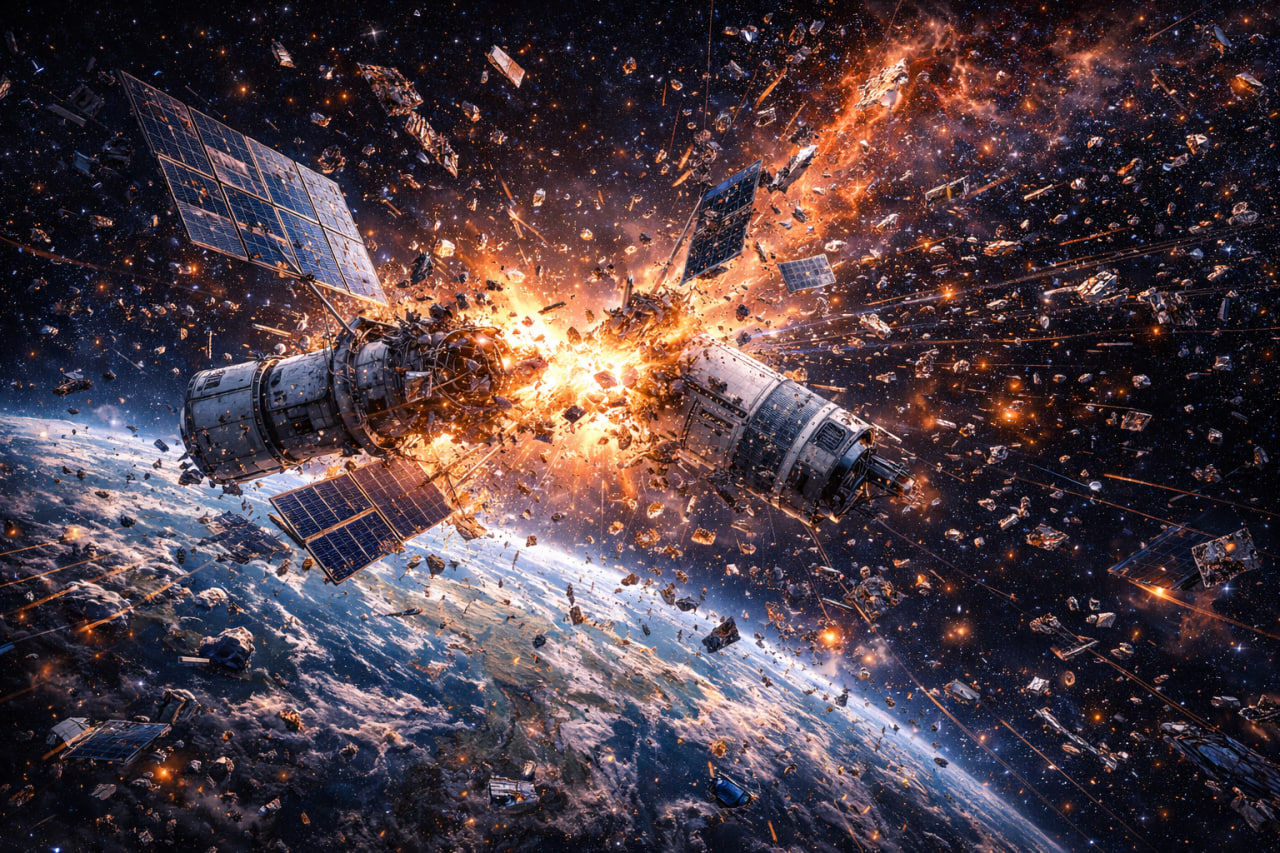
The Kessler Syndrome is a theoretical scenario in which the amount of space debris in Earth’s orbit becomes so dense that collisions between objects create a chain reaction, generating even more debris. Over time, this process could make certain orbits unusable, threatening satellites, space missions, and even future exploration. First proposed in 1978 by NASA scientist Donald Kessler, the concept has become increasingly relevant as the number of satellites and debris fragments continues to grow. What once seemed like a distant possibility is now considered a real and growing risk in modern space operations.

Could the Moon Fall to Earth? What Science Says
Solar System Earth & Moon What if?

Could the Moon Fall to Earth? What Science Says

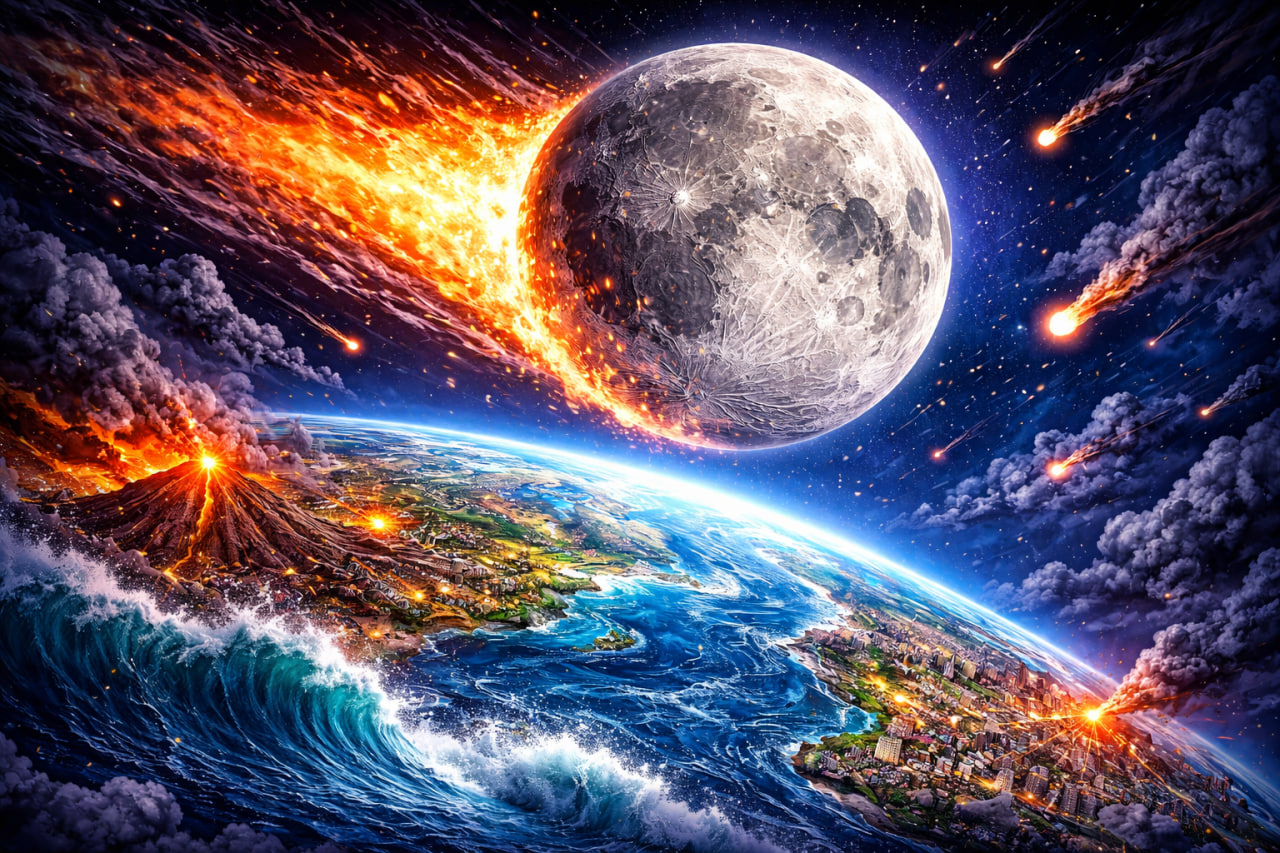
The idea that the Moon could suddenly fall to Earth is a dramatic and often frightening thought. However, according to modern science, such a scenario is extremely unlikely under natural conditions. The Moon is not simply “hanging” above Earth—it is in a stable orbit governed by gravity and motion. This balance between gravitational attraction and orbital velocity keeps the Moon moving around Earth rather than falling into it. For billions of years, this system has remained stable. In fact, the Moon is slowly moving away from Earth over time, not getting closer. Understanding orbital mechanics helps explain why a collision is not expected.

Space Weather: How Solar Storms Could Disrupt Electricity and the Internet
Space Stories Universe Solar System

Space Weather: How Solar Storms Could Disrupt Electricity and the Internet

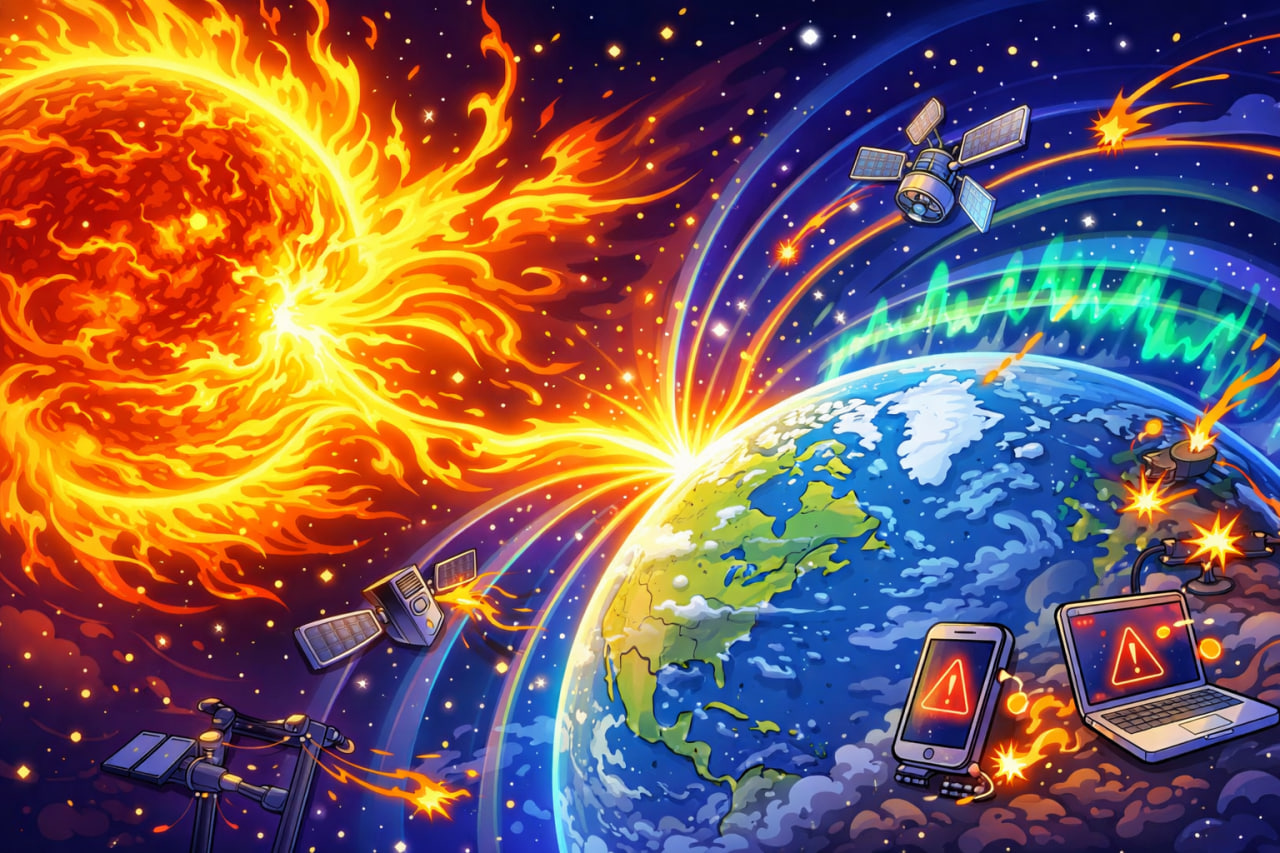
Space weather refers to conditions in space that are influenced by the activity of the Sun, particularly solar flares and coronal mass ejections. Although space may seem distant, solar activity can have direct and powerful effects on Earth. These events release enormous amounts of energy and charged particles that travel through space at high speeds. When they reach Earth, they interact with the planet’s magnetic field and atmosphere. Under certain conditions, this interaction can disrupt modern technological systems. In a world that depends heavily on electricity and digital communication, such disruptions could have serious consequences. Understanding space weather is essential for protecting infrastructure and maintaining global stability.

Space Stations Beyond Earth: Which Planets and Moons Are the Most Promising?
Space Stories Cosmic Innovations Solar System

Space Stations Beyond Earth: Which Planets and Moons Are the Most Promising?

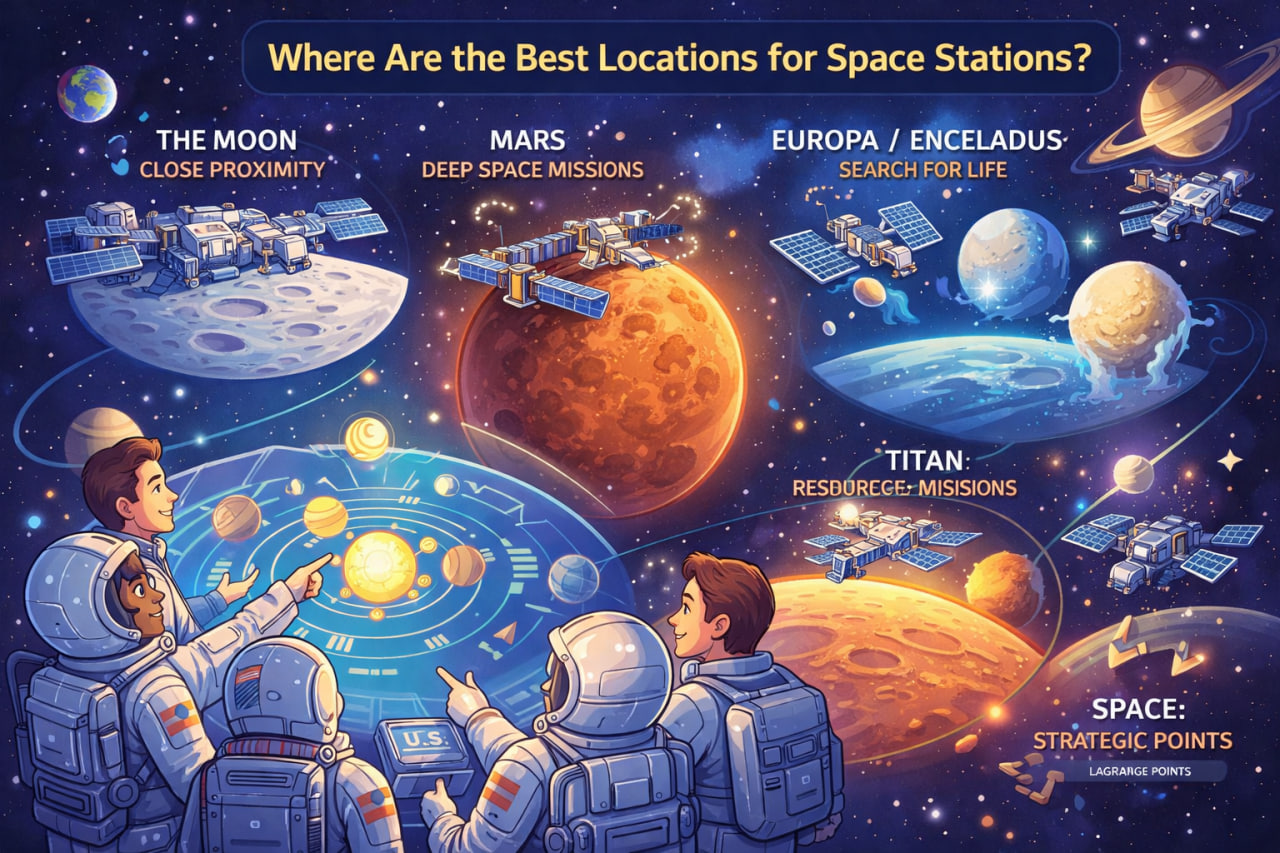
As humanity looks beyond Earth, the idea of placing space stations near other planets and moons becomes increasingly important. These stations could serve as scientific hubs, logistics centers, refueling points, and stepping stones for deep-space exploration. However, not every celestial body is equally suitable for such projects. Factors such as gravity, radiation, access to water ice, orbital stability, and distance from Earth all influence whether a location is practical. Scientists and engineers study these conditions carefully to identify the most promising destinations for long-term infrastructure in space. Understanding where future stations could be built helps define the next stages of human exploration and makes the concept of a multi-planetary civilization more realistic.

The Moon: What Lies Beneath Its Lifeless Surface?
Space Stories Universe Solar System

The Moon: What Lies Beneath Its Lifeless Surface?

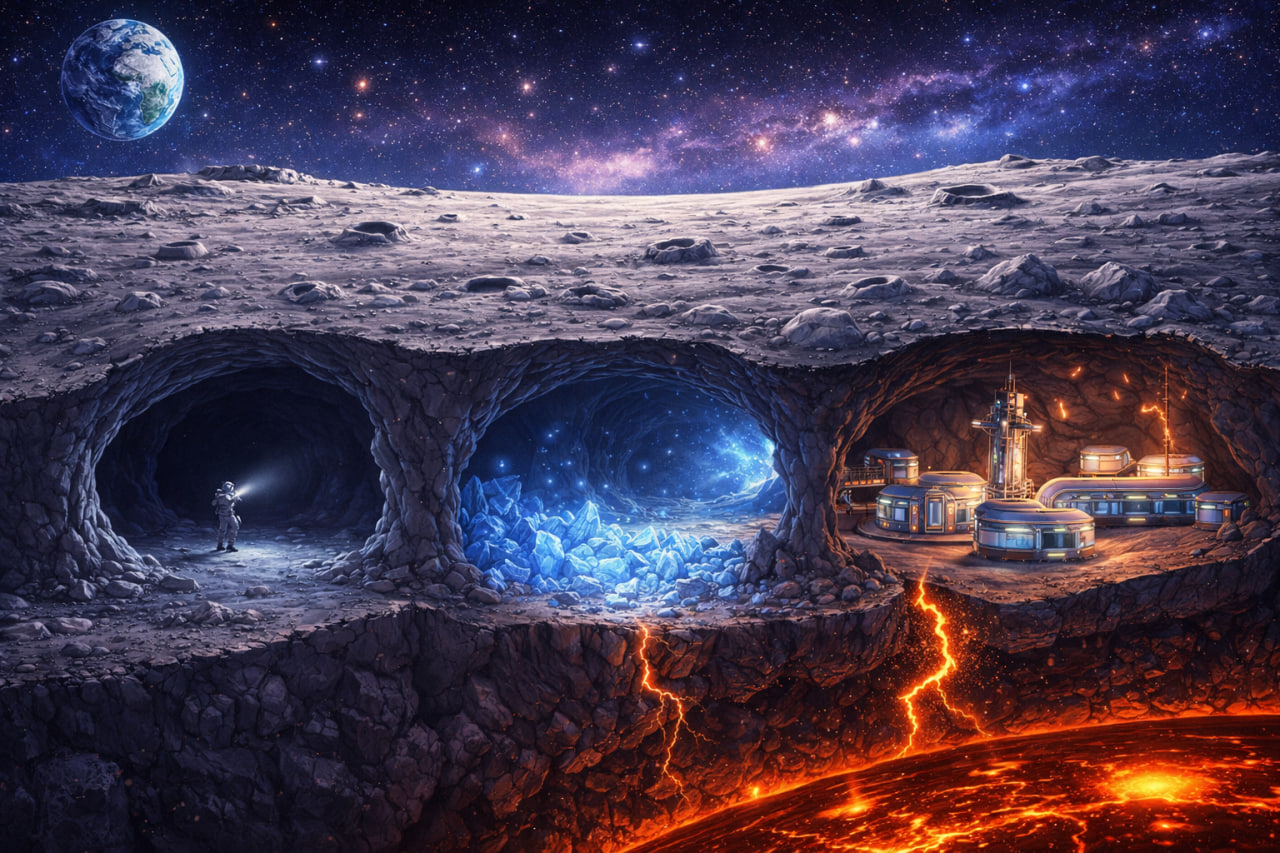
At first glance, the Moon appears to be a barren and lifeless world, covered in dust, craters, and silent plains. However, beneath its seemingly inactive surface lies a complex history and hidden structures that continue to intrigue scientists. The Moon preserves a record of billions of years of solar system evolution, acting as a time capsule untouched by weather, water, or tectonic activity. Modern missions and advanced instruments have revealed that its interior is far more dynamic than once believed. From subsurface ice to geological layers and ancient lava tubes, the Moon holds secrets that could reshape our understanding of planetary formation and even support future human exploration. Exploring what lies beneath the lunar surface is key to unlocking its past—and its potential future.

Volcanism on the Moon: Evidence of an Ancient Fire
Space Stories Universe Solar System

Volcanism on the Moon: Evidence of an Ancient Fire

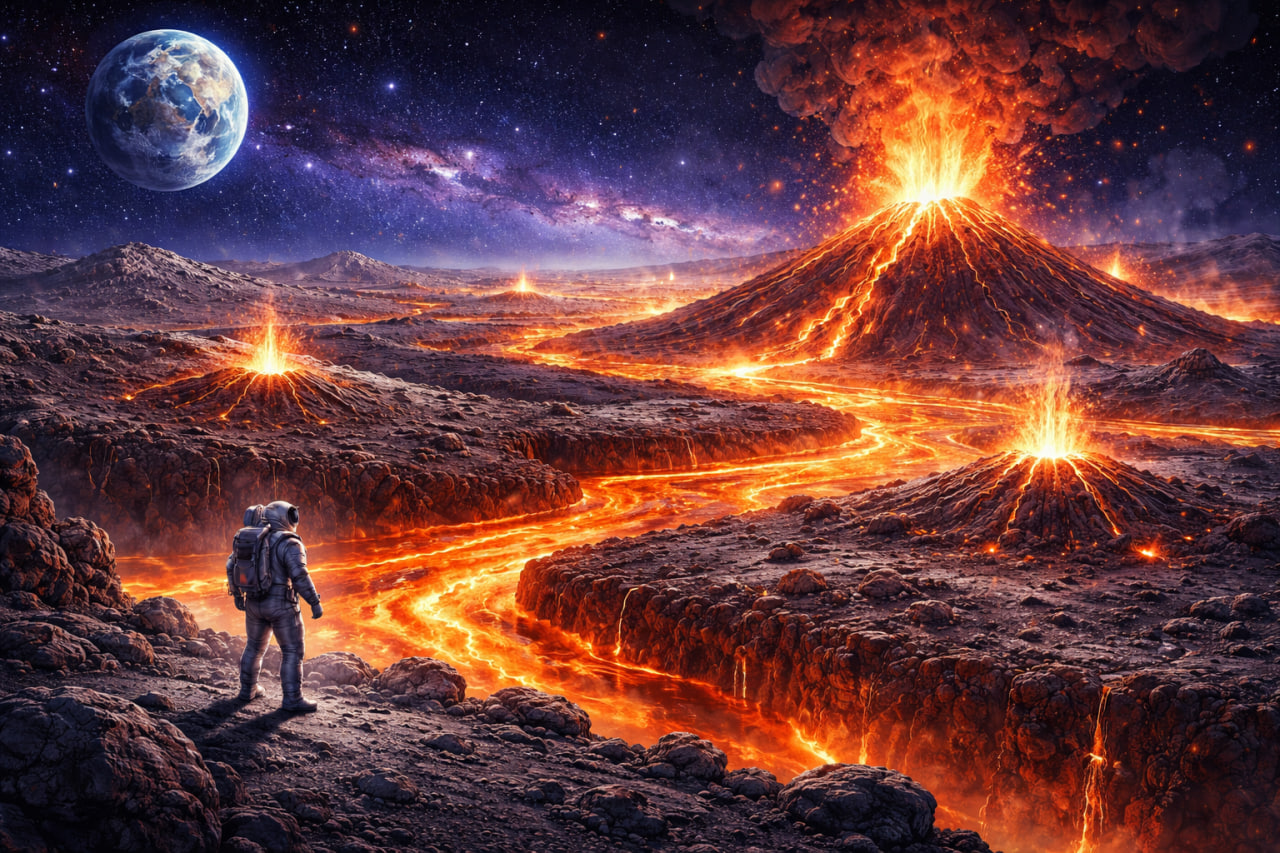
Today, the Moon appears cold, silent, and geologically inactive, but billions of years ago it was shaped by intense volcanic activity. Vast dark plains known as lunar maria were created by enormous lava flows that spread across the surface after powerful eruptions from the Moon’s interior. These features, visible even from Earth with the naked eye, show that the Moon was once a far more dynamic world than it appears today. Although its volcanism ended long ago, the traces of these ancient eruptions remain preserved because the Moon has no atmosphere, rain, or strong erosion to erase them. This makes the lunar surface an extraordinary geological archive of early planetary history. Studying volcanic activity on the Moon helps scientists understand not only the Moon itself, but also how rocky bodies cool, evolve, and transform over time throughout the solar system.

Valles Marineris on Mars: The Giant Canyon of Another World
Space Stories Universe Solar System

Valles Marineris on Mars: The Giant Canyon of Another World

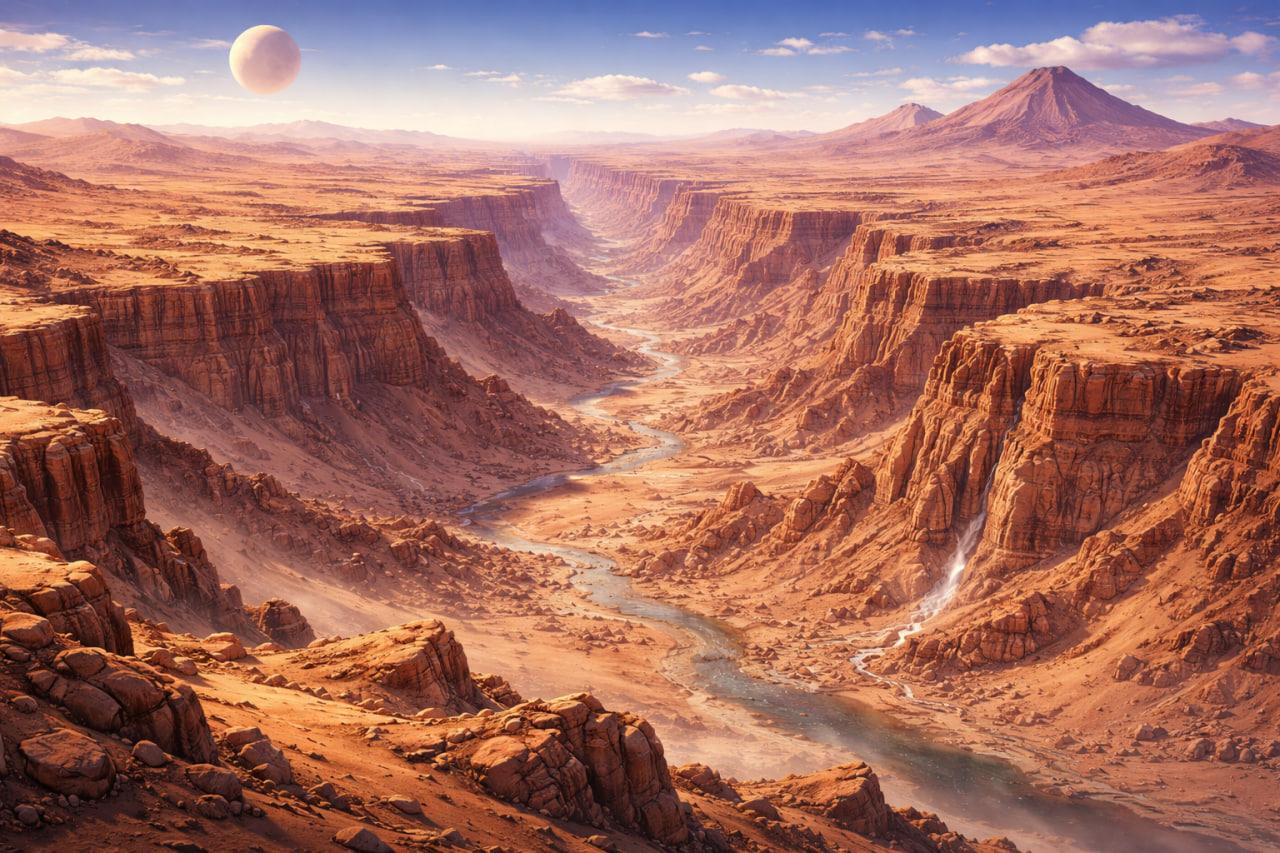
Valles Marineris is one of the most impressive geological structures in the solar system, stretching across the surface of Mars like a massive scar. This enormous canyon system extends for over 4,000 kilometers, making it far larger than any canyon on Earth, including the Grand Canyon. Its vast scale, depth, and complexity reveal a dramatic history of tectonic activity, erosion, and possible water flow. Unlike typical river-formed canyons on Earth, Valles Marineris is believed to have formed primarily through crustal stretching and collapse. Studying this region provides valuable insights into the geological evolution of Mars and the processes that have shaped its surface. It also raises intriguing questions about the planet’s past, including the possible presence of water and habitable conditions.

Radiation Protection During Long-Duration Space Travel
Space Stories Cosmic Innovations Hi-Tech

Radiation Protection During Long-Duration Space Travel

Long-duration space missions expose astronauts to radiation levels far higher than those experienced on Earth. Unlike our planet, which is protected by a magnetic field and thick atmosphere, deep space offers little natural shielding against high-energy particles. During missions to Mars or beyond, crews would spend months or even years outside Earth’s protective magnetosphere. Prolonged exposure to space radiation increases risks of cancer, nervous system damage, and other health complications. Protecting astronauts from radiation is therefore one of the most critical challenges in planning deep-space exploration. Effective solutions require a combination of engineering, biology, and mission design strategies.