Solar System

Ice Giants: Uranus and Neptune — The Forgotten Planets
Space Stories Be Smart Solar System

Ice Giants: Uranus and Neptune — The Forgotten Planets

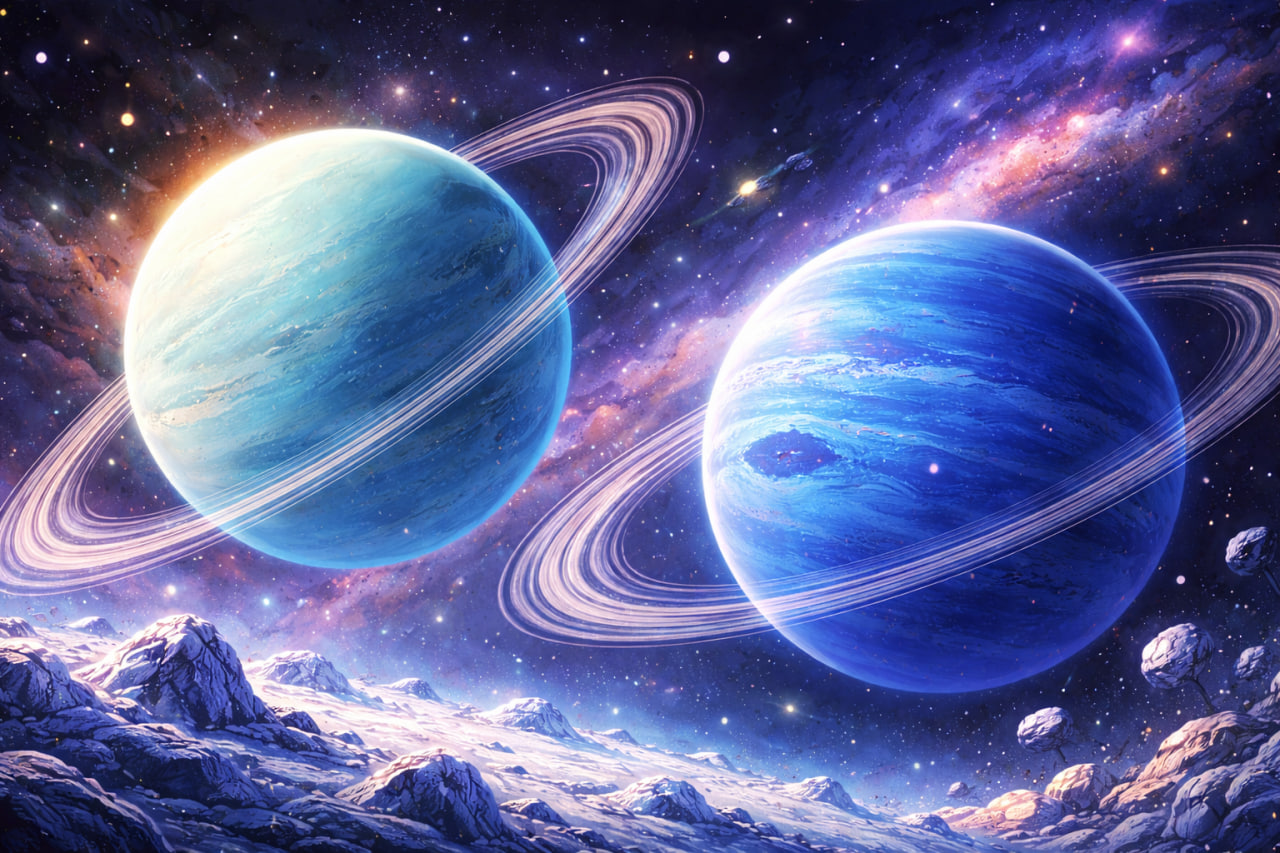
Uranus and Neptune are often referred to as the ice giants of the Solar System, yet they remain some of the least explored and most mysterious planets. Unlike the more famous gas giants like Jupiter and Saturn, these distant worlds receive far less attention, largely due to their extreme distance from Earth. However, they hold crucial clues about planetary formation, atmospheric physics, and the diversity of worlds beyond our Solar System. Composed largely of water, ammonia, and methane ices, these planets differ significantly from gas giants, offering a unique class of planetary environments. Despite their beauty and scientific importance, Uranus and Neptune are often called “forgotten” because only one spacecraft—Voyager 2—has ever visited them. Studying these planets helps scientists better understand not only our Solar System but also the many similar planets discovered around other stars.
How Venus “Died” as a Habitable Planet
Space Stories Be Smart Solar System

How Venus “Died” as a Habitable Planet

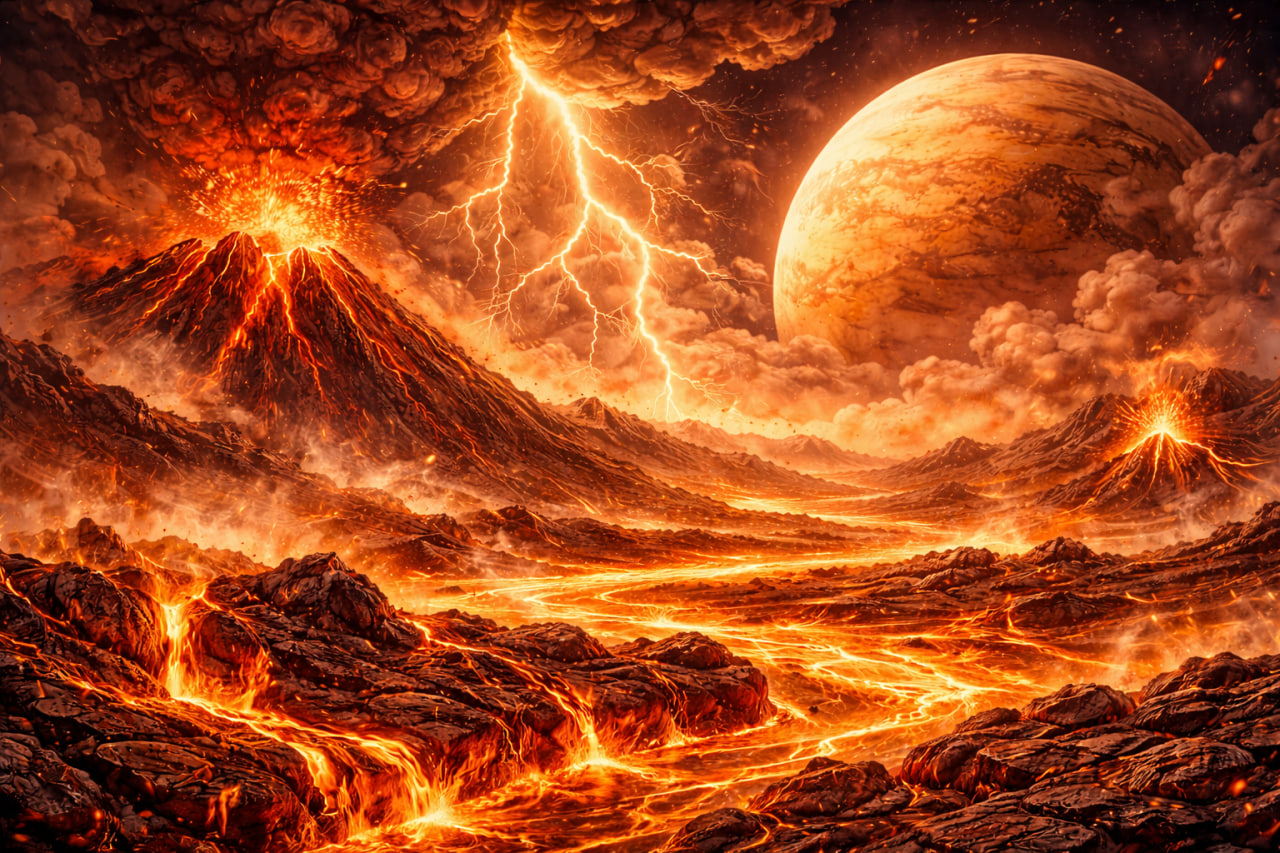
Venus is often described as a “dead” or “lost” world—not because the planet itself disappeared, but because it likely lost the conditions that could have supported life. Billions of years ago, Venus may have had a much more Earth-like environment, with moderate temperatures and possibly even liquid water on its surface. However, over time, a series of powerful climatic and atmospheric changes transformed it into the extremely hot and hostile planet we see today. This transformation is one of the most dramatic examples of planetary evolution in the Solar System. Studying how Venus “died” helps scientists understand the fragile balance required for a planet to remain habitable. It also provides important warnings about how climate systems can change beyond recovery.

Probe to the Sun: How Parker Solar Probe “Touched” a Star
Space Stories Cosmic Innovations Solar System

Probe to the Sun: How Parker Solar Probe “Touched” a Star

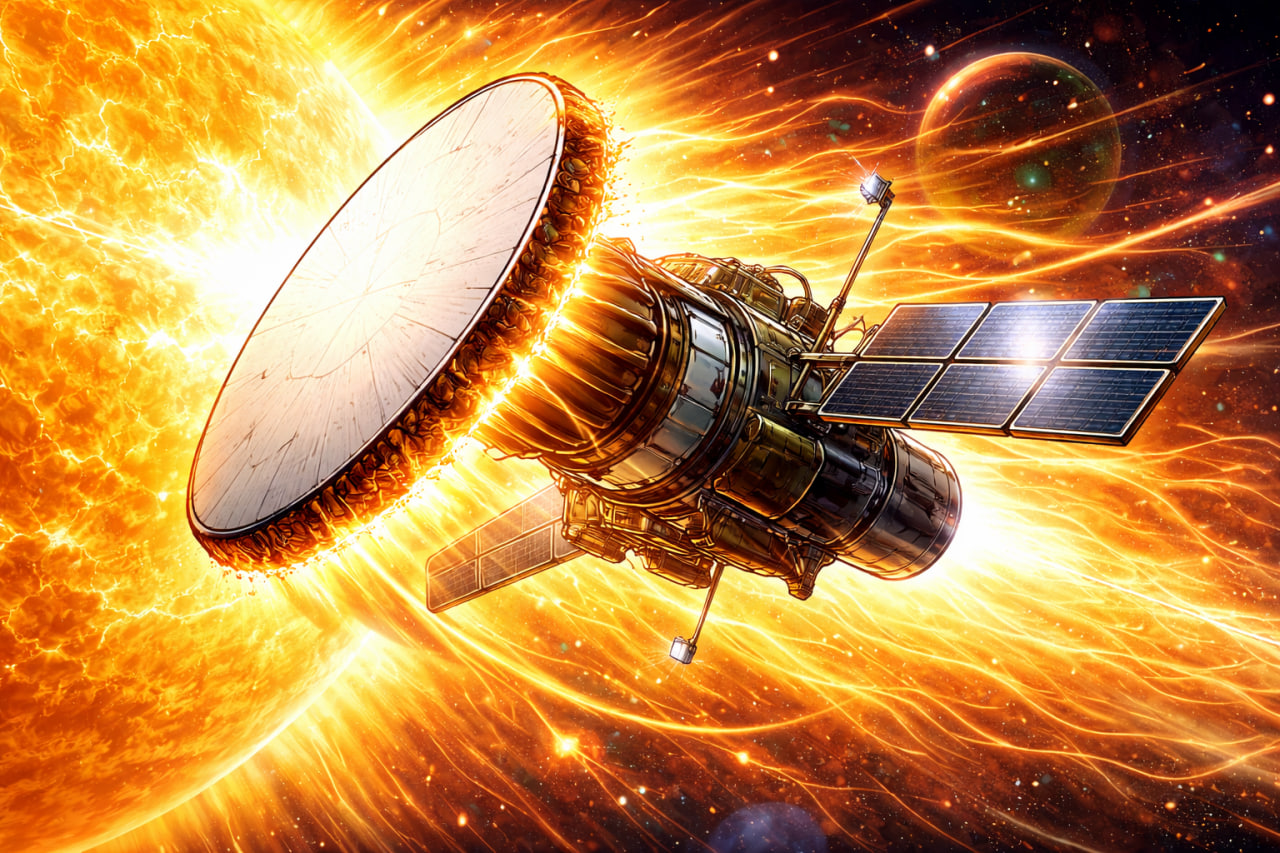
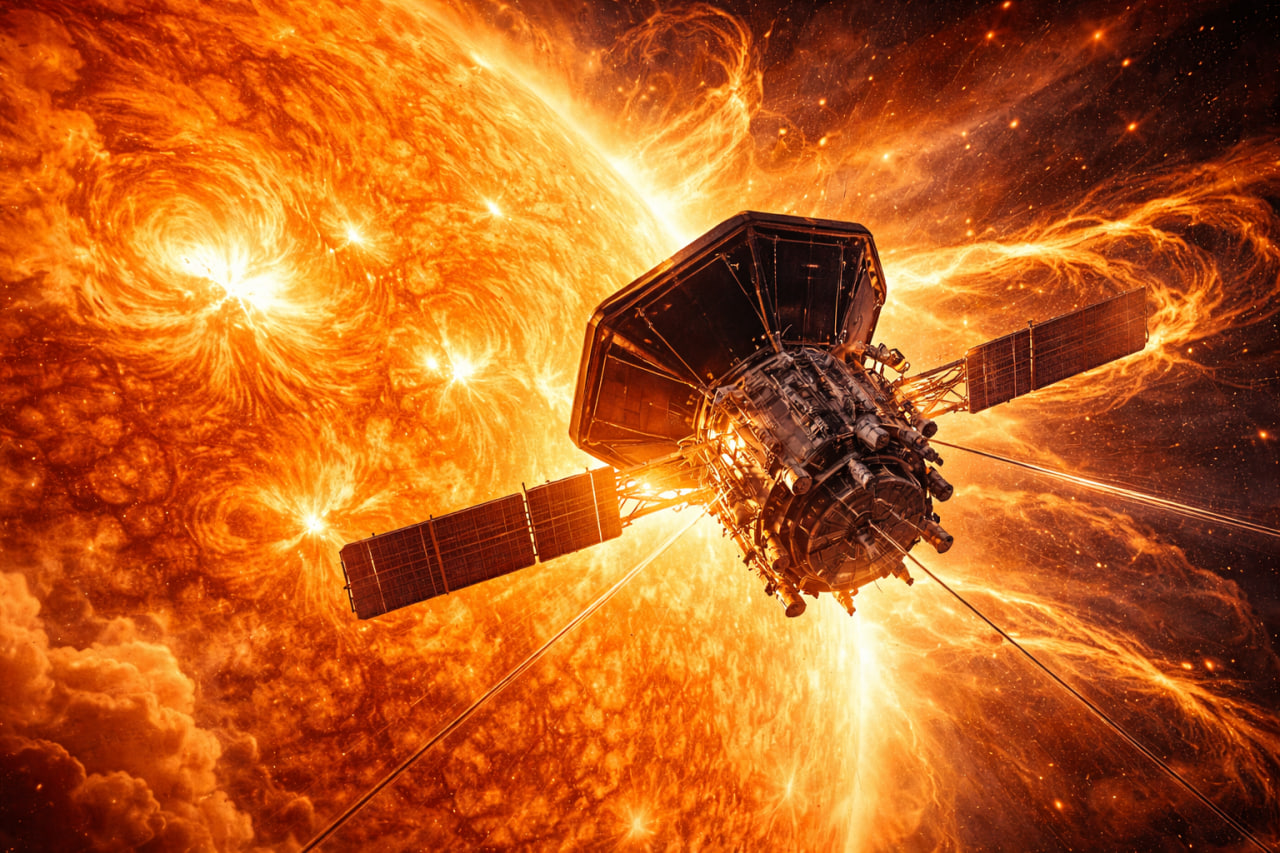
For the first time in history, humanity has sent a spacecraft into the outer atmosphere of the Sun. NASA’s Parker Solar Probe achieved what was once considered impossible—flying directly through the Sun’s corona, the extremely hot and dynamic outer layer of our star. This milestone is often described as the moment when a spacecraft “touched the Sun,” marking a breakthrough in space exploration and solar science. The mission is designed to answer fundamental questions about how the Sun works, including why its outer atmosphere is much hotter than its surface and how solar winds are generated. By traveling closer to the Sun than any previous spacecraft, Parker Solar Probe provides data that could transform our understanding of stellar physics and space weather.

The Sun’s Corona: What It Is and Why It’s So Hot
Space Stories Universe Solar System

The Sun’s Corona: What It Is and Why It’s So Hot

The solar corona is the outermost layer of the Sun’s atmosphere, extending millions of kilometers into space. It is usually invisible to the naked eye and can only be seen during a total solar eclipse, when it appears as a glowing halo surrounding the Sun. Despite being farther from the Sun’s surface, the corona is mysteriously much hotter, reaching temperatures of millions of degrees Celsius, compared to about 5,500°C on the surface. This surprising phenomenon has puzzled scientists for decades and remains one of the biggest mysteries in solar physics. Studying the corona is essential for understanding how the Sun works and how it influences the entire Solar System.

Can We Build a Spacecraft That Passes Through the Sun’s Corona?
Space Stories Science Solar System

Can We Build a Spacecraft That Passes Through the Sun’s Corona?

At first glance, sending a spacecraft into the Sun’s atmosphere sounds impossible. The Sun is an extremely hostile environment, with temperatures reaching millions of degrees and intense radiation that can destroy most materials. However, modern science has already taken a major step toward this goal. NASA’s Parker Solar Probe has successfully flown through the solar corona, proving that such missions are not only possible but already a reality. The challenge is not just reaching the Sun, but surviving its extreme conditions. Understanding how this is achieved reveals how advanced engineering and physics make the impossible possible.

Could Earth Turn Into Venus?
Space Stories Solar System What if?

Could Earth Turn Into Venus?

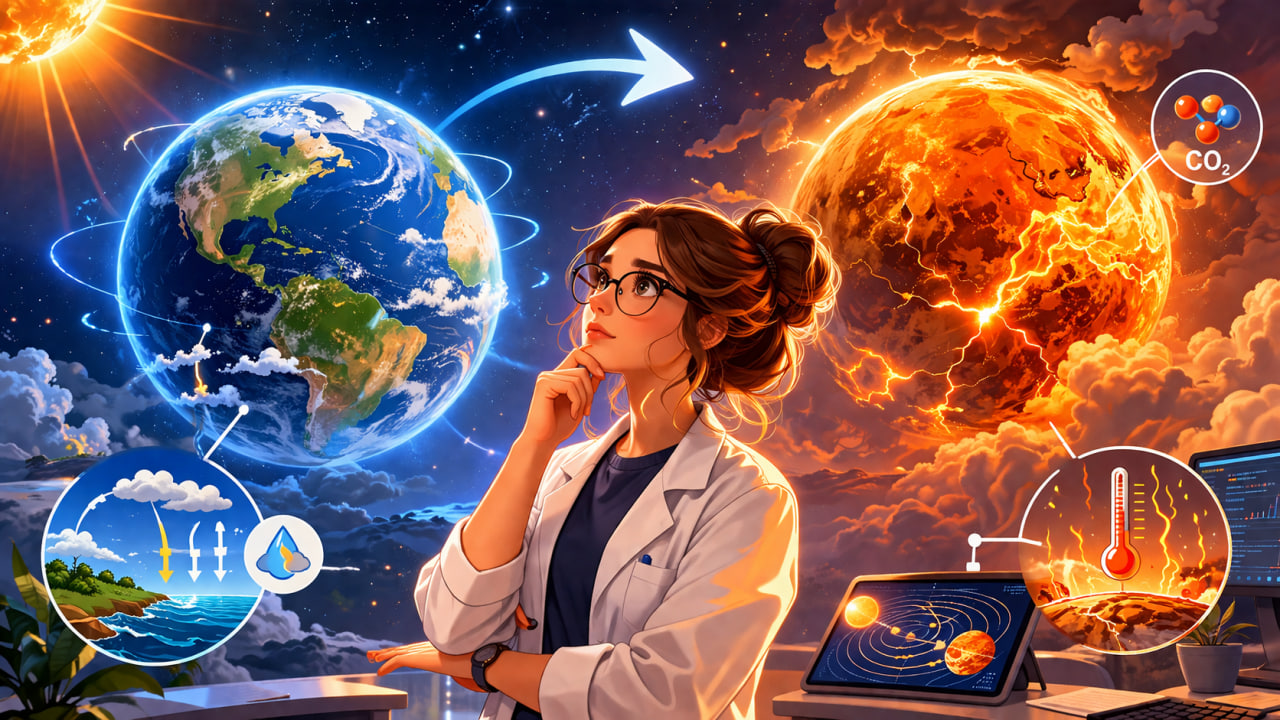
The idea that Earth could one day become like Venus—a hot, hostile planet with crushing pressure and toxic clouds—may sound alarming, but it raises important scientific questions about climate and planetary evolution. Venus is often called Earth’s “twin” because of its similar size and composition, yet the two planets developed in dramatically different ways. While Earth supports life, Venus became an extreme world dominated by a powerful greenhouse effect. Understanding whether Earth could follow a similar path helps scientists study climate stability and the limits of habitability. The short answer is that while some processes are similar, a full transformation like Venus is extremely unlikely under current conditions.

How Venus Became a Hellish Planet
Space Stories Universe Be Smart

How Venus Became a Hellish Planet

Venus is often called Earth’s “twin” because of its similar size, composition, and location in the inner Solar System. However, despite these similarities, Venus evolved into one of the most extreme and hostile environments known, with surface temperatures hot enough to melt lead and atmospheric pressure crushing enough to destroy most spacecraft. Scientists believe that billions of years ago, Venus may have had conditions more similar to Earth, including the potential for liquid water. Over time, however, a series of runaway processes transformed the planet into a hellish world dominated by extreme heat and a toxic atmosphere. Understanding how Venus changed so dramatically provides valuable insight into planetary evolution and the delicate balance required to sustain life.

Is There Life on Mars?
Space Stories Universe Solar System

Is There Life on Mars?

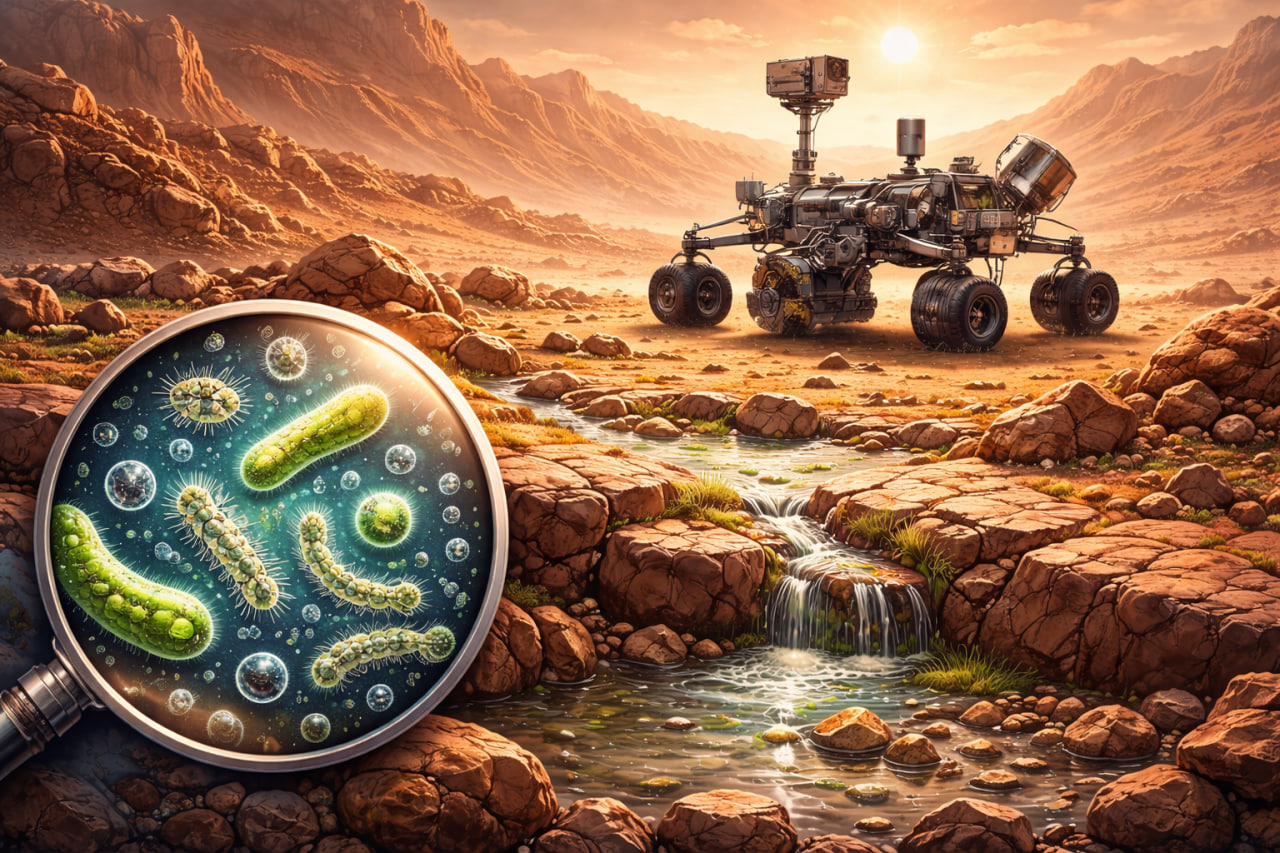
The question of whether life exists on Mars has fascinated scientists and the public for generations. As one of Earth’s closest planetary neighbors, Mars shares several similarities with our planet, including seasons, polar ice caps, and evidence of ancient water. These features make it one of the most promising places in the Solar System to search for signs of past or present life. Over the past decades, robotic missions, orbiters, and rovers have collected vast amounts of data, revealing a complex history that suggests Mars was once much more hospitable than it is today. While no direct evidence of life has been confirmed, the discoveries made so far continue to raise important questions about the potential for microbial organisms beneath the planet’s surface. Understanding Mars helps scientists better understand how life might arise elsewhere in the universe.

Asteroid Psyche: A Metal World Worth More Than the Global Economy?
Space Stories Solar System News

Asteroid Psyche: A Metal World Worth More Than the Global Economy?

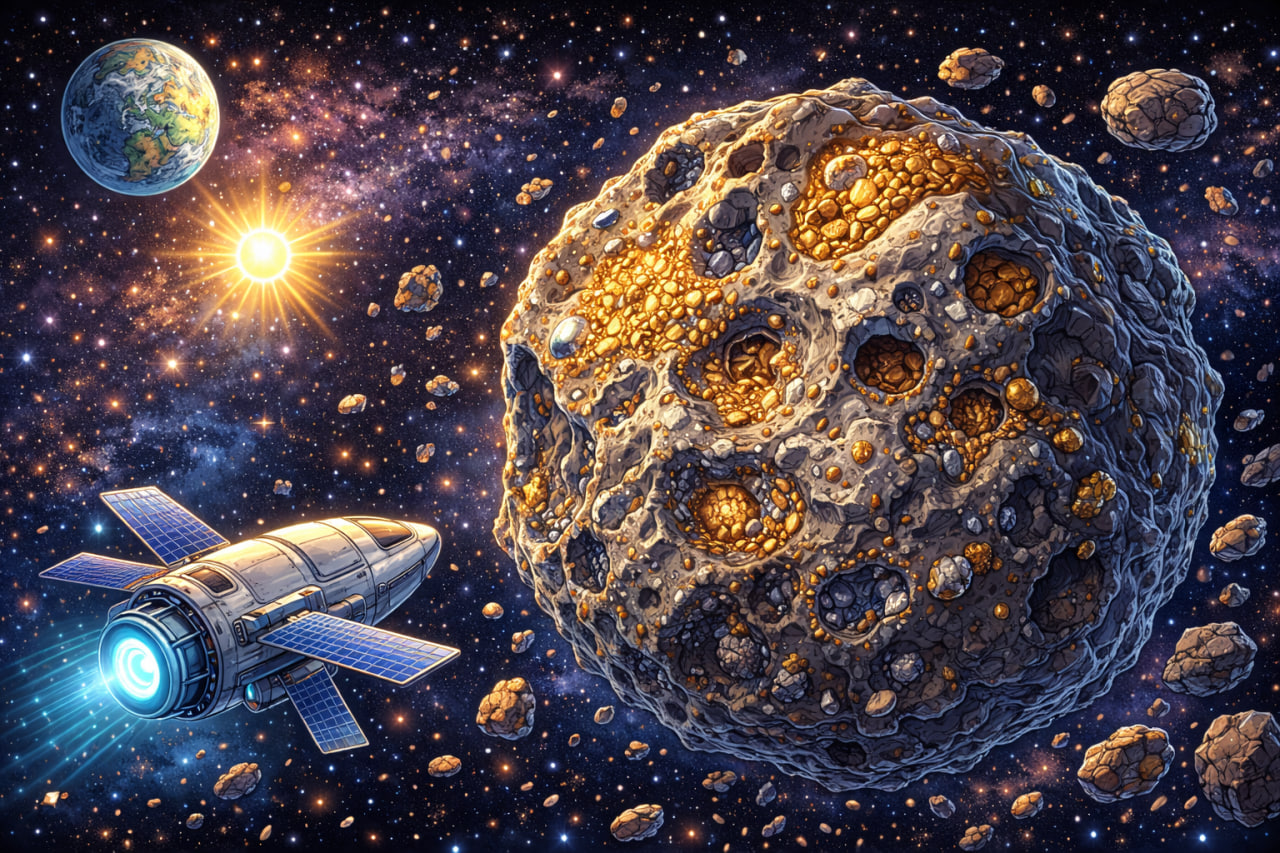
Among the countless objects in the asteroid belt, one stands out as truly extraordinary—asteroid Psyche. Unlike most asteroids made of rock or ice, Psyche appears to be composed largely of metal, including iron and nickel. This has led scientists to suggest that it could be the exposed core of an ancient protoplanet, offering a rare glimpse into the building blocks of planets. Beyond its scientific value, Psyche has captured public imagination because of its enormous estimated economic worth, often described as exceeding the entire global economy. But what does that really mean?

Space Mining: Extracting Resources Beyond Earth
Space Stories Cosmic Innovations Hi-Tech

Space Mining: Extracting Resources Beyond Earth

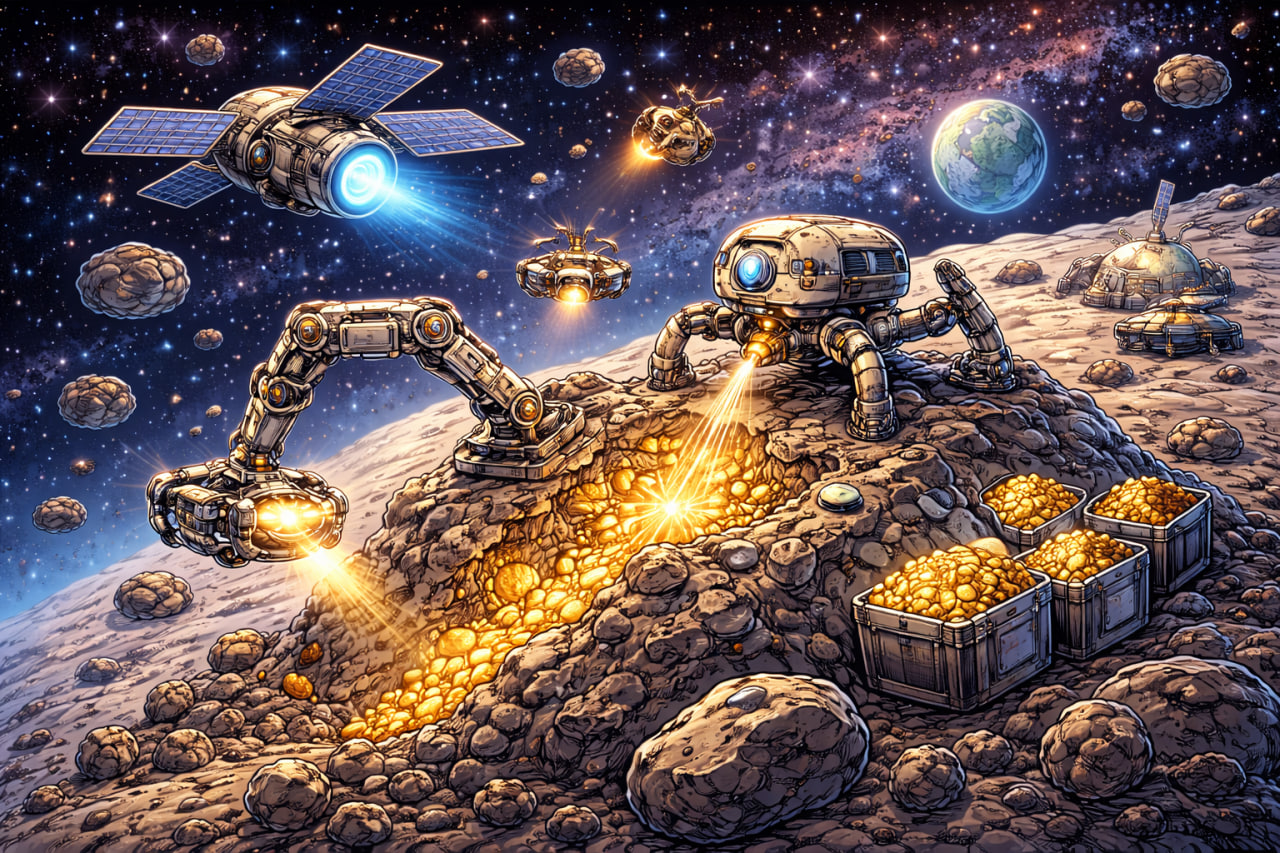
Space mining is the concept of extracting valuable resources from celestial bodies such as asteroids, the Moon, and other planets. Once considered science fiction, it is now becoming a serious field of research as humanity looks for new sources of materials beyond Earth. With increasing demand for metals and energy, space offers vast untapped potential that could reshape the future of industry and exploration.