Solar System

The History of Moon Exploration
History Universe Solar System

The History of Moon Exploration

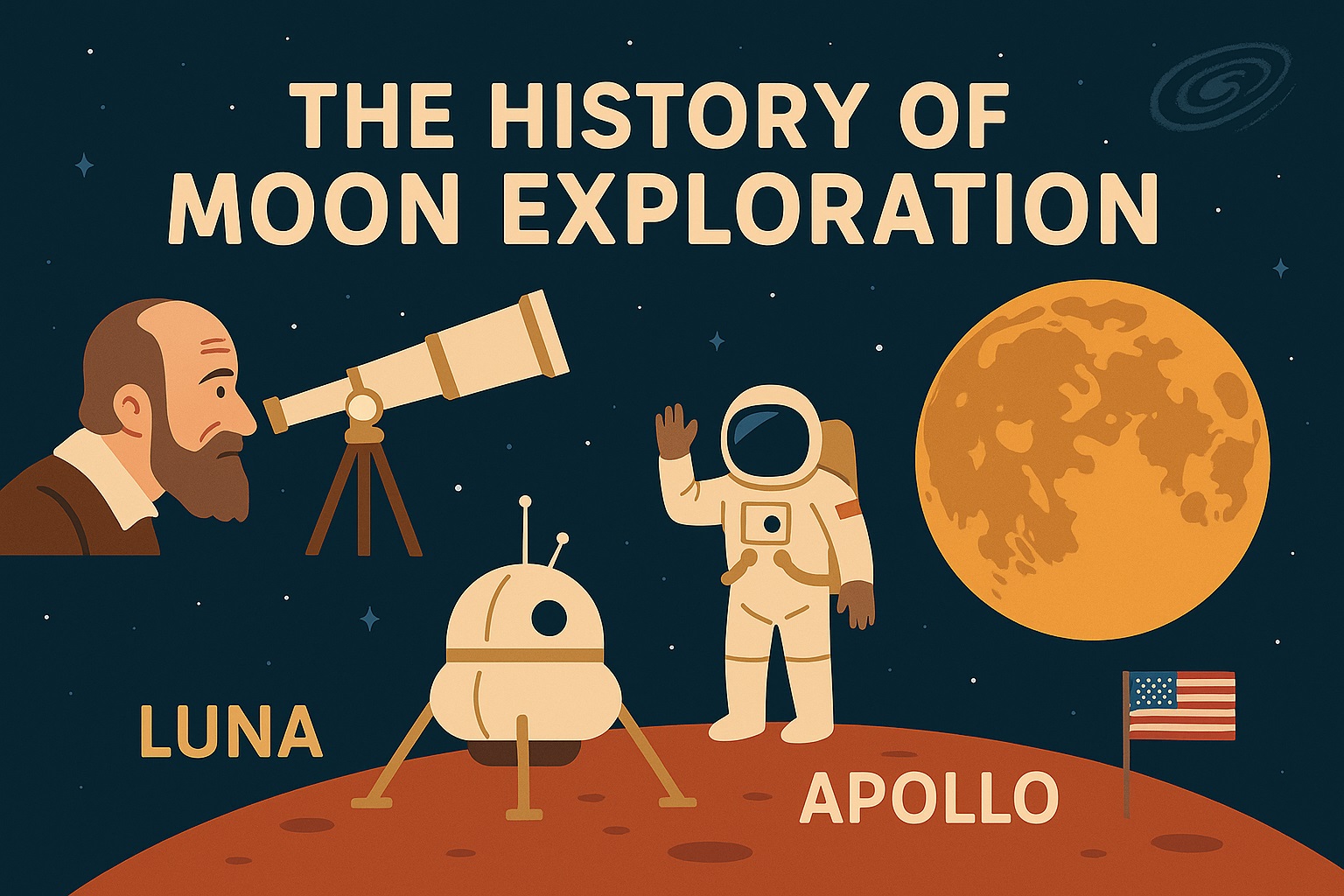
The Moon, Earth’s closest celestial neighbor, has fascinated humanity since ancient times. For centuries, it was the subject of myths, calendars, and early astronomical observations. But in the last century, it became the first extraterrestrial body to be explored by spacecraft and visited by humans. The history of Moon exploration is not only a triumph of science and technology but also a tale of ambition, rivalry, and discovery.
Where Does Earth's Atmosphere End?
Space Stories Science Solar System

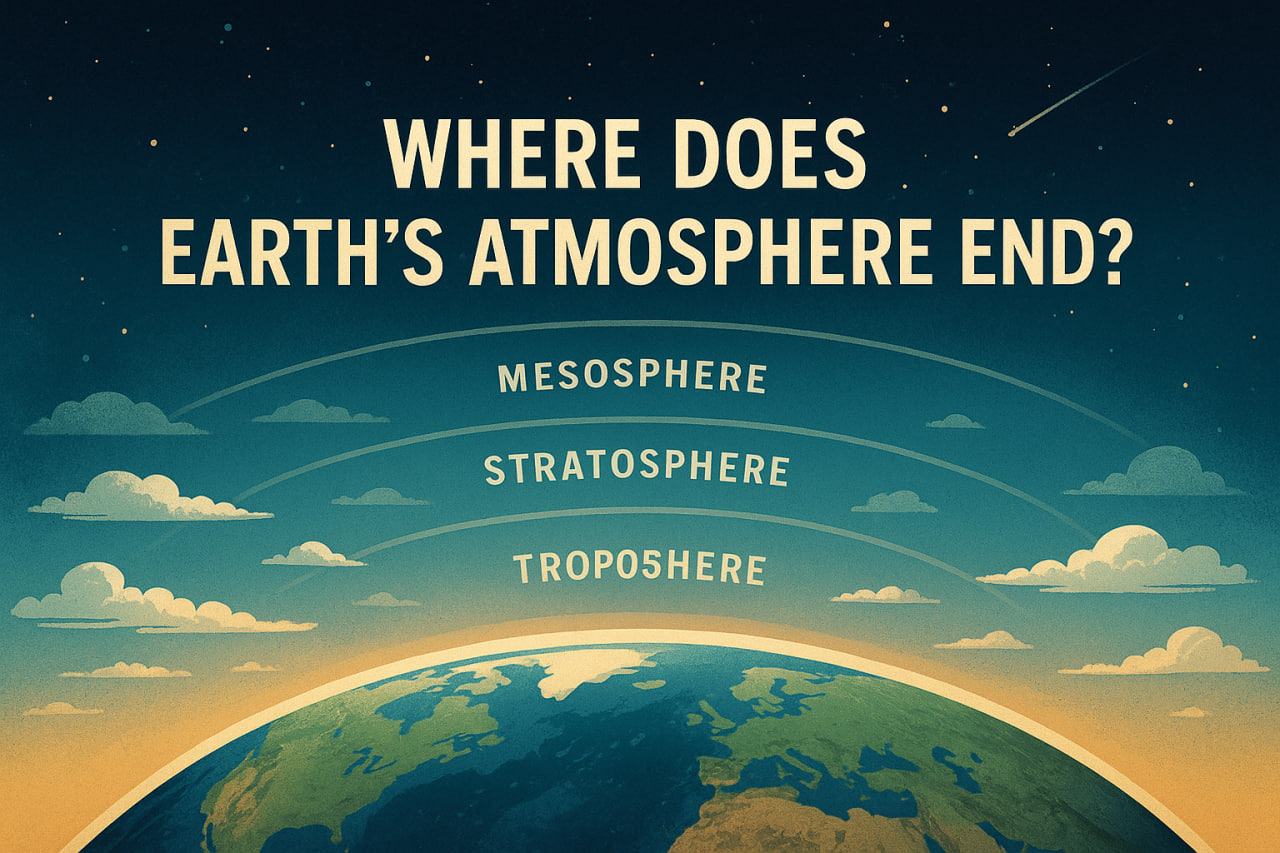
Where Does Earth's Atmosphere End?

The atmosphere of Earth is a vast and complex layer of gases that surrounds the planet, gradually thinning with altitude. But where does it actually end? Unlike a solid surface, the boundary of Earth's atmosphere isn’t sharply defined. Instead, it fades into the vacuum of space over hundreds of kilometers. Scientists have proposed several definitions for the "edge" of the atmosphere, depending on whether they’re discussing physics, satellite motion, or legal boundaries.

The Sun’s Impact on Earth
Space Stories Be Smart Solar System

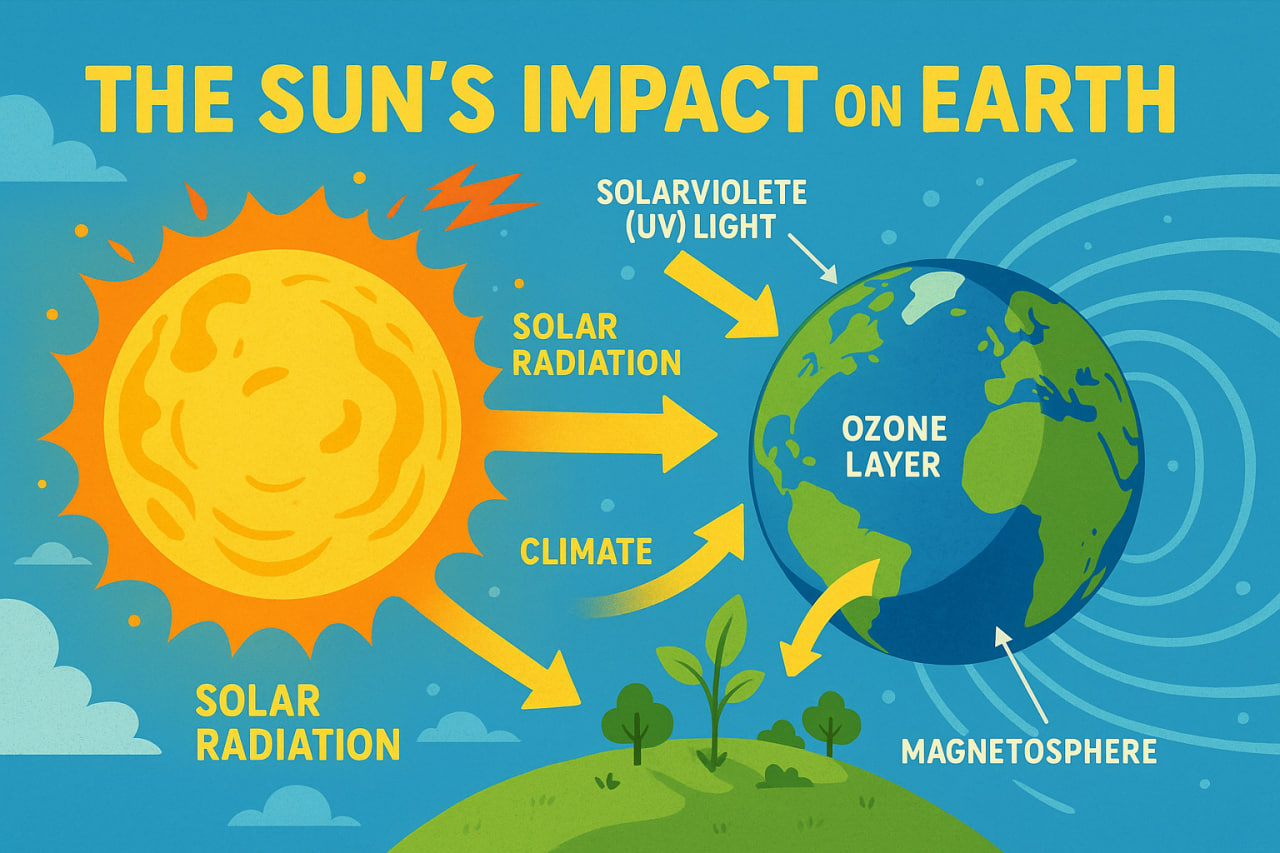
The Sun’s Impact on Earth

The Sun is the central driver of nearly all natural processes on Earth. As the closest star to our planet, it provides the energy necessary for life, powers the weather and climate systems, and influences Earth's magnetic field and atmosphere. However, the Sun is not just a steady source of light—its dynamic behavior can also pose risks to satellites, communication systems, and even human health.

Can Humans Live on Mars?
Space Stories Universe Solar System

Can Humans Live on Mars?

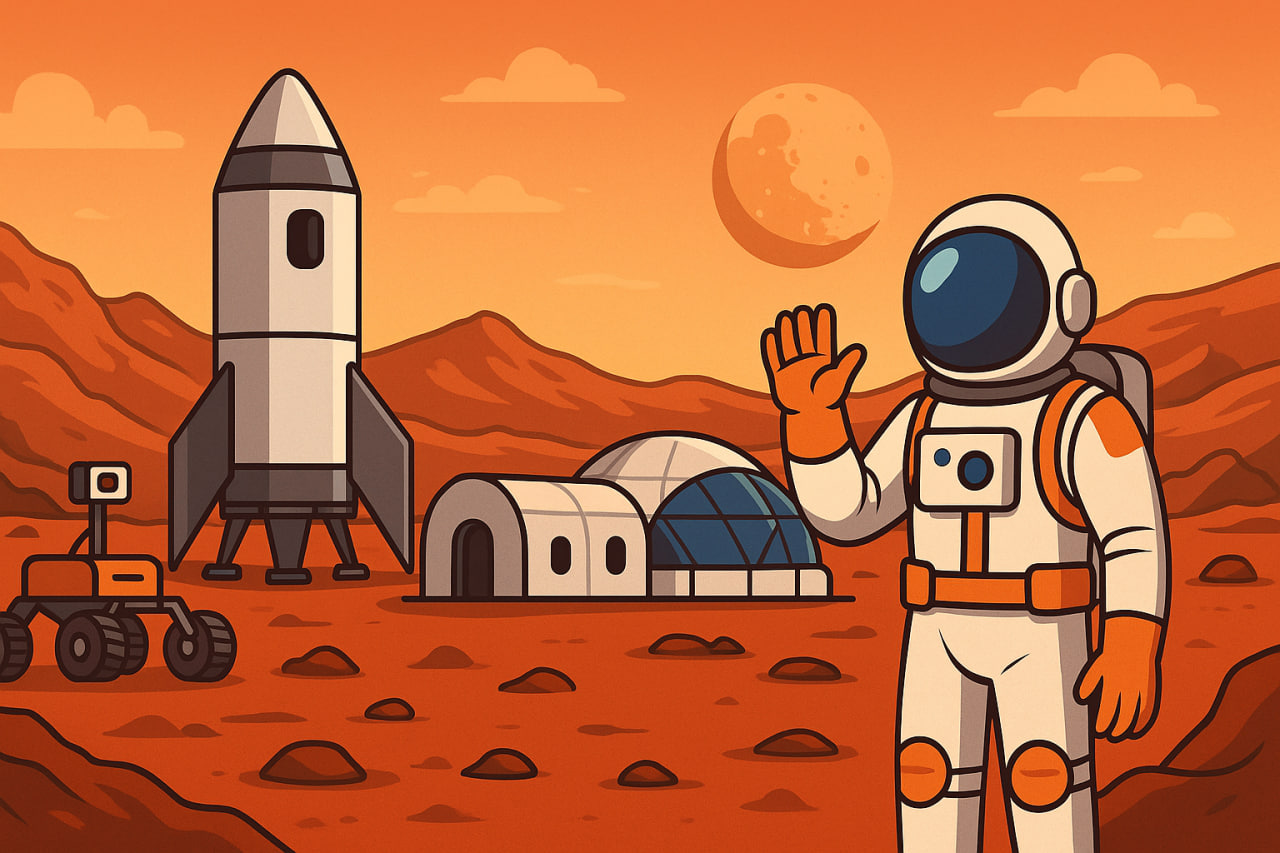
The idea of humans living on Mars has fascinated scientists, engineers, and science fiction writers for decades. As Earth faces environmental and population challenges, some experts consider Mars a potential second home for humanity. But while space agencies like NASA and SpaceX plan future missions, many obstacles stand between us and permanent Martian settlement. Life on Mars may be possible, but it requires overcoming serious technological, biological, and logistical challenges.

How Saturn’s Rings Work: A Celestial Wonder in Detail
Universe Solar System

How Saturn’s Rings Work: A Celestial Wonder in Detail

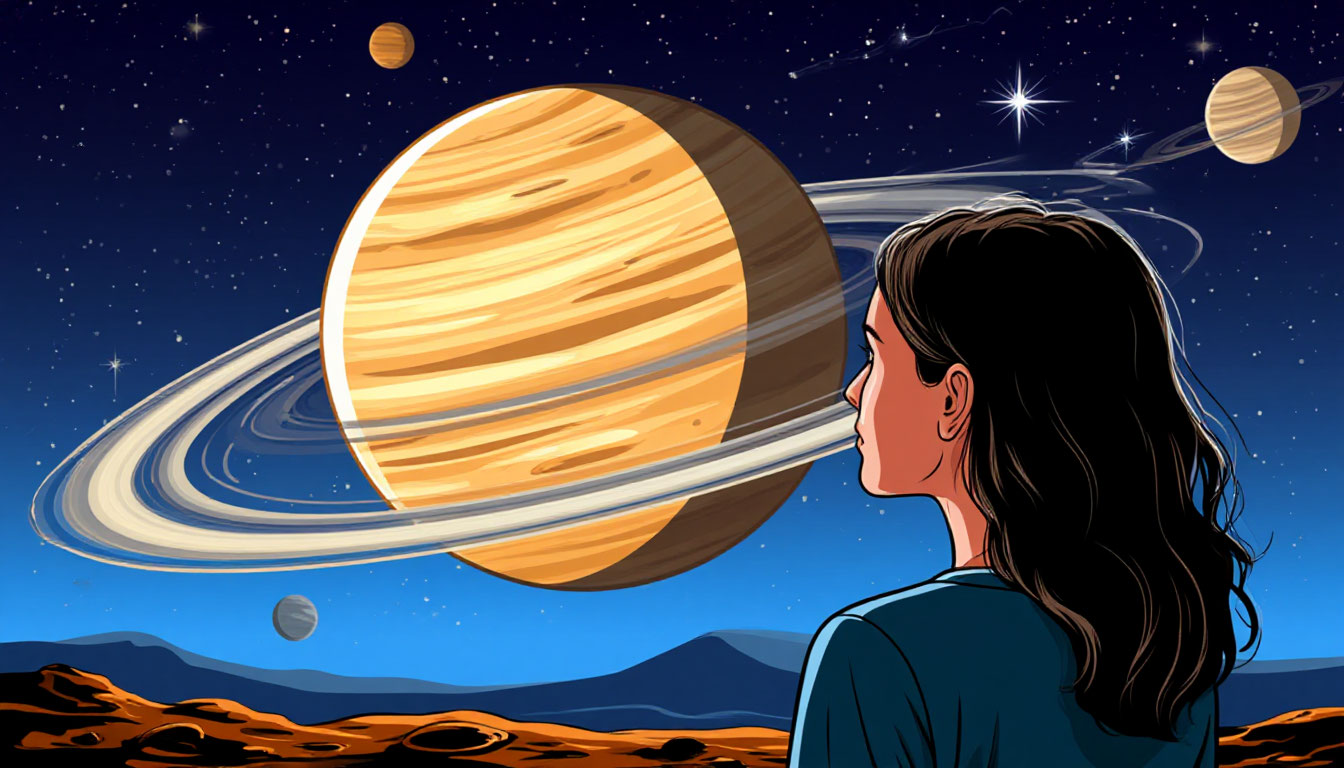
Saturn’s rings are among the most iconic and beautiful features in our Solar System. First observed in 1610 by Galileo Galilei, these shimmering bands around the planet continue to amaze astronomers and stargazers alike. But beyond their beauty lies a fascinating structure. So, how are Saturn’s rings actually built, and what are they made of?

What Would Happen If the Sun Stopped?
Space Stories Universe Solar System

What Would Happen If the Sun Stopped?

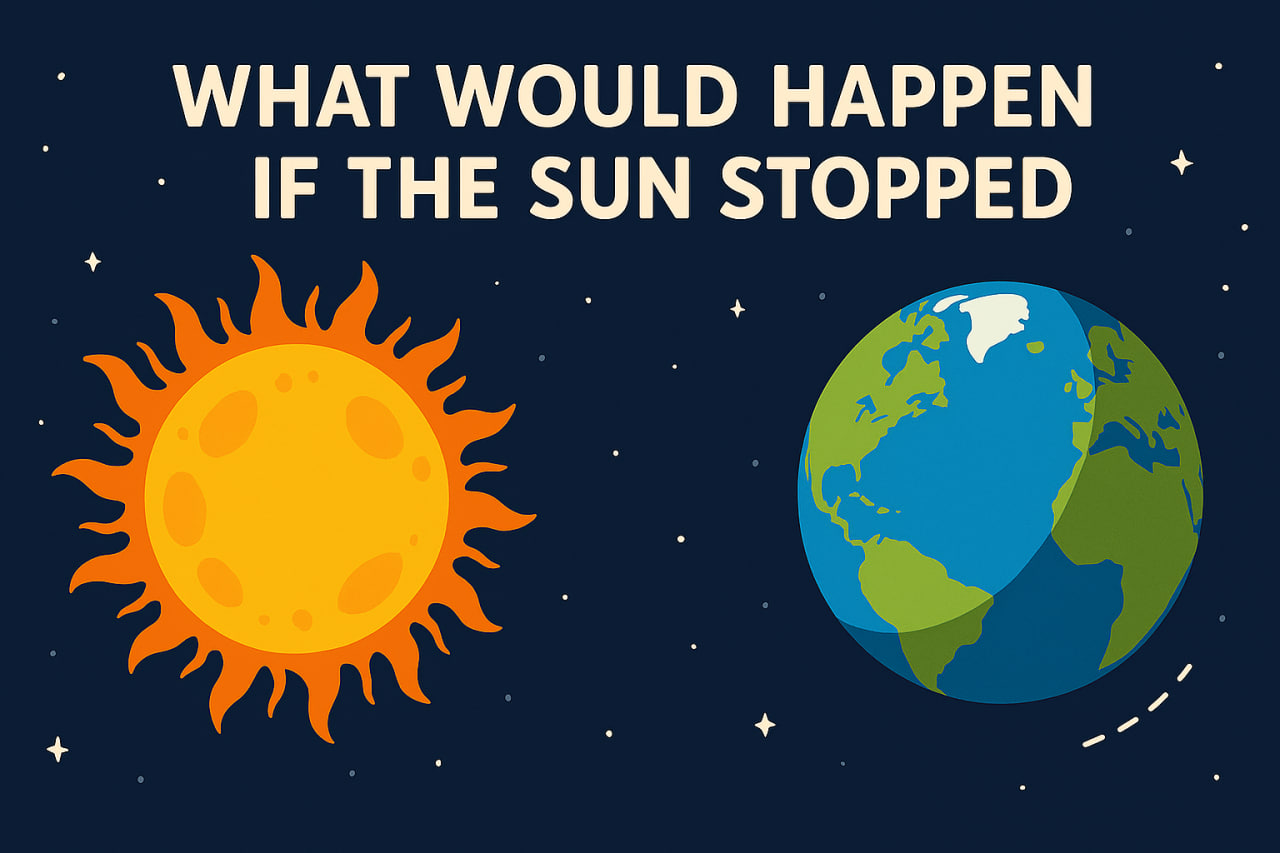
The Sun is the engine of our Solar System, providing heat, light, and gravity that hold everything together. If the Sun were to suddenly stop—whether it stopped producing energy or ceased its gravitational pull—the consequences would be immediate and catastrophic for Earth and all life on it. While such a scenario is purely hypothetical, it helps us understand just how much we depend on our star.

What Makes Earth Unique: The Only Known Home for Life
Universe Solar System

What Makes Earth Unique: The Only Known Home for Life

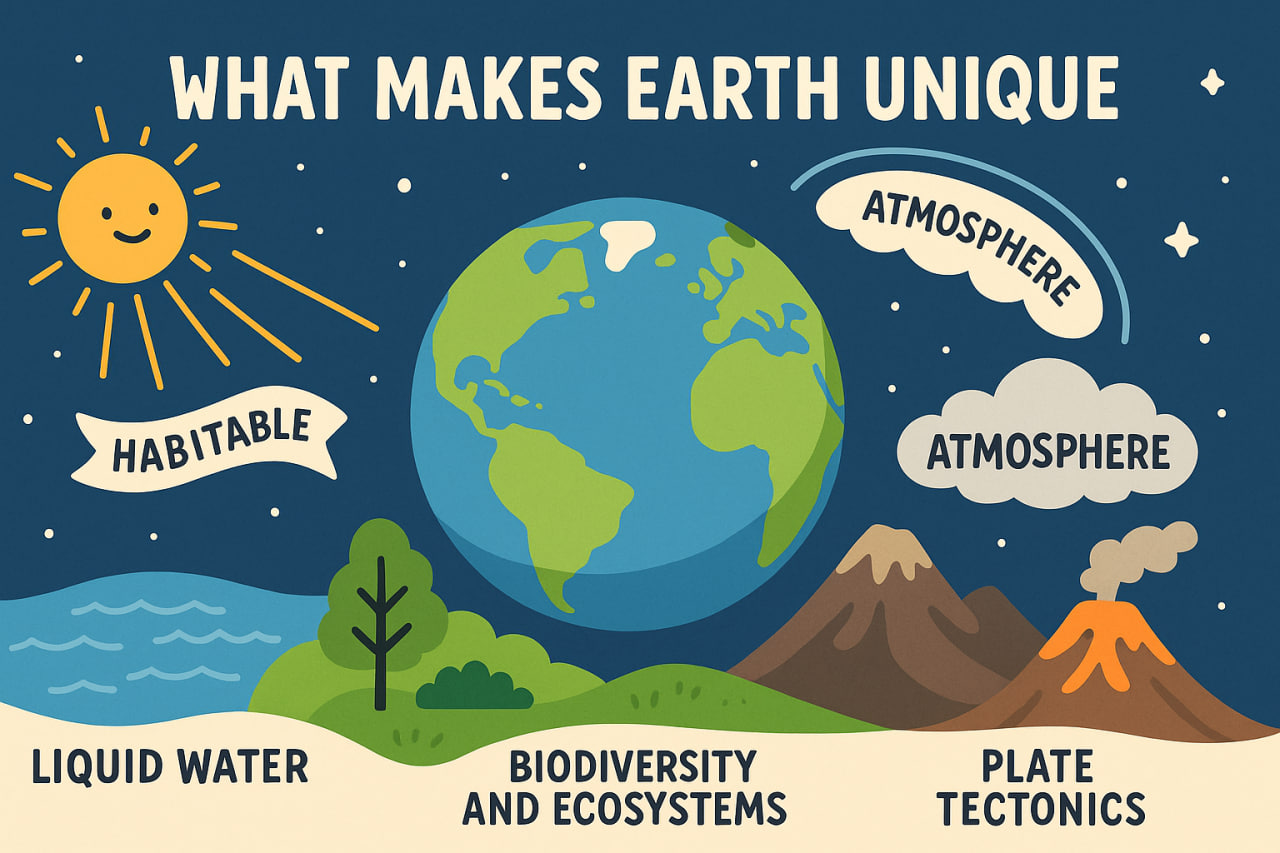
Among all the planets in our Solar System—and the billions more beyond—Earth is the only one we know that supports life. Its perfect balance of conditions has allowed oceans, forests, mountains, animals, and humans to exist and thrive. But what exactly makes Earth so unique?

How Earth Formed: The Story of Our Planet’s Origins
Space Stories Solar System

How Earth Formed: The Story of Our Planet’s Origins

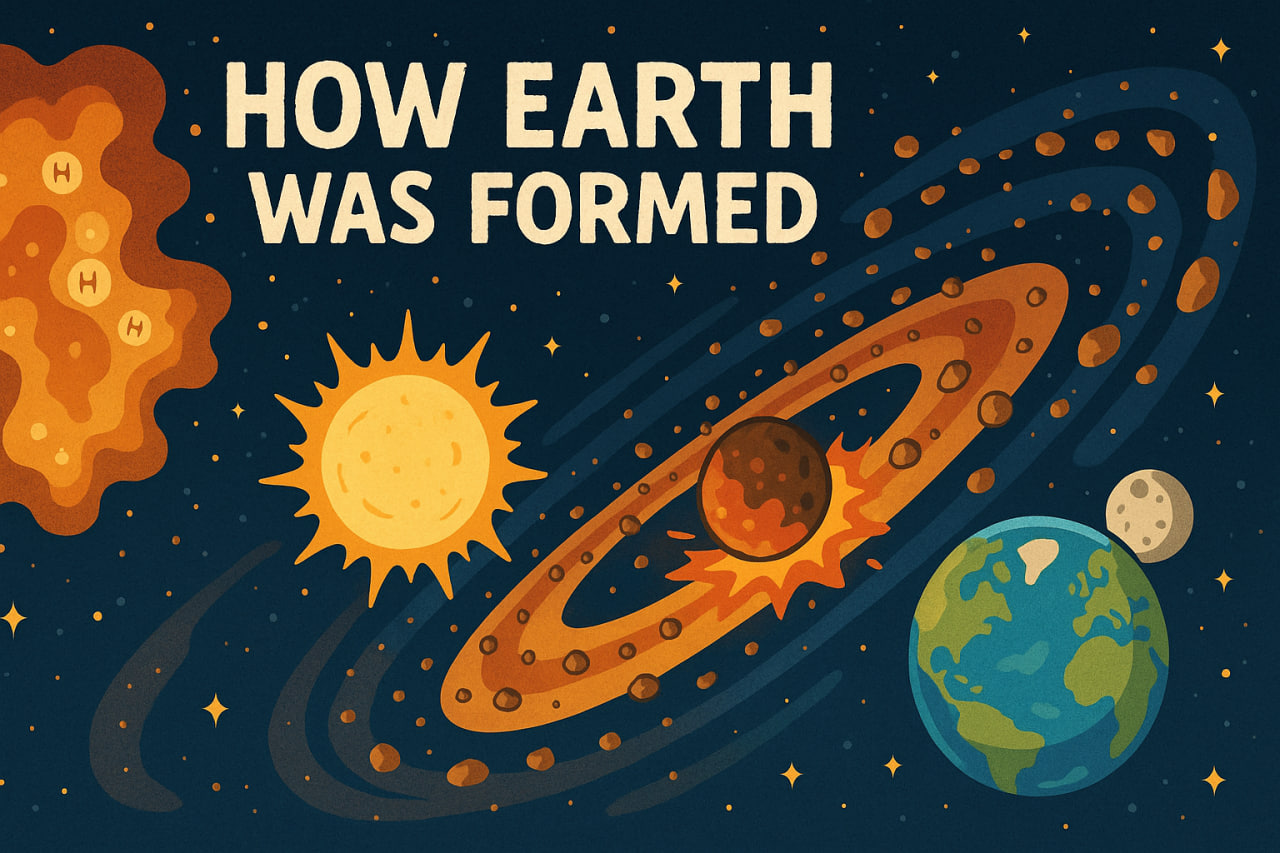
The Earth as we know it is the result of billions of years of cosmic evolution. From a cloud of dust to a vibrant planet teeming with life, Earth’s journey is a complex tale shaped by gravity, collisions, and internal transformation. Understanding how Earth formed gives us insight into not only our own world but the history of the entire Solar System. We don't know exactly how it was formed, but according to current theories, it looked something like this.

Moon Exploration: Past Achievements and Future Frontiers
Space Stories History Universe

Moon Exploration: Past Achievements and Future Frontiers

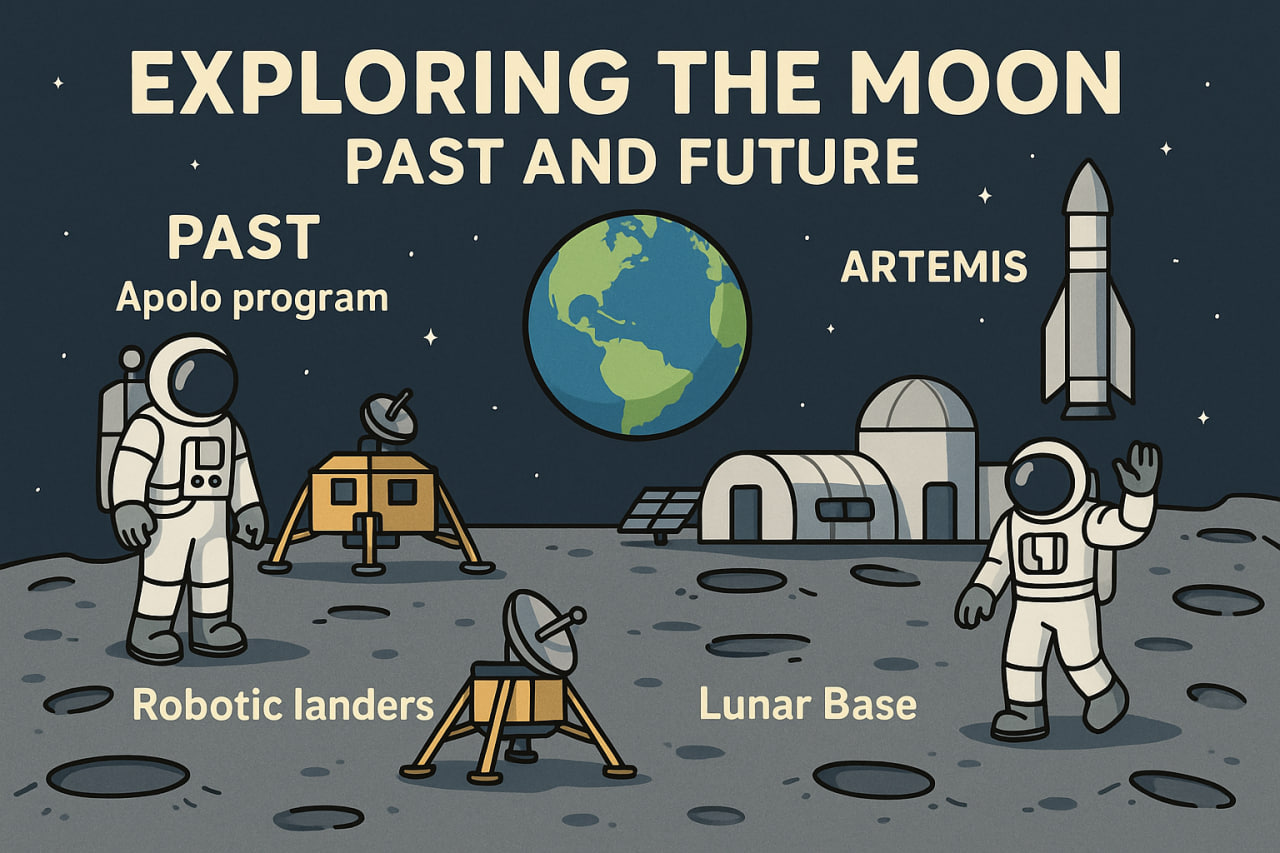
For centuries, the Moon has fascinated humanity. As Earth’s only natural satellite and the brightest object in our night sky, it has been central to ancient myths, scientific curiosity, and space exploration. From the first robotic missions to future lunar bases, the Moon remains a vital focus for global space agencies.

Space Debris: A Growing Problem for the Future
Space Stories Universe Solar System

Space Debris: A Growing Problem for the Future

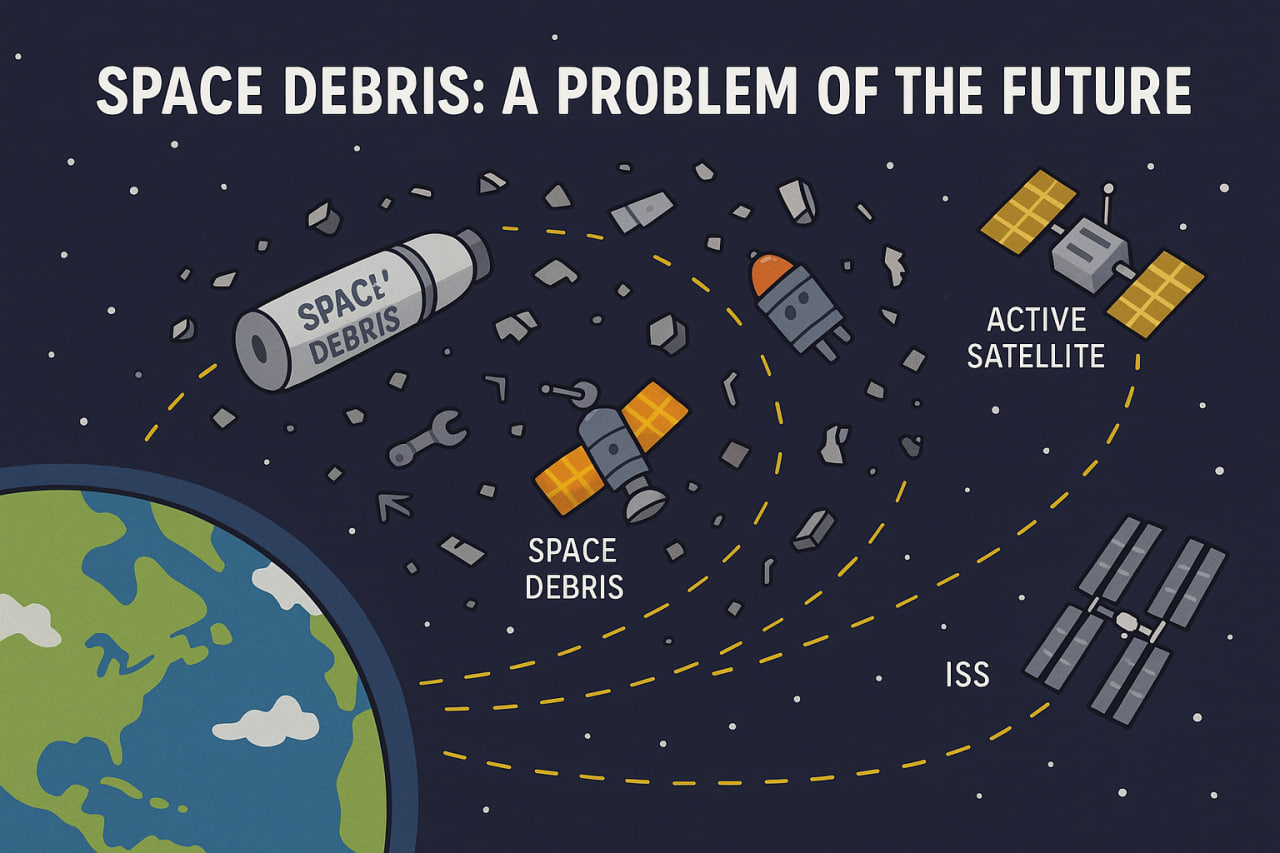
Space debris, also known as space junk, refers to non-functional human-made objects orbiting Earth. These include defunct satellites, spent rocket stages, fragments from past collisions, and even tools lost during spacewalks. While most of this debris is small, even tiny objects can cause serious damage due to their high orbital speeds. As we launch more satellites and spacecraft, space debris has become one of the most pressing environmental challenges in near-Earth space.