Universe

Exoplanets: Worlds Beyond Our Solar System
Space Stories Universe

Exoplanets: Worlds Beyond Our Solar System

Exoplanets are planets that orbit stars outside of our Solar System. These distant worlds range from giant gas planets like Jupiter to rocky Earth-like planets, and they have revolutionized our understanding of the universe. With thousands discovered in recent decades, exoplanets are now a major focus of astronomy and the search for extraterrestrial life.
How Our Galaxy Is Structured — And Where Earth Sits Inside It
Space Stories Universe

How Our Galaxy Is Structured — And Where Earth Sits Inside It

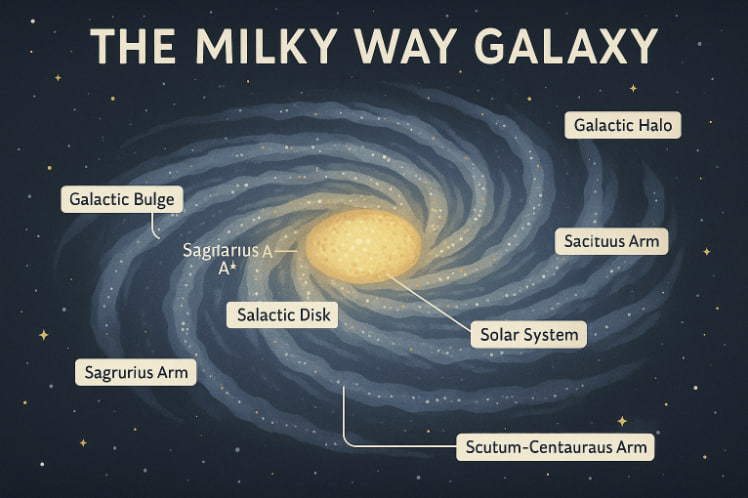
We live inside a vast, spinning collection of stars, gas, dust, and dark matter called the Milky Way Galaxy. It stretches over 100,000 light-years in diameter, contains hundreds of billions of stars, and is shaped like a spiral disc. Despite living in it, most of us rarely think about where we are in this cosmic city—or how it’s built. Let’s take a tour of our home galaxy and locate our position within it.

The Big Bang Theory: How the Universe Began
Universe Science

The Big Bang Theory: How the Universe Began

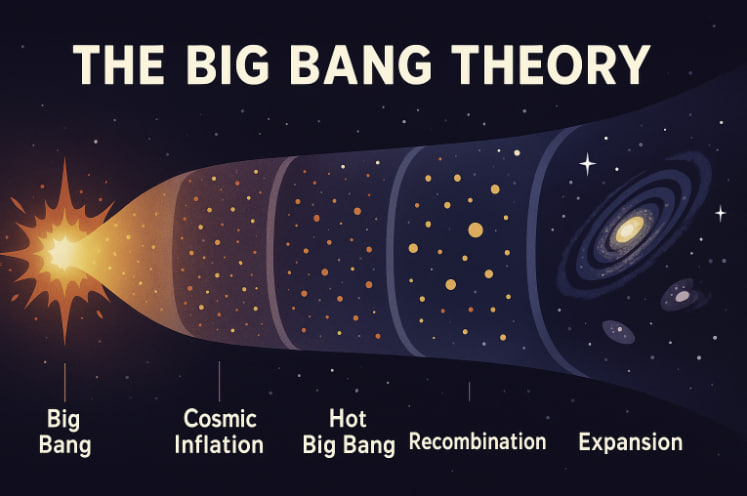
The Big Bang Theory is the leading scientific explanation for the origin and evolution of the universe. It proposes that the universe began from an extremely hot, dense point about 13.8 billion years ago, and has been expanding ever since. Contrary to what the name may suggest, the Big Bang wasn’t an explosion in space—it was an expansion of space itself.

How Black Holes Form: The Birth of the Universe’s Darkest Objects
Universe Science

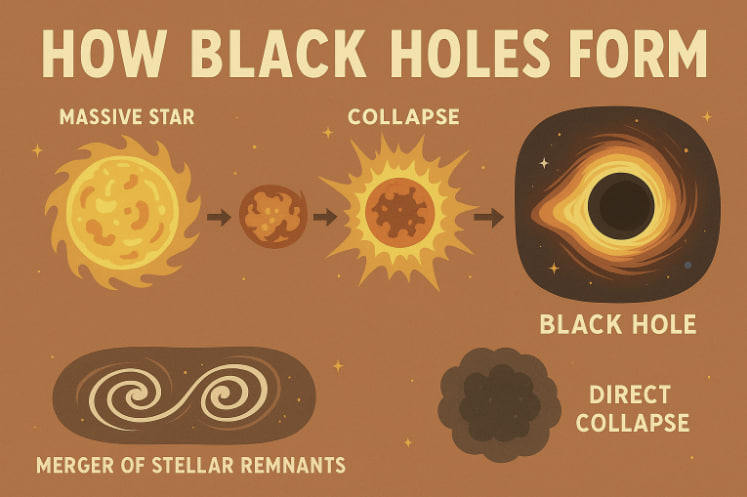
How Black Holes Form: The Birth of the Universe’s Darkest Objects

Black holes are not cosmic voids—they are the ultra-dense, incredibly powerful remnants of matter compressed to extreme limits. Despite their fearsome reputation, black holes form naturally from processes we can observe and understand through physics. Their formation marks the violent end of some stars, and in some cases, the mysterious collapse of early-universe structures. Let’s explore how black holes come into existence and the conditions that lead to their creation.

Black Holes: The Mysterious Engines of the Universe
Universe

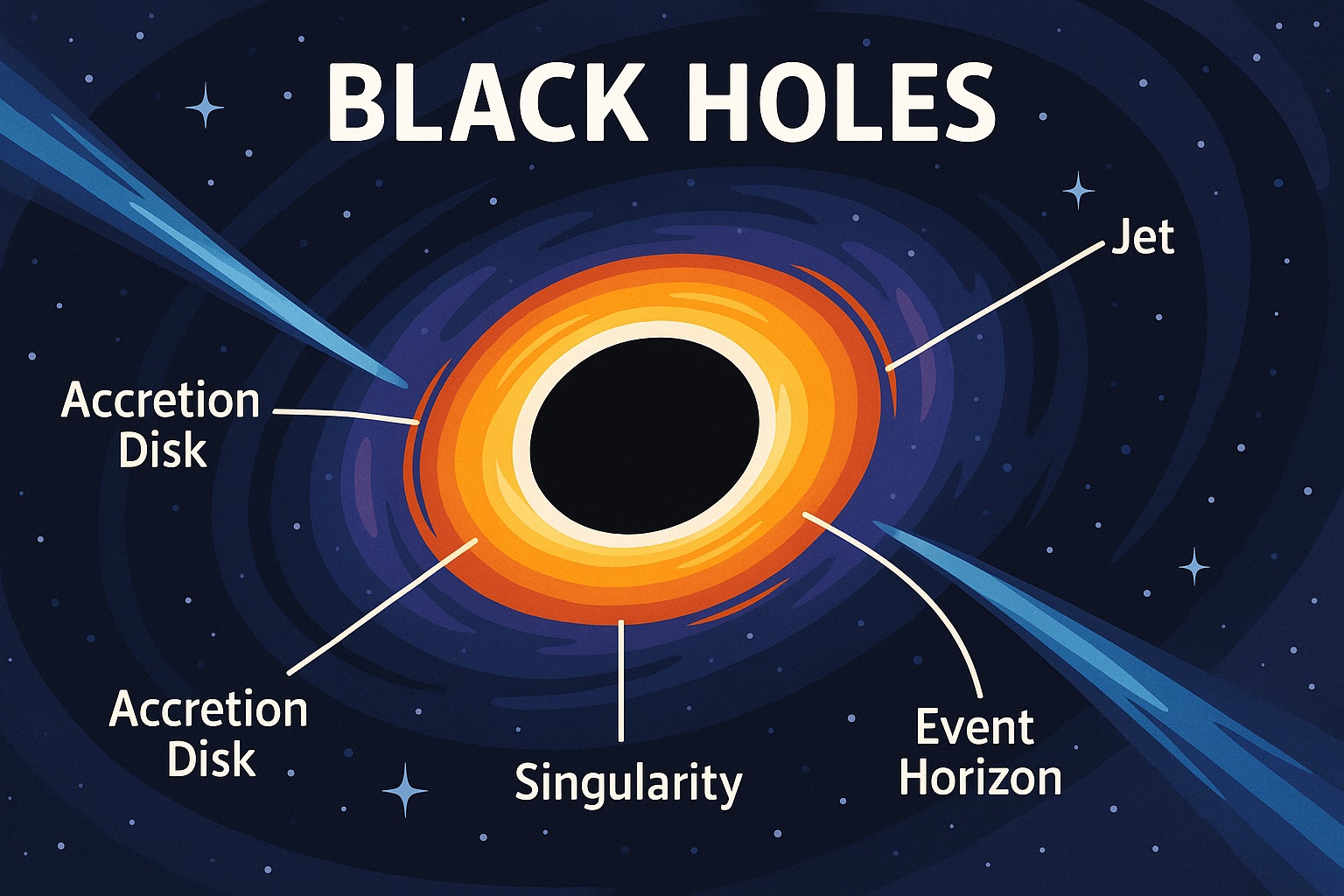
Black Holes: The Mysterious Engines of the Universe

Black holes are among the most fascinating and extreme objects in the universe. They are regions of space where gravity is so intense that nothing—not even light—can escape. Once thought to be purely theoretical, black holes are now known to be real, observable phenomena shaping galaxies and even bending the fabric of space-time itself.

What Is Dark Energy? The Force Behind the Expanding Universe
Universe Science

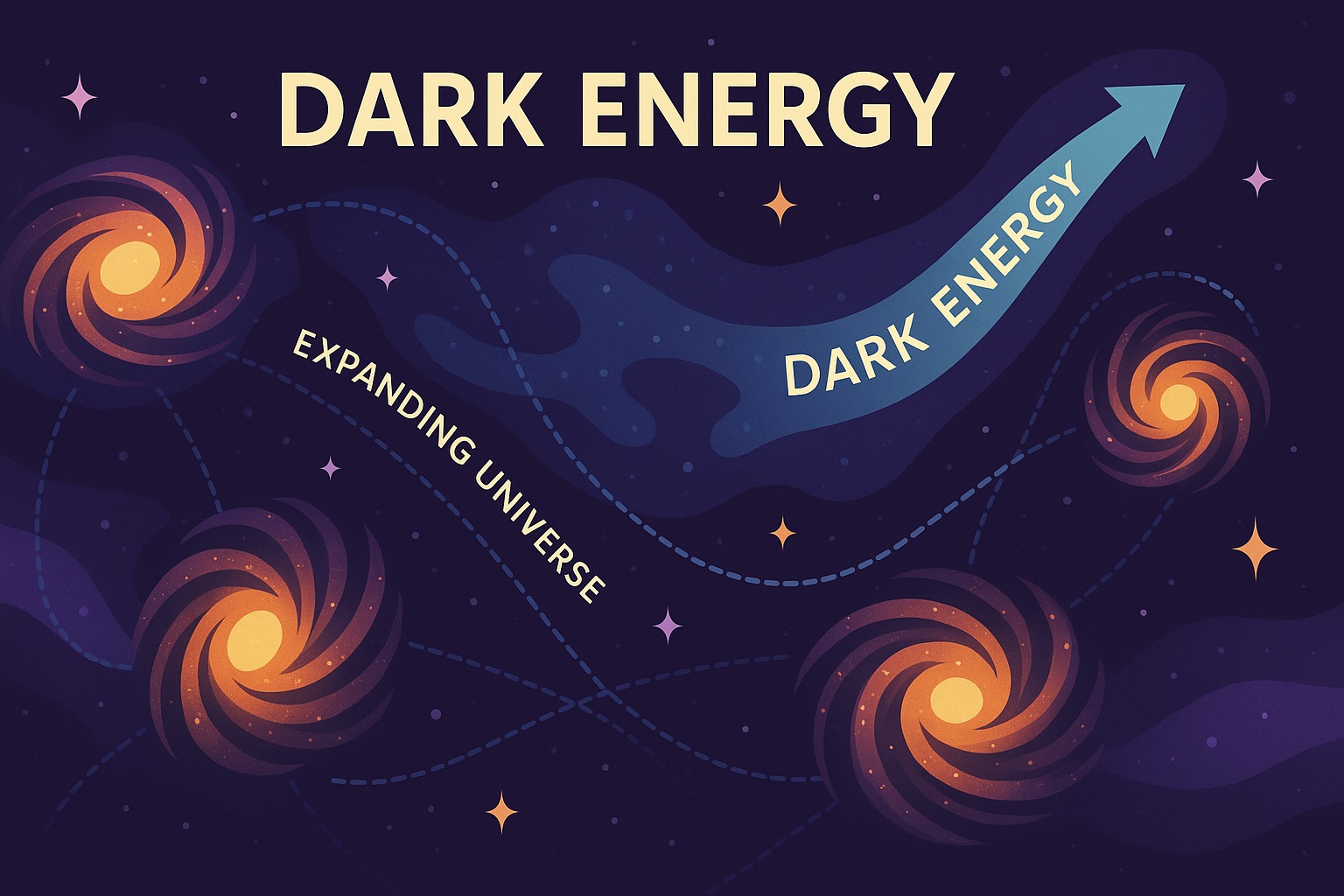
What Is Dark Energy? The Force Behind the Expanding Universe

Dark energy is one of the greatest unsolved mysteries in modern cosmology. It’s an invisible force thought to make up about 68% of the universe, yet we don’t know exactly what it is. What we do know is that dark energy appears to be responsible for a shocking discovery: the accelerating expansion of the universe. While dark matter pulls galaxies together through gravity, dark energy pushes them apart.

What Is Dark Matter? Exploring the Invisible Mass of the Universe
Universe Science

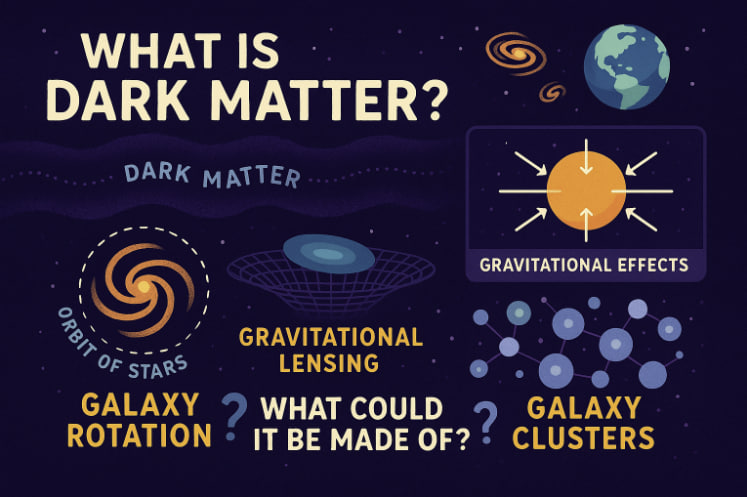
What Is Dark Matter? Exploring the Invisible Mass of the Universe

Dark matter is one of the greatest mysteries in modern astrophysics. It cannot be seen, touched, or directly detected by current instruments—yet scientists are nearly certain it exists. Why? Because dark matter makes up about 85% of the matter in the universe, influencing how galaxies rotate, how galaxy clusters move, and how the cosmos evolves. Despite its invisibility, dark matter shapes the structure of the universe and plays a crucial role in cosmic physics.

The Asteroid Belt: A Rocky Region Between Mars and Jupiter
Space Stories Universe

The Asteroid Belt: A Rocky Region Between Mars and Jupiter

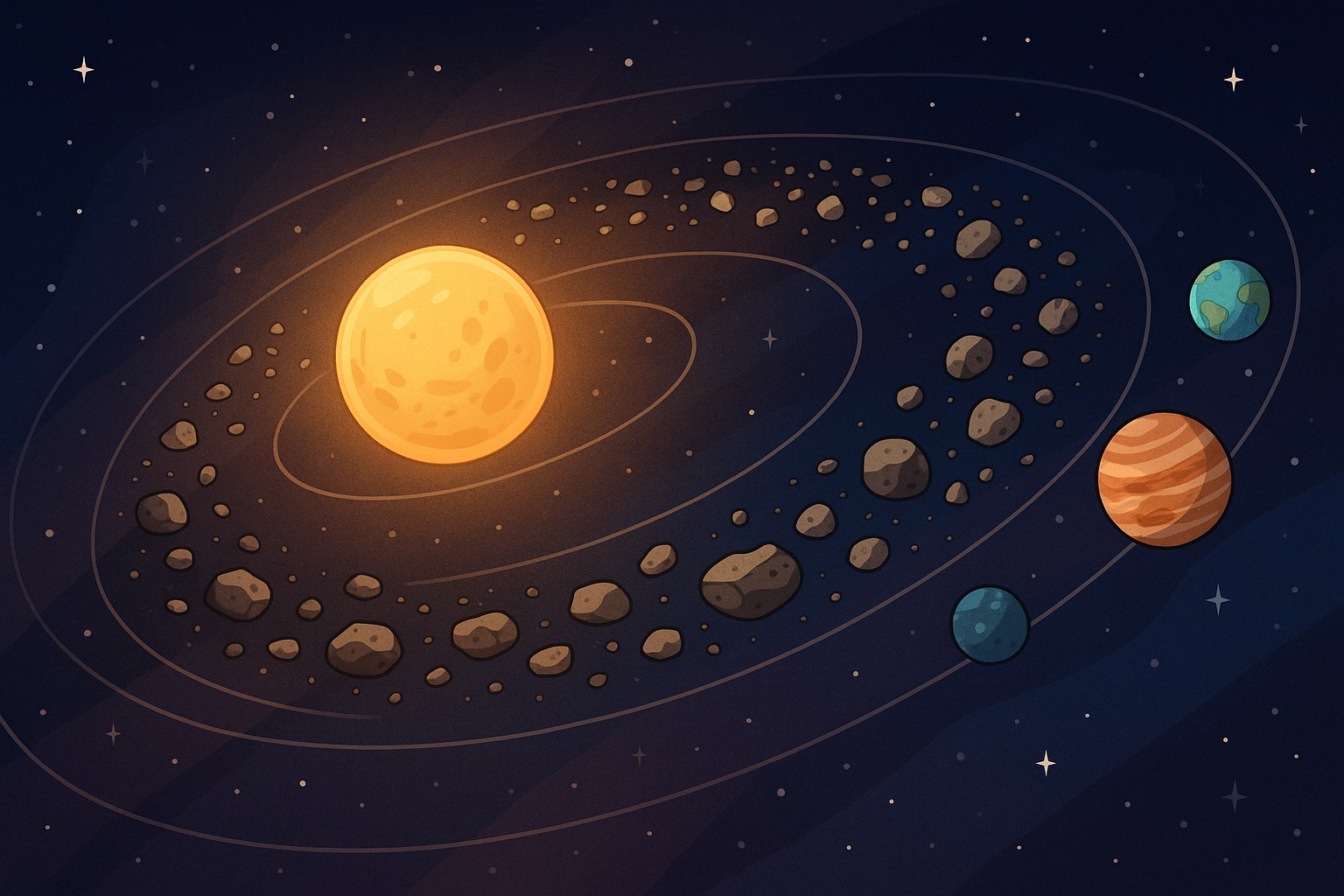
The Asteroid Belt is a vast ring of rocky bodies orbiting the Sun between the planets Mars and Jupiter. It contains millions of asteroids — remnants from the early solar system that never formed into a planet. While it may sound like a dangerous minefield, the reality is far more spaced out — and scientifically fascinating.

The Oort Cloud: The Mysterious Edge of the Solar System
Space Stories Universe

The Oort Cloud: The Mysterious Edge of the Solar System

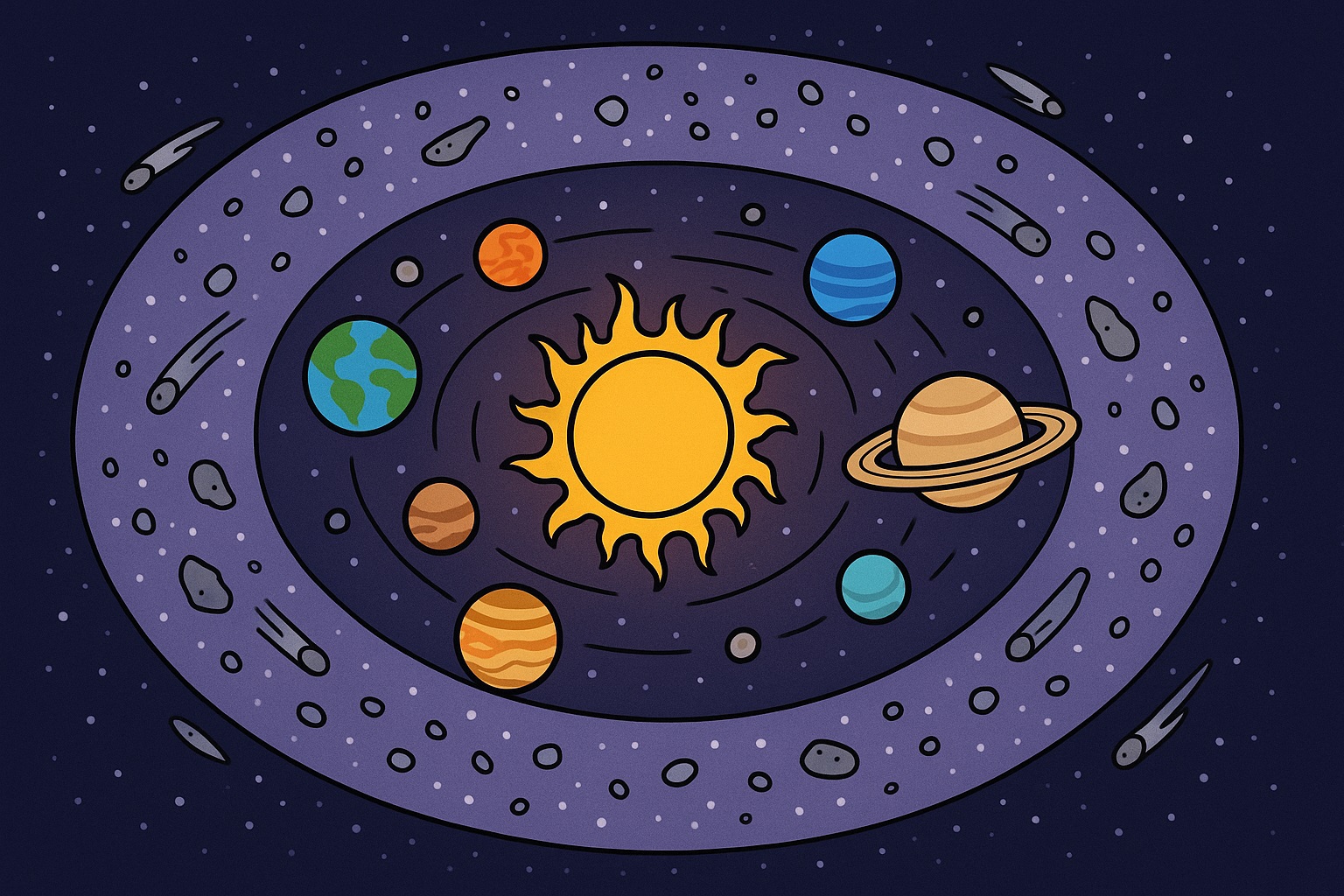
Far beyond the orbit of Pluto, past the Kuiper Belt and the known planets, lies a hypothetical and invisible region believed to be the outermost boundary of our solar system — the Oort Cloud. This distant shell of icy objects is thought to contain the primordial building blocks of the early solar system and may hold the origin of many comets that visit the inner planets.

The Kepler Belt: A Mysterious Region Beyond Neptune
Space Stories Universe

The Kepler Belt: A Mysterious Region Beyond Neptune

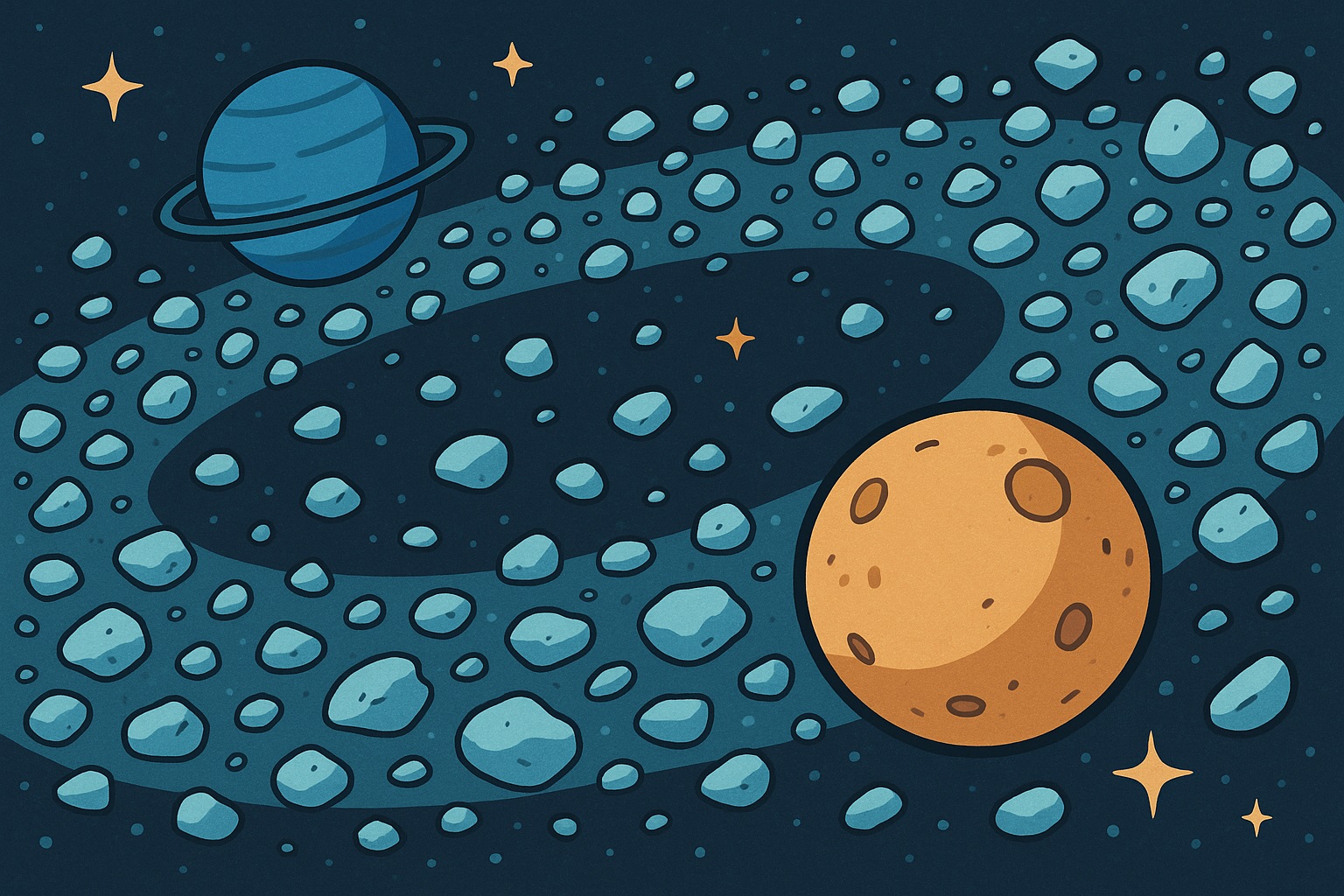
The Kepler Belt, more accurately known as the Kuiper Belt, is a vast region of icy objects orbiting the Sun beyond the planet Neptune. Often described as the "third zone" of our solar system—after the terrestrial planets and the gas giants—this belt holds crucial clues about the formation and evolution of our cosmic neighborhood.