Universe

Mercury: The Swiftest and Smallest Planet in the Solar System
Space Stories Universe

Mercury: The Swiftest and Smallest Planet in the Solar System

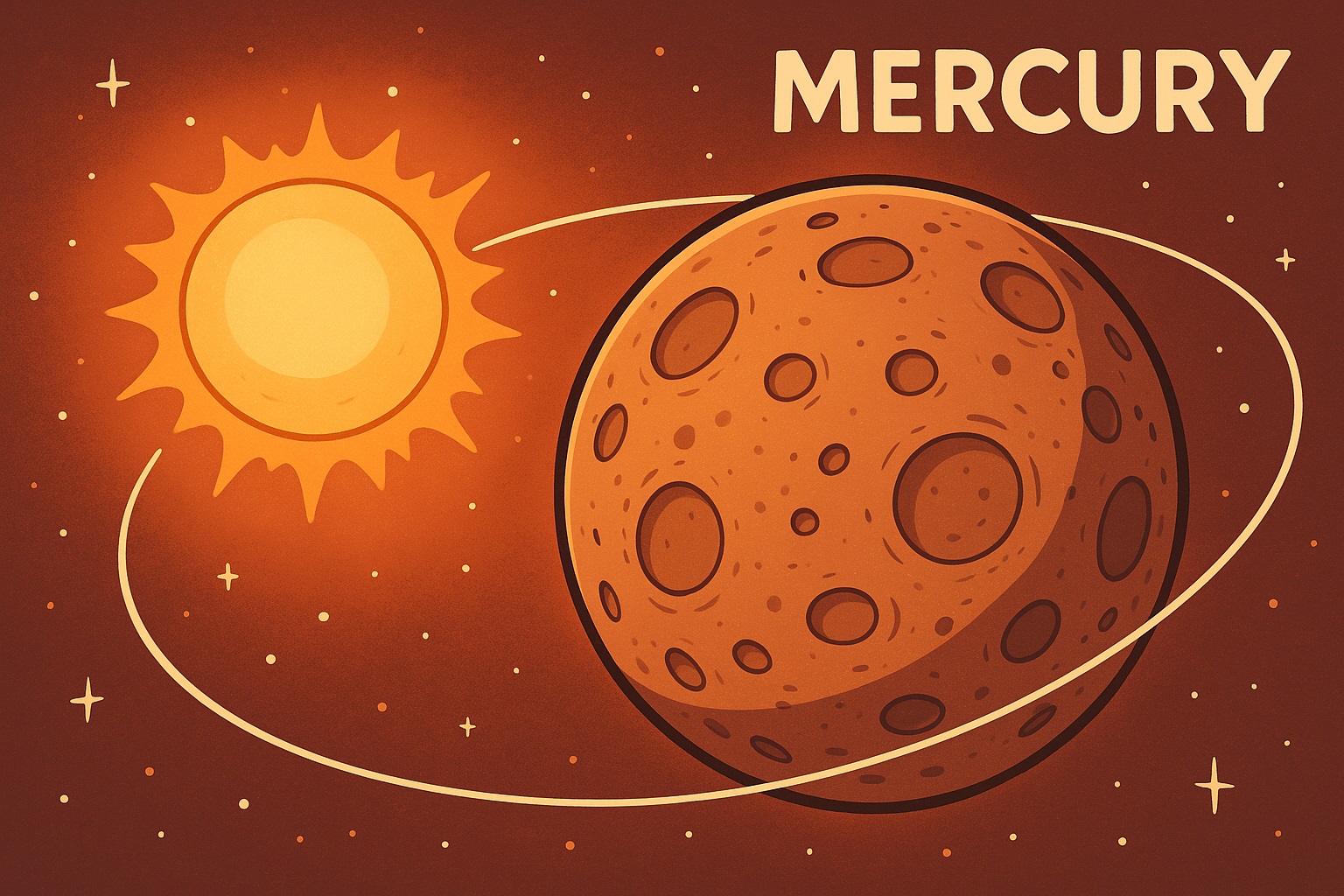
Mercury is the closest planet to the Sun and the smallest in our solar system. Despite its proximity to the Sun, it's not the hottest planet—Venus holds that title. However, Mercury is one of the most fascinating celestial bodies due to its extreme temperature changes, cratered surface, and rapid orbit.
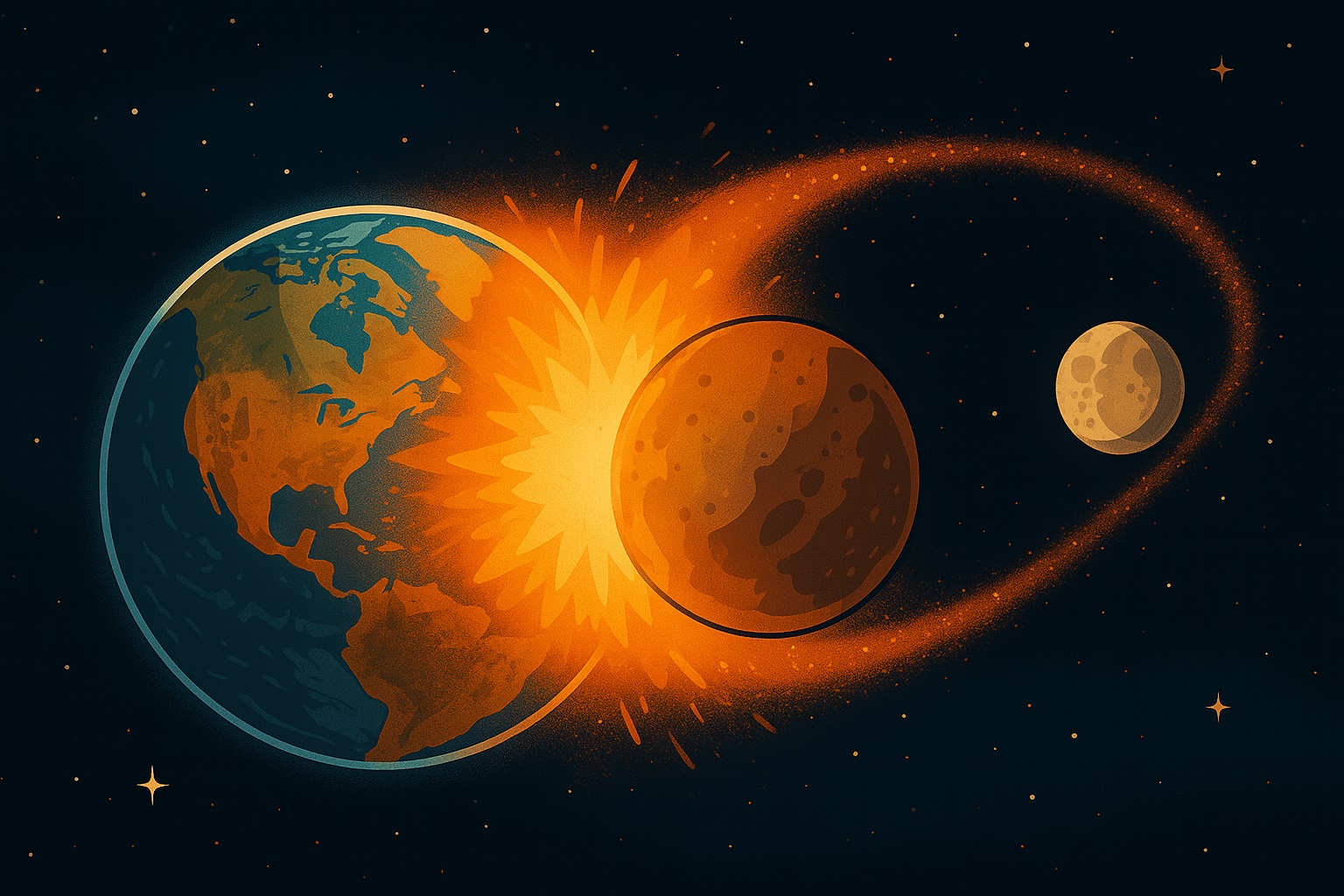
Theia: The Mysterious Planet That Changed Earth's History?
Space Stories Universe

Theia: The Mysterious Planet That Changed Earth's History?

Theia is a hypothetical ancient planetary body believed to have collided with Earth over 4 billion years ago. While Theia no longer exists as a separate planet, scientists suggest that this cosmic impact played a critical role in the formation of the Moon and may have even shaped the early structure of our planet. The idea of Theia is central to the giant impact hypothesis, the most widely accepted theory explaining the Moon's origin.

Why Doesn’t the Moon Fall to Earth?
Space Stories Universe

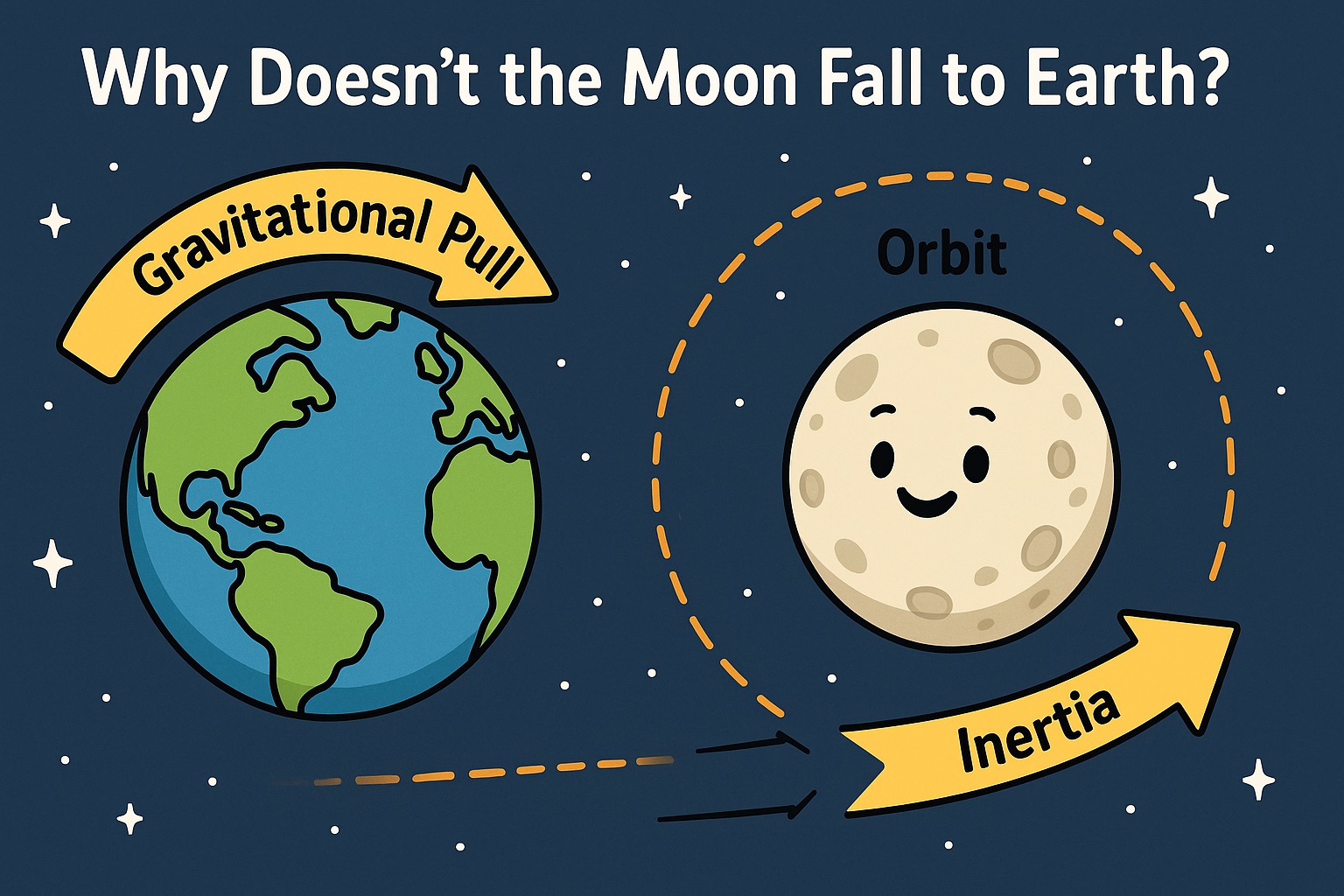
Why Doesn’t the Moon Fall to Earth?

At first glance, it might seem logical to assume that the Moon should eventually fall to Earth due to gravity. After all, gravity pulls objects toward each other—and the Earth is massive. But the Moon doesn’t crash into us. Instead, it remains in a stable orbit. Why? The answer lies in the balance between gravitational pull and inertia—specifically, the centripetal force that keeps the Moon moving along a curved path.

The Moon: Earth's Natural Satellite and Its Many Mysteries
Space Stories Universe

The Moon: Earth's Natural Satellite and Its Many Mysteries

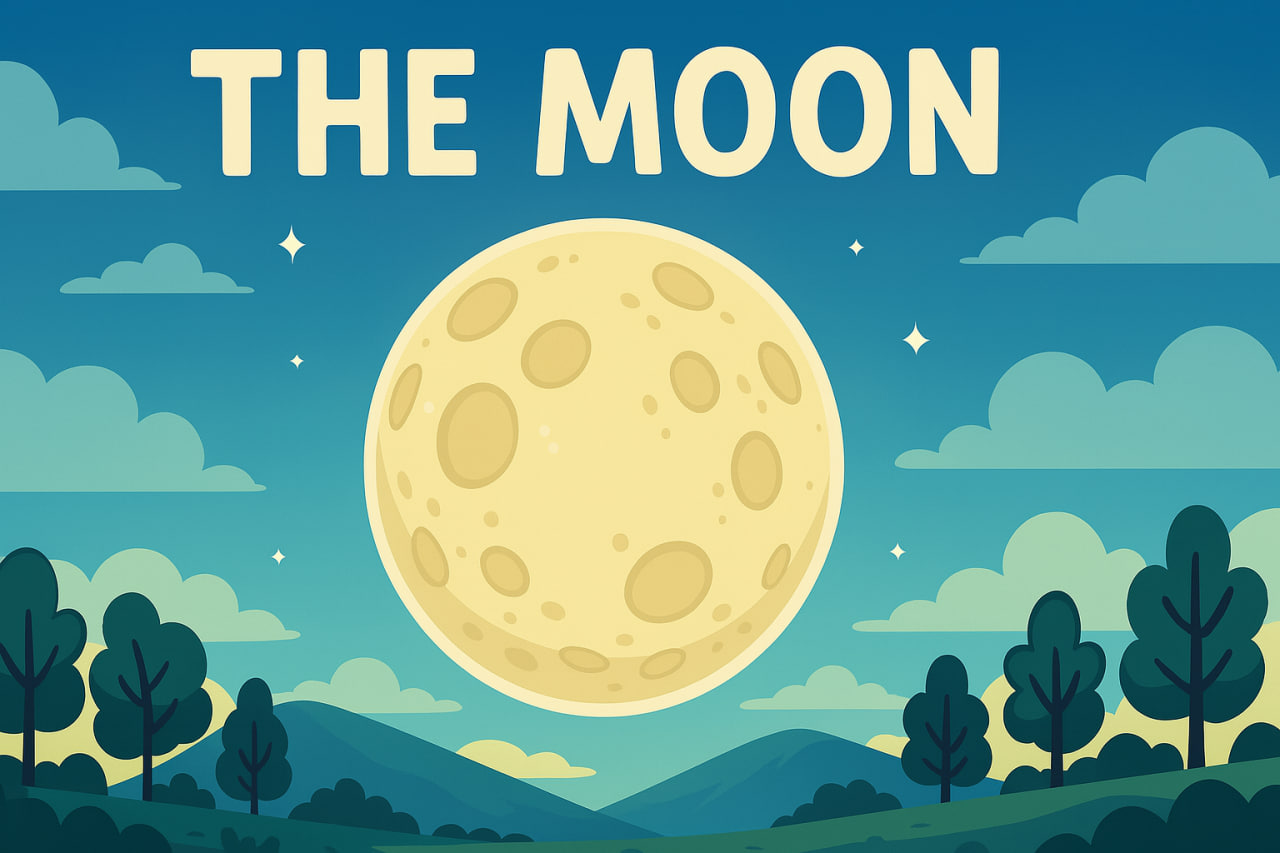
The Moon is Earth’s only natural satellite, orbiting our planet at an average distance of about 384,400 kilometers. It is the fifth-largest moon in the solar system and the second-densest, after Jupiter's Io. Despite its close proximity, the Moon remains a source of fascination, myths, and scientific discovery. It plays a vital role in shaping life on Earth—affecting tides, stabilizing our planet's tilt, and even influencing biological cycles.

Types of Stars: The Diversity of Stellar Objects in the Universe
Space Stories Universe

Types of Stars: The Diversity of Stellar Objects in the Universe

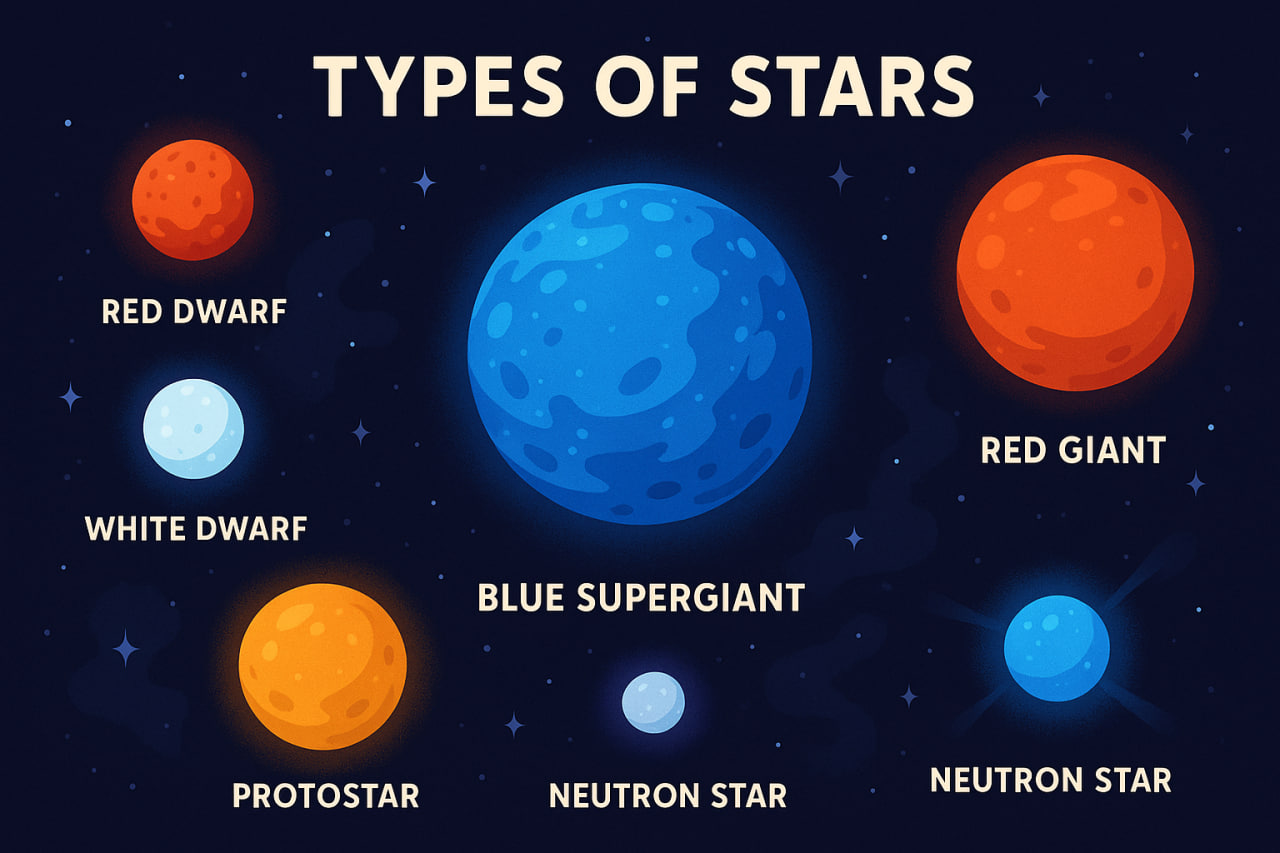
Stars are massive, glowing spheres of hot gas — primarily hydrogen and helium — that produce energy through nuclear fusion. They vary greatly in size, color, temperature, brightness, and lifespan. These differences allow astronomers to classify stars into distinct types, from tiny red dwarfs to colossal blue supergiants. Understanding the types of stars helps us grasp how galaxies evolve and how elements that form planets and life are created.

The Crab Nebula: A Cosmic Remnant of a Stellar Explosion
Space Stories Universe

The Crab Nebula: A Cosmic Remnant of a Stellar Explosion

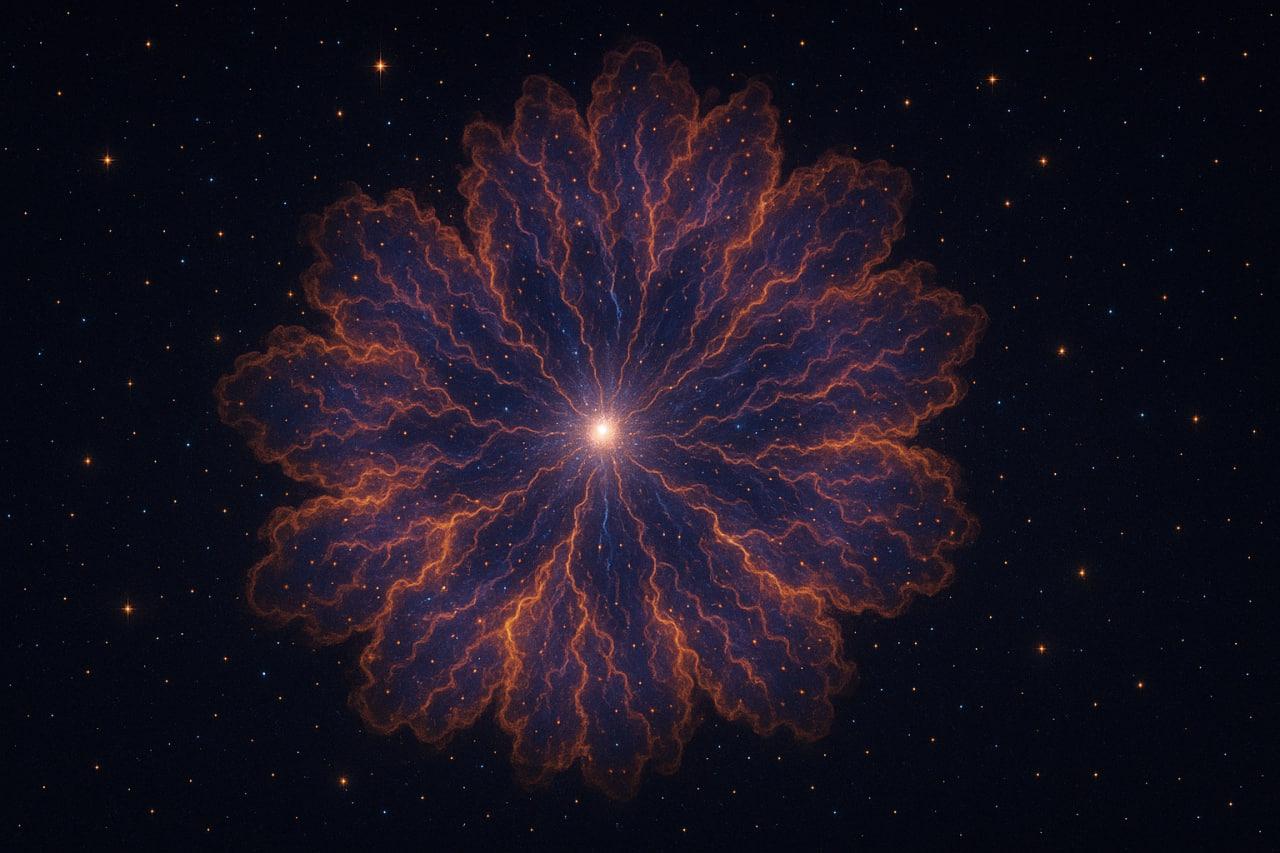
The Crab Nebula (cataloged as Messier 1 or M1) is one of the most studied and iconic objects in the night sky. Located about 6,500 light-years away in the constellation Taurus, it is the visible remnant of a supernova explosion that was recorded by Chinese and Arab astronomers in the year 1054 AD. The explosion was so bright it was visible even during the day for several weeks. What remains today is a swirling, glowing cloud of gas, plasma, and energetic particles — a nebula — expanding outward from the original star’s destruction.

A New Era in Astronomy
Hi-Tech Universe

A New Era in Astronomy

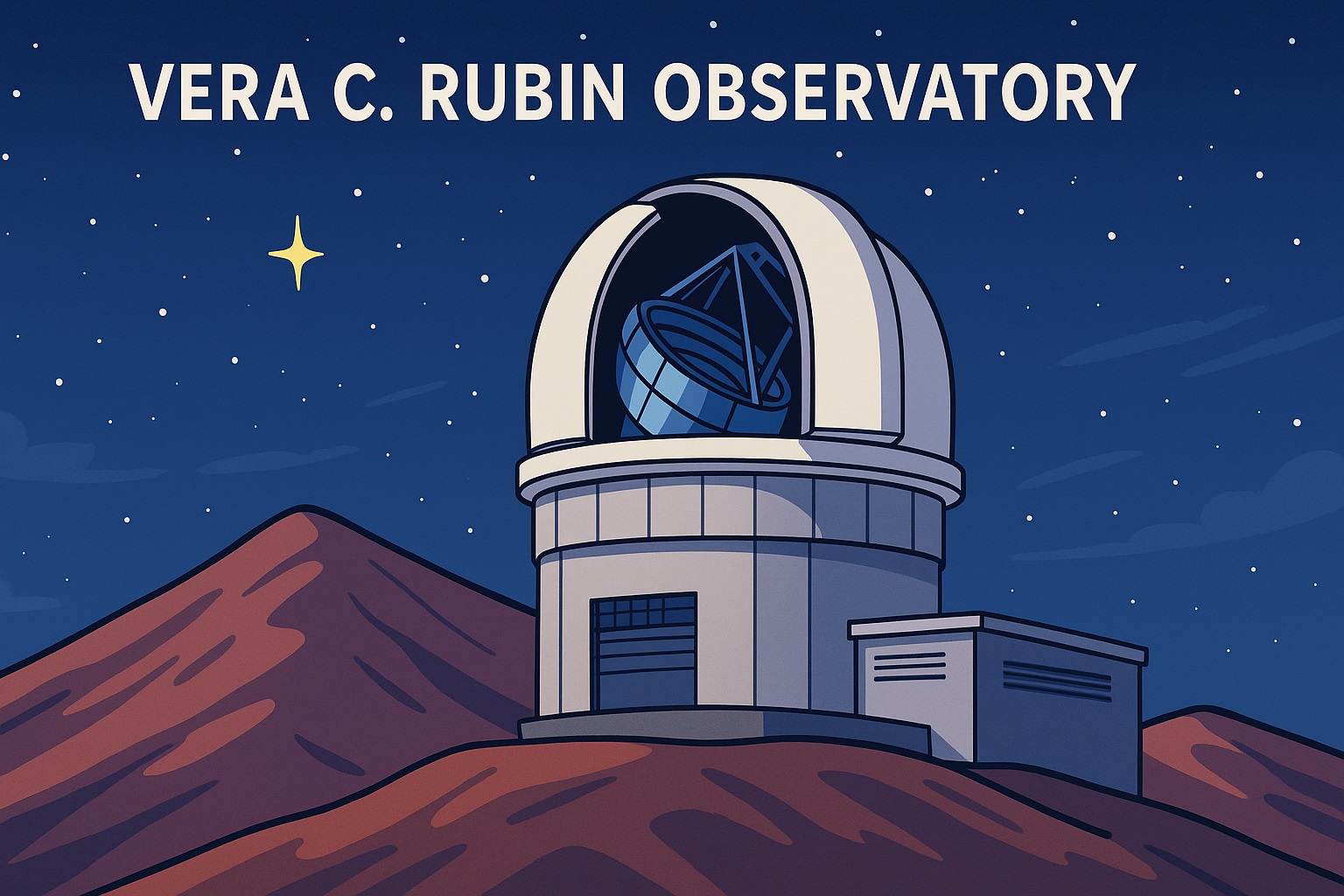
The Vera C. Rubin Observatory, located on Cerro Pachón in Chile, is a groundbreaking astronomical facility set to revolutionize our understanding of the dynamic sky. Named in honor of pioneering astronomer Vera Cooper Rubin, who provided key evidence for the existence of dark matter, this observatory embodies the spirit of exploration and innovation. Scheduled to begin full operations in 2025, the Rubin Observatory is designed to conduct the Legacy Survey of Space and Time (LSST) — a decade-long survey that will map the entire visible sky every few nights in unprecedented detail.

What Is Ultraviolet Radiation and How It Affects Life on Earth
Space Stories Universe Science

What Is Ultraviolet Radiation and How It Affects Life on Earth

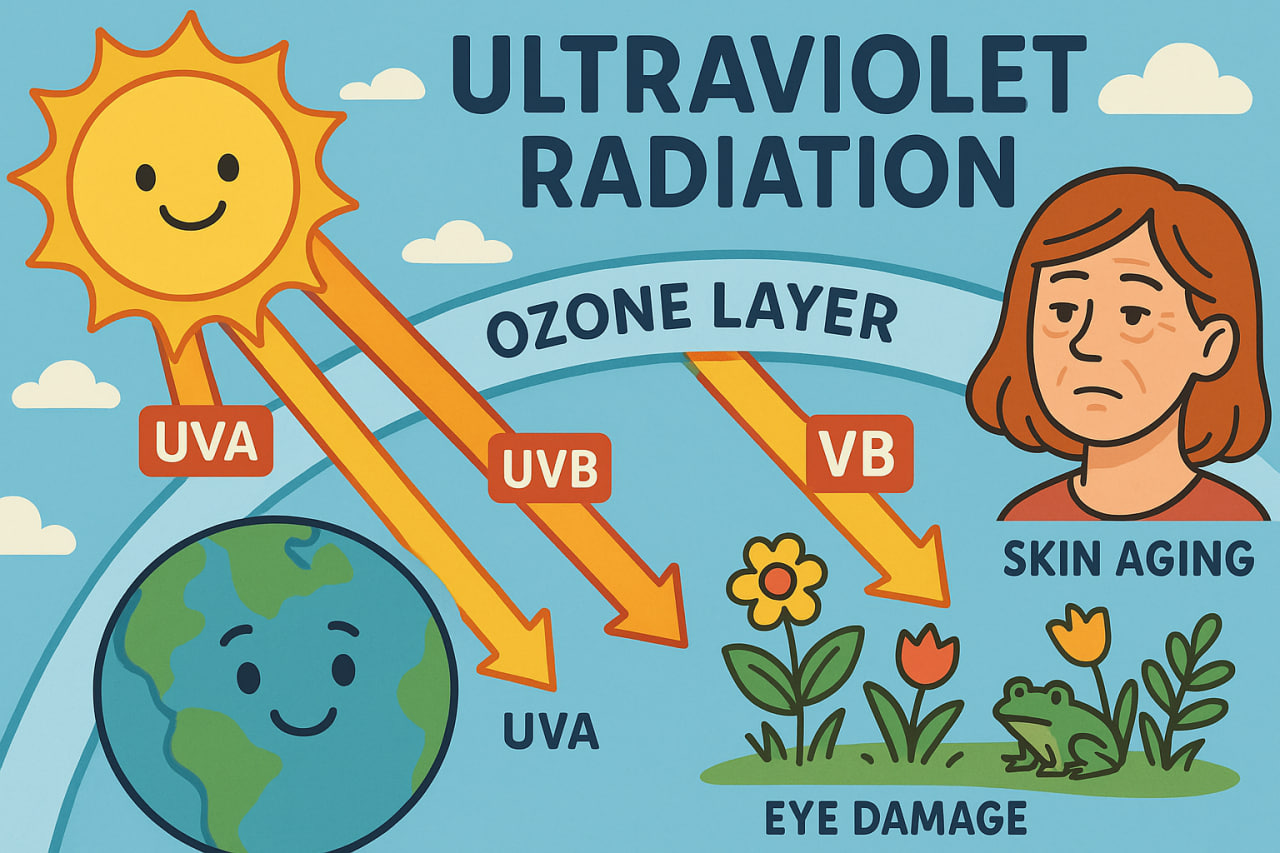
Ultraviolet (UV) radiation is a form of electromagnetic radiation that comes primarily from the Sun. While it plays important roles in nature and human health, overexposure to UV radiation can have harmful effects. Understanding what UV radiation is and how it interacts with our environment helps us take precautions while benefiting from its positive aspects.

What Happens to the Sun During Peak Solar Activity?
Space Stories Universe

What Happens to the Sun During Peak Solar Activity?

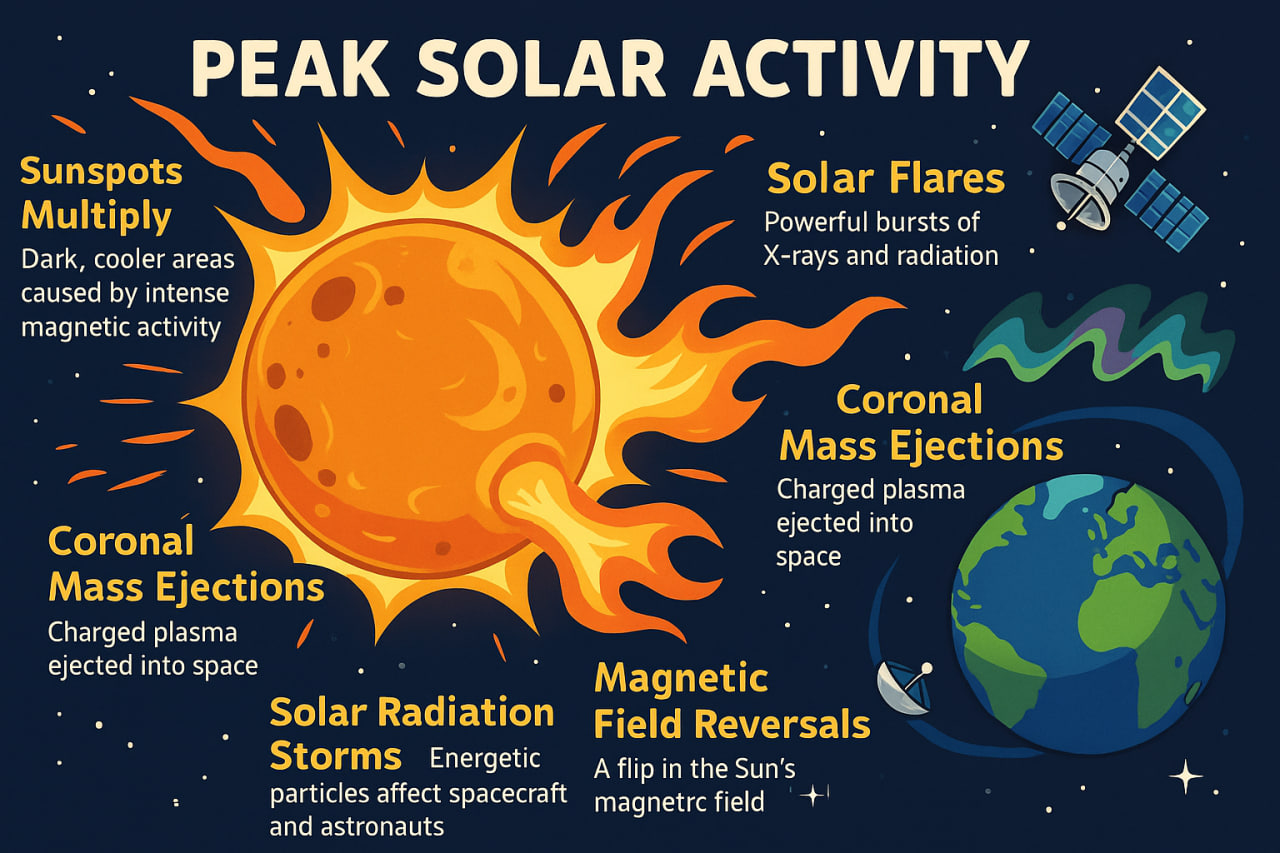
The Sun goes through regular cycles of activity known as solar cycles, each lasting about 11 years. The most energetic phase of this cycle is called solar maximum, or peak solar activity, during which the Sun becomes highly dynamic and unstable. Understanding what happens during this period is crucial, as it can have significant effects on both space technology and life on Earth.

What Can Humanity Do If an Asteroid Threatens Earth?
Space Stories Universe

What Can Humanity Do If an Asteroid Threatens Earth?

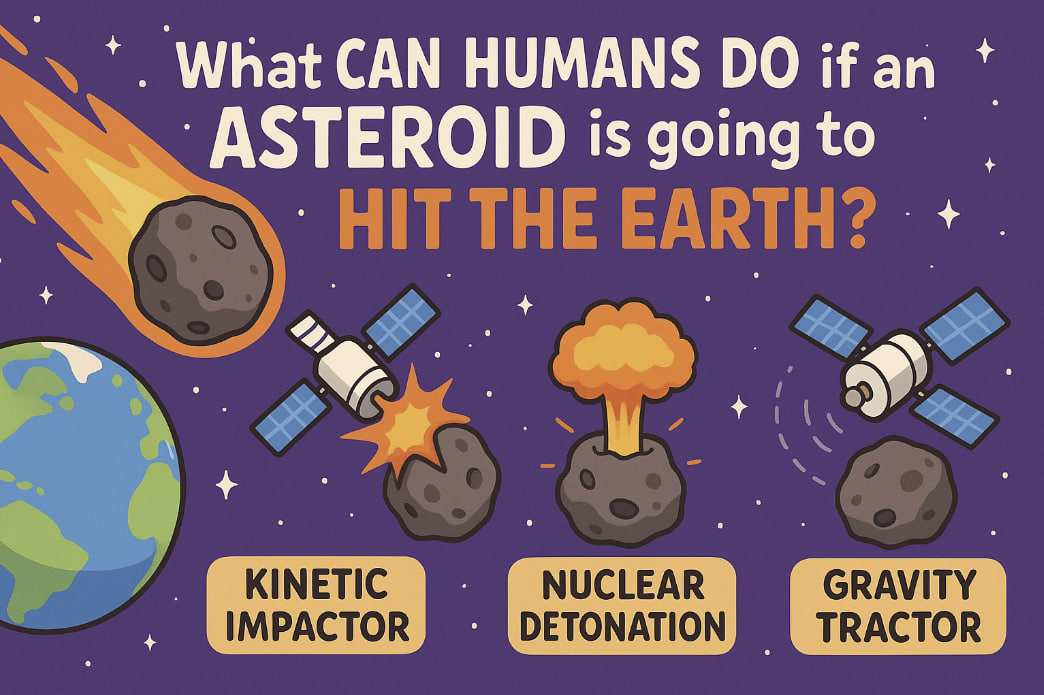
The idea of an asteroid striking Earth may sound like science fiction, but it’s a real possibility. In fact, Earth has been hit by large asteroids before — the most famous being the one that contributed to the extinction of the dinosaurs 66 million years ago. So, what if scientists discover that a large asteroid is on a collision course with our planet in the coming years?