Universe

What Makes Earth Unique: The Only Known Home for Life
Universe Solar System

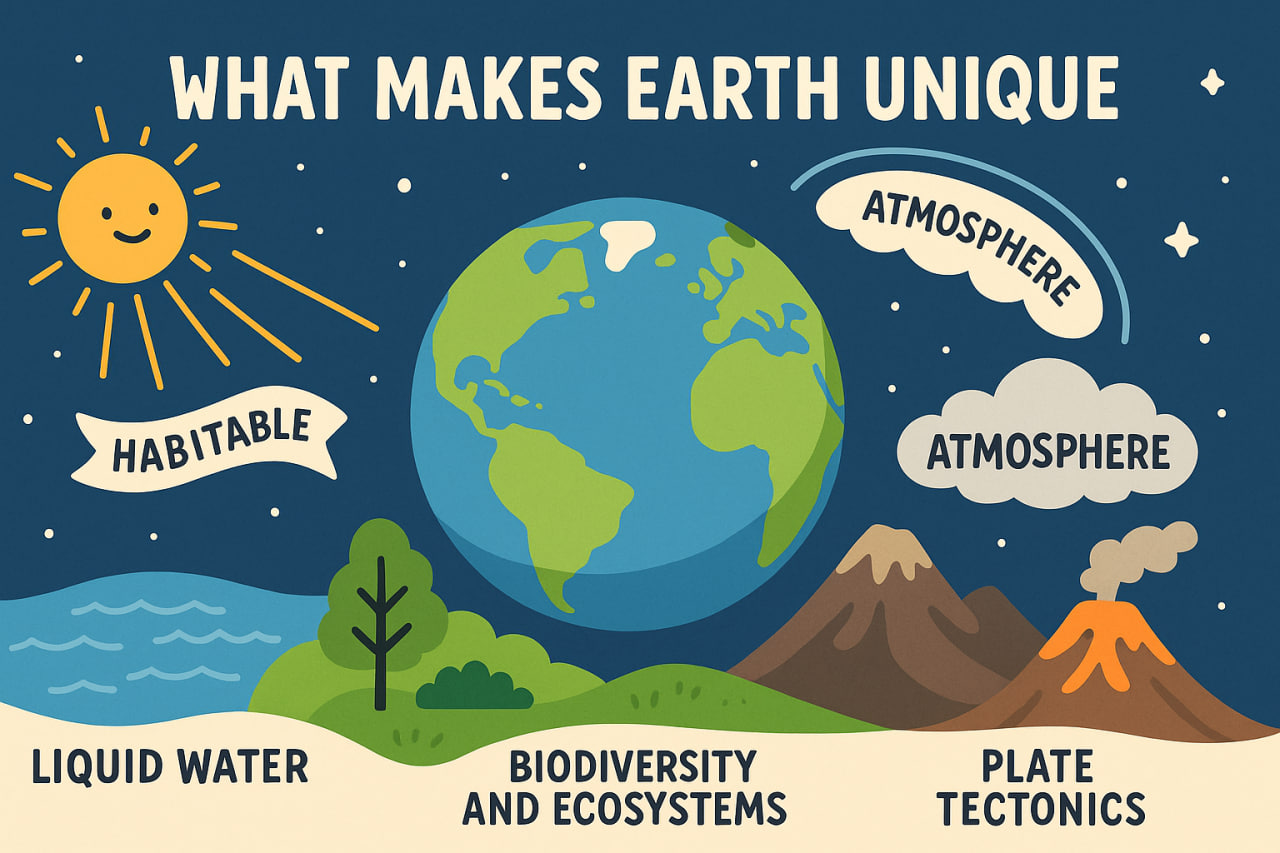
What Makes Earth Unique: The Only Known Home for Life

Among all the planets in our Solar System—and the billions more beyond—Earth is the only one we know that supports life. Its perfect balance of conditions has allowed oceans, forests, mountains, animals, and humans to exist and thrive. But what exactly makes Earth so unique?
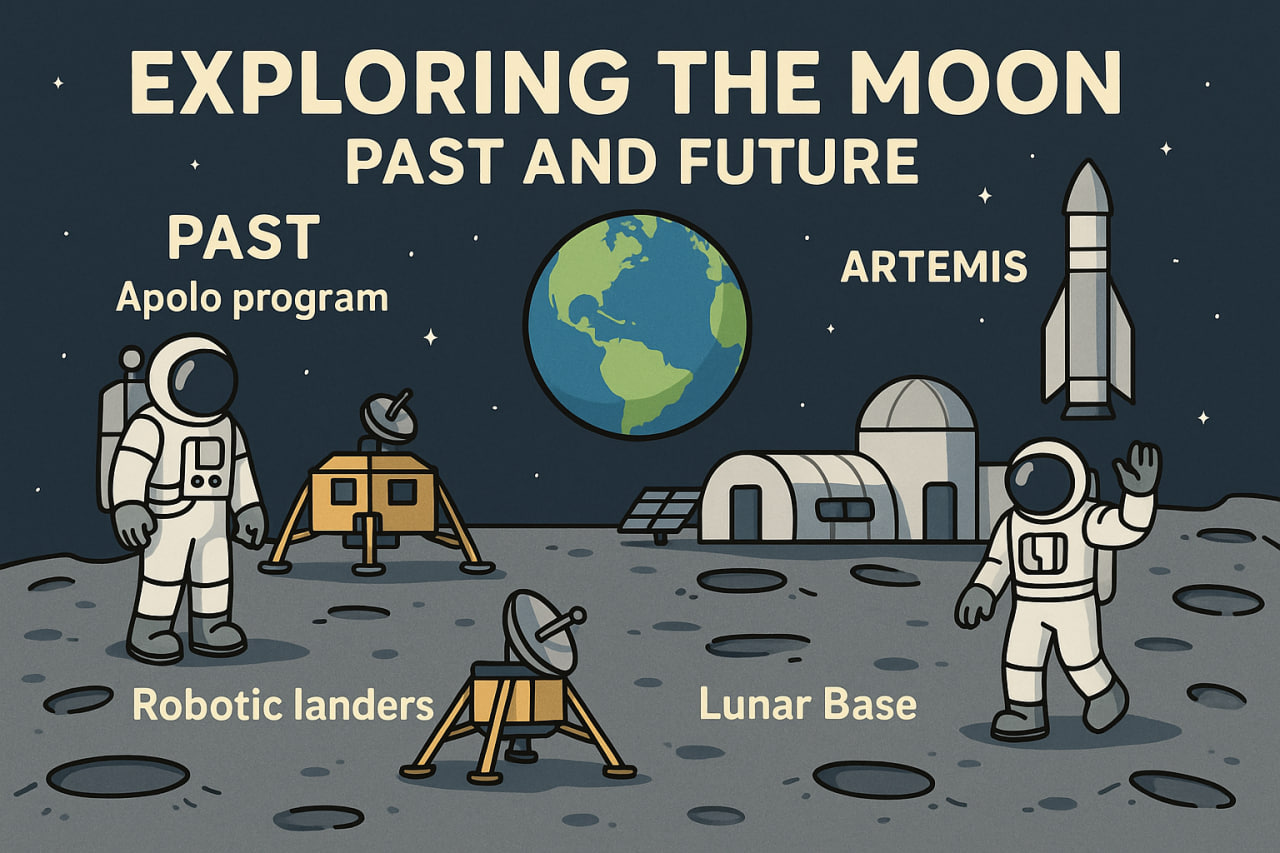
Moon Exploration: Past Achievements and Future Frontiers
Space Stories History Universe

Moon Exploration: Past Achievements and Future Frontiers

For centuries, the Moon has fascinated humanity. As Earth’s only natural satellite and the brightest object in our night sky, it has been central to ancient myths, scientific curiosity, and space exploration. From the first robotic missions to future lunar bases, the Moon remains a vital focus for global space agencies.

Microgravity: What Happens to the Human Body in Space
Space Stories Universe Science

Microgravity: What Happens to the Human Body in Space

Microgravity, often described as “weightlessness,” is the condition in which people or objects appear to be weightless while in orbit. Although gravity is still present, everything falls around Earth at the same rate, creating the illusion of floating. This unique environment has profound effects on the human body, many of which begin within hours of arriving in space.

Space Debris: A Growing Problem for the Future
Space Stories Universe Solar System

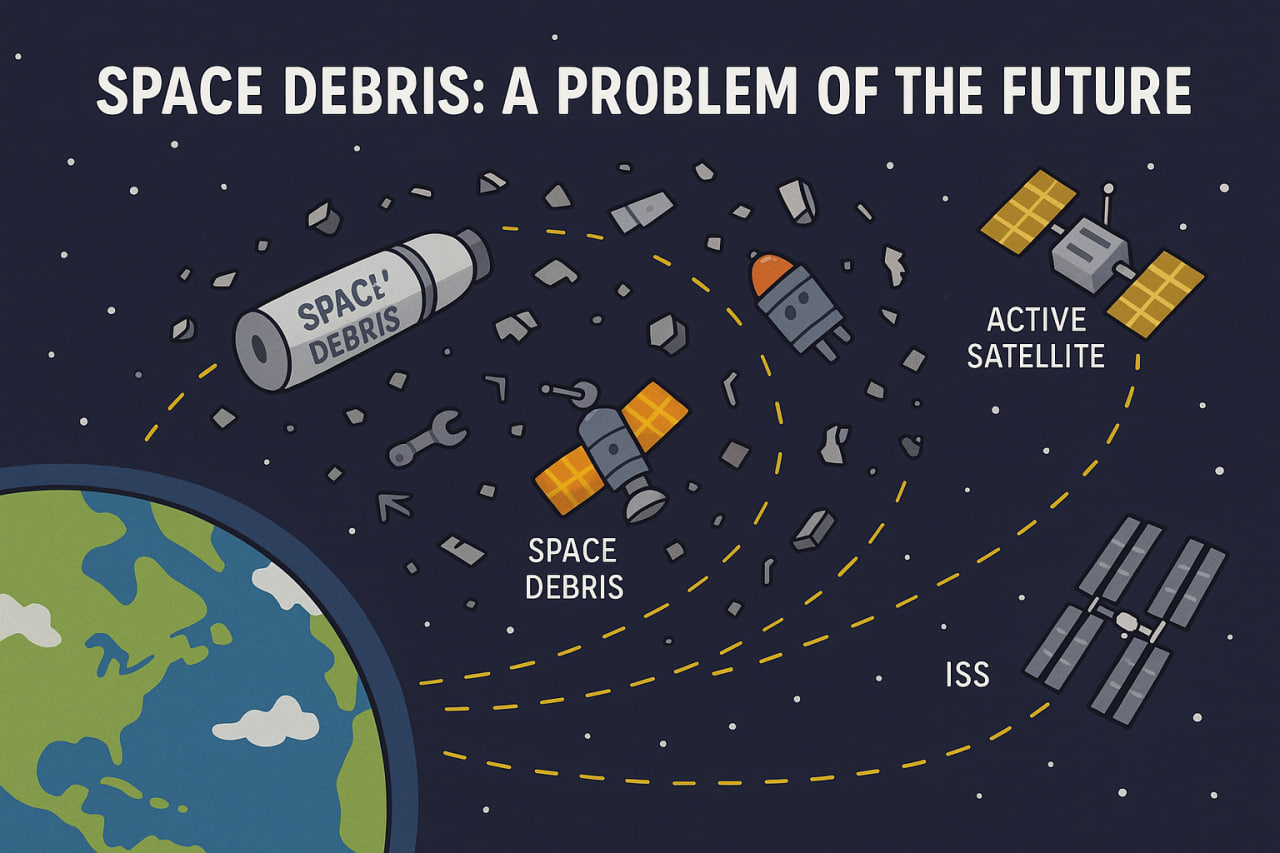
Space Debris: A Growing Problem for the Future

Space debris, also known as space junk, refers to non-functional human-made objects orbiting Earth. These include defunct satellites, spent rocket stages, fragments from past collisions, and even tools lost during spacewalks. While most of this debris is small, even tiny objects can cause serious damage due to their high orbital speeds. As we launch more satellites and spacecraft, space debris has become one of the most pressing environmental challenges in near-Earth space.

What Determines a Planet’s Orbit?
Space Stories Universe Science

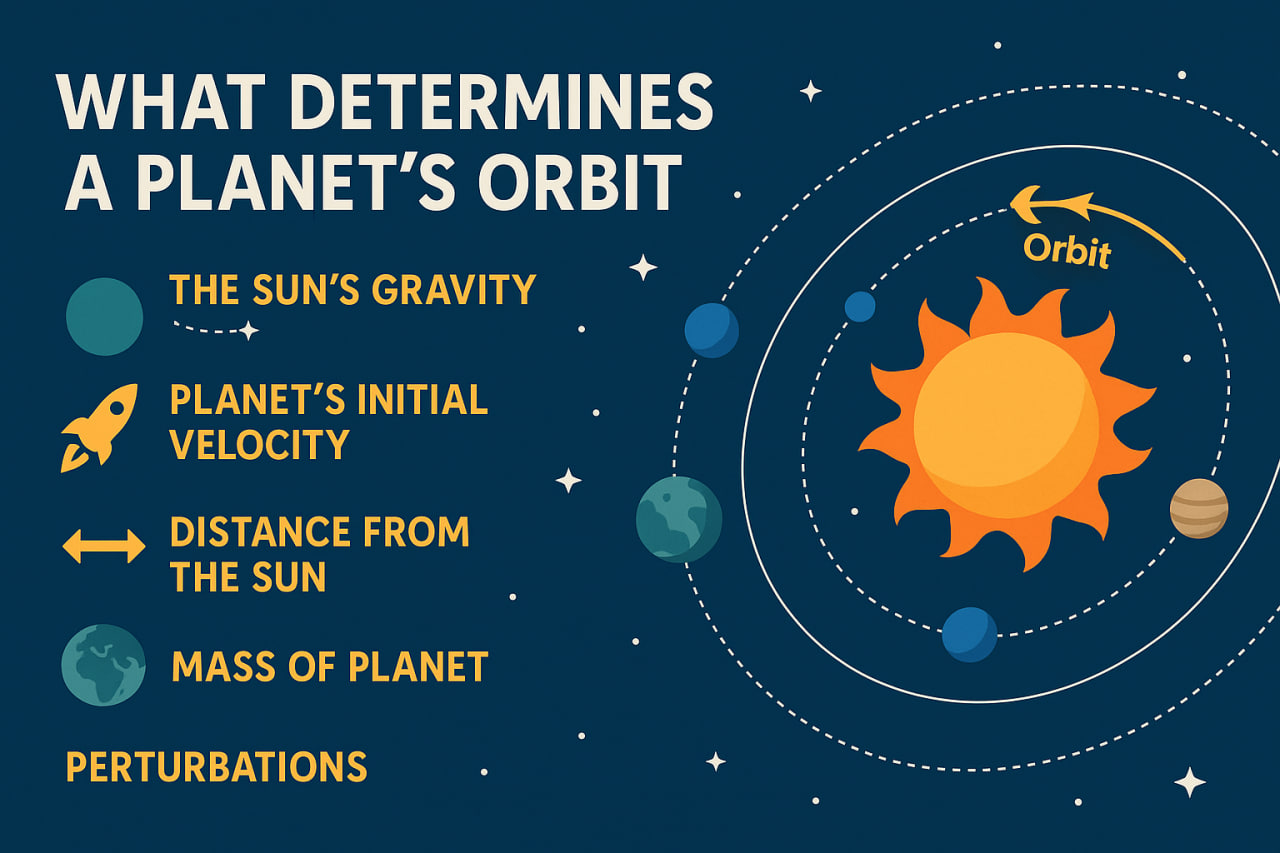
What Determines a Planet’s Orbit?

An orbit is the curved path a planet follows around a star — in our case, the Sun — due to the force of gravity. All planets in the Solar System orbit the Sun in elliptical paths, though they may appear almost circular. The shape, size, and speed of these orbits depend on several physical forces and conditions that were set during the early formation of the Solar System.

How Much Does the Earth Weigh?
Space Stories Universe Solar System

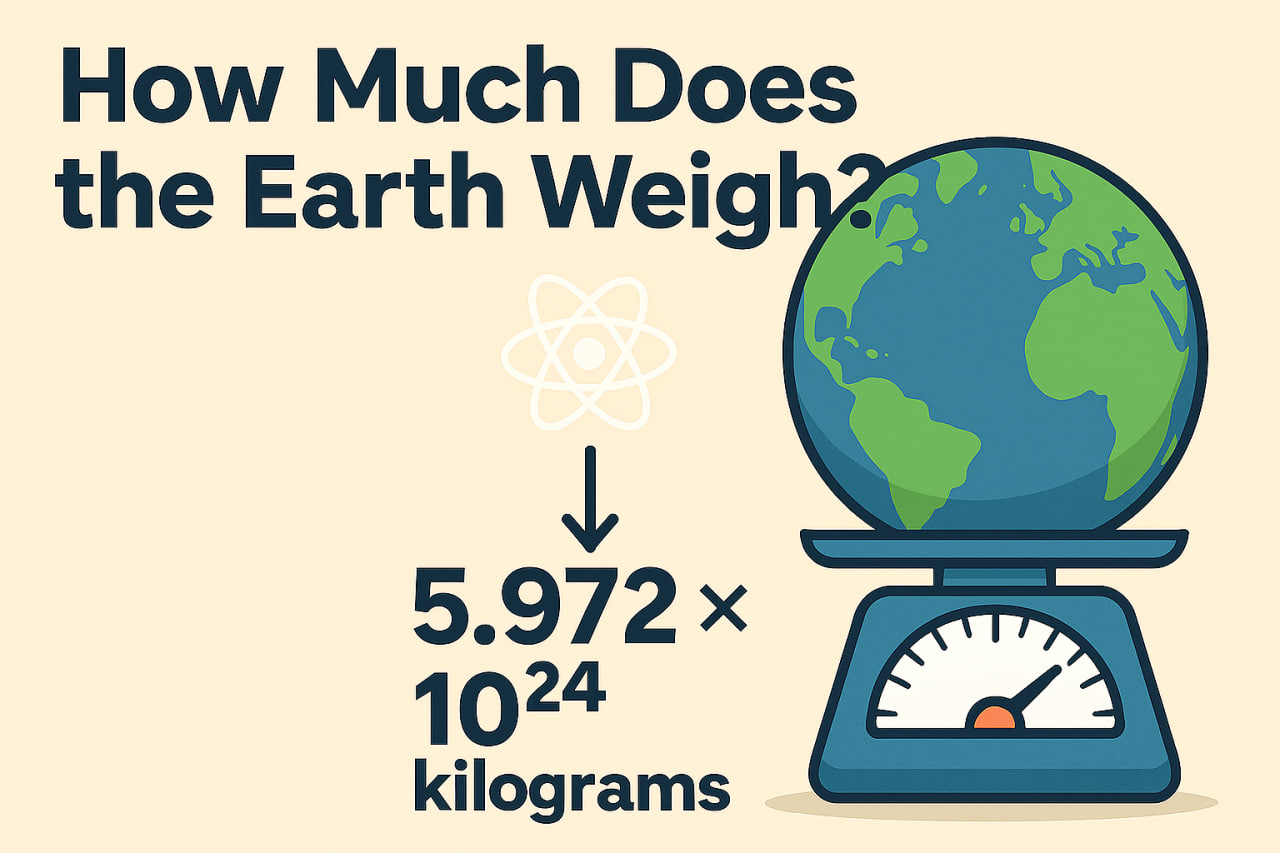
How Much Does the Earth Weigh?

When we ask how much the Earth “weighs,” we’re really asking about its mass. Weight, in physics, depends on gravity and varies depending on where an object is located. Since Earth is in space and not sitting on a scale, scientists measure its mass instead — a fixed quantity that doesn’t depend on location.

The Chemical Composition of the Sun
Universe Solar System

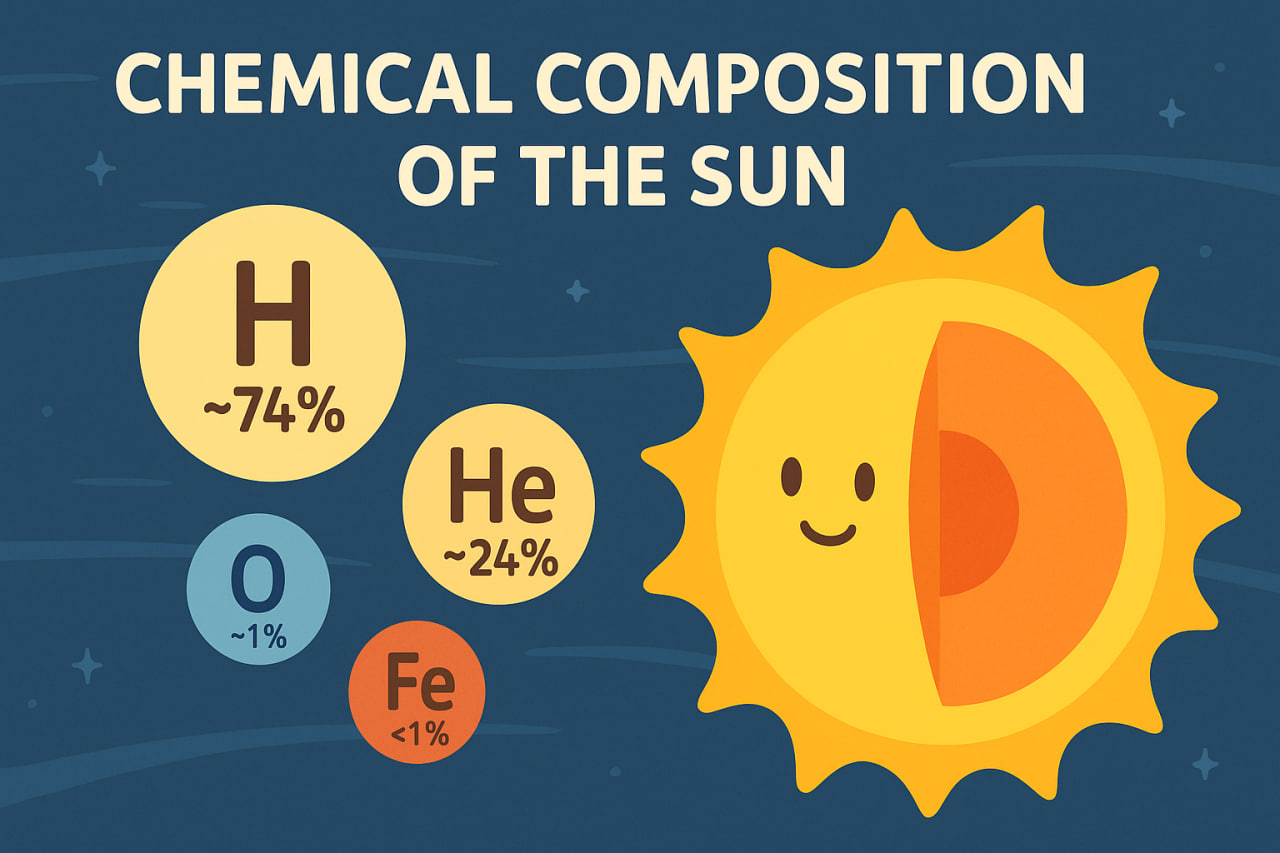
The Chemical Composition of the Sun

The Sun, a glowing sphere of hot plasma at the center of our solar system, may appear uniform to the naked eye, but it has a rich and complex chemical makeup. Unlike a solid body like Earth, the Sun is composed almost entirely of gas and plasma. Understanding its composition helps astronomers learn how stars form, evolve, and influence surrounding space.

Possibilities for Asteroid Belt Exploration and Utilization
Cosmic Innovations Universe Solar System

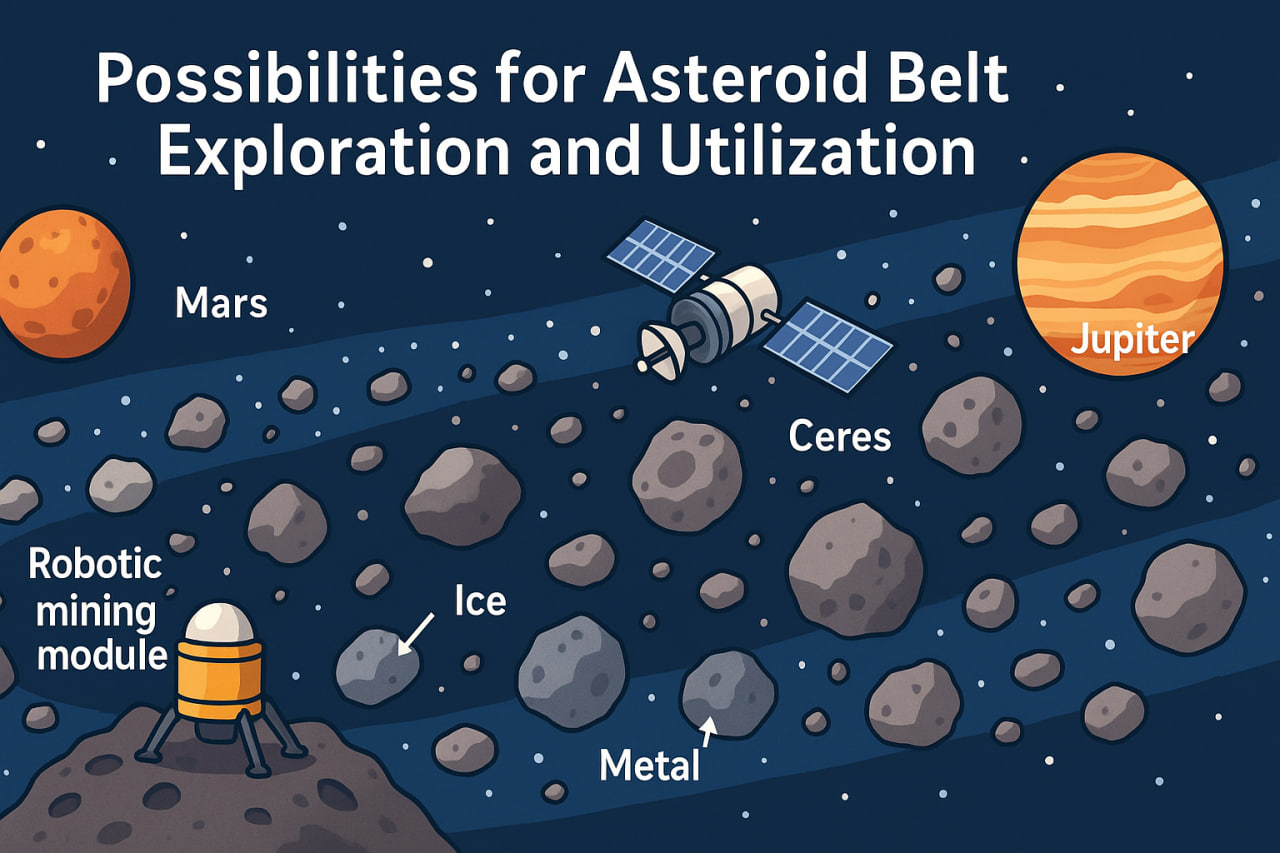
Possibilities for Asteroid Belt Exploration and Utilization

The asteroid belt is a vast region between Mars and Jupiter filled with rocky remnants from the early Solar System. Far from being just a chaotic zone of floating debris, it presents immense potential for scientific exploration, resource extraction, and possibly even future space colonization. As technology advances, so does our ability to access and benefit from this unique region.

What Is a Cryovolcano?
Universe Solar System

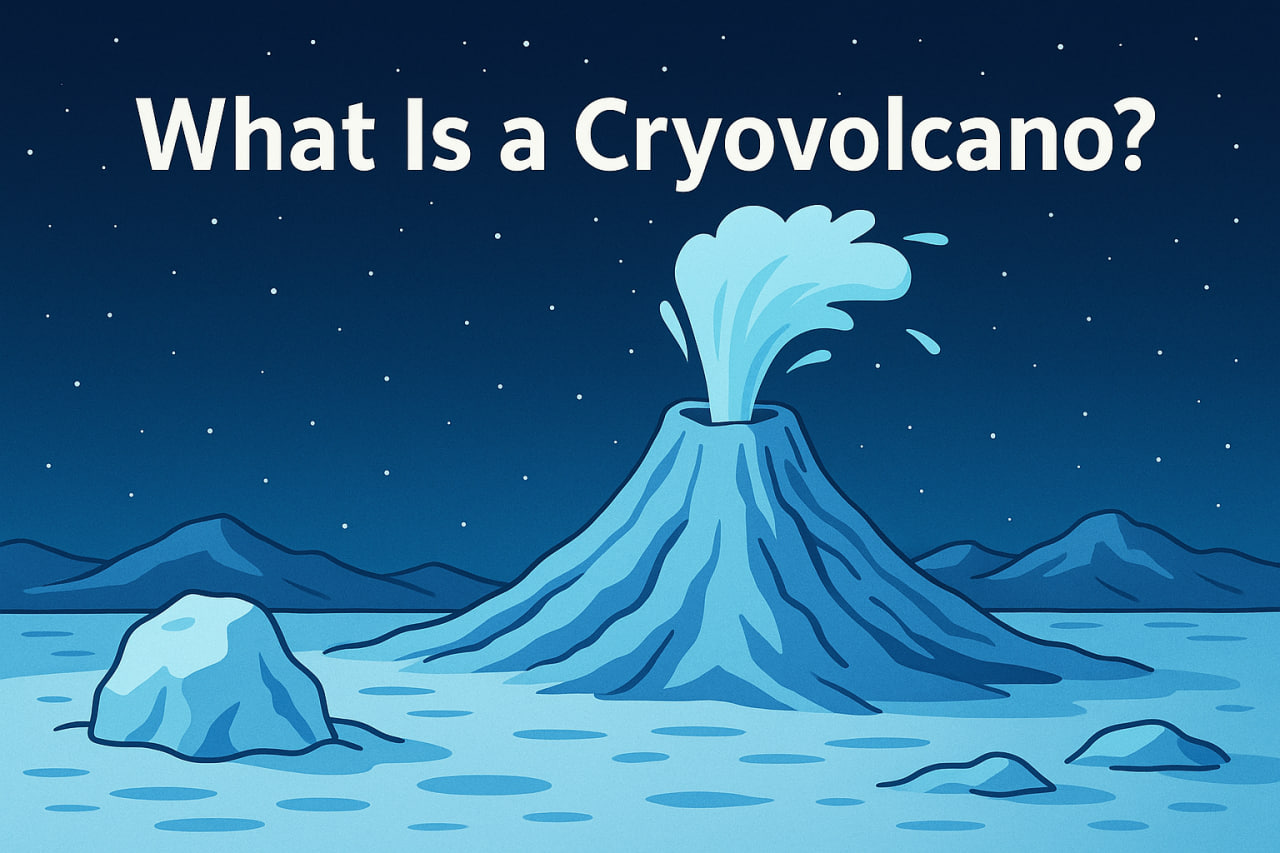
What Is a Cryovolcano?

A cryovolcano, also known as an ice volcano, is a type of volcanic feature found on some icy celestial bodies in our Solar System. Unlike typical volcanoes on Earth that erupt molten rock (lava), cryovolcanoes eject volatiles—such as water, ammonia, or methane—in a frozen or vaporized state. These exotic eruptions often occur on moons and dwarf planets in the outer Solar System, where temperatures are far below freezing.