Universe

What Are Asteroid Belts?
Space Stories Universe Solar System

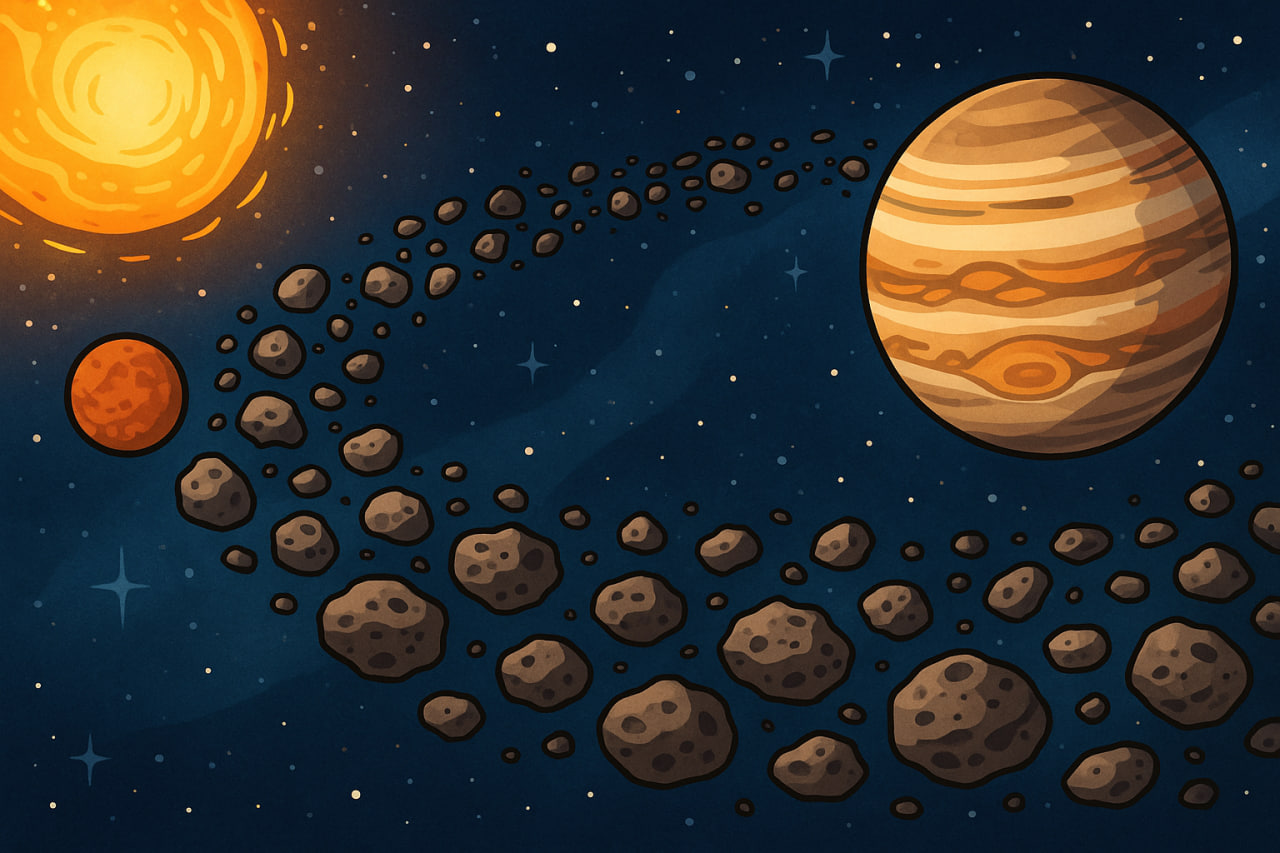
What Are Asteroid Belts?

The asteroid belt is a vast region in space filled with rocky objects of various sizes orbiting the Sun. These objects, called asteroids, are remnants from the early formation of the solar system. While often portrayed in science fiction as chaotic, the real asteroid belts are mostly empty space dotted with millions of small celestial bodies. The most well-known of these belts lies between Mars and Jupiter, and plays a significant role in understanding the evolution of planets and the structure of our cosmic neighborhood.
Why Venus Is a Evil Planet
Space Stories Universe Solar System

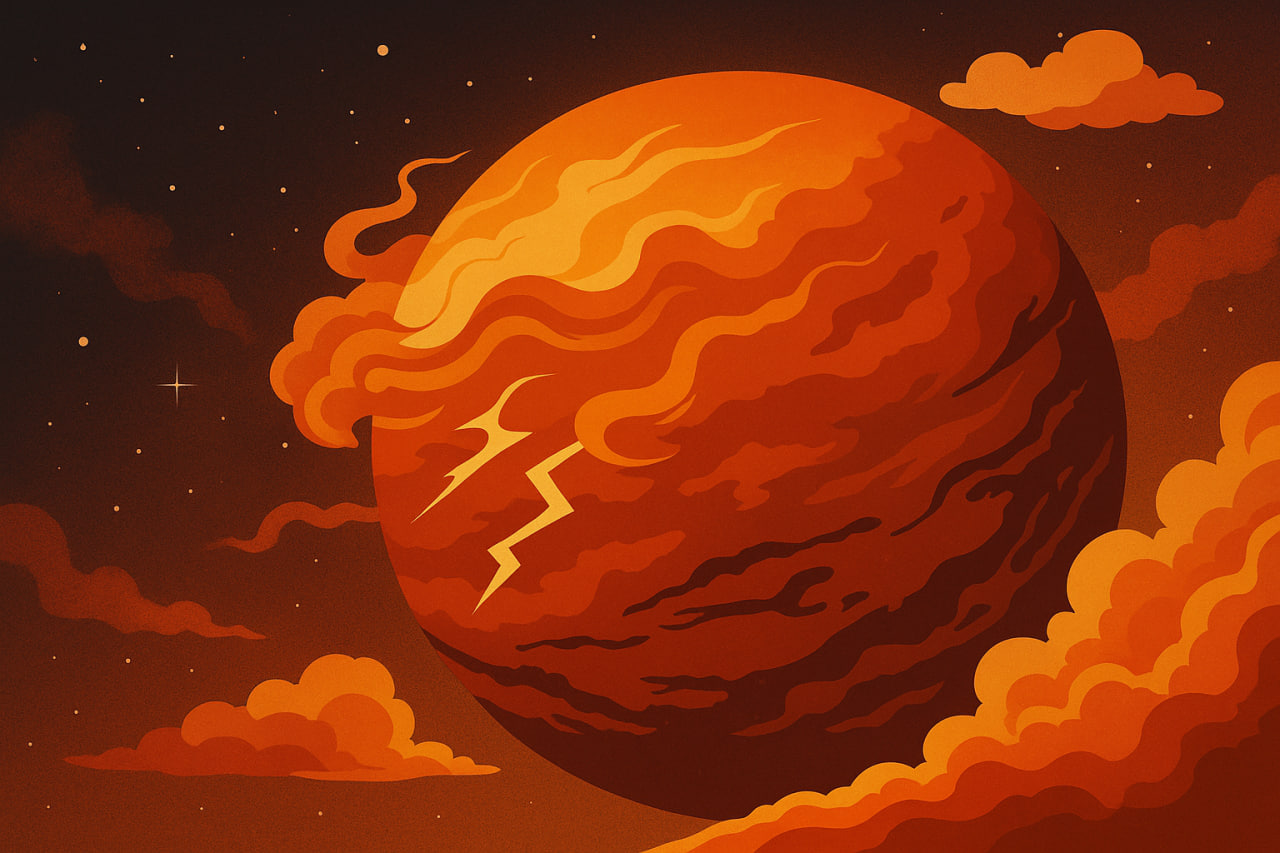
Why Venus Is a Evil Planet

Although similar in size and composition to Earth, Venus is often described as our planet’s evil twin. With scorching temperatures, crushing atmospheric pressure, and acidic clouds, Venus is one of the most inhospitable places in the solar system. Understanding why Venus became so hostile provides critical insights into planetary evolution—and even Earth's future.

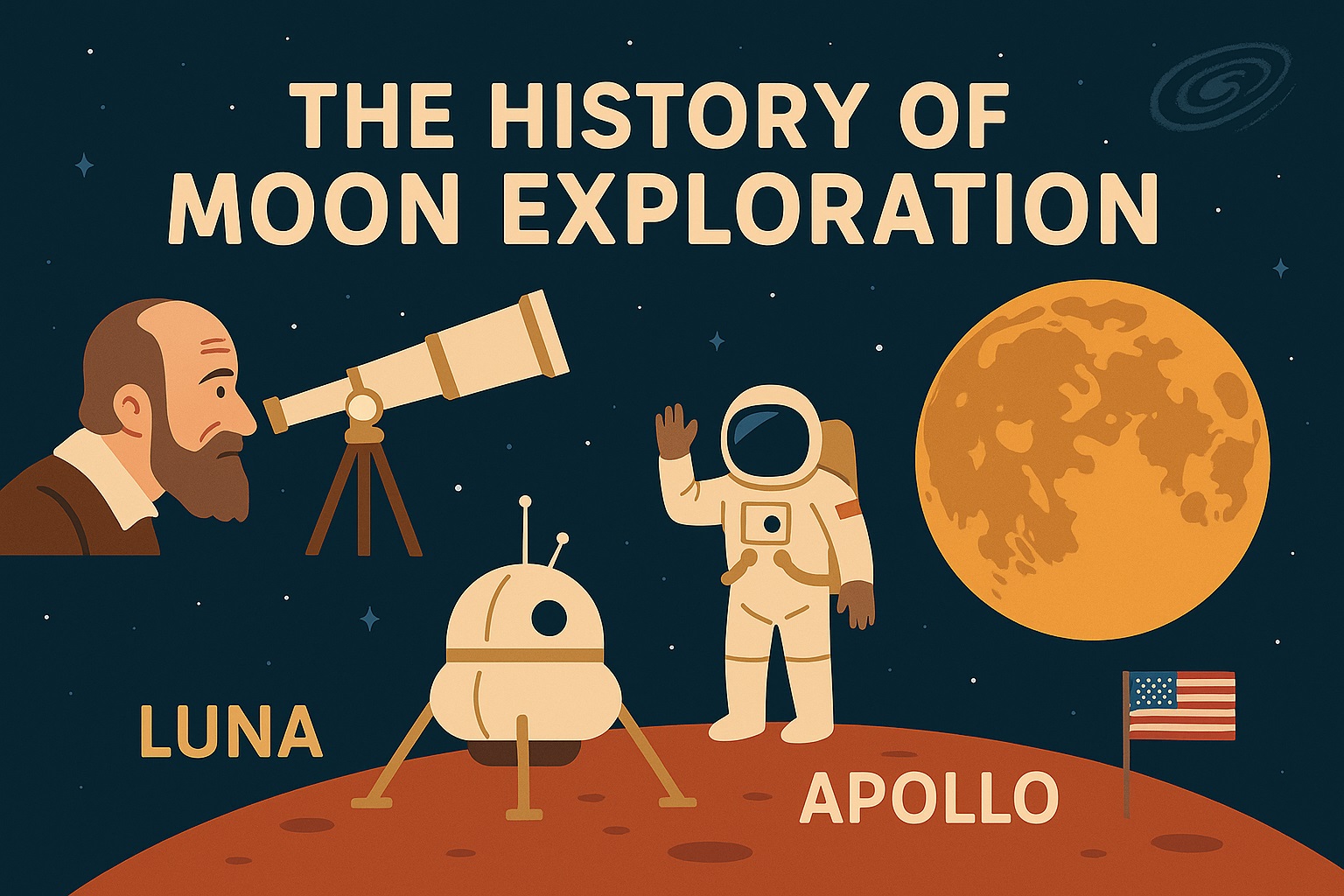
The History of Moon Exploration
History Universe Solar System

The History of Moon Exploration

The Moon, Earth’s closest celestial neighbor, has fascinated humanity since ancient times. For centuries, it was the subject of myths, calendars, and early astronomical observations. But in the last century, it became the first extraterrestrial body to be explored by spacecraft and visited by humans. The history of Moon exploration is not only a triumph of science and technology but also a tale of ambition, rivalry, and discovery.

How Astronomers Discover New Planets
Cosmic Innovations Universe Science

How Astronomers Discover New Planets

The discovery of new planets, especially those outside our solar system—called exoplanets—has transformed our understanding of the universe. For centuries, planets were only known within our own solar system. But thanks to advances in astronomical instruments and space telescopes, scientists have now confirmed the existence of thousands of exoplanets orbiting distant stars.

What Are Wormholes?
Space Stories Universe

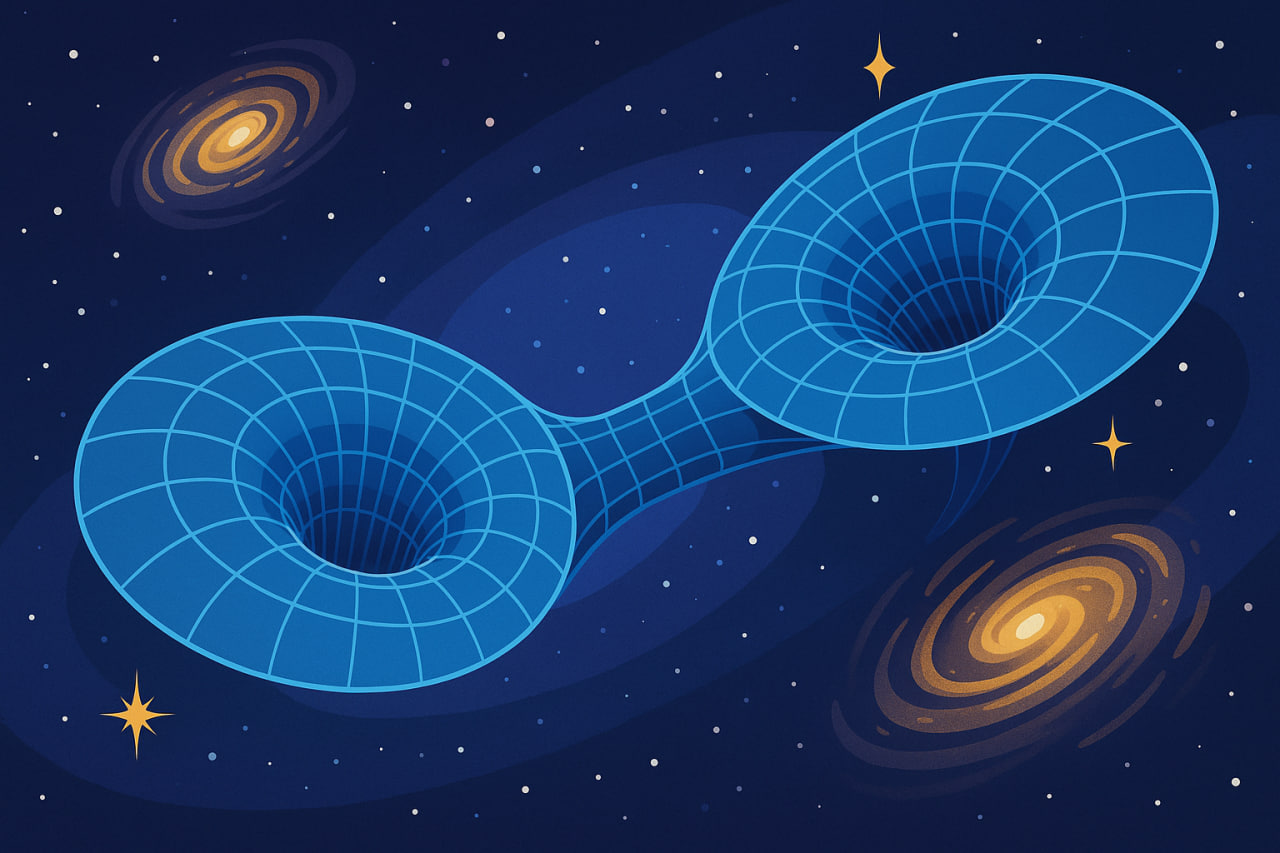
What Are Wormholes?

Wormholes, also known as Einstein-Rosen bridges, are theoretical passages through space and time that could connect two distant points in the universe. These concepts emerge from solutions to Einstein’s general theory of relativity, which describes how massive objects warp space-time. In theory, wormholes could act as shortcuts across the cosmos, potentially allowing for faster-than-light travel or even time travel. However, to date, no actual wormhole has been observed, and many scientists consider them purely speculative.

Can Humans Live on Mars?
Space Stories Universe Solar System

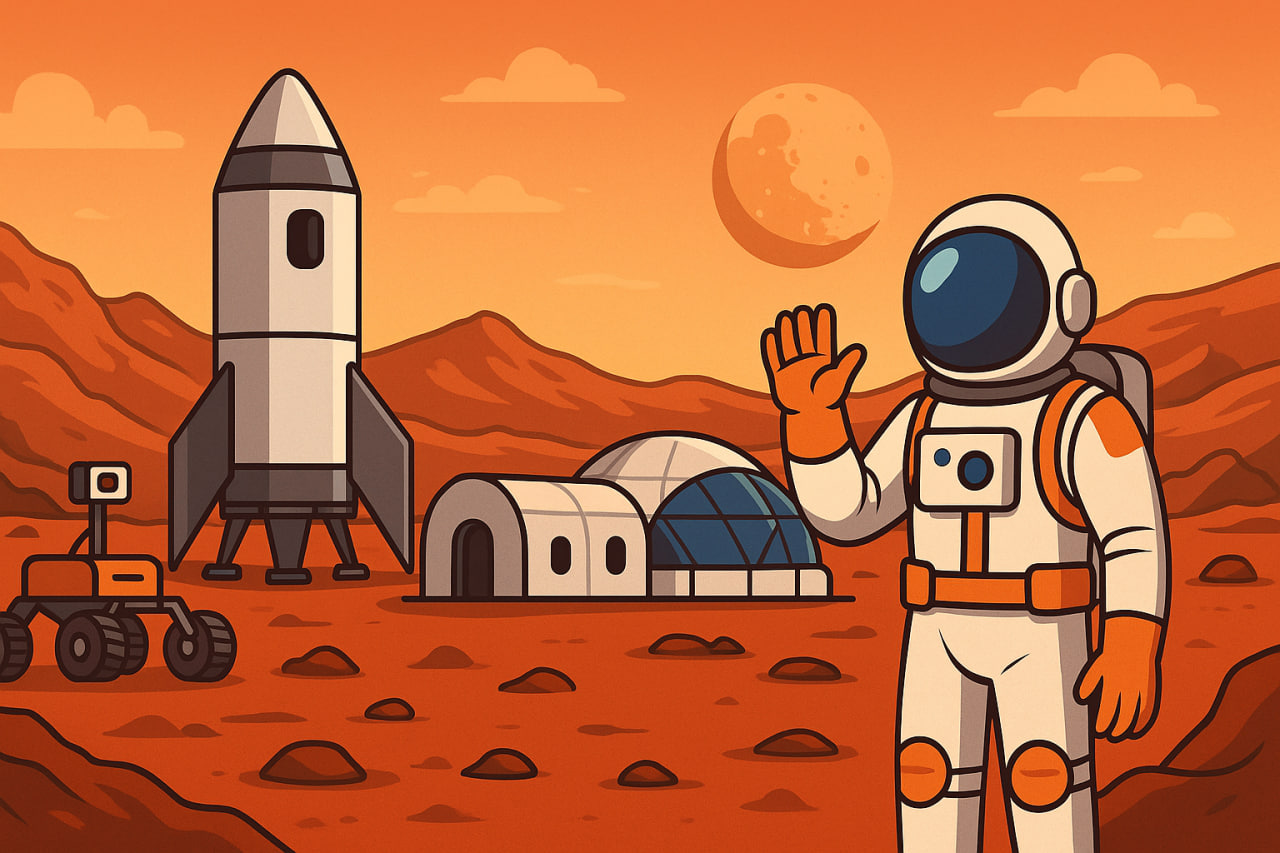
Can Humans Live on Mars?

The idea of humans living on Mars has fascinated scientists, engineers, and science fiction writers for decades. As Earth faces environmental and population challenges, some experts consider Mars a potential second home for humanity. But while space agencies like NASA and SpaceX plan future missions, many obstacles stand between us and permanent Martian settlement. Life on Mars may be possible, but it requires overcoming serious technological, biological, and logistical challenges.

How Orbital Mechanics Works
Space Stories Universe Science

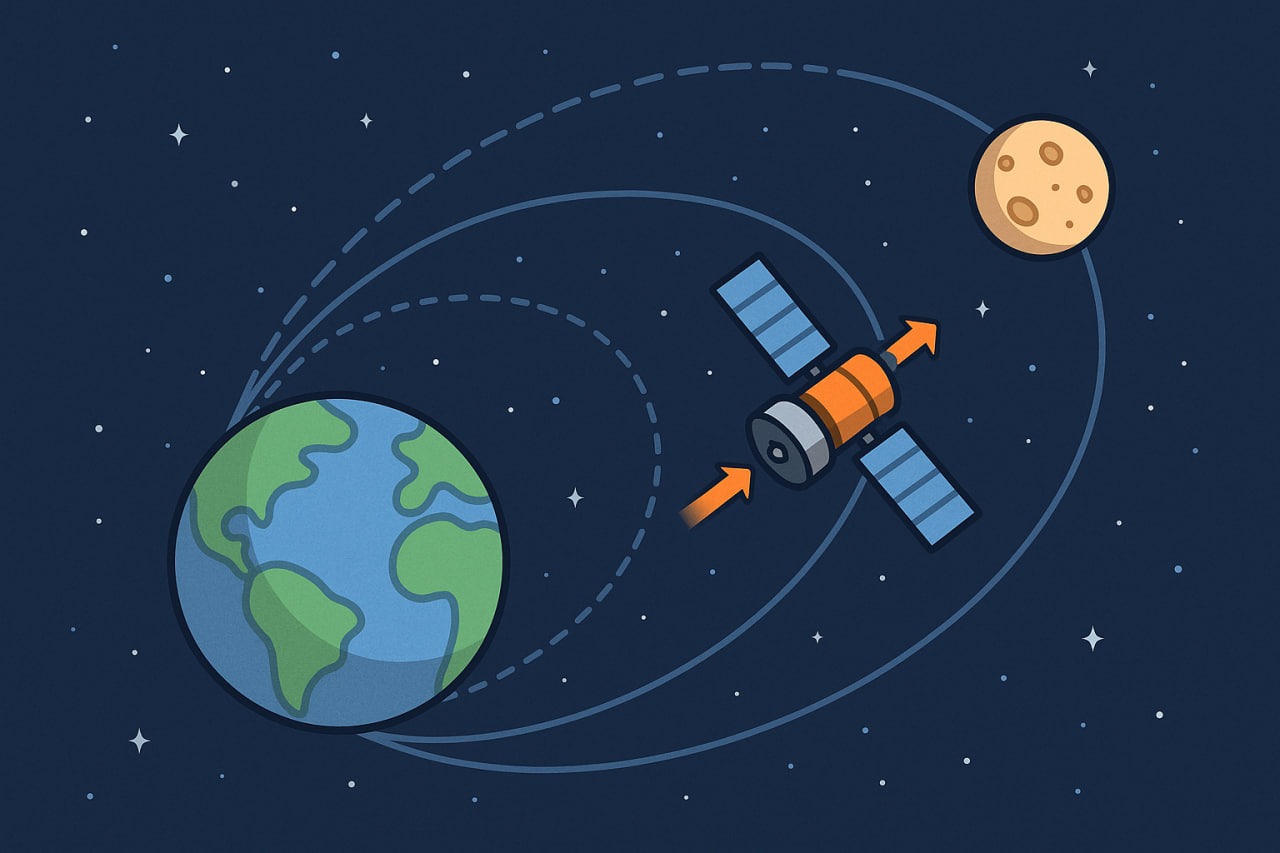
How Orbital Mechanics Works

Orbital mechanics, also known as celestial mechanics, is the branch of physics that describes how objects move in space under the influence of gravity. It is essential for planning and operating satellites, space probes, and missions to other planets. The principles of orbital mechanics are based primarily on Newton’s laws of motion and universal gravitation, refined later by Einstein’s theory of general relativity for extremely massive objects or very precise calculations.

Why Do Stars Shine in Different Colors?
Space Stories Universe Science

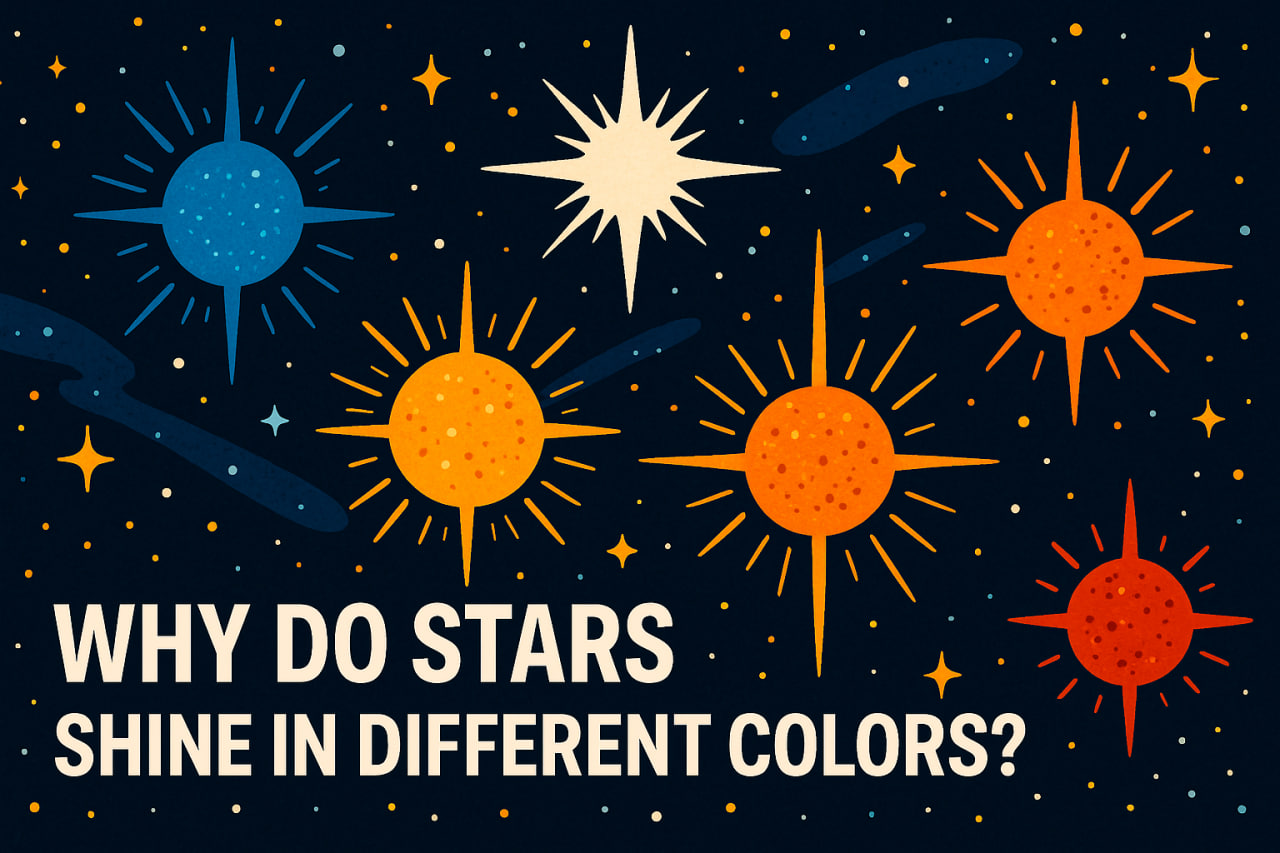
Why Do Stars Shine in Different Colors?

When you look at the night sky, you may notice that not all stars appear white. Some shine with a bluish tint, others with a reddish or yellow glow. These colors are not illusions—they reveal important information about a star’s temperature, composition, and life stage. The color of a star is determined primarily by the physics of blackbody radiation, where hotter objects emit shorter wavelengths of light and cooler ones emit longer wavelengths.

The History of Astronomy: From Galileo to Modern Times
History Universe

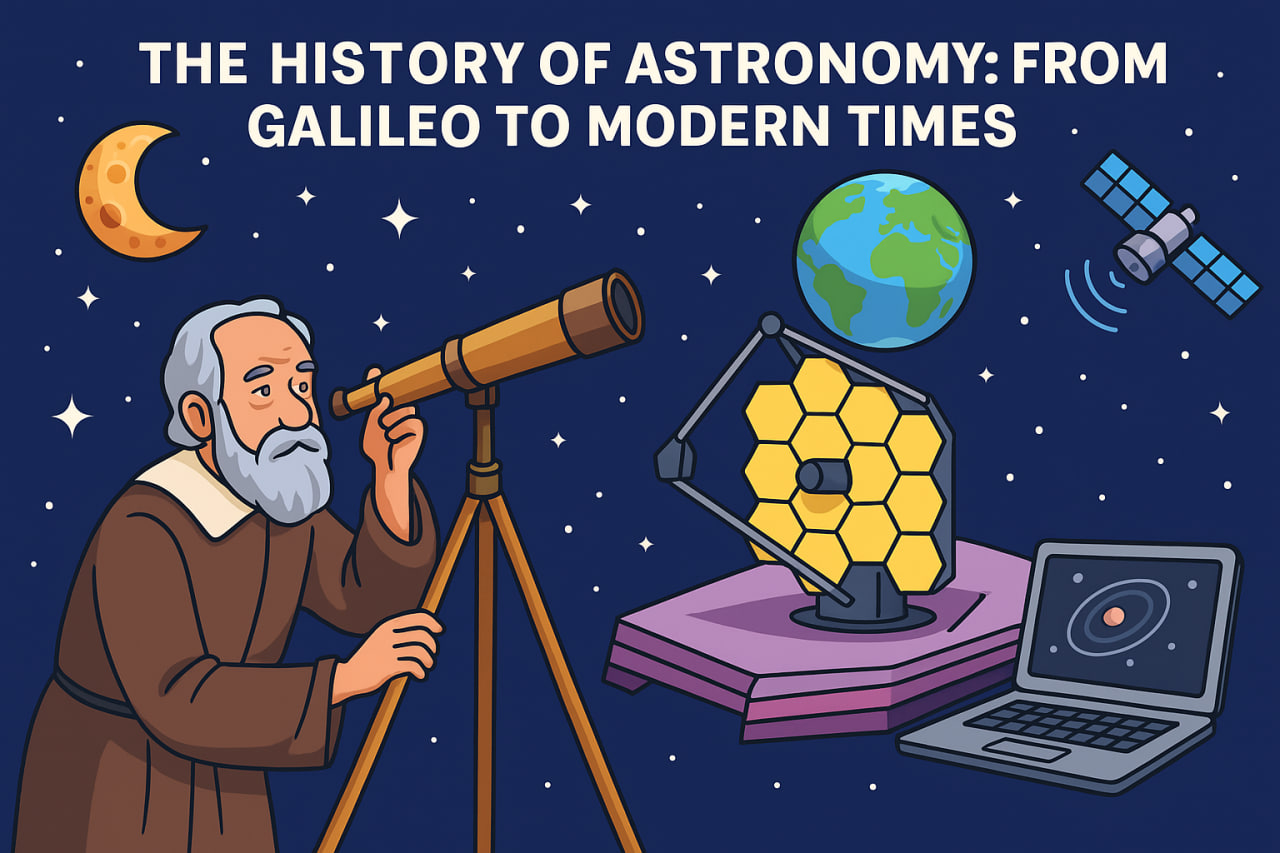
The History of Astronomy: From Galileo to Modern Times

Astronomy, one of the oldest sciences, has transformed dramatically over the centuries. From ancient stargazers to space telescopes, the journey of understanding the universe has passed through revolutions in observation, theory, and technology. While early civilizations tracked stars for agricultural and religious purposes, it was the Scientific Revolution of the 16th and 17th centuries that laid the foundation for modern astronomy.

How Distant Galaxies Are Studied
Space Stories Universe Science

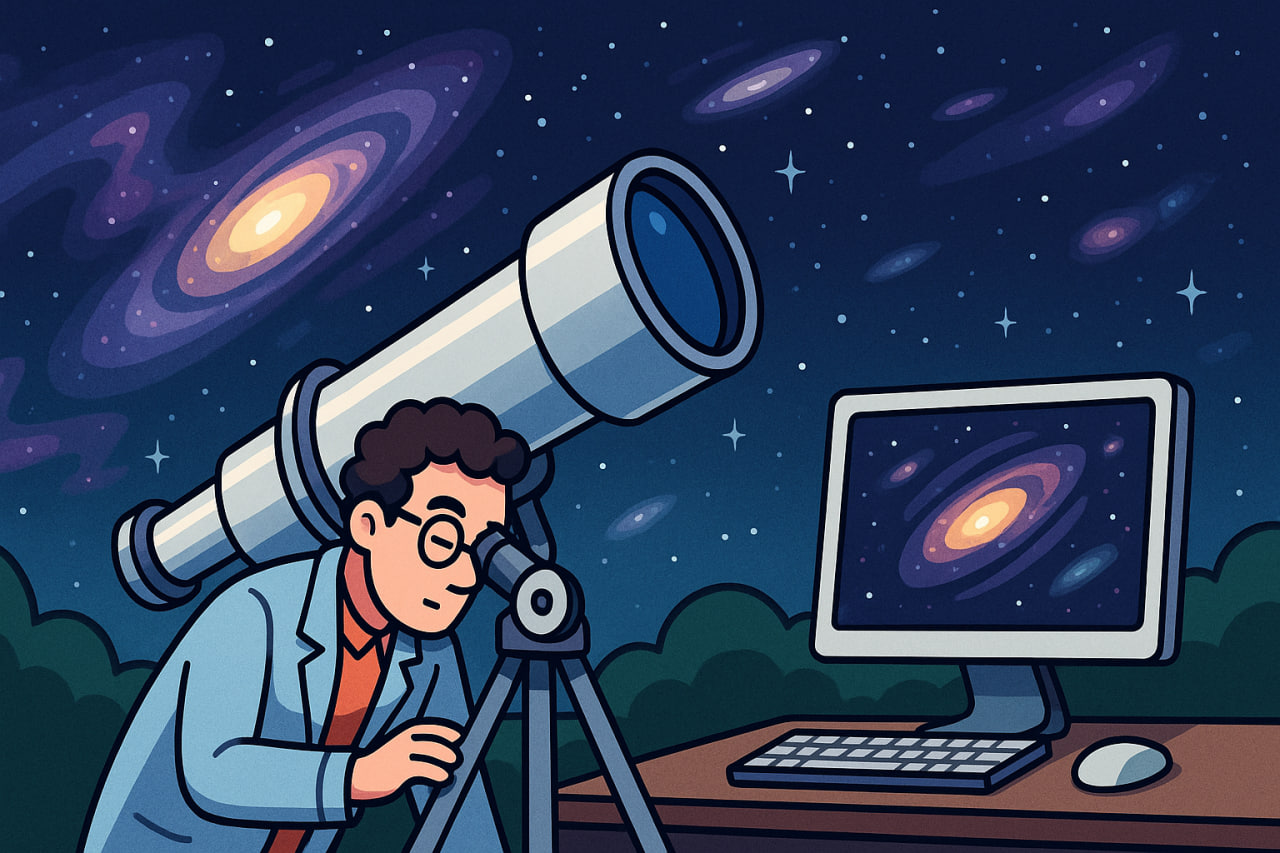
How Distant Galaxies Are Studied

Distant galaxies are among the most mysterious and fascinating objects in the universe. Studying them allows astronomers to understand the history, structure, and evolution of the cosmos. Since these galaxies are located billions of light-years away, scientists must rely on advanced telescopes, spectroscopy, and space missions to gather information about them.