Universe

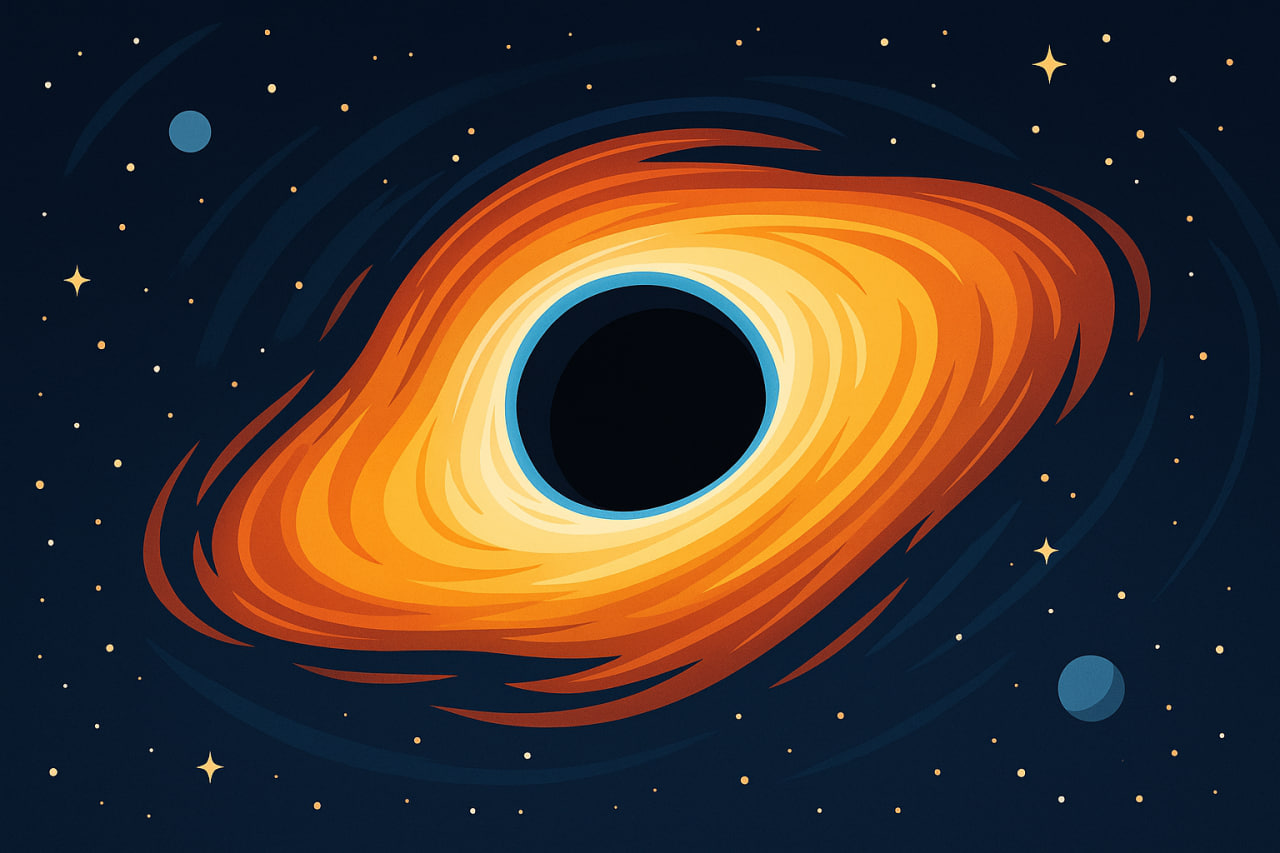
What Is a Black Hole?
Space Stories Universe

What Is a Black Hole?

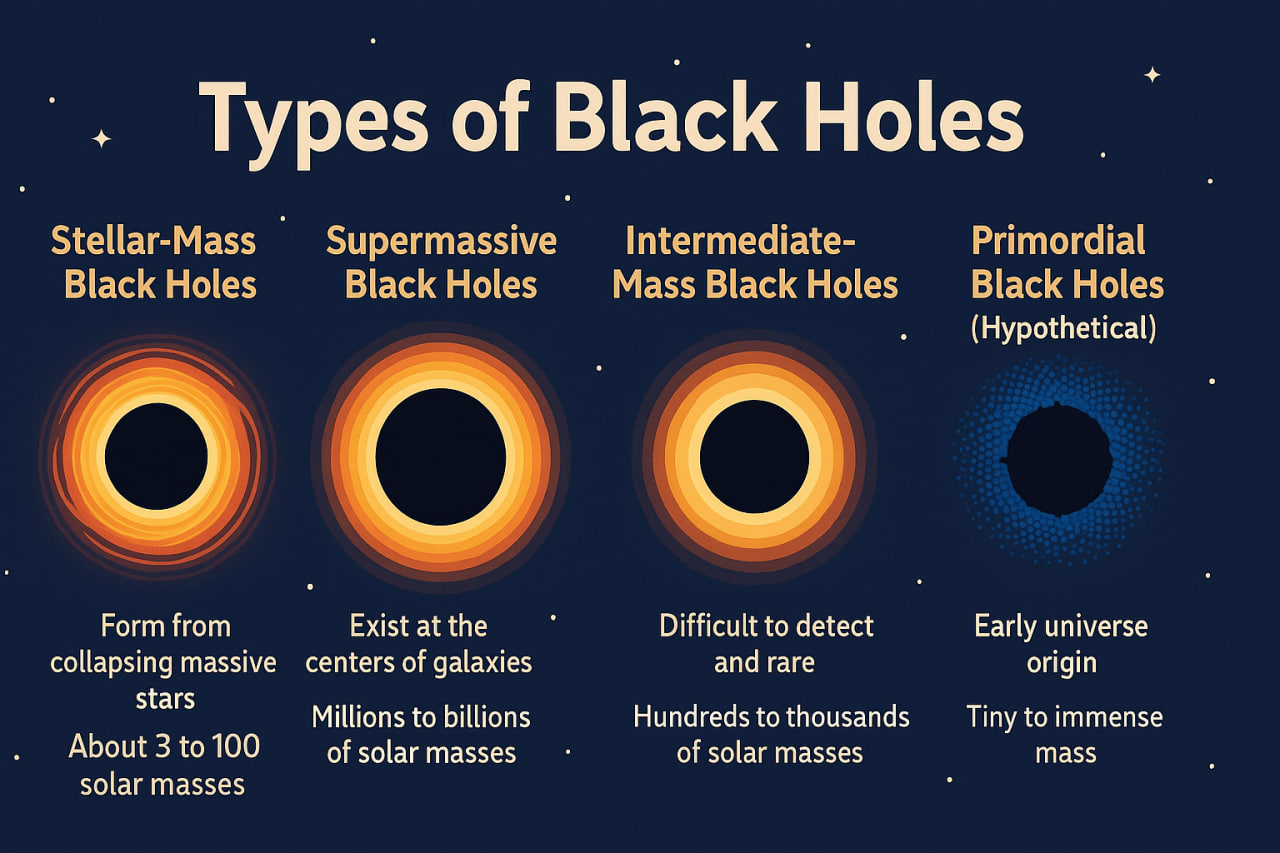
A black hole is one of the most mysterious and extreme objects in the universe. It is a region in space where gravity is so strong that nothing—not even light—can escape its pull. Black holes form when massive stars collapse under their own weight after exhausting their nuclear fuel. They challenge our understanding of physics and continue to fascinate scientists and the public alike.
Supernovae: The Death of a Star
Space Stories Universe

Supernovae: The Death of a Star

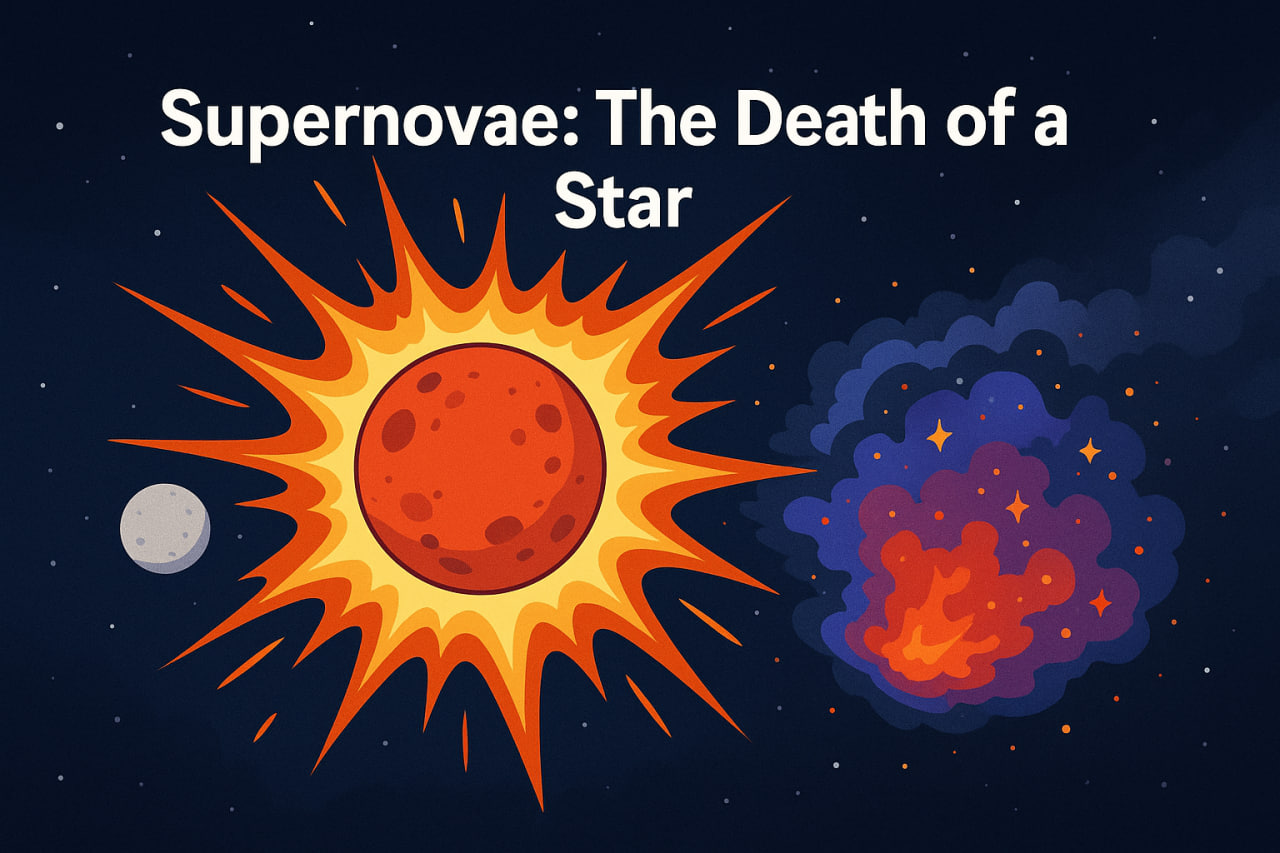
A supernova is one of the most powerful and dramatic events in the universe. It marks the explosive death of a star and releases an enormous amount of energy—sometimes outshining an entire galaxy for a short period. Supernovae are not just destructive; they also create the elements that make planets, life, and even human bodies possible.

Asteroids and Comets: What’s the Difference?
Space Stories Universe

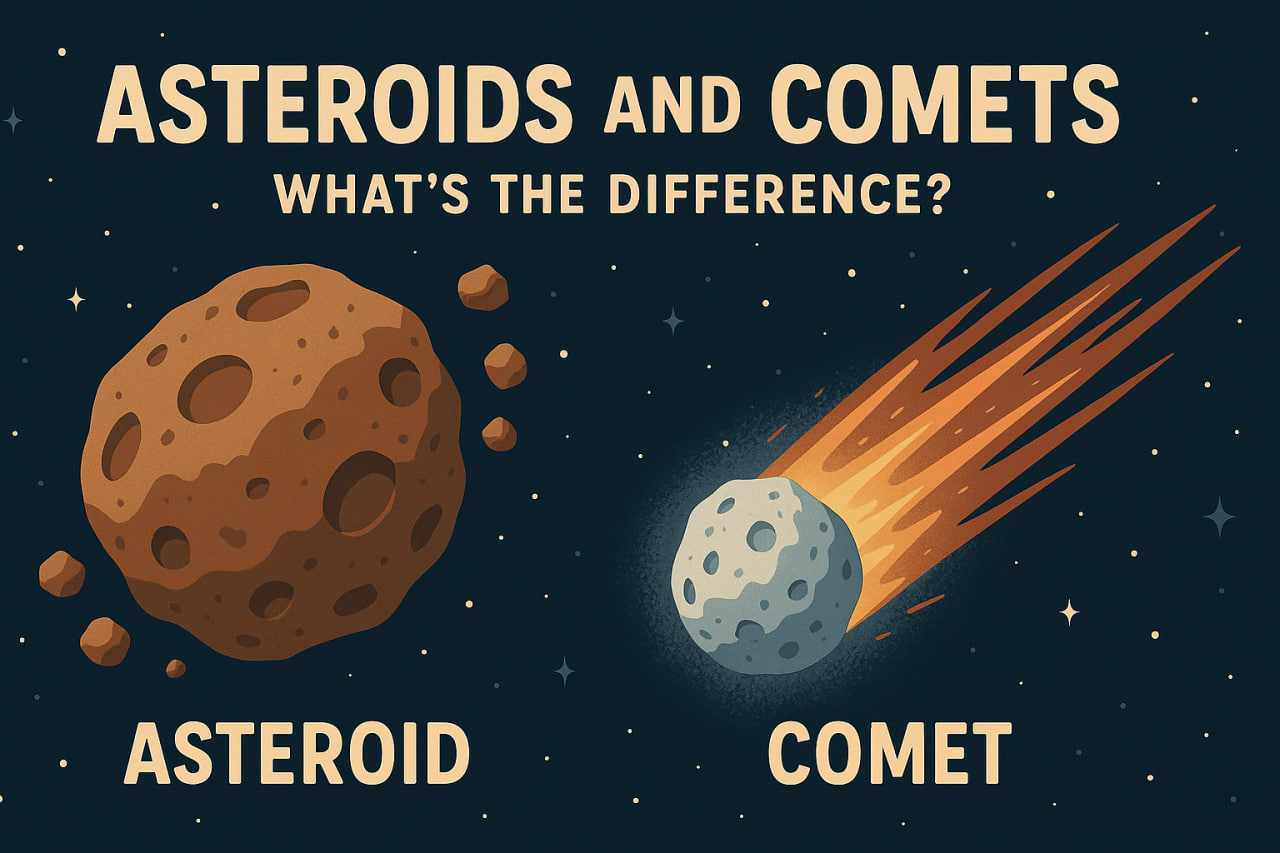
Asteroids and Comets: What’s the Difference?

Asteroids and comets are both small celestial bodies that orbit the Sun, and while they may seem similar at first glance, they are very different in composition, origin, and behavior. Understanding the differences between asteroids and comets helps scientists learn more about the formation and evolution of the Solar System.

Lunar Eclipses: How and Why They Happen
Space Stories Universe Be Smart

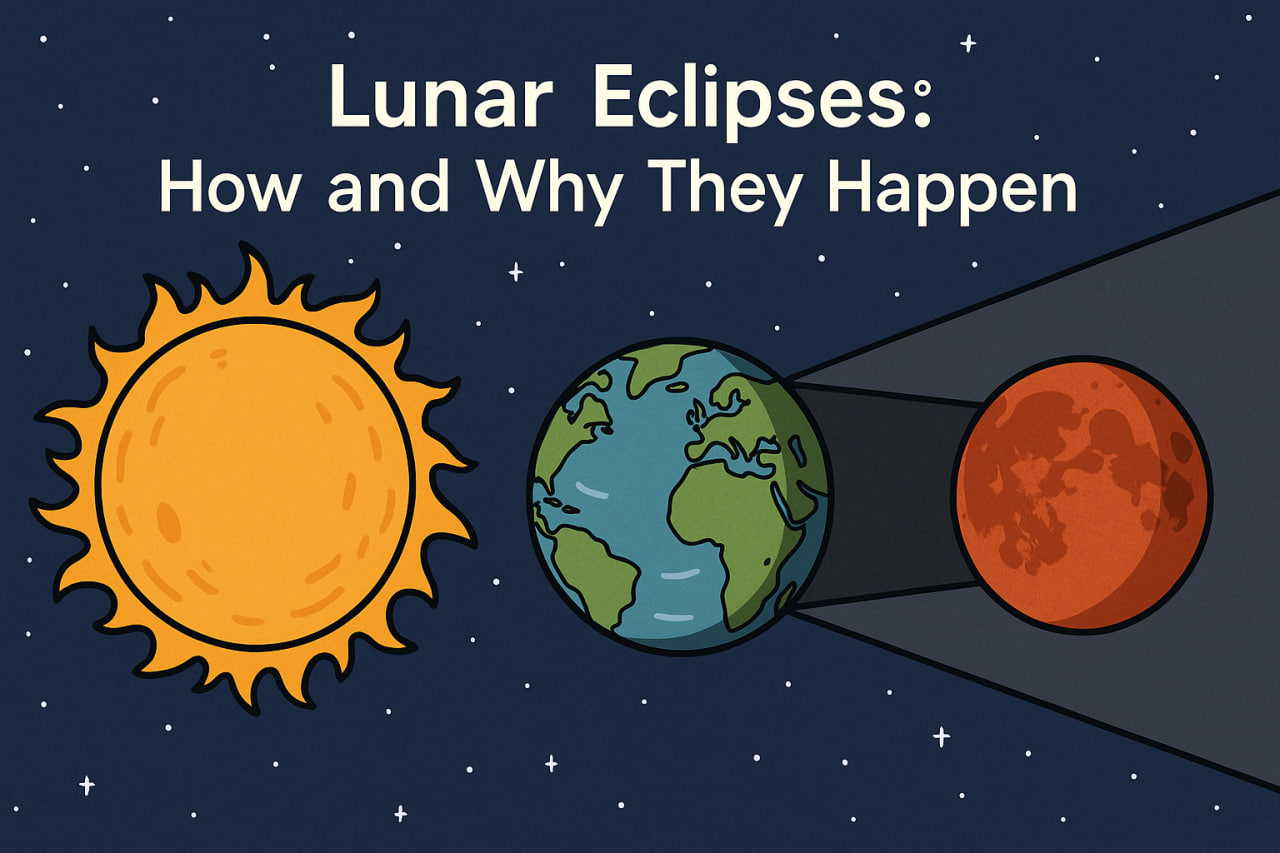
Lunar Eclipses: How and Why They Happen

A lunar eclipse is one of the most awe-inspiring celestial events visible from Earth. Unlike solar eclipses, which can only be seen from limited areas, lunar eclipses can be viewed by anyone on the night side of Earth when they occur. But what exactly causes a lunar eclipse, and why does the Moon sometimes appear red?

Measuring Time in Space: How Astronauts Track Time Beyond Earth
Space Stories Universe

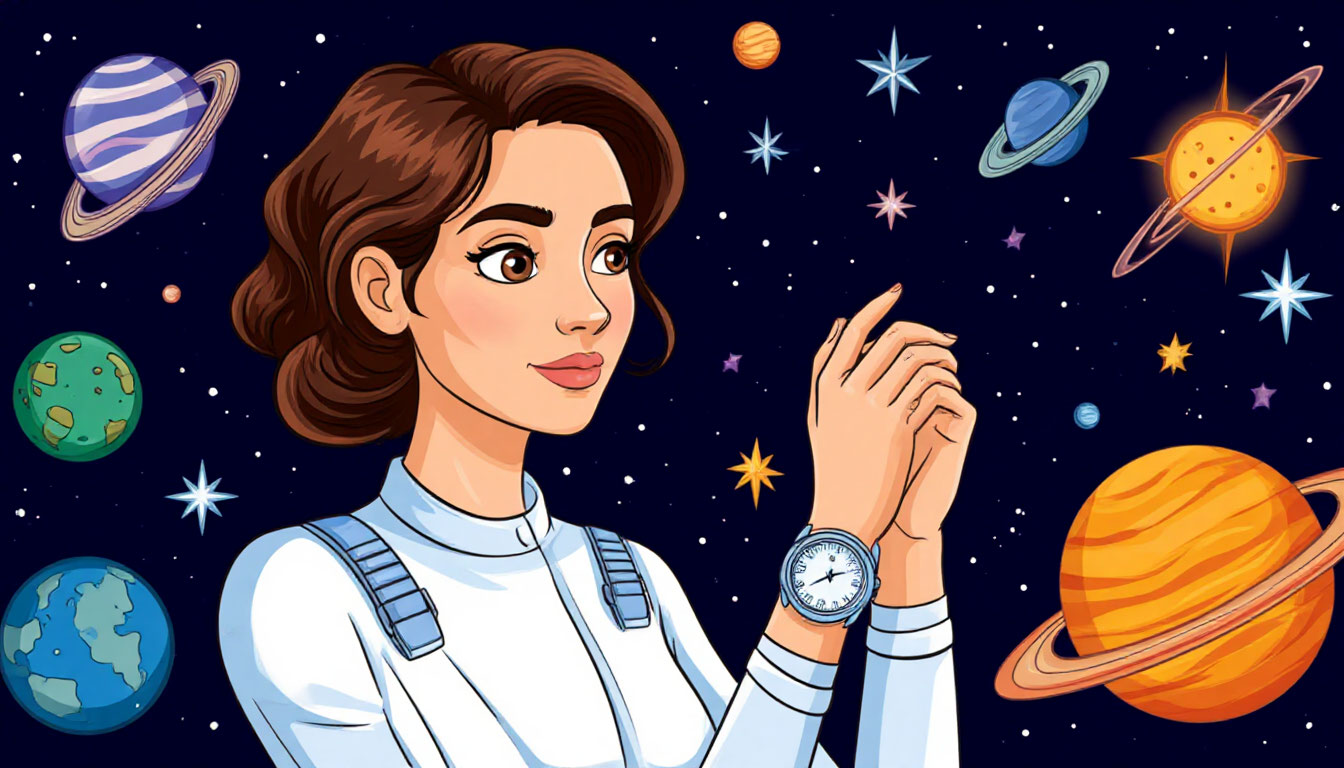
Measuring Time in Space: How Astronauts Track Time Beyond Earth

On Earth, time is easy to measure—we use the rotation of the planet to define a day and the orbit around the Sun to define a year. But in the weightless, vast environment of space, keeping time is not so simple. With no sunrises or sunsets in orbit, and no fixed points of reference, astronauts and scientists must rely on technology and precise systems to measure time in space.

Why Is Space Black?
Space Stories Universe

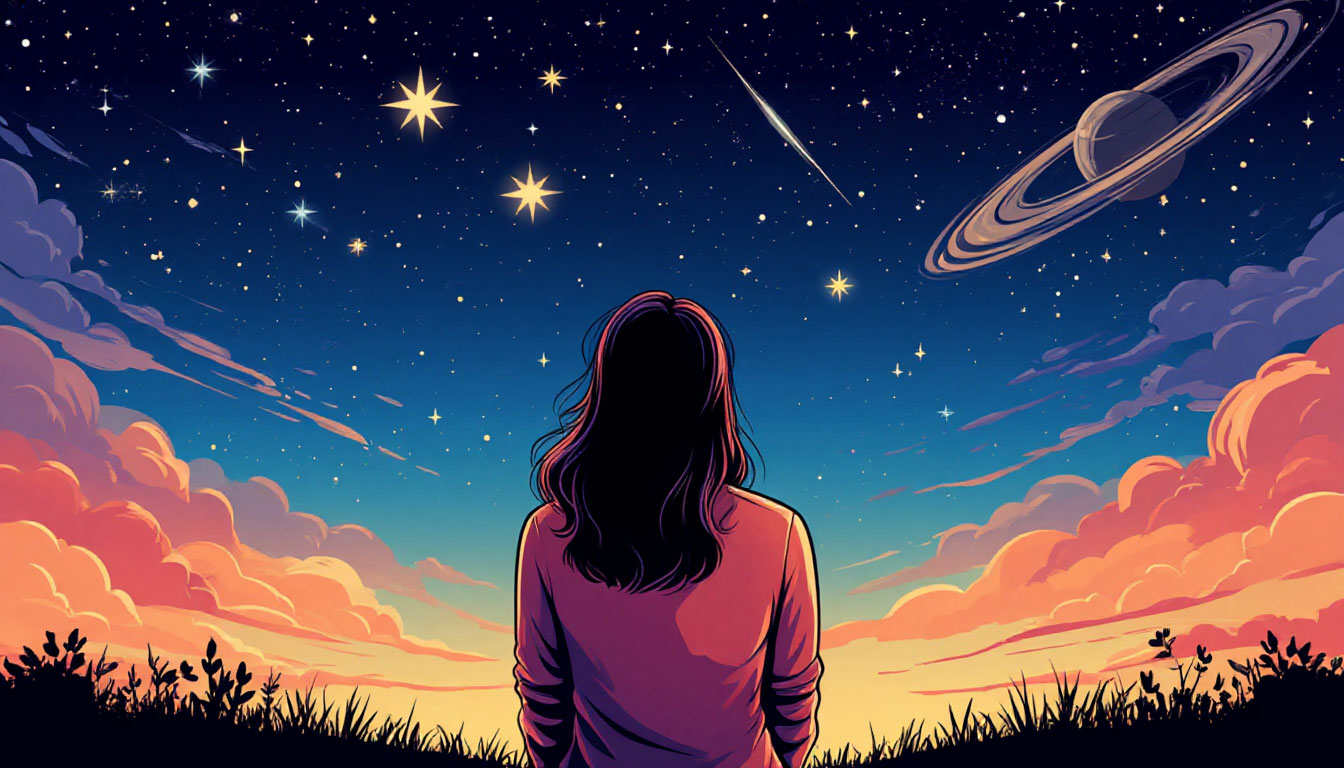
Why Is Space Black?

When we look up at the night sky, away from city lights, we see stars shining in the darkness. But despite the countless stars and galaxies in the universe, space itself appears black. This mystery has fascinated scientists and philosophers for centuries. The answer lies in a mix of physics, astronomy, and how our eyes perceive light.

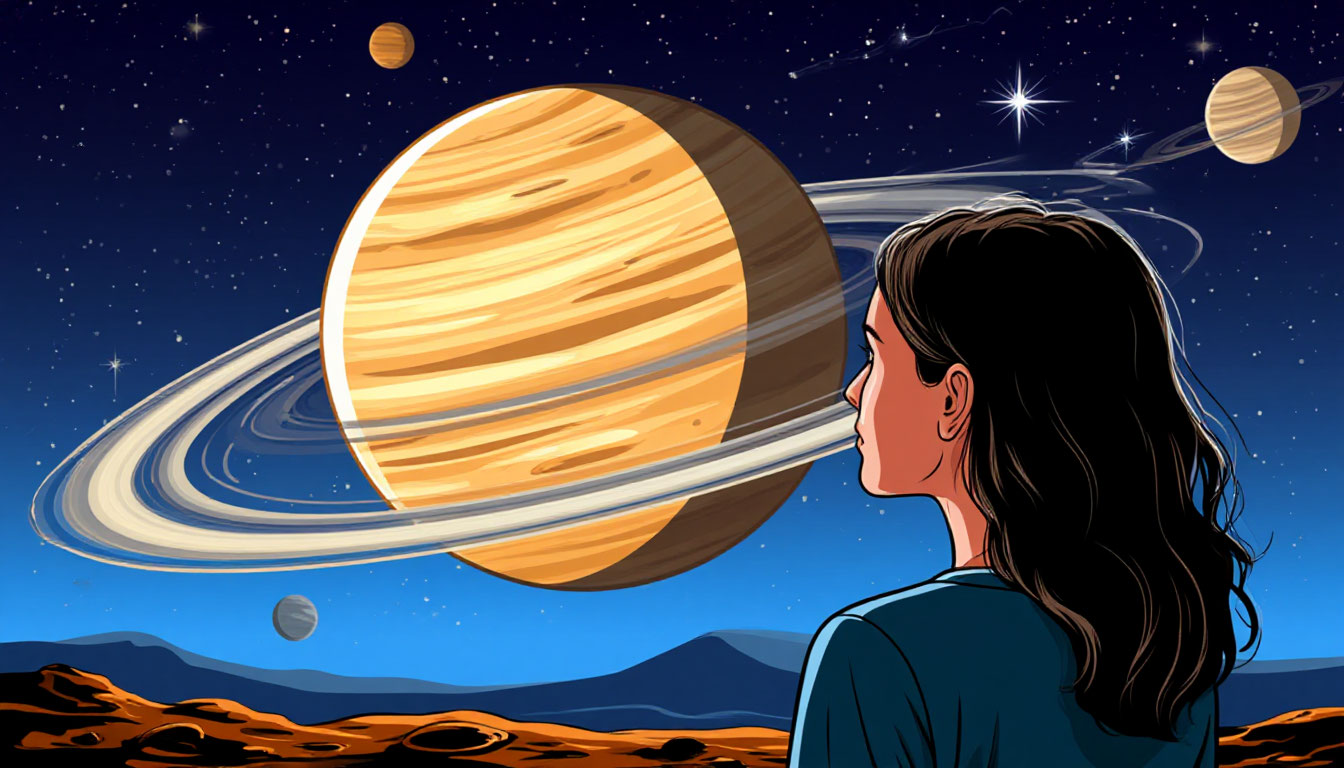
How Saturn’s Rings Work: A Celestial Wonder in Detail
Universe Solar System

How Saturn’s Rings Work: A Celestial Wonder in Detail

Saturn’s rings are among the most iconic and beautiful features in our Solar System. First observed in 1610 by Galileo Galilei, these shimmering bands around the planet continue to amaze astronomers and stargazers alike. But beyond their beauty lies a fascinating structure. So, how are Saturn’s rings actually built, and what are they made of?

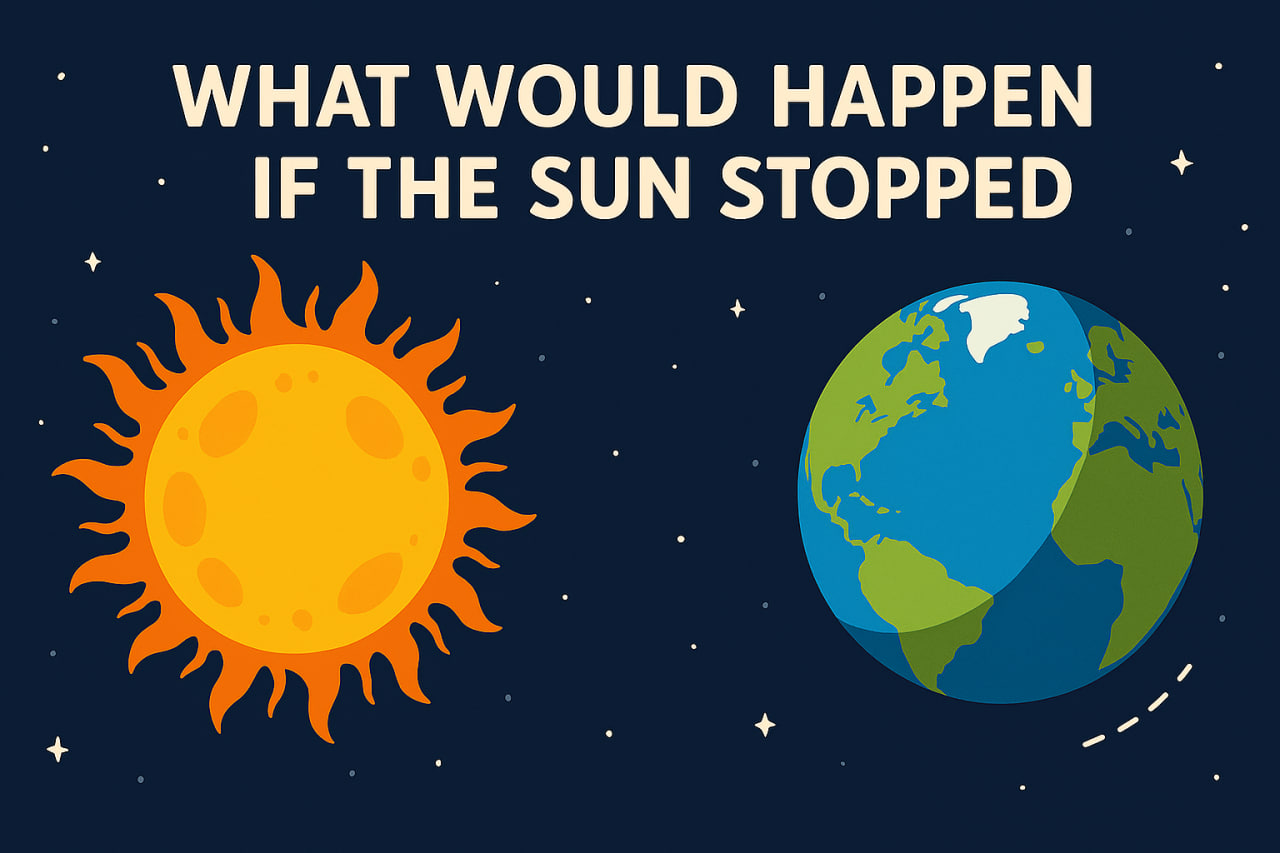
What Would Happen If the Sun Stopped?
Space Stories Universe Solar System

What Would Happen If the Sun Stopped?

The Sun is the engine of our Solar System, providing heat, light, and gravity that hold everything together. If the Sun were to suddenly stop—whether it stopped producing energy or ceased its gravitational pull—the consequences would be immediate and catastrophic for Earth and all life on it. While such a scenario is purely hypothetical, it helps us understand just how much we depend on our star.

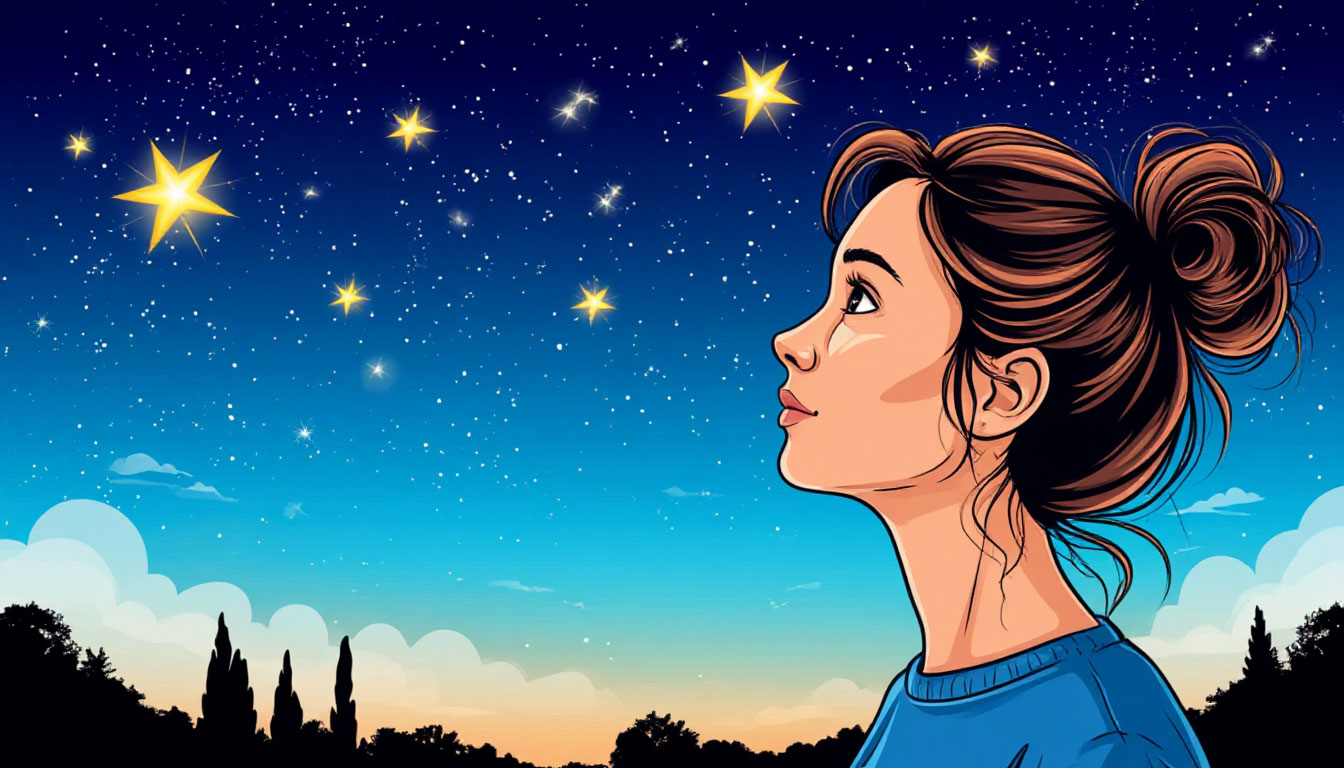
Why Stars Twinkle: The Science Behind Starlight Flickering
Space Stories Universe

Why Stars Twinkle: The Science Behind Starlight Flickering

When you gaze up at the night sky, you’ll notice that stars appear to twinkle, while planets shine with a steadier glow. This charming shimmer has inspired poetry and songs, but the reason why stars twinkle is rooted in physics and our atmosphere. It's not the stars themselves that are changing, but rather the way their light travels to us.