Universe

Pluto: The Dwarf Planet on the Edge of the Solar System
Universe Solar System

Pluto: The Dwarf Planet on the Edge of the Solar System

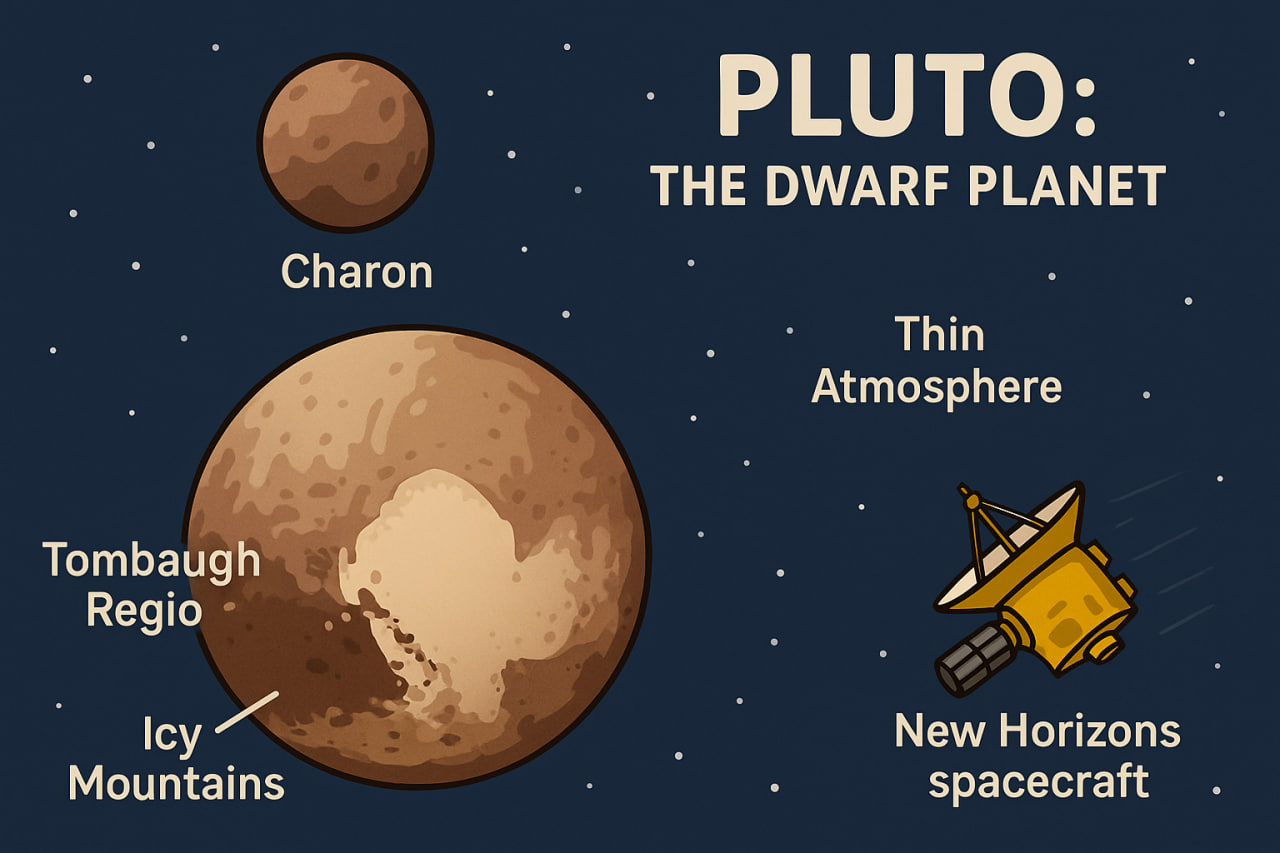
Pluto, once considered the ninth planet, is now classified as a dwarf planet in the Kuiper Belt—a region of icy bodies beyond Neptune. Despite its small size, Pluto has captured the fascination of scientists and the public alike with its dynamic surface, possible subsurface ocean, and complex interaction with its moon Charon.
Uranus: The Tilted Ice Giant of the Solar System
Universe Solar System

Uranus: The Tilted Ice Giant of the Solar System

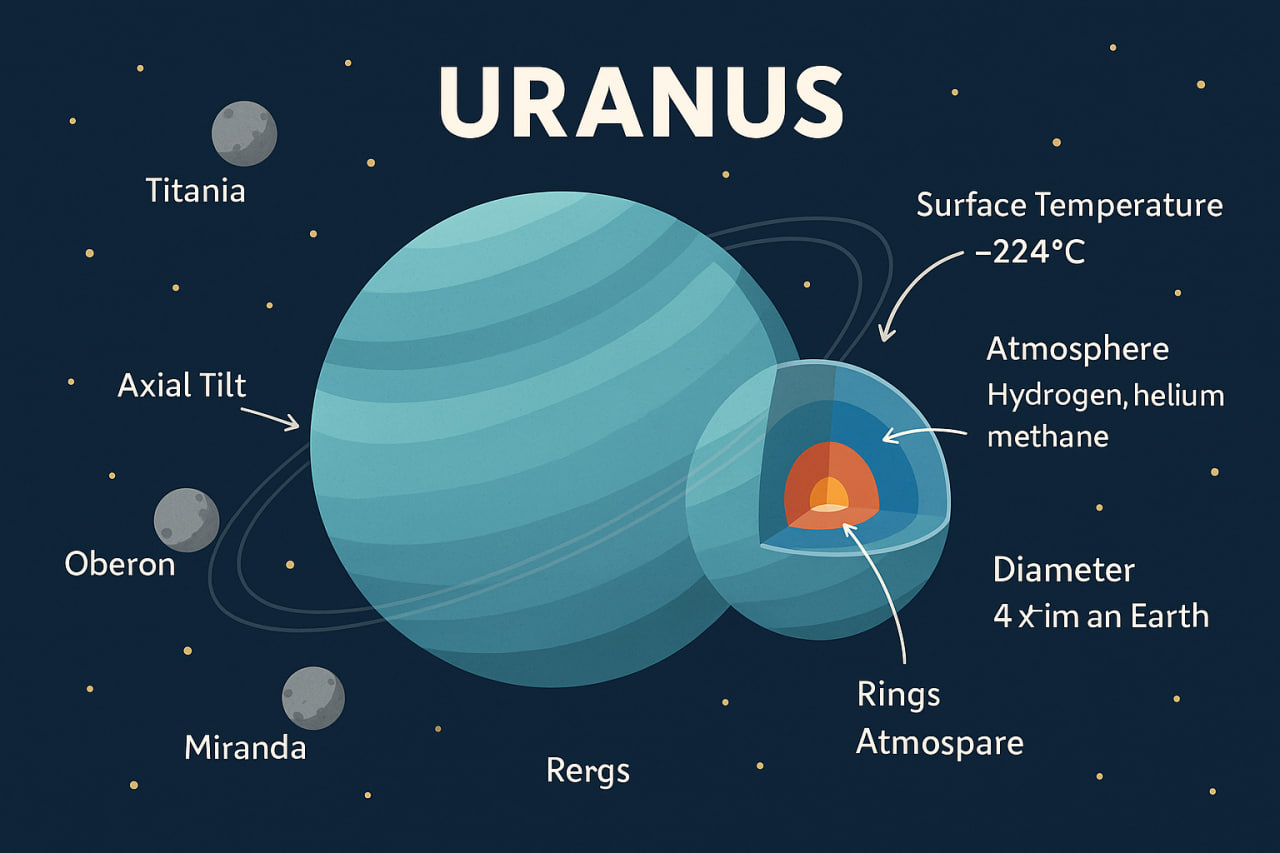
Uranus is the seventh planet from the Sun and one of the most mysterious and unusual planets in our Solar System. It is classified as an ice giant, along with Neptune, and is known for its pale blue color, extreme axial tilt, and cold temperatures. Unlike other planets, Uranus spins on its side, making its seasons incredibly long and bizarre.

Saturn: The Ringed Giant of the Solar System
Universe Solar System

Saturn: The Ringed Giant of the Solar System

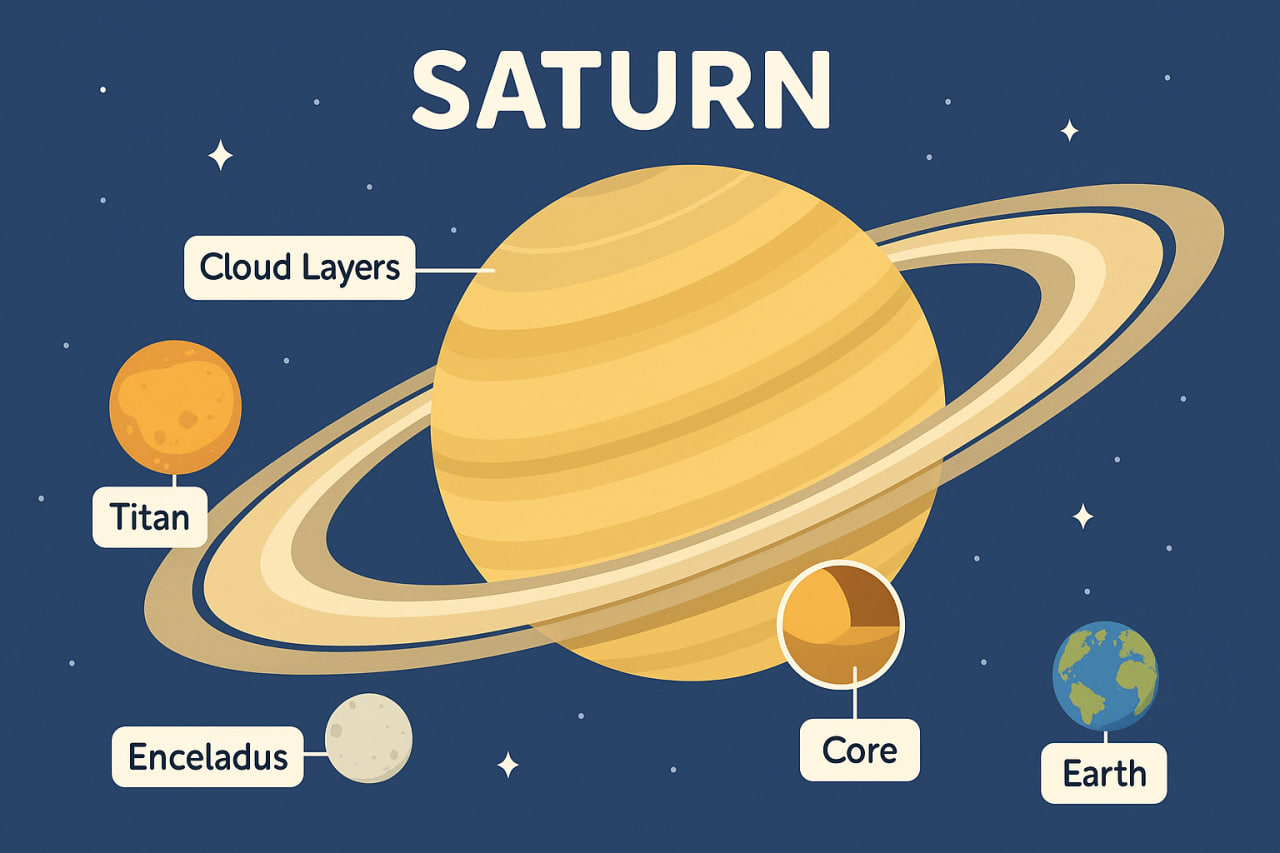
Saturn is the sixth planet from the Sun and the second-largest in our Solar System. It is best known for its spectacular ring system, which sets it apart from all other planets. A gas giant composed mostly of hydrogen and helium, Saturn is a planet of extremes—featuring fast winds, a low average density, and over 100 fascinating moons.

Jupiter: The Giant of the Solar System
Universe Science Solar System

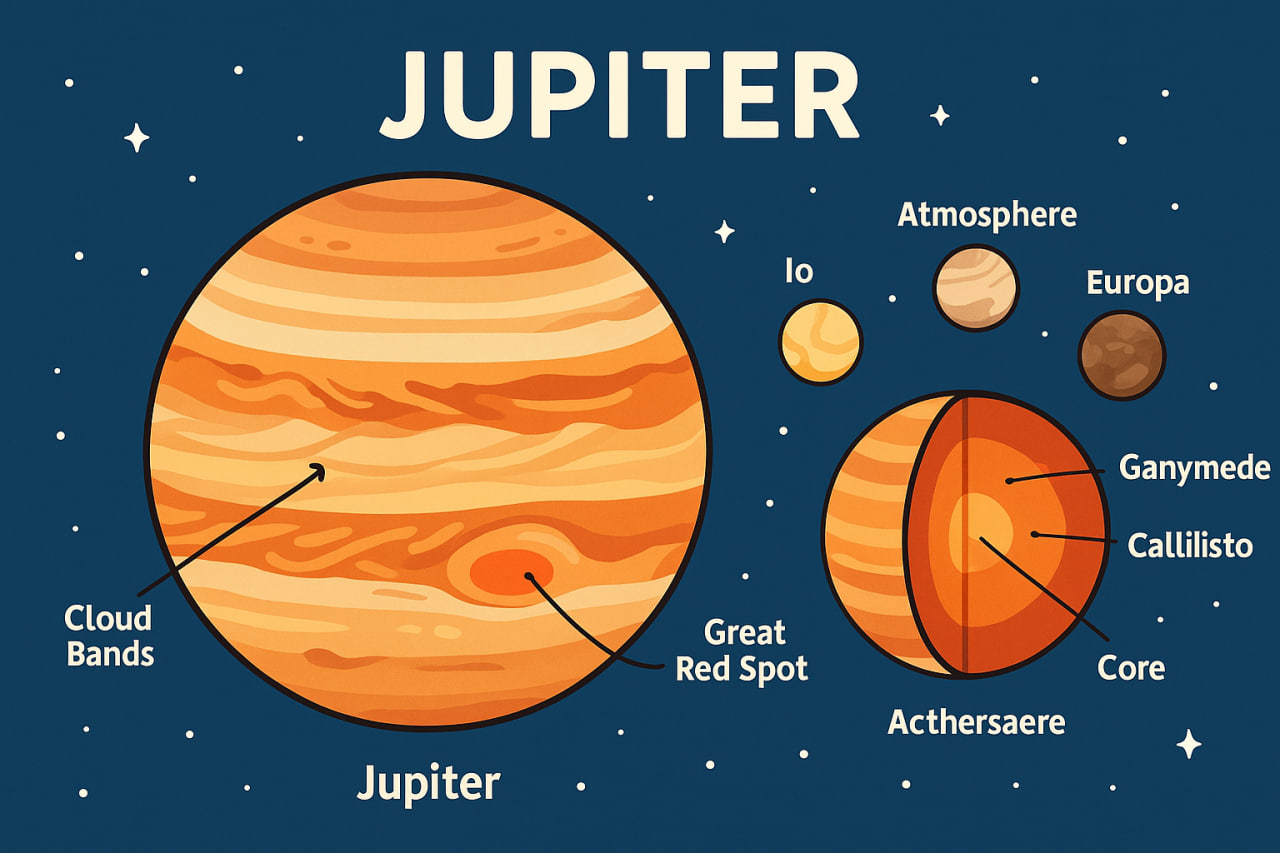
Jupiter: The Giant of the Solar System

Jupiter is the largest planet in our Solar System, more massive than all the other planets combined. Known for its swirling storms, colorful bands, and immense size, Jupiter is a gas giant that has fascinated astronomers for centuries. Its powerful gravity, numerous moons, and mysterious interior make it a crucial piece in understanding our cosmic neighborhood.

Neptune: The Mysterious Blue Giant of the Solar System
Universe Science Solar System

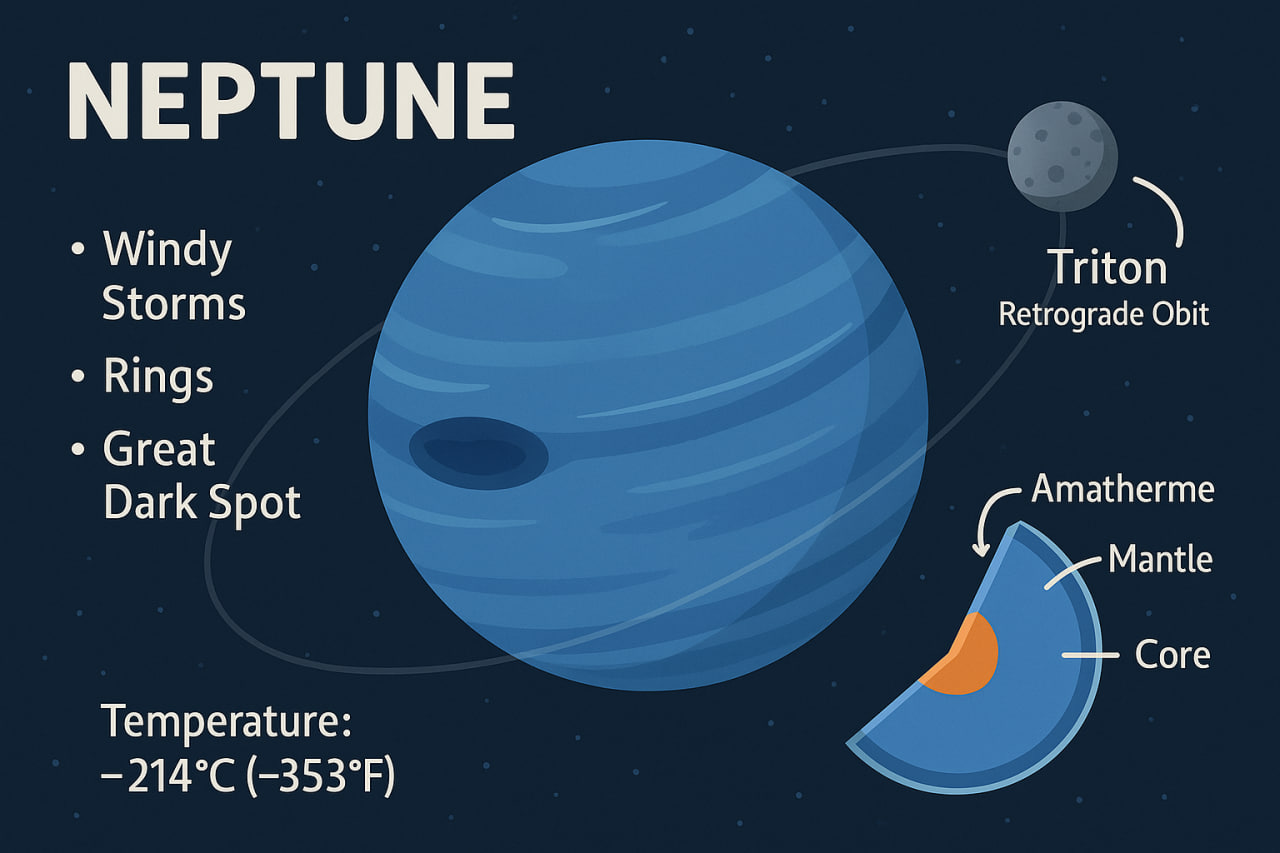
Neptune: The Mysterious Blue Giant of the Solar System

Neptune is the eighth and farthest planet from the Sun in our Solar System. Known for its deep blue color and dynamic weather systems, Neptune is a gas giant and a fascinating world of high-speed winds, storms, and icy conditions. Though distant and cold, this remote planet continues to captivate scientists and astronomers.

Venus: Earth’s Mysterious Twin Planet
Universe Solar System

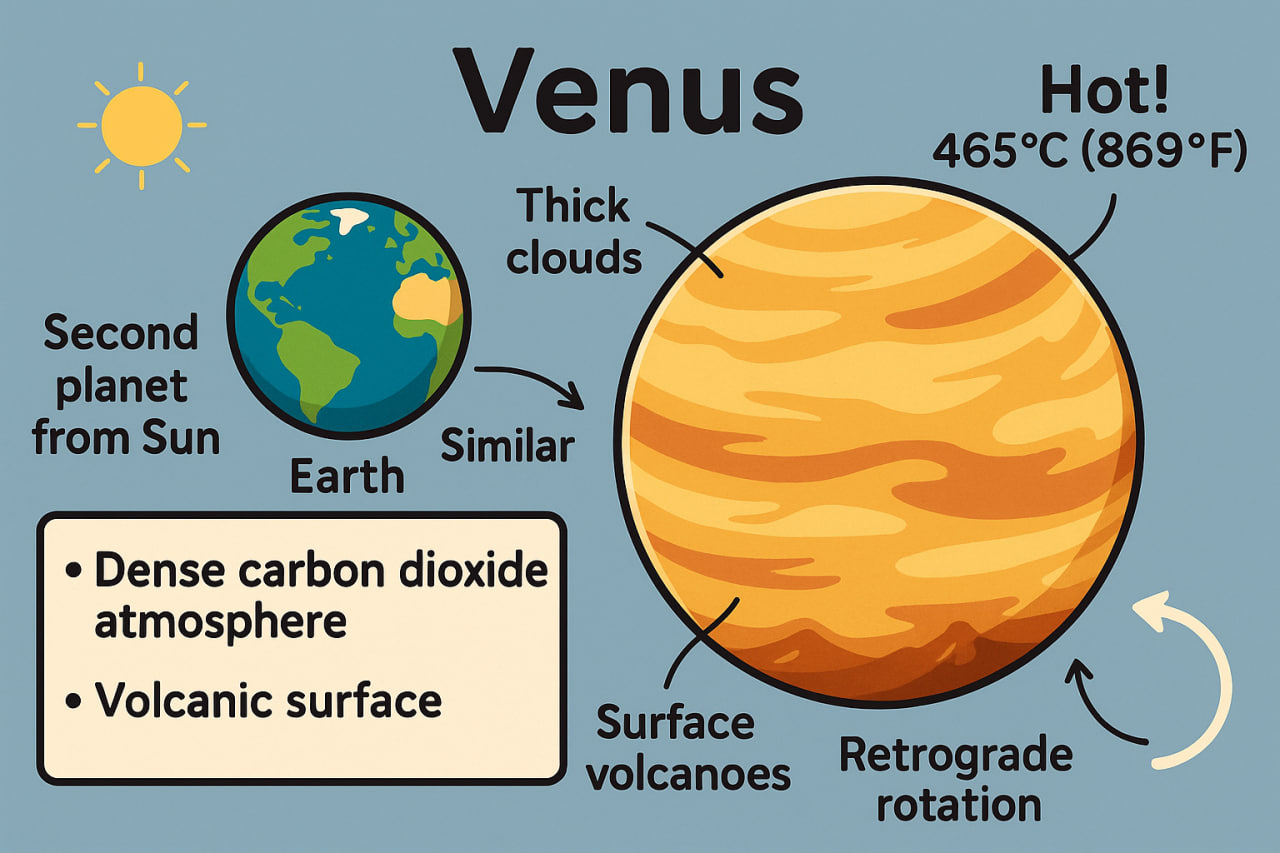
Venus: Earth’s Mysterious Twin Planet

Venus is the second planet from the Sun and is often called Earth’s "twin" due to its similar size and composition. However, beneath its cloudy veil, Venus is a scorching, hostile world that differs drastically from our own. Despite its beauty in the night sky, it is one of the most extreme environments in the Solar System.

How Stars Are Formed: The Birth of Cosmic Light
Space Stories Universe

How Stars Are Formed: The Birth of Cosmic Light

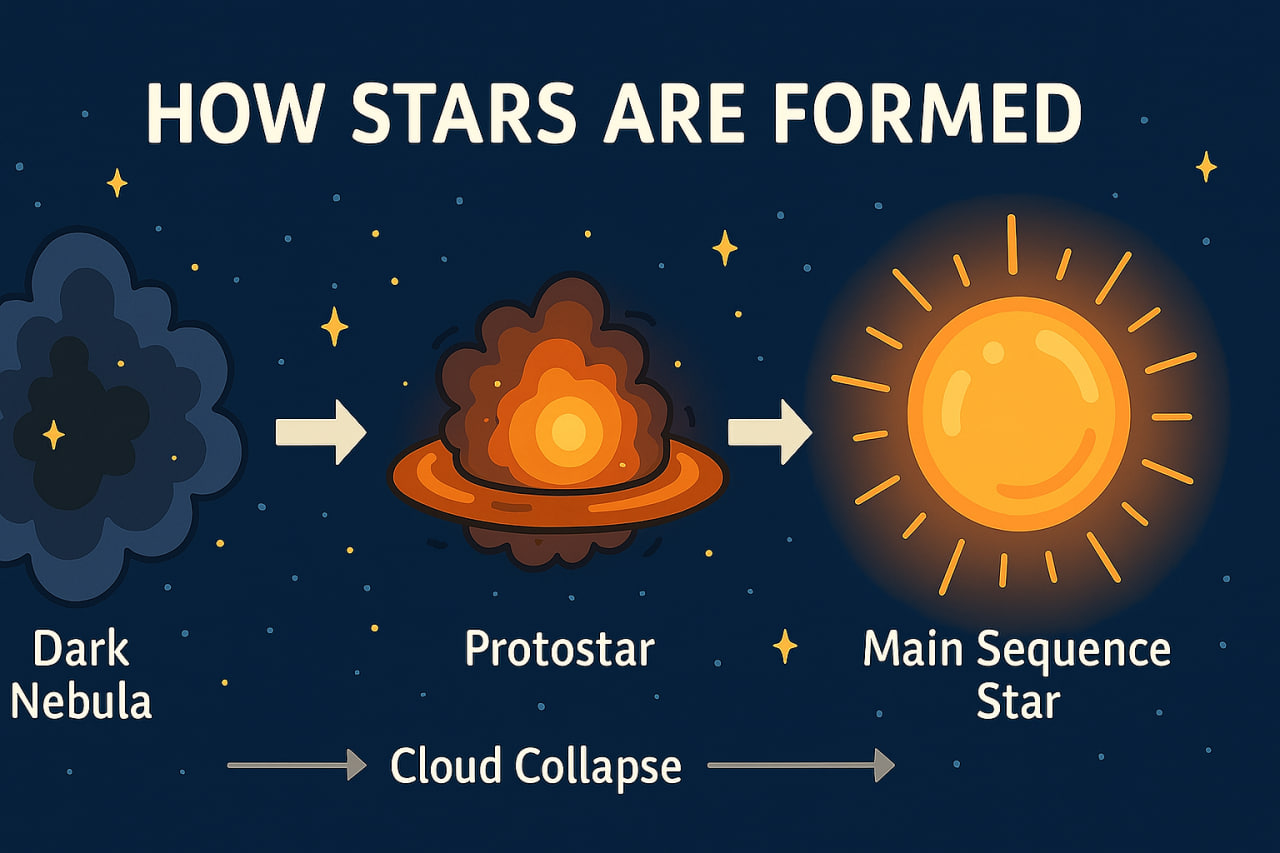
Stars are massive spheres of glowing gas that shine with energy produced by nuclear fusion. Every star—including our Sun—was born from cosmic clouds in deep space. The process of star formation is both violent and beautiful, involving gravity, gas, dust, and intense pressure over millions of years.

What Is the Universe Made Of?
Space Stories Universe

What Is the Universe Made Of?

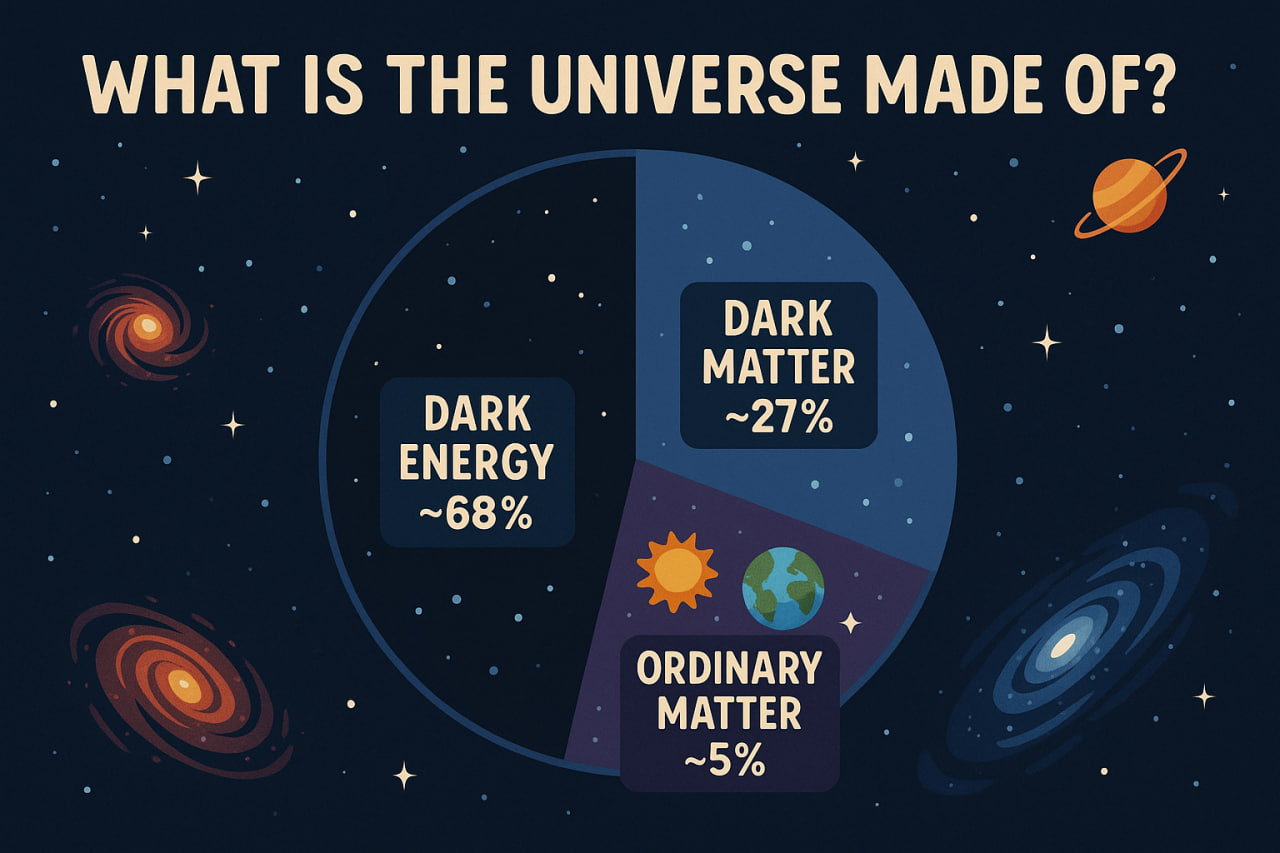
The universe is vast, mysterious, and full of wonders—from stars and planets to invisible forces we can barely comprehend. But what exactly is it made of? Modern astrophysics tells us that the visible matter we see—galaxies, stars, and planets—makes up only a small fraction of everything that exists. Most of the universe is composed of unseen, exotic substances that scientists are still working to understand.