Universe

What Is Dark Energy?
Space Stories Universe Science

What Is Dark Energy?

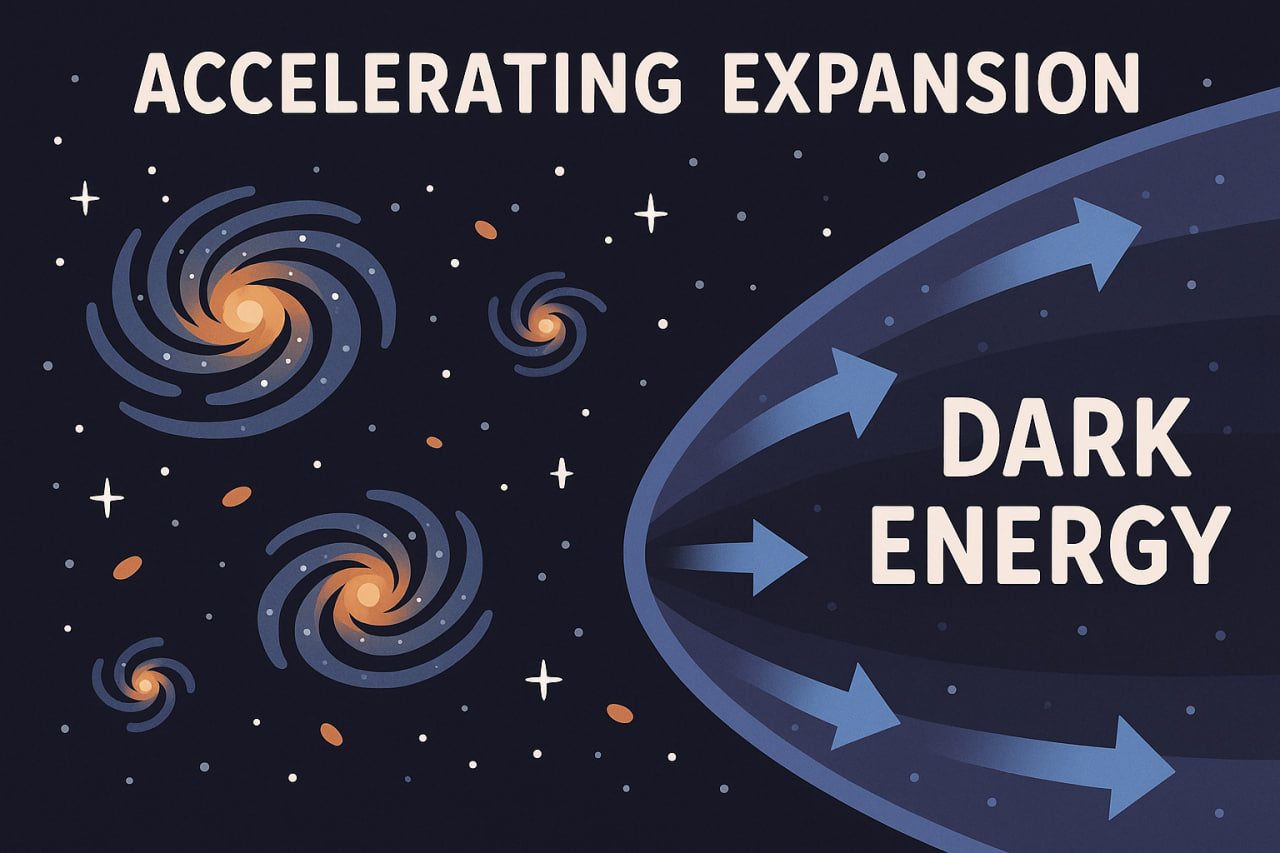
Dark energy is one of the most mysterious concepts in modern cosmology. It refers to an unknown form of energy that is thought to make up about 70% of the universe. Unlike matter or radiation, dark energy does not emit, absorb, or interact with light, making it invisible and extremely difficult to detect directly. Scientists first proposed its existence to explain why the universe’s expansion is accelerating instead of slowing down under the pull of gravity. Understanding dark energy is one of the greatest challenges in physics today.
How Galaxies Form
Space Stories Universe

How Galaxies Form

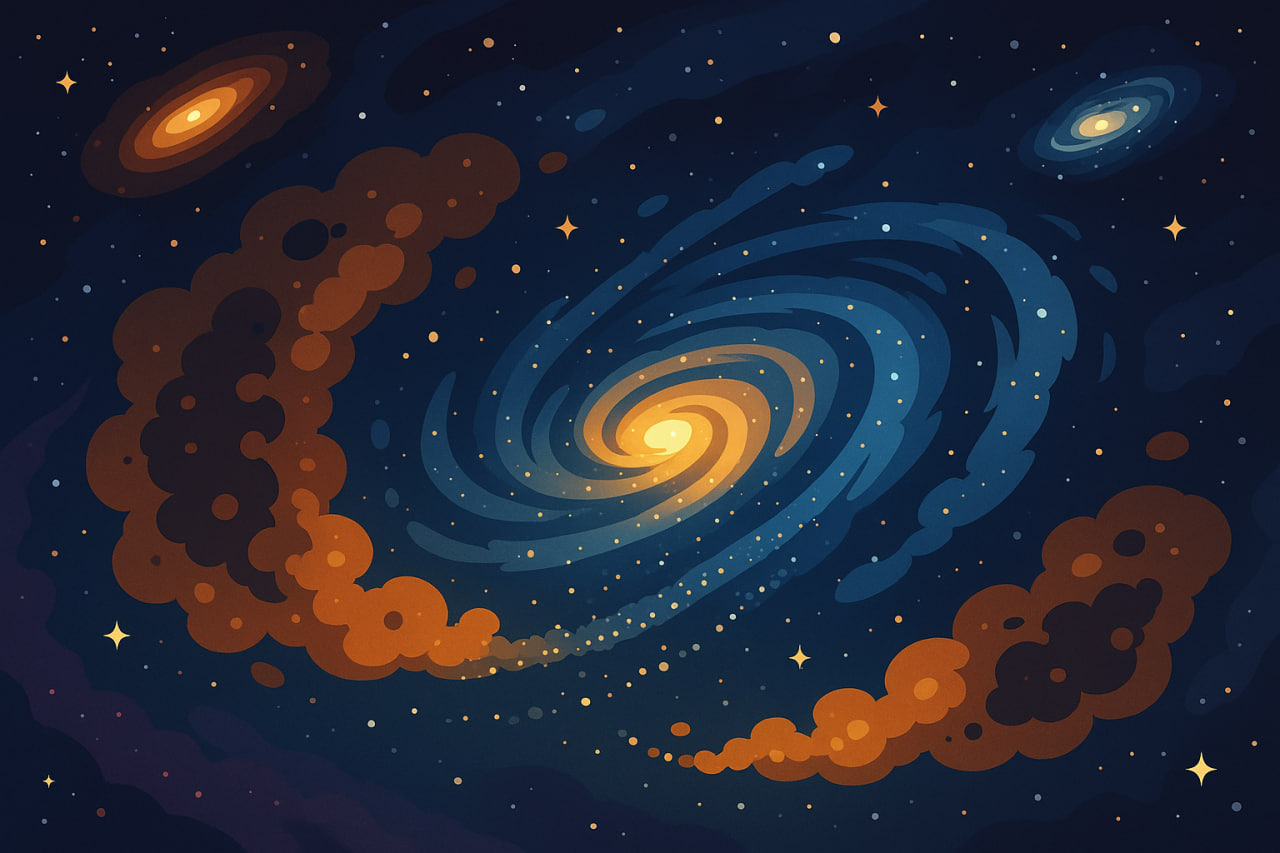
Galaxies are vast collections of stars, gas, dust, and dark matter bound together by gravity. They are among the largest structures in the universe, containing billions or even trillions of stars. The formation of galaxies is a process that began shortly after the Big Bang and continues to evolve today. Understanding how galaxies form allows scientists to trace the history of the cosmos and study how matter organizes on the largest scales.

What Are Light Years?
Space Stories Universe Be Smart

What Are Light Years?

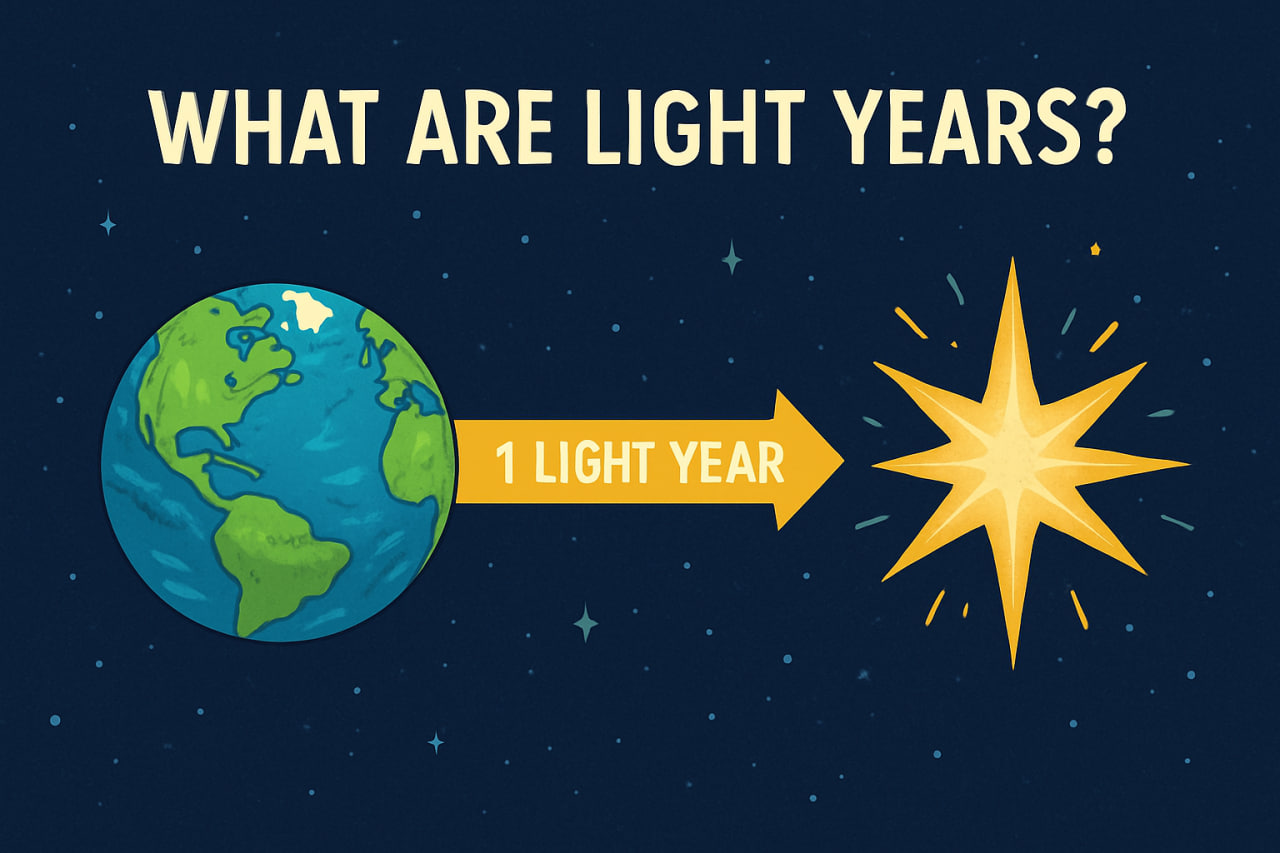
When astronomers talk about stars, galaxies, or other celestial objects, they often use the term "light year" — but it’s not a measure of time. Despite the word “year”, a light year is actually a unit of distance, representing how far light travels in one year. Given the vastness of the universe, ordinary kilometers or miles become impractical, so light years allow scientists to talk about enormous cosmic scales more clearly.

How Do Scientists Measure the Distance to Stars?
Space Stories Universe Science

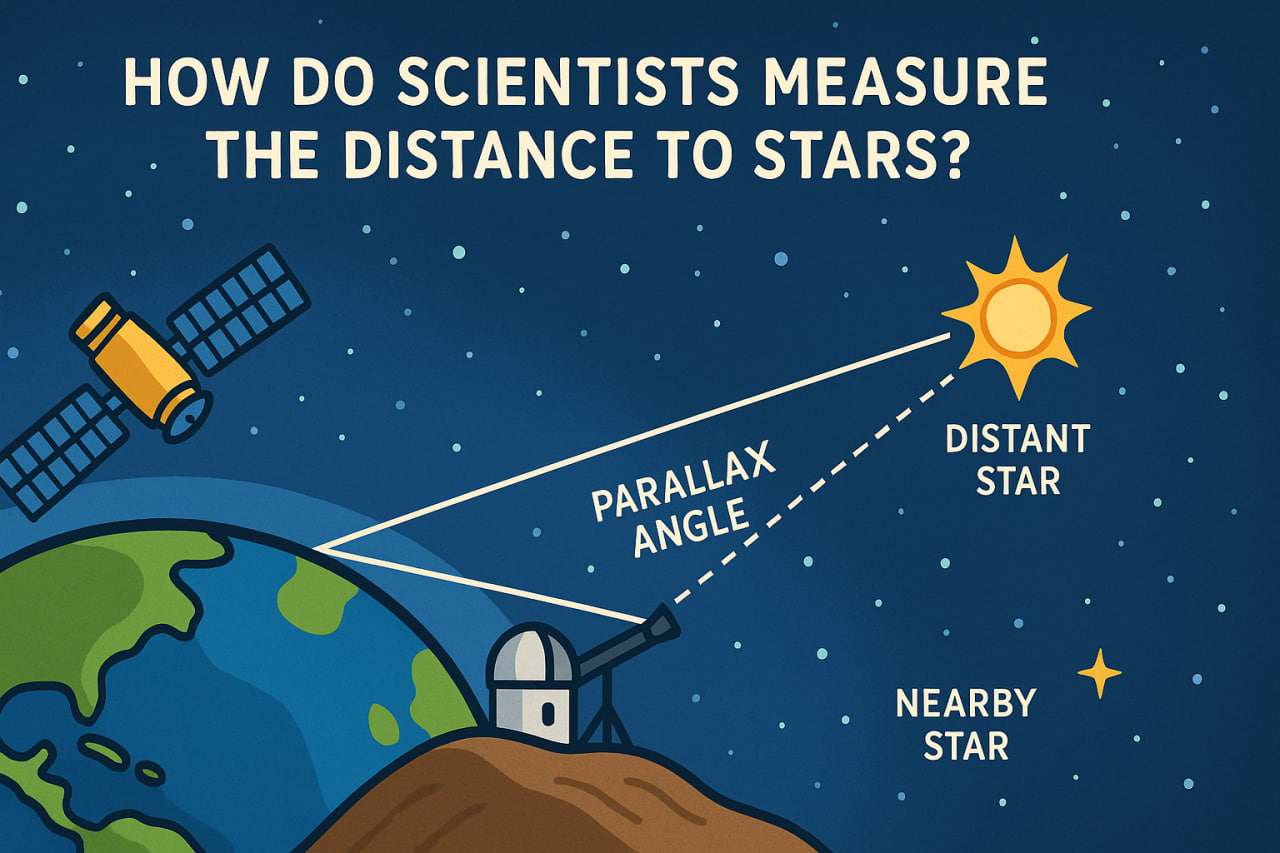
How Do Scientists Measure the Distance to Stars?

Stars may appear close as dots in the night sky, but in reality, they are incredibly far away — often light years from Earth. Since we can't stretch a measuring tape across space, astronomers rely on clever, physics-based methods to determine these vast distances. Measuring how far stars are helps us understand their size, brightness, evolution, and even the shape of our galaxy.

Why Do Some Planets Have Rings?
Space Stories Universe

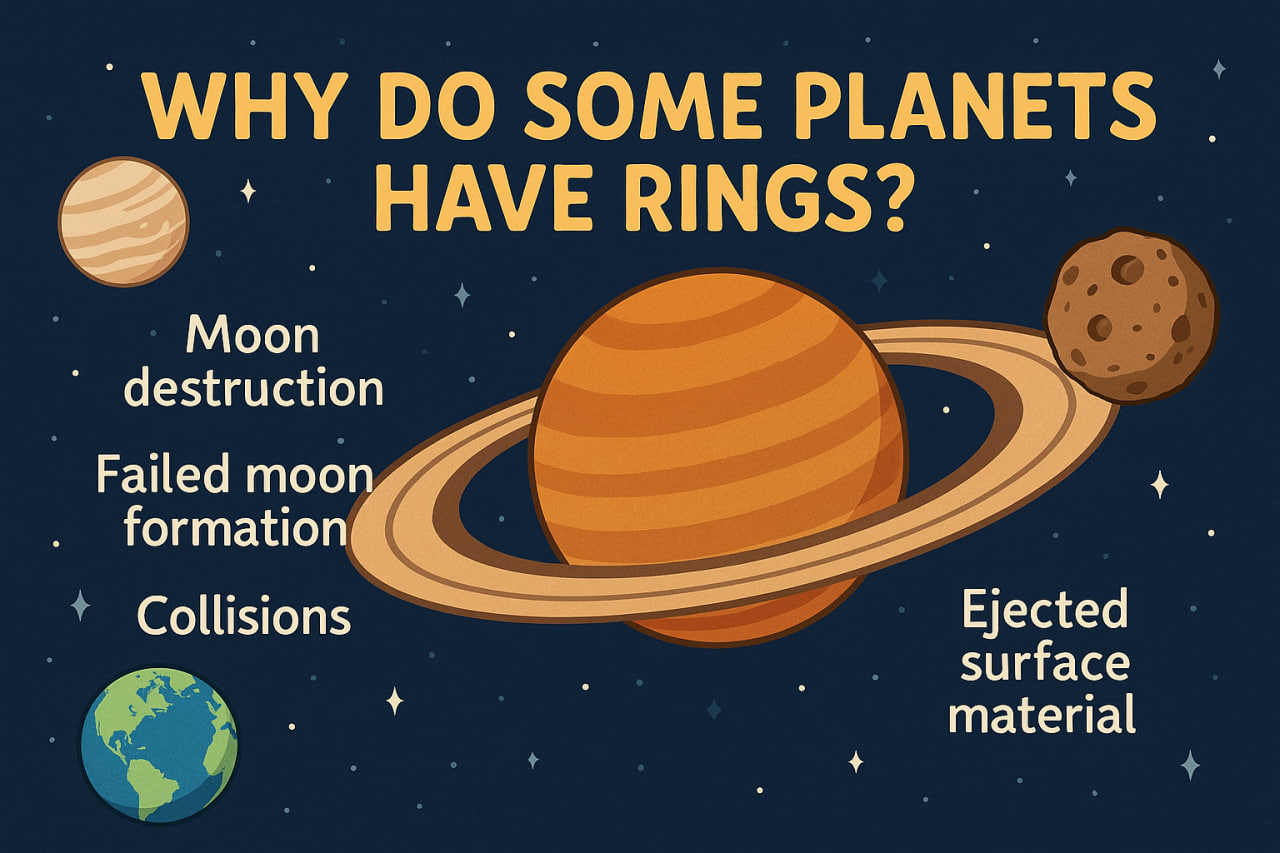
Why Do Some Planets Have Rings?

When we picture planets with rings, Saturn immediately comes to mind. But did you know that all four gas giants in our solar system — Jupiter, Saturn, Uranus, and Neptune — have rings? These stunning structures are more than just beautiful; they are a window into a planet’s history, gravity, and moons. Understanding why some planets have rings while others do not helps astronomers learn more about planet formation and dynamics.

What Is a Photon?
Universe Science Be Smart

What Is a Photon?

When we think of light, we usually imagine beams or waves. But in modern physics, light also behaves like a particle — and that particle is called a photon. A photon is the fundamental unit, or quantum, of electromagnetic radiation, including visible light, X-rays, microwaves, and radio waves. Unlike many particles in nature, photons have no mass and always travel at the speed of light. Understanding photons is essential to grasping the nature of light, energy, and the very foundations of quantum mechanics.

Where Does Space Begin?
Space Stories Universe Solar System

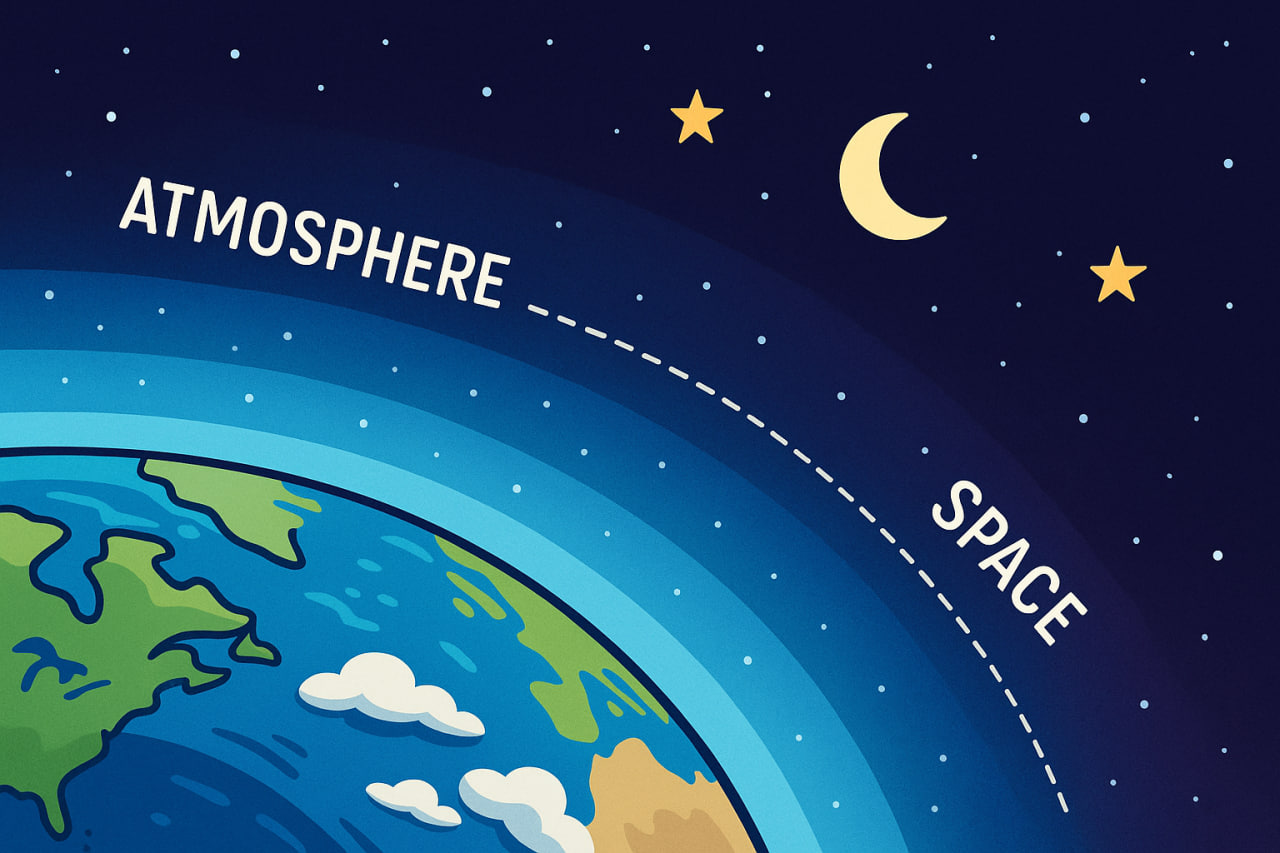
Where Does Space Begin?

When we look up at the sky, it may seem like space begins just beyond the clouds. But scientifically defining where Earth ends and space begins is far more complex. The boundary between the atmosphere and outer space doesn’t have a visible line — instead, it’s defined by altitude, atmospheric density, and practical use (such as satellite orbit). The most widely accepted boundary is known as the Kármán line, but it’s not the only interpretation. Let’s explore how scientists define the edge of space — and why it matters.

How Planets Form
Space Stories Universe Science

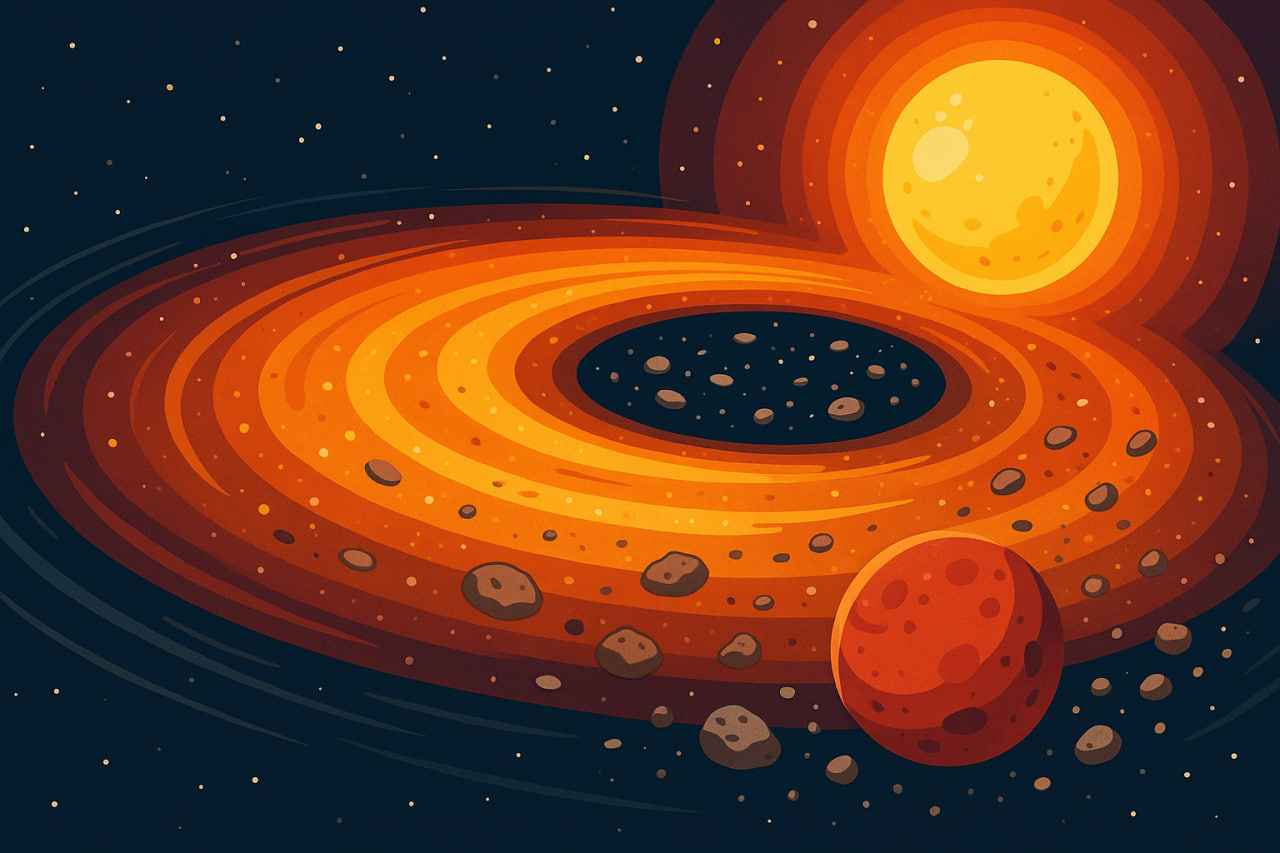
How Planets Form

Planets don’t simply appear — they are the result of complex processes unfolding over millions of years. From dust particles in a swirling cloud of gas to massive, orbiting worlds, planetary formation is a fundamental chapter in the evolution of solar systems. Understanding how planets form not only explains Earth’s origin but also helps scientists search for exoplanets and assess their potential to support life.

Why Scientists Study Jupiter's Icy Moons
Space Stories Universe Solar System

Why Scientists Study Jupiter's Icy Moons

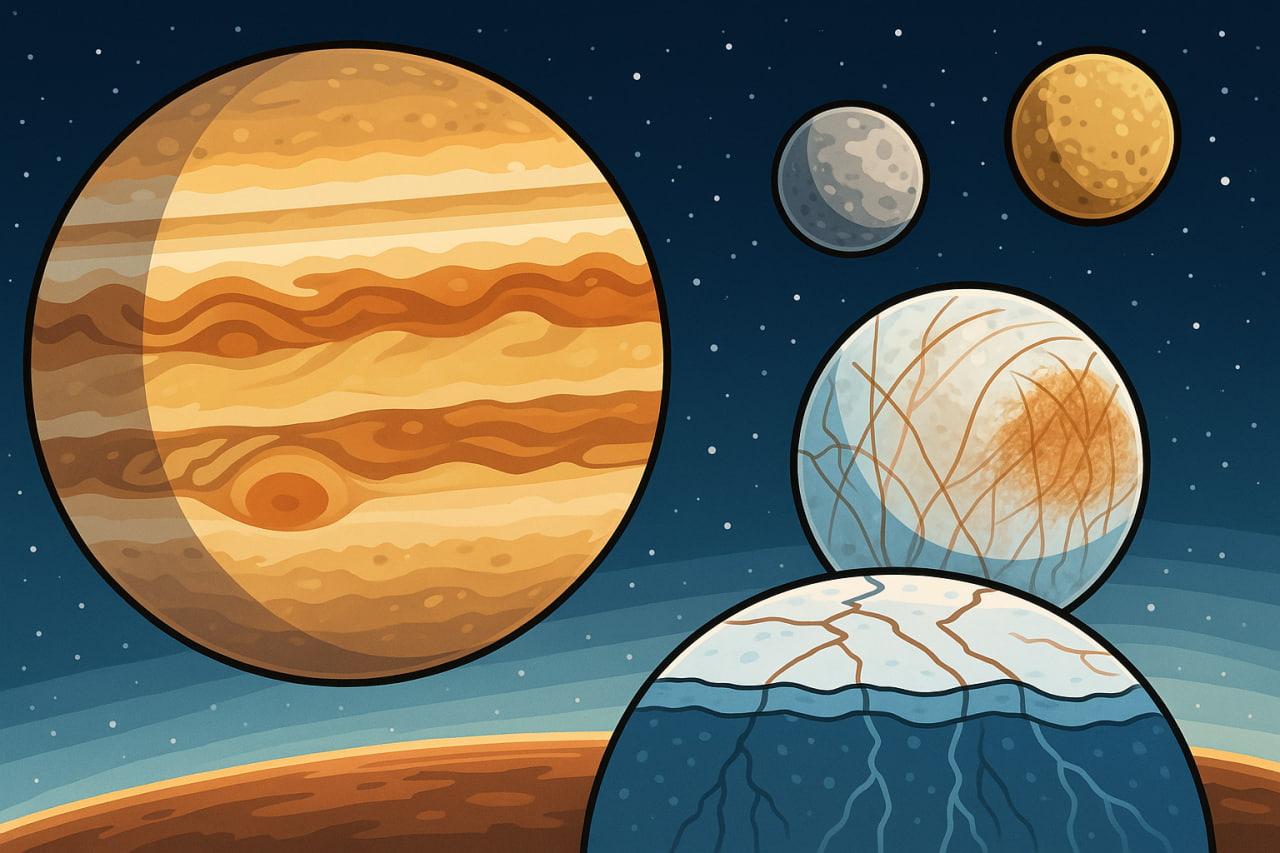
Jupiter is not just the largest planet in our solar system — it's also a host to dozens of fascinating moons, including several that are covered in ice. These icy satellites, such as Europa, Ganymede, and Callisto, have become prime targets in the search for extraterrestrial life and in understanding the history of the solar system. Hidden beneath their frozen surfaces, scientists believe there may be vast subsurface oceans, making them some of the most exciting worlds for exploration.

What Is Redshift?
Space Stories Universe

What Is Redshift?

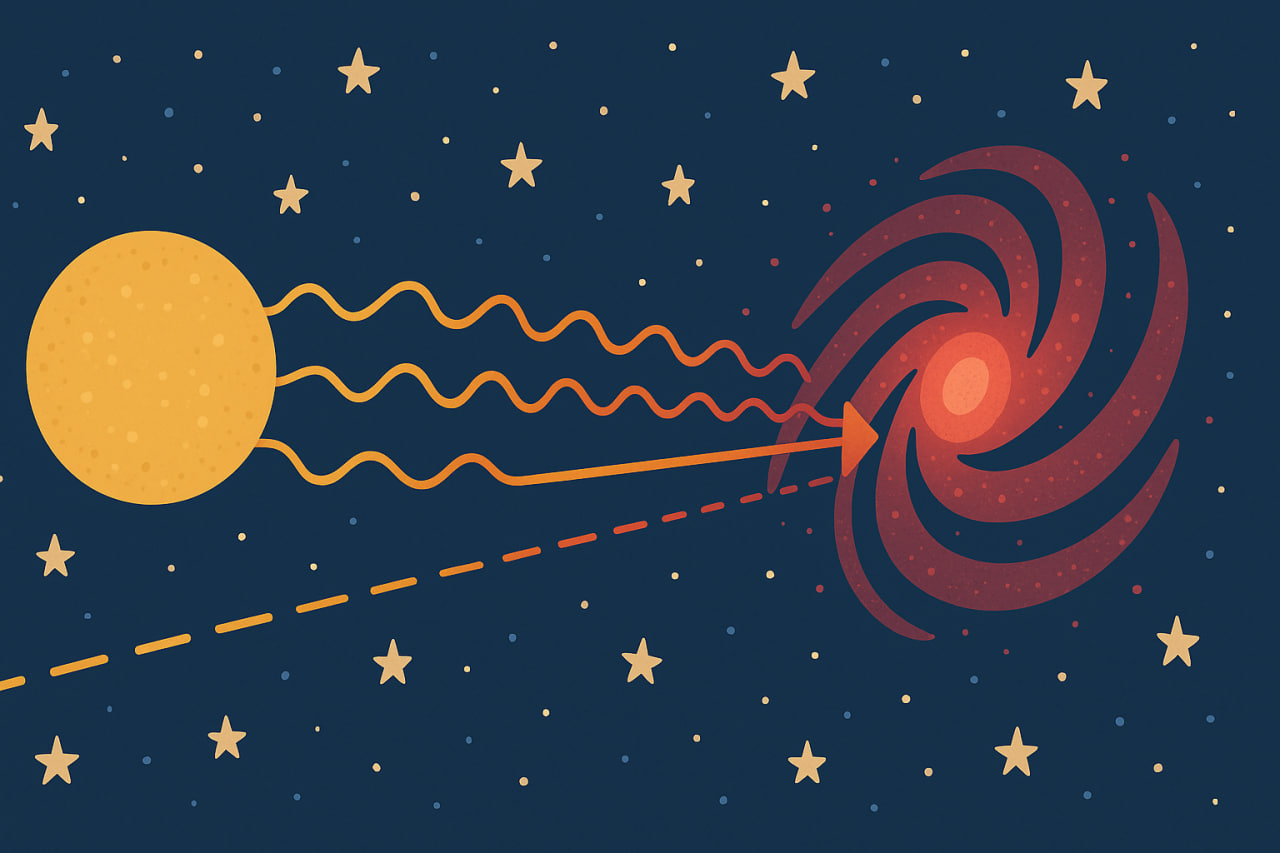
Redshift is a key concept in astronomy that helps scientists understand how distant celestial objects move in space. When we observe light from stars and galaxies, we’re not just seeing brightness — we’re also reading information embedded in that light. One of the most important clues comes from shifts in the wavelengths of that light. A redshift means the light has stretched, shifting toward the red end of the visible spectrum. This stretching tells us that the object emitting the light is moving away from us. Redshift has become a cornerstone for discovering that the universe is expanding.