Universe

Why Is the Sky Black in Space?
Space Stories Universe Science

Why Is the Sky Black in Space?

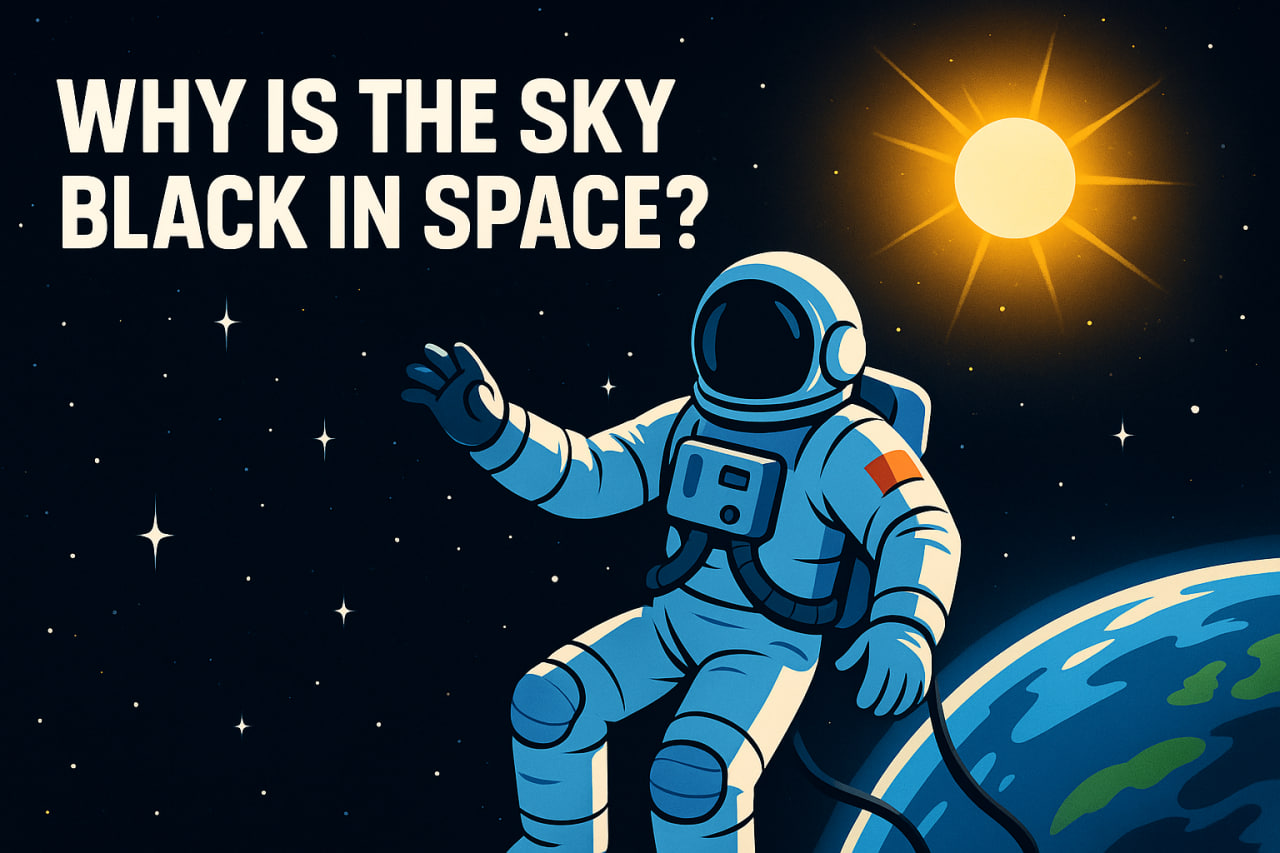
When astronauts look out into space, they see a black sky, even though the Sun is shining brightly. This might seem strange because on Earth, the daytime sky is blue. The difference is explained by the way light interacts with the atmosphere. In space, where there is no atmosphere to scatter sunlight, the sky remains black.
What Is a Planetary Alignment?
Space Stories Universe

What Is a Planetary Alignment?

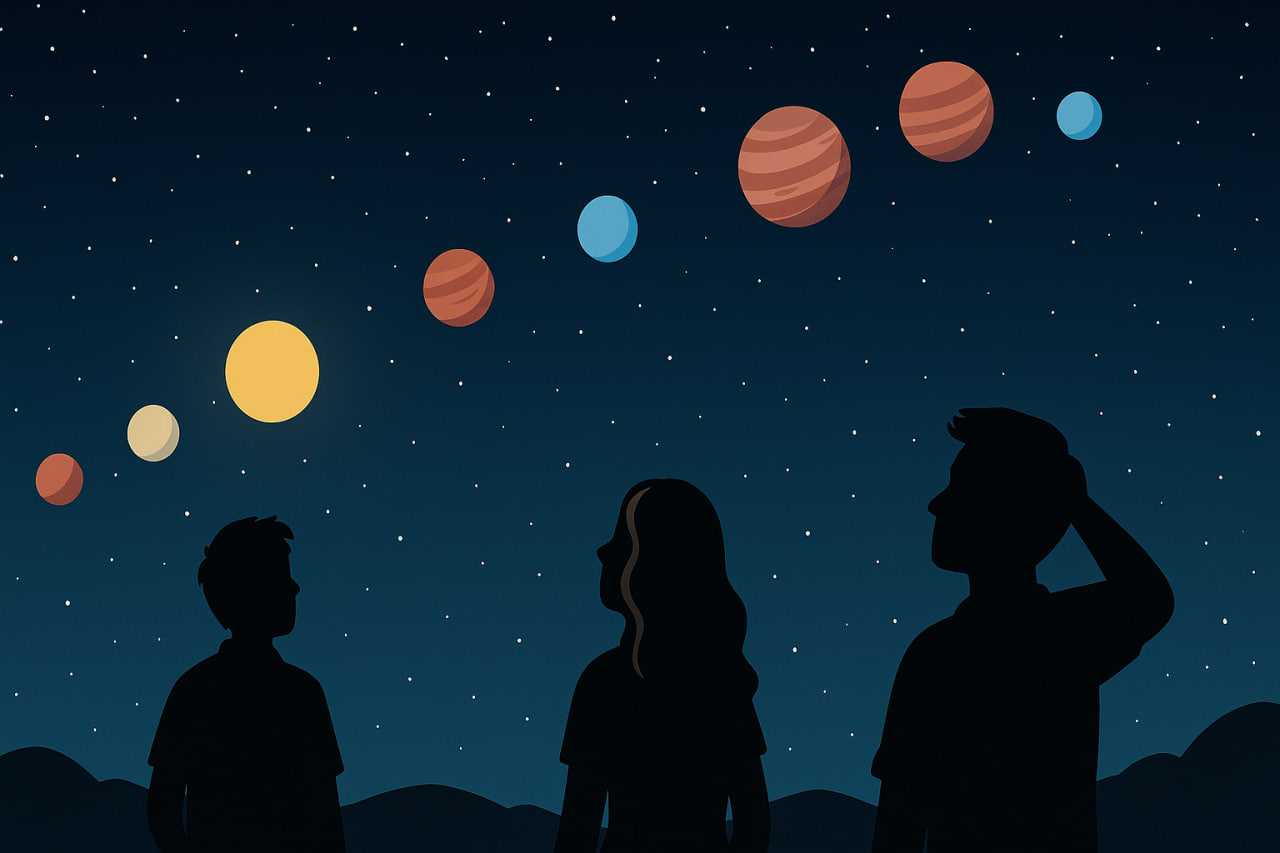
A planetary alignment, often called a planetary parade, is an astronomical event when several planets appear lined up in the sky from Earth’s perspective. In reality, the planets do not move into a single straight line in space, but their positions in their orbits create the visual effect of alignment. Such events are spectacular to observe and provide valuable opportunities for astronomers to study planetary motions.

How Scientists Search for Extraterrestrial Life
Space Stories Universe Science

How Scientists Search for Extraterrestrial Life

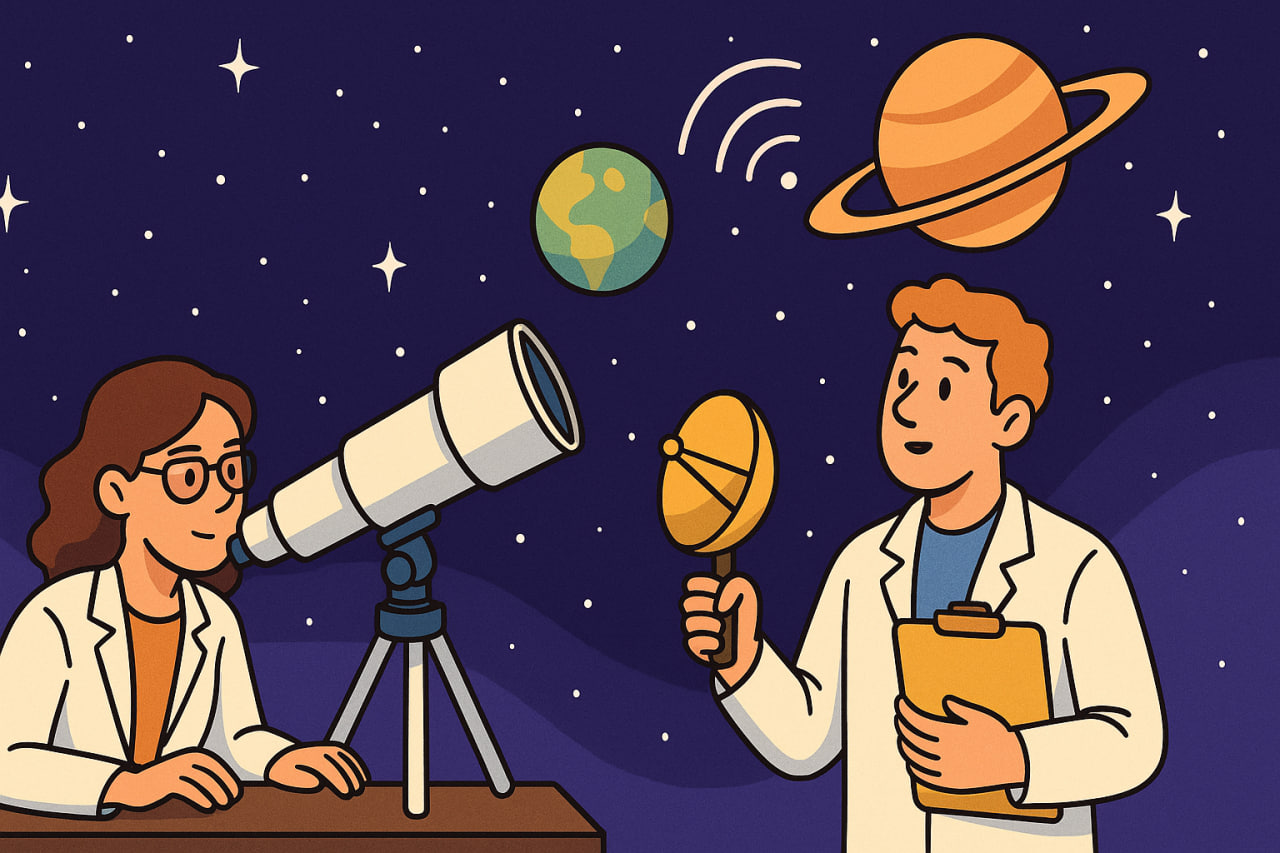
The question of whether life exists beyond Earth is one of humanity’s greatest mysteries. Scientists approach this search using a combination of astronomy, biology, and advanced technology. While no evidence of extraterrestrial life has been confirmed yet, ongoing research brings us closer to answering this profound question.

Why Celestial Bodies Are Round
Space Stories Universe Science

Why Celestial Bodies Are Round

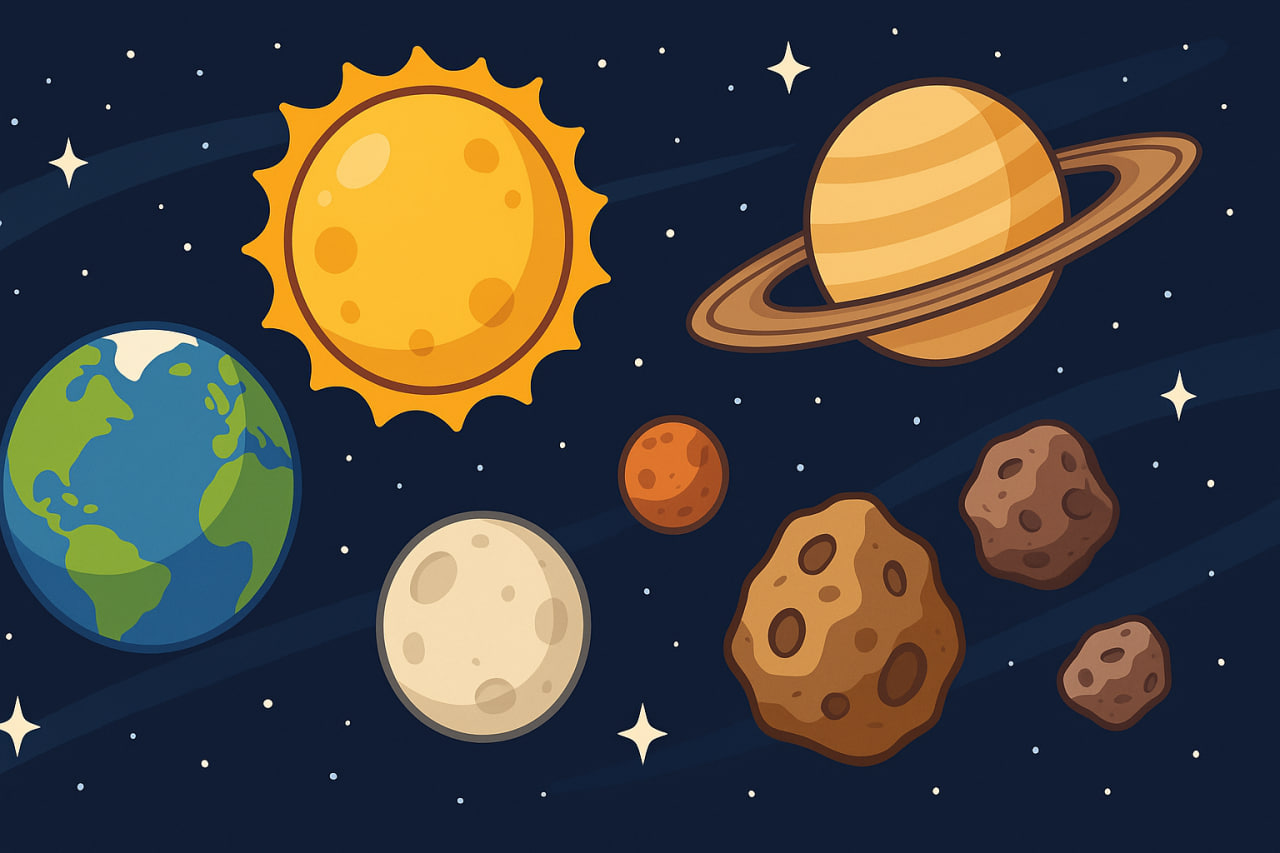
When we observe planets, stars, and many moons, one thing stands out—they are mostly round. Unlike small asteroids or comets that often have irregular shapes, larger celestial bodies take on spherical forms. This happens because of the powerful influence of gravity, which pulls matter toward the center equally from all directions, creating a round shape.

What Shape Is Our Galaxy and How Does It Move Through Space?
Space Stories Universe

What Shape Is Our Galaxy and How Does It Move Through Space?

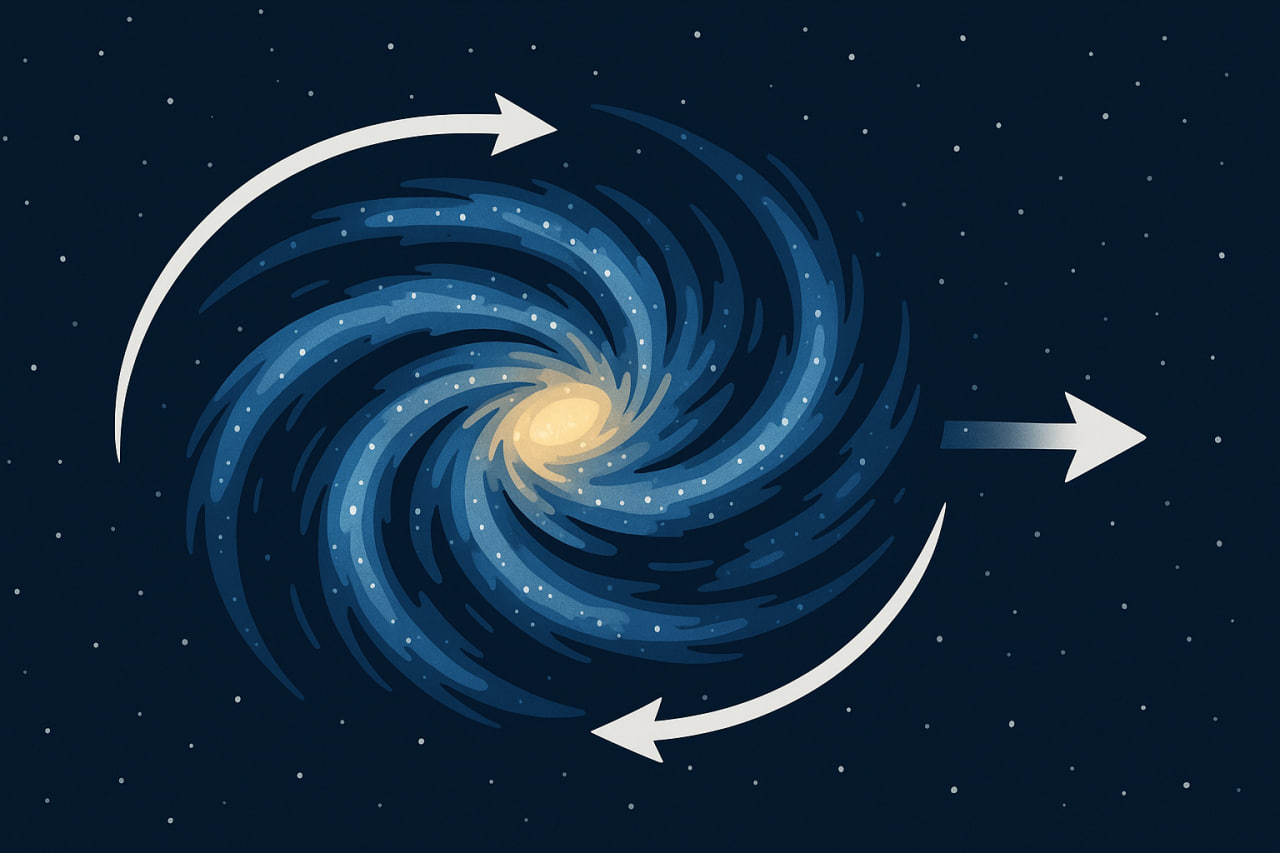
The Milky Way Galaxy is our cosmic home, containing billions of stars, planets, nebulae, and black holes. From Earth, we see it as a faint band of light across the night sky, but when viewed from outside, the Milky Way has a distinct structure and motion. Understanding its shape and movement helps astronomers learn about the evolution of galaxies and the universe as a whole.

Waves in Space
Space Stories Universe

Waves in Space

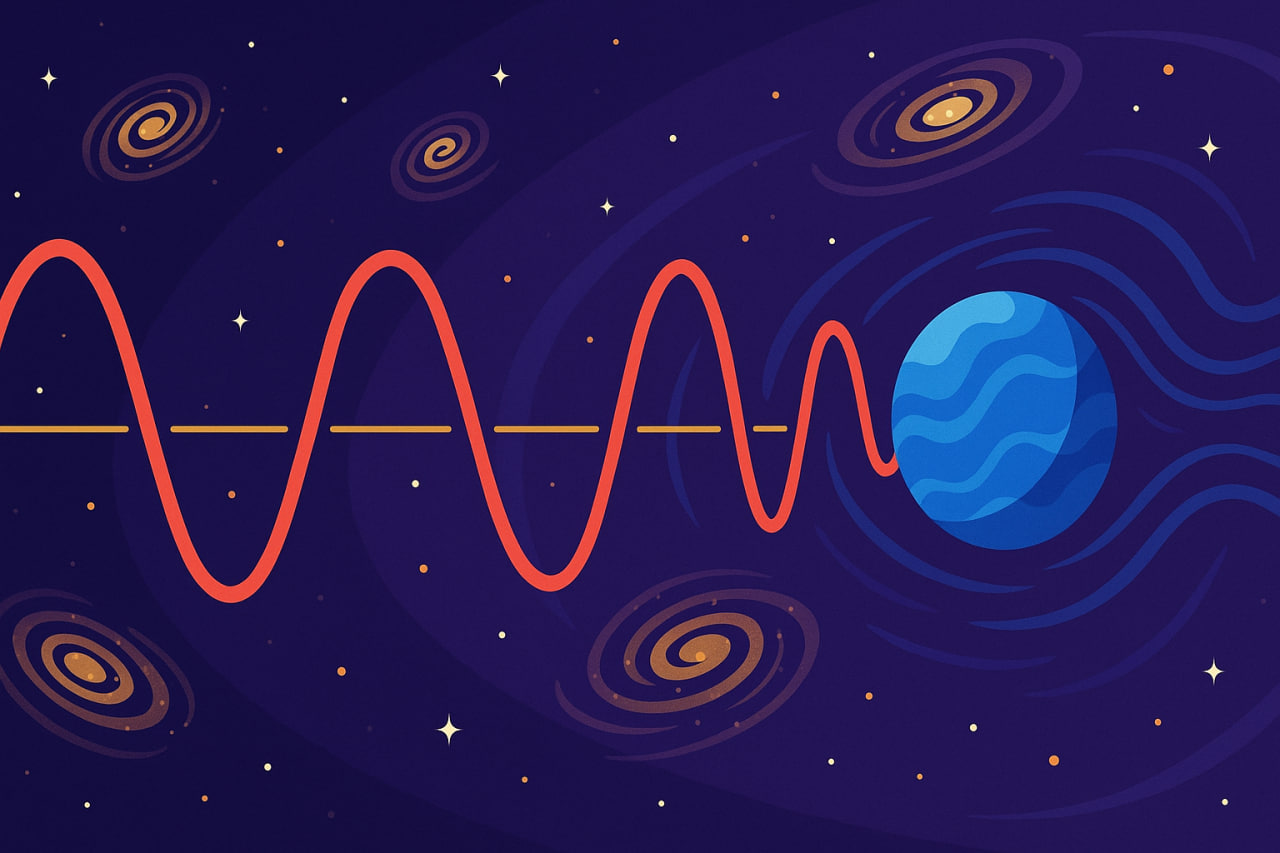
When most people think of waves, they imagine ripples in water or vibrations in air. However, waves in space also exist, traveling through the vast emptiness between stars and galaxies. These waves carry energy and information across the universe, even in regions where there is no matter. Understanding them helps scientists study everything from distant stars to the origins of the universe itself.

What Are Quasars?
Space Stories Universe New Discoveries

What Are Quasars?

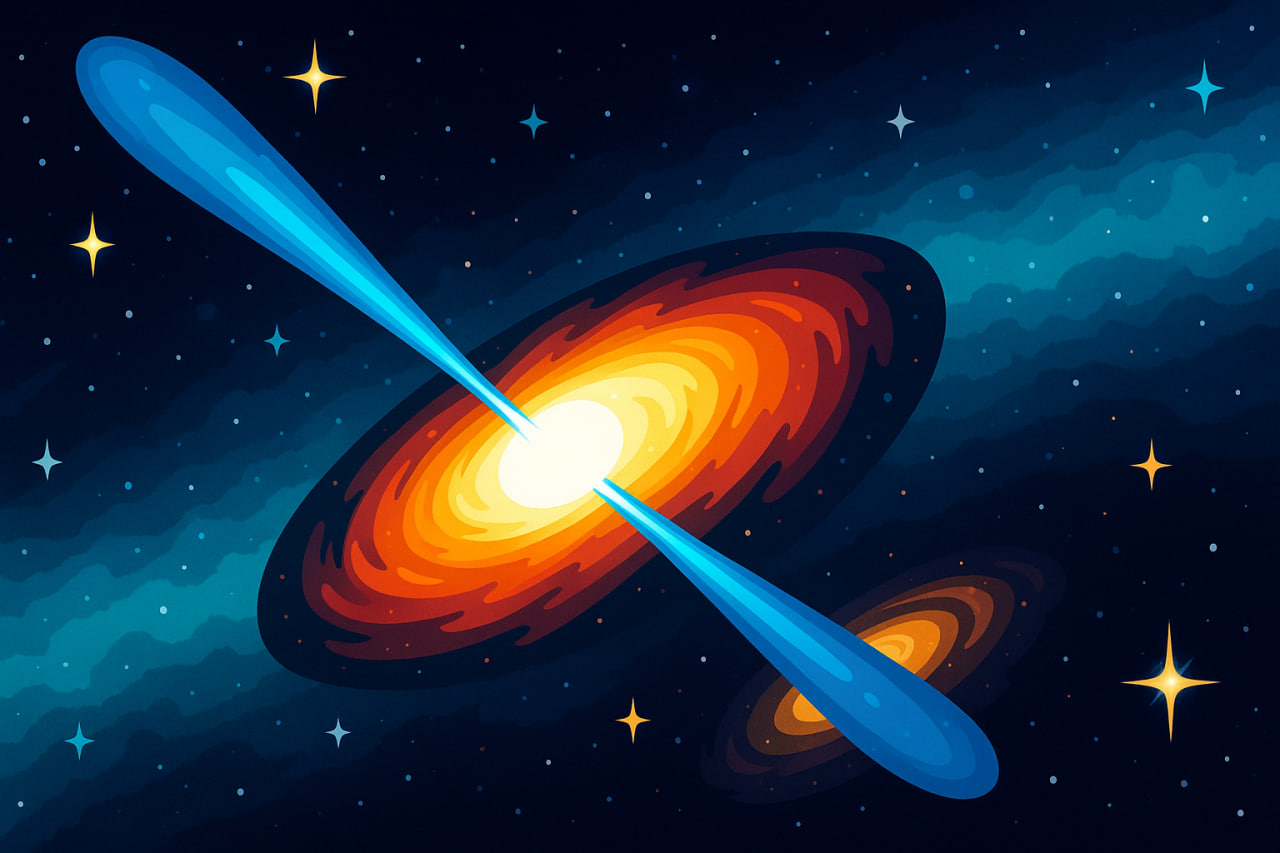
Quasars are among the brightest and most powerful objects in the universe. Their name comes from “quasi-stellar radio sources” because, when first discovered in the 1960s, they looked like faint stars in telescopes but emitted enormous amounts of energy, especially in radio waves. Today, astronomers know that quasars are powered by supermassive black holes at the centers of distant galaxies, where matter falling into the black hole releases extraordinary amounts of light and radiation.

How Meteor Showers Occur
Space Stories Universe

How Meteor Showers Occur

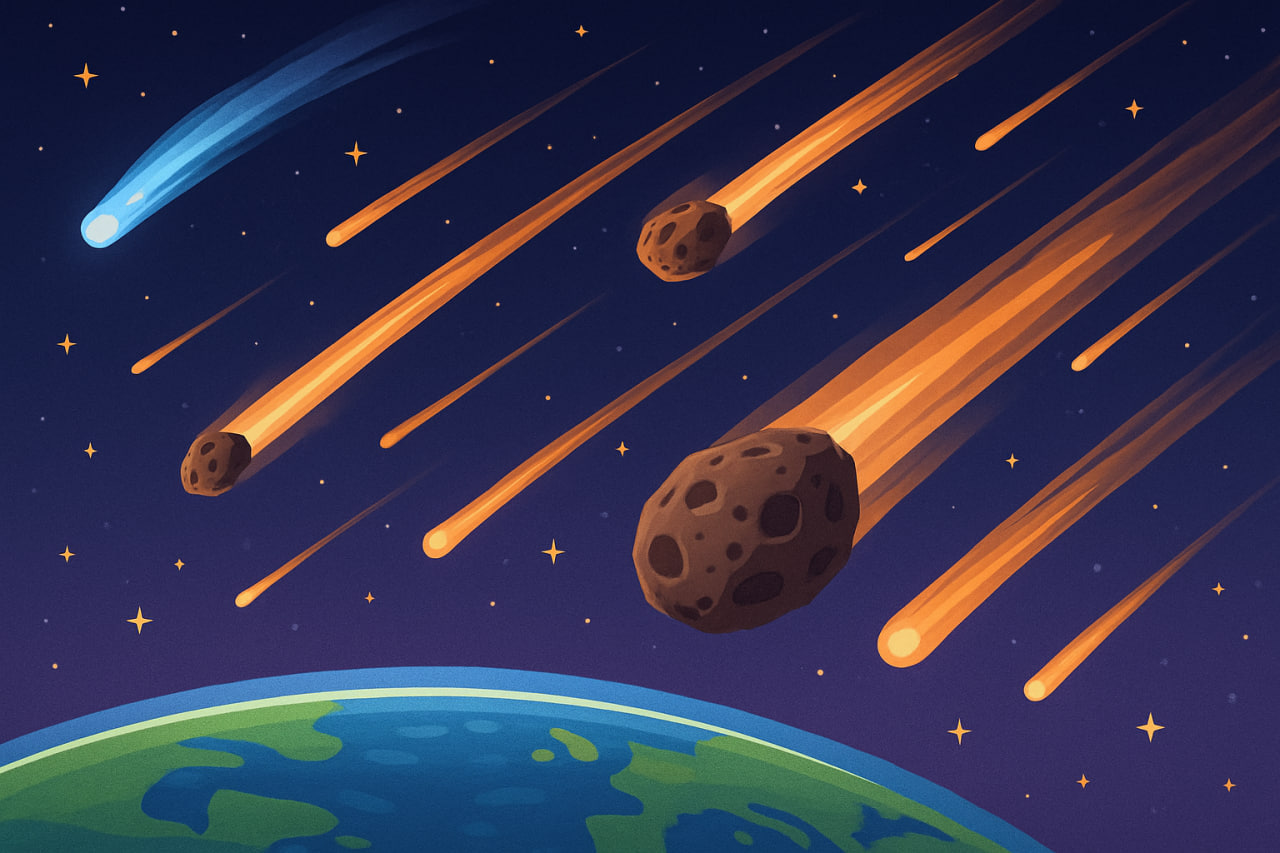
Meteor showers are dazzling natural events where many meteors appear to streak across the night sky, often radiating from a single point. They happen when Earth passes through streams of cosmic debris left behind by comets or, in some cases, asteroids. These particles, called meteoroids, are usually no larger than grains of sand but travel at extremely high speeds. When they collide with Earth’s atmosphere, they burn brightly, creating the phenomenon we call meteors or “shooting stars.”

What Space Debris Is Dangerous?
Space Stories Cosmic Innovations Universe

What Space Debris Is Dangerous?

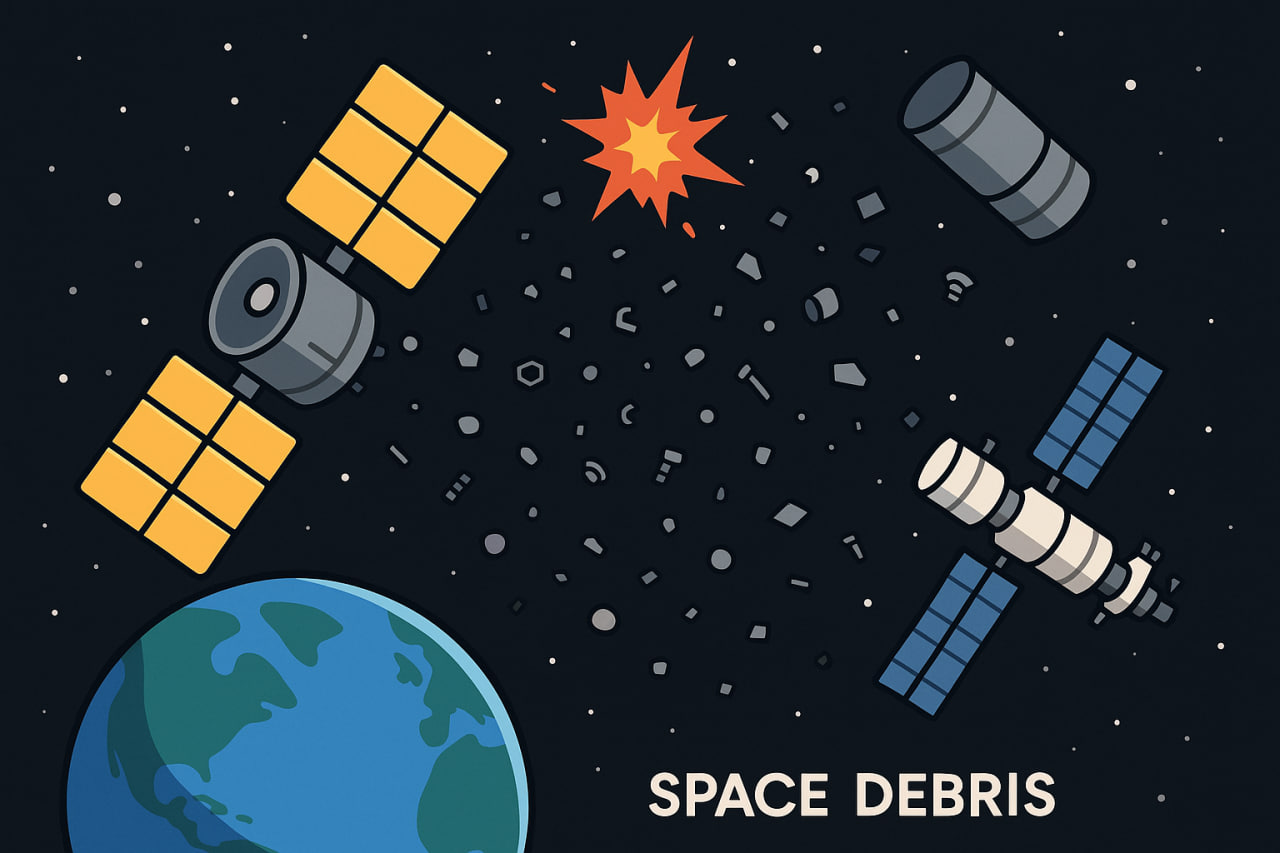
Space debris, also called space junk, refers to non-functional satellites, rocket parts, and fragments left behind from past missions orbiting Earth. As humanity launches more satellites and spacecraft, the number of debris pieces has grown significantly. While some of this material is small, it poses real risks to spacecraft, satellites, and even the International Space Station (ISS). The danger depends on the size, speed, and orbit of the debris.

What Is a Singularity?
Space Stories Universe

What Is a Singularity?

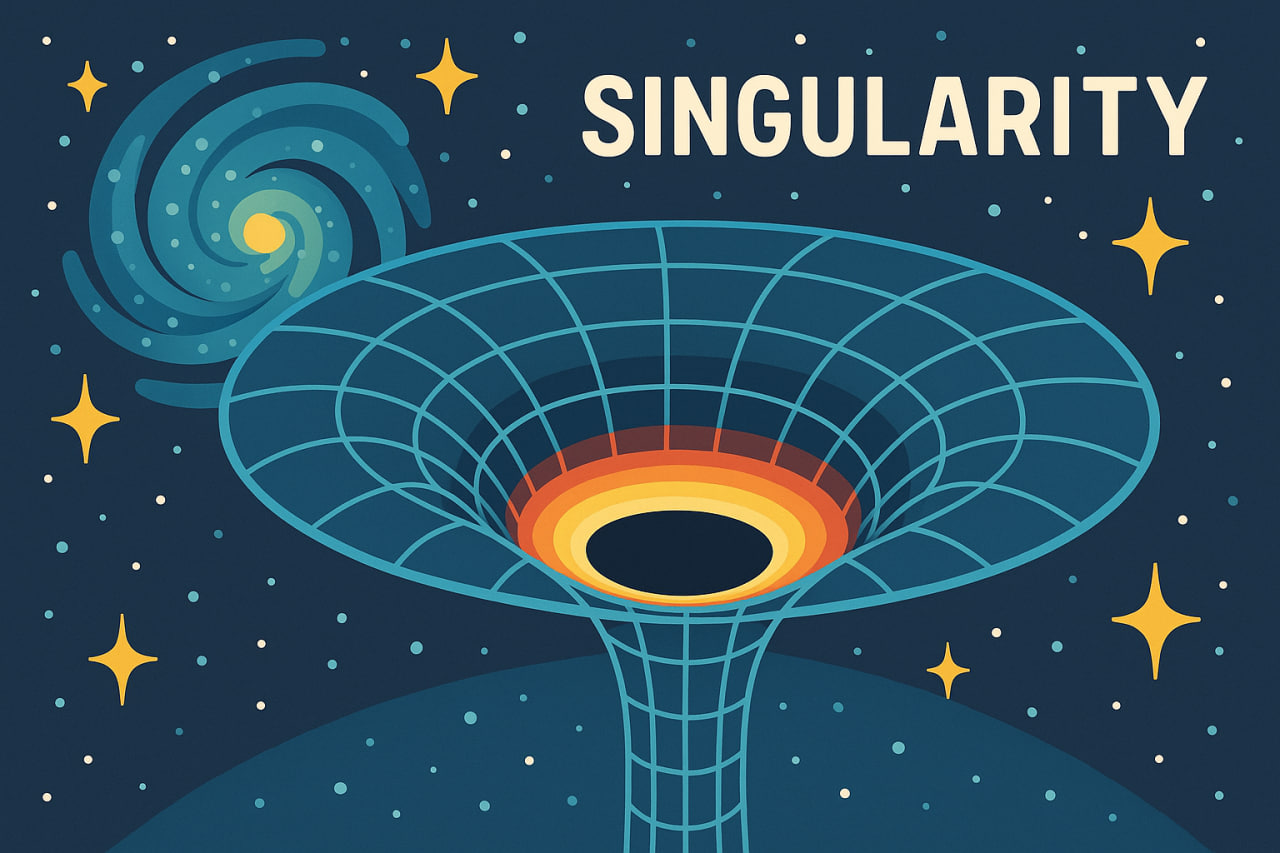
A singularity is a point in space where the known laws of physics break down. It represents a region where quantities such as density and gravity become infinite, making it impossible for current scientific theories to fully describe what happens there. Singularities often appear in solutions to Einstein’s theory of general relativity, particularly in the study of black holes and the origins of the universe. While they are mathematical predictions, their physical meaning remains one of the biggest mysteries in modern science.