Universe

The Van Allen Belts
Space Stories Universe Earth & Moon

The Van Allen Belts

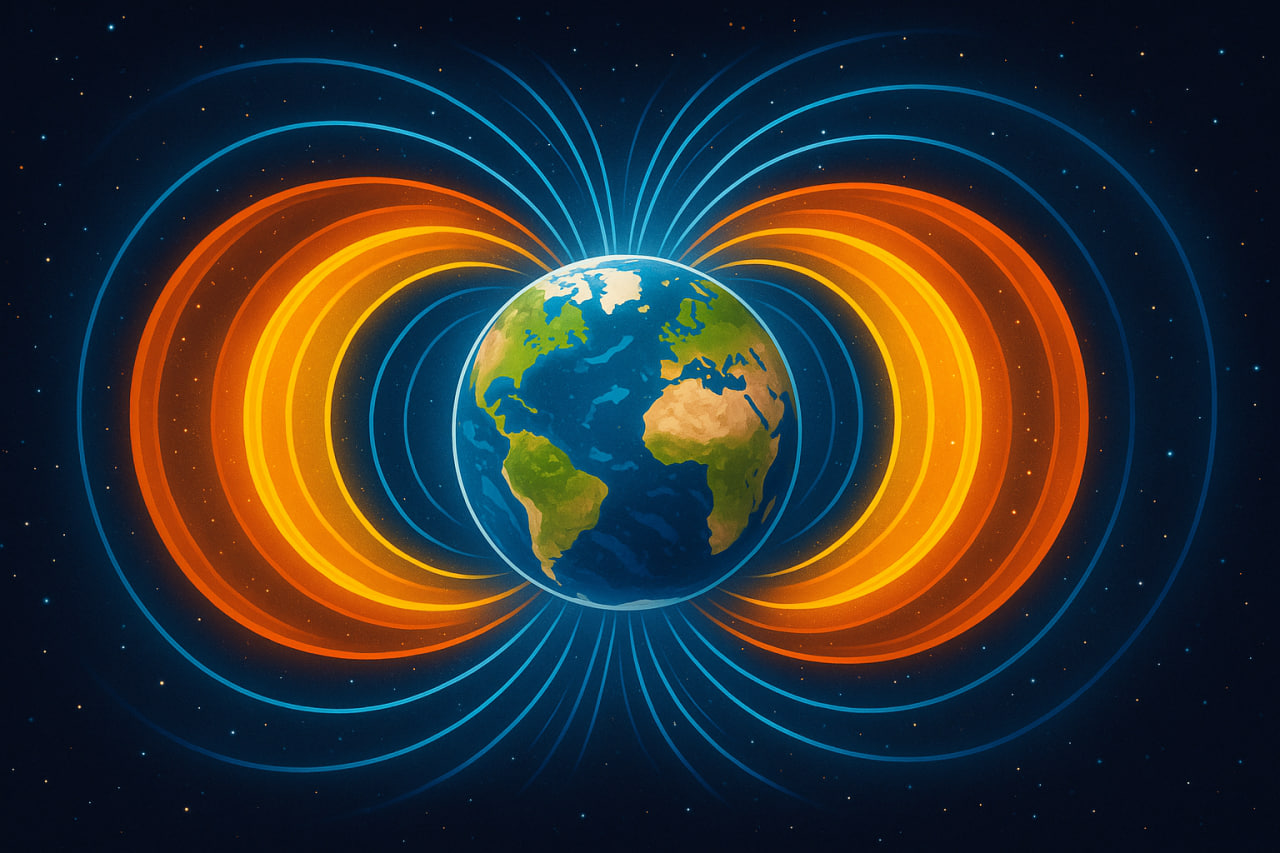
The Van Allen radiation belts are two layers of energetic charged particles trapped by Earth’s magnetic field. They form a protective shield around the planet, blocking much of the dangerous cosmic and solar radiation that would otherwise bombard Earth’s surface. These belts were discovered in 1958 by American physicist James Van Allen using instruments aboard the first U.S. satellite, Explorer 1.
How Scientists Study Distant Pulsars
Space Stories Universe Science

How Scientists Study Distant Pulsars

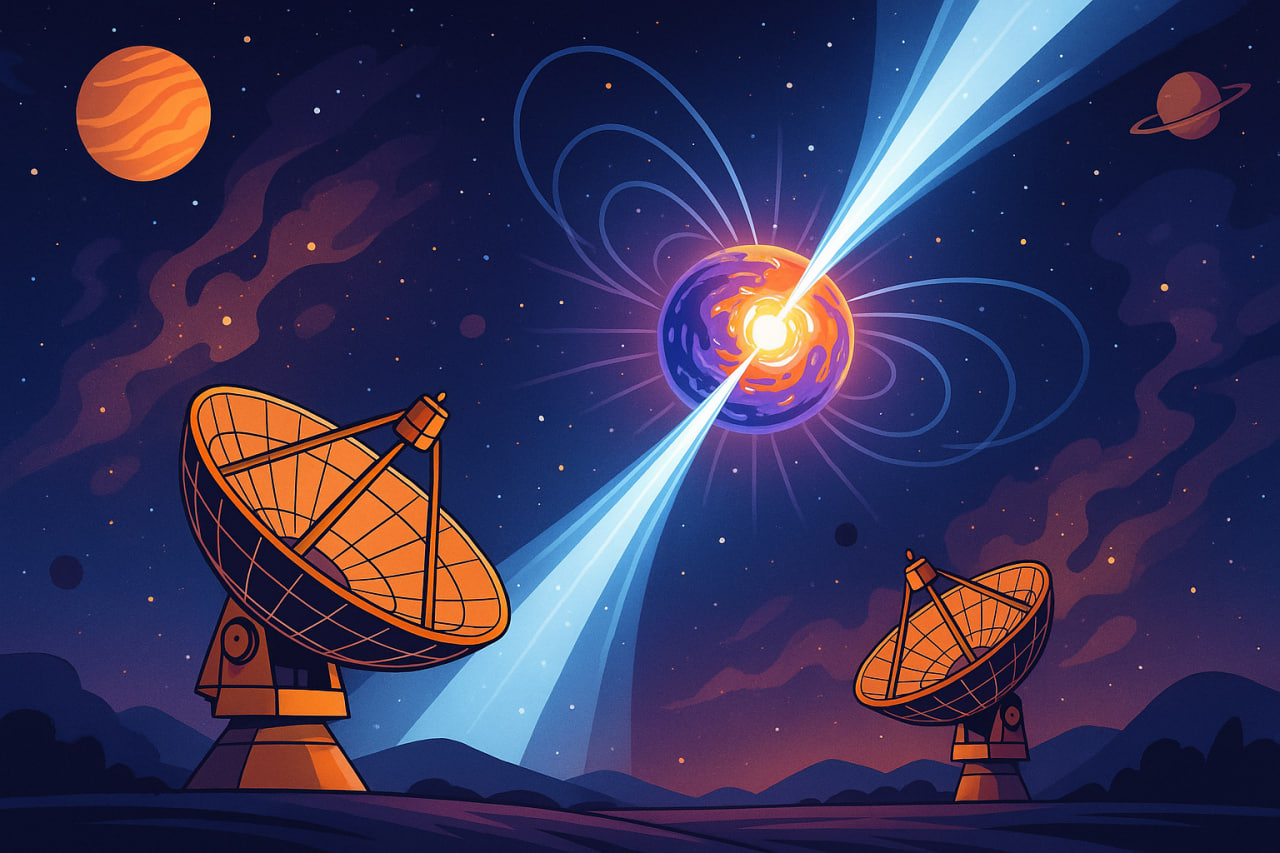
Pulsars are highly magnetized, rapidly rotating neutron stars that emit beams of electromagnetic radiation from their poles. As they spin, these beams sweep across space like the light of a cosmic lighthouse. When the beams cross Earth, astronomers detect regular pulses of radio waves, X-rays, or gamma rays. Pulsars are among the most precise natural clocks in the universe and provide valuable insights into astrophysics, gravity, and the structure of space-time.

The Heliosphere
Space Stories Universe Solar System

The Heliosphere

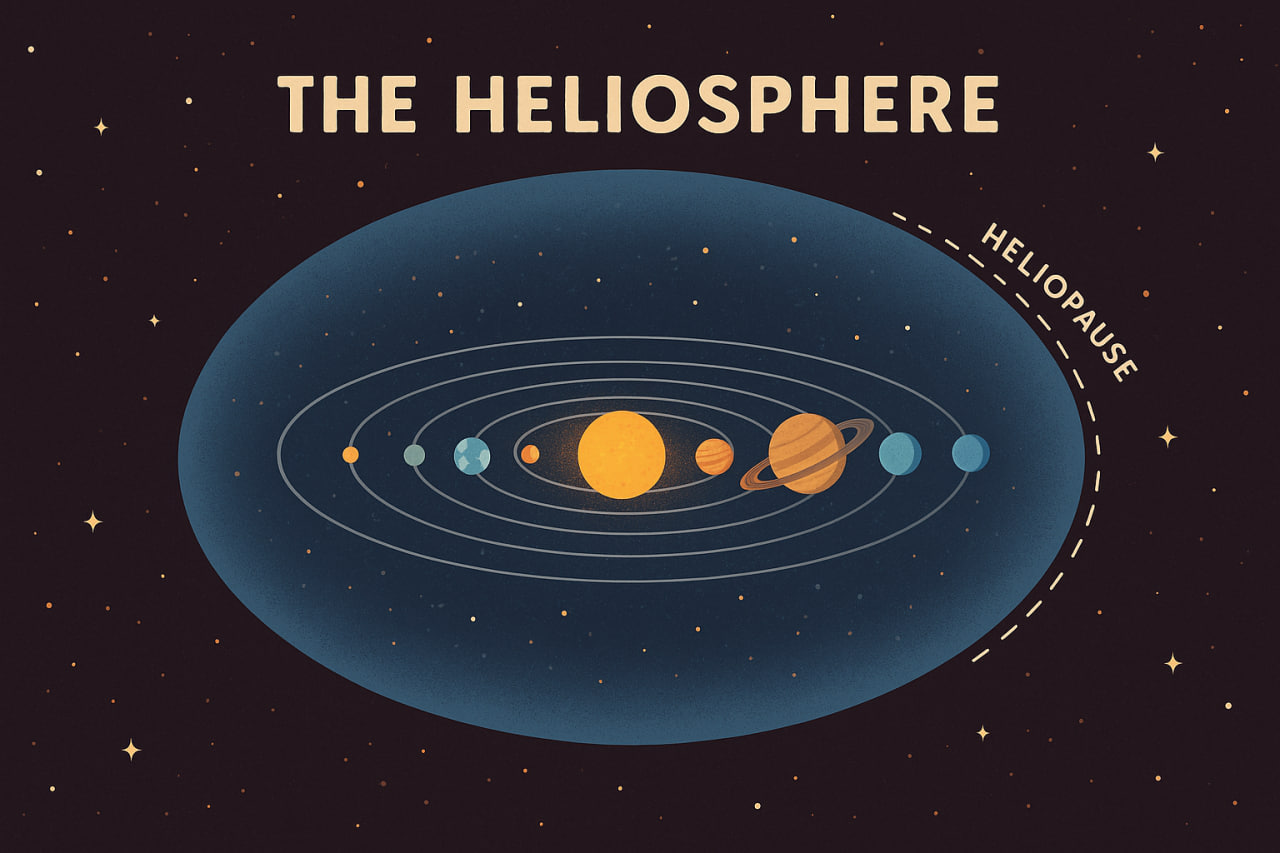
The heliosphere is a vast bubble-like region surrounding our solar system, created by the continuous flow of charged particles from the Sun known as the solar wind. It acts as a protective shield, separating the solar system from the harsh environment of interstellar space. The heliosphere extends far beyond the orbit of Pluto and is one of the largest structures in the solar system, playing a vital role in protecting planets—including Earth—from harmful cosmic radiation.

How Tidal Forces Affect the Earth and Beyond
Space Stories Universe Science

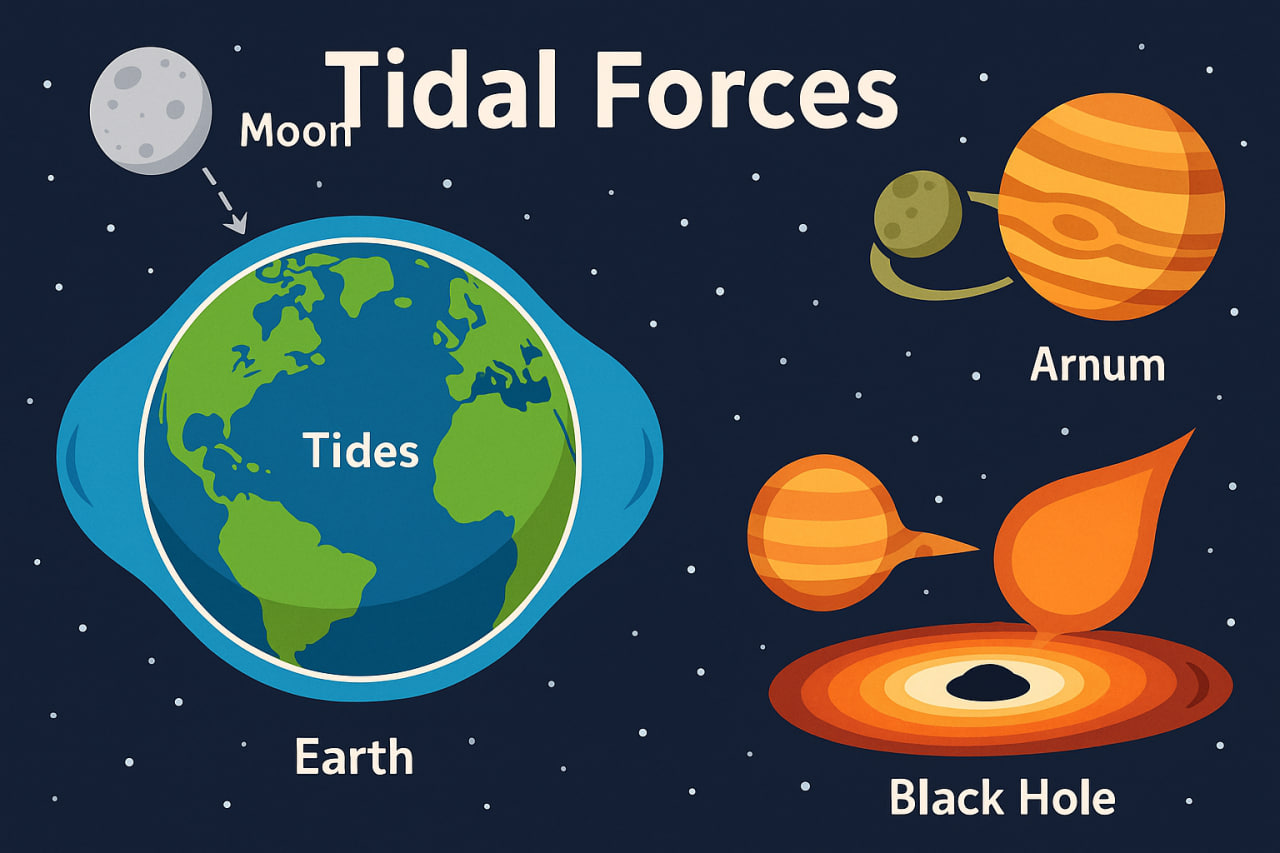
How Tidal Forces Affect the Earth and Beyond

Tidal forces are the result of gravitational interactions between celestial bodies. On Earth, the most familiar example is the effect of the Moon and the Sun on our oceans, causing regular rises and falls in sea level known as tides. However, tidal forces extend far beyond the oceans—they shape planetary systems, influence geology, and even determine the fate of stars and galaxies.

What Is Orbital Synchronization?
Space Stories Universe Science

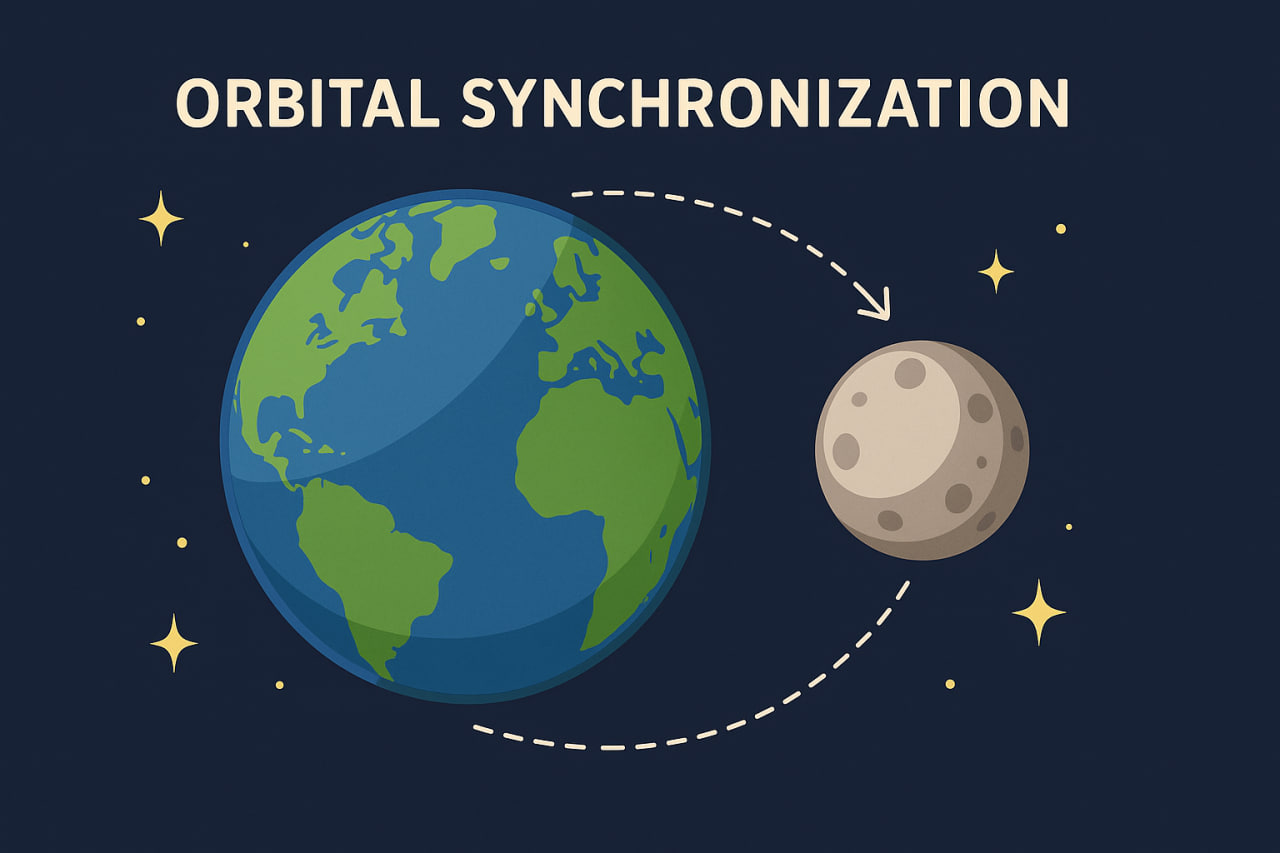
What Is Orbital Synchronization?

Orbital synchronization is a phenomenon in which one celestial body always shows the same face to another as it orbits. This happens when the rotation period (how long it takes the body to spin on its axis) becomes equal to the orbital period (how long it takes to complete one orbit). The most familiar example is the Moon, which is tidally locked to Earth, meaning we always see the same side of it.

What Are Binary Stars and How Do Scientists Discover Them?
Space Stories Universe

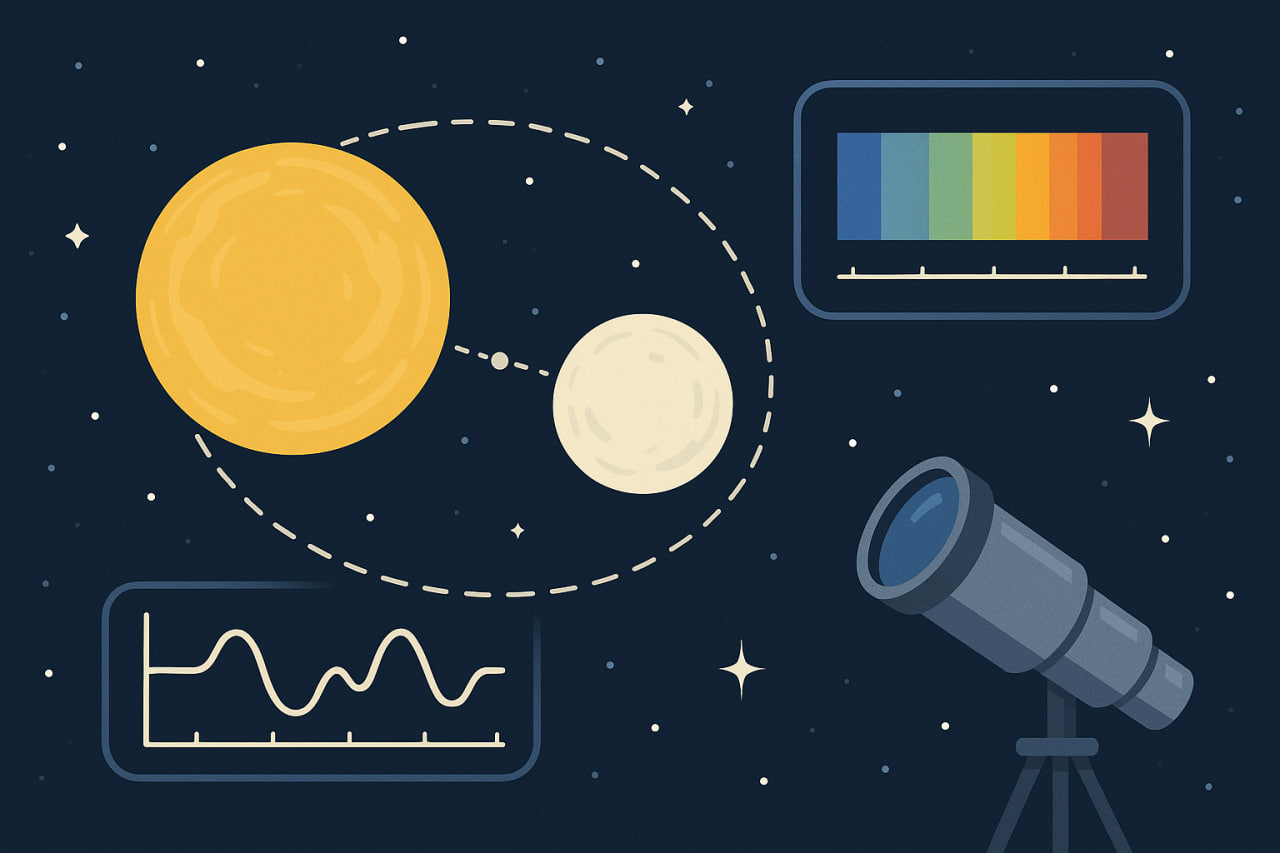
What Are Binary Stars and How Do Scientists Discover Them?

A binary star system is made up of two stars that orbit around a common center of mass due to their mutual gravitational pull. Instead of moving independently, both stars influence each other’s motion, creating fascinating systems that make up a large portion of stars in our galaxy. In fact, astronomers estimate that more than half of all stars in the Milky Way are in binary or multiple star systems. Studying binary stars provides valuable insights into stellar evolution, masses, and the dynamics of galaxies.

How Space Navigation Works
Space Stories Universe Science

How Space Navigation Works

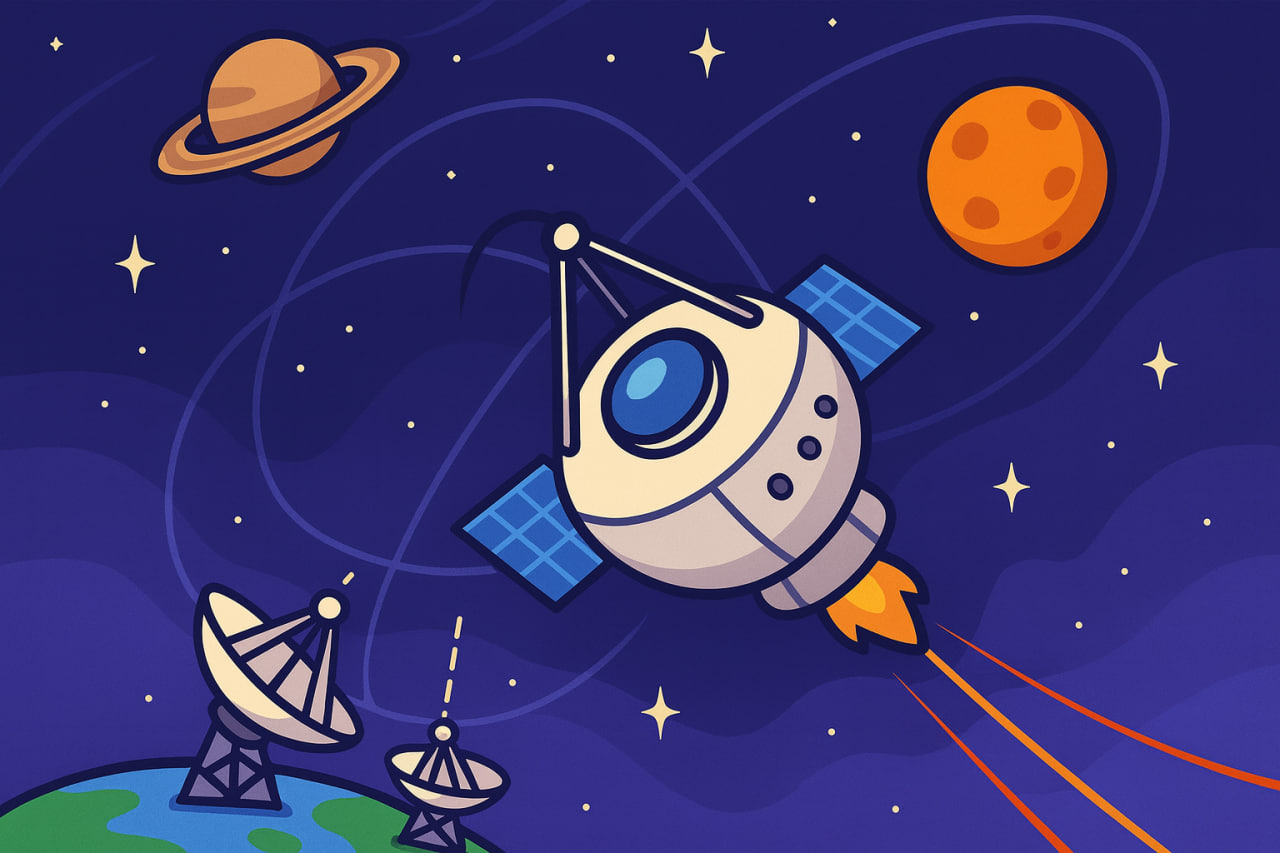
Navigating in space is much more complex than traveling on Earth because there are no roads, signposts, or fixed reference points. Spacecraft must rely on physics, precise calculations, and advanced technology to determine their position, orientation, and trajectory. Space navigation combines astronomy, physics, and engineering to ensure that missions reach their destinations, whether orbiting Earth, landing on the Moon, or traveling to distant planets.

What Happens in the Centers of Galaxies
Space Stories Universe

What Happens in the Centers of Galaxies

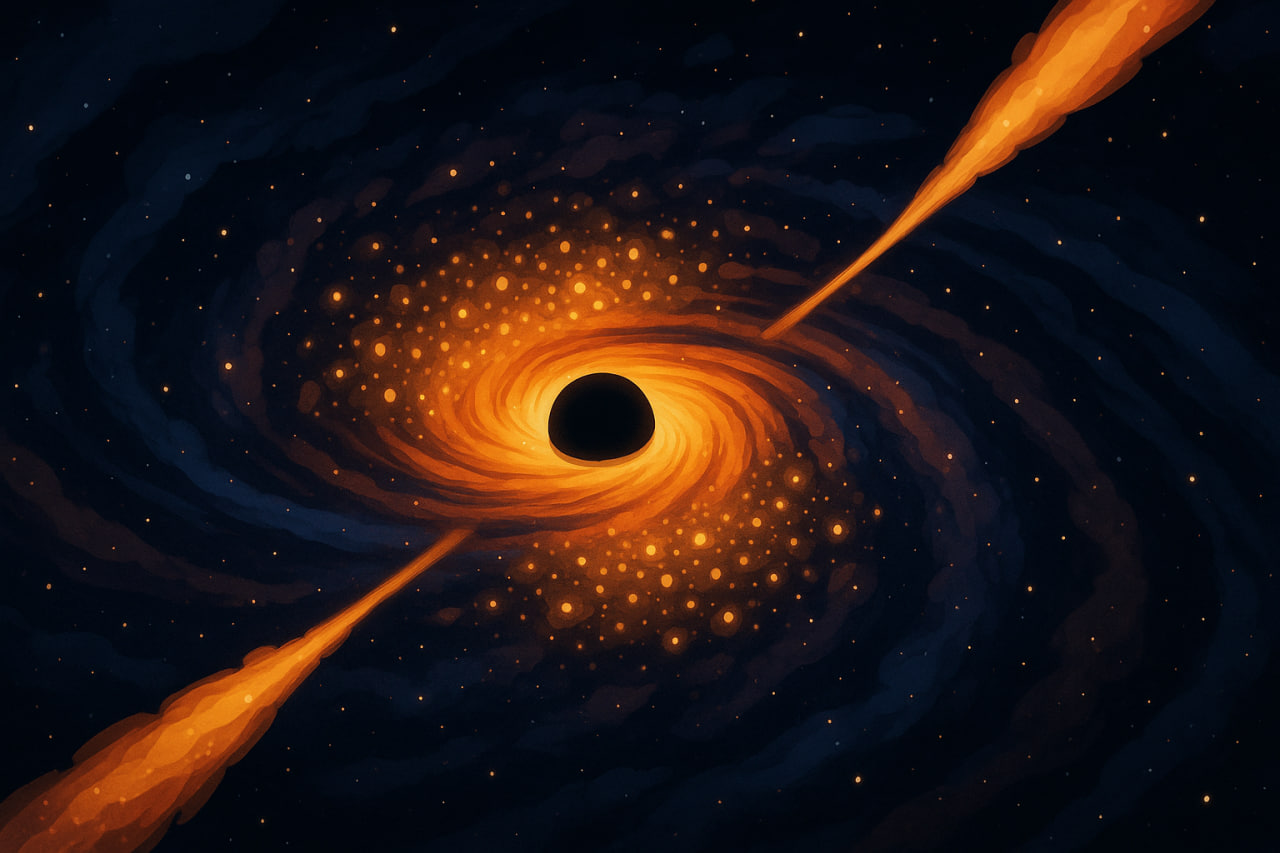
The centers of galaxies are some of the most extreme and fascinating regions in the universe. Unlike the calmer outer spiral arms where stars like our Sun exist, galactic centers are dense, energetic, and often dominated by powerful gravitational forces. At the heart of many galaxies lies a supermassive black hole, surrounded by stars, gas, and dust that create a dynamic environment.

How a Satellite’s Onboard Computer Works
Space Stories Hi-Tech Universe

How a Satellite’s Onboard Computer Works

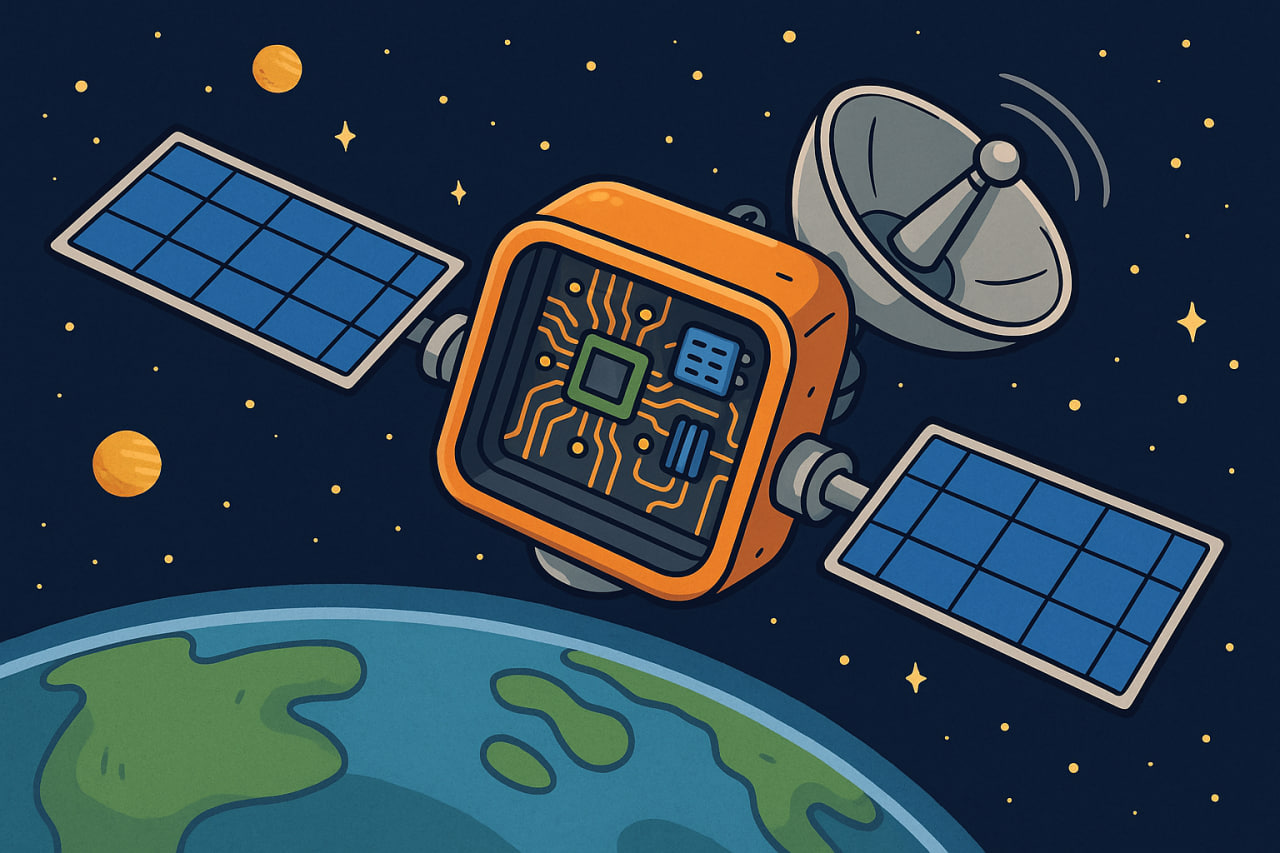
Every modern satellite relies on its onboard computer—also called the OBC (Onboard Computer) or satellite control system—to carry out missions in space. It acts as the “brain” of the satellite, managing communication, navigation, power, and scientific instruments. Without it, satellites could not operate autonomously in the harsh environment of space.