Universe

Space Probes: Humanity’s Messengers Beyond Earth
Space Stories Hi-Tech Smart Technology

Space Probes: Humanity’s Messengers Beyond Earth

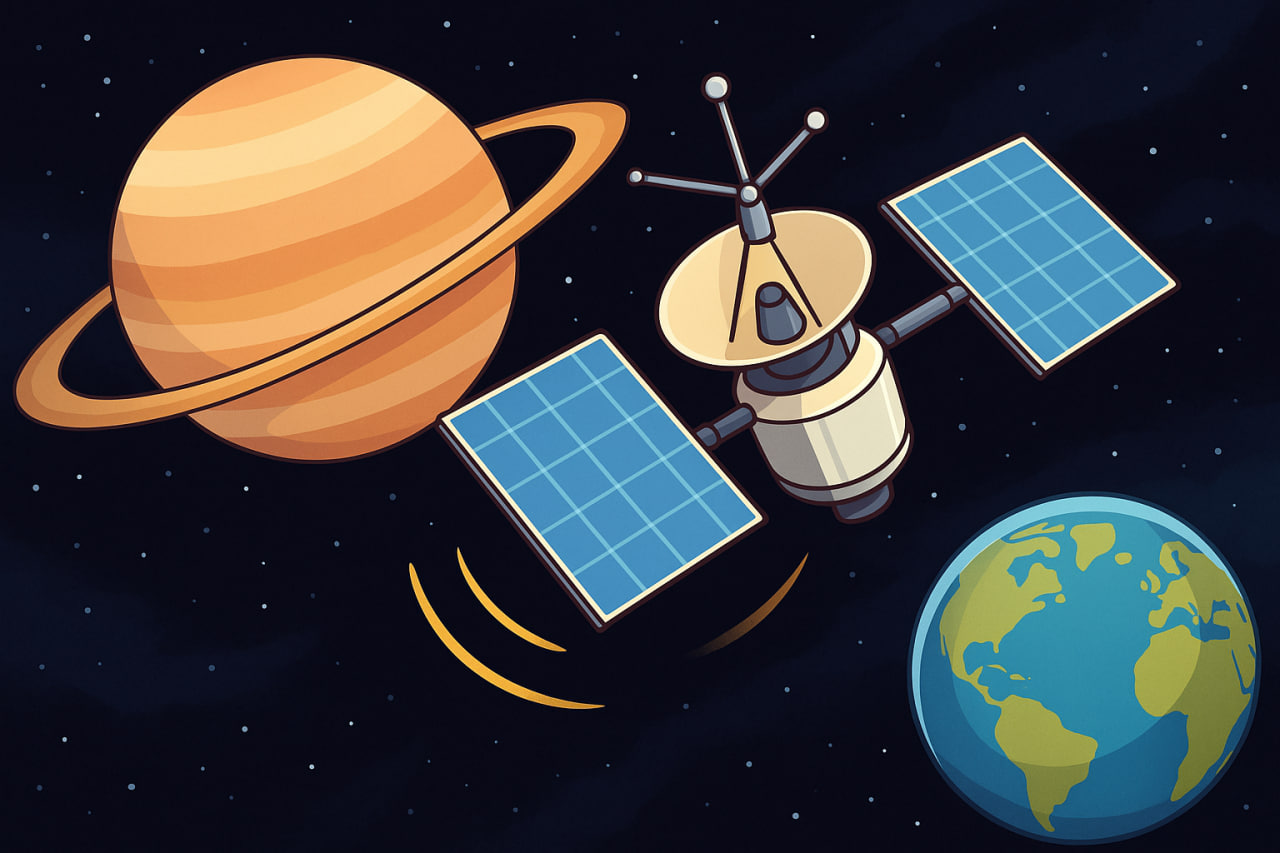
Space probes are unmanned spacecraft designed to explore the Solar System and beyond. Unlike satellites that orbit Earth, space probes travel far into space to study planets, moons, comets, asteroids, and even interstellar space. They are essential tools for advancing our understanding of the universe without risking human lives in dangerous and distant missions.
Can We Hear Sound in Space?
Space Stories Universe Science

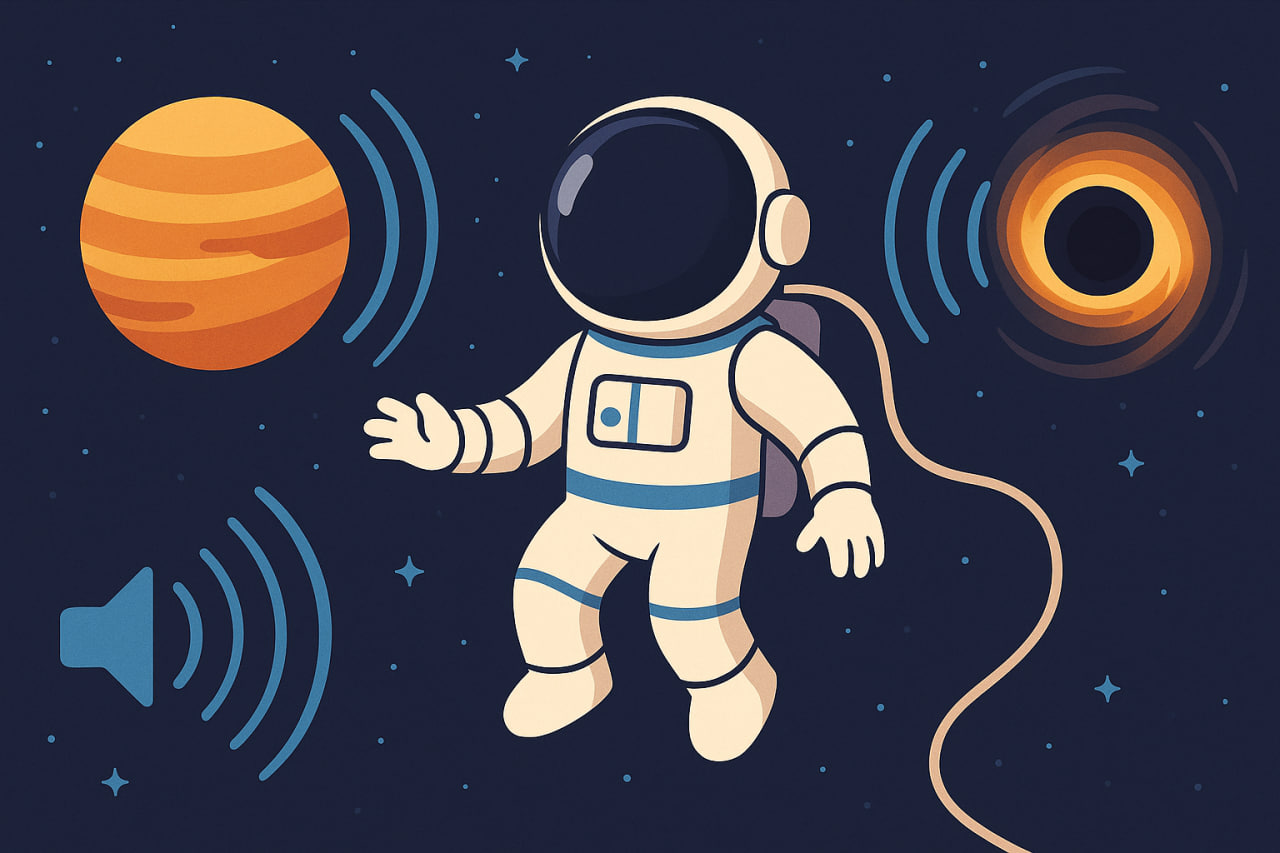
Can We Hear Sound in Space?

When people imagine space, they often think of rockets roaring or battleships exchanging fire in movies. In reality, however, space is silent — at least in the way humans normally understand sound. The reason lies in the physics of how sound travels and the unique conditions of outer space.

How Temperature Is Measured in Space
Cosmic Innovations Hi-Tech Universe

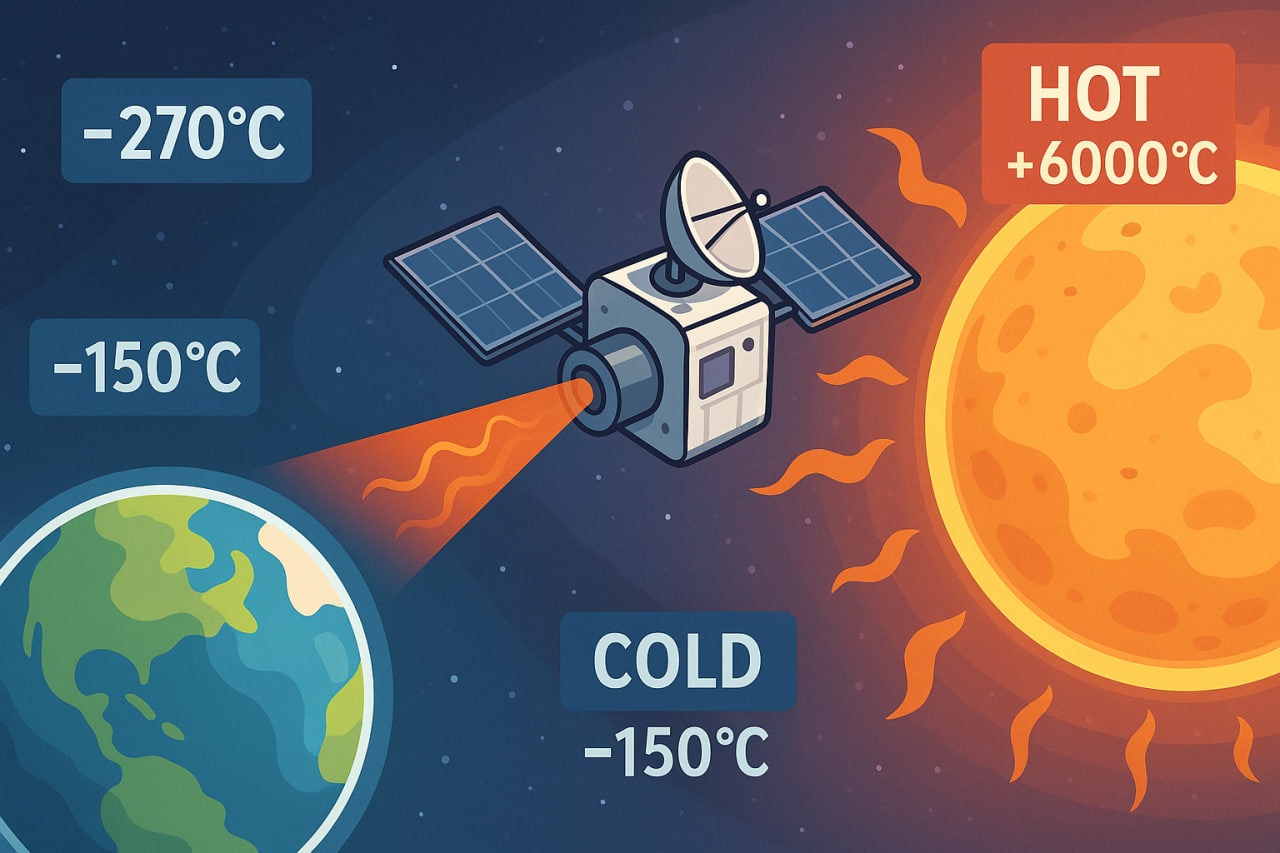
How Temperature Is Measured in Space

Measuring temperature in space is far more complex than taking a thermometer reading on Earth. In the vacuum of space, there is no air to conduct heat, and objects are heated or cooled only by radiation. Spacecraft, satellites, and astronomical instruments must use advanced methods to determine the temperatures of planets, stars, and even the cold void of space itself.

Solar Flares – What They Are and How Dangerous They Can Be
Space Stories Universe

Solar Flares – What They Are and How Dangerous They Can Be

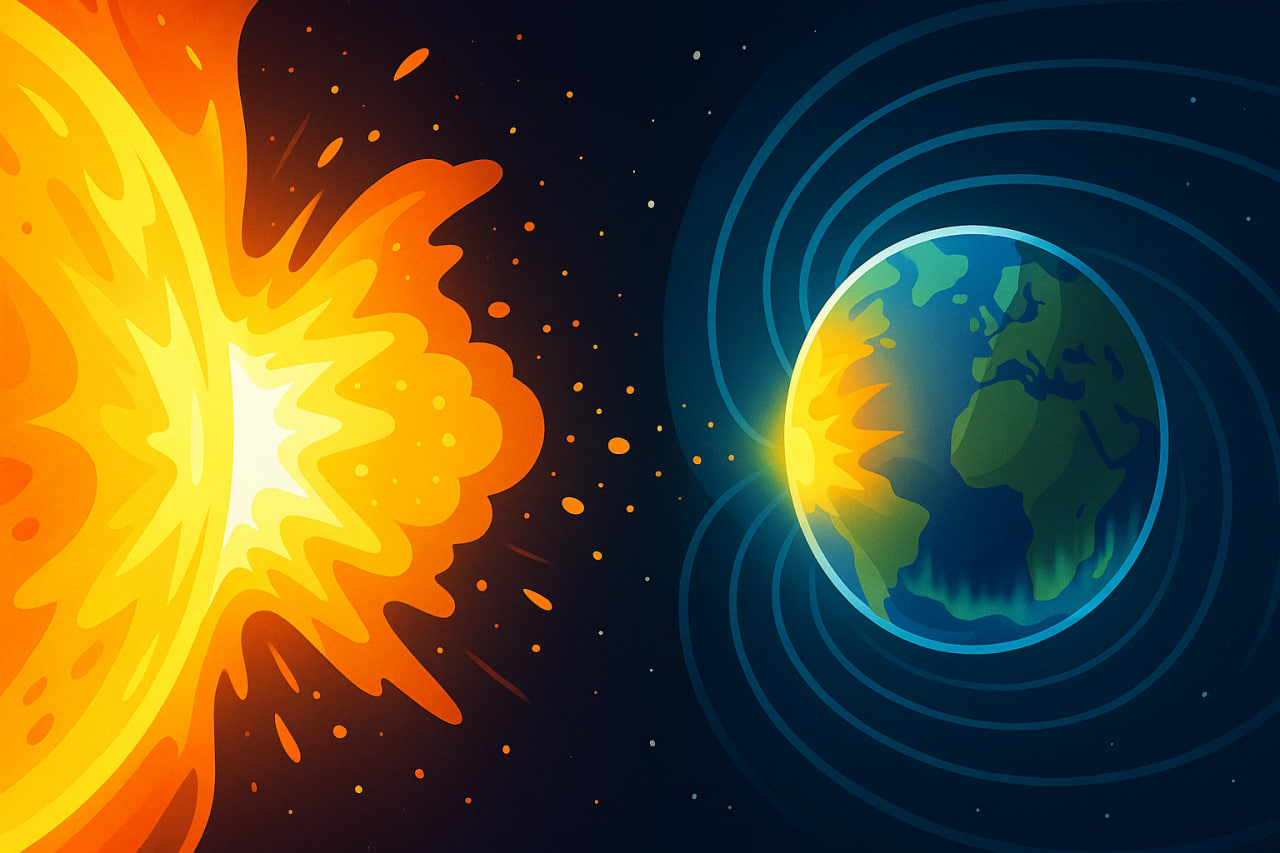
Solar radiation flares are sudden and intense bursts of energy released from the Sun’s surface. They occur when the Sun’s magnetic fields become unstable and release massive amounts of electromagnetic radiation, including X-rays, ultraviolet light, and energetic particles. These flares are the most powerful explosions in our solar system and can affect both space and Earth.

The Solar Corona
Space Stories Universe Solar System

The Solar Corona

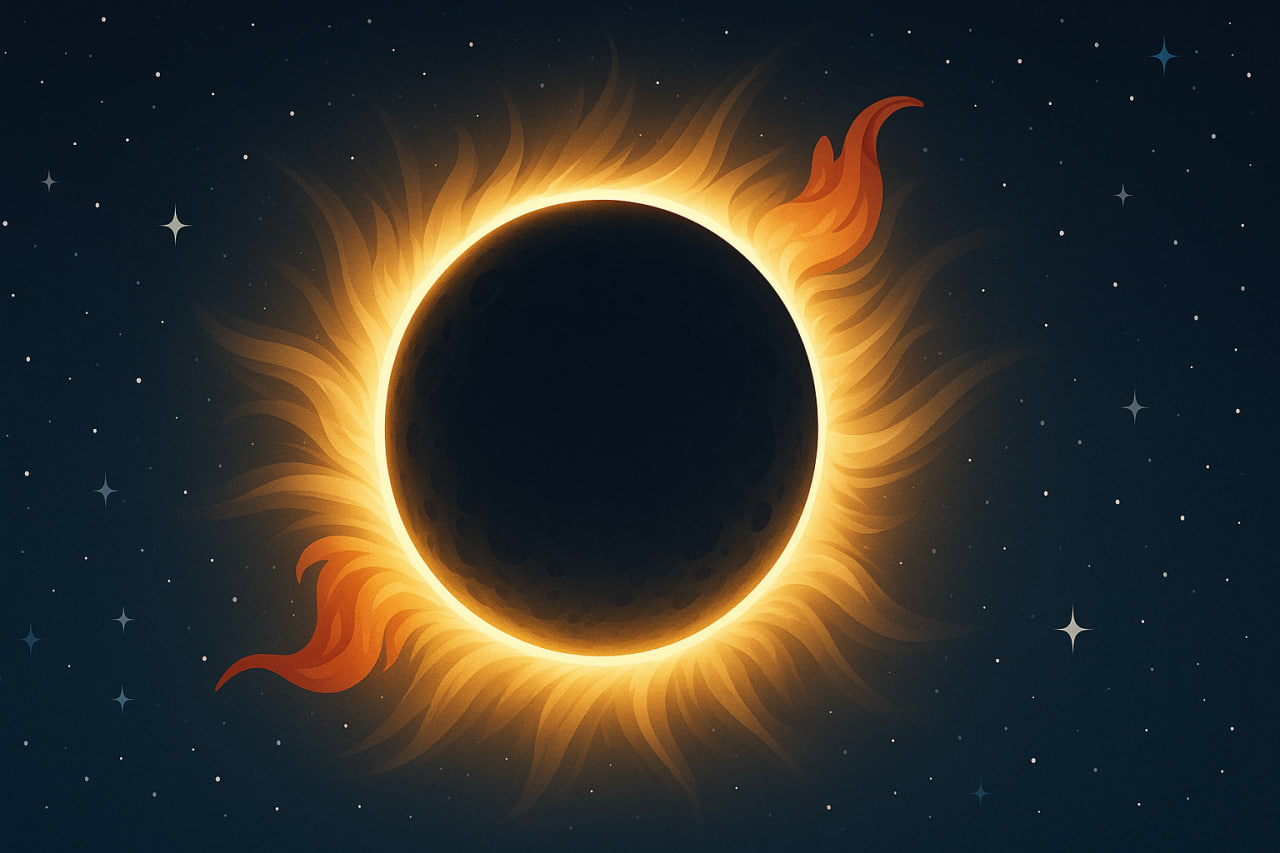
The solar corona is the outermost layer of the Sun’s atmosphere, extending millions of kilometers into space. Although it is extremely thin and faint compared to the bright solar disk, it plays a crucial role in solar activity and space weather. The corona is most visible during a total solar eclipse, when the Moon blocks the Sun’s surface, revealing a glowing halo of light.

What Are Sunspots?
Space Stories Universe

What Are Sunspots?

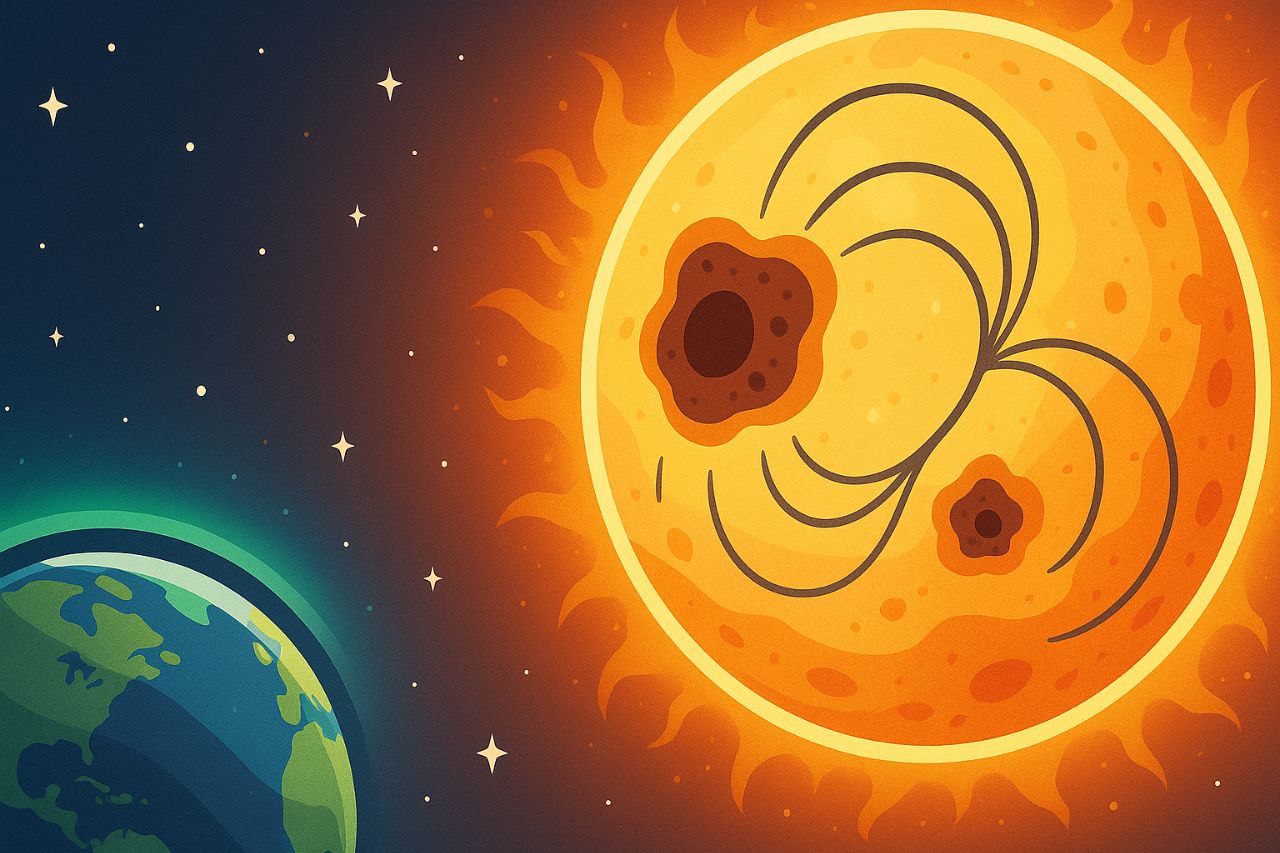
Sunspots are temporary dark areas on the surface of the Sun, appearing darker than their surroundings because they are cooler regions of solar plasma. While the Sun’s surface (the photosphere) usually has a temperature of about 5,500°C, sunspots can be as “cold” as 3,500–4,000°C. This temperature difference makes them stand out as dark spots against the brighter background.

Why Earth Is Magnetic
Universe Be Smart Earth & Moon

Why Earth Is Magnetic

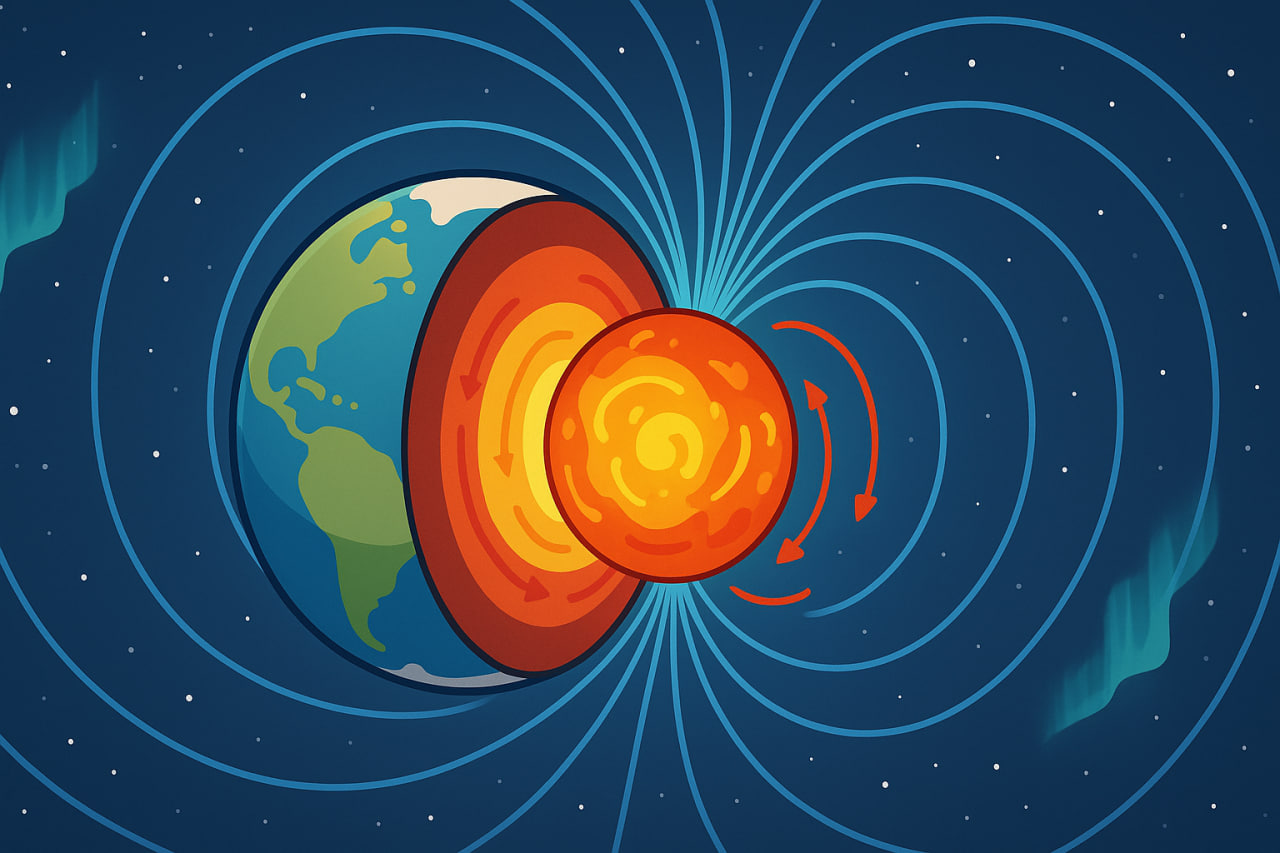
Earth behaves like a giant magnet, creating a magnetic field that extends far into space. This invisible shield, known as the magnetosphere, protects life from harmful cosmic and solar radiation. The origin of this magnetic field lies deep inside our planet, in the movement of molten metals within Earth’s core.

How Landing on Asteroids Happens
Space Stories Smart Technology Universe

How Landing on Asteroids Happens

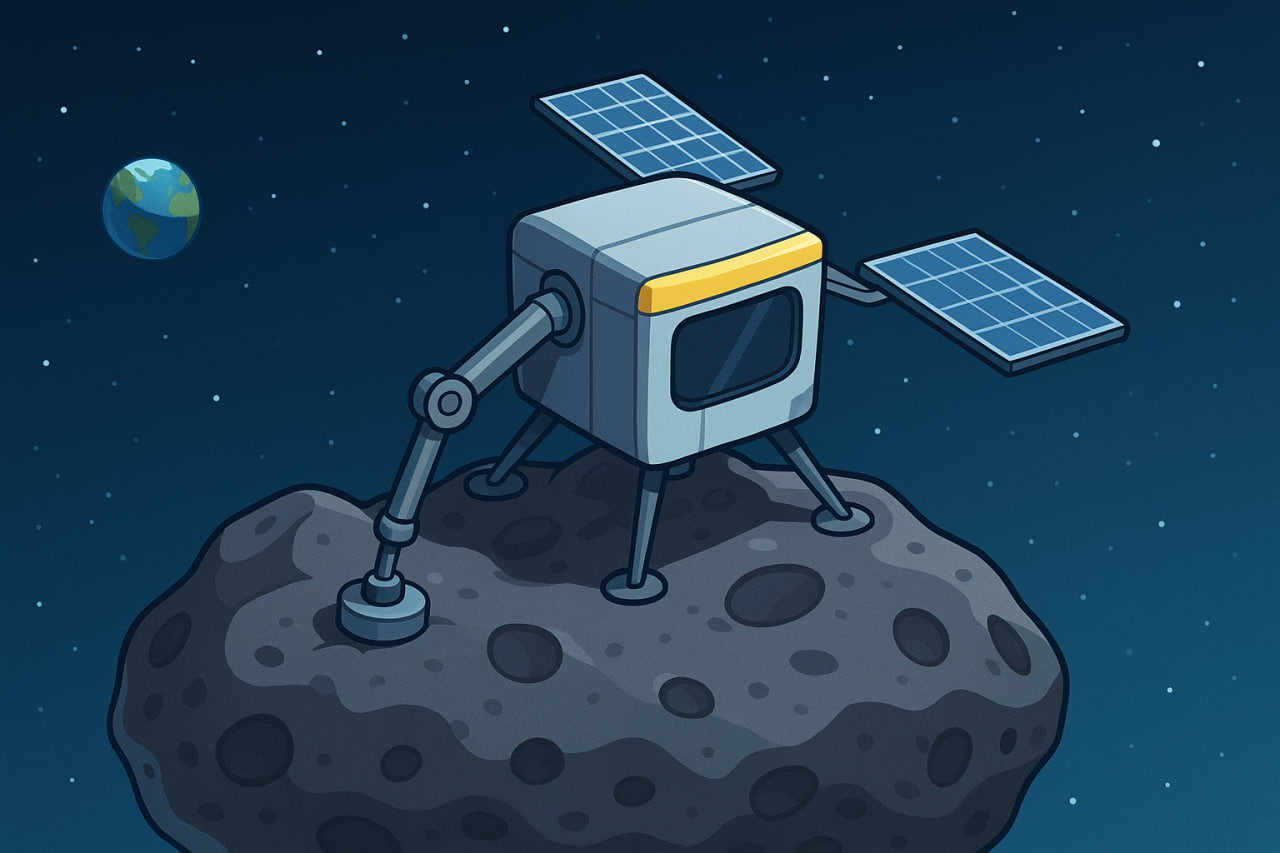
Landing on an asteroid is one of the most challenging tasks in space exploration. Unlike planets or moons, asteroids are small, irregularly shaped, and have extremely weak gravity. This makes the process very different from traditional landings on Earth or the Moon. Space agencies like NASA and JAXA have developed special techniques to study and even collect samples from these rocky bodies.

How Craters Form on Planets and Why They Exist
Space Stories Universe Science

How Craters Form on Planets and Why They Exist

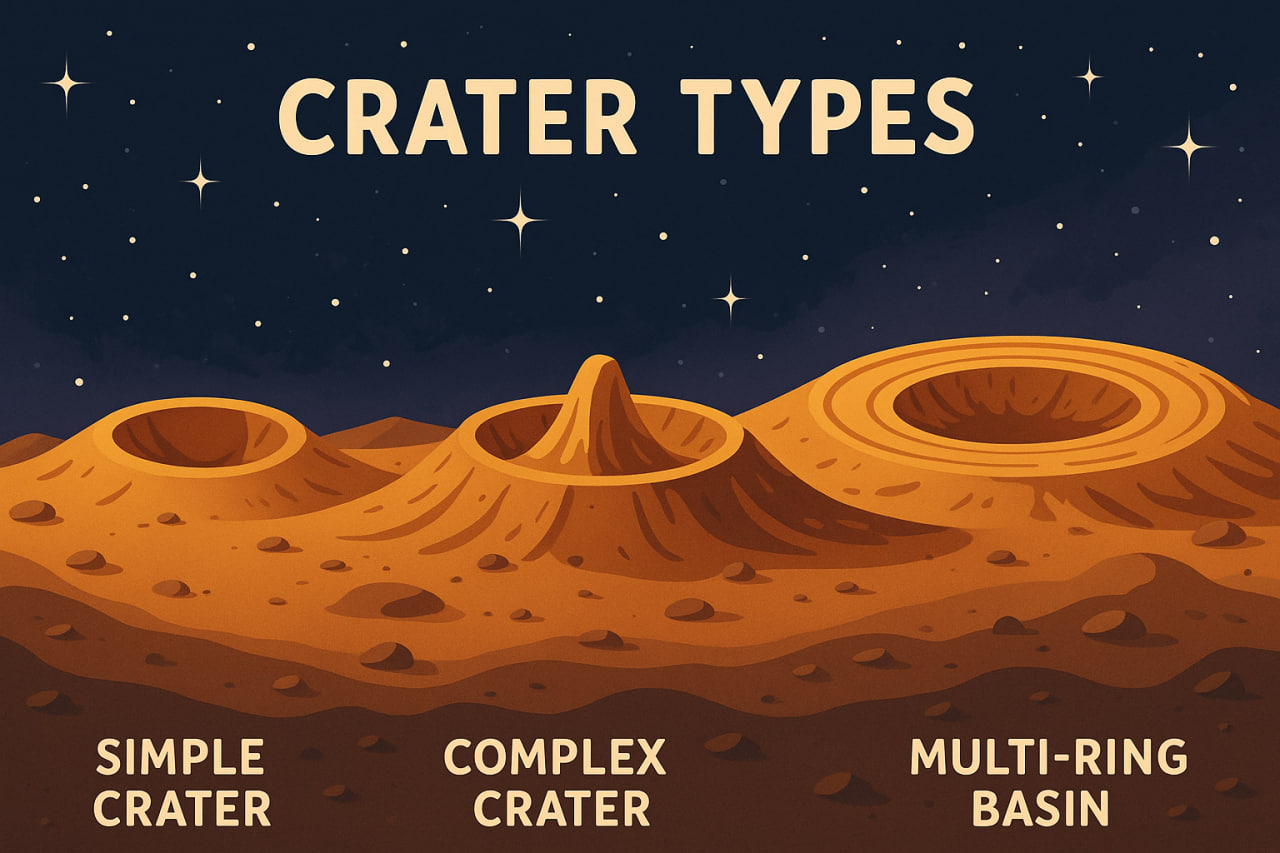
Craters are one of the most common surface features in the Solar System. From the Moon’s pockmarked surface to Mercury, Mars, and even Earth, impact craters tell the story of a planet’s violent past. These round depressions form when asteroids, meteoroids, or comets collide with a planet or moon at high speed, releasing enormous amounts of energy.

How Planets Hold On to Their Atmosphere
Space Stories Universe Solar System

How Planets Hold On to Their Atmosphere

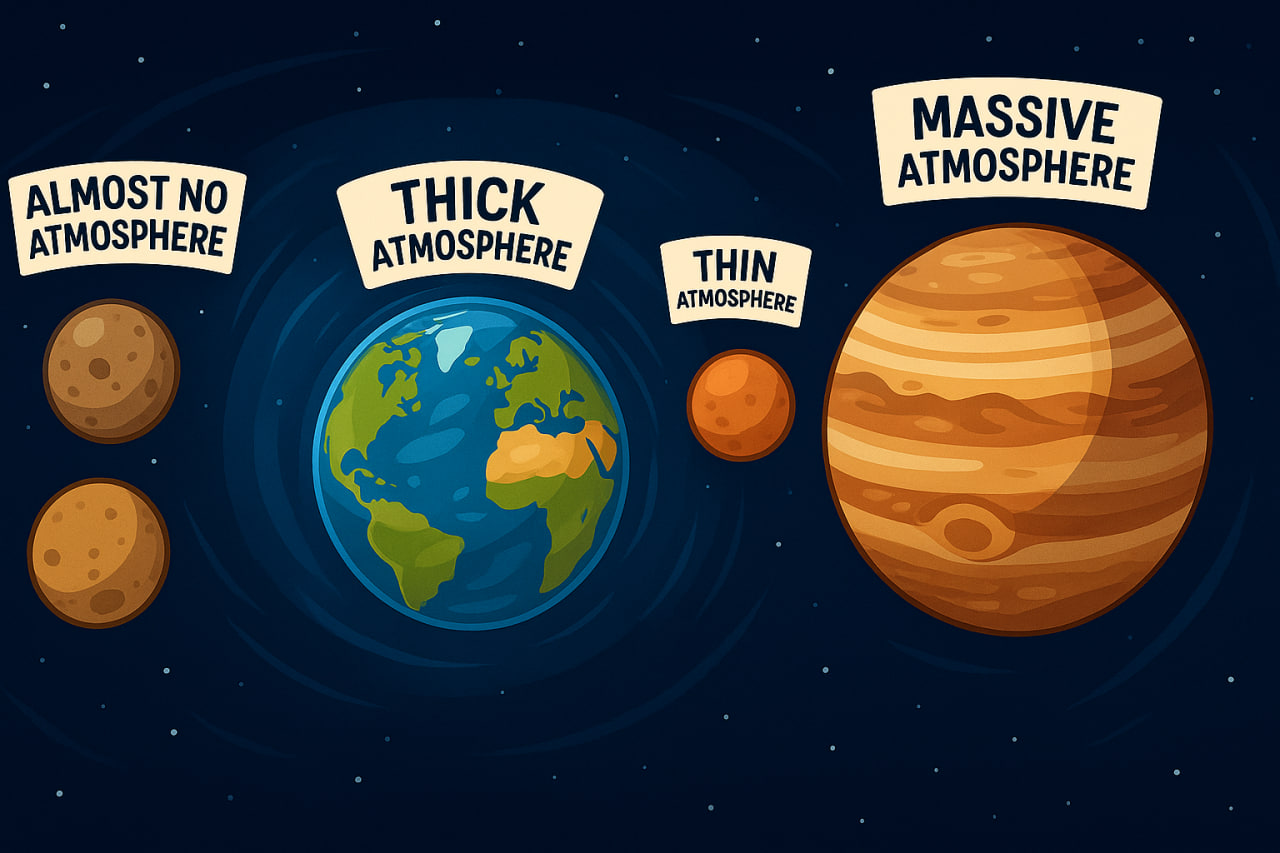
One of the key differences between planets, moons, and other celestial bodies is whether they have an atmosphere—a layer of gases surrounding them. Earth has a rich, life-supporting atmosphere, while Mercury has almost none, and Mars has only a thin one. The ability of a planet to hold an atmosphere depends on several physical and chemical factors, which together determine whether gases escape into space or remain bound to the planet.