Universe

Why Scientific Missions to Asteroids Are Important
Space Stories Universe

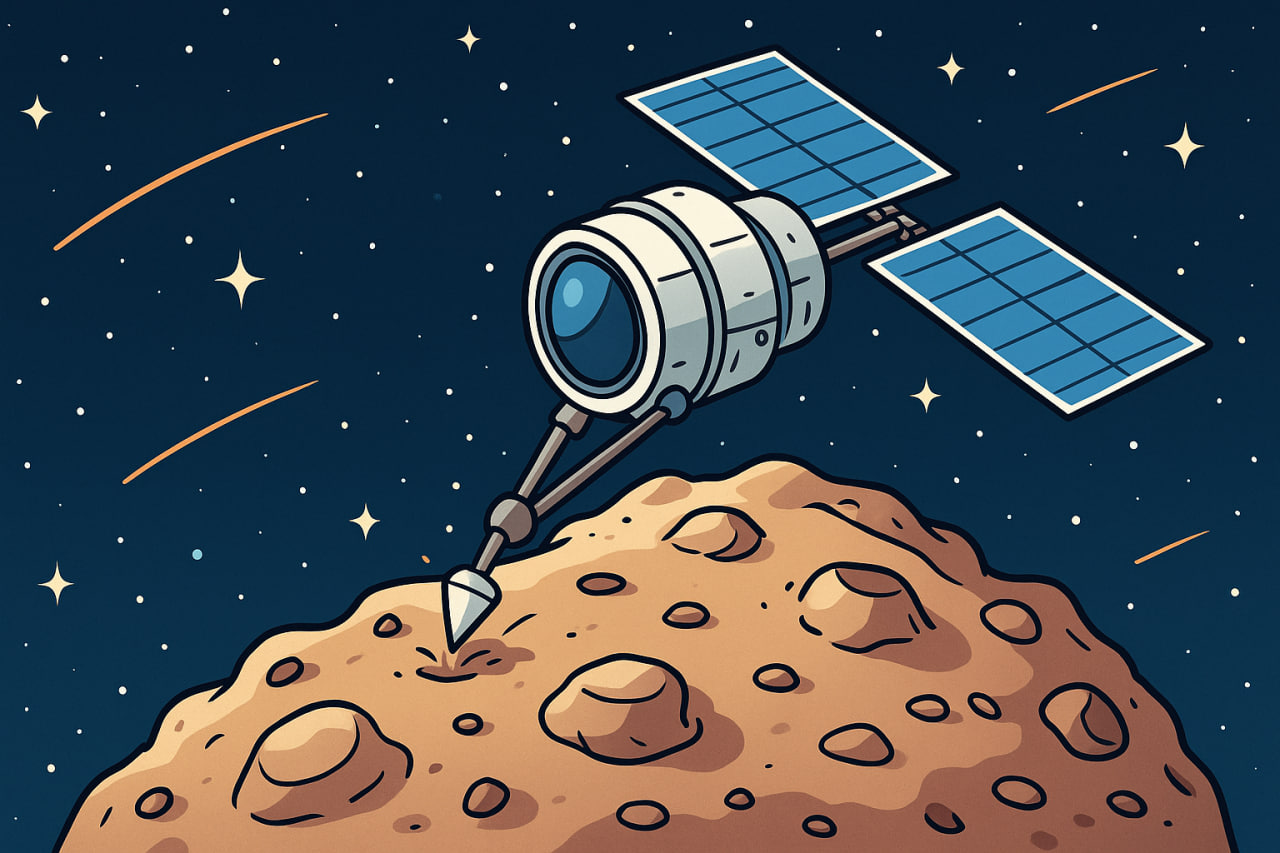
Why Scientific Missions to Asteroids Are Important

Asteroids are remnants of the early solar system, often called cosmic time capsules. Studying them through scientific missions helps us understand the formation of planets, the origins of life, and even provides clues for protecting Earth from future impacts. These missions combine astronomy, geology, and planetary defense, making them crucial for science and safety.
How Space Maps Are Created
Space Stories Hi-Tech Universe

How Space Maps Are Created

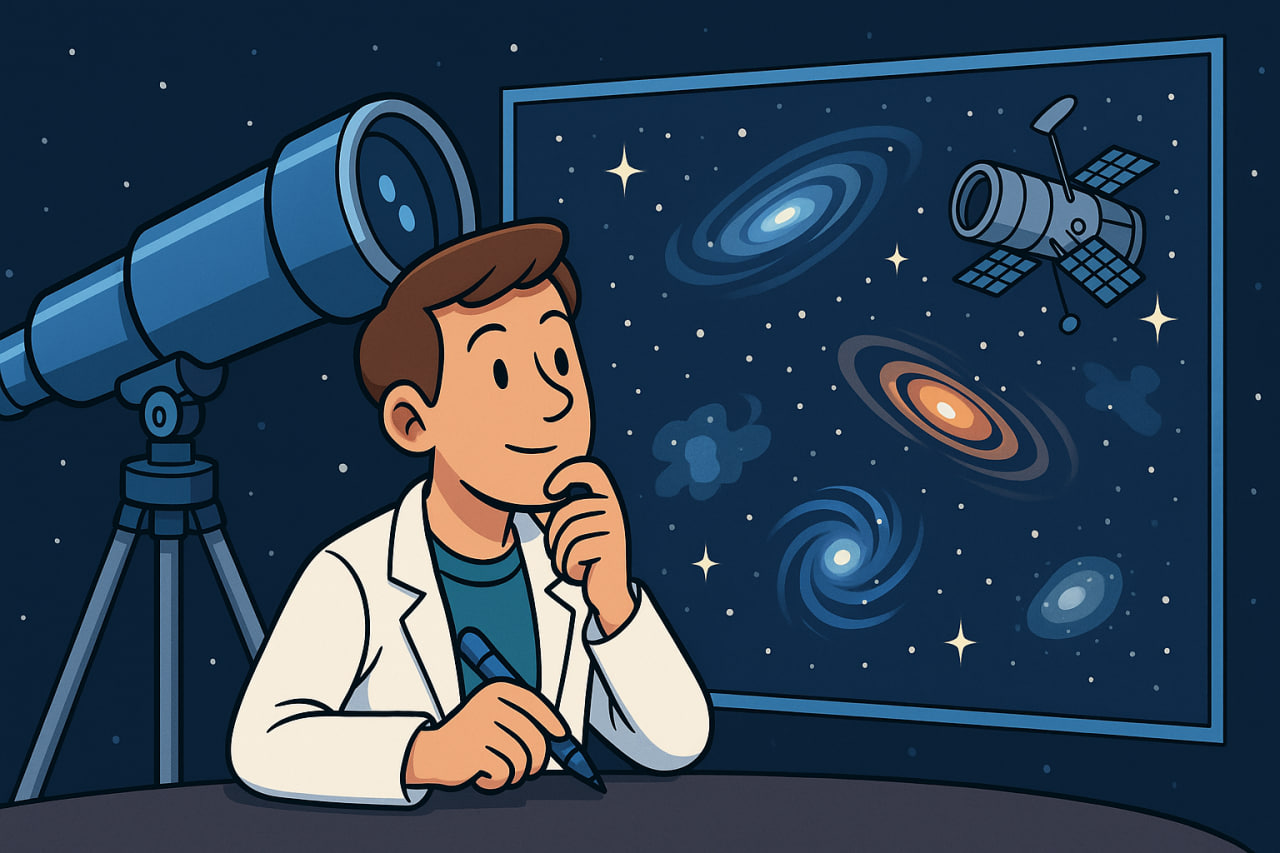
Space maps are essential tools that help astronomers and scientists navigate and understand the universe. Unlike traditional maps of Earth, space maps chart stars, galaxies, planets, and other celestial objects across vast distances. They are built using advanced technology and observations from both the ground and space.

What Are Earth’s Radiation Belts?
Universe Science Earth & Moon

What Are Earth’s Radiation Belts?

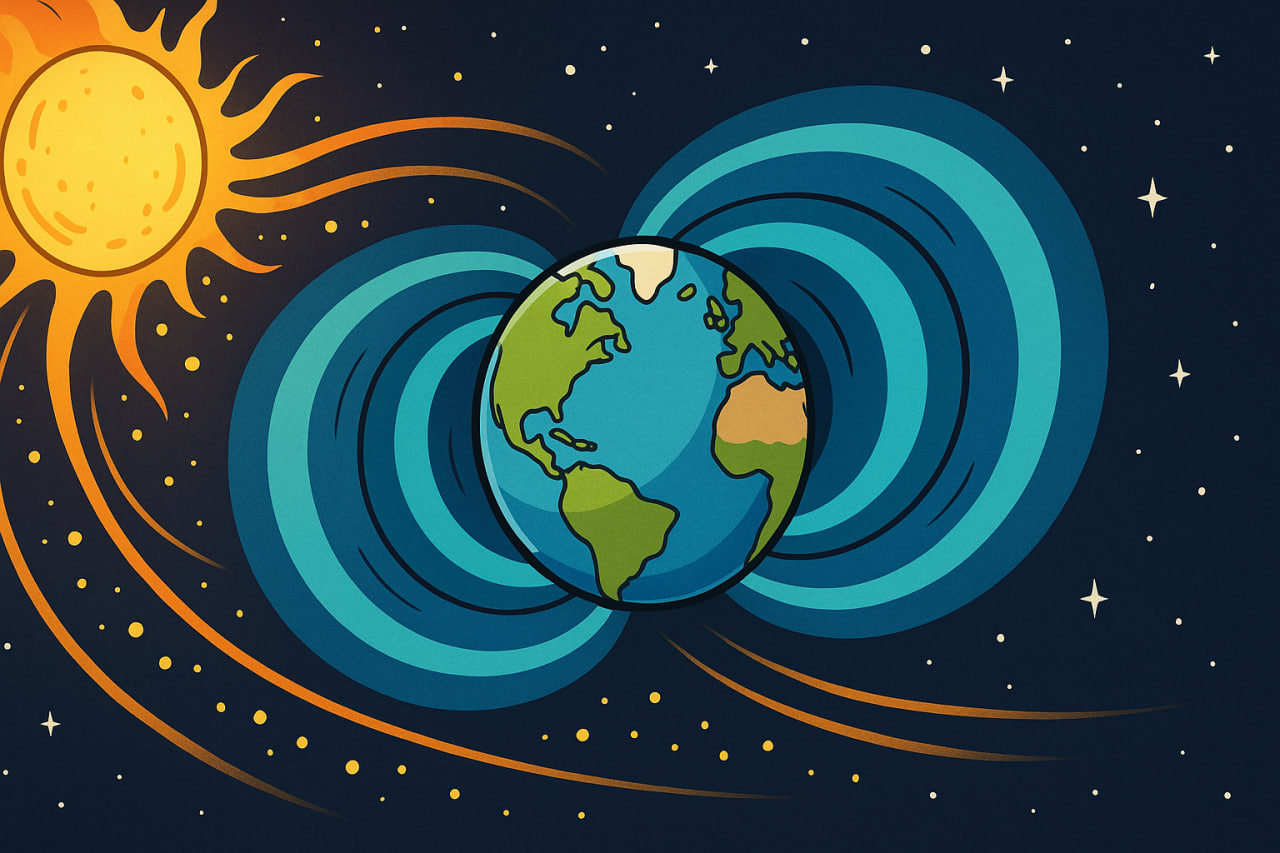
The radiation belts of Earth, also known as the Van Allen belts, are regions around our planet where charged particles from the Sun and cosmic rays are trapped by Earth’s magnetic field. These belts act like invisible shields, protecting life on Earth from harmful radiation while also posing challenges for satellites and astronauts.

How Gravitational Lensing Works
Universe Science New Discoveries

How Gravitational Lensing Works

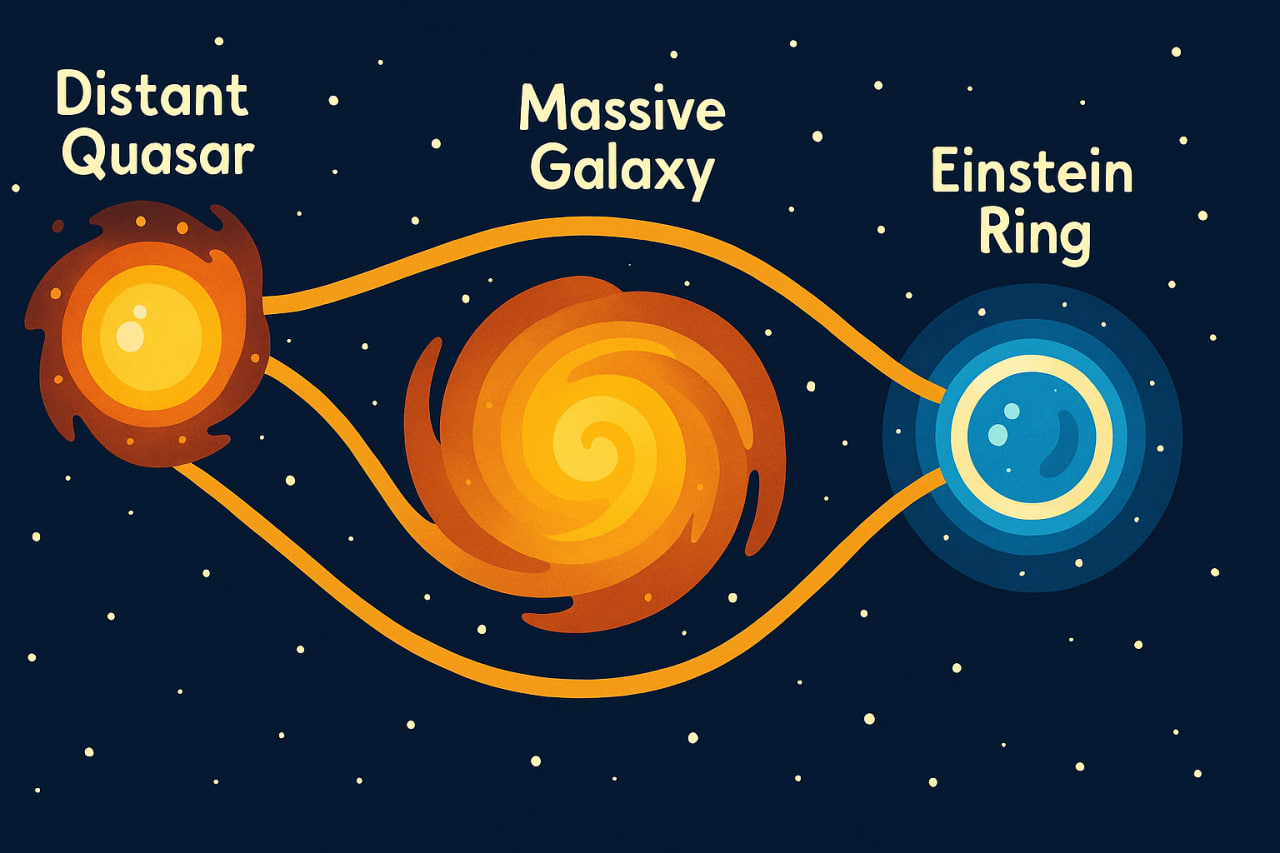
Gravitational lensing is a fascinating effect predicted by Einstein’s theory of general relativity. It occurs when a massive object, such as a galaxy or black hole, bends the path of light coming from a more distant object behind it. This bending of light makes the distant object appear distorted, magnified, or multiplied when observed from Earth.

What Is an Astronomical Unit?
Space Stories Universe Science

What Is an Astronomical Unit?

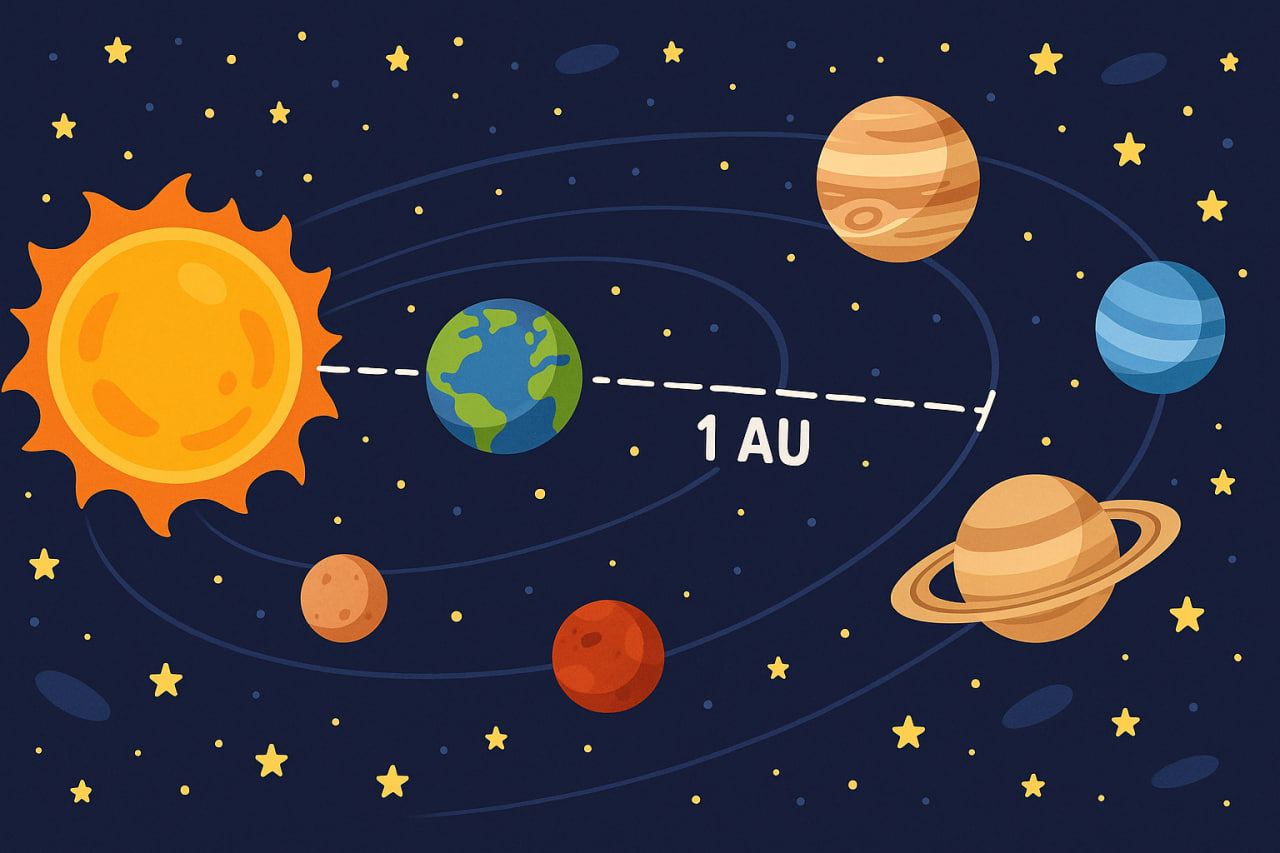
An astronomical unit (AU) is a unit of measurement used in astronomy to describe distances within our solar system. Instead of using kilometers or miles, which would result in extremely large numbers, astronomers use the AU as a more practical scale.

Interesting Facts About Mercury
Space Stories Universe Solar System

Interesting Facts About Mercury

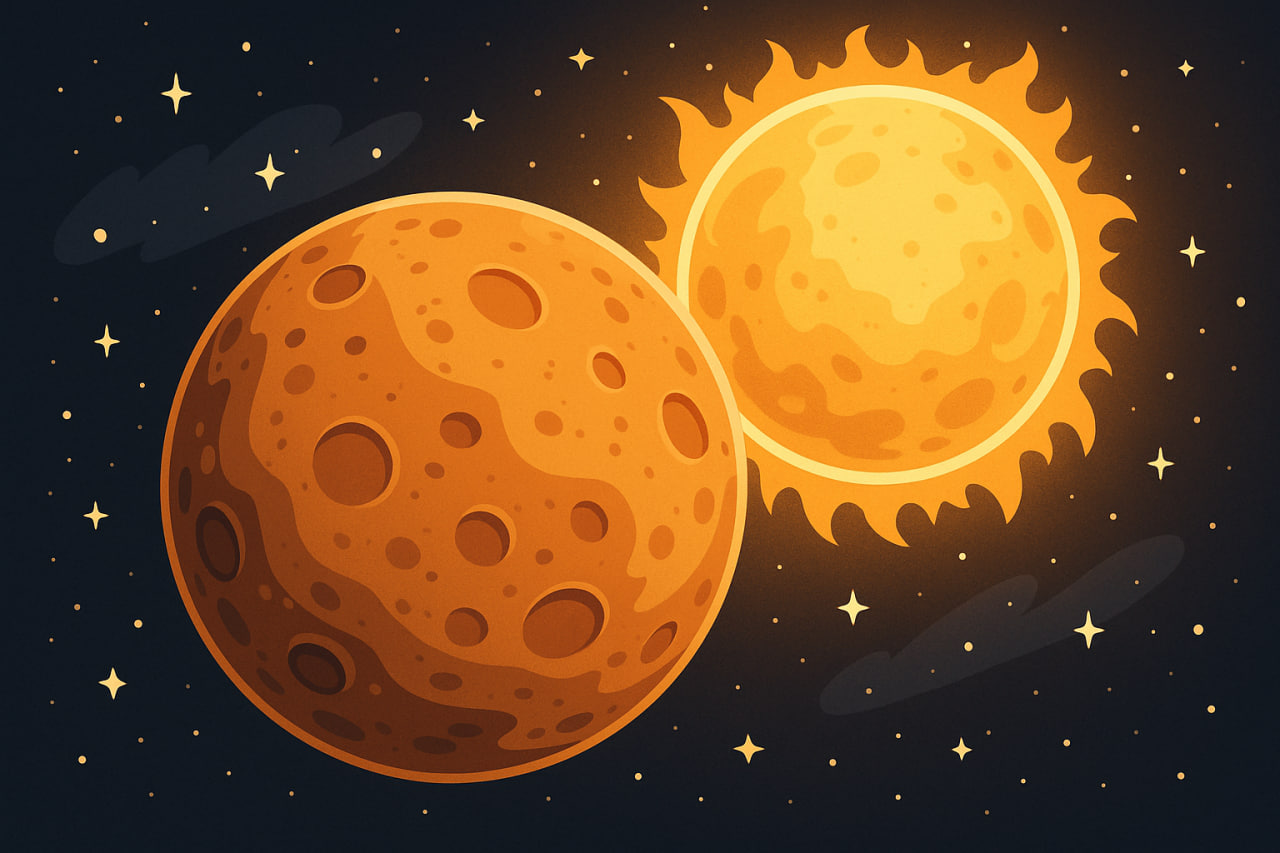
Mercury, the smallest planet in our solar system, is full of fascinating mysteries. Despite being closest to the Sun, it remains one of the least explored planets. Its extreme conditions, unique orbit, and unusual surface make it an exciting subject for astronomers.

Why Saturn Is the Lightest Gas Giant
Space Stories Universe Solar System

Why Saturn Is the Lightest Gas Giant

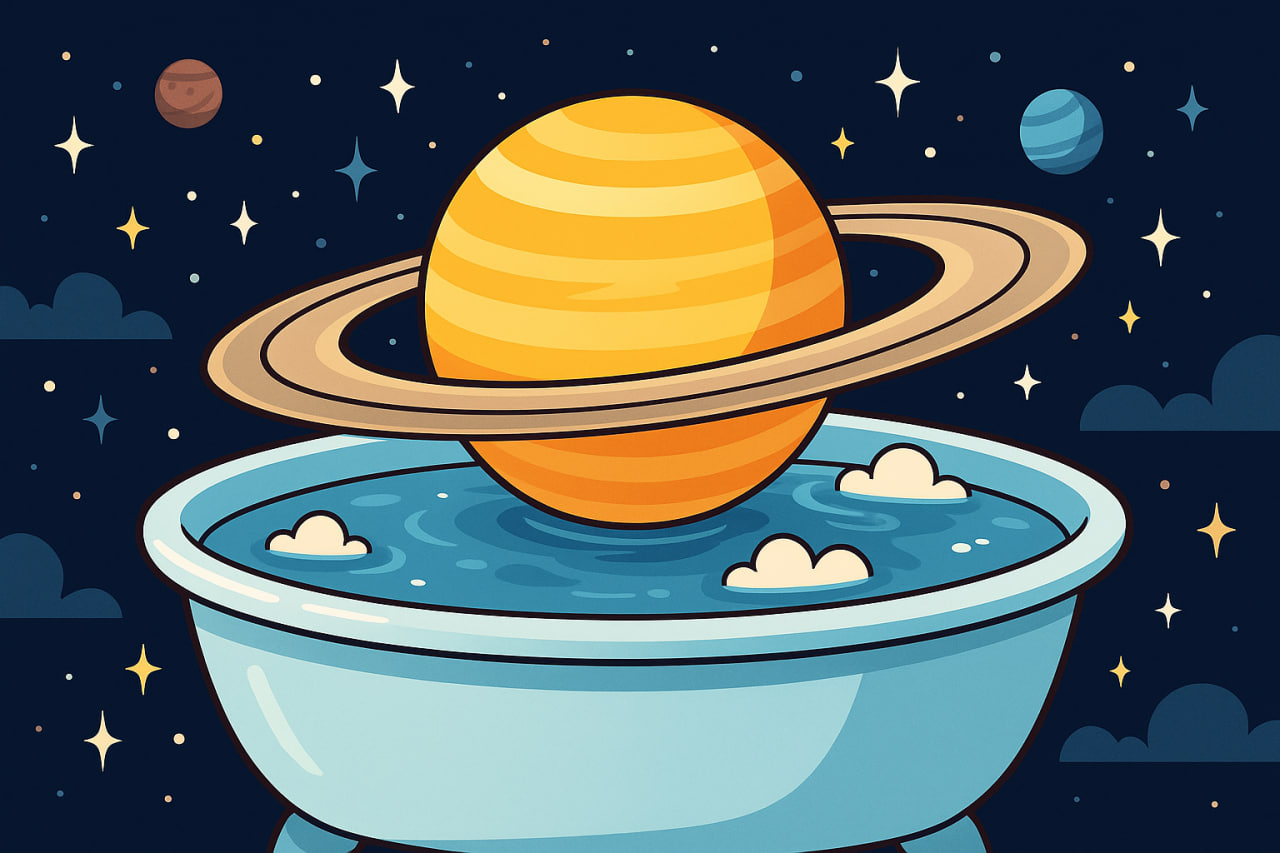
Saturn, the sixth planet from the Sun, is unique among the gas giants because it is the least dense of them all. In fact, Saturn’s average density is so low that if there were a bathtub big enough, the planet could float in water. This extraordinary characteristic makes Saturn the lightest gas giant in our solar system. The reasons for this lie in its composition, size, and structure.

How Planetary Magnetic Fields Work
Space Stories Universe

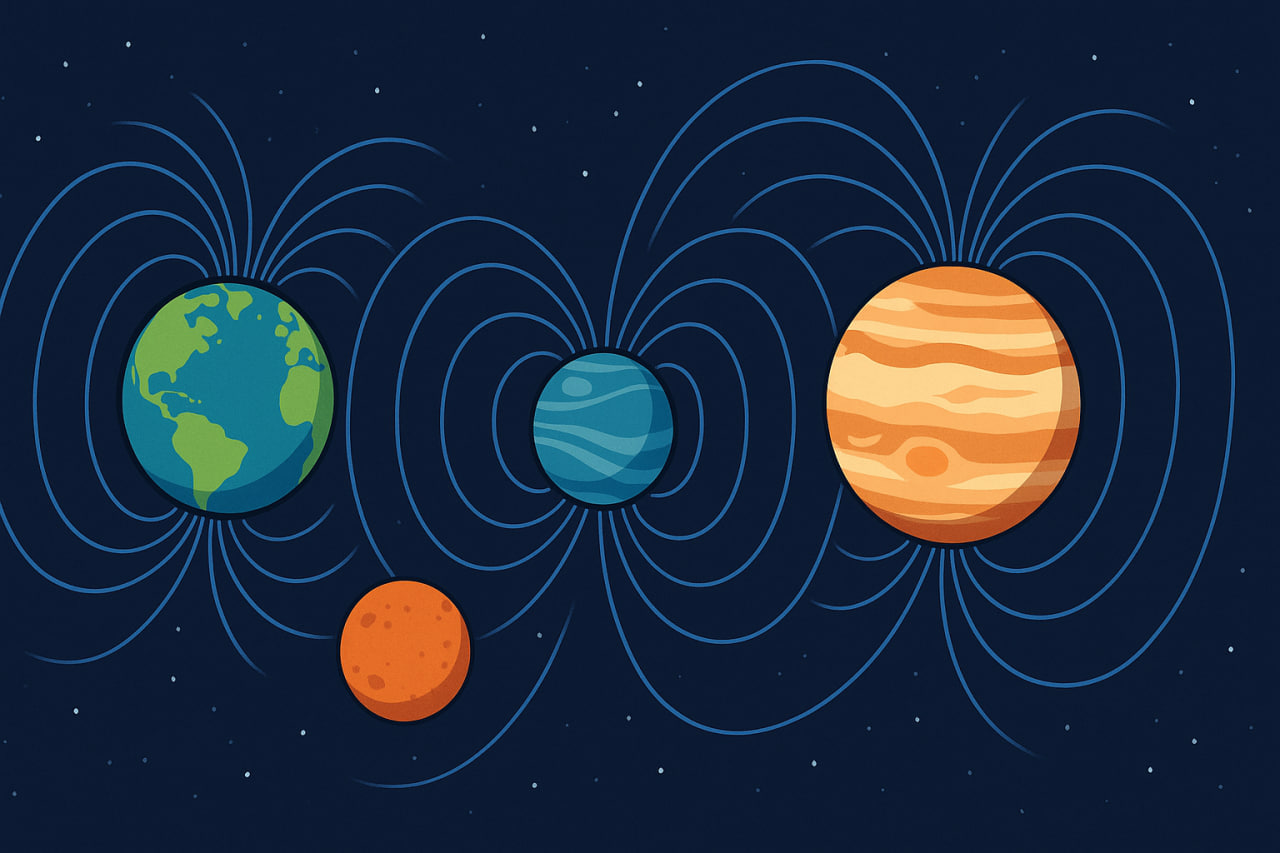
How Planetary Magnetic Fields Work

Magnetic fields are invisible shields that surround many planets, protecting them from harmful solar and cosmic radiation. They are created by complex processes inside planets and play a vital role in shaping planetary atmospheres, climate, and even the potential for life. Understanding how planetary magnetic fields are formed and function helps explain why some planets, like Earth, can sustain life while others cannot.

How Old Is the Universe?
Space Stories Universe

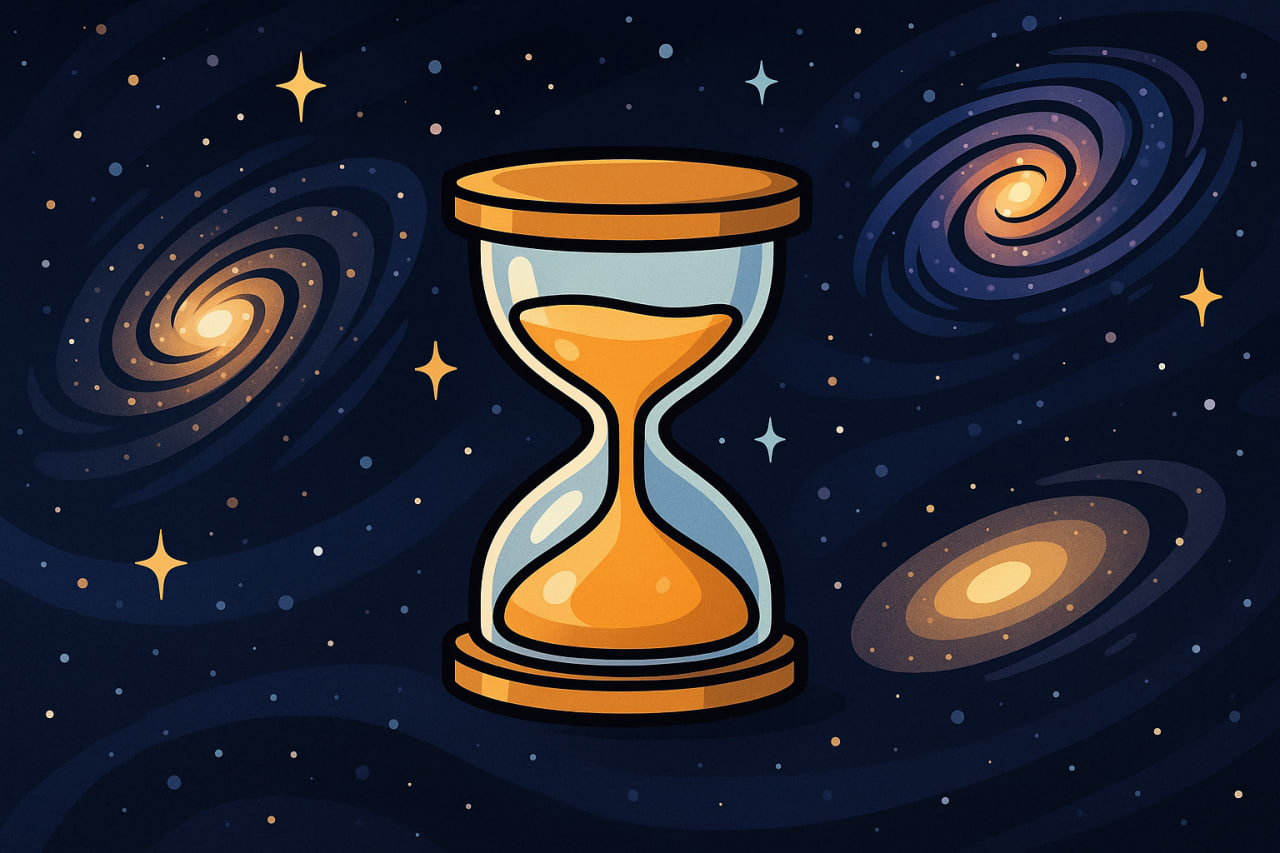
How Old Is the Universe?

The age of the universe is one of the most fundamental questions in cosmology. Scientists estimate that the universe is about 13.8 billion years old. This calculation is based on a combination of astronomical observations, the study of cosmic background radiation, and the expansion rate of the universe. Determining the universe’s age has taken decades of research, with precision improving thanks to advanced telescopes and space missions.

How Star Clusters Form
Space Stories Universe

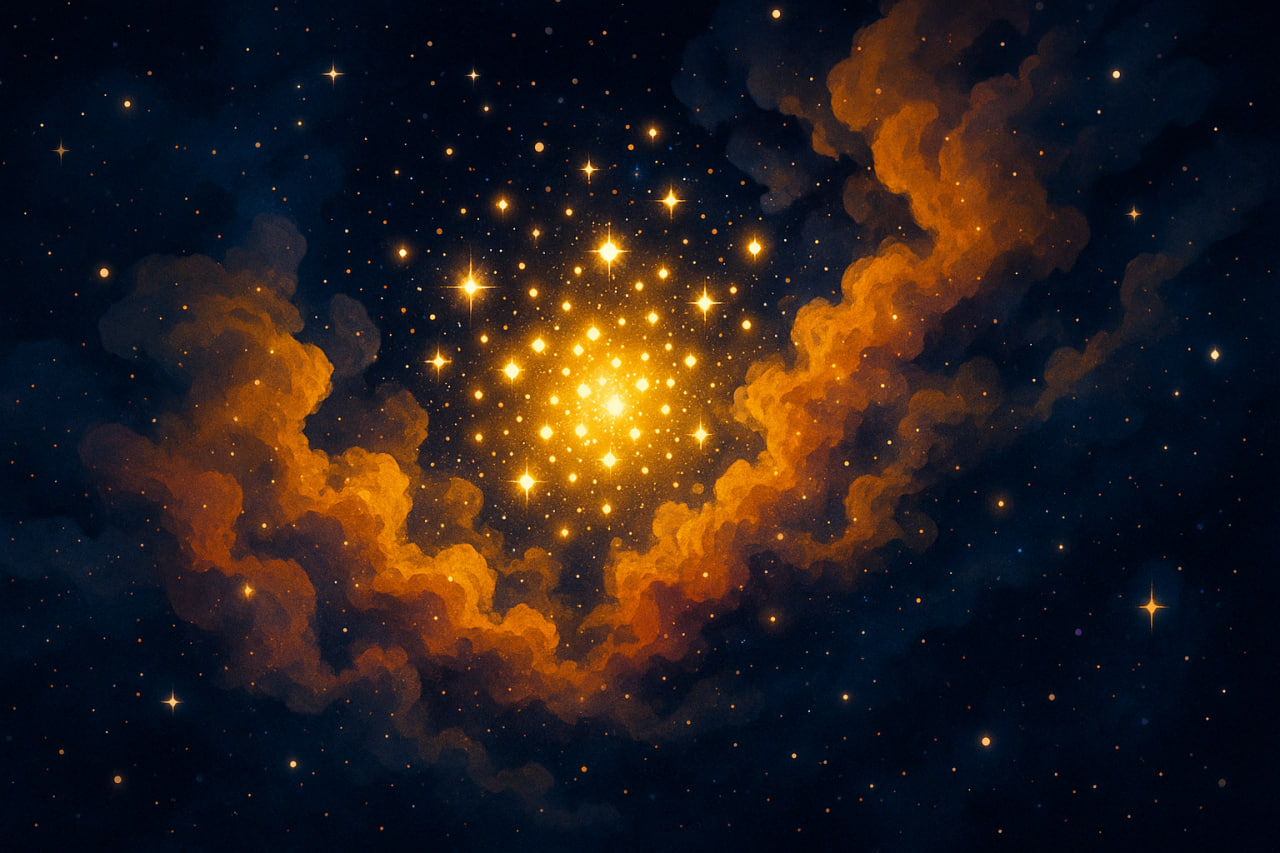
How Star Clusters Form

Star clusters are groups of stars bound together by gravity, often born from the same giant cloud of gas and dust. They provide astronomers with important insights into how stars form and evolve. Since the stars within a cluster are created around the same time and from the same material, they serve as natural laboratories for studying stellar development and the history of our galaxy.