What if?

Does Magic Exist? What Does Science Say
Science Be Smart What if?

Does Magic Exist? What Does Science Say

The idea of magic has fascinated humanity for thousands of years, appearing in myths, religions, folklore, and modern popular culture. People across different civilizations believed that certain individuals could influence reality through hidden forces, rituals, or supernatural abilities. Even today, many claim to experience magical phenomena, from prophetic dreams to unexplained coincidences. Science, however, approaches such claims with caution, relying on observation, experimentation, and evidence rather than belief. This raises an important question: does magic truly exist, or are these experiences better explained by psychology, physics, and the limits of human perception? To answer this, scientists examine what people call “magic” and analyze the mechanisms behind it.
The Space Elevator: A Bold Vision for Reaching Orbit Without Rockets
Cosmic Innovations Hi-Tech Be Smart

The Space Elevator: A Bold Vision for Reaching Orbit Without Rockets

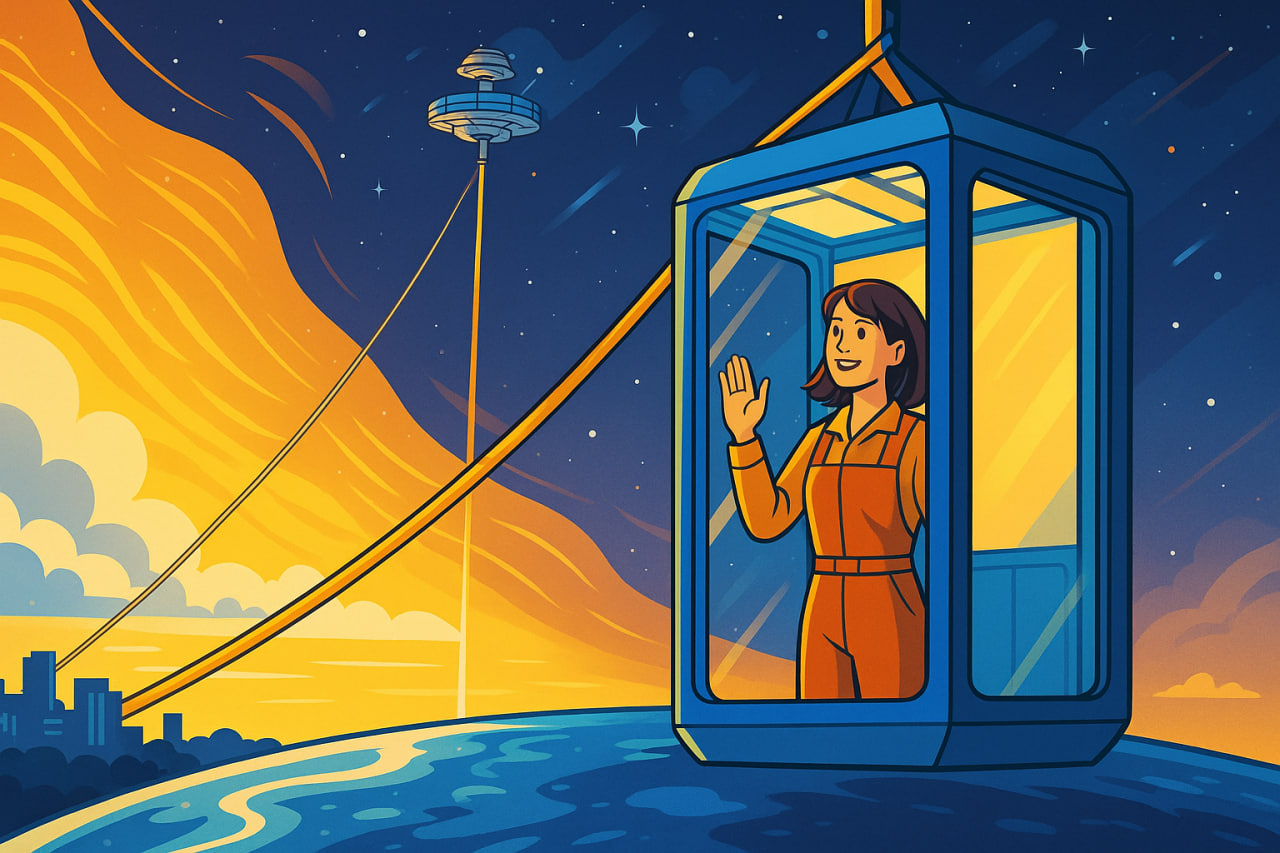
A space elevator is one of the most ambitious engineering concepts ever proposed — a structure extending from Earth’s surface all the way to space, allowing payloads and potentially humans to ascend into orbit without rockets. The idea challenges imagination, physics, and materials science, yet it remains one of the most intensely studied futuristic technologies. If a space elevator becomes possible, it could revolutionize space travel by making access to orbit dramatically cheaper, safer, and more energy-efficient, opening new opportunities for exploration, manufacturing, and off-world development.

Teleportation: What Science Understands Today and What the Future May Hold
Science New Discoveries Be Smart

Teleportation: What Science Understands Today and What the Future May Hold

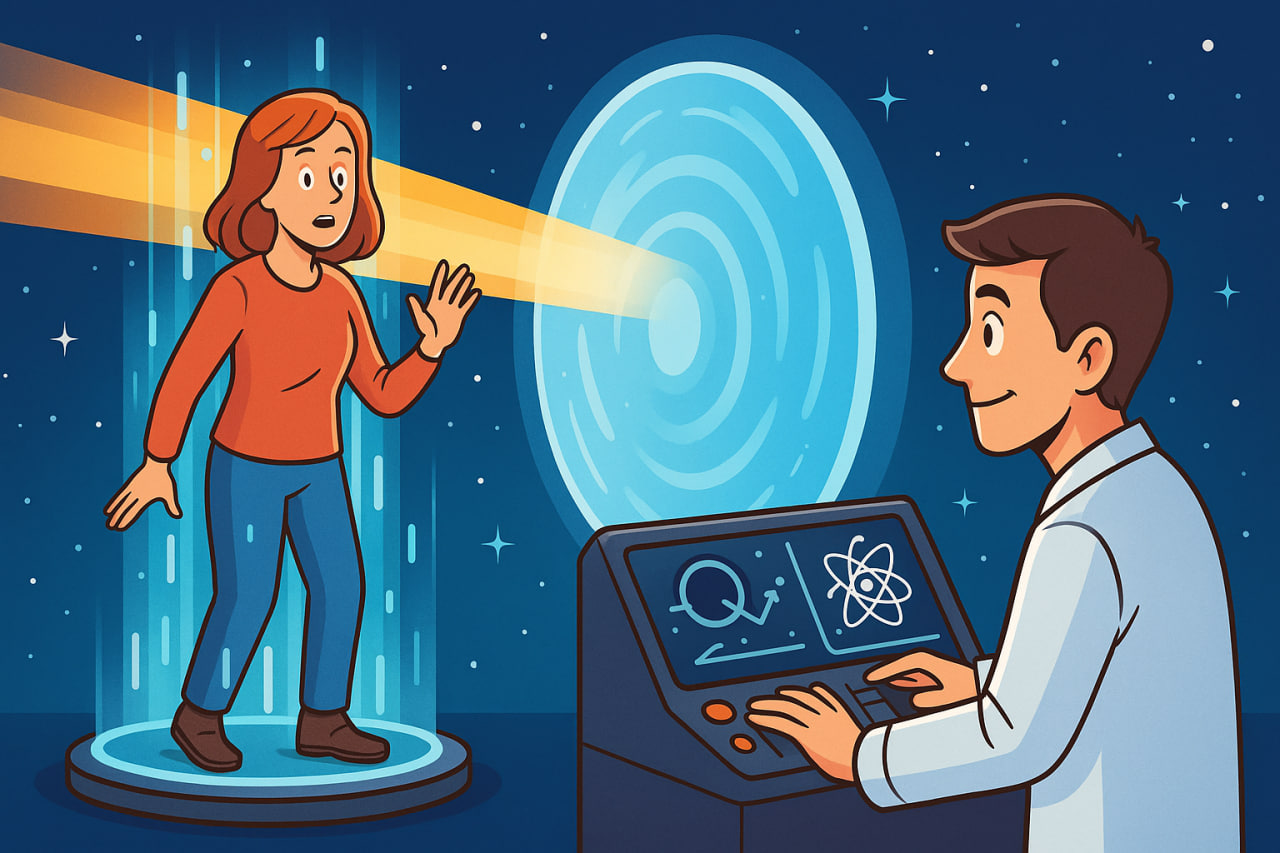
Teleportation has long fascinated humanity — from ancient myths to modern science fiction. The idea of instantly transferring objects or people from one place to another captures the imagination because it challenges our fundamental understanding of space, motion, and physical constraints. While physical teleportation of humans remains impossible with today’s science, quantum teleportation is a real and experimentally proven phenomenon that already powers breakthroughs in communication, cryptography, and fundamental physics research. Understanding what teleportation truly means in scientific terms reveals both the astonishing potential and the strict limitations of current physics.

Einstein–Rosen Bridges: The Science Behind Wormholes and the Possibility of Connecting Distant Regions of Space
Science New Discoveries Be Smart

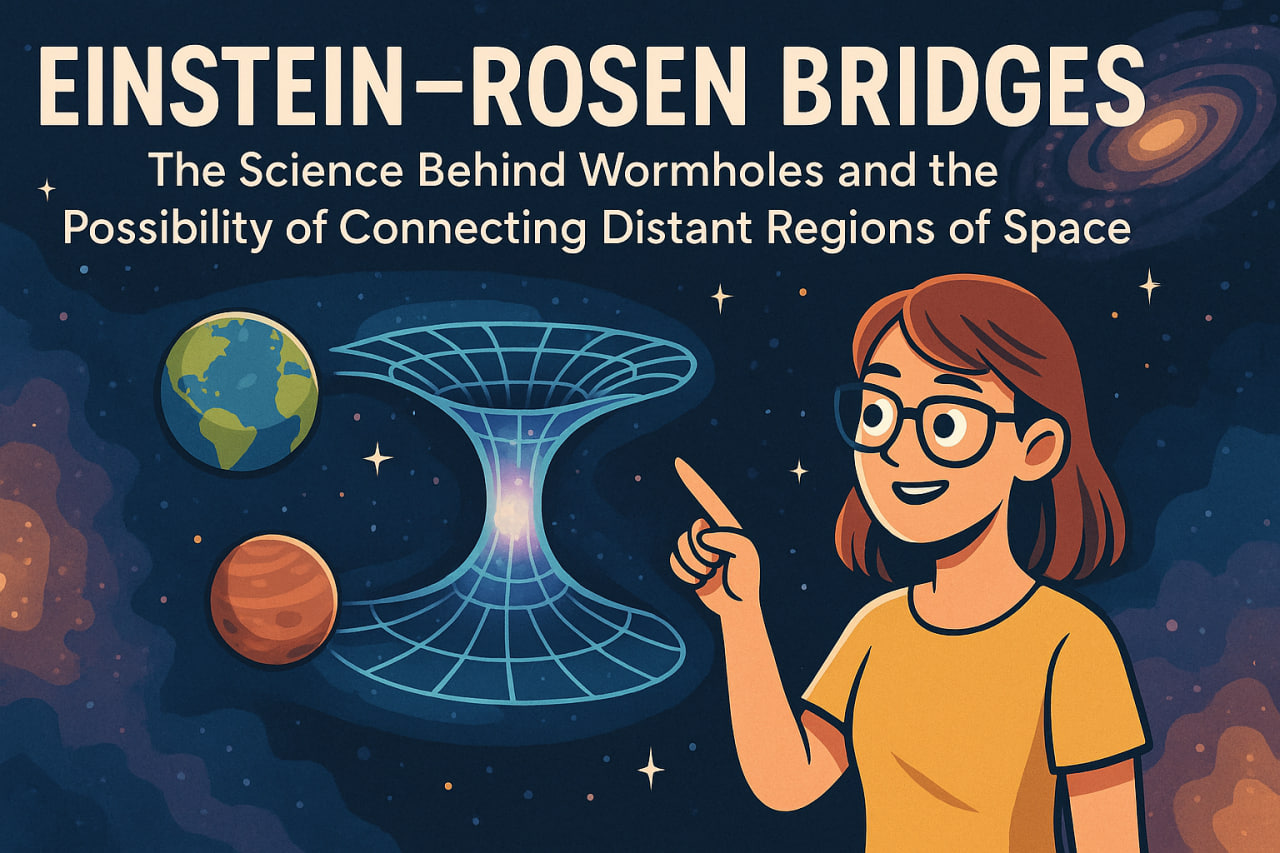
Einstein–Rosen Bridges: The Science Behind Wormholes and the Possibility of Connecting Distant Regions of Space

Einstein–Rosen bridges, more commonly known as wormholes, are hypothetical structures predicted by the equations of general relativity. They represent tunnels through spacetime that could, in theory, connect distant regions of the universe — or even different universes entirely. While no wormhole has ever been observed, the mathematics behind them is grounded in legitimate physics, and scientists continue to explore whether such phenomena could exist in reality. Wormholes embody some of the most fascinating ideas in modern theoretical research, blending gravity, quantum mechanics, and geometry into a single, exotic concept.

Stargates: What Science Says About The Possibility of Instant Cosmic Travel
Science Be Smart What if?

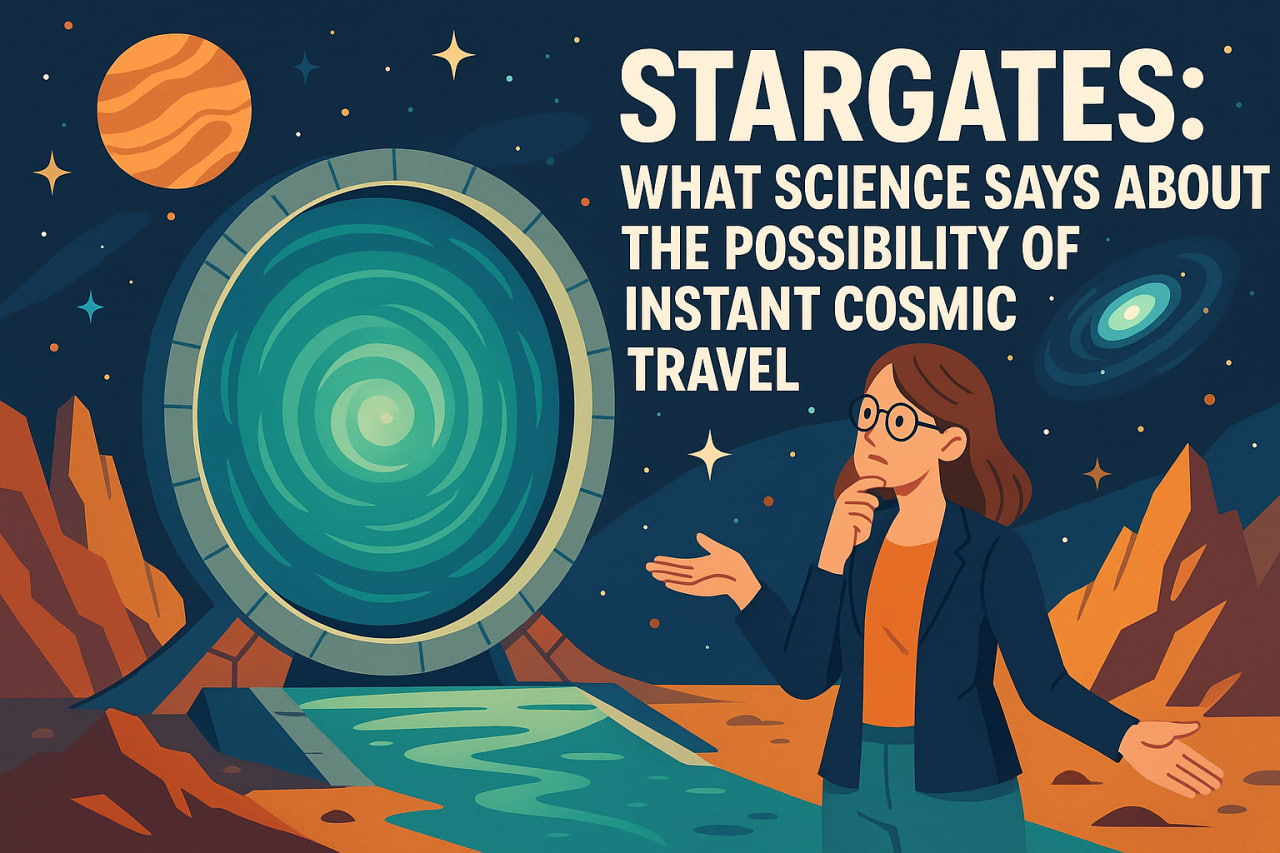
Stargates: What Science Says About The Possibility of Instant Cosmic Travel

The concept of a stargate — a portal enabling instant travel across vast cosmic distances — appears in mythology, science fiction, and pop culture. But beneath the fiction lies a serious scientific question: could nature allow shortcuts through spacetime that resemble stargates? Modern physics does not dismiss the idea entirely. While no evidence of real stargates exists, several scientific theories explore mechanisms that could theoretically allow instantaneous travel or connections between distant regions of the universe. These include wormholes, quantum entanglement, exotic matter, and the geometry of spacetime predicted by Einstein’s relativity.

Can We Use Neutrino Energy? What Science Really Says About the Universe’s Most Elusive Particles
Science Be Smart What if?

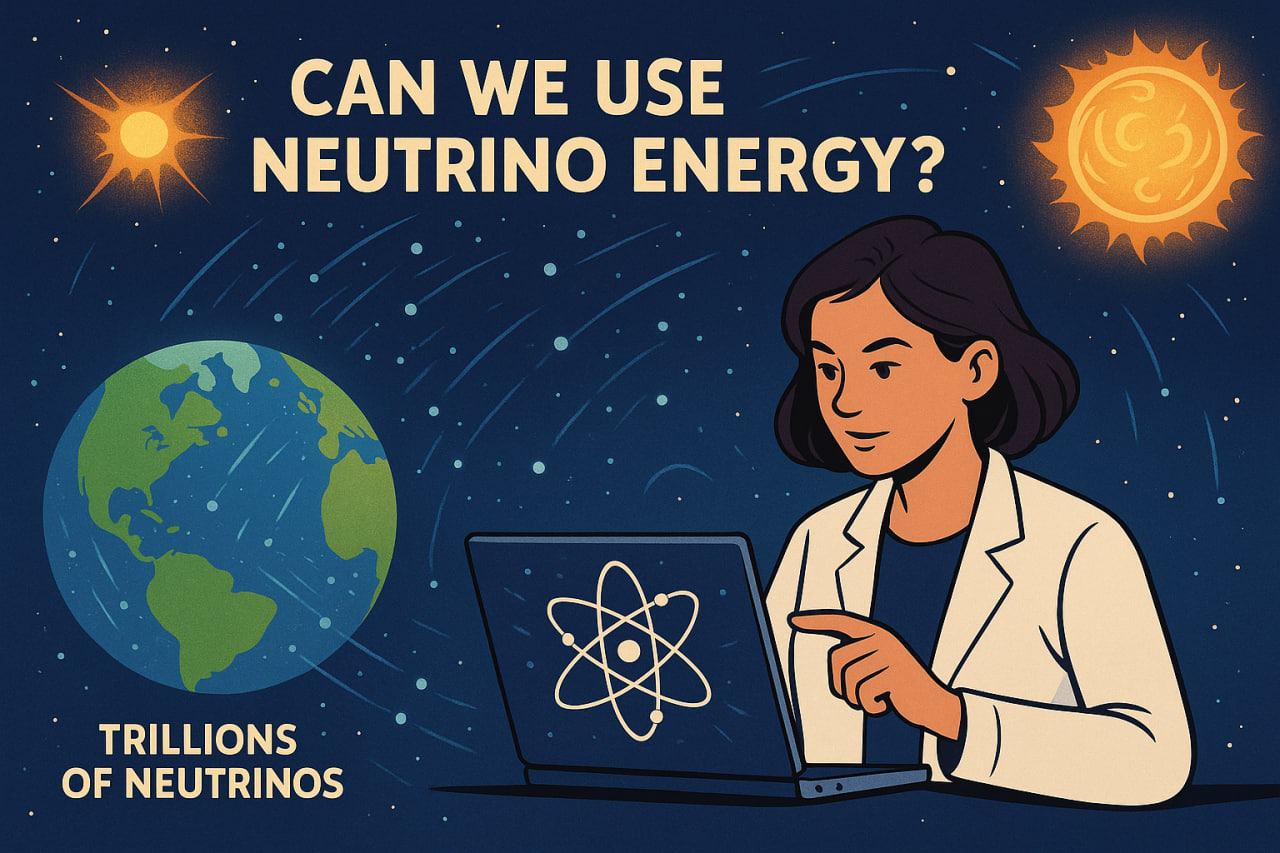
Can We Use Neutrino Energy? What Science Really Says About the Universe’s Most Elusive Particles

Neutrinos are among the most mysterious and abundant particles in the universe. Trillions of them pass through every human body every second, traveling almost at the speed of light, interacting so rarely with matter that they can cross entire planets without slowing down. This strange behavior has led to a popular question: can neutrinos be used as a source of energy? While the idea is fascinating and appears frequently in futuristic discussions, real scientific evidence shows that neutrino energy harvesting faces enormous challenges. Understanding why requires a closer look at what neutrinos are, how they behave, and what modern physics can (and cannot) do with them.

String Theory: A Bold Framework for Understanding the Universe
Science What if?

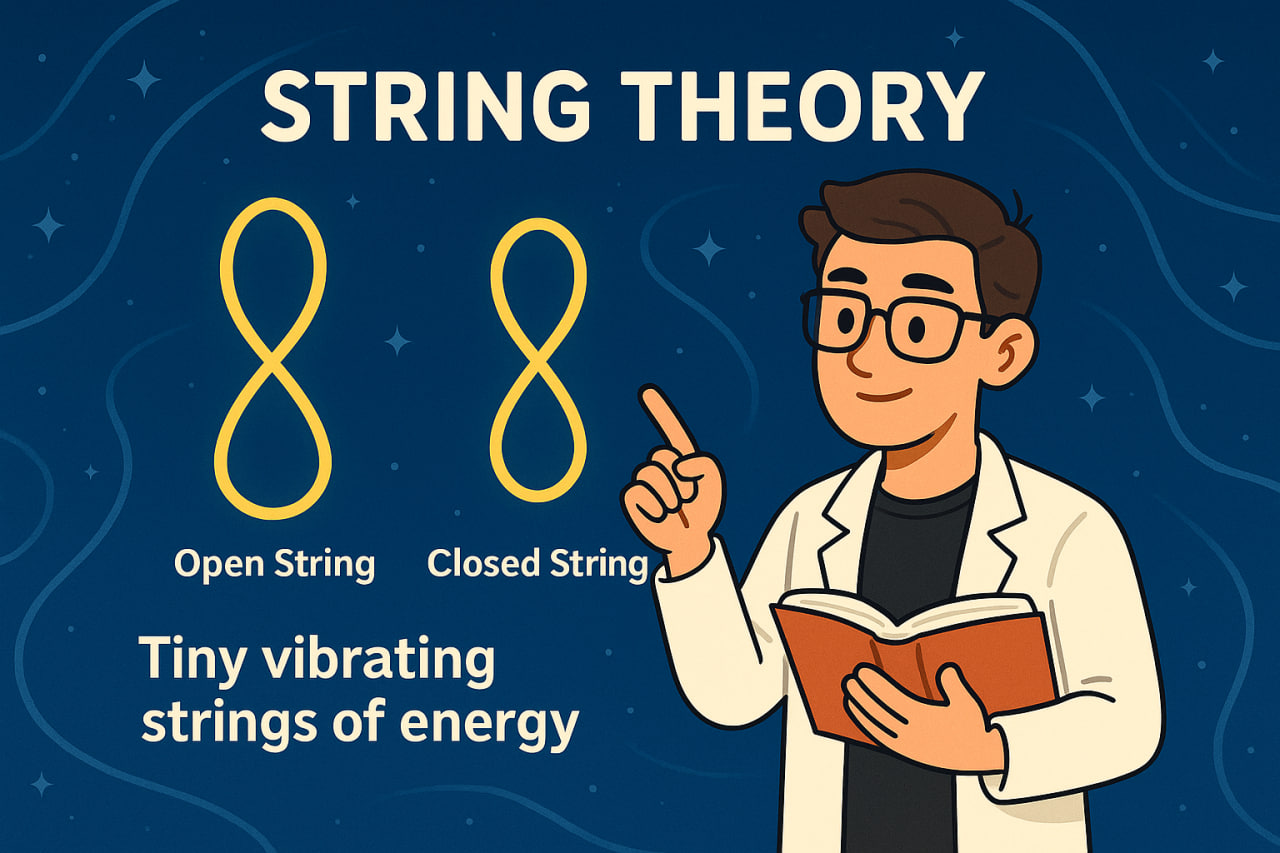
String Theory: A Bold Framework for Understanding the Universe

String theory is one of the most ambitious and mathematically rich ideas in modern physics. It proposes that the fundamental building blocks of the universe are not point-like particles but tiny vibrating strings of energy. These strings can vibrate in different modes, and each mode corresponds to a different particle — much like how different vibrations of a guitar string produce different musical notes. String theory aims to unify all the forces of nature, including gravity, into a single coherent framework. By doing so, it attempts to bridge the long-standing gap between quantum mechanics and general relativity, two pillars of physics that traditionally resist reconciliation. Although still theoretical, string theory has inspired breakthroughs in mathematics, cosmology, and high-energy physics.

Is Life Possible Without Air and Water? Exploring the Limits of Biological Survival
Space Stories Universe What if?

Is Life Possible Without Air and Water? Exploring the Limits of Biological Survival

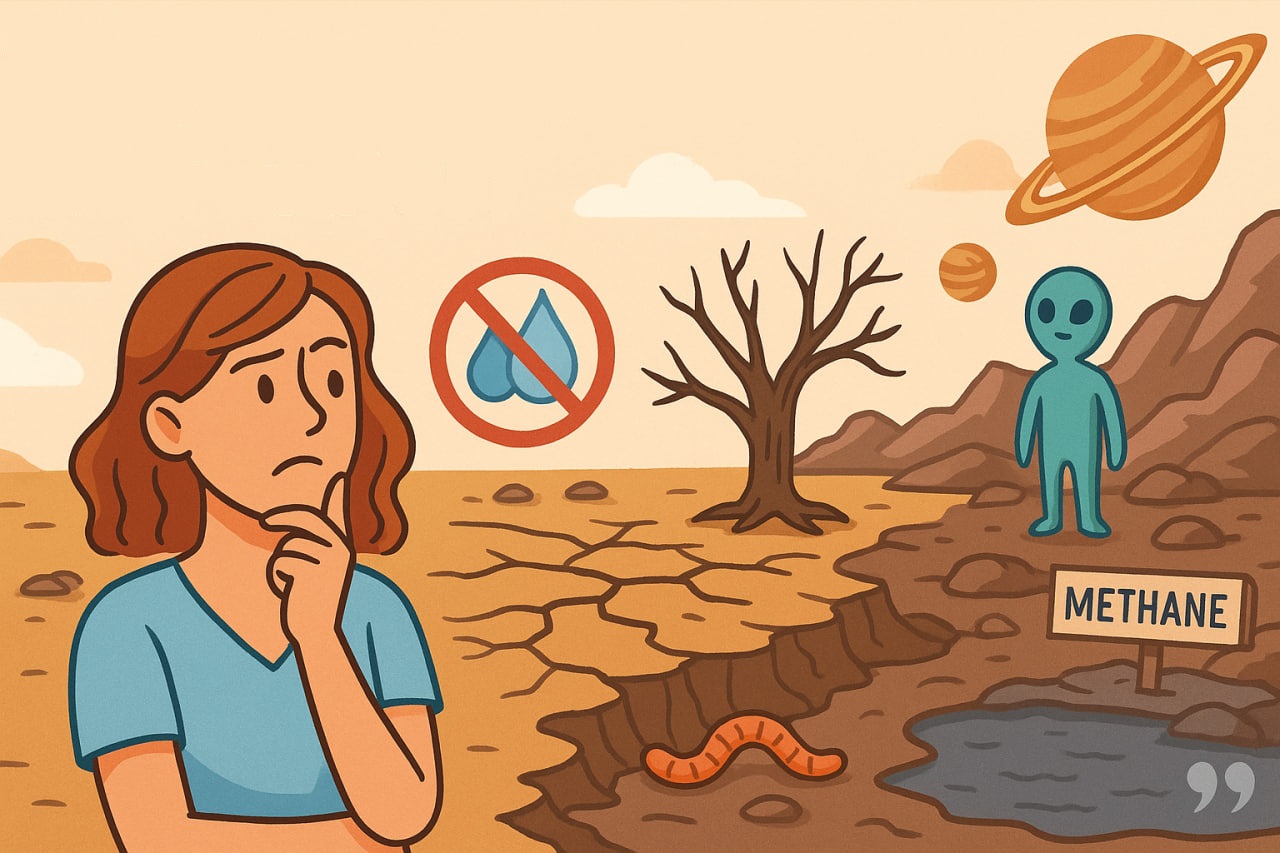
Life on Earth is deeply dependent on air and water, two essential components that sustain nearly all known organisms. Water serves as the foundation for biochemical reactions, nutrient transport, temperature regulation, and cellular structure. Air — particularly oxygen — allows many organisms to extract energy from food and maintain metabolic processes. However, as scientists explore extreme environments on Earth and search for life beyond our planet, the question becomes more complex: Is it possible for life to exist without air and water as we understand them? Research in astrobiology, microbiology, and planetary science suggests that while Earth-like life requires these elements, other life forms might survive under radically different conditions. Studying these possibilities expands our understanding of biology and the potential diversity of life in the universe.

Could a Machine Takeover Like The Matrix Ever Become Reality?
AI & Ethics AI What if?

Could a Machine Takeover Like The Matrix Ever Become Reality?

The idea of machines enslaving humanity has long fascinated philosophers, scientists, and storytellers alike. Popularized by films such as The Matrix, this scenario envisions a future where artificial intelligence surpasses human control, reducing people to powerless entities within a system they created. While such a vision belongs to science fiction, it raises very real questions about technological power, ethical responsibility, and the limits of human oversight. Could the rise of superintelligent machines actually lead to a dystopian reality? Experts around the world are divided—but deeply concerned.