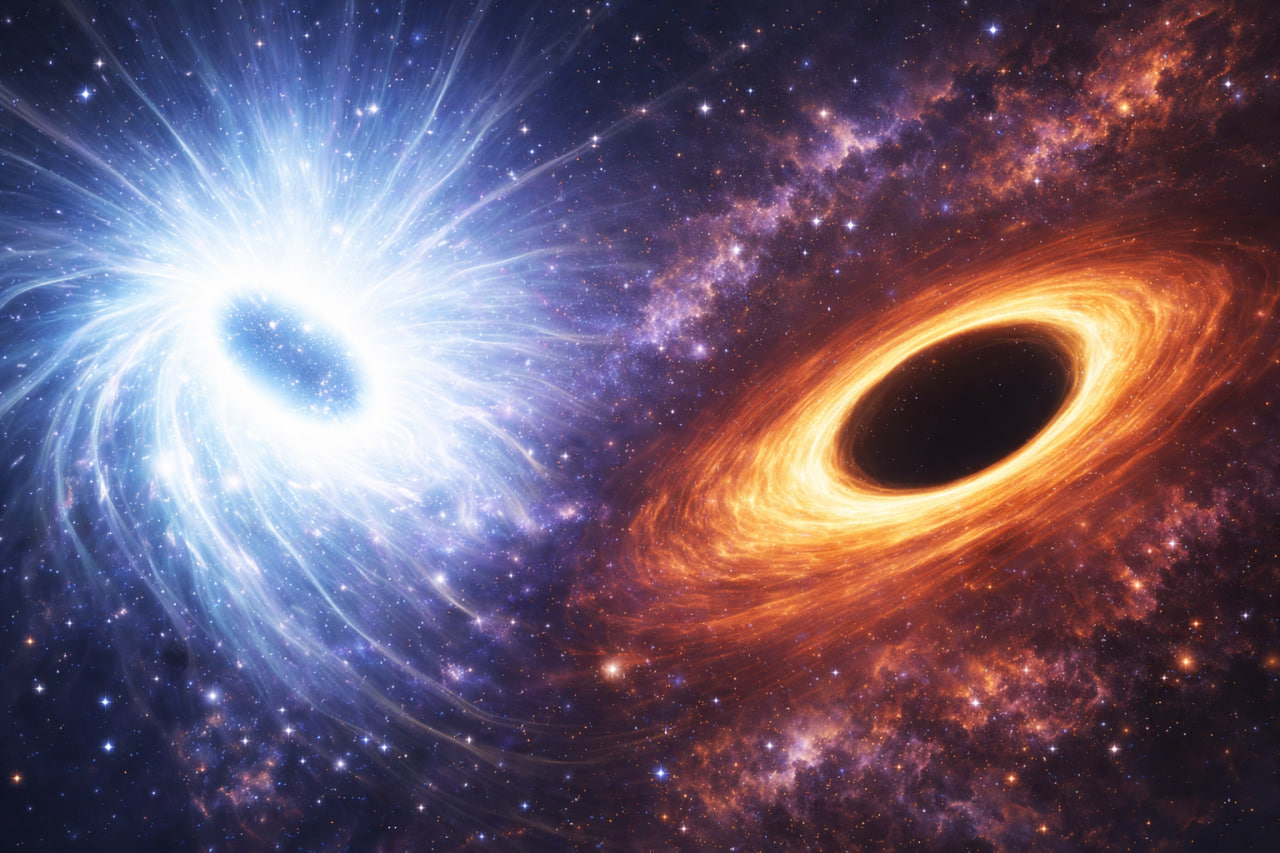
What if?

White Holes: The Opposite of Black Holes — Do They Exist?
Space Stories Universe What if?

White Holes: The Opposite of Black Holes — Do They Exist?

White holes are one of the most fascinating and speculative concepts in modern physics, often described as the theoretical opposites of black holes. While black holes absorb matter and light, white holes are predicted to do the reverse—expelling matter and preventing anything from entering. This idea emerges naturally from certain solutions of Einstein’s equations of general relativity, suggesting that space-time could allow such objects to exist. However, unlike black holes, which have strong observational evidence, white holes remain purely theoretical. Their existence raises deep questions about time, causality, and the fundamental structure of the universe. Exploring white holes helps scientists test the limits of physics and understand whether our current theories describe reality completely.
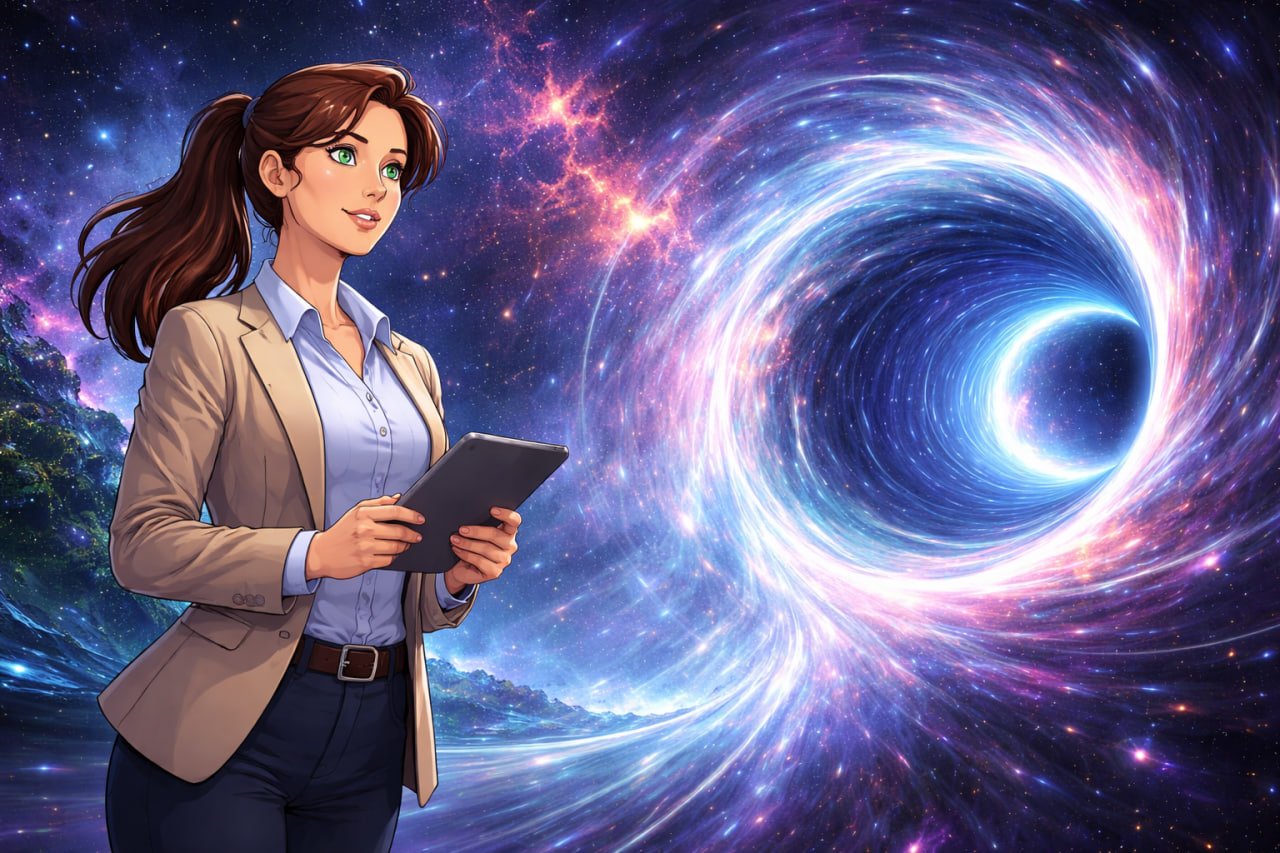

Wormholes: Tunnels Through Space and Time as a Scientific Hypothesis
Space Stories Universe Science

Wormholes: Tunnels Through Space and Time as a Scientific Hypothesis

Wormholes are one of the most intriguing concepts in theoretical physics, often described as shortcuts connecting distant points in space and time. Unlike conventional travel, which requires moving through space step by step, a wormhole would allow instant passage between two regions of the universe. The idea originates from solutions to Einstein’s equations of general relativity, suggesting that space-time can be curved in ways that create hidden connections. Although wormholes remain hypothetical, they have become a powerful tool for exploring the limits of physics, cosmology, and even the nature of time itself. Understanding wormholes helps scientists investigate whether faster-than-light travel or time travel could ever be possible within the laws of physics.

Will Sea Ships Disappear in the Future?
Smart Technology Be Smart What if?

Will Sea Ships Disappear in the Future?

For thousands of years, ships have played a crucial role in transportation, exploration, and global trade. From ancient wooden sailing vessels to modern cargo ships and cruise liners, maritime technology has continuously evolved to meet the needs of human civilization. Today, more than 80% of global trade is transported by sea, making ships one of the most important elements of the global economy. However, rapid technological development, environmental concerns, and the search for new transportation methods have raised questions about the future of maritime shipping. Some experts wonder whether traditional sea vessels could eventually be replaced by alternative systems such as autonomous ships, underwater cargo transport, or even advanced air-based logistics. While these ideas are being explored, ships continue to adapt to new technologies rather than disappear entirely.

Will Neural Networks Replace Search Engines?
AI & Ethics AI Be Smart

Will Neural Networks Replace Search Engines?

The rapid development of large language models and conversational AI has sparked debate about the future of traditional search engines. Instead of presenting a list of links, AI systems can generate direct answers, summaries, and contextual explanations. This shift raises an important question: will neural networks fully replace search engines, or will both technologies evolve together? While AI-powered tools are transforming how people access information, search infrastructure remains deeply embedded in the digital ecosystem. The relationship between neural networks and search engines is more likely to be complementary than purely competitive. Understanding their differences clarifies what the future may hold.

A Space Station Around the Moon: Why It Is Needed and How It Could Be Built
Space Stories Cosmic Innovations Earth & Moon

A Space Station Around the Moon: Why It Is Needed and How It Could Be Built

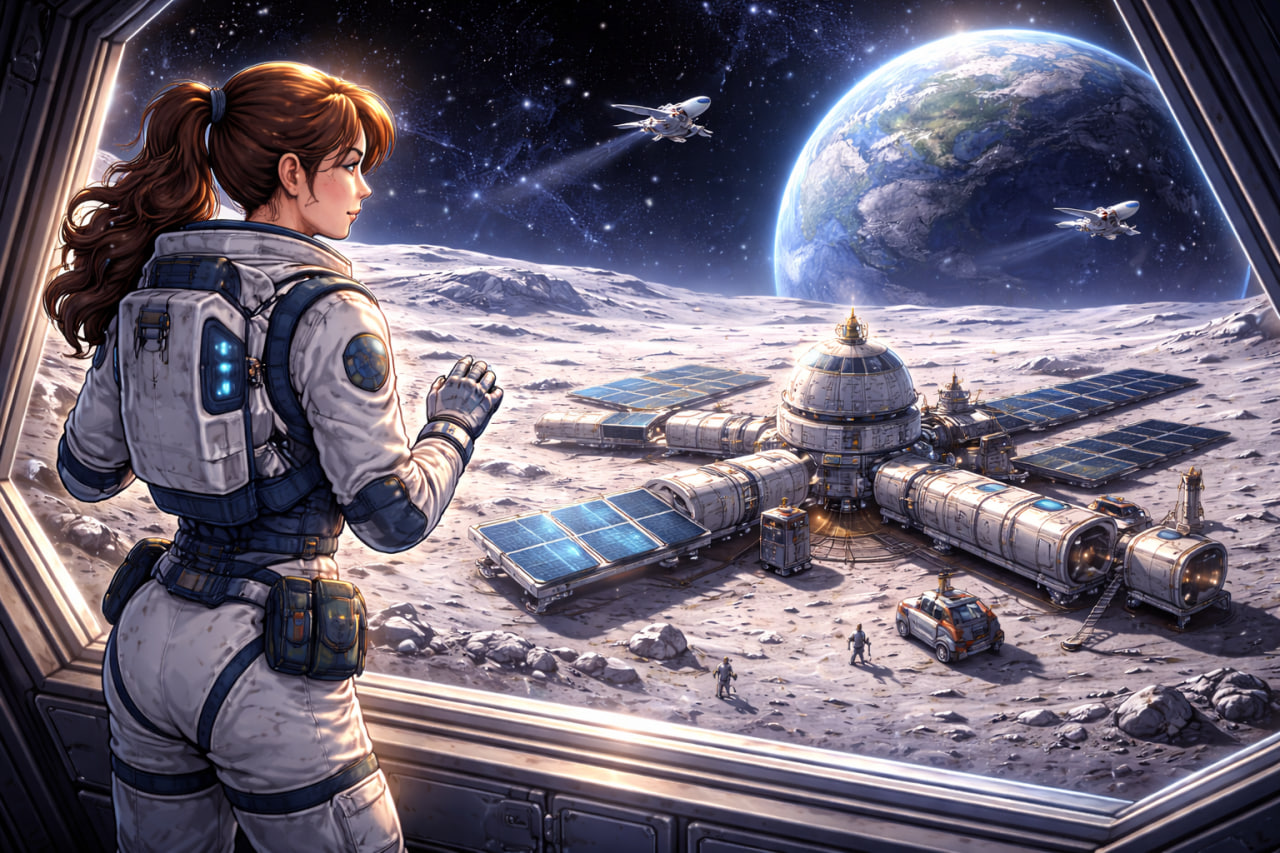
A space station orbiting the Moon represents one of the most important steps in expanding human presence beyond low Earth orbit. Unlike Earth-orbiting stations, a lunar station would serve as a gateway for deep-space missions, scientific research, and long-term exploration. Positioned in lunar orbit, it could support missions to the Moon’s surface and act as a staging point for journeys to Mars. Building such a station is technically complex but considered achievable with modern space engineering. As global interest in lunar exploration grows, a lunar space station is increasingly viewed as a strategic infrastructure project rather than a distant concept. Understanding its purpose and construction challenges reveals how humanity may extend its reach deeper into space.

Is the Colonization of Mars Possible?
Space Stories Cosmic Innovations What if?

Is the Colonization of Mars Possible?

The idea of colonizing Mars has moved from the realm of science fiction into serious scientific and engineering discussion. Advances in space technology, robotics, and life-support systems have made the Red Planet a realistic target for long-term human exploration. Mars is the most Earth-like planet in our solar system in terms of day length, seasons, and the presence of water ice, which makes it a primary candidate for human settlement. However, colonization is not simply about reaching Mars—it involves sustaining human life in one of the most hostile environments known. Understanding whether Mars colonization is possible requires examining scientific feasibility, technological challenges, and human limitations.

Asteroid Mining: Science Fiction or the New Gold Rush?
Space Stories Cosmic Innovations Universe

Asteroid Mining: Science Fiction or the New Gold Rush?

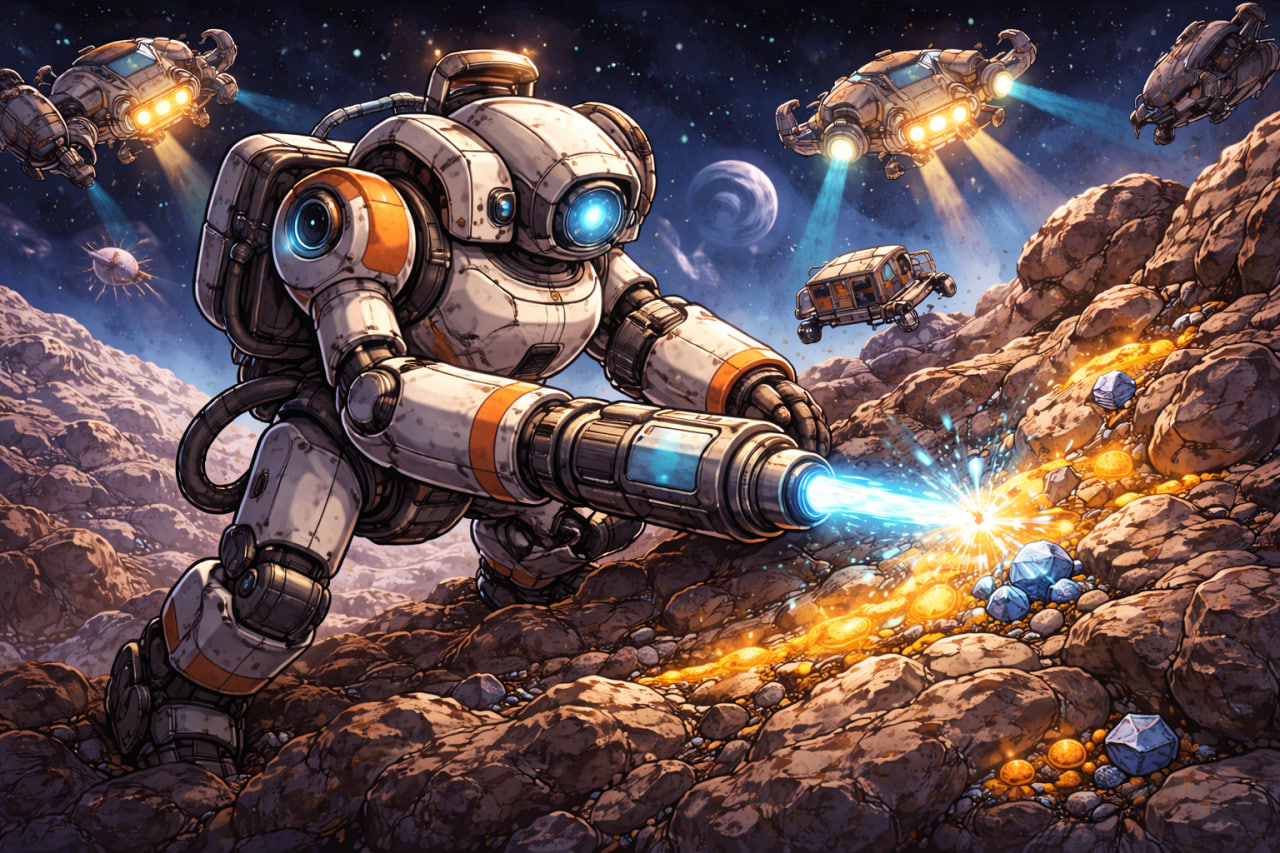
The idea of extracting valuable resources from asteroids once belonged exclusively to science fiction, but in recent years it has become a serious topic of scientific and economic discussion. Rapid progress in space technology, robotics, and automation has transformed asteroid mining from a distant dream into a long-term strategic possibility. Asteroids contain vast amounts of metals, water, and rare elements that are increasingly scarce or expensive to extract on Earth. As global demand for resources grows, interest in off-world mining continues to intensify. The central question is no longer whether asteroids contain valuable materials, but whether humanity can realistically access and use them.

Space Tourism: When Will Space Travel Become Accessible to Everyone?
Cosmic Innovations Earth & Moon What if?

Space Tourism: When Will Space Travel Become Accessible to Everyone?

Space tourism has moved from science fiction into the realm of early reality, driven by rapid advances in aerospace technology and private investment. What was once limited to trained astronauts is now being tested by civilian passengers on short suborbital flights. Yet the idea of space travel being accessible to everyone remains a complex challenge involving cost, safety, infrastructure, and regulation. Understanding where space tourism stands today—and what must change for it to become truly widespread—helps separate near-term possibilities from long-term visions. The journey toward accessible space travel is gradual, but its direction is becoming clearer.

Can a Black Hole Be Used as a Source of Energy?
Space Stories Universe Be Smart

Can a Black Hole Be Used as a Source of Energy?

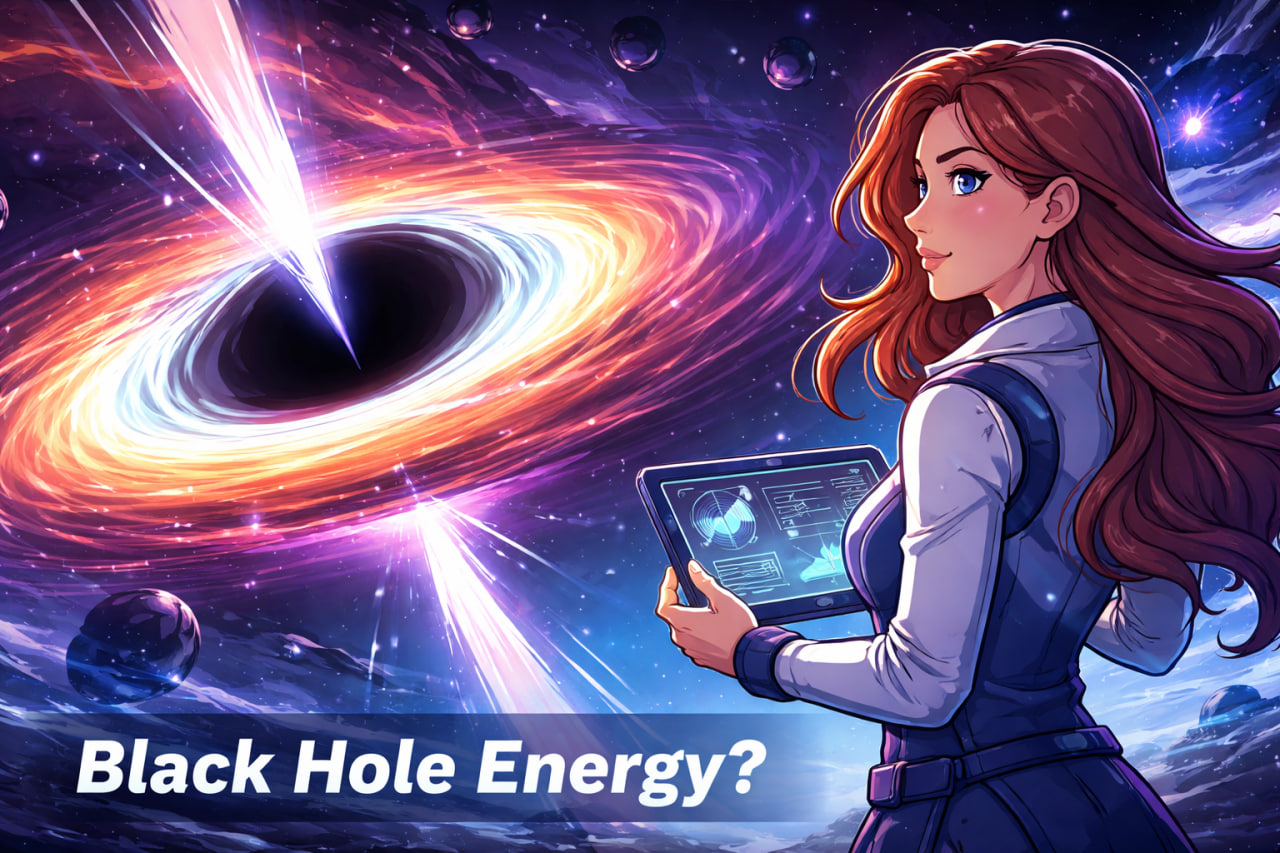
Black holes are often imagined as cosmic destroyers that consume everything around them, but modern physics suggests a far more complex picture. Under certain conditions, black holes may act not only as sinks of matter and energy, but also as potential sources of usable energy. This idea, once purely theoretical, has been explored seriously by physicists studying general relativity, quantum mechanics, and astrophysics. While harvesting energy from a black hole remains far beyond current technological capabilities, the underlying principles reveal fascinating insights into how extreme objects interact with space, time, and energy. Understanding these mechanisms helps scientists test the limits of known physics and imagine future civilizations operating on cosmic scales.

What Would Happen If a Neutron Star Passed Near the Solar System?
Space Stories Universe What if?

What Would Happen If a Neutron Star Passed Near the Solar System?

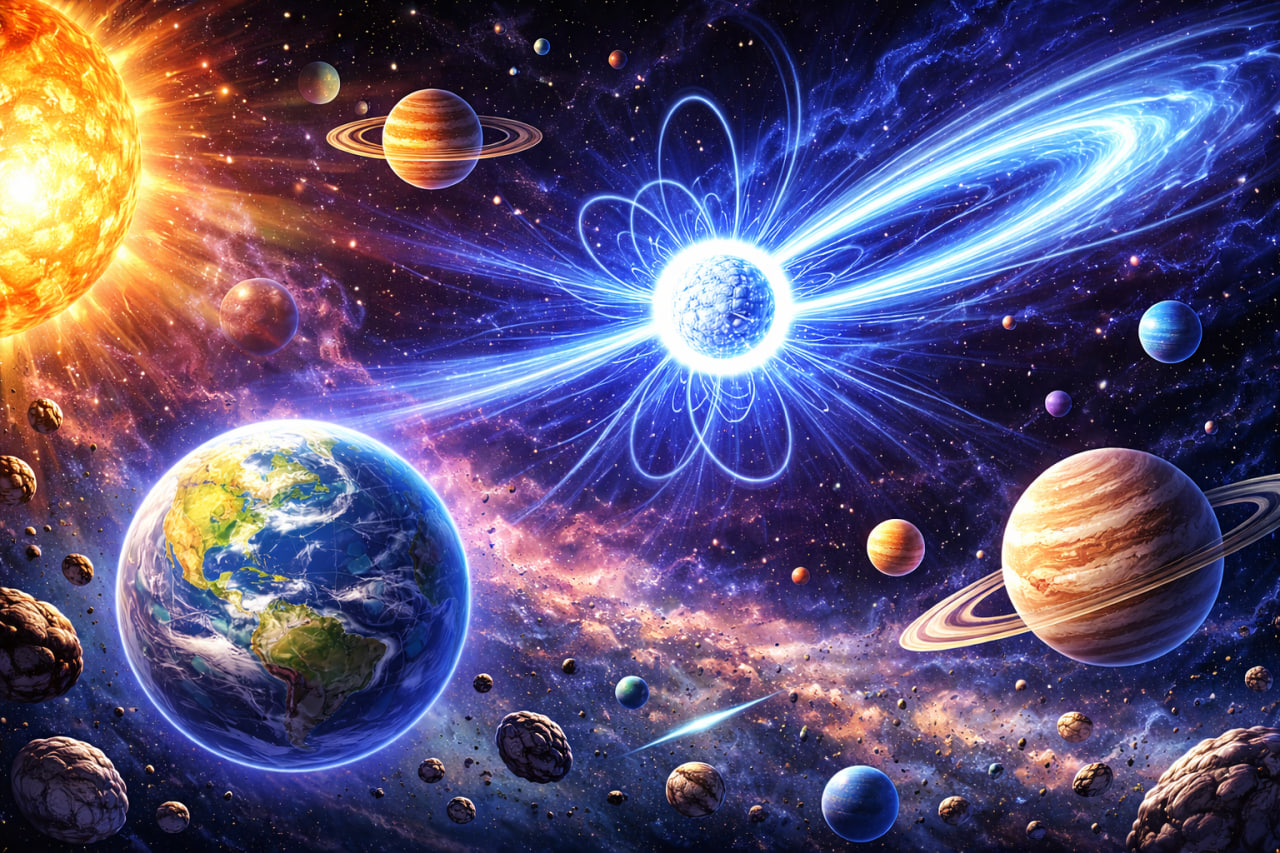
A neutron star passing close to the Solar System would be one of the most extreme astrophysical encounters imaginable. Neutron stars are remnants of massive stars that collapsed after supernova explosions, concentrating enormous mass into an incredibly small volume. Despite their compact size, their gravitational and electromagnetic influence is immense. Such an event is extraordinarily unlikely, but examining it allows scientists to understand how fragile—or resilient—planetary systems are in a dynamic galaxy. This scenario highlights the balance between cosmic forces and the stability of our Solar System.