What if?

Why the Ocean Is Salty: The Geochemistry of Our Planet
Science Be Smart What if?

Why the Ocean Is Salty: The Geochemistry of Our Planet

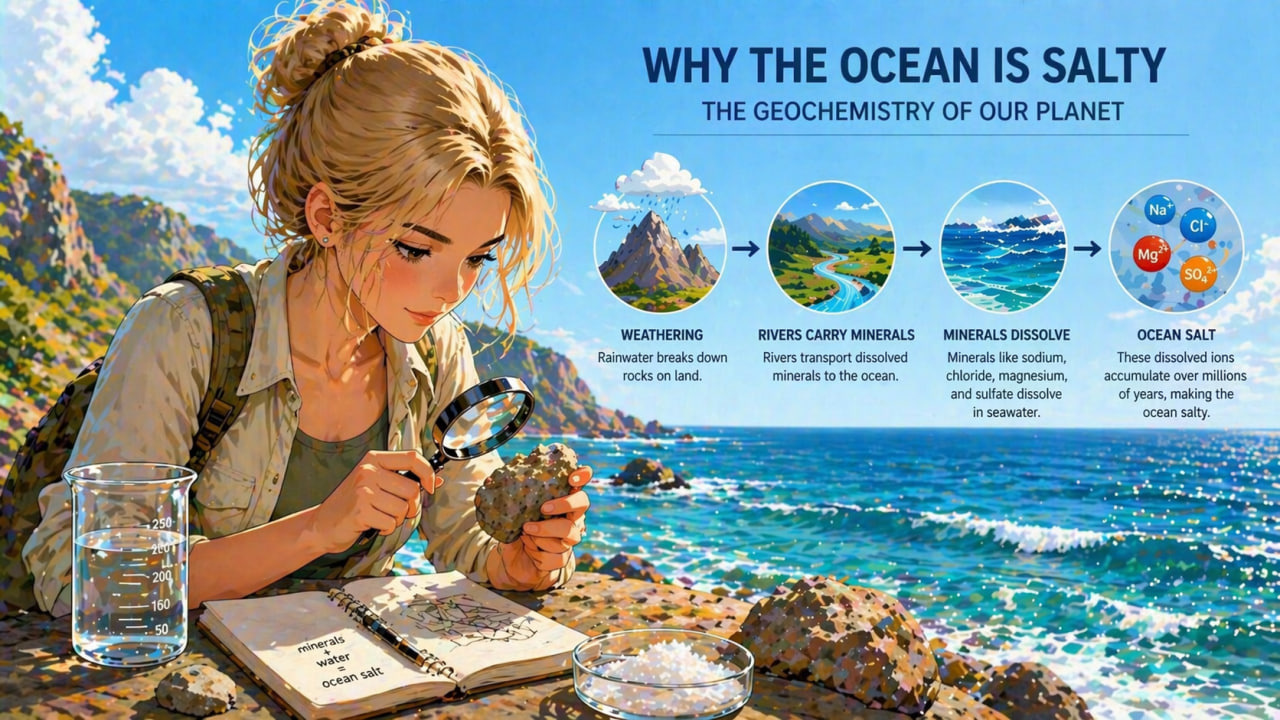
The salty taste of ocean water is one of the most familiar features of Earth, yet its origin is the result of long-term geological and chemical processes acting over billions of years. The oceans did not start out as salty as they are today. Instead, their composition gradually changed as minerals were transported, dissolved, and recycled through Earth’s systems. The saltiness of the ocean reflects a balance between inputs from land and the seafloor and processes that remove or store dissolved elements. Understanding this balance reveals how deeply connected the ocean is to the planet’s geology.
How Venus “Died” as a Habitable Planet
Space Stories Be Smart Solar System

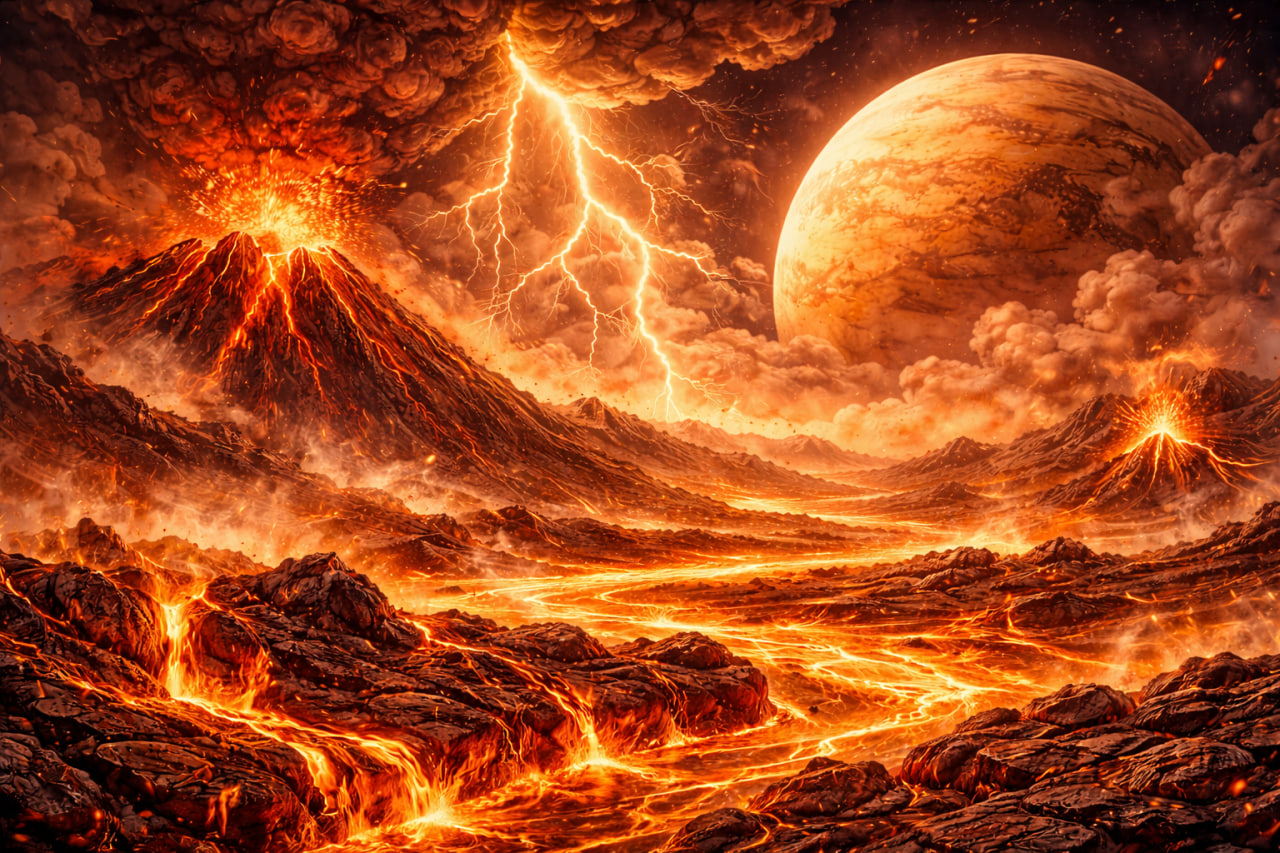
How Venus “Died” as a Habitable Planet

Venus is often described as a “dead” or “lost” world—not because the planet itself disappeared, but because it likely lost the conditions that could have supported life. Billions of years ago, Venus may have had a much more Earth-like environment, with moderate temperatures and possibly even liquid water on its surface. However, over time, a series of powerful climatic and atmospheric changes transformed it into the extremely hot and hostile planet we see today. This transformation is one of the most dramatic examples of planetary evolution in the Solar System. Studying how Venus “died” helps scientists understand the fragile balance required for a planet to remain habitable. It also provides important warnings about how climate systems can change beyond recovery.

Space Archaeology: Can We Find Evidence of Lost Civilizations?
Space Stories Universe What if?

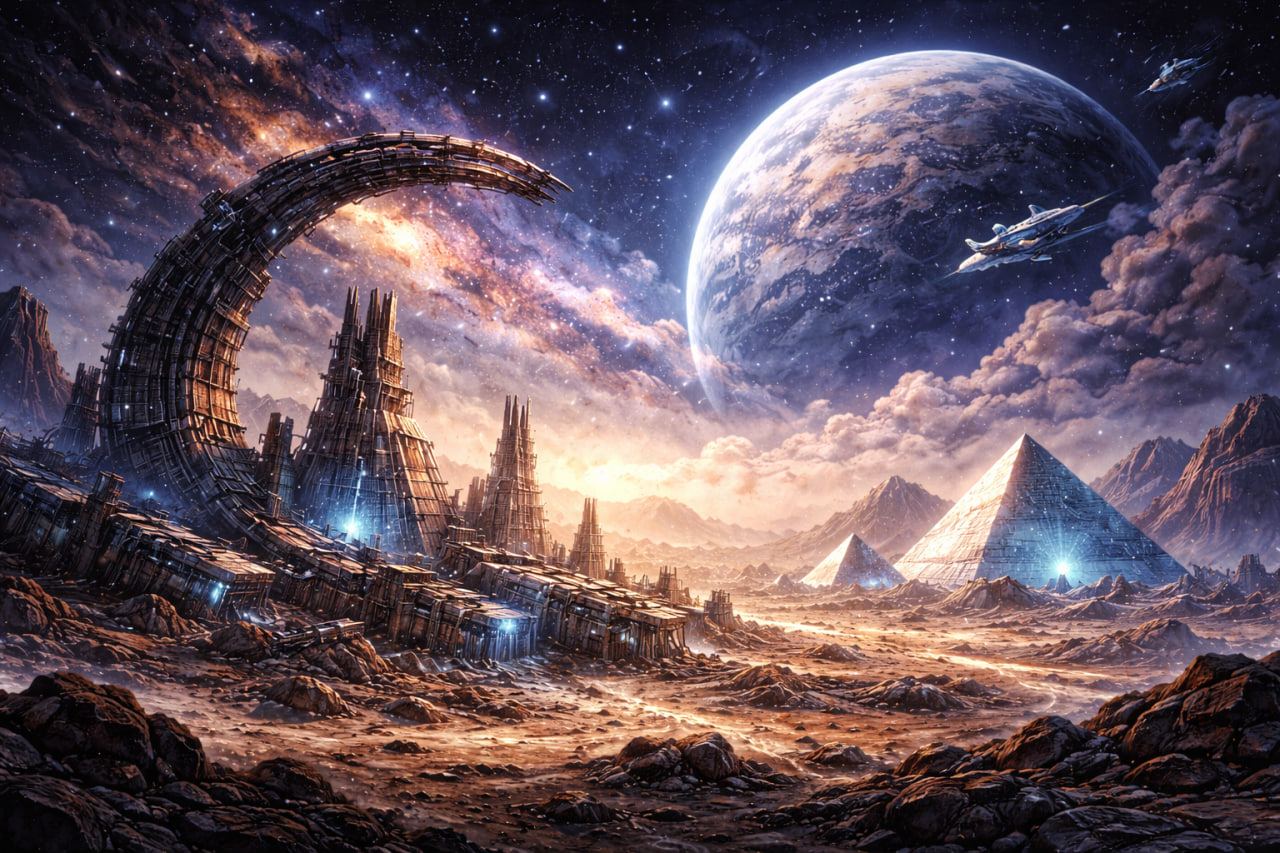
Space Archaeology: Can We Find Evidence of Lost Civilizations?

The idea of discovering traces of lost extraterrestrial civilizations has fascinated scientists and the public for decades. While traditional archaeology studies human history through physical remains on Earth, space archaeology explores the possibility of detecting technological or structural evidence beyond our planet. With the rapid development of astronomy and space exploration, scientists are beginning to ask whether it is possible to identify signs of past intelligent life elsewhere in the universe. Although no confirmed discoveries have been made, modern research focuses on indirect clues—such as unusual energy signatures, artificial structures, or unexplained cosmic phenomena. Understanding these possibilities helps expand the search for life beyond simple biology and into the realm of advanced civilizations.

Can We Create a Mini Black Hole on Earth?
Hi-Tech Science New Discoveries

Can We Create a Mini Black Hole on Earth?

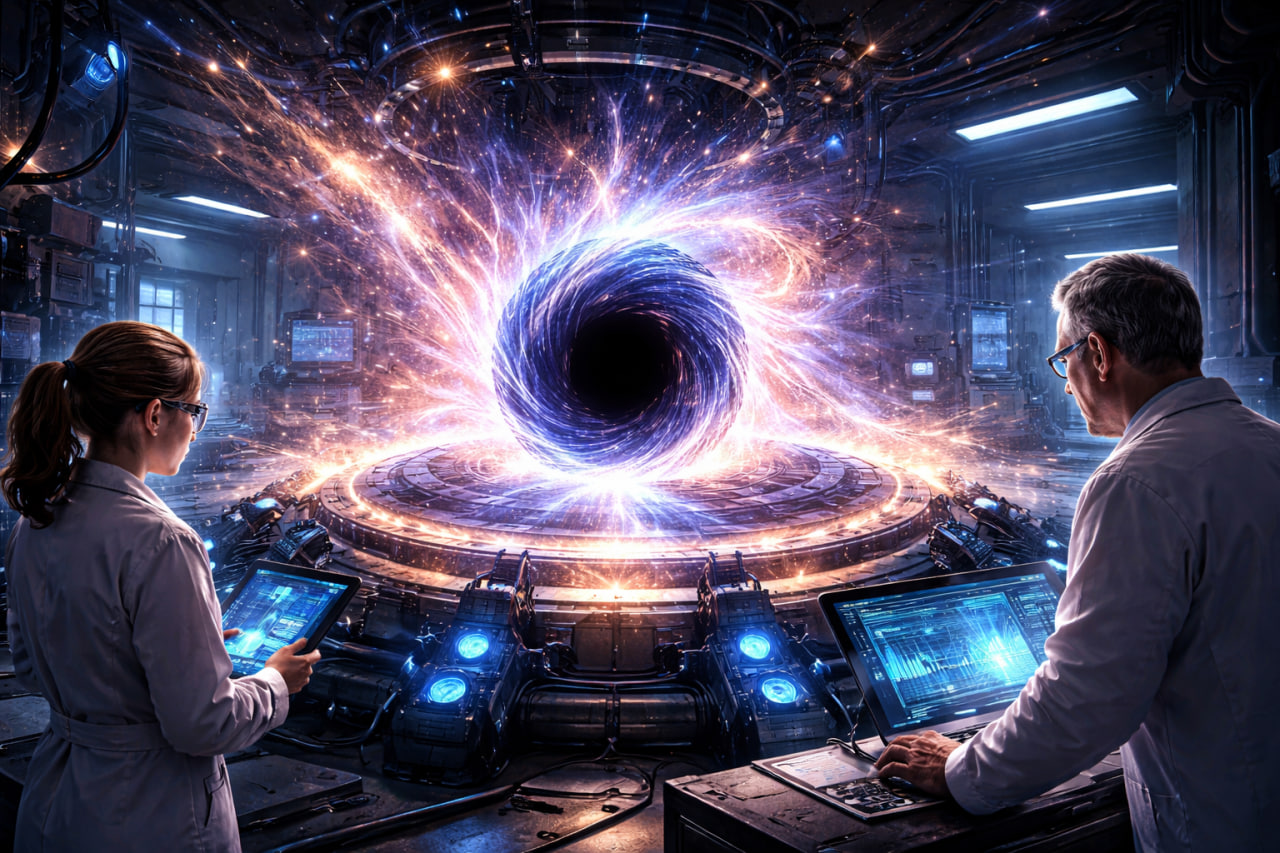
The idea of creating a mini black hole on Earth sounds like something from science fiction, but it is actually a topic that scientists have seriously explored in theoretical physics. Black holes are regions of space where gravity is so strong that nothing—not even light—can escape. They usually form when massive stars collapse under their own gravity. However, some theories suggest that extremely small black holes, known as micro black holes, could exist or even be created under the right conditions. The question is whether current human technology is capable of producing such an object, and if so, whether it would pose any danger.

Can We Build a Spacecraft That Passes Through the Sun’s Corona?
Space Stories Science Solar System

Can We Build a Spacecraft That Passes Through the Sun’s Corona?

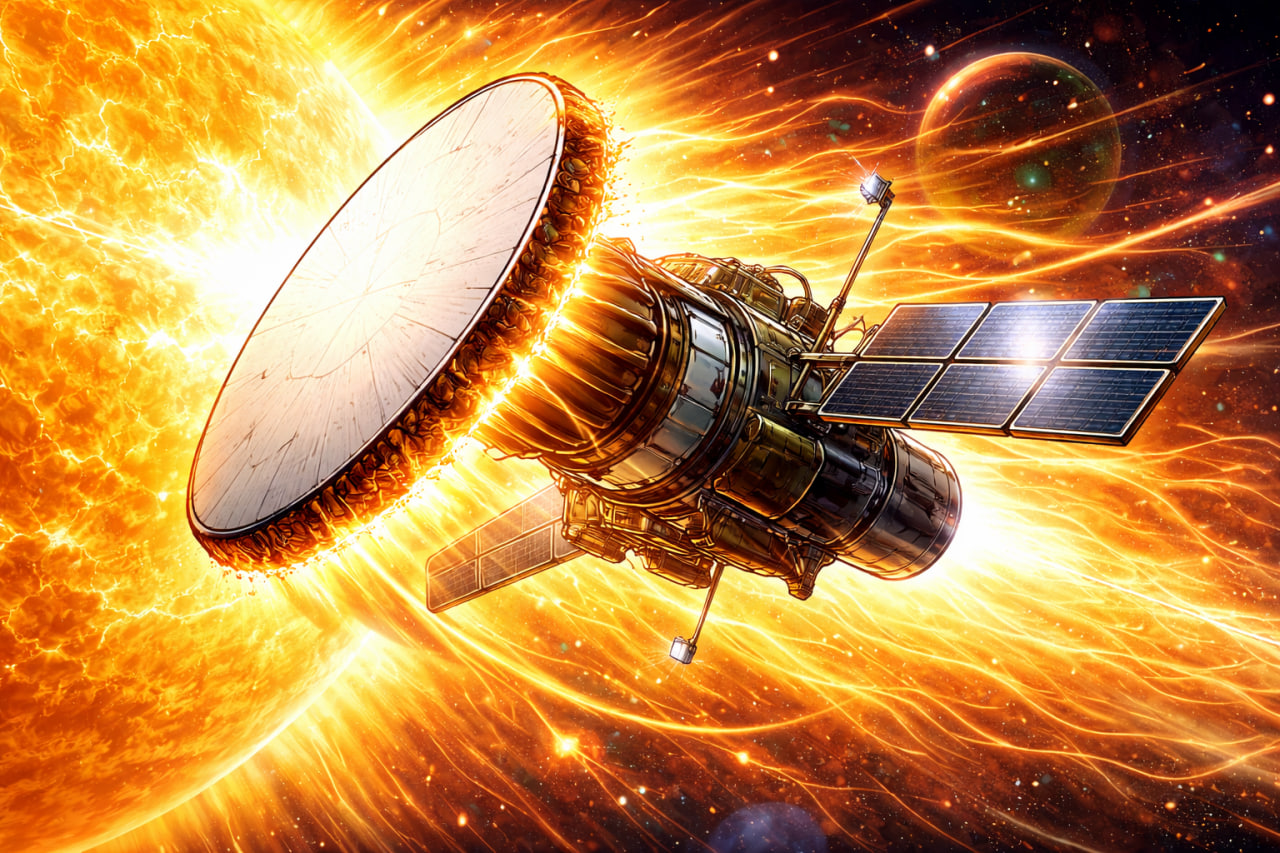
At first glance, sending a spacecraft into the Sun’s atmosphere sounds impossible. The Sun is an extremely hostile environment, with temperatures reaching millions of degrees and intense radiation that can destroy most materials. However, modern science has already taken a major step toward this goal. NASA’s Parker Solar Probe has successfully flown through the solar corona, proving that such missions are not only possible but already a reality. The challenge is not just reaching the Sun, but surviving its extreme conditions. Understanding how this is achieved reveals how advanced engineering and physics make the impossible possible.

Could Earth Turn Into Venus?
Space Stories Solar System What if?

Could Earth Turn Into Venus?

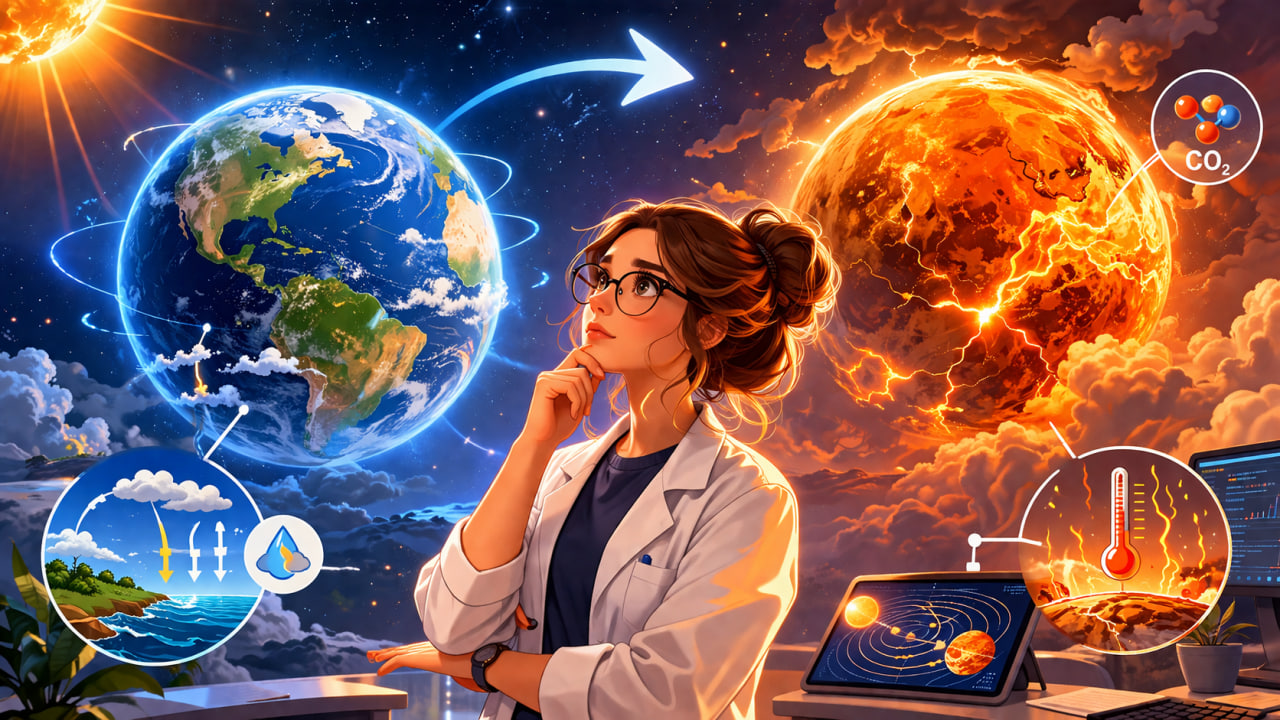
The idea that Earth could one day become like Venus—a hot, hostile planet with crushing pressure and toxic clouds—may sound alarming, but it raises important scientific questions about climate and planetary evolution. Venus is often called Earth’s “twin” because of its similar size and composition, yet the two planets developed in dramatically different ways. While Earth supports life, Venus became an extreme world dominated by a powerful greenhouse effect. Understanding whether Earth could follow a similar path helps scientists study climate stability and the limits of habitability. The short answer is that while some processes are similar, a full transformation like Venus is extremely unlikely under current conditions.

Is There Life on Mars?
Space Stories Universe Solar System

Is There Life on Mars?

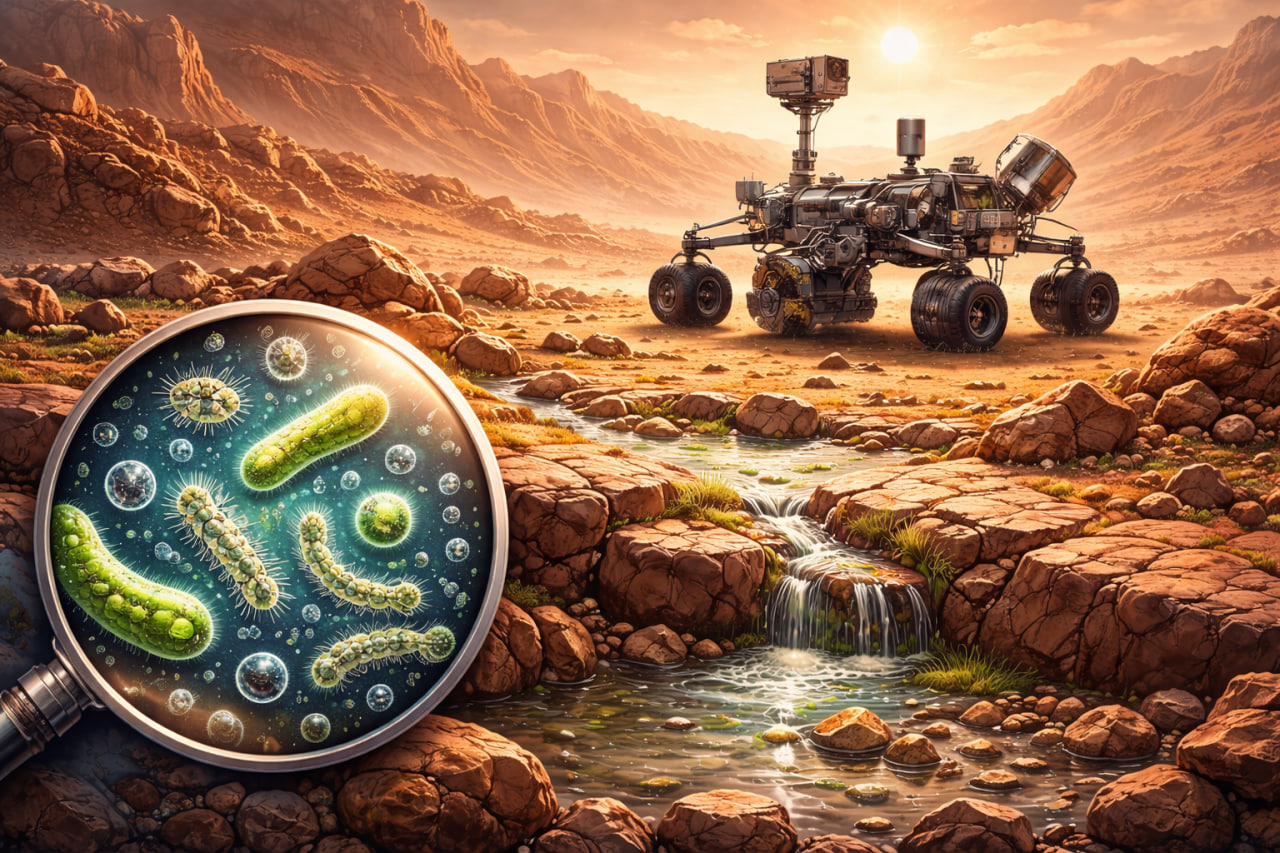
The question of whether life exists on Mars has fascinated scientists and the public for generations. As one of Earth’s closest planetary neighbors, Mars shares several similarities with our planet, including seasons, polar ice caps, and evidence of ancient water. These features make it one of the most promising places in the Solar System to search for signs of past or present life. Over the past decades, robotic missions, orbiters, and rovers have collected vast amounts of data, revealing a complex history that suggests Mars was once much more hospitable than it is today. While no direct evidence of life has been confirmed, the discoveries made so far continue to raise important questions about the potential for microbial organisms beneath the planet’s surface. Understanding Mars helps scientists better understand how life might arise elsewhere in the universe.

What Would Happen If Earth’s Core Stopped?
Be Smart Earth & Moon What if?

What Would Happen If Earth’s Core Stopped?

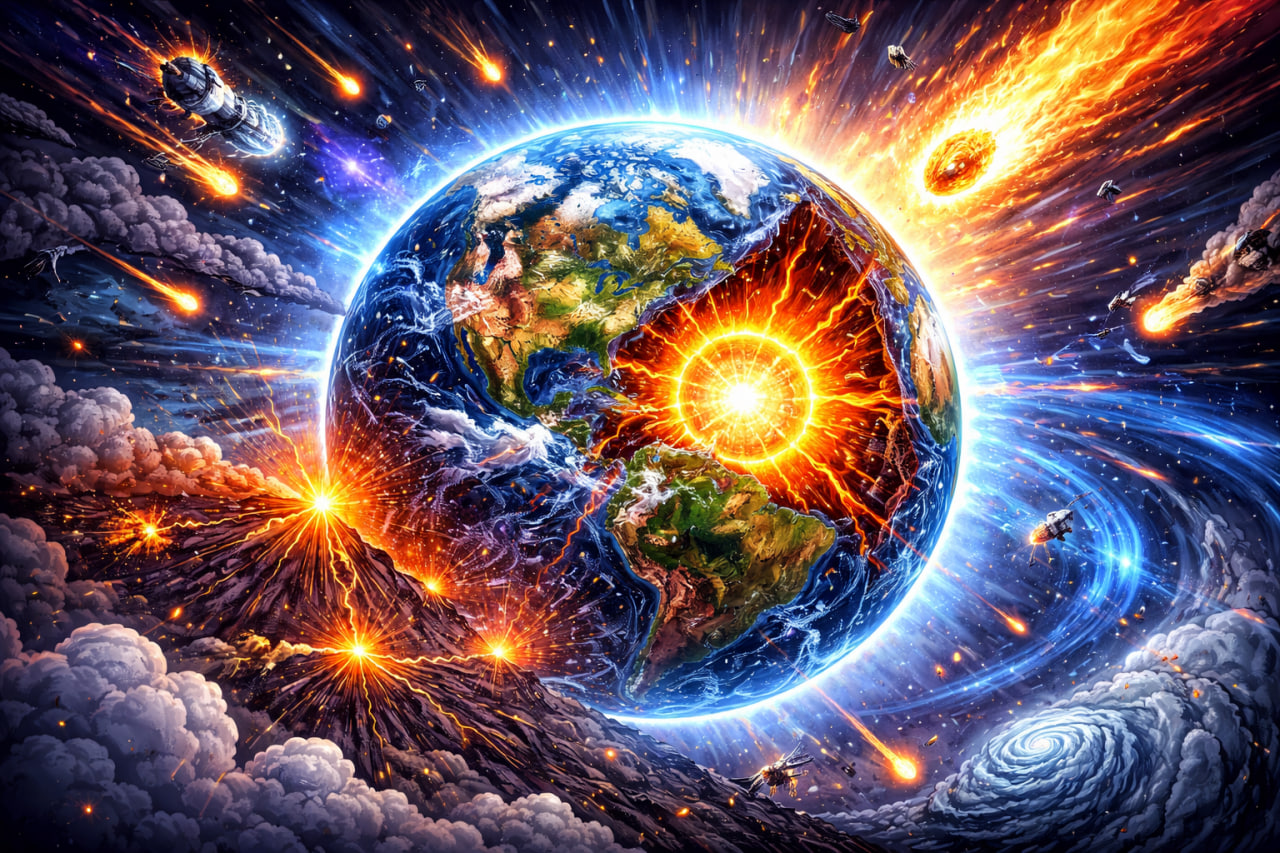
The idea of Earth’s core suddenly stopping is a dramatic scenario that helps us understand how important the planet’s internal dynamics are. The core of Earth, especially its liquid outer layer, is constantly moving. This movement generates the planet’s magnetic field and contributes to geological processes. If the core were to stop, the consequences would be profound and global. Although such an event is extremely unlikely, exploring it reveals how interconnected Earth’s systems are. The core plays a central role in maintaining conditions suitable for life. Without it functioning properly, many processes we take for granted would begin to change. This hypothetical situation highlights the importance of Earth’s internal structure.

Could the Moon Fall to Earth? What Science Says
Solar System Earth & Moon What if?

Could the Moon Fall to Earth? What Science Says

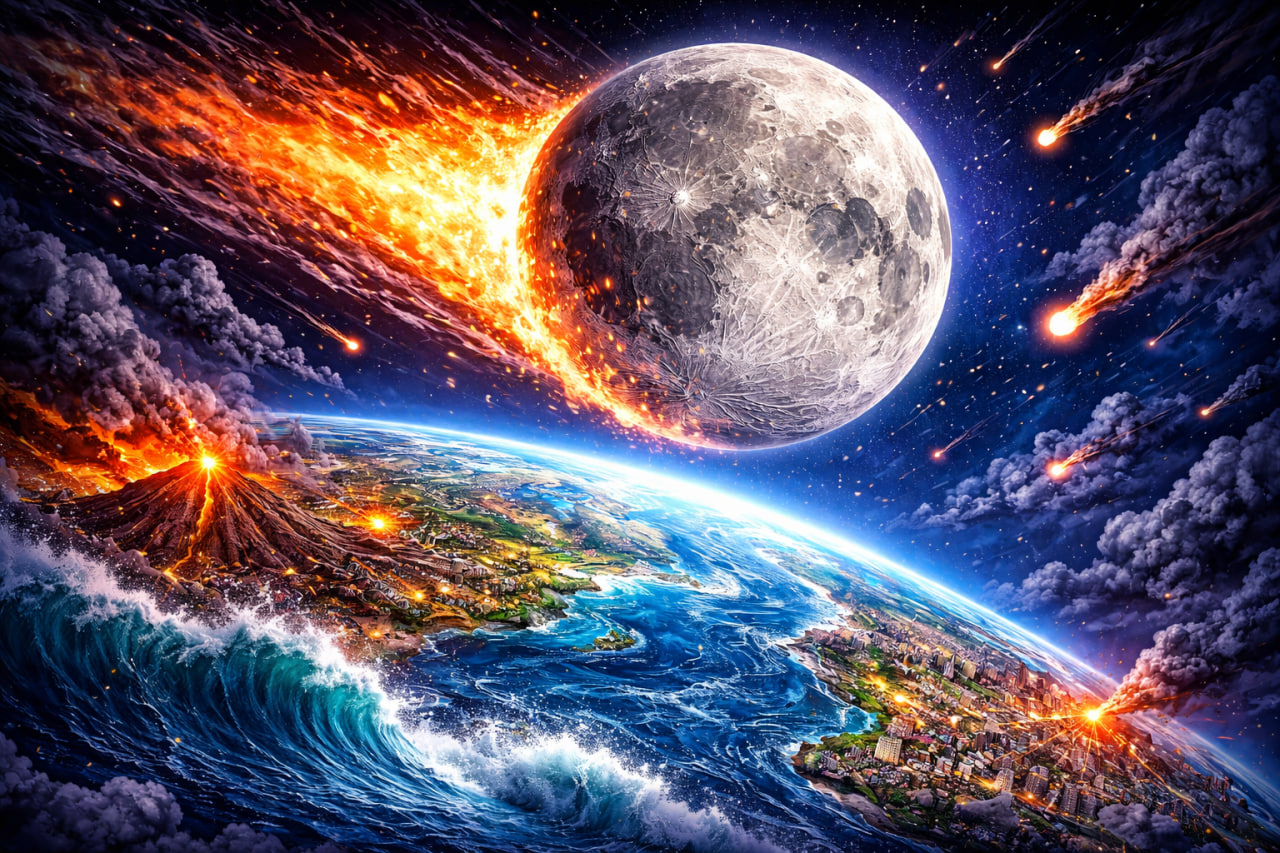
The idea that the Moon could suddenly fall to Earth is a dramatic and often frightening thought. However, according to modern science, such a scenario is extremely unlikely under natural conditions. The Moon is not simply “hanging” above Earth—it is in a stable orbit governed by gravity and motion. This balance between gravitational attraction and orbital velocity keeps the Moon moving around Earth rather than falling into it. For billions of years, this system has remained stable. In fact, the Moon is slowly moving away from Earth over time, not getting closer. Understanding orbital mechanics helps explain why a collision is not expected.

Dark Matter Stars: Could Such Objects Exist?
Space Stories Universe What if?

Dark Matter Stars: Could Such Objects Exist?

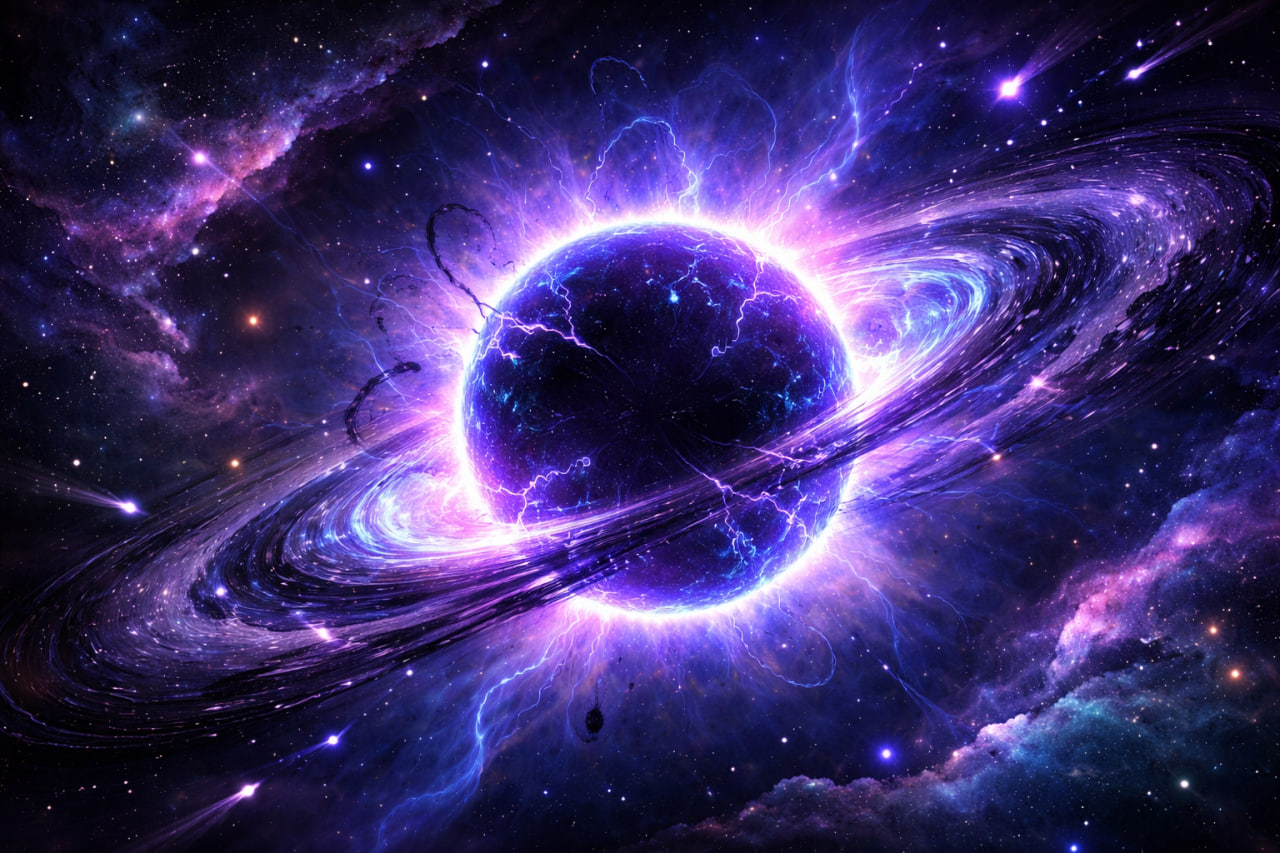
The idea of stars made from dark matter is one of the most intriguing hypotheses in modern astrophysics. Dark matter is a mysterious form of matter that does not emit, absorb, or reflect light, making it invisible to direct observation. Despite this, scientists believe it makes up a significant portion of the universe’s total mass. Because dark matter interacts primarily through gravity, it behaves very differently from ordinary matter. This raises the question of whether it could form structures similar to stars. While no direct evidence of such stars exists, theoretical models suggest that unusual objects related to dark matter may be possible. Exploring this idea helps scientists better understand the nature of the universe.