What if?

Why Does a Day Have 24 Hours, an Hour 60 Minutes, and a Minute 60 Seconds?
History Science Be Smart

Why Does a Day Have 24 Hours, an Hour 60 Minutes, and a Minute 60 Seconds?

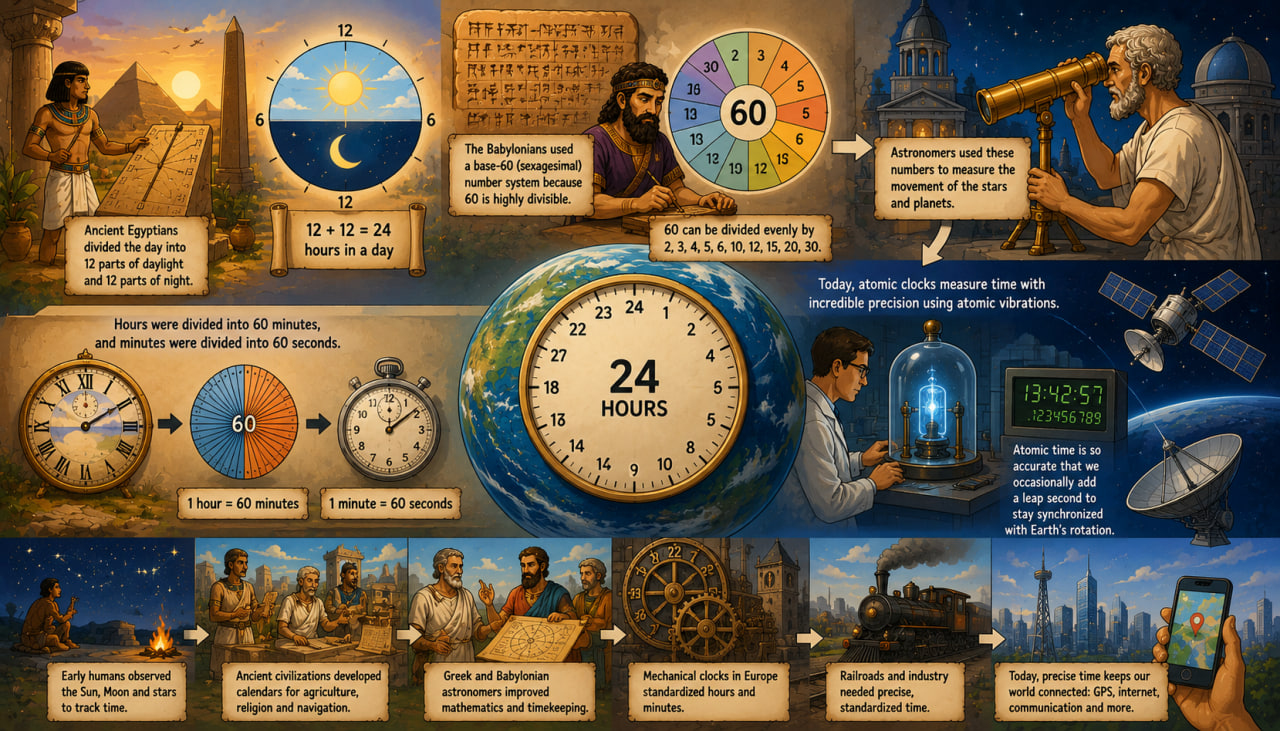
Modern people constantly use: Hours Minutes Seconds without thinking about where these strange numbers actually came from. Why does a day contain: 24 hours instead of: 10 or 100? And why are time units divided into: 60 minutes 60 seconds instead of simpler decimal systems? The answer lies deep in: Ancient astronomy Mathematics Early civilizations Human observation of the sky Modern timekeeping combines traditions developed thousands of years ago by: Babylonians Egyptians Greek astronomers Long before mechanical clocks existed, humans already needed reliable ways to measure: Daylight Seasons Planetary motion Agricultural cycles The strange structure of modern time is essentially a surviving piece of ancient mathematics still used every day across the planet. Understanding the history of time measurement reveals how astronomy shaped civilization itself.
The Twin Paradox: Time Travel Explained Through Real Physics
Science New Discoveries What if?

The Twin Paradox: Time Travel Explained Through Real Physics

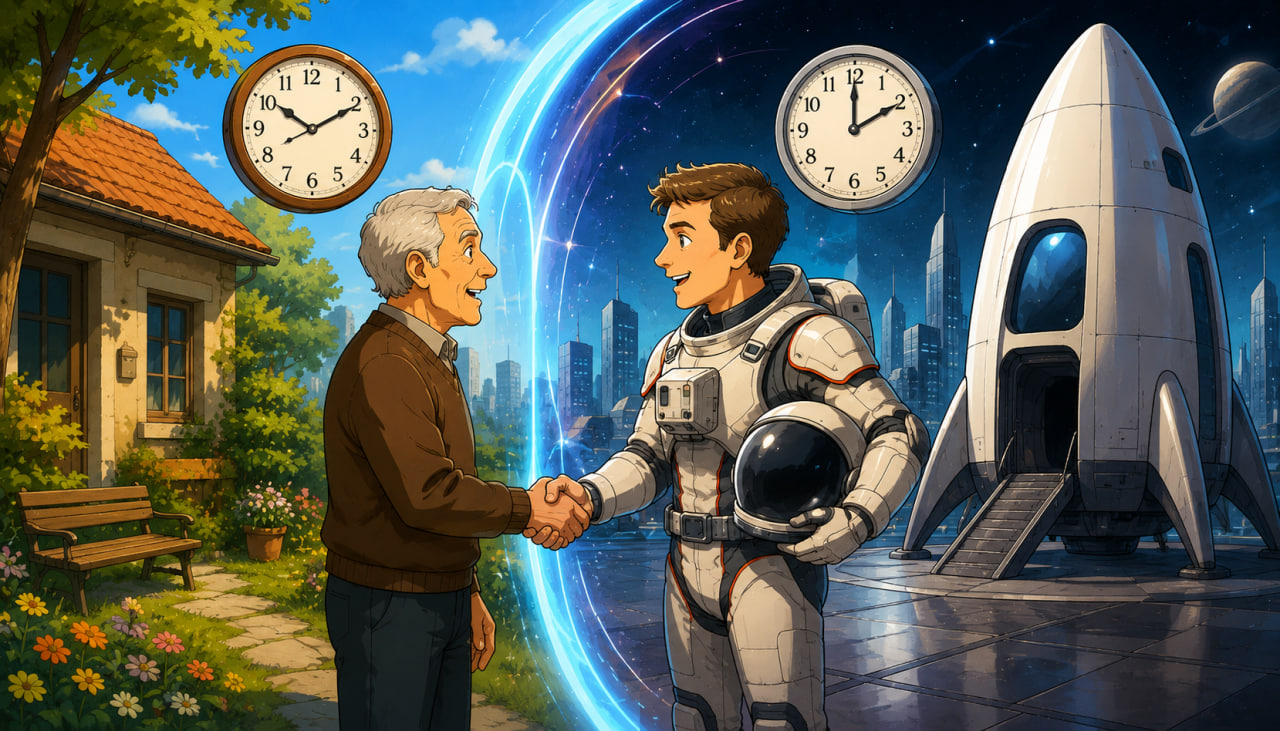
Few ideas in modern physics sound as strange and fascinating as: Time travel into the future Unlike science fiction fantasies involving magical portals or time machines, real physics actually predicts that: Time itself can pass differently for different people. One of the most famous demonstrations of this concept is: The Twin Paradox The paradox comes from Albert Einstein’s: Theory of Relativity and explores what happens when one twin travels through space at extremely high speed while the other remains on Earth. According to relativity: The traveling twin ages more slowly. When the space traveler returns home: Less time passed for them than for the twin who stayed behind. This sounds impossible from everyday human intuition, yet experiments repeatedly confirmed that: Time dilation is physically real. The Twin Paradox became one of the clearest examples showing that: Time is not absolute. Time depends on motion and gravity. Understanding this paradox helps explain some of the most mind-bending aspects of modern physics.

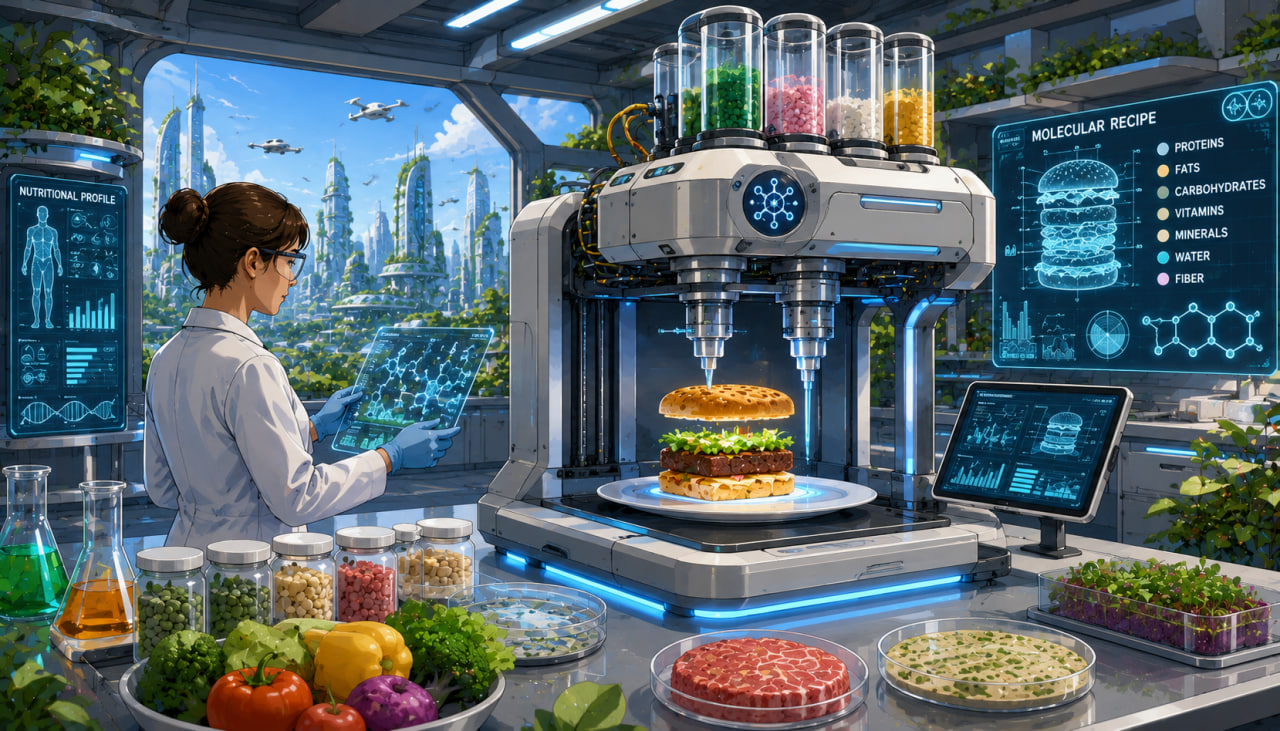
Food of the Future: When Will We Be Able to Assemble It From Atoms?
Bioengineering Smart Technology Science

Food of the Future: When Will We Be Able to Assemble It From Atoms?

Human civilization has always depended on food technology. Agriculture transformed ancient societies, refrigeration changed global trade, and industrial food production allowed cities with millions of inhabitants to exist. Today, however, scientists and futurists are imagining something even more radical: Could humanity eventually create food directly from atoms or molecular building blocks? The idea sounds like science fiction, yet modern science is already exploring technologies involving: Molecular engineering Synthetic biology 3D food printing Lab-grown meat Precision fermentation Nanotechnology Future food systems may dramatically transform how humanity produces nutrition, especially as the world faces: Population growth Climate change Resource shortages Agricultural pressure Although true “atomic food assembly” remains far beyond current capabilities, many researchers believe future food production may become increasingly programmable and technologically controlled.

Energy Crisis: Will Civilization Have Enough Power for AI and Cryptocurrency Mining?
Smart Technology AI & Ethics AI

Energy Crisis: Will Civilization Have Enough Power for AI and Cryptocurrency Mining?

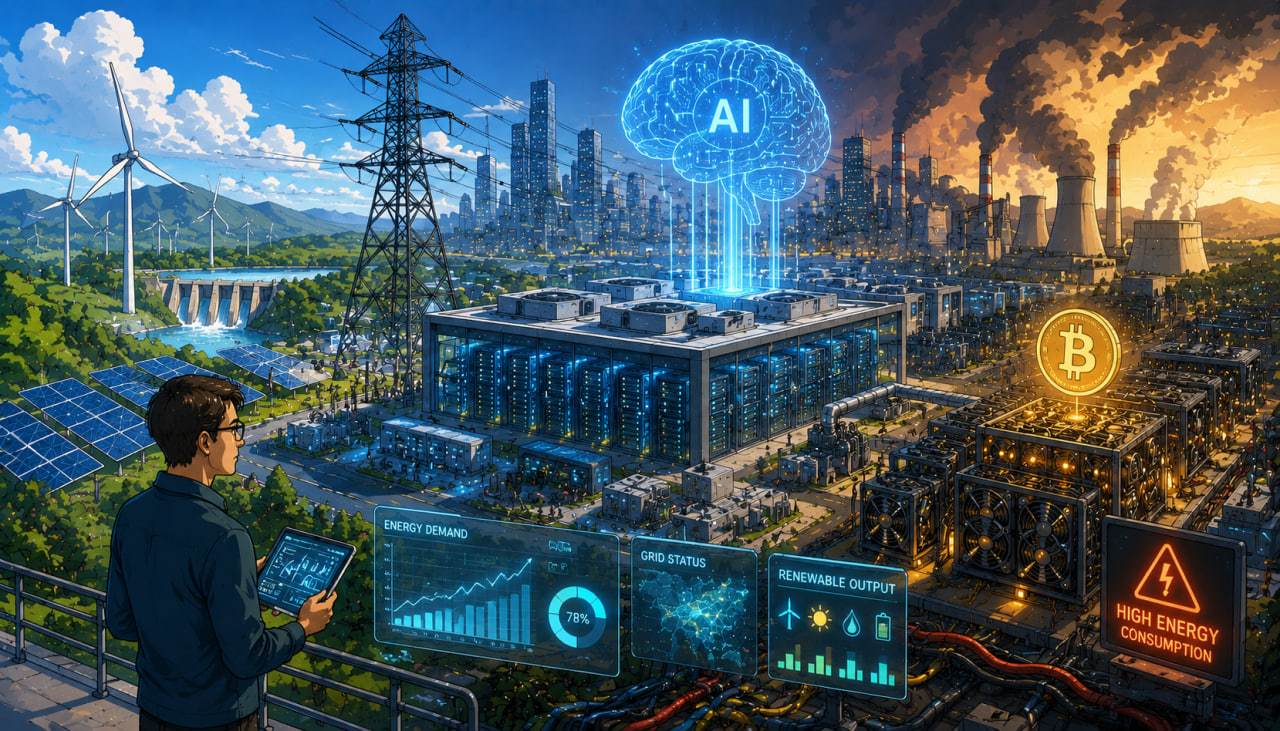
Modern civilization is entering an era of explosive digital growth. Artificial intelligence systems, cloud computing, data centers, electric vehicles, and cryptocurrency mining are consuming increasing amounts of electricity worldwide. At the same time, global populations continue growing, industries are electrifying, and societies are becoming more dependent on digital infrastructure than ever before. This raises a critical question for the future of humanity: Will our civilization have enough energy to support artificial intelligence, crypto mining, and future technologies without triggering a global energy crisis? Scientists, economists, and engineers are actively debating whether current energy systems can keep up with rapidly expanding technological demand. The challenge is especially important because AI and digital infrastructure require: Massive computational power Gigantic data centers Continuous electricity supply Advanced cooling systems As technology evolves, energy may become one of the defining geopolitical and economic issues of the 21st century.

Life Extension: When Will Humans Live 150 Years or More?
Bioengineering Smart Technology What if?

Life Extension: When Will Humans Live 150 Years or More?

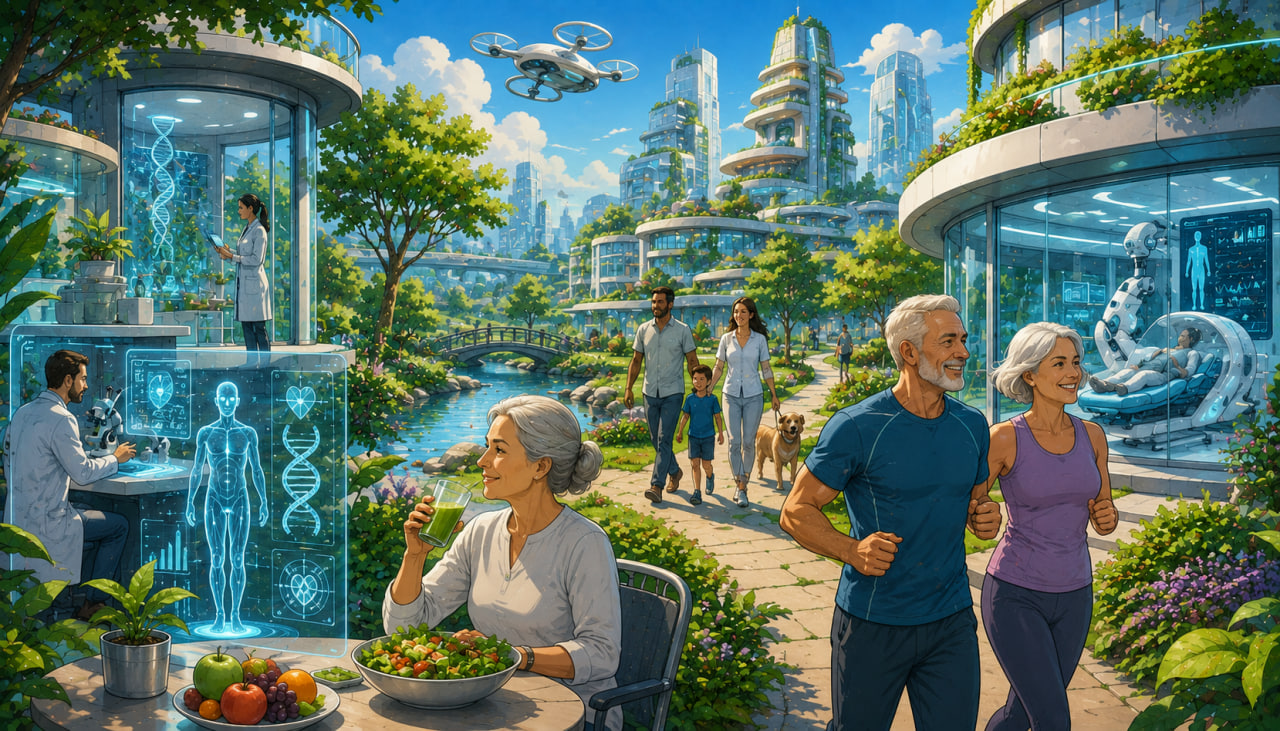
For most of human history, living beyond 40 or 50 years was considered remarkable. Diseases, poor sanitation, famine, and lack of medical knowledge limited human lifespan dramatically. During the last two centuries, however, advances in medicine, hygiene, nutrition, and technology significantly increased average life expectancy worldwide. Today, scientists are asking a question that once belonged entirely to science fiction: Could humans eventually live 150 years or even longer? Modern longevity research is rapidly expanding due to breakthroughs in: Genetics Artificial intelligence Biotechnology Regenerative medicine Anti-aging science Cellular biology Some researchers believe aging itself may eventually become partially treatable rather than an unavoidable biological fate. Although humans are still far from guaranteed 150-year lifespans, scientific progress in life extension is accelerating faster than ever before.

Digital Feudalism: Do You Really Own What You Buy Online?
AI & Ethics AI Be Smart

Digital Feudalism: Do You Really Own What You Buy Online?

In the digital age, millions of people purchase movies, games, books, software, music, and online services every day. But an important question is increasingly being asked by consumers, legal experts, and technologists alike: do people truly own digital products they buy online, or are they merely renting access under strict corporate control? This issue has become central to a growing concept often called digital feudalism — a system where large technology platforms control access to digital property, while users possess limited rights over what they supposedly “own.” Unlike physical goods, digital purchases often exist inside ecosystems controlled by companies that can modify, restrict, or even revoke access at any time.

Could Bunkers Save Humanity If Global Water Levels Rose by 5 Kilometers?
Science Be Smart What if?

Could Bunkers Save Humanity If Global Water Levels Rose by 5 Kilometers?

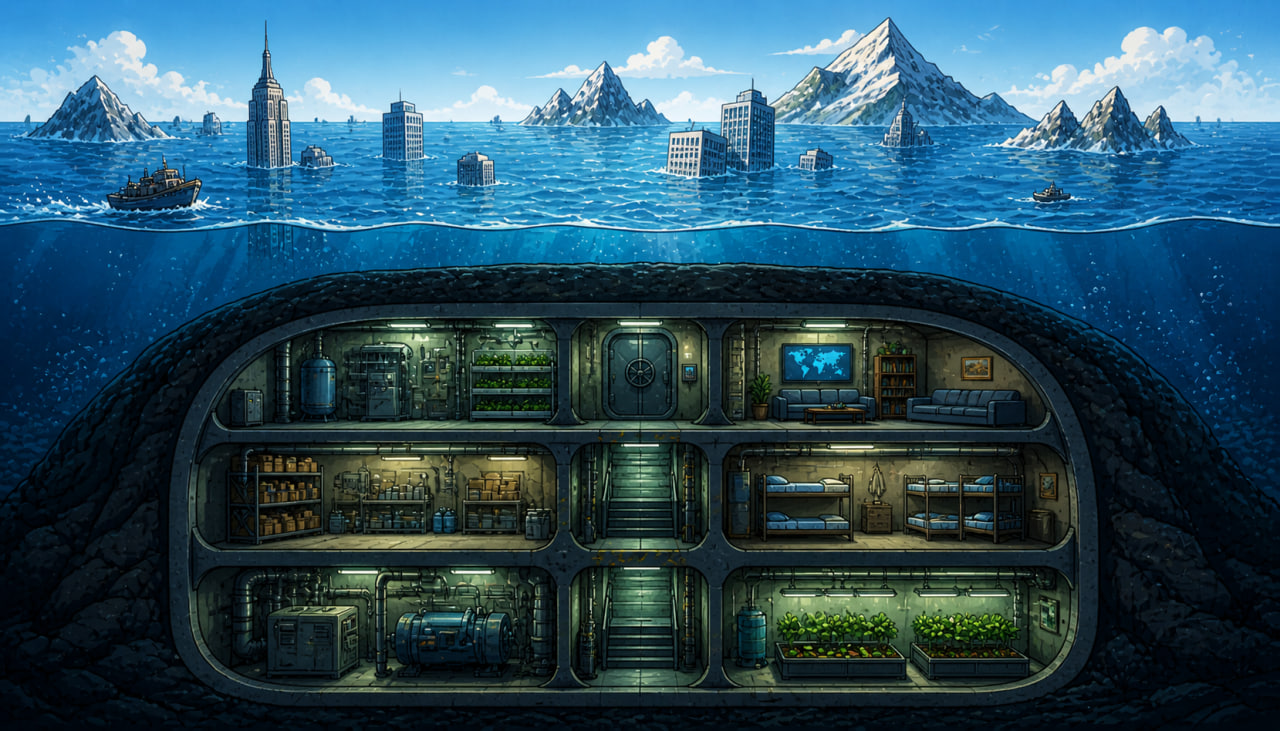
The idea of global water levels rising by 5 kilometers is an extreme and hypothetical scenario far beyond any known natural process. However, exploring this concept allows us to understand the limits of human survival systems, including underground bunkers. While bunkers are often seen as ultimate survival shelters, their effectiveness depends on environmental conditions, engineering limits, and long-term sustainability.

How Pyramids Are Built: Engineering Secrets of Ancient Structures
Science Be Smart What if?

How Pyramids Are Built: Engineering Secrets of Ancient Structures

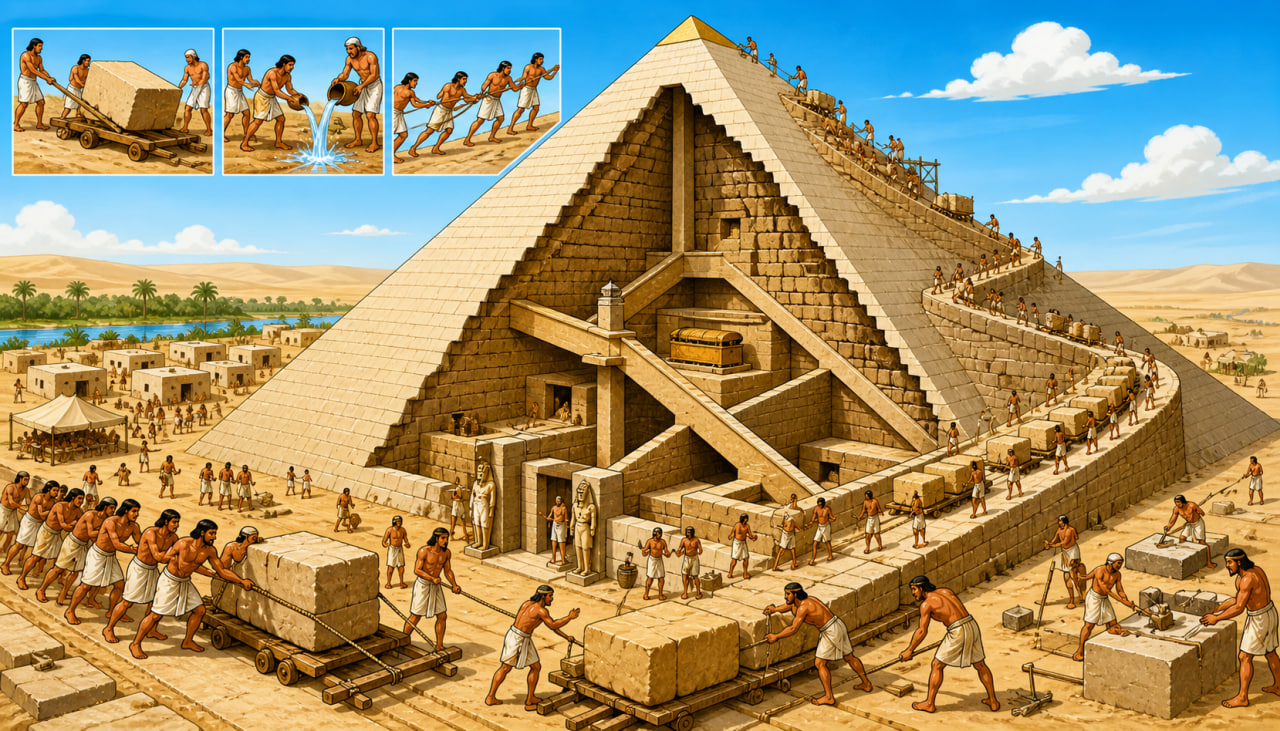
Pyramids are among the most impressive architectural achievements in human history. Found in regions such as Egypt and Mesoamerica, they continue to inspire curiosity and admiration. The most famous examples, like the pyramids of Giza, demonstrate an extraordinary level of planning, organization, and engineering skill. Understanding how pyramids are built helps us appreciate the ingenuity of ancient civilizations and their ability to solve complex construction challenges without modern technology.

Time as a Loop: Do Temporal Paradoxes Really Exist in Physics?
Science Be Smart What if?

Time as a Loop: Do Temporal Paradoxes Really Exist in Physics?

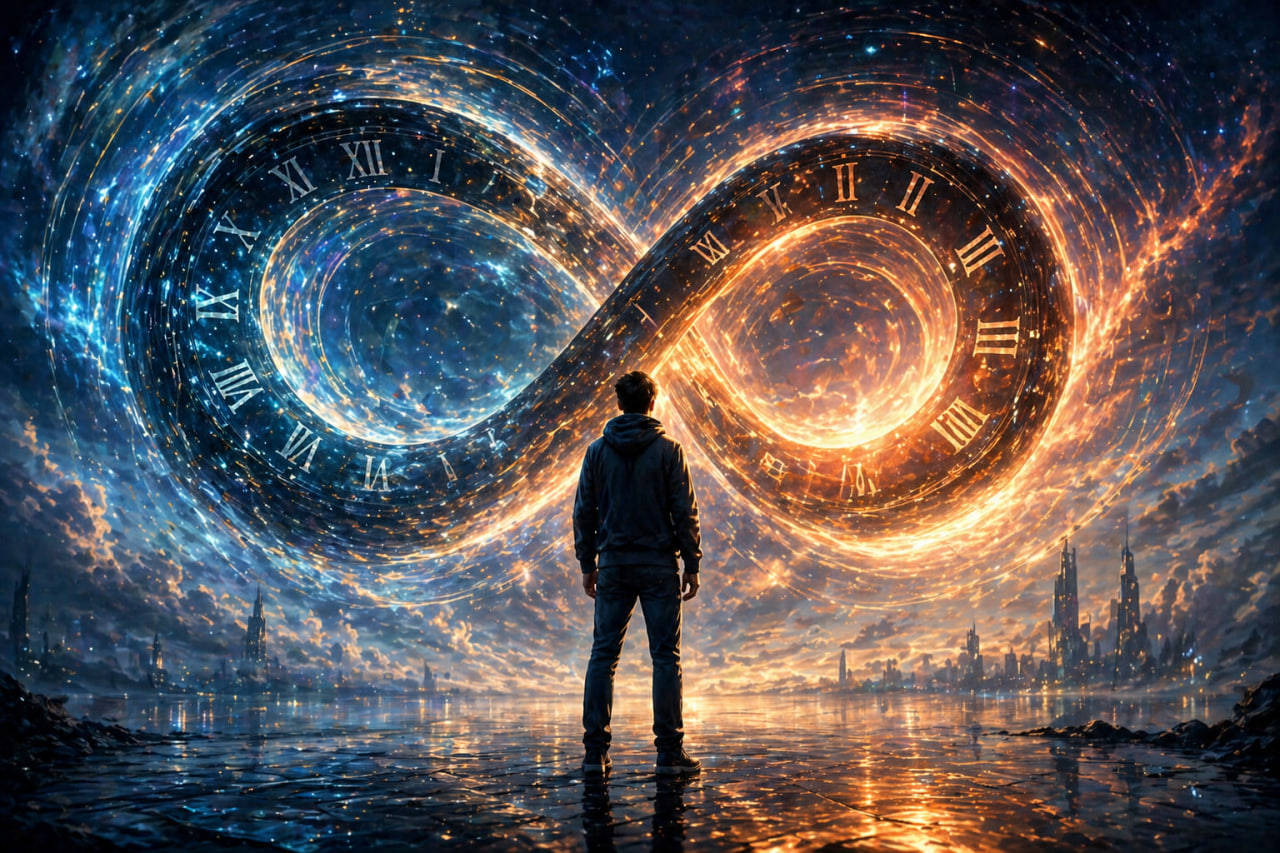
Time is usually perceived as a straight line—flowing from the past, through the present, and into the future. However, modern physics suggests that time may be far more complex. Under certain theoretical conditions, it might even behave like a loop, allowing events to influence themselves. This leads to one of the most intriguing questions in science: are time paradoxes physically possible, or are they just logical puzzles?

Does Time Really Exist? The Block Universe Theory Explained
Universe Science Be Smart

Does Time Really Exist? The Block Universe Theory Explained

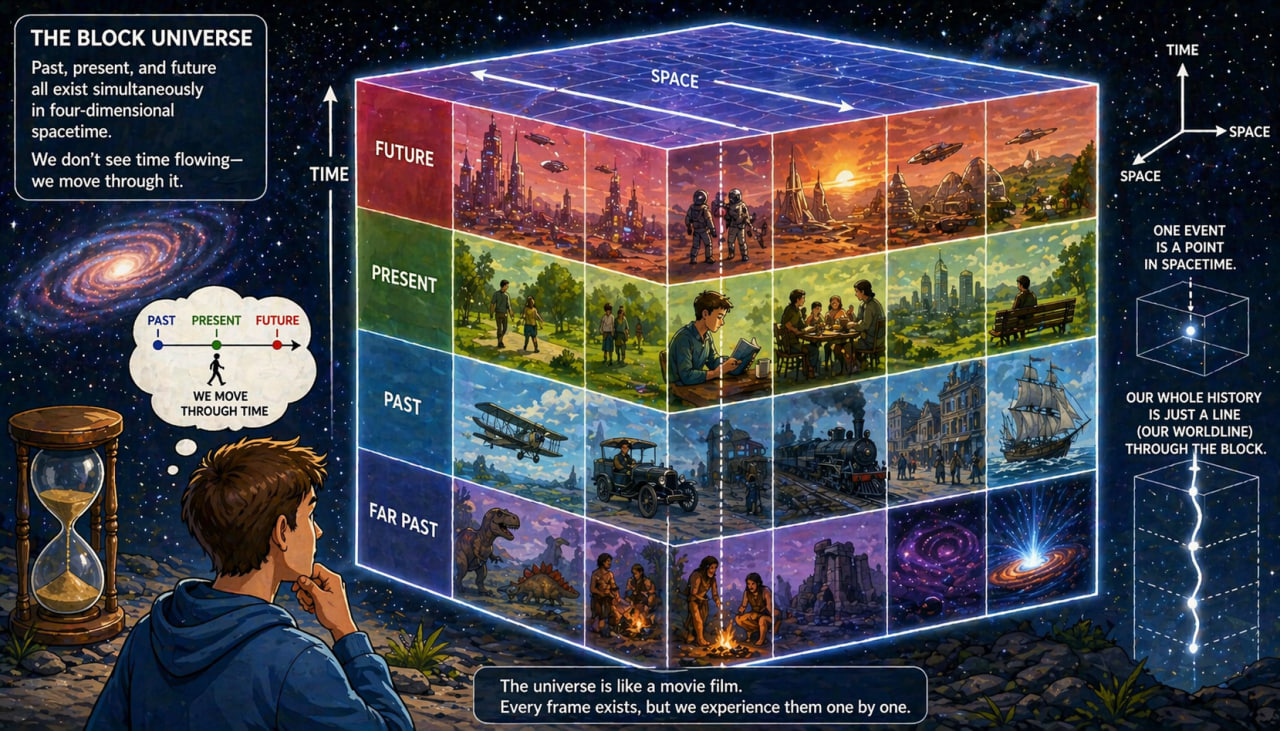
Time feels like one of the most fundamental aspects of reality. We experience it as a constant flow from past to present to future. But what if this perception is an illusion? The block universe theory, one of the most intriguing ideas in modern physics and philosophy, suggests that time does not “flow” at all. Instead, all moments—past, present, and future—exist simultaneously. This concept challenges our everyday understanding of reality and raises profound questions about free will, causality, and the nature of existence.