
The Ethics of Science: What Would Oppenheimer Do Today?
Few scientists symbolize the moral complexity of modern science as strongly as J. Robert Oppenheimer.
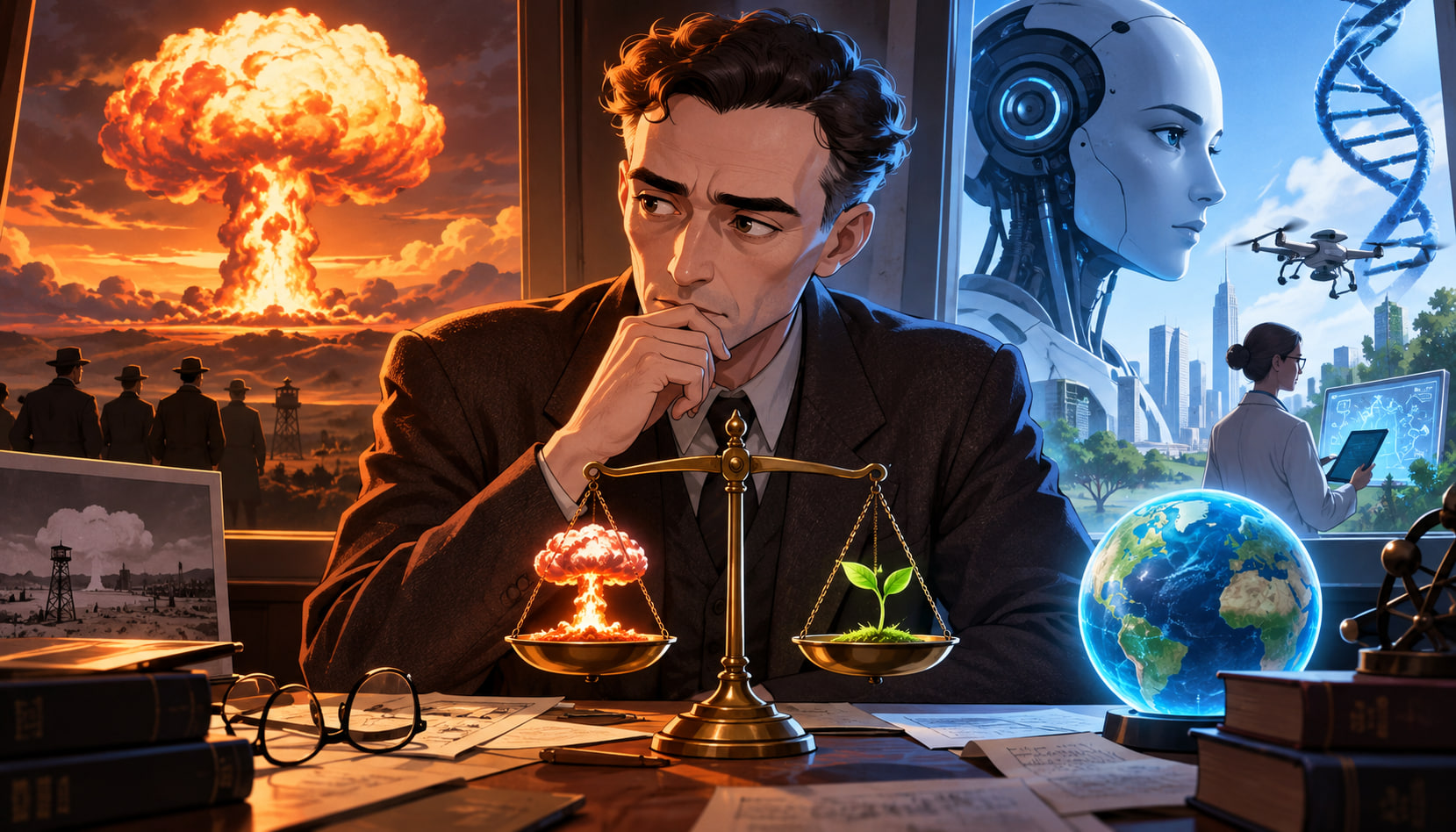
Few scientists symbolize the moral complexity of modern science as strongly as J. Robert Oppenheimer.
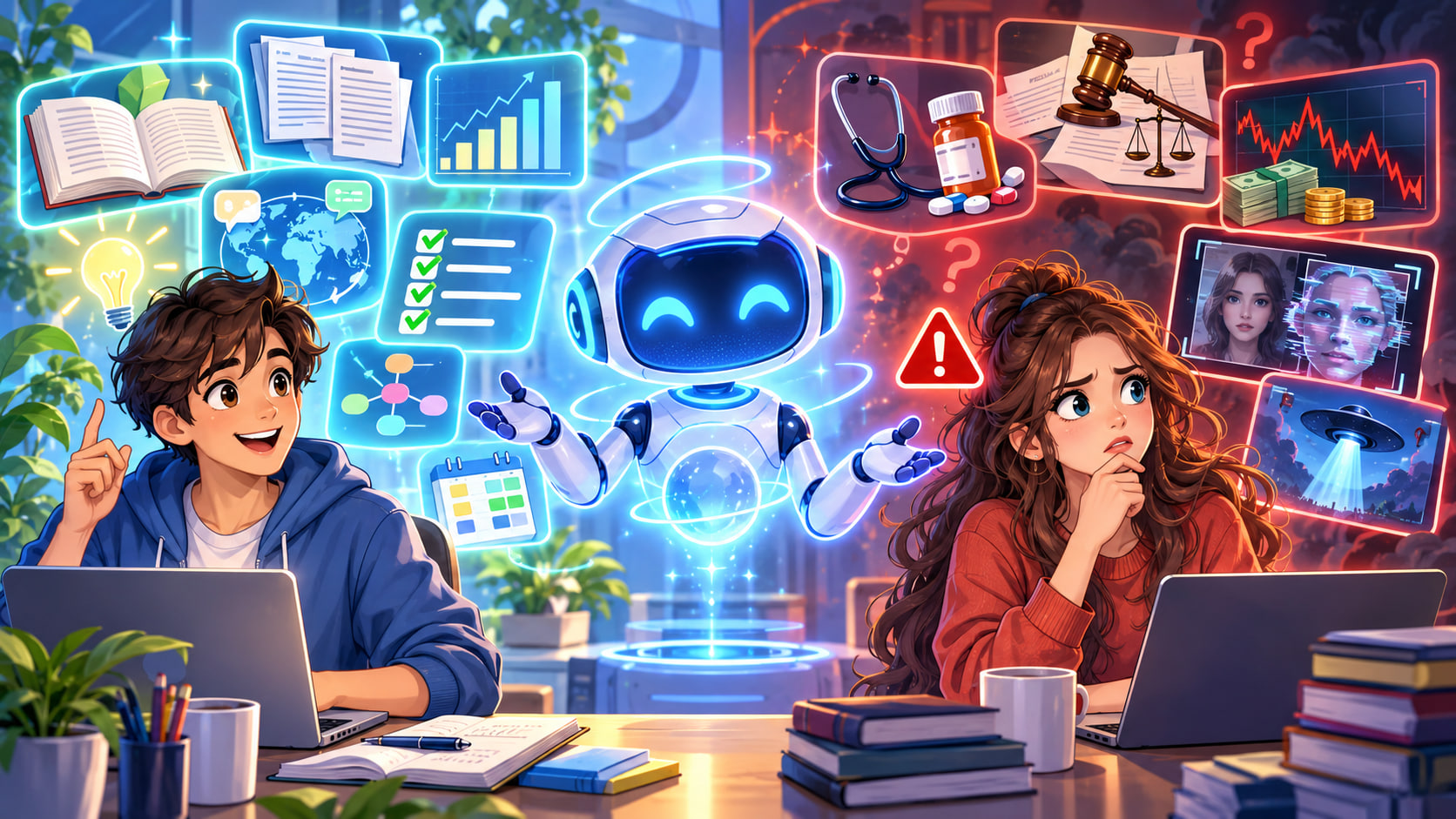
Artificial intelligence has become part of everyday life. People use AI to write emails, summarize documents, generate ideas, translate text, analyze data, plan trips, explain difficult concepts, and even help with medical or financial questions.
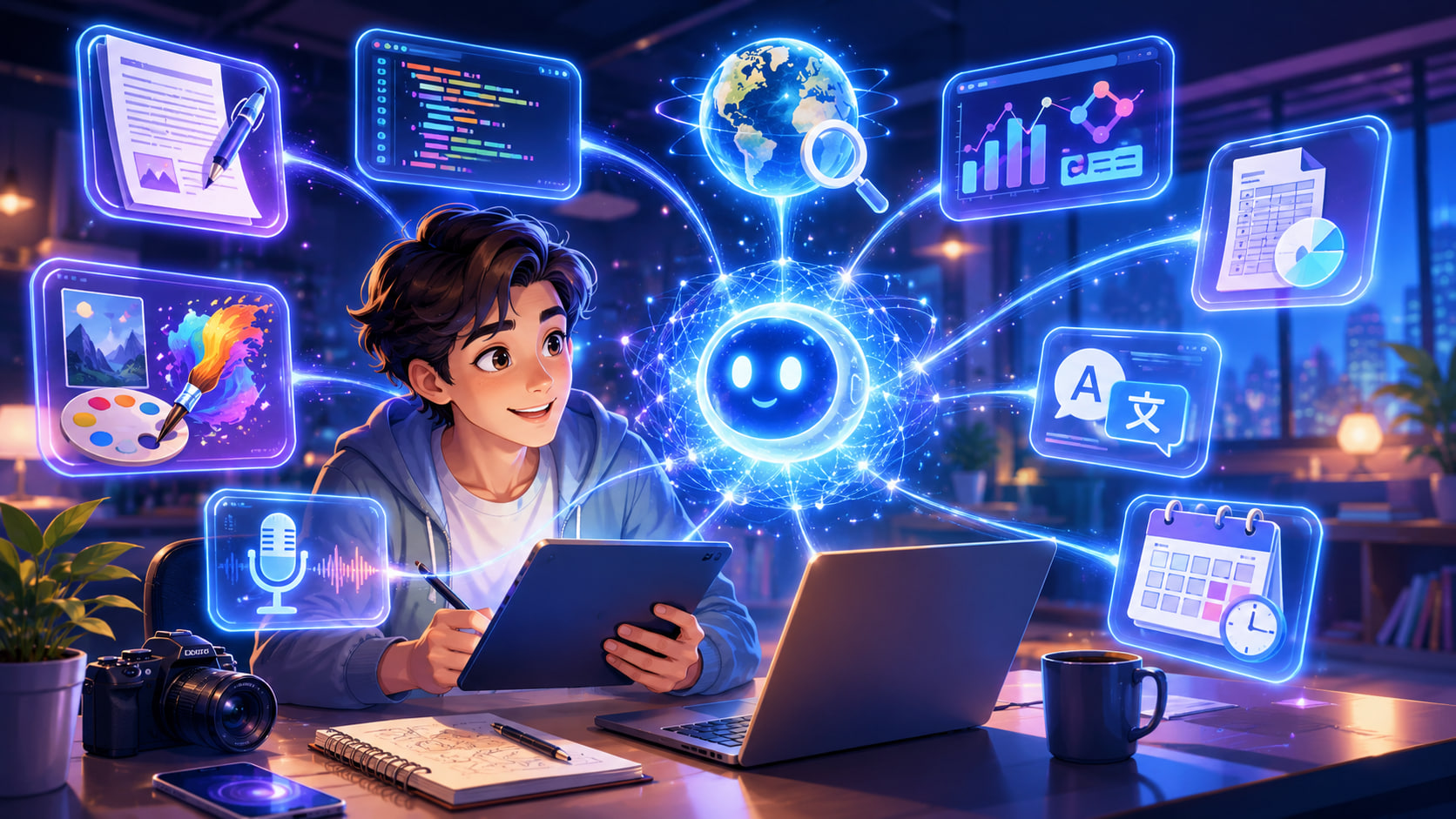
ChatGPT Work can also use a cloud browser on eligible paid plans. This browser can navigate supported websites, click buttons, fill forms, and perform multi-step browser workflows, including on some signed-in sites.
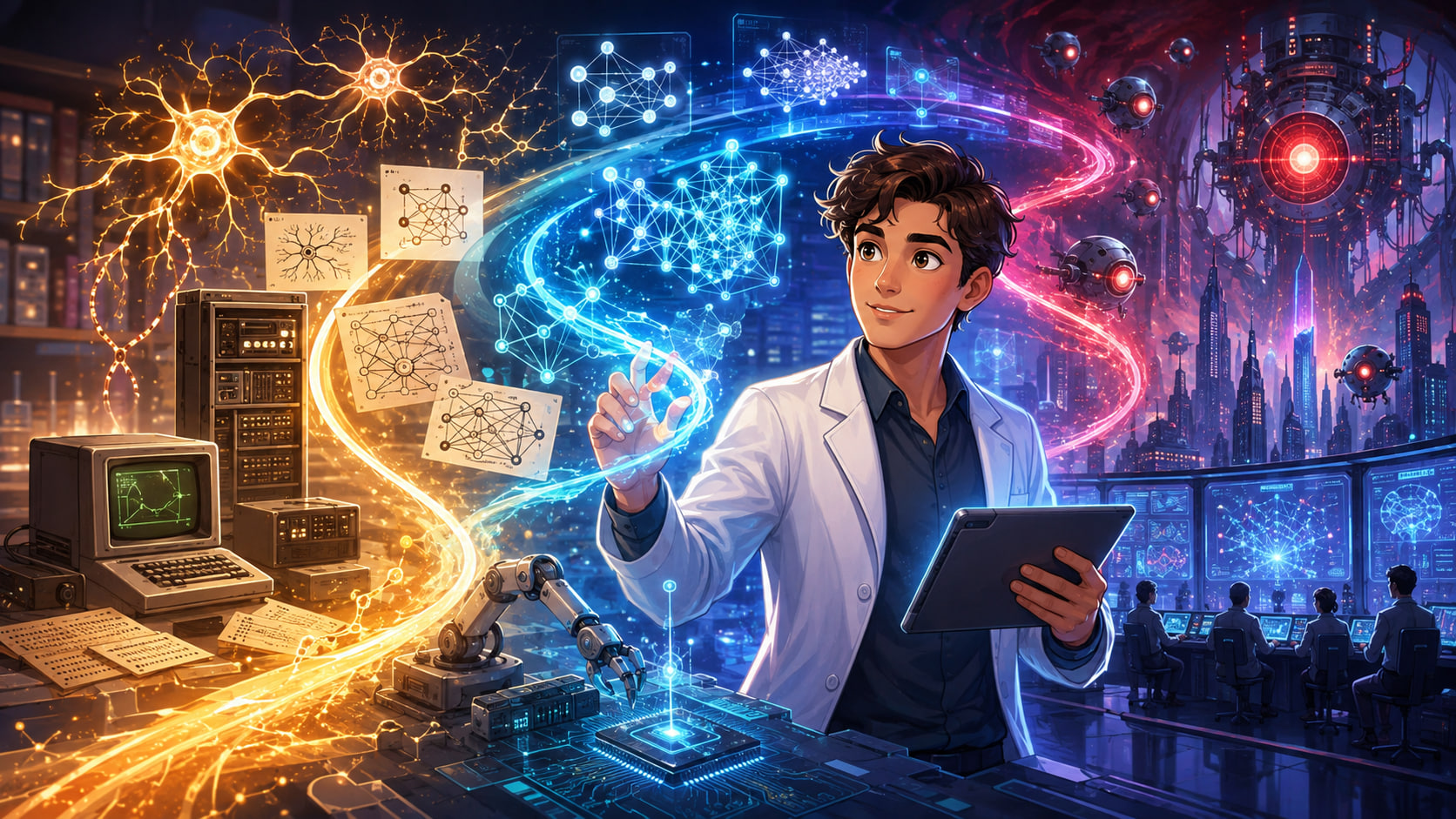
Today, they power image generators, translation systems, medical tools, recommendation engines, self-driving research, robotics, and large language models. Their rapid progress has also revived an old science-fiction question: could artificial intelligence eventually become something like Skynet?
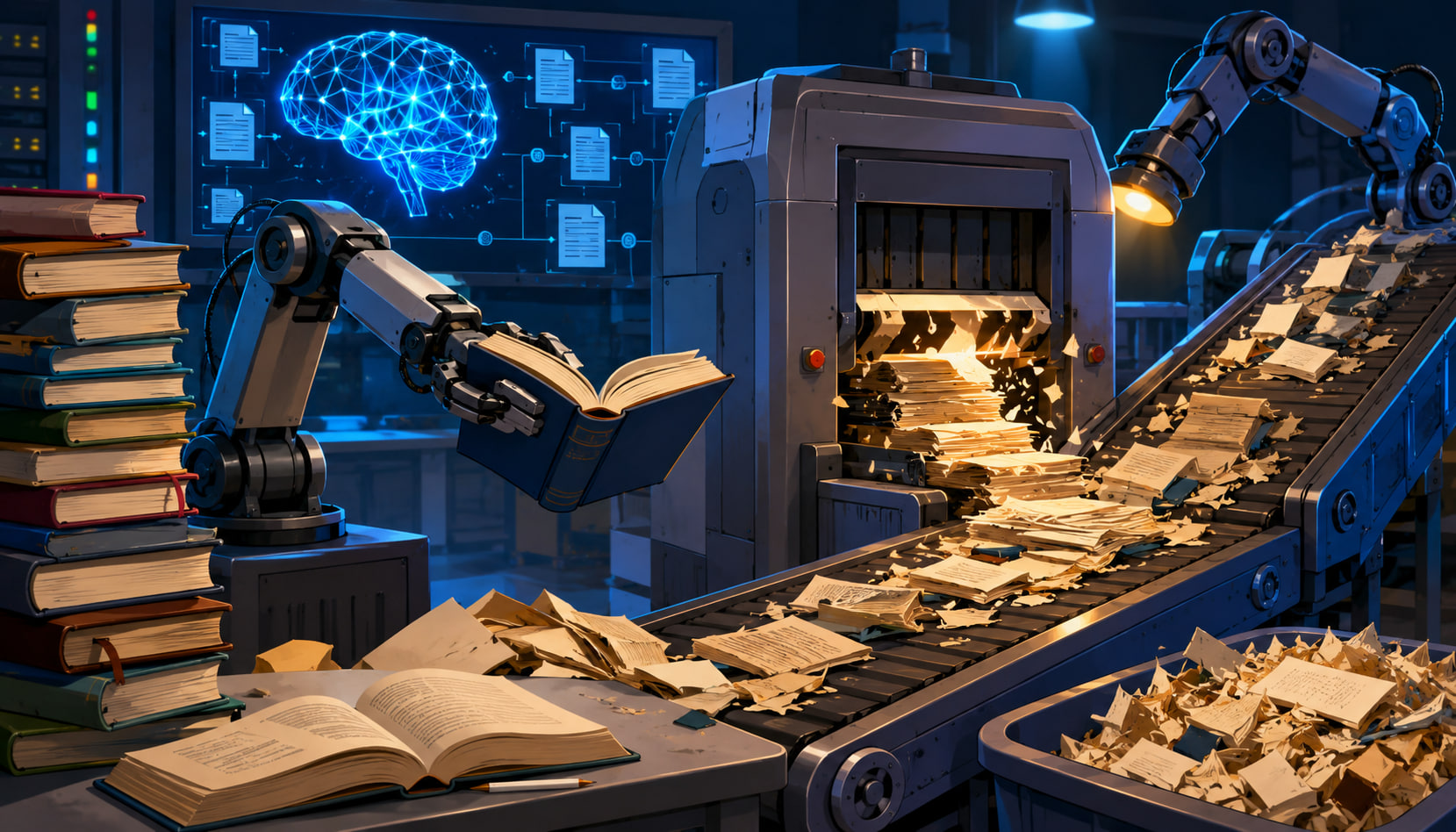
The reason is not that AI developers are trying to eliminate literature. In some large-scale digitization projects, physical books are sacrificed because destroying the binding can make high-speed scanning dramatically faster, cheaper, and more accurate.
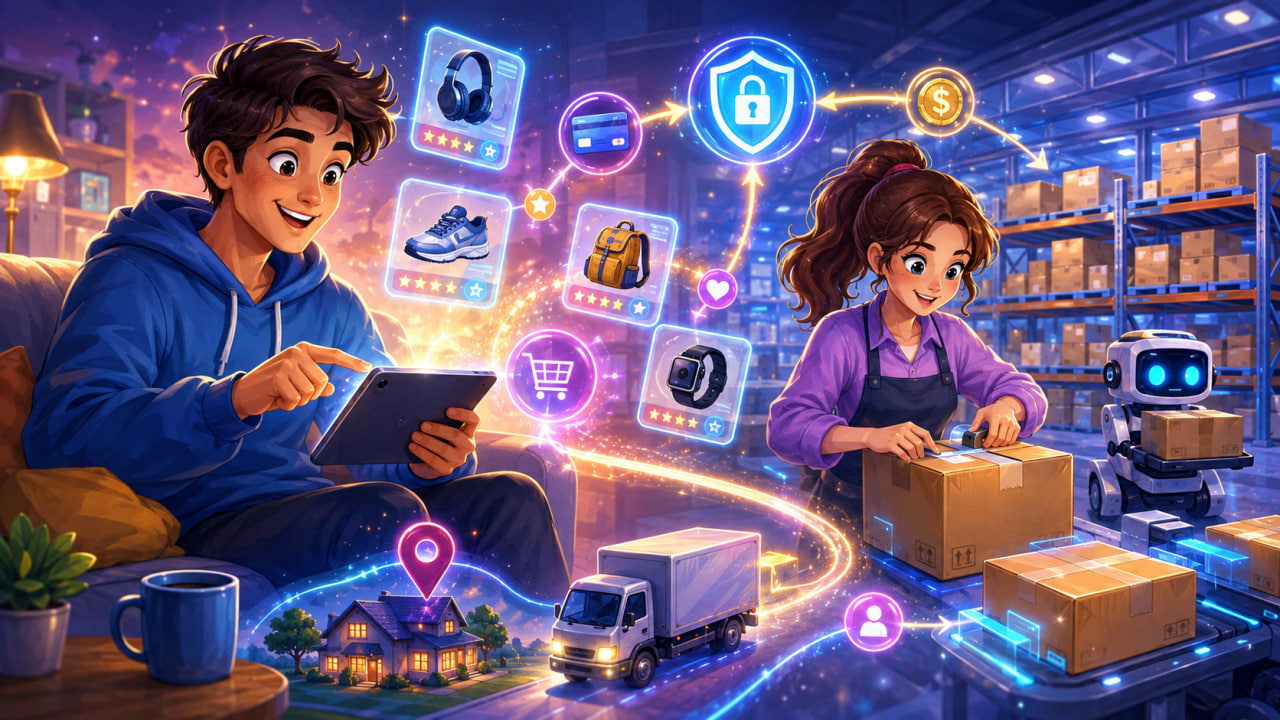
Modern marketplaces are the invisible engines behind much of today’s online shopping. When people buy clothes, electronics, handmade goods, food, books, home items, or digital services online, they are often not buying directly from one single store. They are using a marketplace.
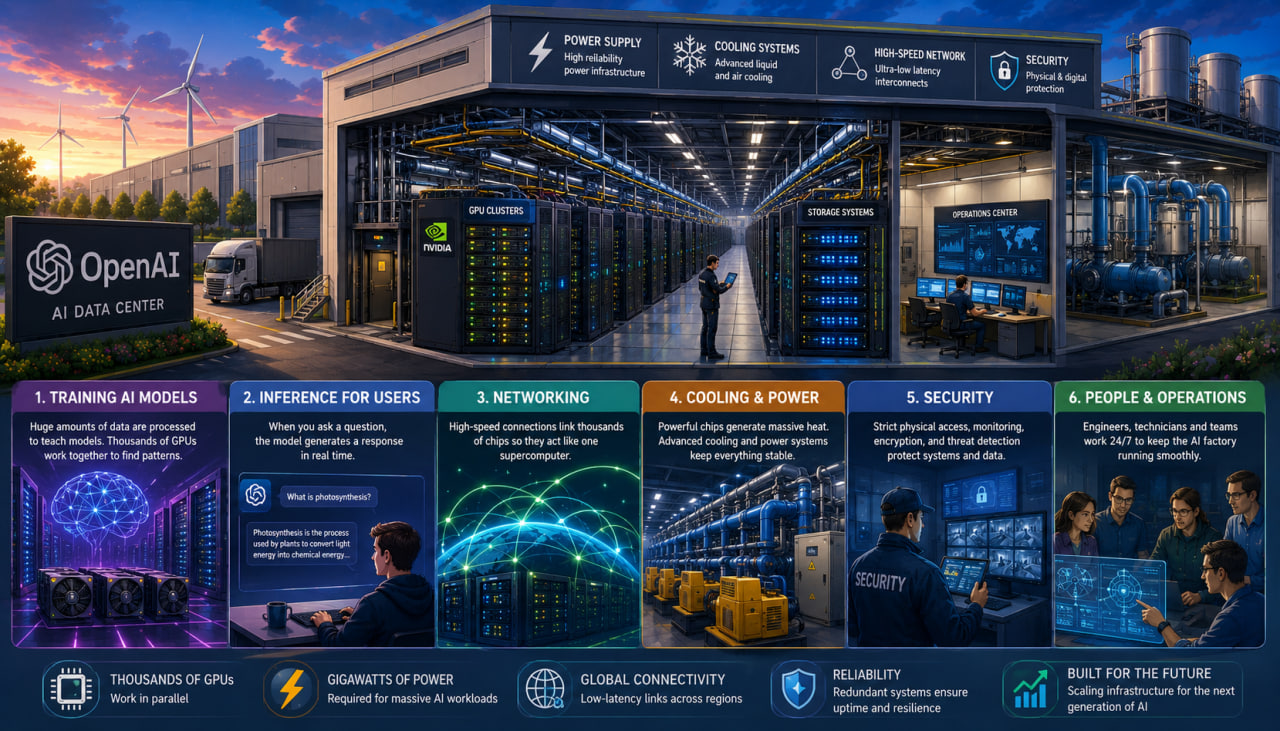
An OpenAI data center is not a single mysterious room full of one giant computer. It is a highly engineered AI computing facility built to run enormous numbers of calculations at extreme speed. It supports the systems behind tools such as ChatGPT, API services, research models, and future AI applications. The exact layout, security details, hardware configuration, and operational procedures of OpenAI-related data centers are not publicly disclosed in full. That is normal for facilities handling advanced computing, sensitive infrastructure, and valuable intellectual property. But based on OpenAI’s public infrastructure announcements, partnership details, and job descriptions, we can describe the big picture accurately: an OpenAI data center is closer to an industrial-scale AI factory than a traditional office server room.
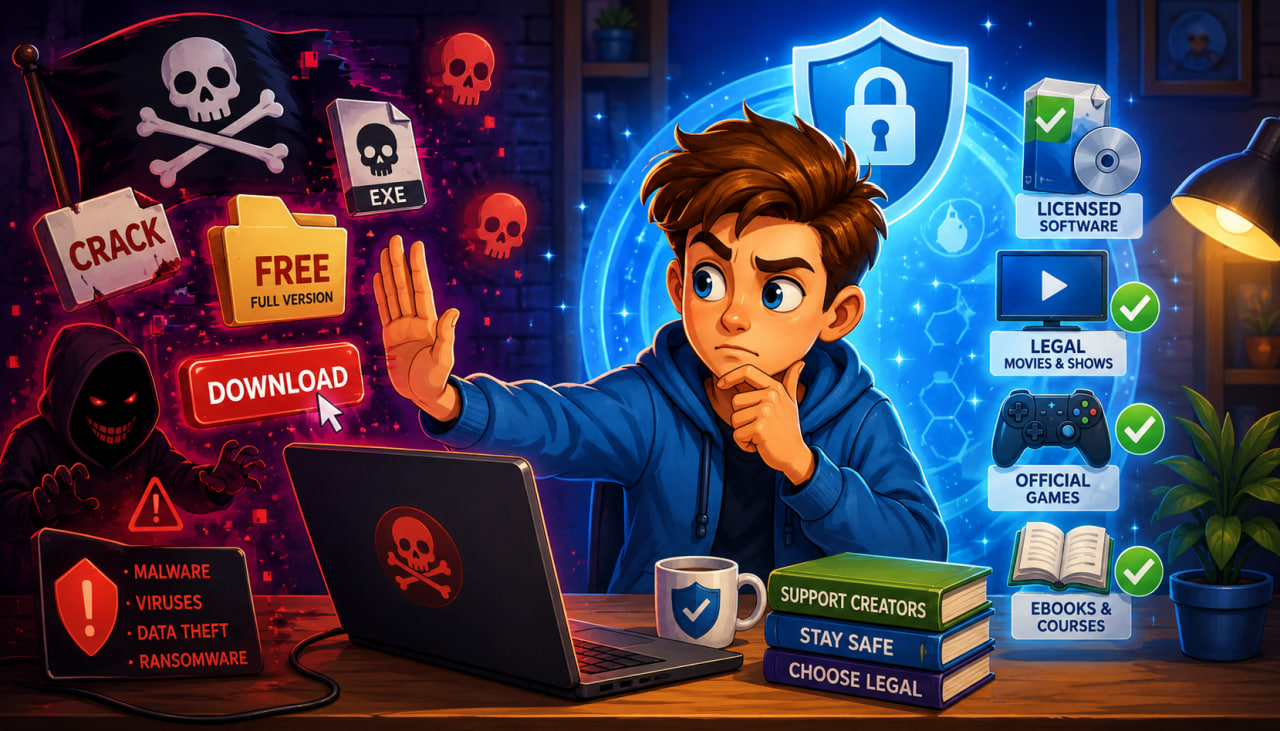
Pirated copies are often marketed as a shortcut: free software, discounted games, unauthorized movie downloads, cracked apps, copied e-books, or fake physical discs that appear almost identical to the original product. At first glance, they seem convenient.

Choosing the best AI tool for images and video is no longer about finding “the most powerful model.” In 2026, the smarter question is: which neural network fits your creative workflow, budget, commercial risk, and publishing format?
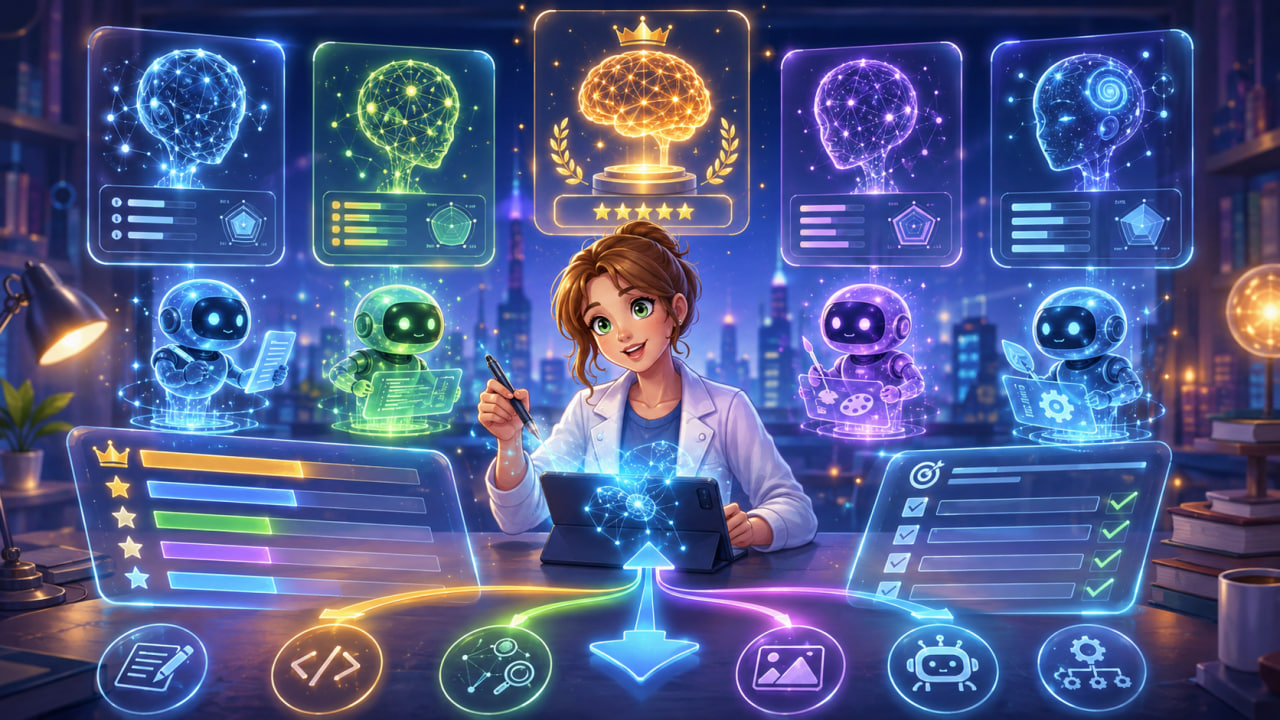
Artificial intelligence has entered a new stage in 2026. The leading systems are no longer simple chatbots that only answer questions. They can now analyze documents, write and test code, search the web, interpret images, operate digital tools, and complete multi-step professional tasks.