The release introduces GPT-5.6 Sol, OpenAI’s flagship model, together with lower-cost variants named Terra and Luna. In ChatGPT, Sol powers the deeper reasoning options available on eligible plans, while GPT-5.5 Instant remains the default model for many everyday conversations.
Instead of keeping every discussion in one long chat or repeatedly explaining the same background, you can create a project for a specific goal. All related materials stay together, making it easier to continue work over days, weeks, or months.
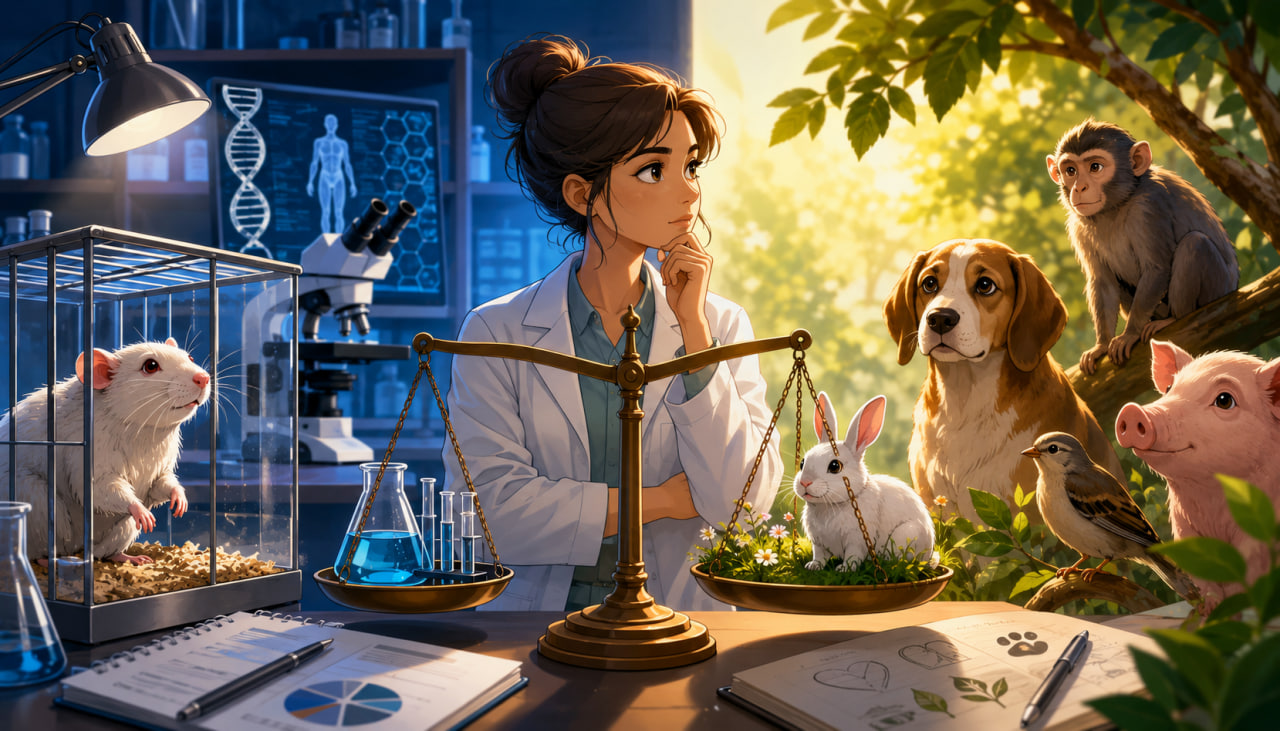
Animal experimentation has contributed to medical research, drug development, toxicology, neuroscience, and the study of disease. At the same time, it raises one of science’s most difficult moral questions: when, if ever, is it acceptable to cause suffering to animals in pursuit of knowledge or human benefit?
Antivirus software is one of the most familiar cybersecurity tools, yet many users are unsure what it actually does. Modern antivirus programs do much more than search for traditional computer viruses. They monitor files, applications, downloads, memory, and system activity for many forms of malicious software.
It matters because modern life depends on connected technology. Banks process payments digitally, hospitals store medical records electronically, cities operate transport and utilities through computer systems, and families keep photographs, documents, and private conversations online.
ChatGPT can write articles, analyze information, generate ideas, improve text, create plans, and help solve complex problems. However, the quality of its response depends heavily on the instructions it receives.
Personal stories are memorable because they involve real people, emotions, and visible outcomes. They can inspire useful research questions, but an anecdote cannot reliably prove that a product, treatment, diet, or habit caused the result.
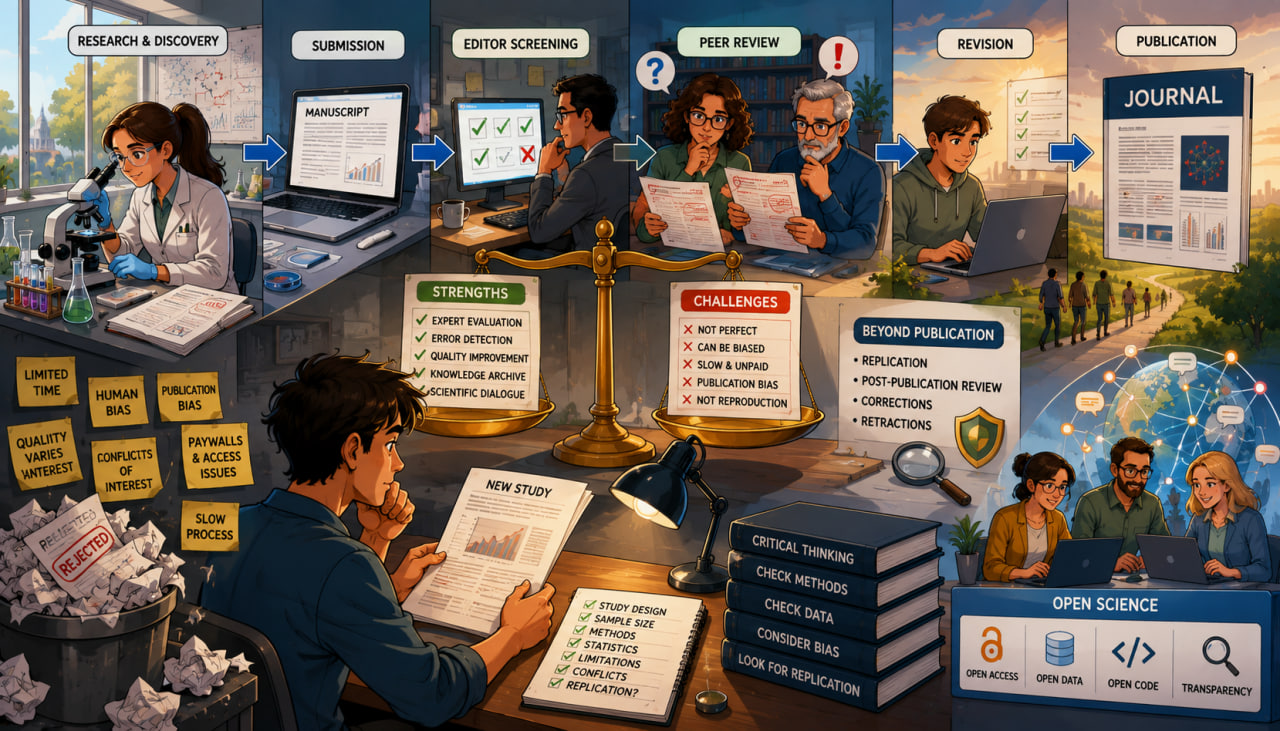
Scientific journals are the main channels through which researchers share experiments, clinical studies, theories, datasets, and new discoveries. Before most papers are published, they pass through peer review, a process in which other specialists evaluate the manuscript.
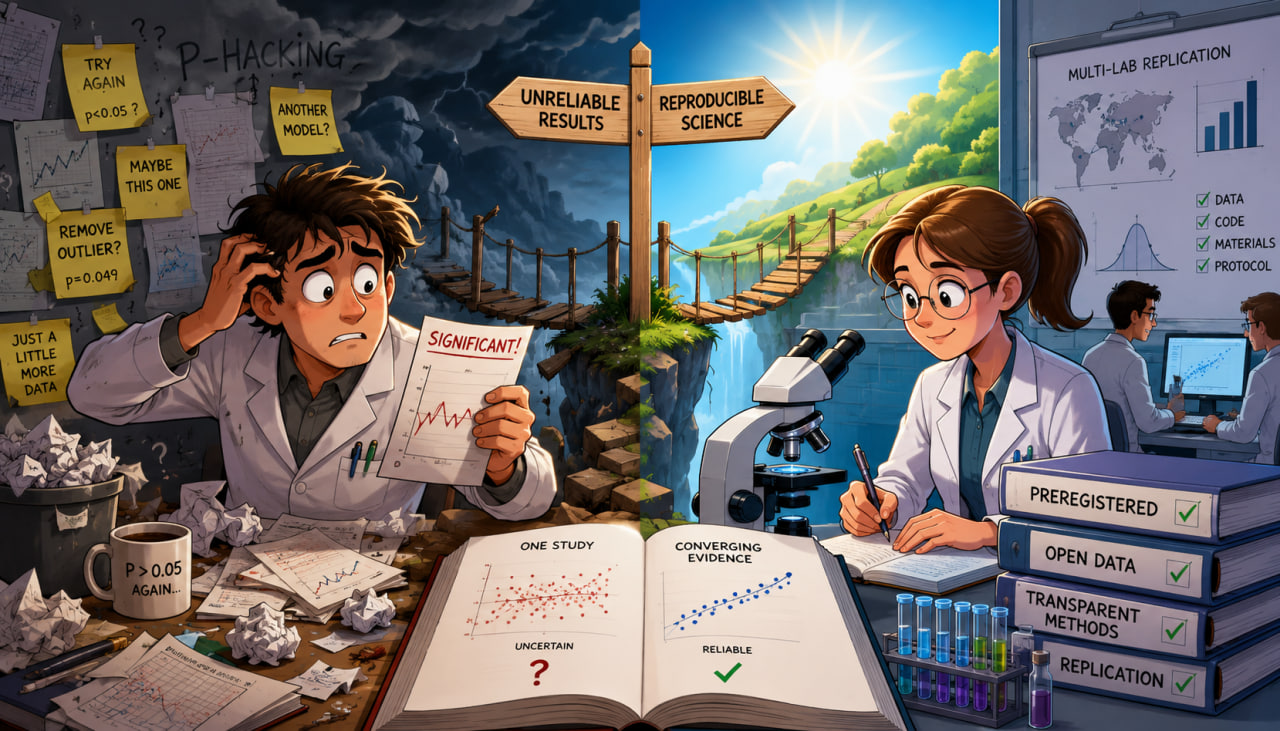
Scientific articles often appear definitive. They contain statistics, technical language, graphs, expert authors, and peer review. Yet publication does not guarantee that a finding is correct, universal, or independently repeatable.
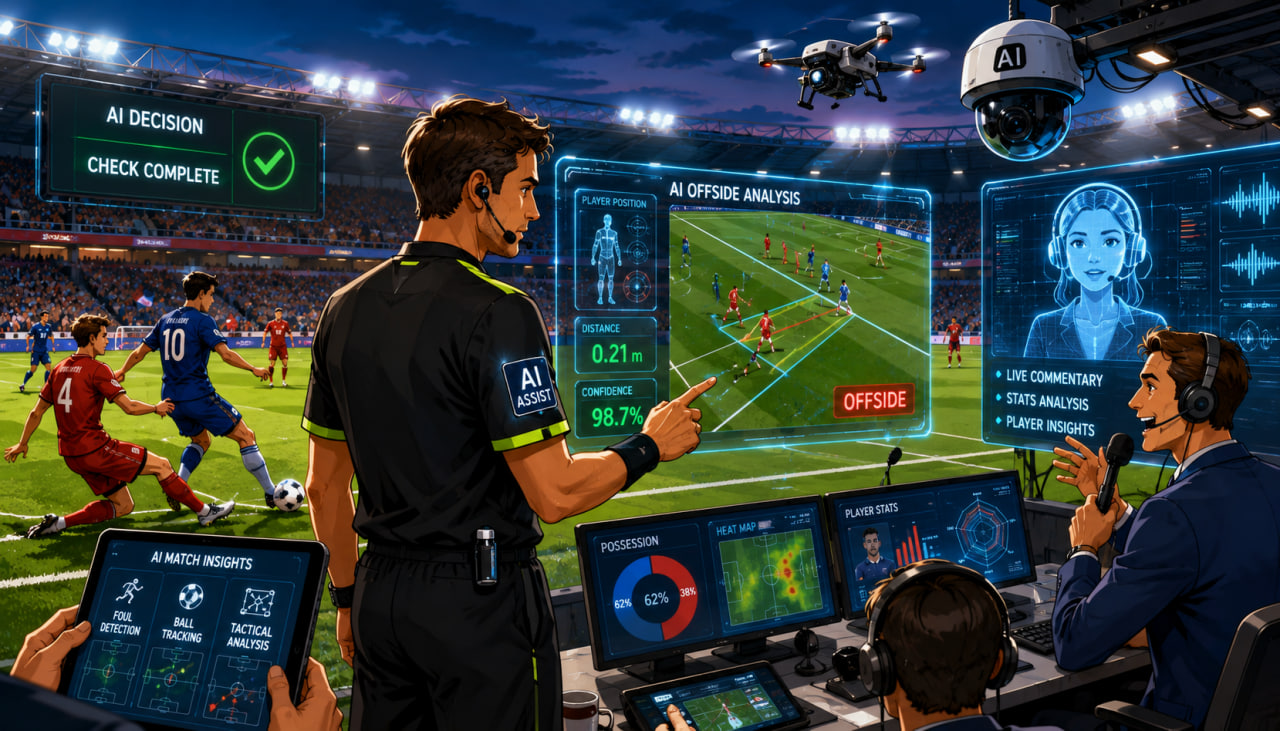
Artificial intelligence is rapidly transforming the world of sports. From automated offside detection in soccer to real-time performance analytics and AI-generated match commentary, technology is becoming an increasingly important part of both professional and amateur competitions. But an important question remains: Could AI eventually replace human referees and sports commentators altogether? The answer is more nuanced than a simple yes or no. While AI excels at processing data, detecting patterns, and making rapid calculations, sports involve human judgment, emotions, communication, and context that remain difficult for machines to fully understand. Most experts believe the future lies in collaboration between humans and artificial intelligence rather than complete replacement.