Be Smart

Bacterial Flagellar Motors: Nature’s Tiny Rotating Engines
Bioengineering New Discoveries Be Smart

Bacterial Flagellar Motors: Nature’s Tiny Rotating Engines

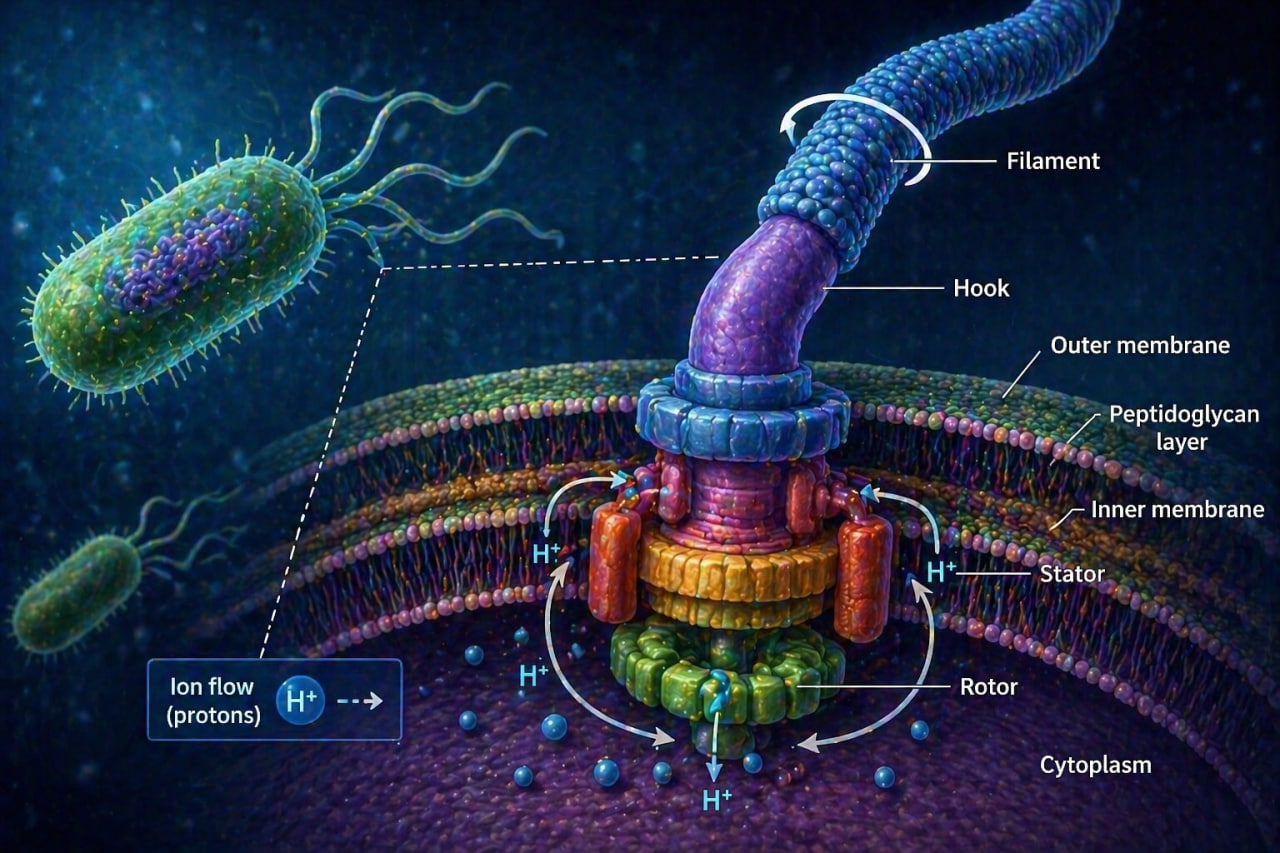
Among the most remarkable structures in biology is the flagellar motor of bacteria—a microscopic machine that allows single-celled organisms to move with incredible efficiency. These natural “engines” rotate like propellers, enabling bacteria to swim through liquids in search of nutrients or better environments. Despite their tiny size, flagellar motors are among the most sophisticated biological systems ever discovered.
How Stars Are Born and Die: The Life Cycle of Stars
Space Stories Universe Science

How Stars Are Born and Die: The Life Cycle of Stars

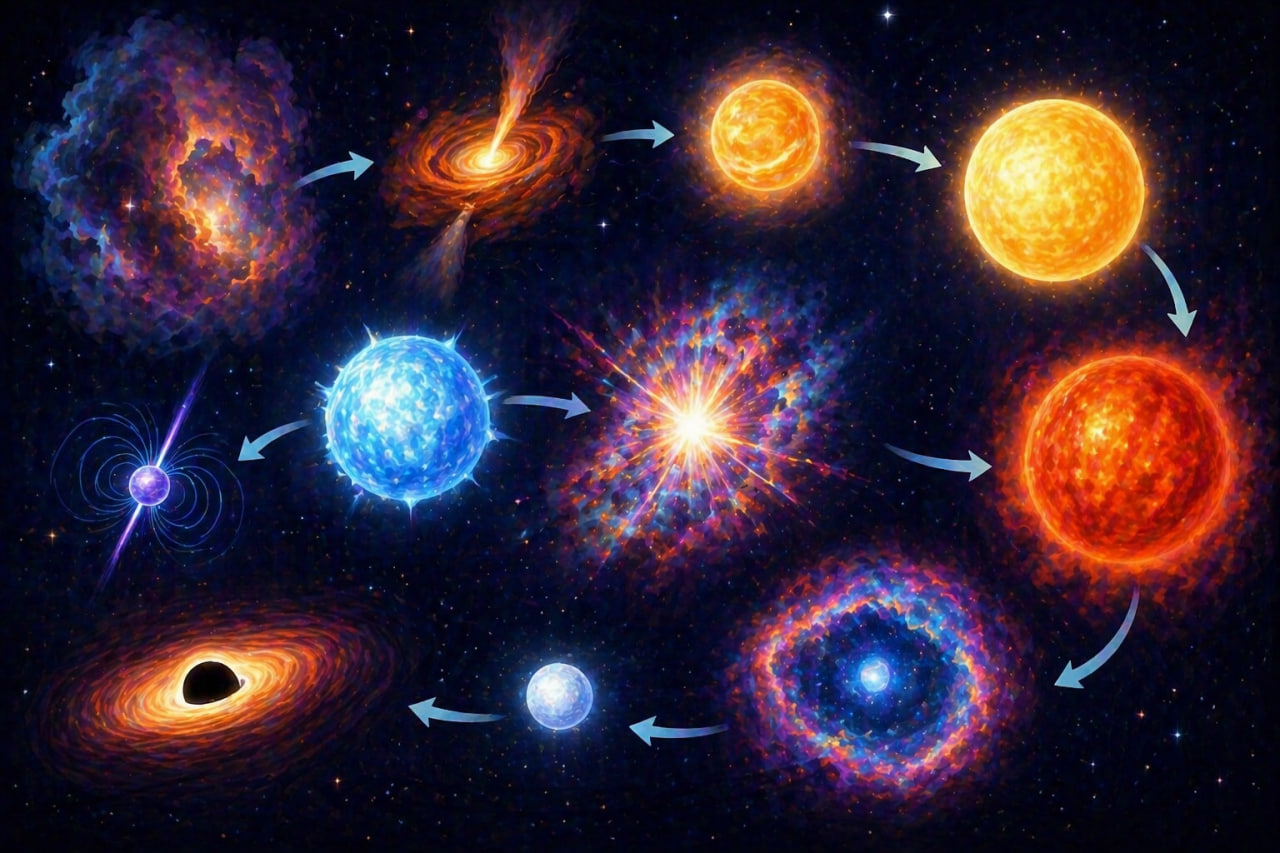
Stars are among the most fundamental objects in the universe. They light up galaxies, create the elements necessary for life, and shape cosmic evolution. Yet, like all things, stars are not eternal. They are born, evolve, and eventually die—sometimes quietly, sometimes in spectacular explosions. Understanding the life cycle of stars reveals how the universe itself changes over time.

Static Electricity: How Invisible Charges Shape Everyday Life
Science Be Smart Physics

Static Electricity: How Invisible Charges Shape Everyday Life

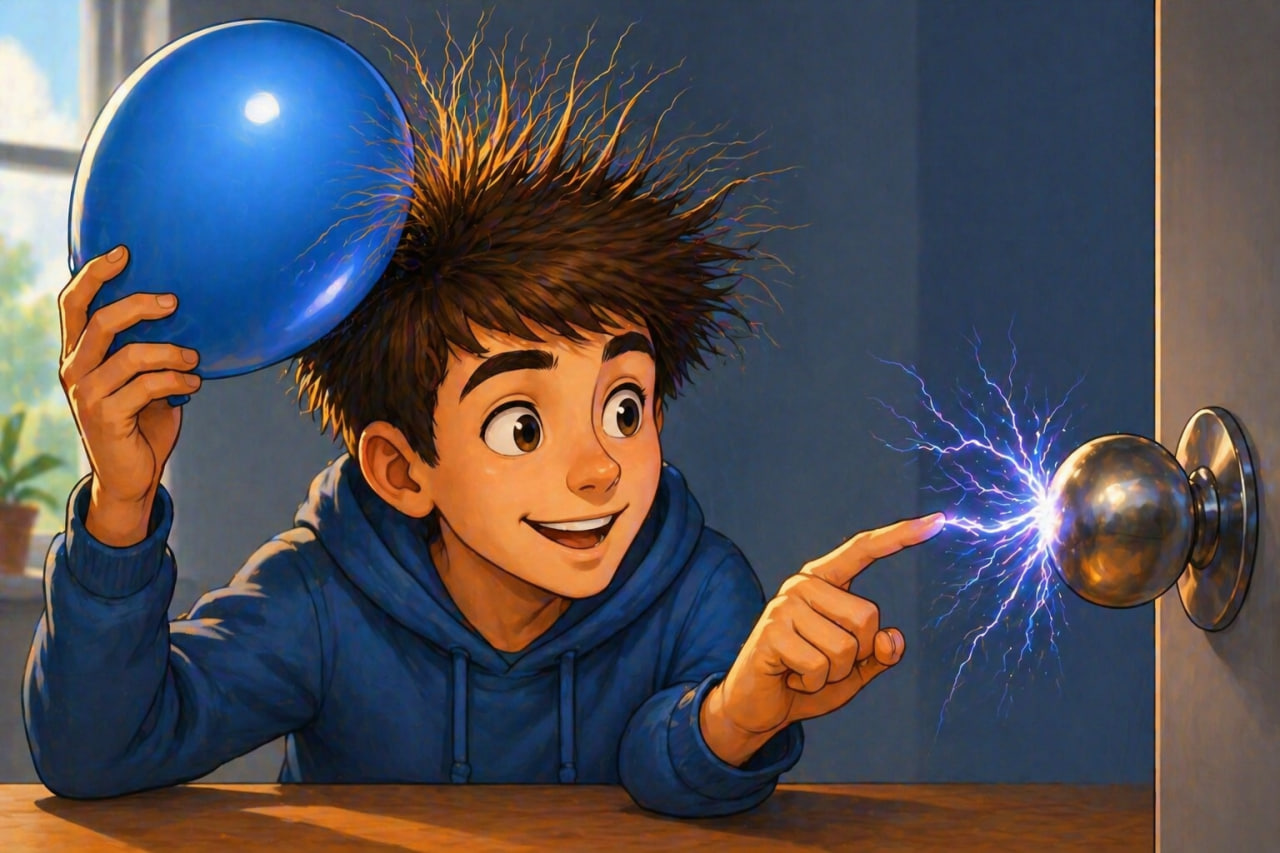
Static electricity is one of the simplest yet most fascinating phenomena in physics. Almost everyone has experienced it—whether through a small shock after touching a metal object or hair standing on end when rubbed with a balloon. Despite its simplicity, static electricity reveals fundamental principles about how electric charges behave. Understanding static electricity not only explains everyday effects but also provides insight into the broader world of electromagnetism.

Time as a Loop: Do Temporal Paradoxes Really Exist in Physics?
Science Be Smart What if?

Time as a Loop: Do Temporal Paradoxes Really Exist in Physics?

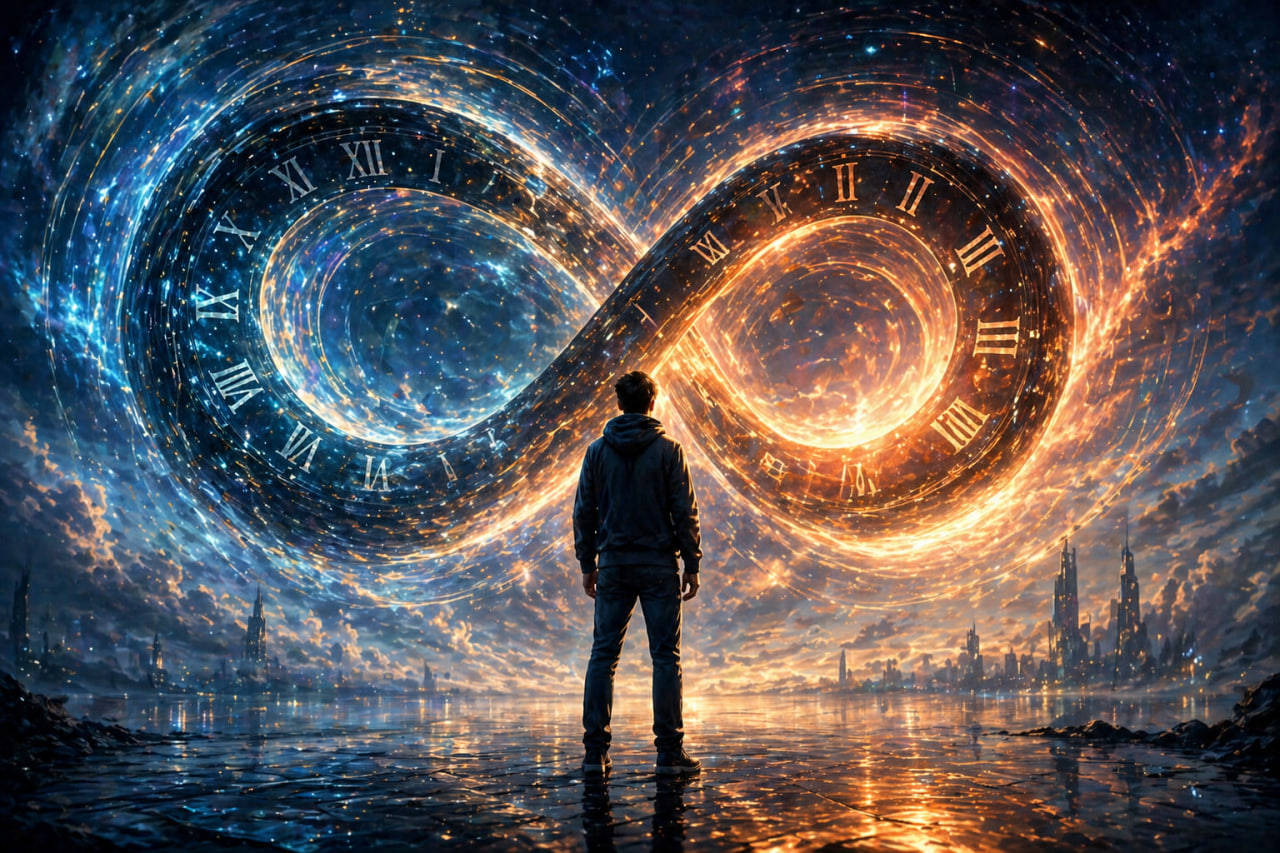
Time is usually perceived as a straight line—flowing from the past, through the present, and into the future. However, modern physics suggests that time may be far more complex. Under certain theoretical conditions, it might even behave like a loop, allowing events to influence themselves. This leads to one of the most intriguing questions in science: are time paradoxes physically possible, or are they just logical puzzles?

How to Improve Efficiency When Working with Neural Networks
AI & Ethics AI Be Smart

How to Improve Efficiency When Working with Neural Networks

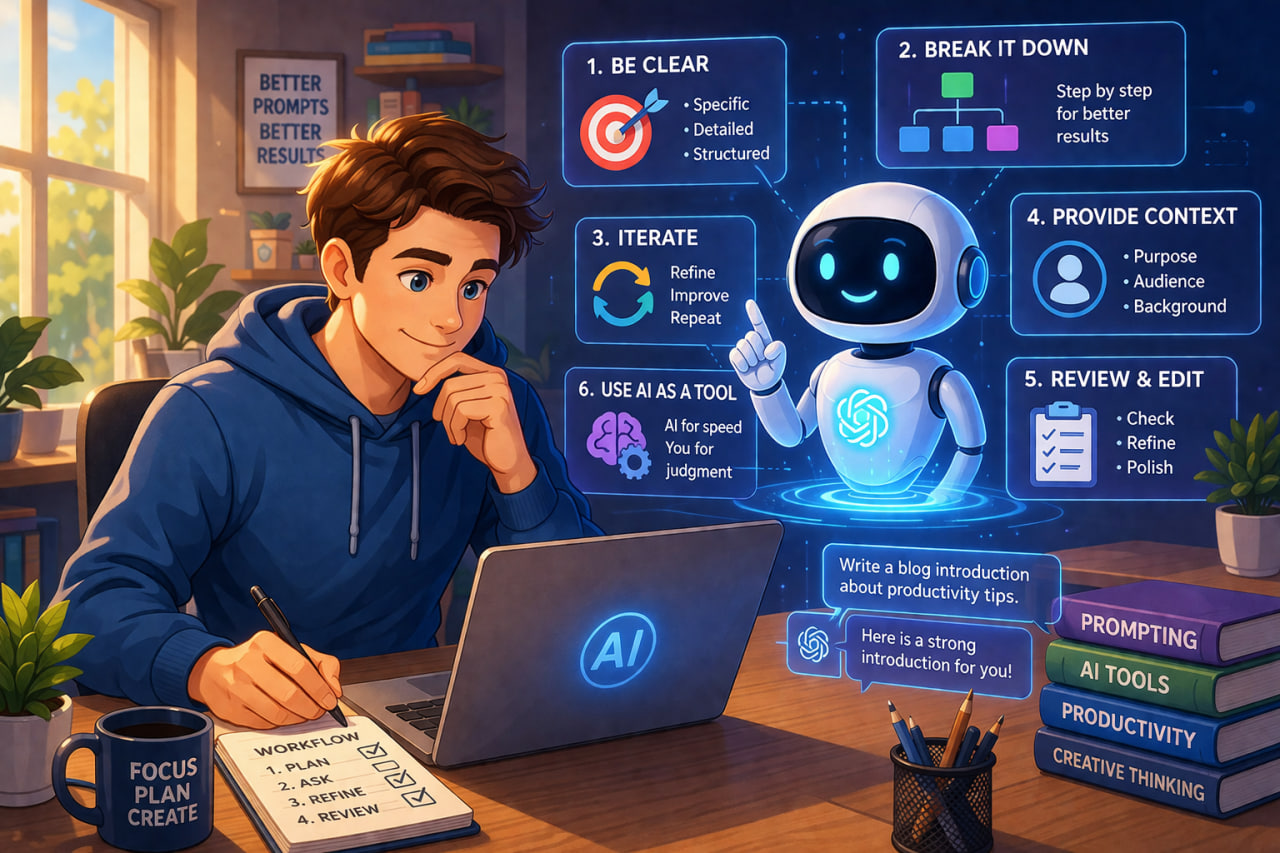
Neural networks and AI tools are transforming how people work, create, and solve problems. However, simply using them is not enough to achieve strong results. True effectiveness comes from understanding how to interact with these systems, structure requests, and optimize workflows. This article explains practical, science-based strategies to increase productivity, accuracy, and output quality when working with neural networks.

Chernobyl Disaster Anniversary: How to Prevent Another Nuclear Catastrophe
History Be Smart News

Chernobyl Disaster Anniversary: How to Prevent Another Nuclear Catastrophe

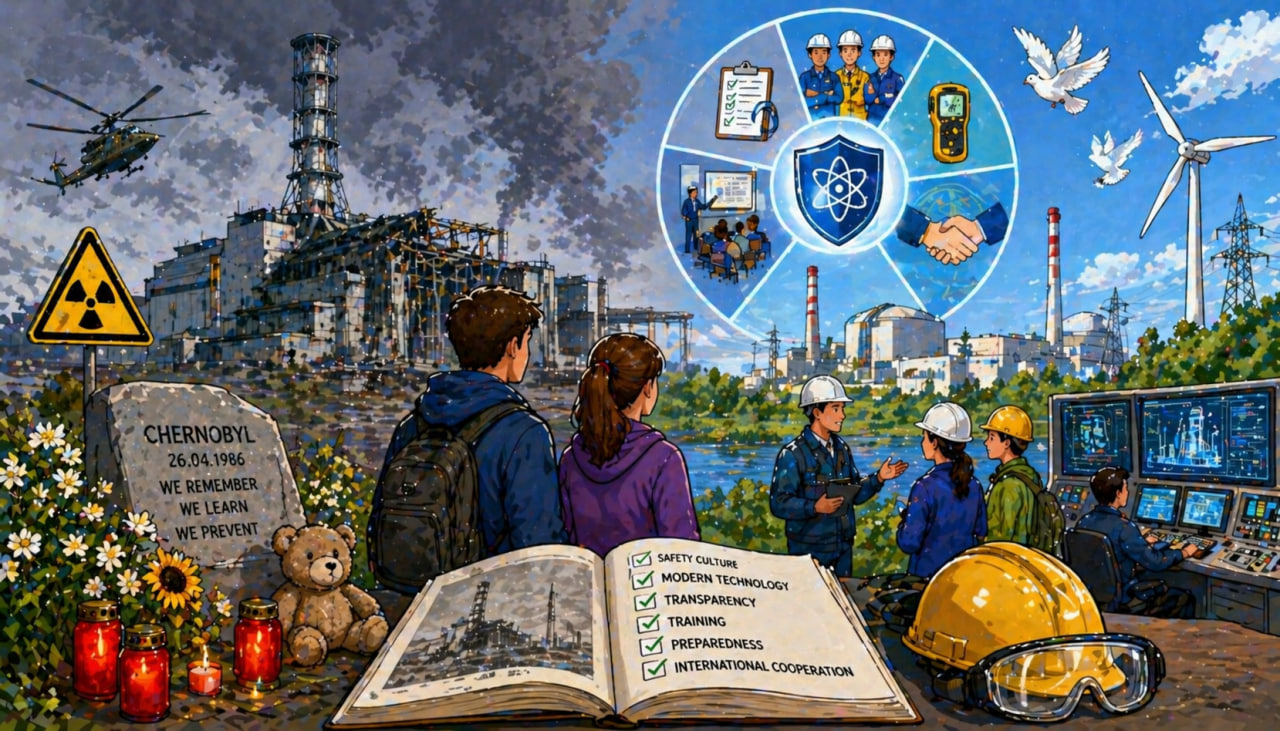
The anniversary of the Chernobyl disaster serves as a powerful reminder of the risks associated with nuclear energy when safety systems fail. On April 26, 1986, a reactor at the Chernobyl Nuclear Power Plant in present-day Ukraine exploded during a safety test, releasing massive amounts of radioactive material into the environment. It remains one of the worst nuclear accidents in history. Decades later, Chernobyl continues to influence global nuclear safety standards. Understanding what went wrong—and how modern science and policy aim to prevent similar disasters—is essential for ensuring a safer future.

Shock Waves: How Powerful Pressure Fronts Shape Nature and Technology
Science Be Smart Physics

Shock Waves: How Powerful Pressure Fronts Shape Nature and Technology

Shock waves are one of the most intense and fascinating phenomena in physics. They occur when energy moves through a medium—such as air, water, or solid material—faster than the speed at which disturbances normally travel in that medium. The result is a sudden, almost instantaneous change in pressure, temperature, and density. From supersonic jets and explosions to lightning and volcanic eruptions, shock waves play a crucial role in both natural events and modern technology. Understanding how they form and behave helps scientists improve safety, engineering, and even medical treatments.

Does Time Really Exist? The Block Universe Theory Explained
Universe Science Be Smart

Does Time Really Exist? The Block Universe Theory Explained

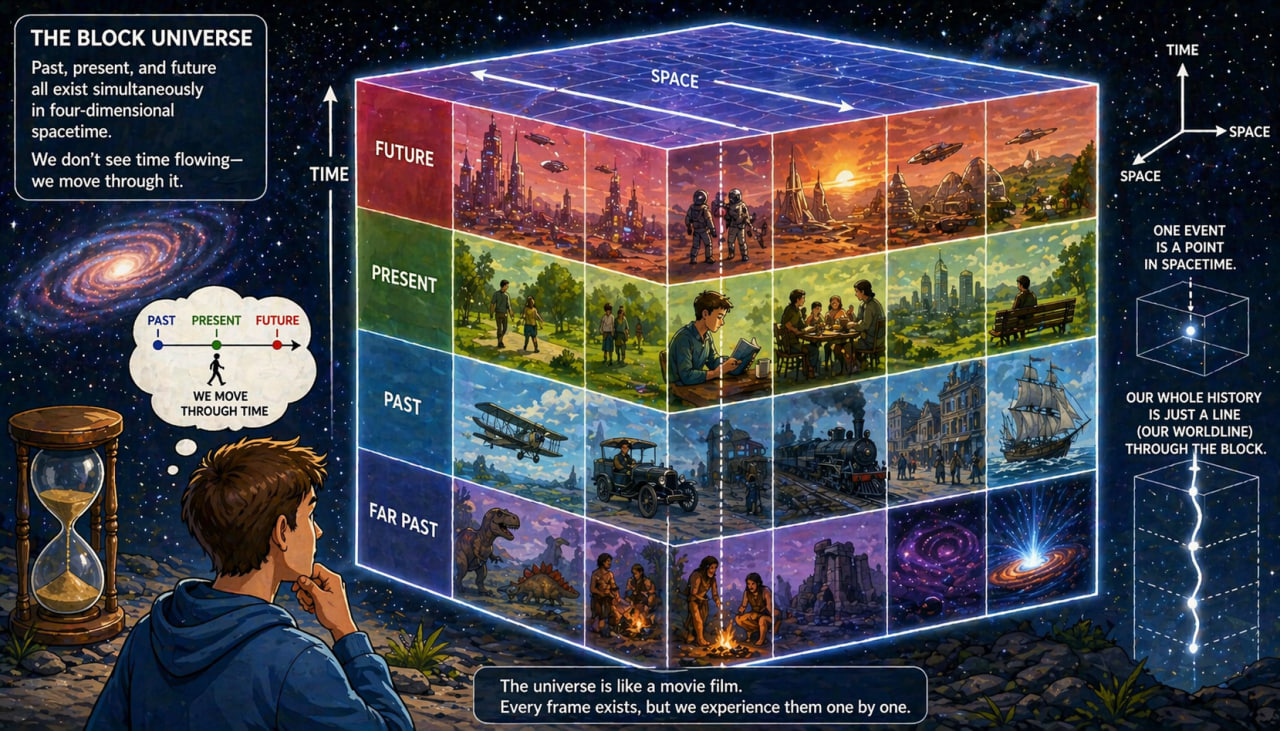
Time feels like one of the most fundamental aspects of reality. We experience it as a constant flow from past to present to future. But what if this perception is an illusion? The block universe theory, one of the most intriguing ideas in modern physics and philosophy, suggests that time does not “flow” at all. Instead, all moments—past, present, and future—exist simultaneously. This concept challenges our everyday understanding of reality and raises profound questions about free will, causality, and the nature of existence.

Why the Ocean Is Salty: The Geochemistry of Our Planet
Science Be Smart What if?

Why the Ocean Is Salty: The Geochemistry of Our Planet

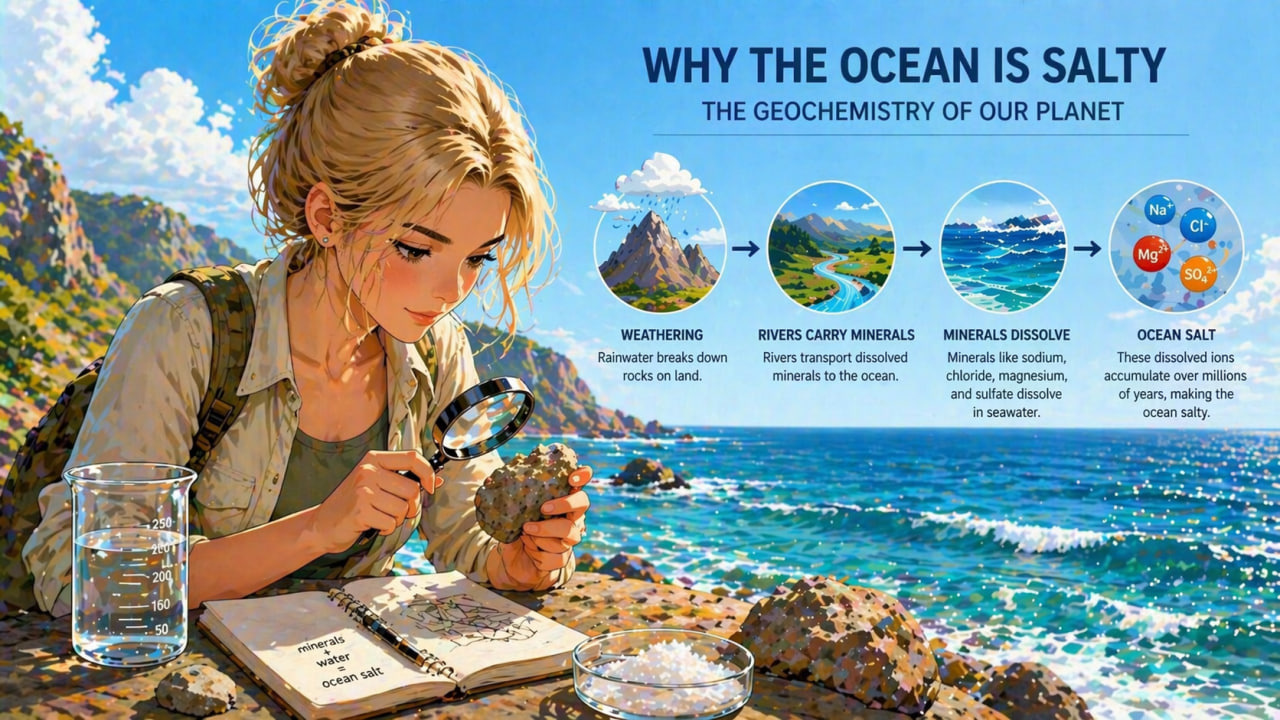
The salty taste of ocean water is one of the most familiar features of Earth, yet its origin is the result of long-term geological and chemical processes acting over billions of years. The oceans did not start out as salty as they are today. Instead, their composition gradually changed as minerals were transported, dissolved, and recycled through Earth’s systems. The saltiness of the ocean reflects a balance between inputs from land and the seafloor and processes that remove or store dissolved elements. Understanding this balance reveals how deeply connected the ocean is to the planet’s geology.

Biomimicry: How Nature Inspires Engineering Solutions
Science New Discoveries Be Smart

Biomimicry: How Nature Inspires Engineering Solutions

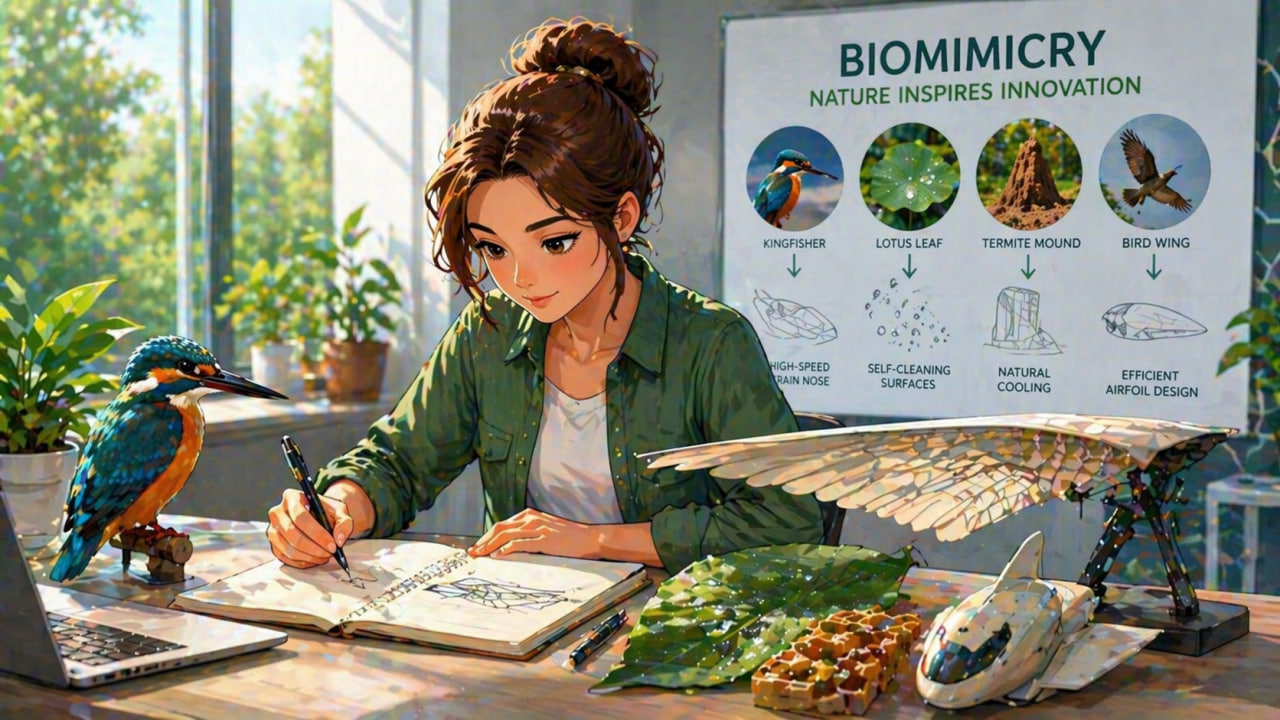
Biomimicry is an approach in science and engineering where ideas are drawn from natural systems, organisms, and processes to solve human problems. Instead of inventing solutions from scratch, researchers study how nature has already optimized structures and mechanisms over millions of years of evolution. This method has led to innovations in materials, architecture, medicine, and technology. Nature operates efficiently, using minimal energy and resources, which makes it an ideal model for sustainable design. Biomimicry is not about copying nature directly, but about understanding the principles behind natural solutions and applying them in new contexts.