Be Smart

The Amazing Geometry of Pyramids
History Science Be Smart

The Amazing Geometry of Pyramids

Pyramids are among the most mathematically precise and visually striking structures ever created by ancient civilizations. Beyond their monumental scale, what makes pyramids truly remarkable is their geometric accuracy, symmetry, and alignment. These structures are not random piles of stone; they are carefully designed forms that reflect a deep understanding of mathematics, proportions, and spatial organization. Across different cultures, pyramids demonstrate consistent geometric principles, suggesting that ancient builders possessed advanced knowledge of measurement and design. The study of pyramid geometry reveals not only engineering skill but also a possible connection between architecture, astronomy, and symbolic meaning. Understanding these geometric features allows us to better appreciate how such structures were conceived and constructed thousands of years ago.

How Many Books and Documents Are Not on the Internet — and Where to Find Them
History Science Be Smart

How Many Books and Documents Are Not on the Internet — and Where to Find Them

The internet gives the impression that nearly all human knowledge is accessible with a simple search, but in reality, a vast portion of books and documents still remains offline. Estimates suggest that only a fraction of all published materials has been digitized, especially when considering historical archives, rare manuscripts, and local publications. Millions of works exist only in physical form, stored in libraries, private collections, or institutional archives. The reasons for this gap include technical limitations, legal restrictions, and the sheer scale of global knowledge production. Understanding why so much information is not online helps researchers, students, and curious readers expand their search beyond digital sources. In many cases, the most valuable or unique materials require traditional methods of discovery.

Ice Giants: Uranus and Neptune — The Forgotten Planets
Space Stories Be Smart Solar System

Ice Giants: Uranus and Neptune — The Forgotten Planets

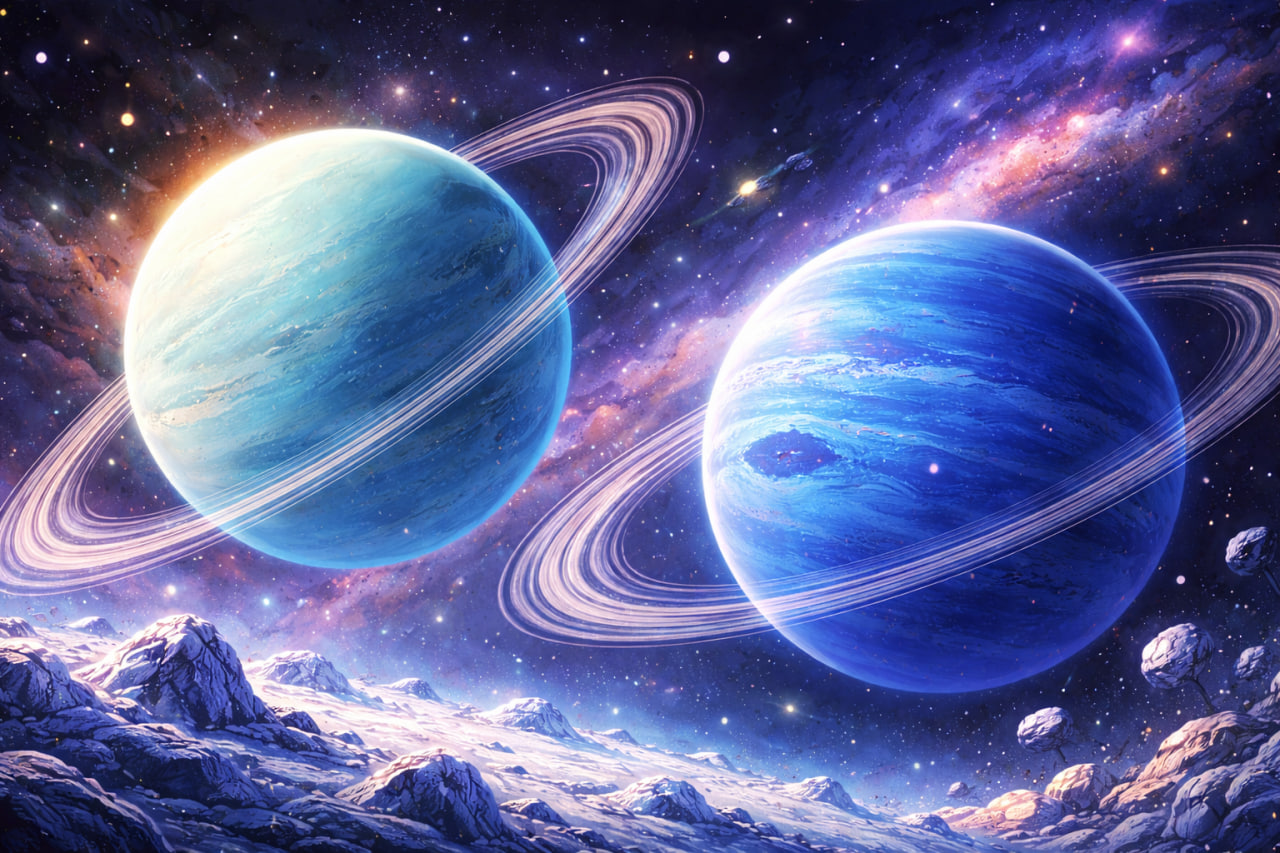
Uranus and Neptune are often referred to as the ice giants of the Solar System, yet they remain some of the least explored and most mysterious planets. Unlike the more famous gas giants like Jupiter and Saturn, these distant worlds receive far less attention, largely due to their extreme distance from Earth. However, they hold crucial clues about planetary formation, atmospheric physics, and the diversity of worlds beyond our Solar System. Composed largely of water, ammonia, and methane ices, these planets differ significantly from gas giants, offering a unique class of planetary environments. Despite their beauty and scientific importance, Uranus and Neptune are often called “forgotten” because only one spacecraft—Voyager 2—has ever visited them. Studying these planets helps scientists better understand not only our Solar System but also the many similar planets discovered around other stars.

How Venus “Died” as a Habitable Planet
Space Stories Be Smart Solar System

How Venus “Died” as a Habitable Planet

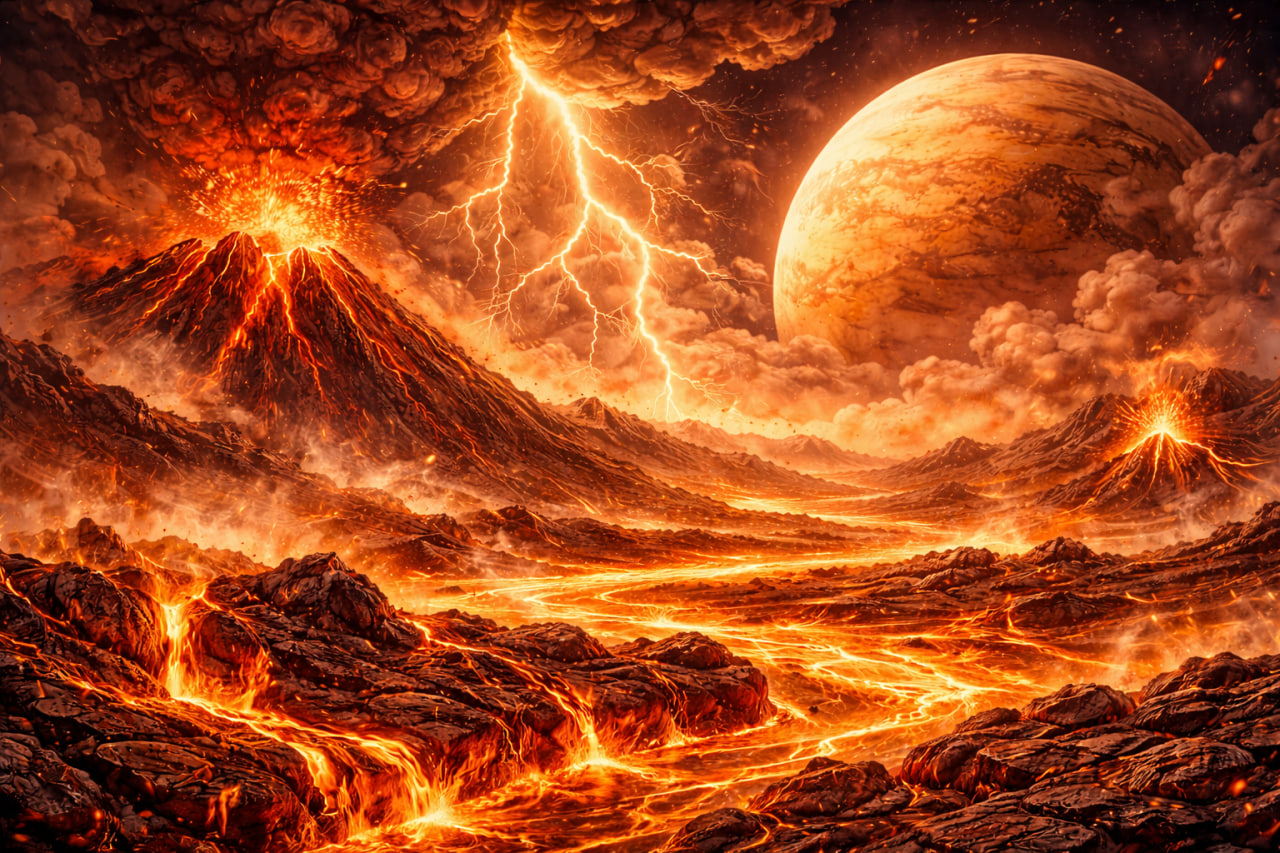
Venus is often described as a “dead” or “lost” world—not because the planet itself disappeared, but because it likely lost the conditions that could have supported life. Billions of years ago, Venus may have had a much more Earth-like environment, with moderate temperatures and possibly even liquid water on its surface. However, over time, a series of powerful climatic and atmospheric changes transformed it into the extremely hot and hostile planet we see today. This transformation is one of the most dramatic examples of planetary evolution in the Solar System. Studying how Venus “died” helps scientists understand the fragile balance required for a planet to remain habitable. It also provides important warnings about how climate systems can change beyond recovery.

Can We Create a Mini Black Hole on Earth?
Hi-Tech Science New Discoveries

Can We Create a Mini Black Hole on Earth?

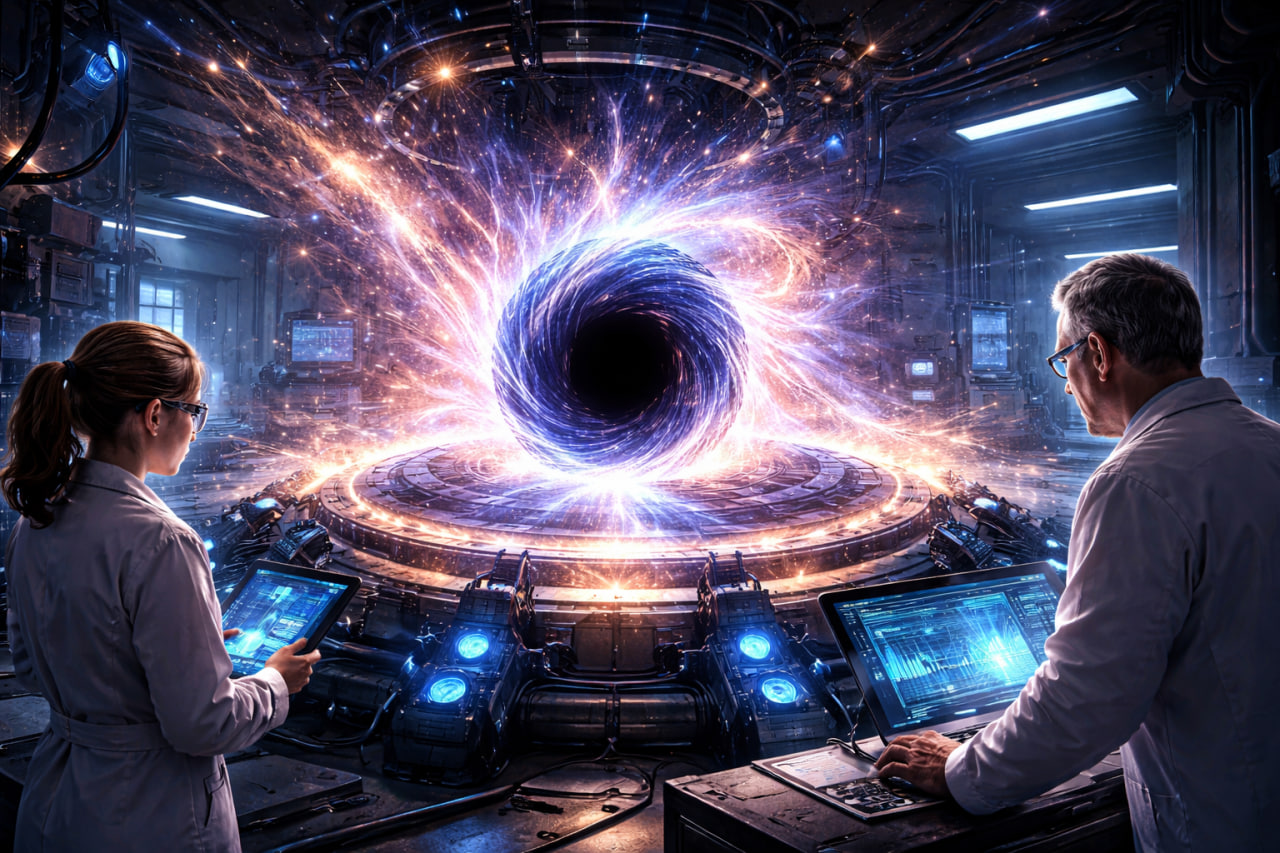
The idea of creating a mini black hole on Earth sounds like something from science fiction, but it is actually a topic that scientists have seriously explored in theoretical physics. Black holes are regions of space where gravity is so strong that nothing—not even light—can escape. They usually form when massive stars collapse under their own gravity. However, some theories suggest that extremely small black holes, known as micro black holes, could exist or even be created under the right conditions. The question is whether current human technology is capable of producing such an object, and if so, whether it would pose any danger.

Weightlessness: What It Is and How It Can Benefit Humans
Space Stories Science Be Smart

Weightlessness: What It Is and How It Can Benefit Humans

The state of weightlessness, also known as microgravity, occurs when objects appear to have no weight and float freely in space. This condition is commonly experienced by astronauts orbiting Earth aboard spacecraft such as the International Space Station. Contrary to popular belief, weightlessness does not mean the absence of gravity. Instead, it happens when objects are in a continuous state of free fall, moving around Earth at high speed while being pulled by gravity at the same time. This creates the sensation of floating. Understanding weightlessness is essential not only for space exploration but also for scientific research that can benefit life on Earth.

Through Hardships to the Stars
Space Stories History Be Smart

Through Hardships to the Stars

The phrase “Through hardships to the stars” symbolizes the idea that great achievements require perseverance, effort, and the ability to overcome obstacles. It reflects a universal truth: progress—whether personal, scientific, or societal—rarely comes easily. From ancient explorers to modern astronauts, humanity has always faced challenges on the path toward discovery. Yet it is precisely these difficulties that shape growth, strengthen determination, and make success meaningful. This concept applies not only to space exploration but also to everyday life, where persistence often determines the difference between failure and achievement.

How Venus Became a Hellish Planet
Space Stories Universe Be Smart

How Venus Became a Hellish Planet

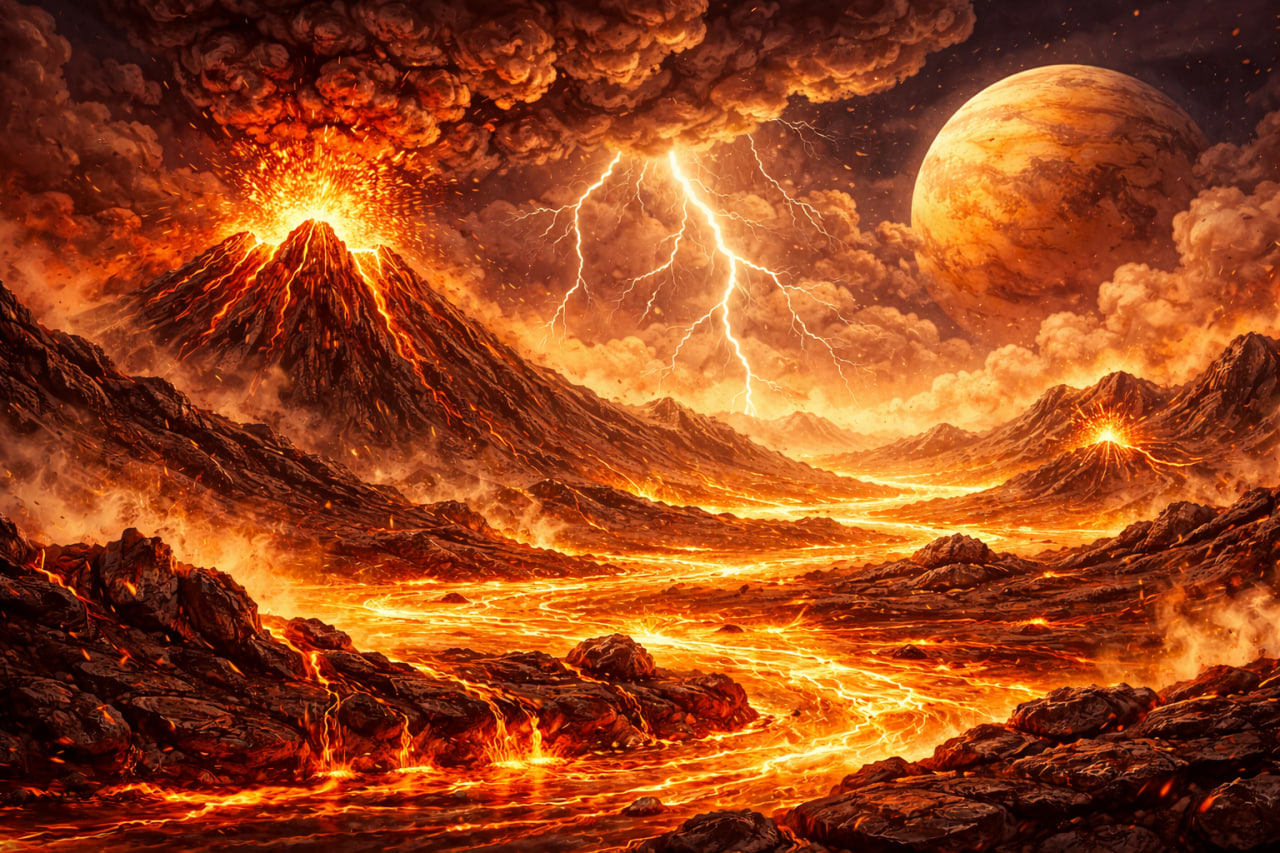
Venus is often called Earth’s “twin” because of its similar size, composition, and location in the inner Solar System. However, despite these similarities, Venus evolved into one of the most extreme and hostile environments known, with surface temperatures hot enough to melt lead and atmospheric pressure crushing enough to destroy most spacecraft. Scientists believe that billions of years ago, Venus may have had conditions more similar to Earth, including the potential for liquid water. Over time, however, a series of runaway processes transformed the planet into a hellish world dominated by extreme heat and a toxic atmosphere. Understanding how Venus changed so dramatically provides valuable insight into planetary evolution and the delicate balance required to sustain life.

The First Human Spaceflight: How It Happened
History Science Be Smart

The First Human Spaceflight: How It Happened

The first human spaceflight marked one of the most significant milestones in the history of science and exploration. It was a moment when humanity crossed a boundary that had existed for all of history—the boundary between Earth and space. This achievement was not only a technological breakthrough but also a powerful symbol of human curiosity, courage, and ambition. During the early 1960s, the world was deeply engaged in the space race, a competition between global superpowers striving to demonstrate scientific and technological superiority. The success of sending a human into orbit required years of research, testing, and risk-taking, as engineers worked to solve problems that had never been encountered before. Understanding how this historic mission unfolded reveals both the complexity of early space travel and the determination behind one of humanity’s greatest achievements.

Mercury: A Mysterious Metal with Dangerous Properties
Science Be Smart

Mercury: A Mysterious Metal with Dangerous Properties

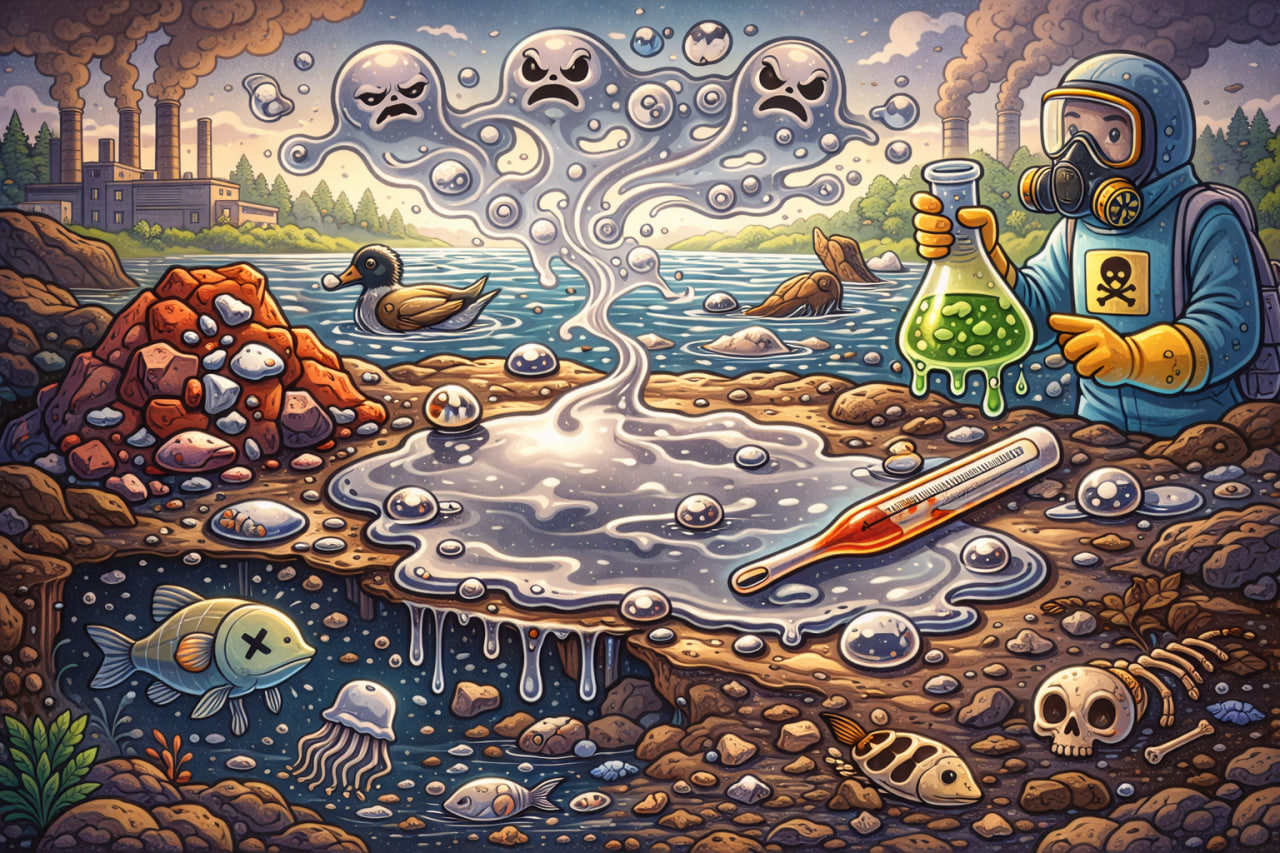
Mercury is one of the most unusual elements in nature. It is the only metal that exists in a liquid state at room temperature, giving it a unique appearance and behavior. Known since ancient times, mercury has been used in medicine, industry, and science, but it is also highly toxic and dangerous to living organisms. Its dual nature—useful yet hazardous—makes it one of the most studied elements in environmental and health sciences. Understanding mercury helps reveal how certain substances can both benefit and threaten life on Earth.