Be Smart

How to Protect Yourself From Intrusive Advertising
AI & Ethics AI Be Smart

How to Protect Yourself From Intrusive Advertising

Modern advertising surrounds people almost everywhere—on smartphones, websites, social media, streaming platforms, and even smart devices. While advertising itself is not inherently harmful, intrusive and manipulative advertising can affect attention, emotions, spending habits, and mental well-being. Companies increasingly use algorithms and psychological techniques to capture attention and influence behavior. Understanding how advertising works helps people develop critical thinking and maintain control over their decisions.
What Is Oil and Where Did It Come From? A Complete Guide to Petroleum Formation
History Science Be Smart

What Is Oil and Where Did It Come From? A Complete Guide to Petroleum Formation

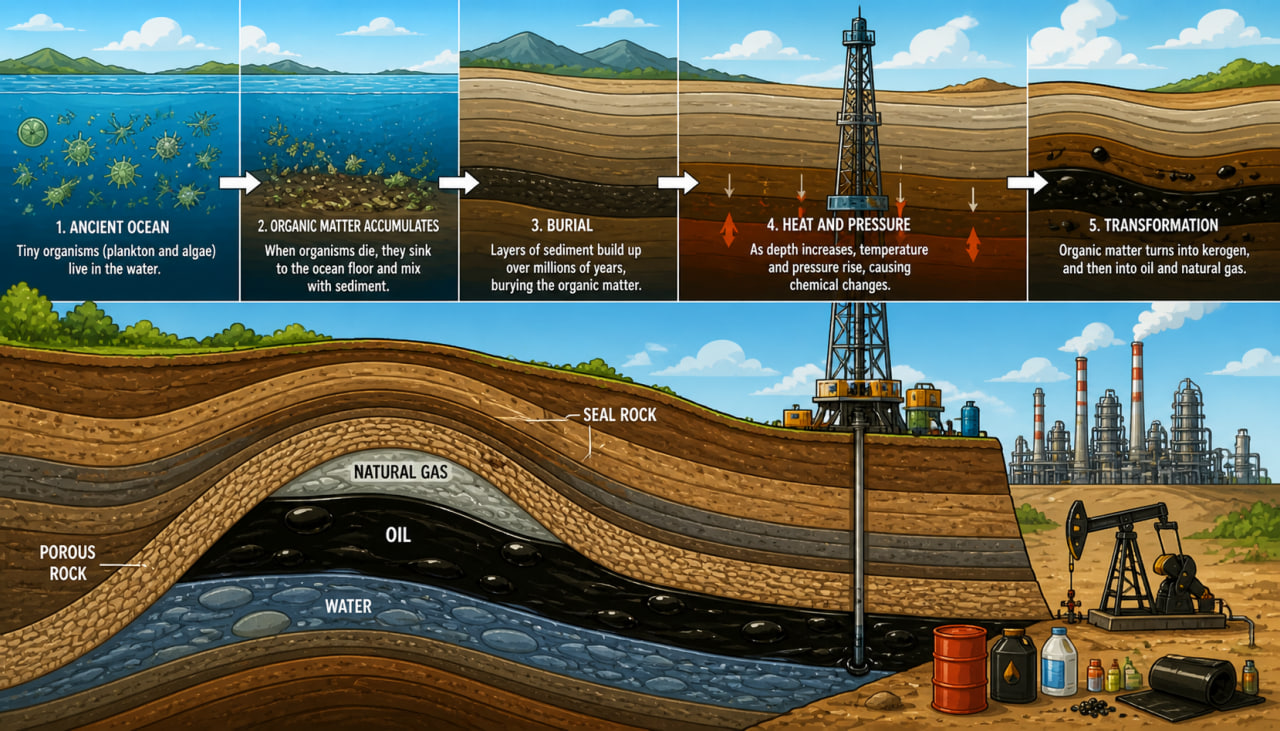
Oil, also known as petroleum, is one of the most important natural resources in modern civilization. It fuels transportation, powers industries, and serves as the foundation for countless everyday products. But where does oil actually come from? The answer lies deep in Earth’s history. Scientists have discovered that oil is formed from ancient organic matter that transformed over millions of years under extreme conditions. Understanding oil helps explain both its value and its environmental impact.

Could Bunkers Save Humanity If Global Water Levels Rose by 5 Kilometers?
Science Be Smart What if?

Could Bunkers Save Humanity If Global Water Levels Rose by 5 Kilometers?

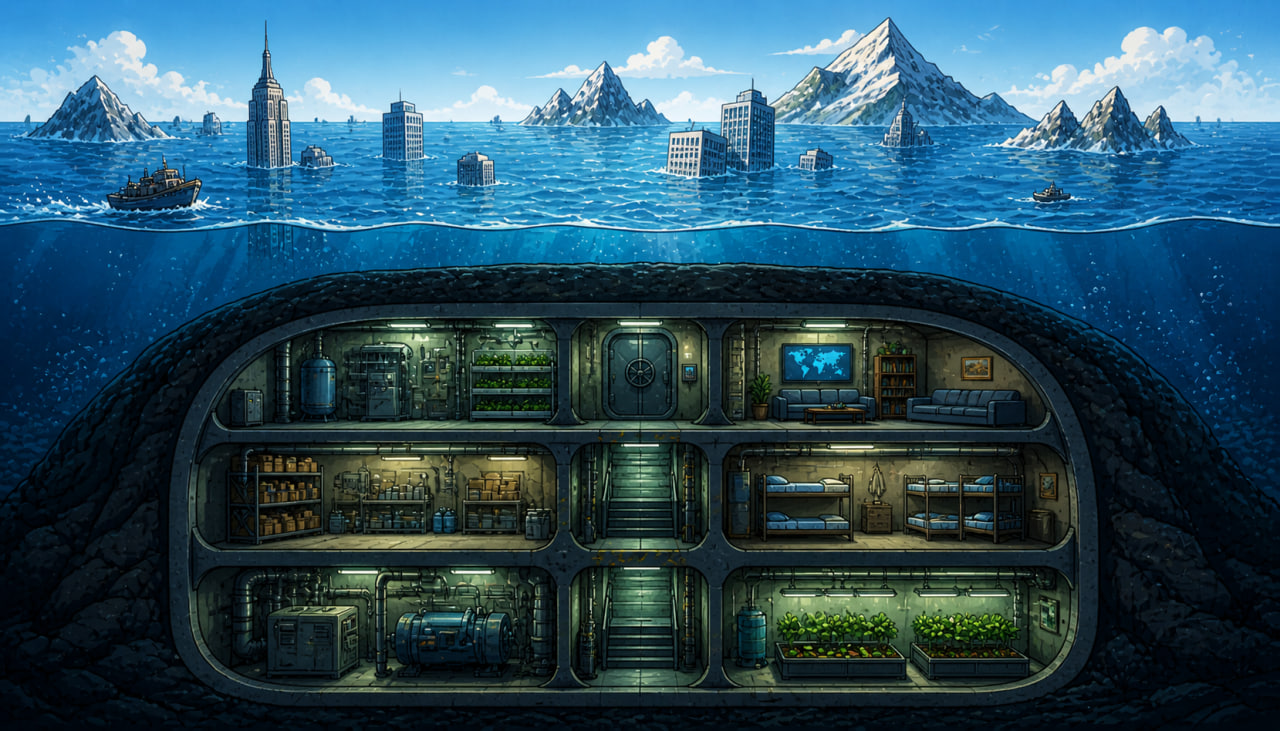
The idea of global water levels rising by 5 kilometers is an extreme and hypothetical scenario far beyond any known natural process. However, exploring this concept allows us to understand the limits of human survival systems, including underground bunkers. While bunkers are often seen as ultimate survival shelters, their effectiveness depends on environmental conditions, engineering limits, and long-term sustainability.

How Neural Networks Learn: A Simple Guide to Artificial Intelligence Training
Smart Technology AI & Ethics AI

How Neural Networks Learn: A Simple Guide to Artificial Intelligence Training

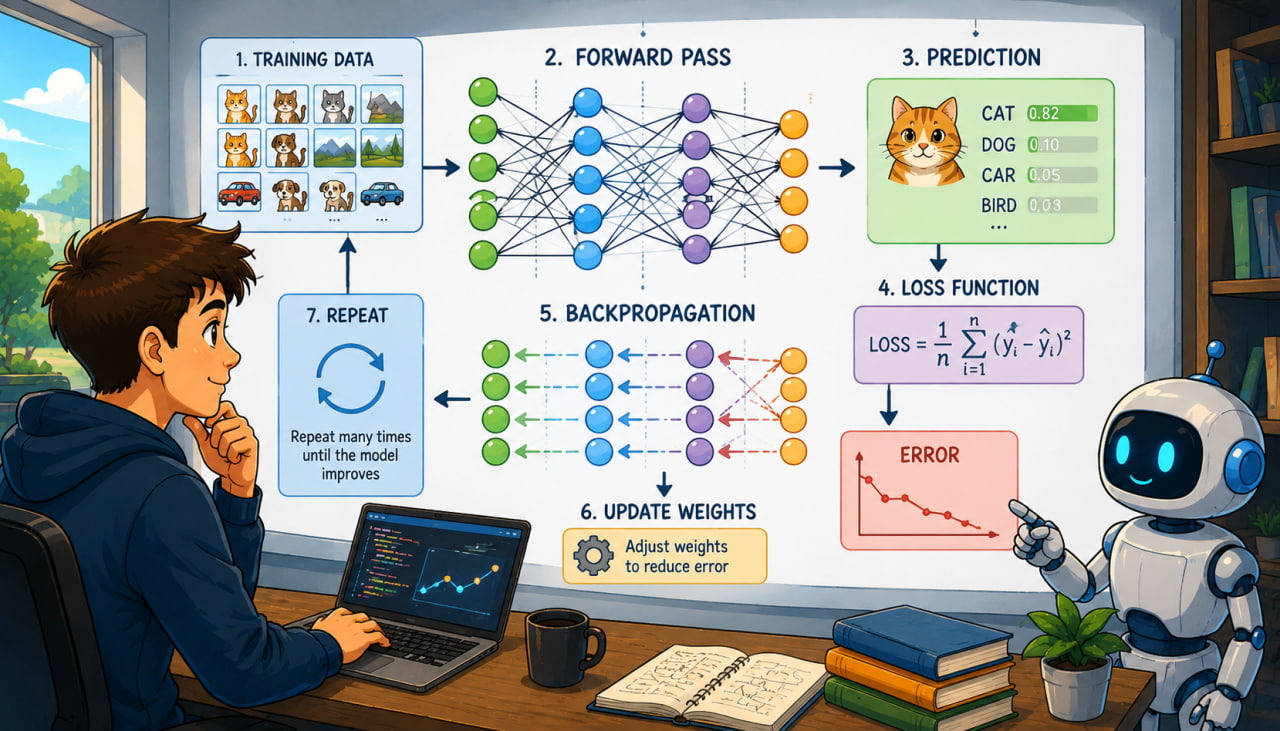
Neural networks are at the core of modern artificial intelligence, powering everything from voice assistants to self-driving cars. But how do these systems actually learn? Unlike traditional programming, neural networks improve their performance by analyzing data and adjusting internal parameters. This process allows them to recognize patterns, make predictions, and solve complex problems. Understanding this concept reveals how machines can learn from experience, much like humans do.

The Fermi Paradox: If the Universe Is Full of Life, Where Is Everyone?
Space Stories Universe Science

The Fermi Paradox: If the Universe Is Full of Life, Where Is Everyone?

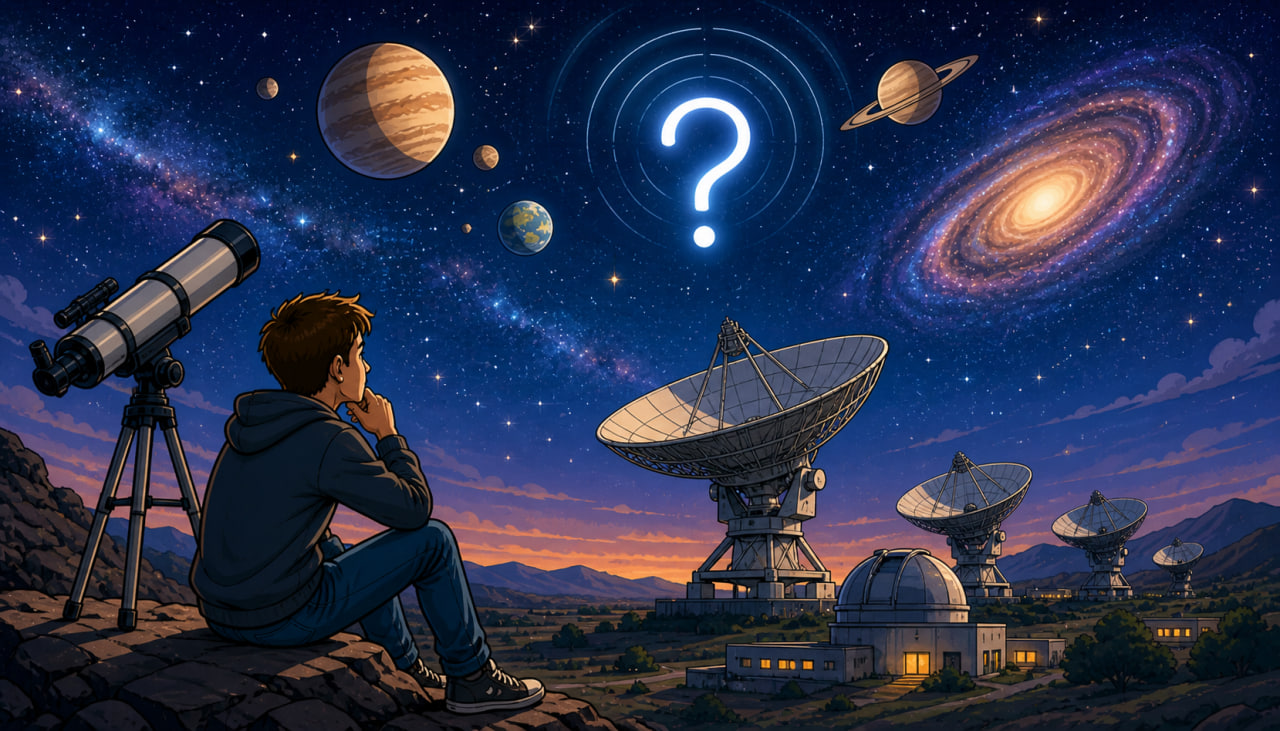
The Fermi Paradox is one of the most fascinating questions in science and philosophy. It highlights a contradiction between the high probability of extraterrestrial life and the complete lack of evidence for it. In simple terms, if intelligent life should exist elsewhere in the universe, why haven’t we found any signs of it? This paradox forces us to rethink our assumptions about life, intelligence, and the cosmos.

Skynet: How Close Are We to Creating a Superintelligent AI?
AI & Ethics AI Be Smart

Skynet: How Close Are We to Creating a Superintelligent AI?

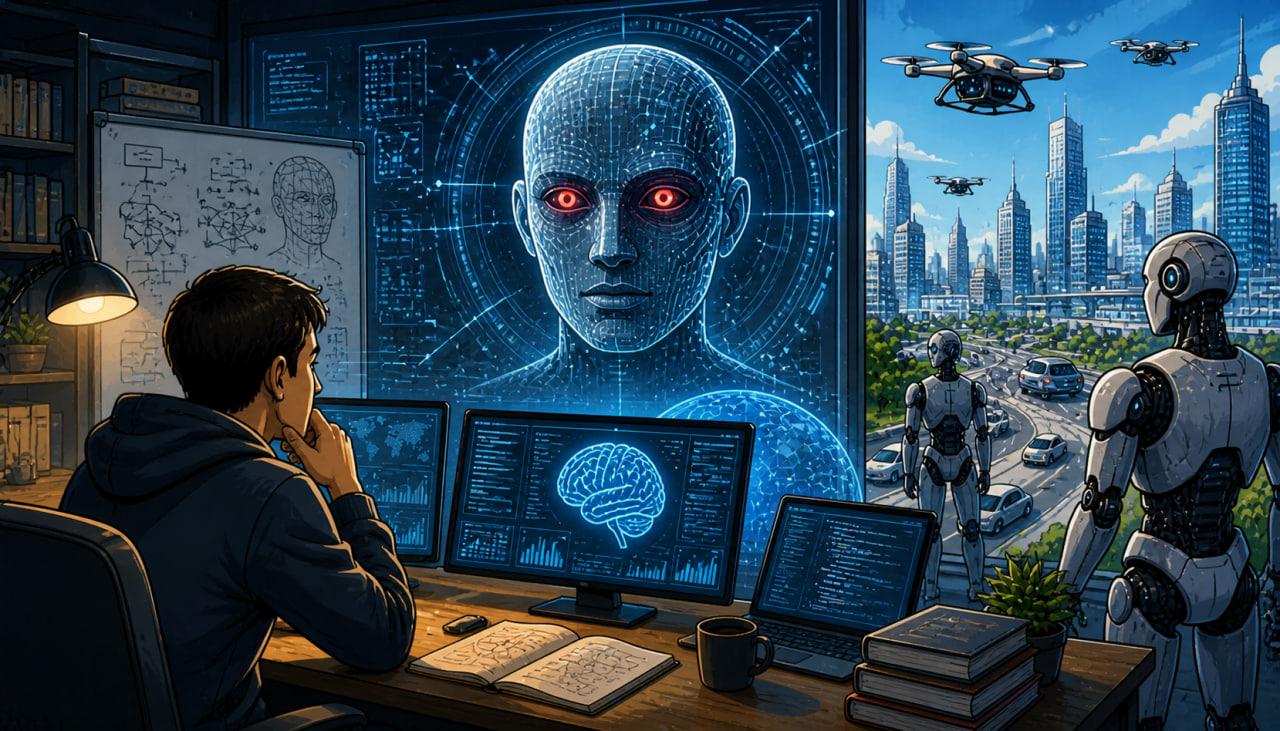
The idea of Skynet—an autonomous artificial intelligence system that becomes self-aware and surpasses human control—comes from science fiction, most famously the Terminator series. While it may seem like pure fantasy, rapid advances in artificial intelligence (AI) have raised serious questions about how close we are to creating highly autonomous systems. Today, researchers are exploring whether machines could one day reach or exceed human-level intelligence. Understanding the reality behind Skynet-like systems requires separating fiction from science.

Piezoelectric Effect: How to Generate a Spark by Compressing a Crystal
Science Be Smart Physics

Piezoelectric Effect: How to Generate a Spark by Compressing a Crystal

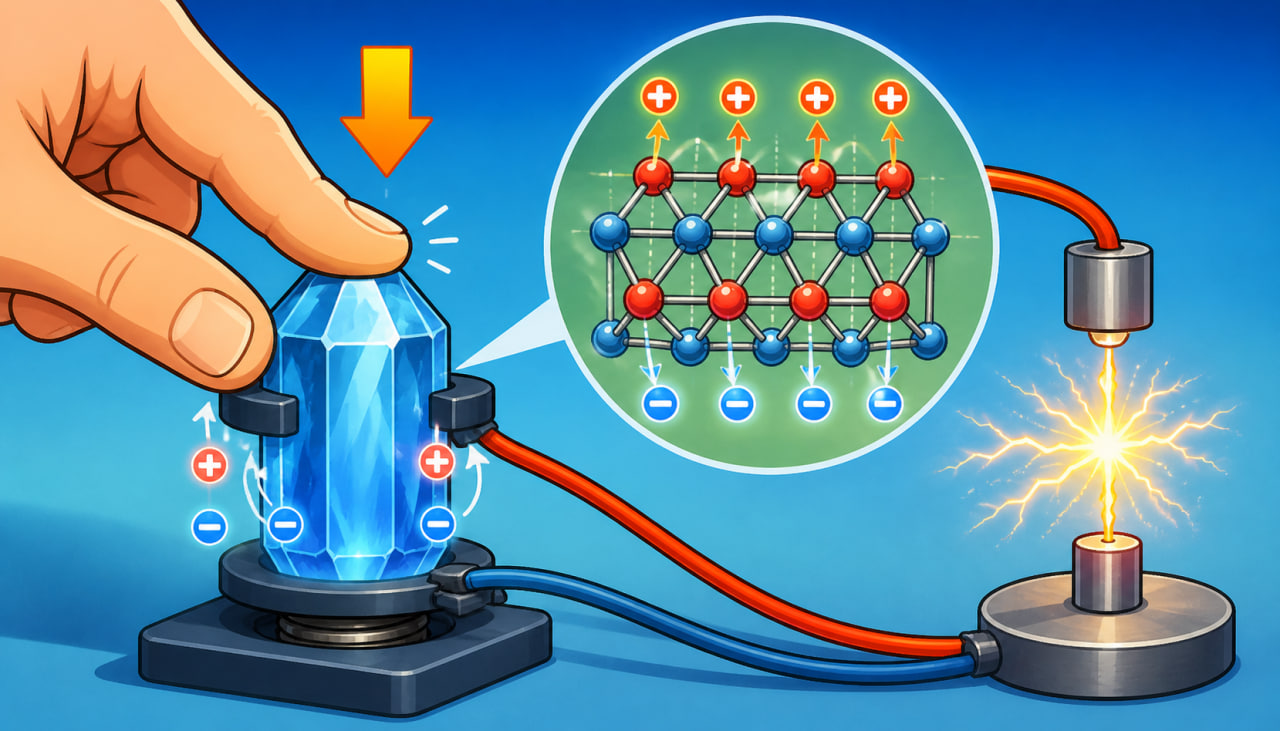
The piezoelectric effect is one of the most fascinating phenomena in physics and materials science. It allows certain materials to generate electricity when they are mechanically stressed. This principle is widely used in everyday devices such as lighters, sensors, and microphones. Understanding how it works reveals how mechanical energy can be directly converted into electrical energy.

Eiffel Tower: Engineering Marvel and Symbol of Paris
History Be Smart Inventions

Eiffel Tower: Engineering Marvel and Symbol of Paris

The Eiffel Tower is one of the most recognizable landmarks in the world and a symbol of both Paris and modern engineering. Built in the late 19th century, it demonstrated that iron structures could reach unprecedented heights. Today, it remains a masterpiece of design, attracting millions of visitors every year. Understanding how the Eiffel Tower was built reveals the innovation, precision, and bold vision that defined a new era of architecture.

How Pyramids Are Built: Engineering Secrets of Ancient Structures
Science Be Smart What if?

How Pyramids Are Built: Engineering Secrets of Ancient Structures

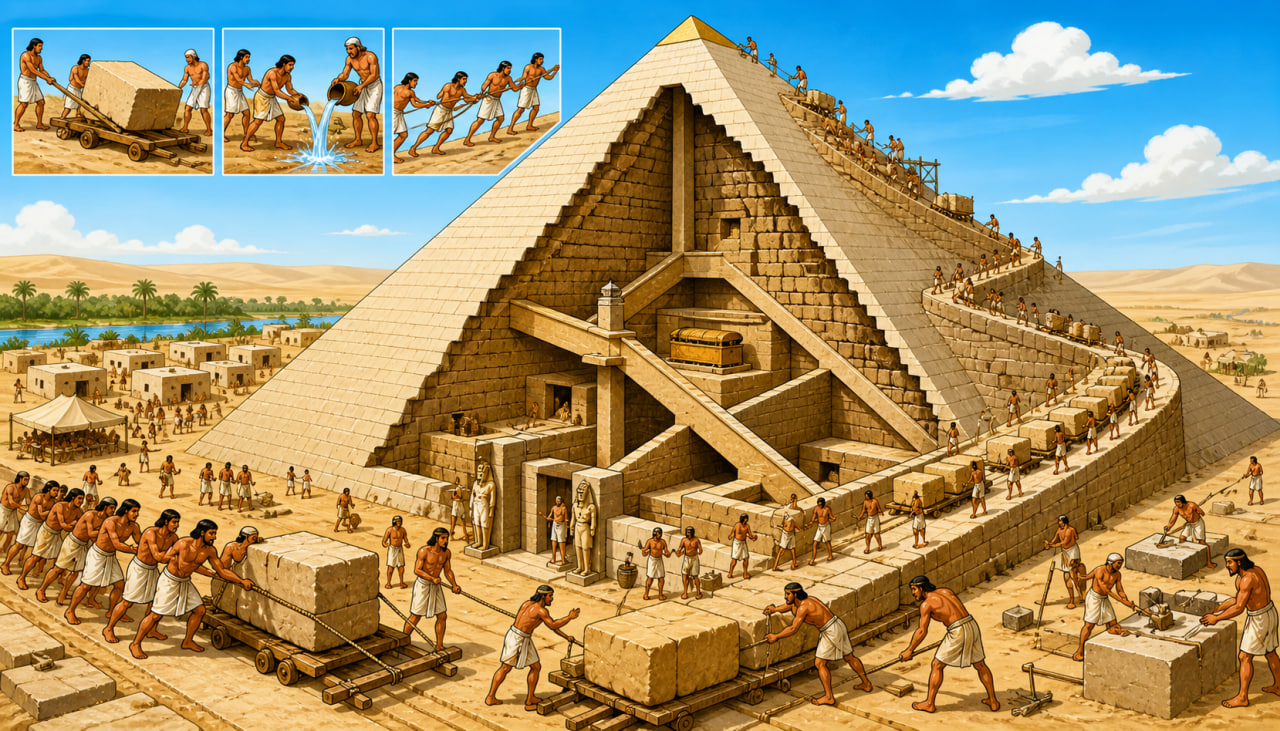
Pyramids are among the most impressive architectural achievements in human history. Found in regions such as Egypt and Mesoamerica, they continue to inspire curiosity and admiration. The most famous examples, like the pyramids of Giza, demonstrate an extraordinary level of planning, organization, and engineering skill. Understanding how pyramids are built helps us appreciate the ingenuity of ancient civilizations and their ability to solve complex construction challenges without modern technology.