Be Smart

How Solar Flares Form: The Explosions on the Sun
Space Stories Universe Science

How Solar Flares Form: The Explosions on the Sun

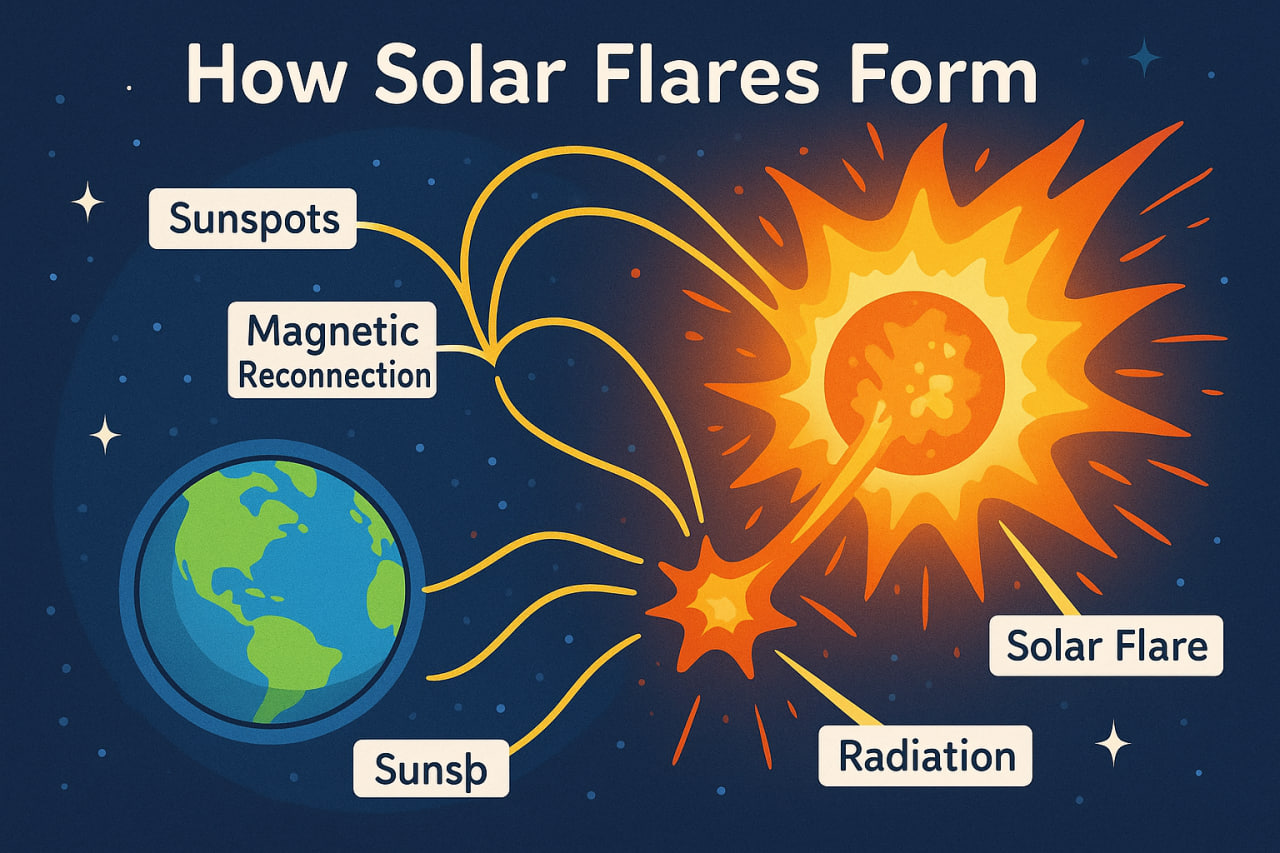
The Sun may look calm from Earth, but it is in constant motion — a fiery, magnetic storm of plasma and light. Among its most dramatic phenomena are solar flares: sudden bursts of energy that release the power of millions of nuclear bombs in seconds. These cosmic explosions can affect satellites, disrupt radio signals, and even paint the sky with colorful auroras. But what exactly causes them?

History of Seafaring
History Be Smart

History of Seafaring

Seafaring has shaped the development of civilizations, trade networks, cultural exchange, and scientific discovery. From the earliest rafts used to cross rivers to the sophisticated ocean-going vessels that circumnavigated the globe, the story of navigation is a story of human curiosity and ingenuity. Understanding how maritime technologies, navigation methods, and ship designs evolved helps us trace how societies connected across continents and oceans.

Static Electricity
Science Be Smart

Static Electricity

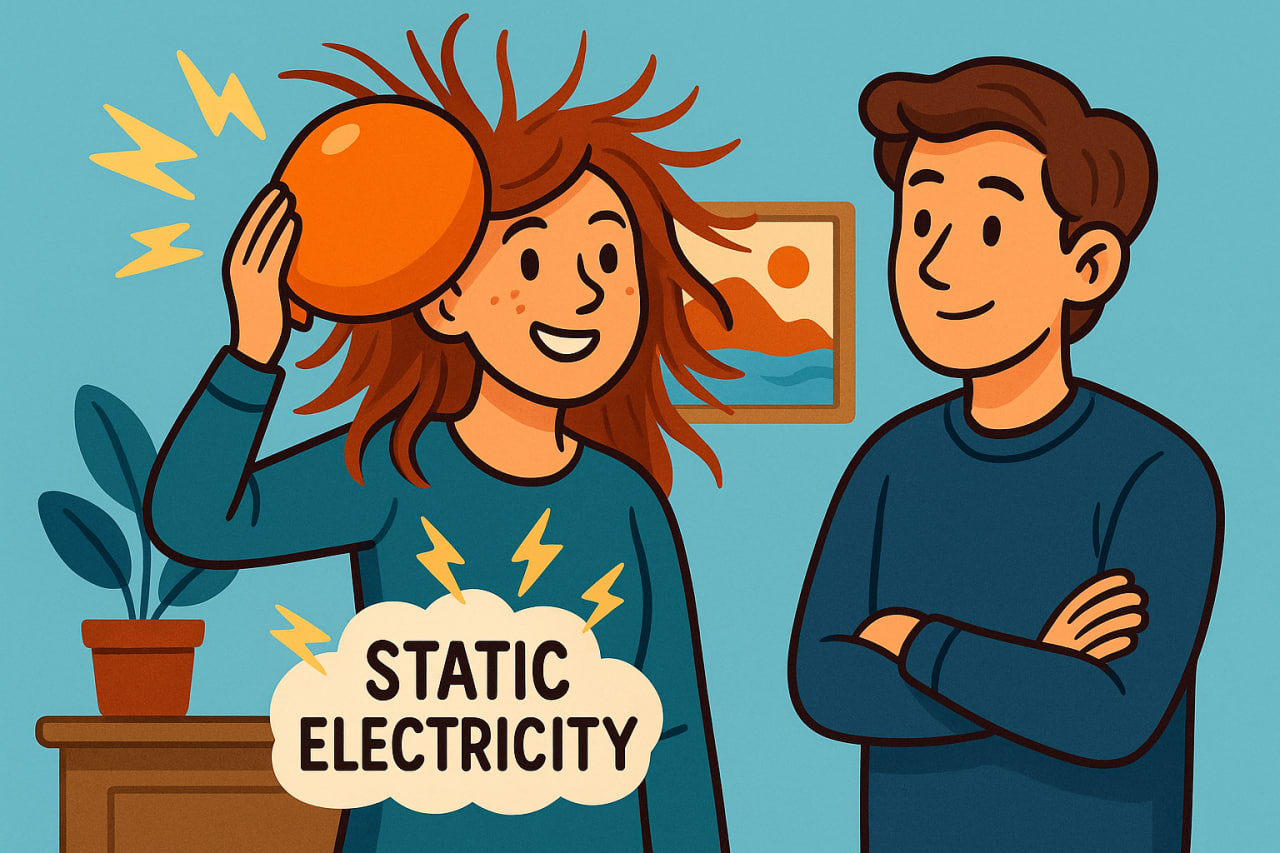
Static electricity is a form of electrical energy that builds up on the surface of objects due to an imbalance of charges. Unlike the steady flow of electricity in wires, static electricity occurs when electrons move from one material to another, creating either a positive or negative electrical charge. This effect can be observed in everyday life, such as when hair stands up after rubbing it with a balloon or when you feel a small shock after touching a metal doorknob. The buildup usually occurs in dry environments where electrons transfer more easily, making winter months a common time to notice static effects. While static electricity might seem simple, it plays an important role in physics and technology. Understanding how it works helps explain lightning, photocopiers, and even some industrial machinery.

Strengths and Weaknesses of Neural Networks
AI & Ethics AI Be Smart

Strengths and Weaknesses of Neural Networks

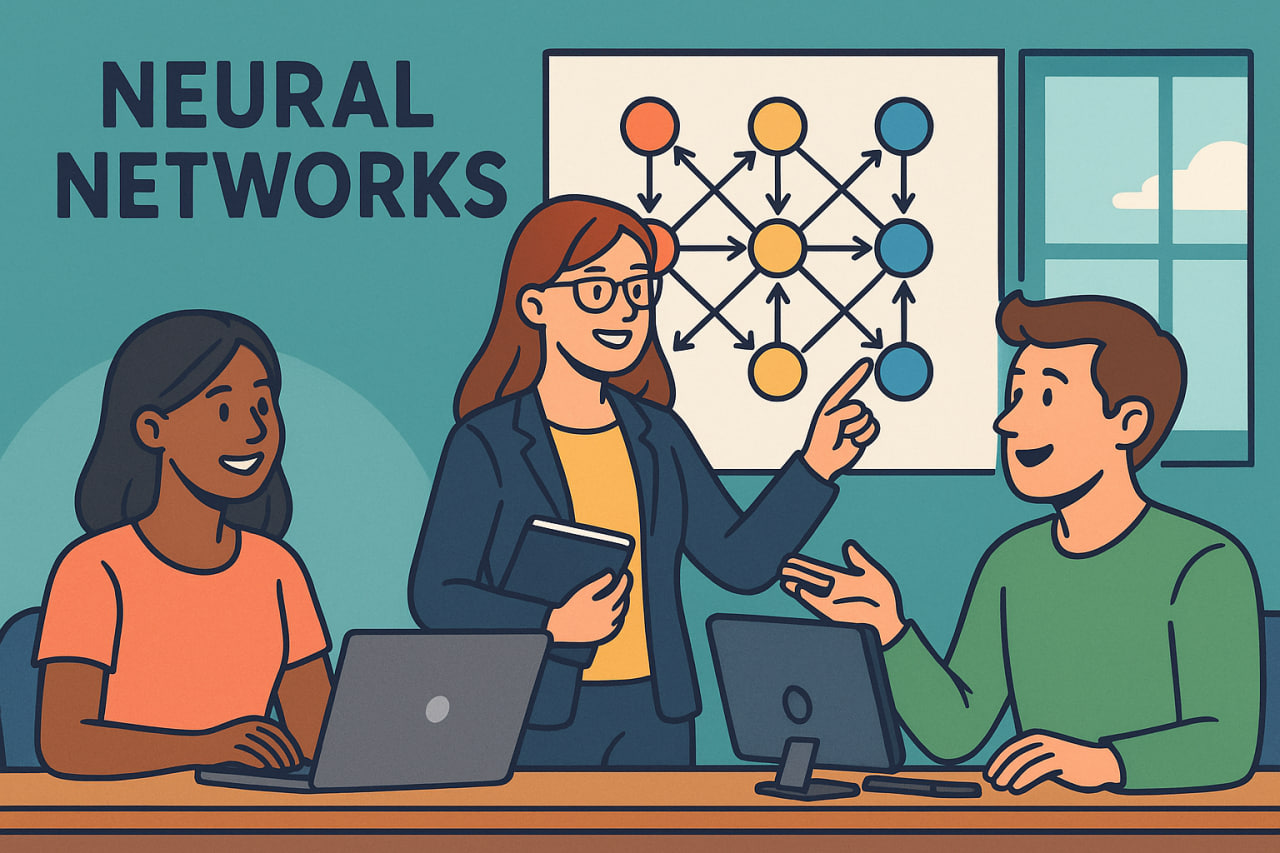
Neural networks are a powerful class of machine learning models inspired by the structure of the human brain. They are widely used in areas such as image recognition, natural language understanding, medical diagnostics, and autonomous systems. Their ability to identify complex patterns and learn from large amounts of data makes them a central technology in modern artificial intelligence. However, despite their impressive capabilities, neural networks are not perfect and come with challenges such as high computational cost and lack of transparency in decision-making. Understanding both strengths and weaknesses is essential for using these models effectively and responsibly in real-world applications.

What Is a Black Box in Technology
Science Be Smart

What Is a Black Box in Technology

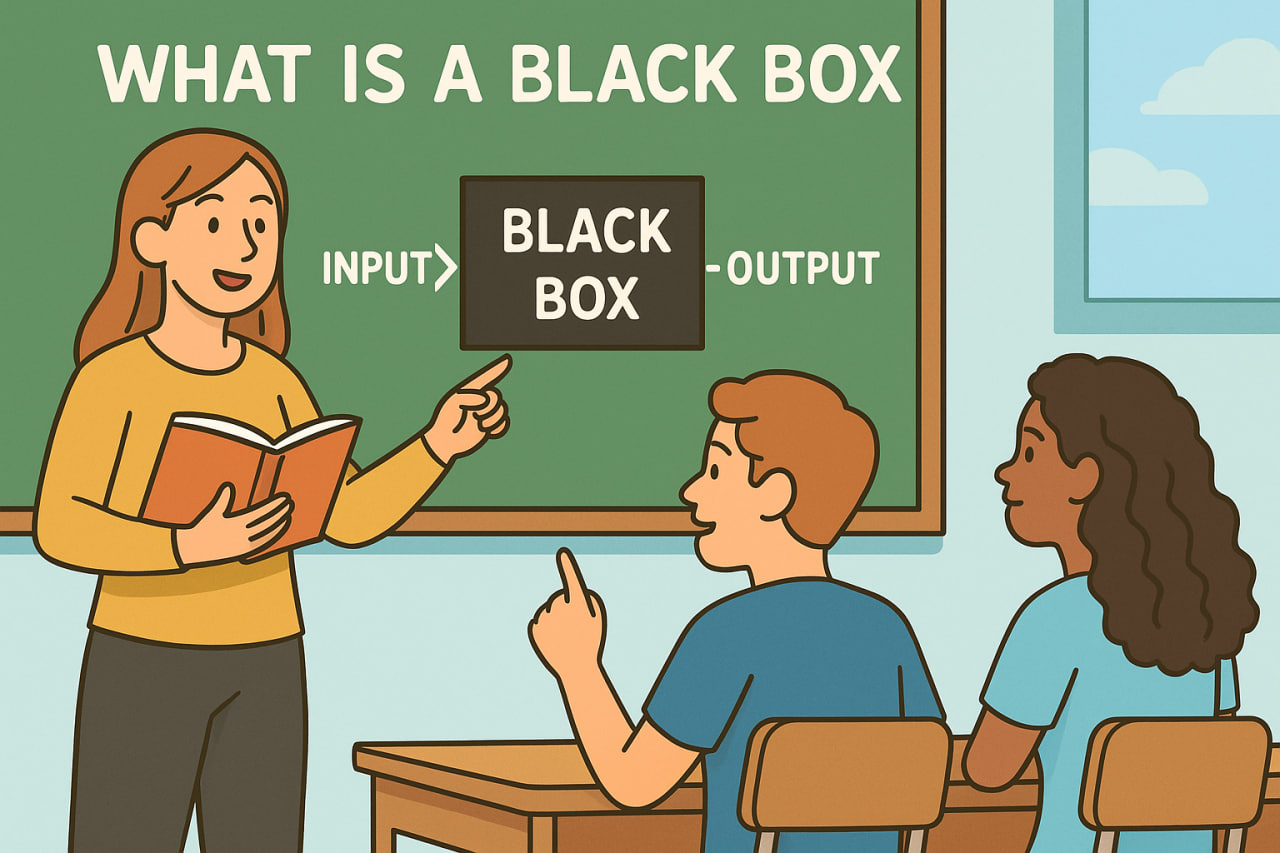
A black box is a system or process that can be observed from the outside, but its internal workings are hidden or not easily understood. You can see what goes in and what comes out, but you cannot clearly explain how the result was produced. This concept is used in many fields, including computer science, artificial intelligence, engineering, and even psychology. In modern technology, black box systems often appear when algorithms become too complex for humans to interpret step by step. Understanding the idea of a black box is important because it affects how we trust, evaluate, and control the tools we use every day.

The Future of Aircraft Engineering
Hi-Tech Smart Technology Be Smart

The Future of Aircraft Engineering

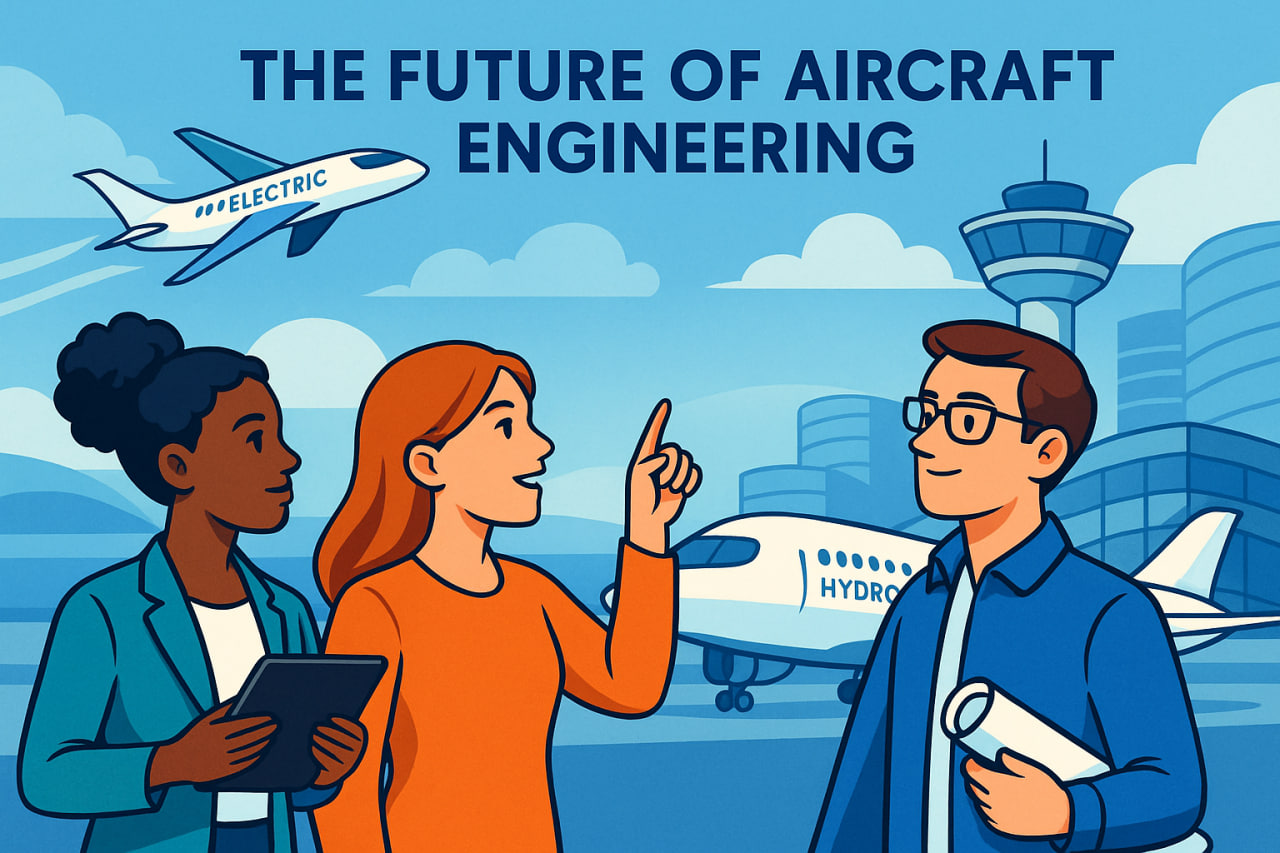
The future of aircraft engineering is shaped by the demand for faster, cleaner, and more efficient air travel. As global connectivity increases, the aviation industry faces new challenges, including environmental sustainability, noise reduction, and improved passenger safety. Researchers and engineers are working to develop new materials, propulsion systems, and aircraft designs that will transform how humans travel. These innovations aim not only to improve flight performance but also to reduce the ecological impact of aviation. The future of aircraft engineering will likely combine advanced technology with responsible design to create an era of smarter and more sustainable air transportation.

Watches: Measuring Time and Reflecting Human Culture
Hi-Tech Smart Technology Be Smart

Watches: Measuring Time and Reflecting Human Culture

Watches are far more than simple devices for tracking time—they are cultural symbols, expressions of personal identity, engineering marvels, and everyday companions. From ancient sundials to precise digital smartwatches, the development of timekeeping reflects humanity’s desire to organize life, improve efficiency, and understand the world. A watch on the wrist is both practical and meaningful: it offers convenience while also expressing style, craftsmanship, and tradition. Whether mechanical or electronic, every watch carries a story of science and culture.

Motorcycles: Freedom, Engineering, and Human Connection to the Road
History Be Smart Inventions

Motorcycles: Freedom, Engineering, and Human Connection to the Road

Motorcycles are more than just vehicles—they are symbols of freedom, adventure, and personal expression. Throughout history, motorcycles have captured the imagination of people who value independence and the thrill of the open road. Unlike cars, motorcycles provide a direct physical connection between the rider and the environment, allowing the rider to feel the wind, temperature, movement, and rhythm of the journey. At the same time, motorcycles require skill, awareness, and responsibility, as they demand more precise control and focus. Understanding what makes motorcycles unique helps explain their lasting popularity around the world.

Magnetic Levitation: The Science of Floating Without Touch
Hi-Tech Science New Discoveries

Magnetic Levitation: The Science of Floating Without Touch

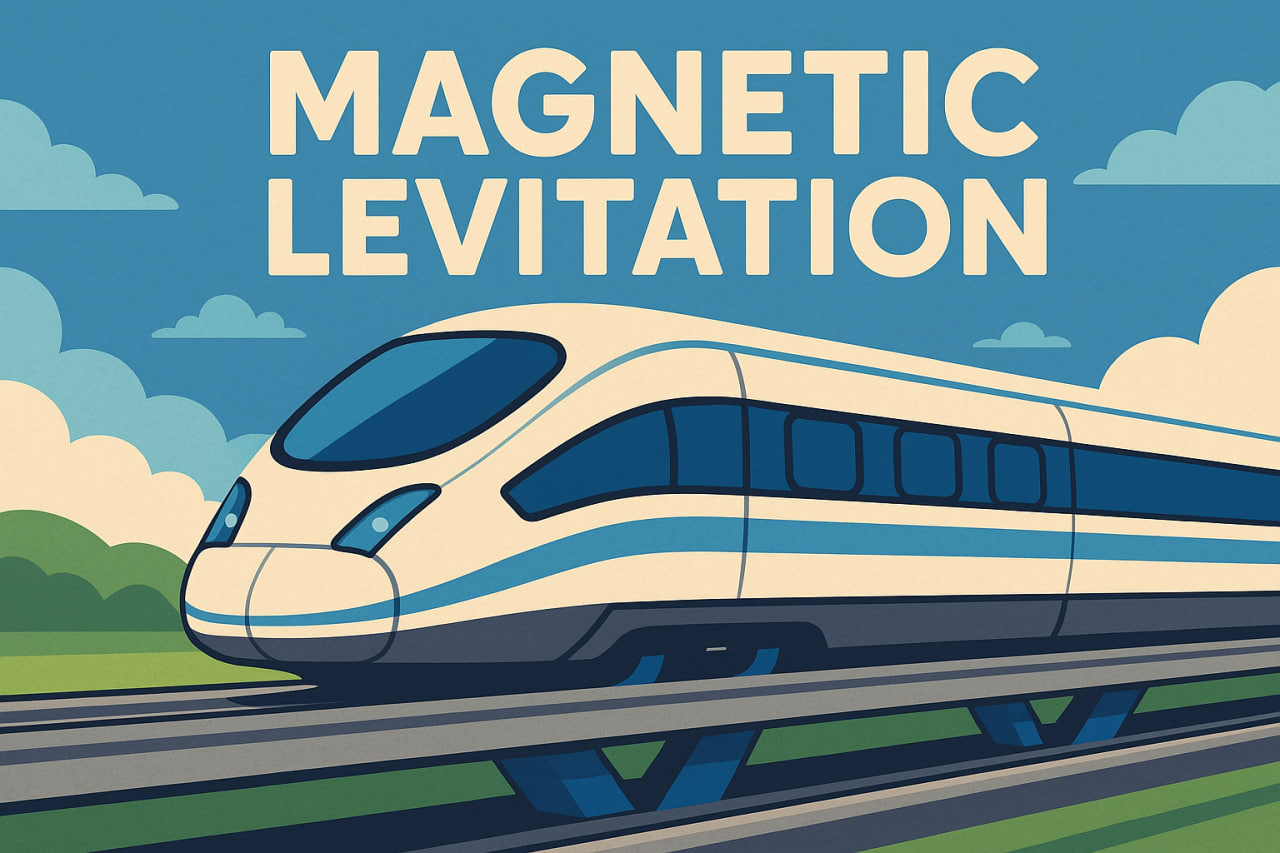
Magnetic levitation, often shortened to maglev, is a remarkable scientific principle that allows objects to float in the air without any physical support. This is made possible through the power of magnetism—specifically, the repulsion or attraction between magnetic fields. Instead of relying on wheels, ropes, or surfaces, magnetic levitation uses invisible forces to overcome gravity. This technology is already used in high-speed trains, science experiments, and precision engineering, and it has the potential to revolutionize transportation, industry, and everyday life. Understanding how magnetic levitation works helps us appreciate one of the most elegant and futuristic applications of physics.

How Electromagnets Work
Science New Discoveries Be Smart

How Electromagnets Work

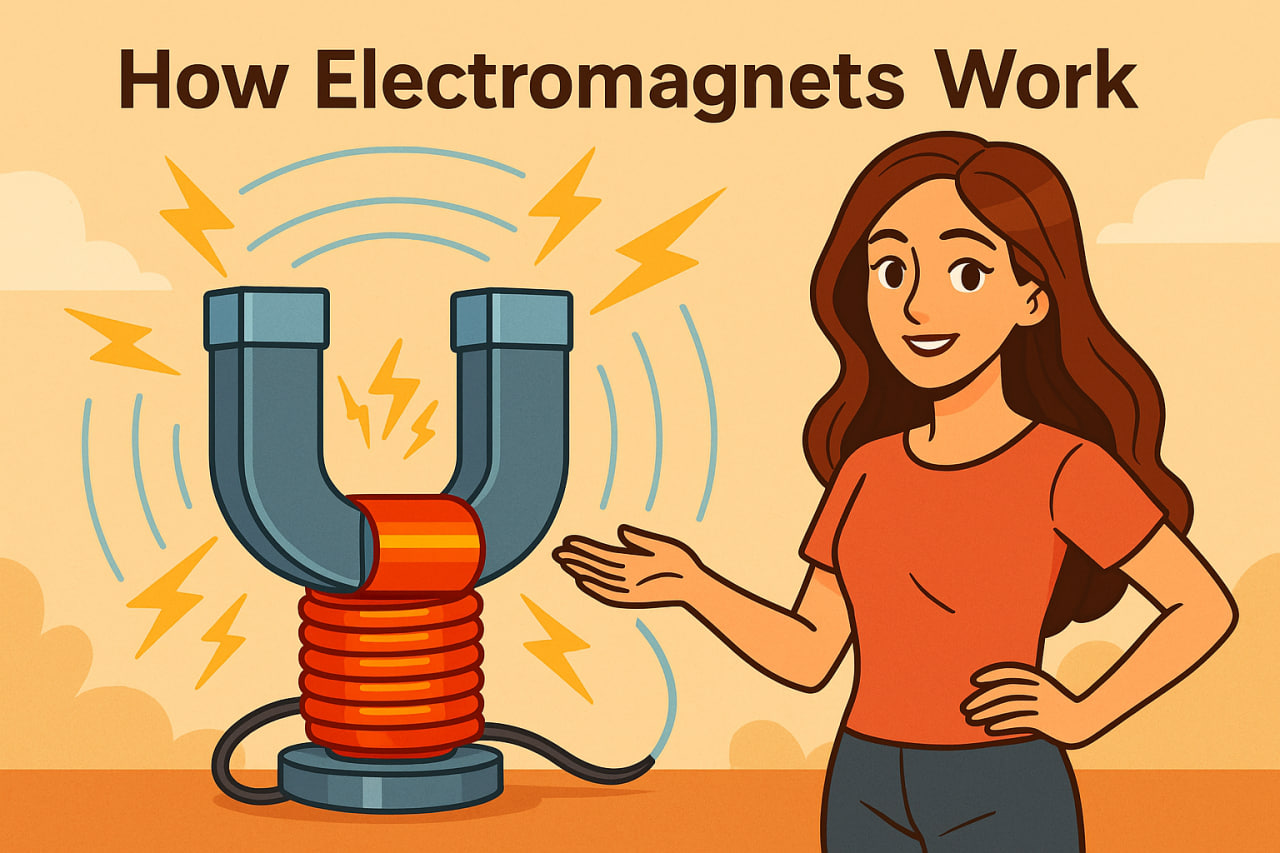
Electromagnets are special magnets that rely on electricity to create magnetic force. Unlike permanent magnets, which always have a magnetic field, electromagnets generate magnetism only when electric current flows through them. This ability to turn magnetism on and off makes electromagnets incredibly useful in technology, industry, transportation, and everyday devices. They are found in electric motors, speakers, medical equipment, cranes that lift heavy metal scrap, and even the doorbells and headphones we use daily. Electromagnets demonstrate the powerful connection between electricity and magnetism—a relationship at the heart of modern engineering.